
The Daily Broadcast: Mars Organics, Space Economics, and a Pivotal Week for Space Policy

Curiosity Rover Unearths Never-Before-Detected Organic Molecules on Mars
NASA’s Curiosity rover has made a significant discovery that strengthens the scientific case for Mars’ ancient habitability. The rover detected 21 organic molecules in a Martian rock sample collected nearly six years ago — including seven that have never been identified on the Red Planet before.
The findings come from a sample dubbed “Mary Anning 3,” named after the 19th-century British paleontologist. Curiosity drilled into the rock formation in the Mount Sharp region of Gale Crater in October 2020 and subjected it to an innovative analysis technique for the first time on another world.

The rover’s Sample Analysis at Mars (SAM) laboratory mixed portions of the sample with tetramethylammonium hydroxide (TMAH), a strong solvent that breaks down complex materials into larger, more detectable molecules. This wet-chemistry experiment had never been performed on another world, opening new possibilities for detecting organic compounds that standard analysis might miss. Researchers on Earth later replicated the process using meteorite samples to confirm Curiosity’s results.
Among the most intriguing discoveries was a nitrogen heterocycle — a ring-shaped structure combining carbon and nitrogen atoms. These molecules serve as precursors to the nucleobases found in RNA and DNA, the genetic molecules central to terrestrial biology. The presence of such complex organics, combined with evidence of ancient liquid water and energy sources, paints a compelling picture of early Mars as a potentially habitable environment billions of years ago.
“This adds to the growing body of evidence that ancient Mars was chemically rich and habitable,” NASA noted. Importantly, the presence of organic molecules does not constitute evidence of life itself — these compounds can form through purely geological and chemical processes. Nevertheless, the findings demonstrate that ancient Mars possessed the chemical complexity necessary to support microbial life.
The breakthrough also reflects Curiosity’s remarkable longevity. The rover continues its slow ascent of Mount Sharp, and the latest results will inform how upcoming missions approach the search for biosignatures and past habitability. NASA’s forthcoming Dragonfly rotorcraft mission to Titan and the European Space Agency’s Rosalind Franklin rover — now slated to launch aboard a SpaceX Falcon Heavy no earlier than late 2028 — will benefit from Curiosity’s pioneering work.
Meanwhile, ESA’s Mars Express orbiter has captured striking images revealing changes to the Martian surface over the past five decades. A dark blanket of volcanic ash now covers areas that appeared differently in photographs taken by NASA’s Viking orbiters in 1976. Researchers propose that strong Martian winds either redistributed ash over wider regions or scoured away the planet’s reddish dust, exposing darker underlying layers. Such long-term orbital monitoring highlights the value of sustained Mars exploration efforts.
ESA’s €51.65 Million Investment in European Launch Sovereignty
The European Space Agency has reaffirmed its commitment to independent launch capability with the €51.65 million cost to deploy the Sentinel-1C Earth observation satellite aboard a Vega-C rocket on 5 December 2024. The flight marked Vega-C’s return to operations after the launcher had been grounded for nearly two years following a December 2022 failure.
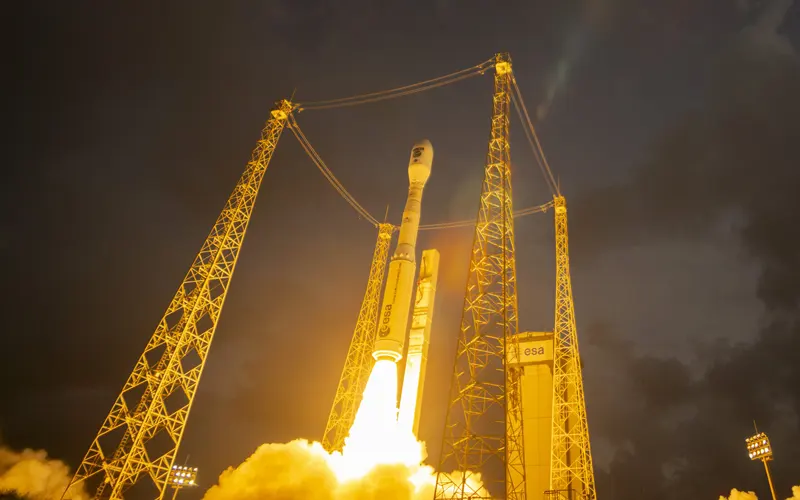
According to ESA’s contract disclosures, the primary launch service contract with Arianespace was valued at €48.62 million, awarded in April 2022. Earlier compatibility studies added €2.51 million (spanning 2019 and 2021), while post-launch charges in 2024 and 2025 contributed an additional €525,000. The European Commission confirmed these figures as “indicatively correct” but noted that fuller context would require additional strategic and financial details.
The cost underscores Europe’s choice to maintain sovereign access to space, even at a premium compared to alternative launch systems. The Indian Space Research Organisation’s PSLV rocket, which has comparable payload capacity to Vega-C, costs roughly €18.6 million per flight — less than half Vega-C’s price. Historical launches such as the Rokot system have also operated at lower cost, though Rokot was less capable and is now retired.
ESA and the European Commission have repeatedly emphasised the strategic importance of independent launch access, especially for critical Earth observation infrastructure like the Copernicus programme’s Sentinel constellation. In November 2022, Arianespace was awarded a contract for five Sentinel launches aboard Vega-C rockets valued at €232 million total — approximately €46.4 million per mission if divided equally.
With Avio now managing the full scope of Vega-C’s development and operations following its separation from Arianespace, the space industry will be watching closely to see whether consolidation brings more competitive pricing on future flights. For now, ESA’s investment in European launch capacity remains steadfast, even as economic pressures mount across the space sector.
Congressional Focus and International Partnerships Shape Space Policy Week
Space policy takes centre stage this week on Capitol Hill, with seven Congressional hearings and a subcommittee markup scheduled between Monday and Thursday as both chambers prepare for a week-long recess. The flurry of activity reflects renewed Congressional engagement with space strategy, security, and budgets.
NASA Administrator Jared Isaacman will testify before both House and Senate appropriations subcommittees on the agency’s fiscal year 2027 budget request. Parallel hearings on NOAA’s budget and the Department of Defence budget ensure broad coverage of civilian, commercial, and military space priorities. Additional testimony on missile defence and strategic space capabilities signals heightened concern about space security and geopolitical competition.
A particularly noteworthy event is Wednesday’s House Foreign Affairs Subcommittee hearing on “Orbits of Influence: Emerging Threats to U.S. Space Security and Foreign Policy Implications.” The hearing will feature testimony from Kari Bingen of the Centre for Strategic and International Studies, Scott Pace of George Washington University’s Space Policy Institute, and Mallory Stewart of the Council on Strategic Risks. The rare focus on space within the Foreign Affairs Committee underscores space’s growing role in diplomatic and security considerations.
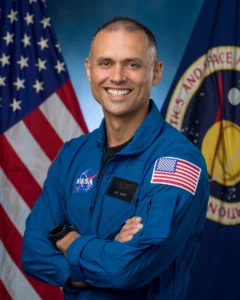
Away from Capitol Hill, NASA will hold a news conference Wednesday afternoon with astronaut Anil Menon, who is preparing to launch to the International Space Station on Soyuz MS-29 in July 2026 — his first spaceflight. He will fly alongside Russian cosmonauts Pyotr Dubrov and Anna Kikina, continuing the longstanding practice of mixed crews aboard Soyuz and commercial crew spacecraft despite geopolitical tensions.
NASA Administrator Isaacman has indicated he plans to attend the launch at Baikonur, potentially meeting with his Russian counterpart Dmitry Bakanov. Such attendance by a NASA Administrator at a Baikonur launch has been rare in recent years, making the trip symbolically significant for US-Russian space cooperation and the ISS partnership. Notably, Menon’s wife, Anna, was selected as a NASA astronaut last year after flying aboard Polaris Dawn as a SpaceX employee.
Elsewhere, the Lunar Surface Innovation Consortium is holding its Spring Meeting across three days (Tuesday–Thursday), bridging Washington and Johns Hopkins in Laurel, Maryland. The agenda includes discussion of building lunar infrastructure with international and commercial partners, reflecting NASA’s strategy to establish a sustained human presence on the Moon through diverse collaborations.
Citations
- “Curiosity Rover uncovers fresh organic clues on Ancient Mars” – https://www.nasaspaceflight.com/2026/04/nasas-curiosity-rover-organic-clues-mars/
- “ESA Paid €51.65 Million to Launch Sentinel-1C on Vega-C Return to Flight” – https://europeanspaceflight.com/esa-paid-e51-65-million-to-launch-sentinel-1c-on-vega-c-return-to-flight/
- “What’s Happening in Space Policy April 26-May 2, 2026” – https://spacepolicyonline.com/news/whats-happening-in-space-policy-april-26-may-2-2026/
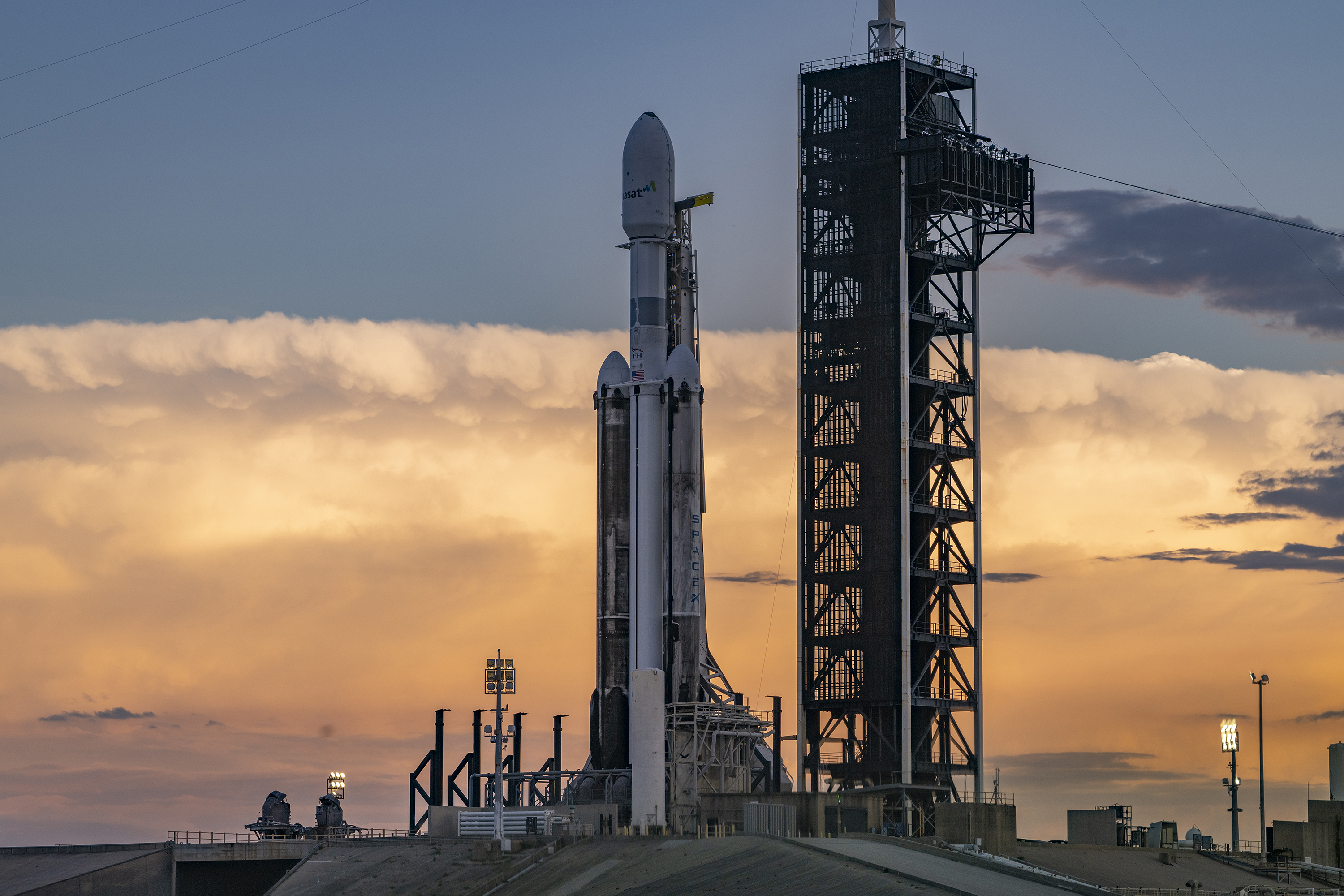
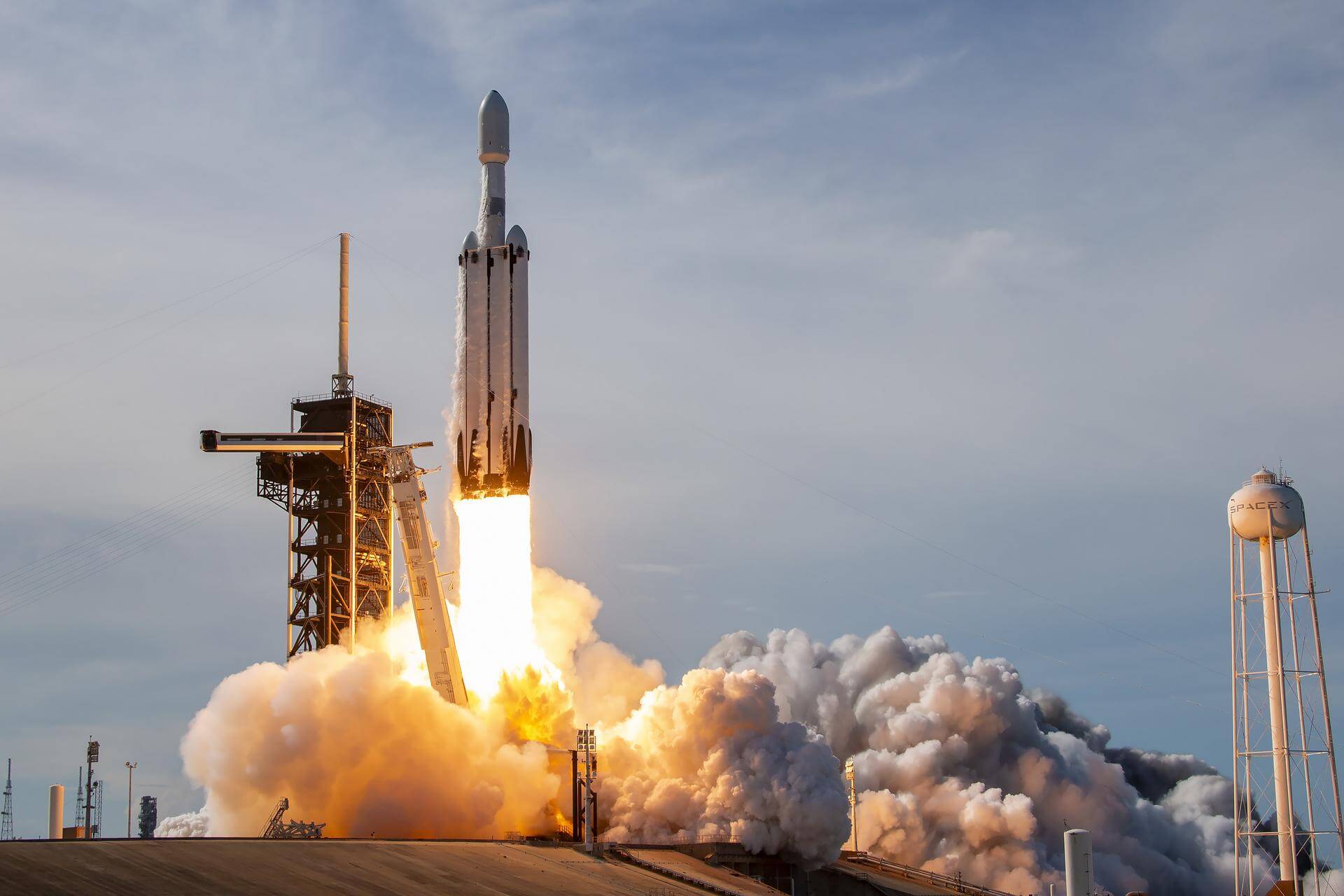
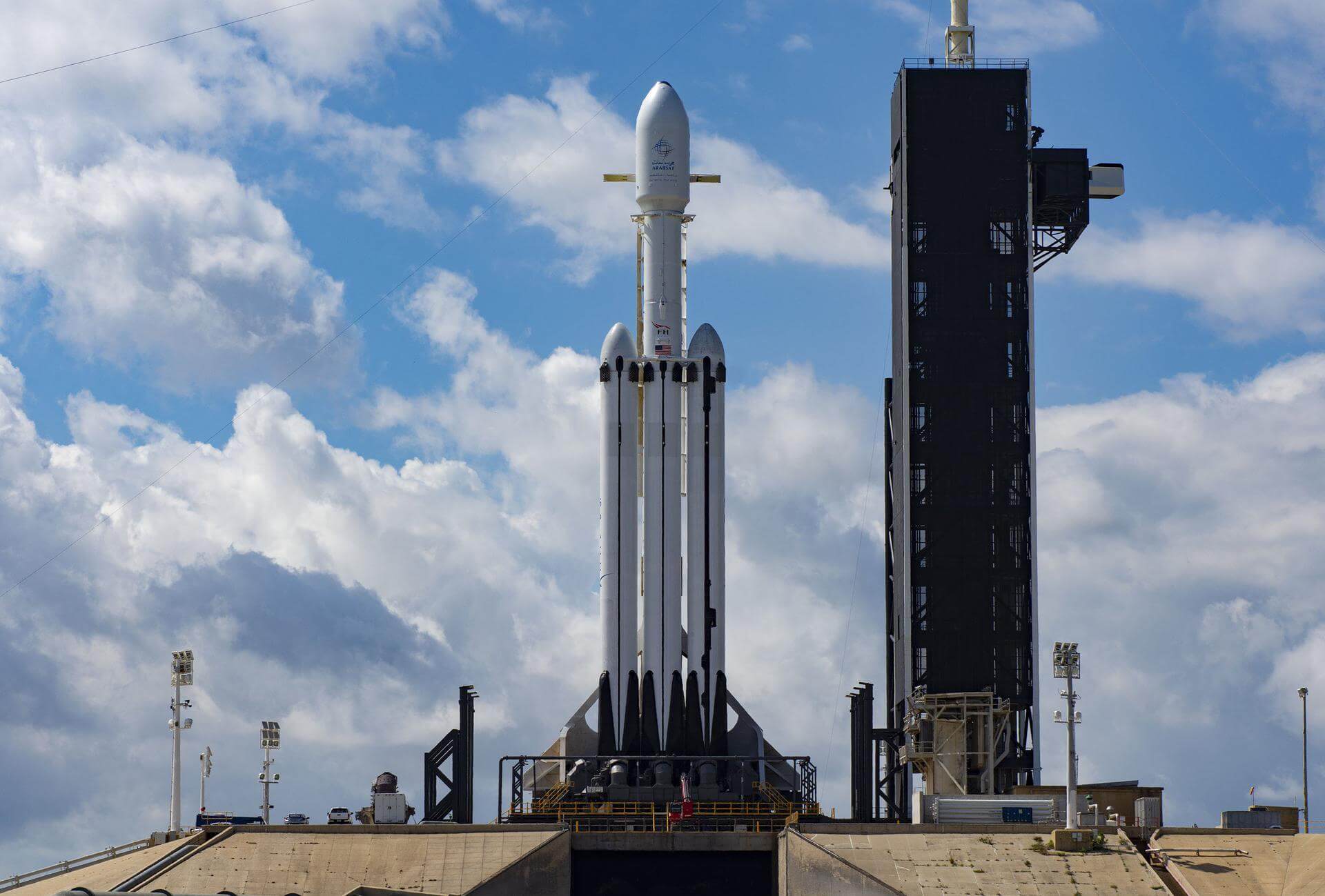
ViaSat-3 F3 (ViaSat-3 Asia-Pacific)
Provider: SpaceX
Date: April 27, 2026
Time: 2:21 PM UTC
Vehicle: Falcon Heavy
The ViaSat-3 is a series of three Ka-band satellites is expected to provide vastly superior capabilities in terms of service speed and flexibility for a satellite platform. Each ViaSat-3 class satellite is expected to deliver more than 1-Terabit per second of network capacity, and to leverage high levels of flexibility to dynamically direct capacity to where customers are located.
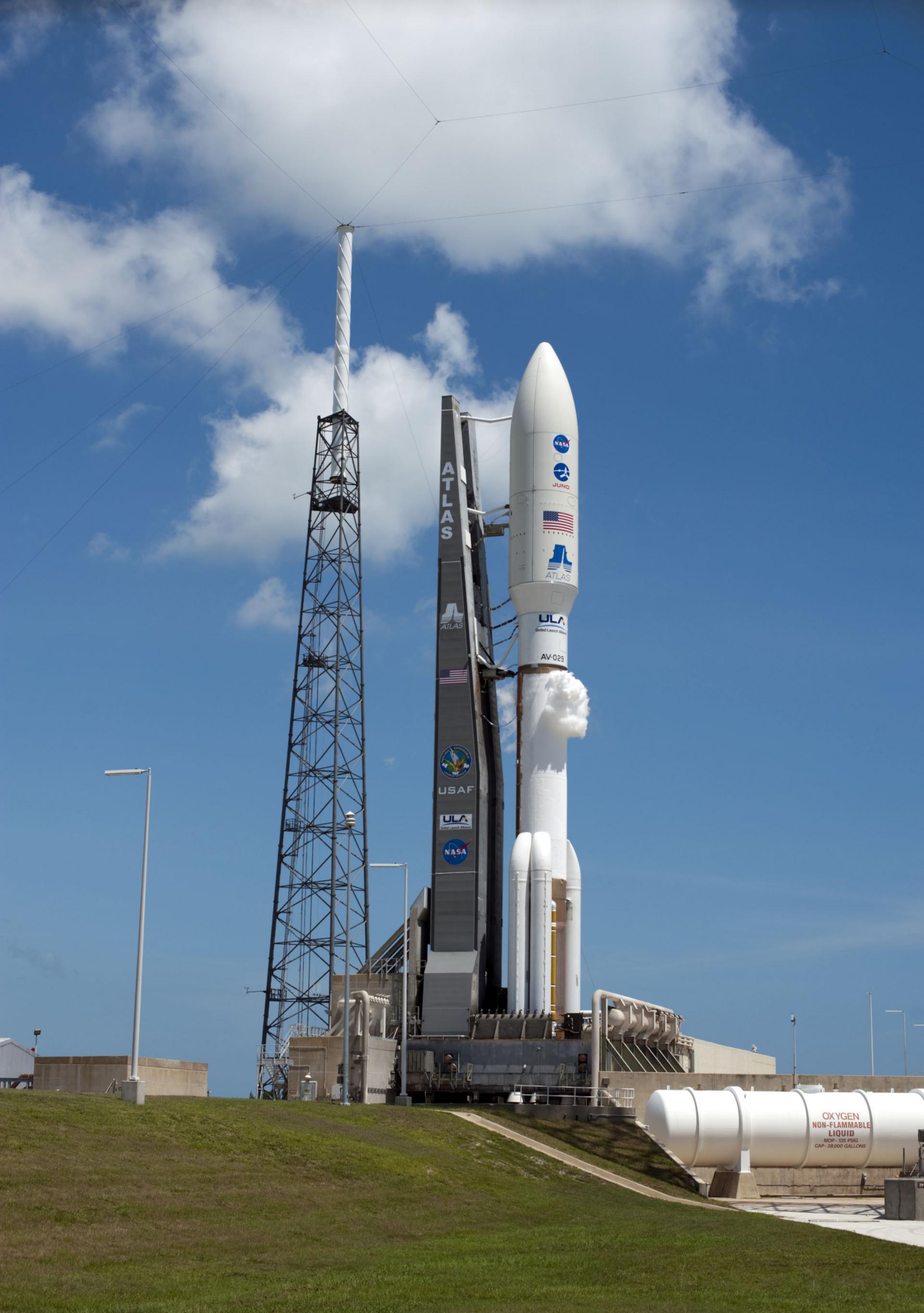
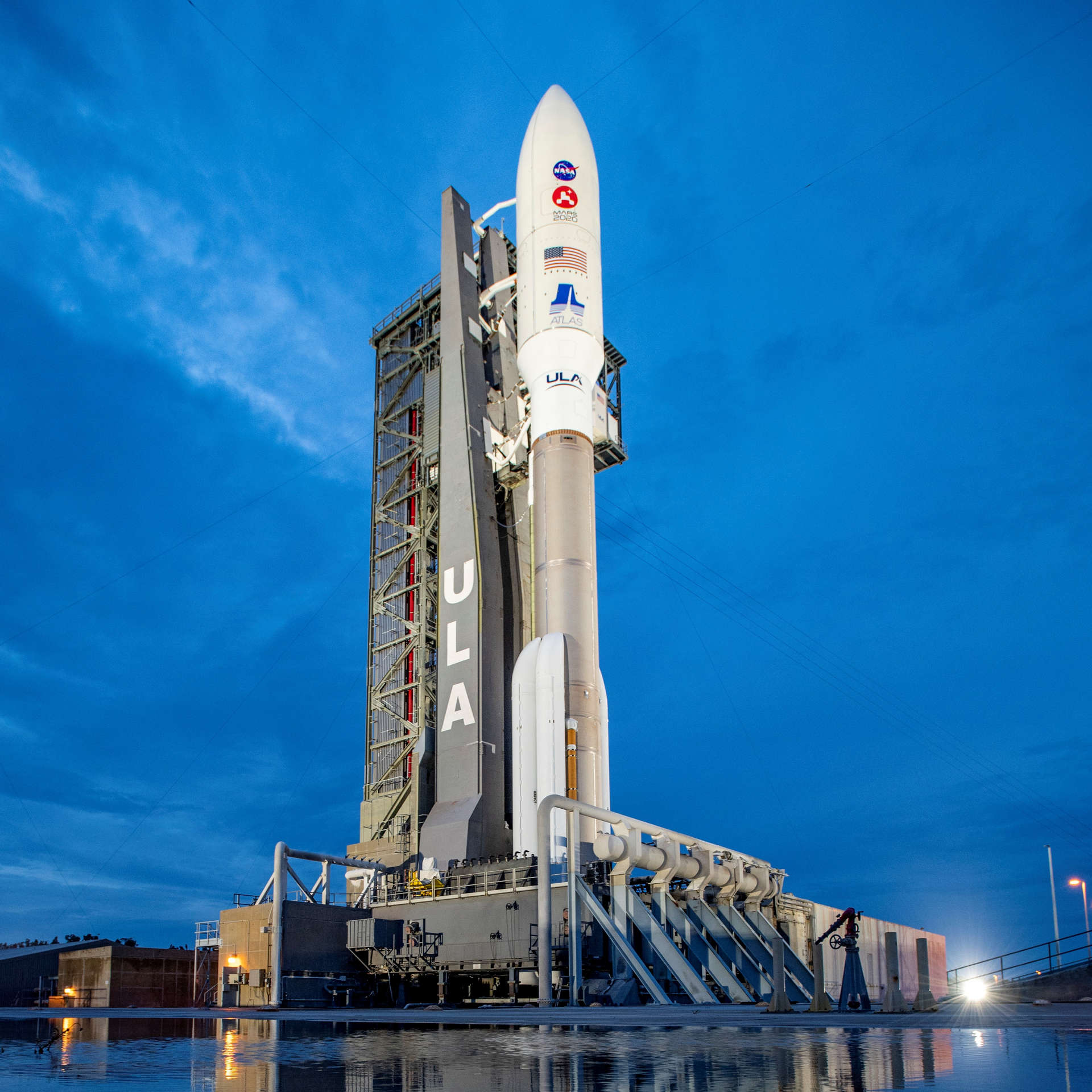
Amazon Leo (LA-06)
Provider: United Launch Alliance
Date: April 28, 2026
Time: 12:52 AM UTC
Vehicle: Atlas V 551
Amazon Leo, formerly known as Project Kuiper, is a mega constellation of satellites in Low Earth Orbit that will offer broadband internet access, this constellation will be managed by Kuiper Systems LLC, a subsidiary of Amazon. This constellation is planned to be composed of 3,276 satellites. The satellites are projected to be placed in 98 orbital planes in three orbital layers, one at 590 km, 610 km and 630 km altitude.
29 satellites are carried on this launch.
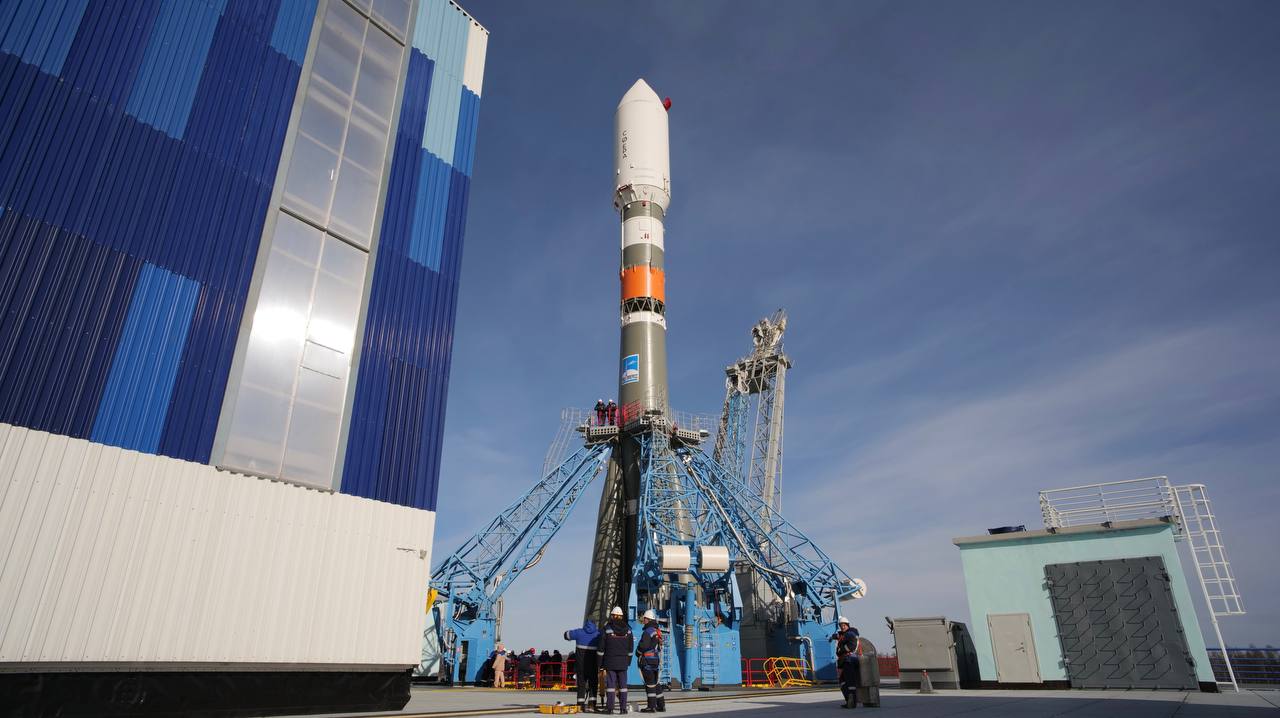
16 x Rassvet-3
Provider: Russian Federal Space Agency (ROSCOSMOS)
Date: April 30, 2026
Time: 12:00 AM UTC
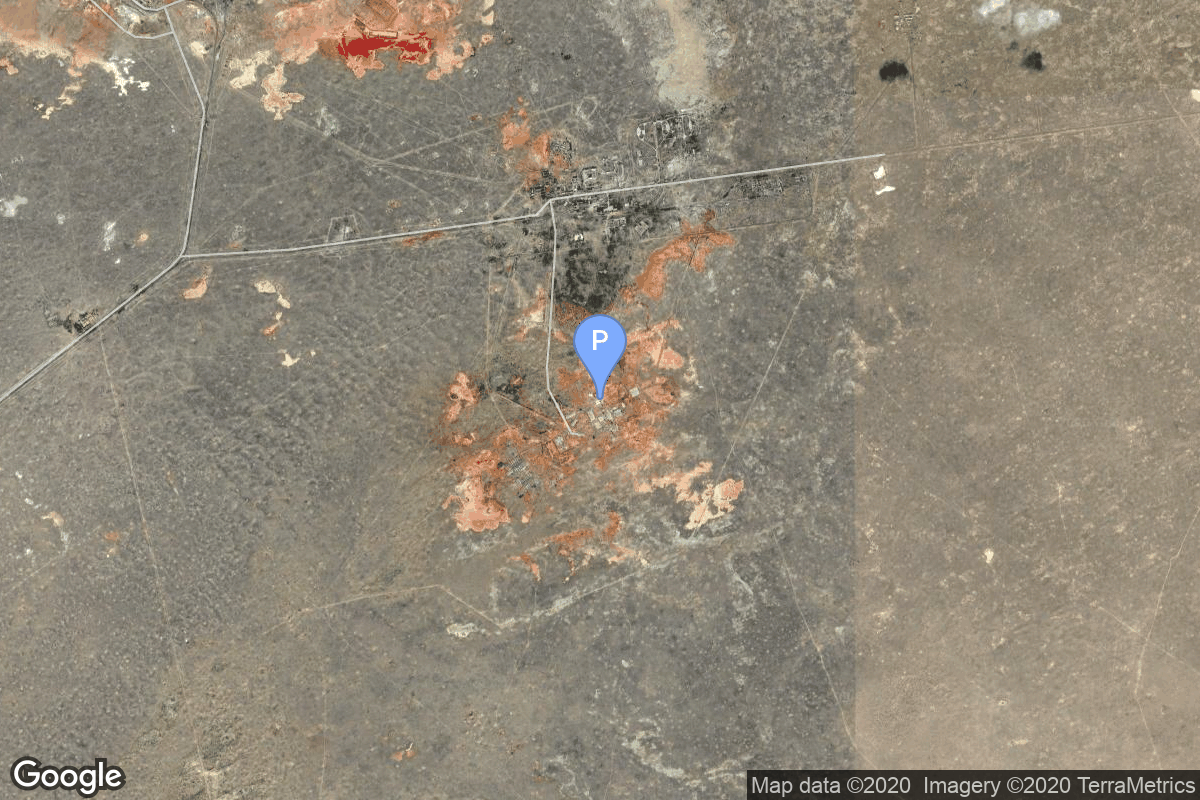
Vehicle: Soyuz 2.1b
Note: Payload identities uncertain.
Batch of 16 Rassvet-3 Low Earth Orbit communication satellites for the Russian Byuro-1440 (Bureau 1440) constellation for broadband high-speed internet access in Russia.
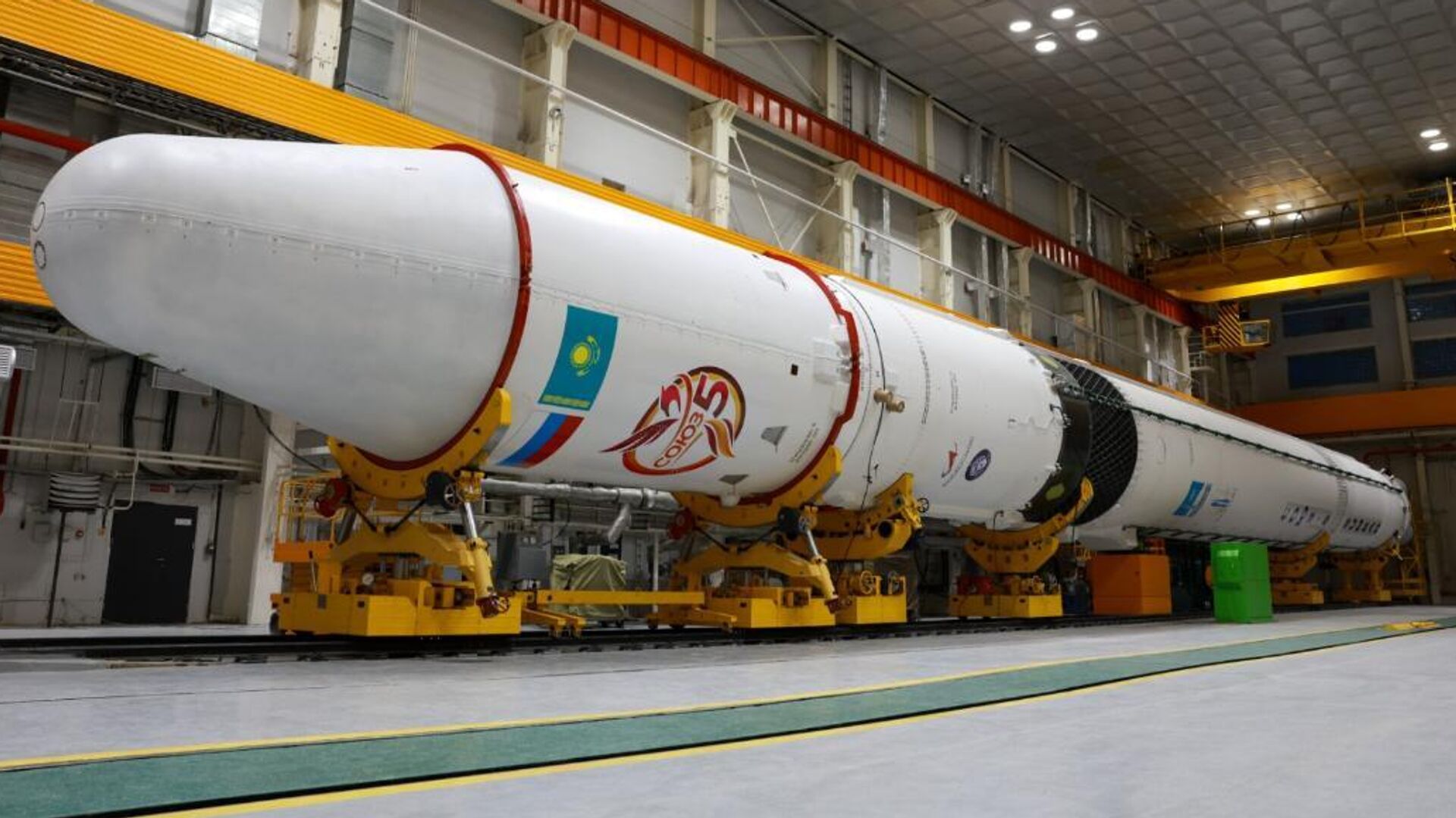
Demo Flight
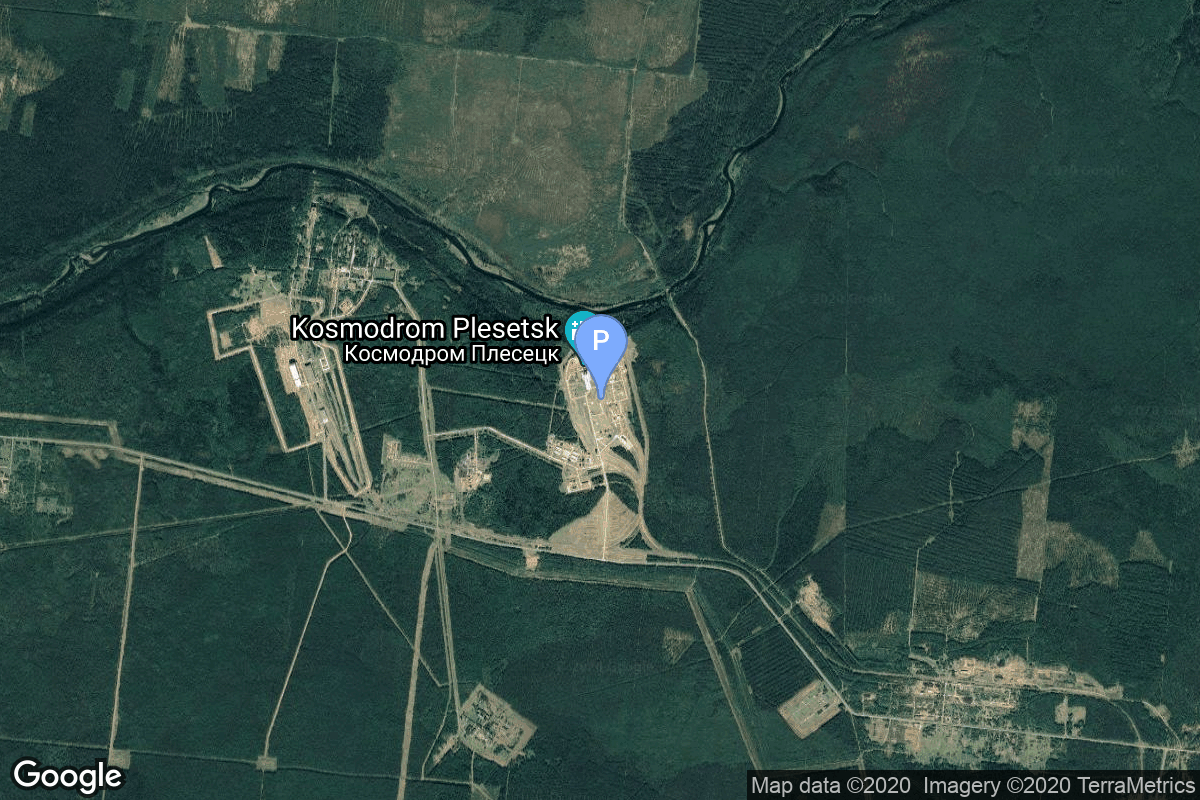
Provider: RKK Energiya
Date: April 30, 2026
Time: 12:00 AM UTC
Vehicle: Soyuz-5
Demonstration Flight for Russia’s new Soyuz-5 launch vehicle, with a mass simulator on board. Details TBD.
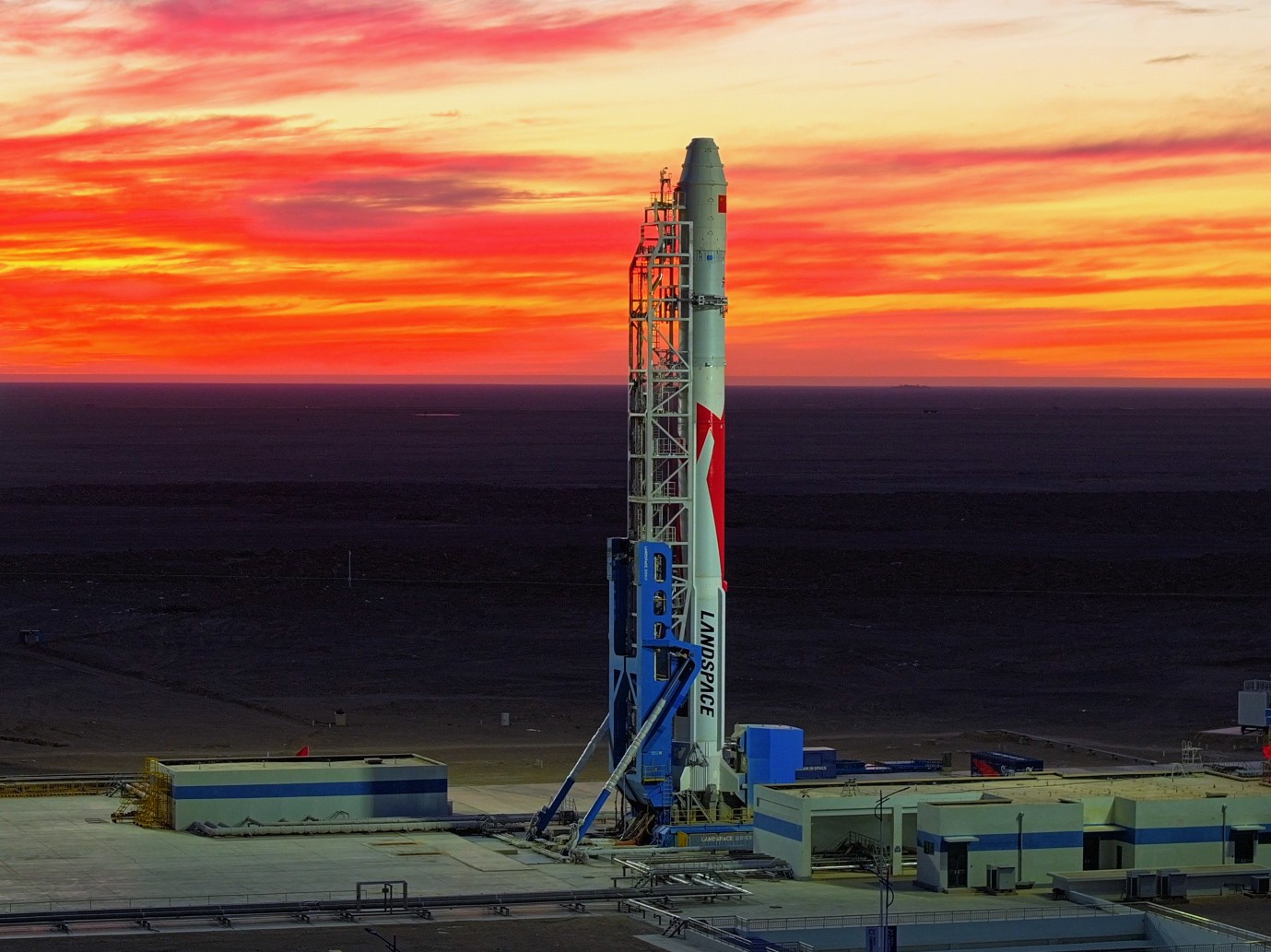
Unknown Payload
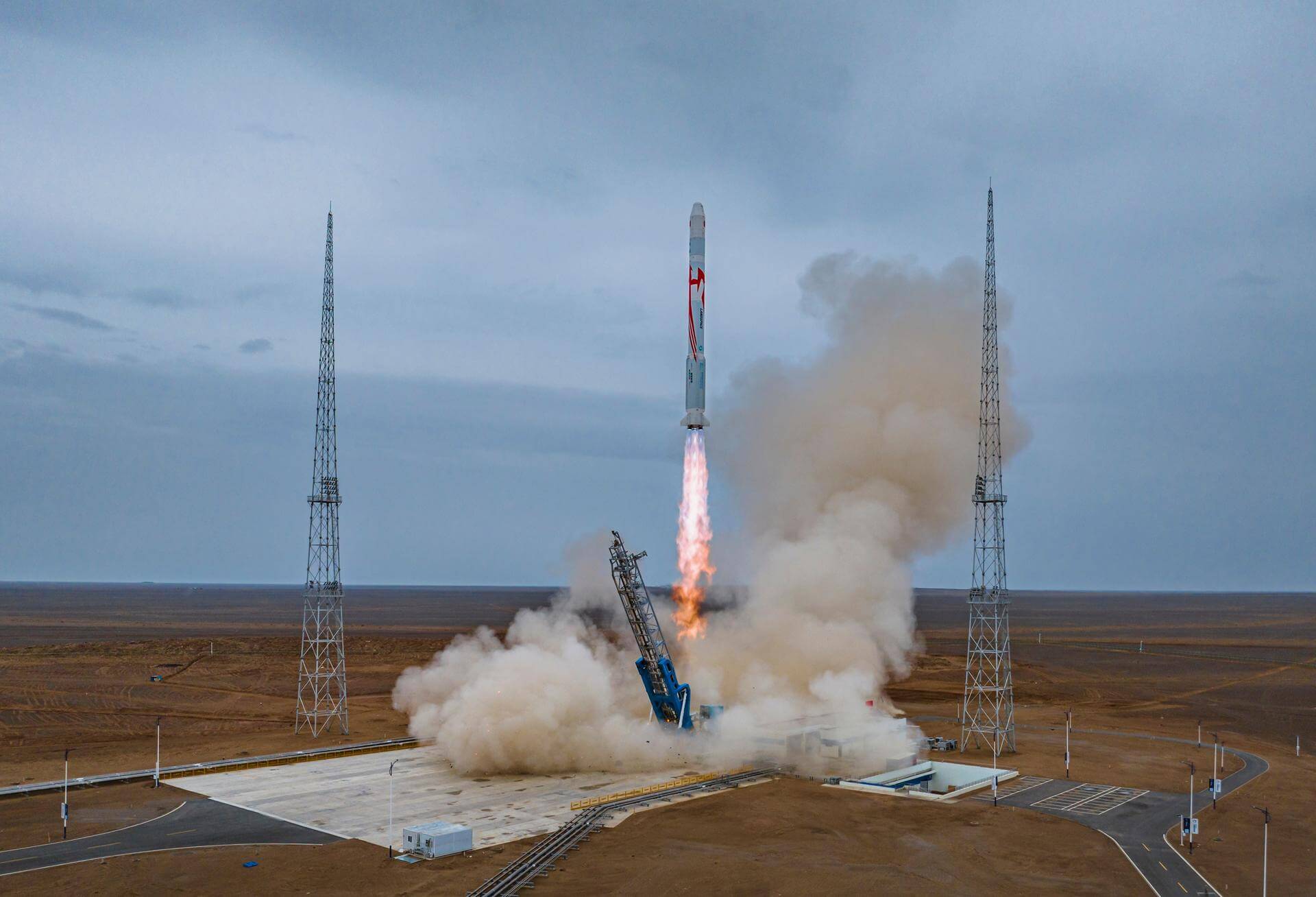
Provider: LandSpace
Date: April 30, 2026
Time: 12:00 AM UTC
Vehicle: Zhuque-2E
Details TBD.




Enjoying the content? Get behind the scenes updates on the development of The Canadian Space by following our Patreon!

