The Daily Broadcast: From GPS Milestones to Space Suits and Cosmic Lenses: A Pivotal Week in Aerospace
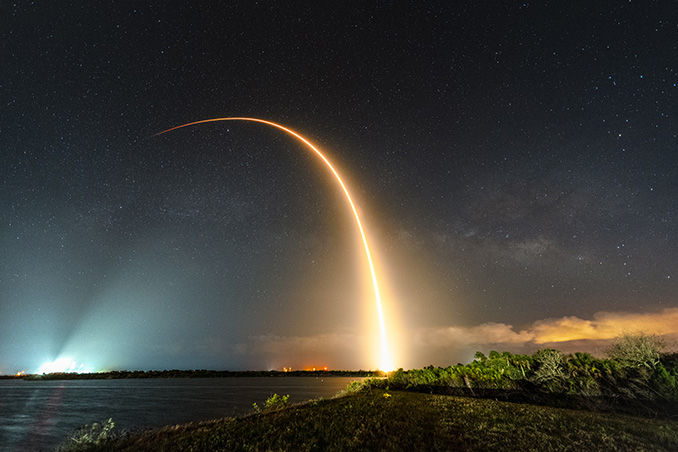
SpaceX Delivers Final GPS III Satellite in Pre-Dawn Launch
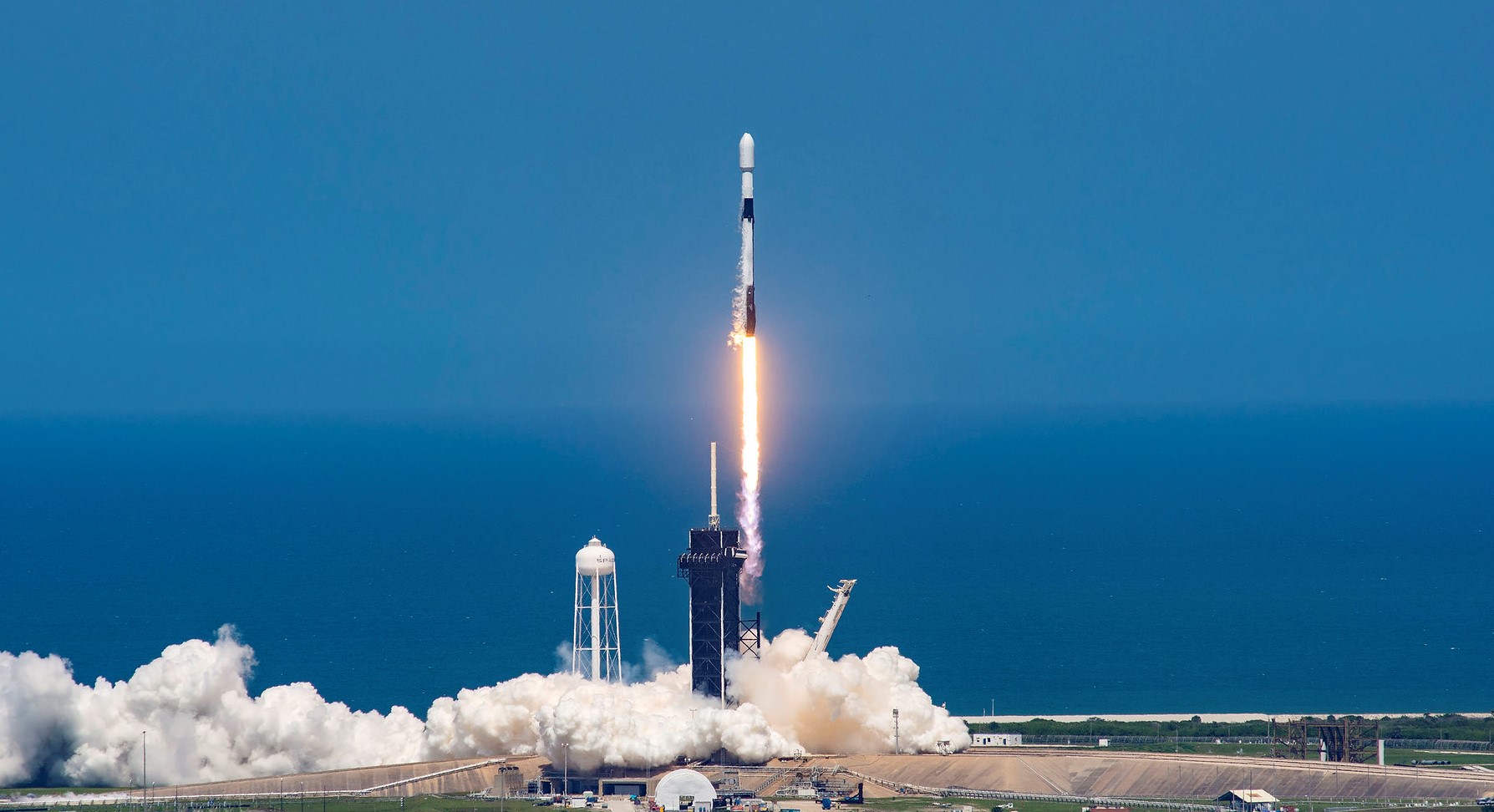
At 2:53 a.m. EDT on April 21, 2026, a SpaceX Falcon 9 rocket lit up the skies over Cape Canaveral Space Force Station, successfully launching the final satellite in the U.S. Space Force’s GPS III constellation. Officially designated GPS III SV10 and nicknamed Hedy Lamarr in honour of the pioneering actress-inventor, the satellite marks the conclusion of a major modernization effort for the Global Positioning System.
The launch, delayed by one day due to unfavourable weather in the booster recovery zone, used Falcon 9 booster B1095 on its seventh flight. Just over eight minutes after liftoff, the first stage landed smoothly on the droneship Just Read the Instructions. Both halves of the payload fairing—reused from prior missions, including the GPS III-9 launch in January—were also recovered. This mission represented the fourth time a GPS satellite originally assigned to United Launch Alliance’s Vulcan rocket was shifted to SpaceX due to Vulcan’s developmental delays.
Once in orbit, SV10 will spend about 10 days raising itself to its operational altitude in medium Earth orbit, followed by a few days of on-orbit testing before being handed over to the Space Force. Notably, the satellite carries two tech demos: a new digital atomic clock for improved precision and an optical cross-link system using laser communications—a capability slated for integration into the next-generation GPS IIIF satellites.
NASA’s Moon Landing Timeline Faces Scrutiny Over Spacesuit Delays
A new report from NASA’s Office of Inspector General (OIG), released on April 21, 2026, casts further doubt on the agency’s 2028 target for returning astronauts to the lunar surface—this time citing significant delays in spacesuit development. The report concludes that the next-generation Artemis lunar suits, along with new suits for International Space Station (ISS) spacewalks, may not be ready until 2031, not 2025–2026 as originally planned.
Texas-based Axiom Space holds the sole contract for both suit types after NASA and Collins Aerospace mutually ended their arrangement in 2024 due to scheduling challenges. While Axiom recently passed a technical review and secured $350 million in financing, the OIG warns that “design and testing delays in line with historical averages” point to a 2031 readiness date. Complicating matters further, Axiom’s suit interface doesn’t align with Blue Origin’s Blue Moon MK2 lander, requiring costly redesigns to the lander’s airlock.
NASA Administrator Jared Isaacman acknowledged the report on social media, expressing confidence that Axiom suits will be ready for the 2028 landings. Yet the OIG remains cautious, noting the “significant amount of testing and certification remaining.” With the ISS scheduled for decommissioning in 2030 and lunar ambitions hinging on unproven hardware, the pressure is mounting on both NASA and its commercial partners to deliver—on time and safely.
Canadian Tech Powers Global Constellations as NorthStar Eyes Public Markets
Montreal-based NorthStar Earth & Space is gearing up for a major leap: a $300 million merger with SPAC Viking Acquisition Corp. I that will see the company list on the New York Stock Exchange under the ticker NSTR in late 2026. The move comes as NorthStar prepares to scale its 52-satellite constellation dedicated to space situational awareness (SSA)—a critical service as orbital traffic surges worldwide.
The deal includes a $30 million private investment in public equity (PIPE), led by existing backer Cartesian Capital Group, and ties executive compensation to future revenue targets in 2027 and 2028. Proceeds will fund proprietary sensor payloads, spacecraft integration, and expansion of NorthStar’s data analytics platform. This capital boost also offers strategic insulation after the company’s 2024 legal dispute with Spire Global over defective optical systems.
NorthStar’s Canadian roots remain firm despite the NYSE listing: the SPAC will legally reincorporate in Canada before the deal closes. The company is already embedded in European space initiatives, including ESA-led safety consortia and the ALBATOR debris-removal project. Meanwhile, fellow Canadian aerospace leader MDA Space also made headlines on April 20 with a new contract from Airbus to supply over 1,300 Ka- and Ku-band antennas for OneWeb’s constellation extension—continuing Montreal’s role as a hub for high-volume satellite manufacturing.
Citations
- “SpaceX launches final GPS III satellite for the U.S. Space Force” – https://spaceflightnow.com/2026/04/21/live-coverage-spacex-to-launch-final-gps-iii-satellite-for-the-u-s-space-force/
- “NASA IG Raises More Questions About Readiness for Human Lunar Landings” – https://spacepolicyonline.com/news/nasa-ig-raises-more-questions-about-readiness-for-human-lunar-landings/
- “Montreal’s NorthStar Earth & Space targets NYSE in $300M SPAC merger to fund satellite constellation” – https://spaceq.ca/montreals-northstar-earth-space-targets-nyse-in-300m-spac-merger-to-fund-satellite-constellation/
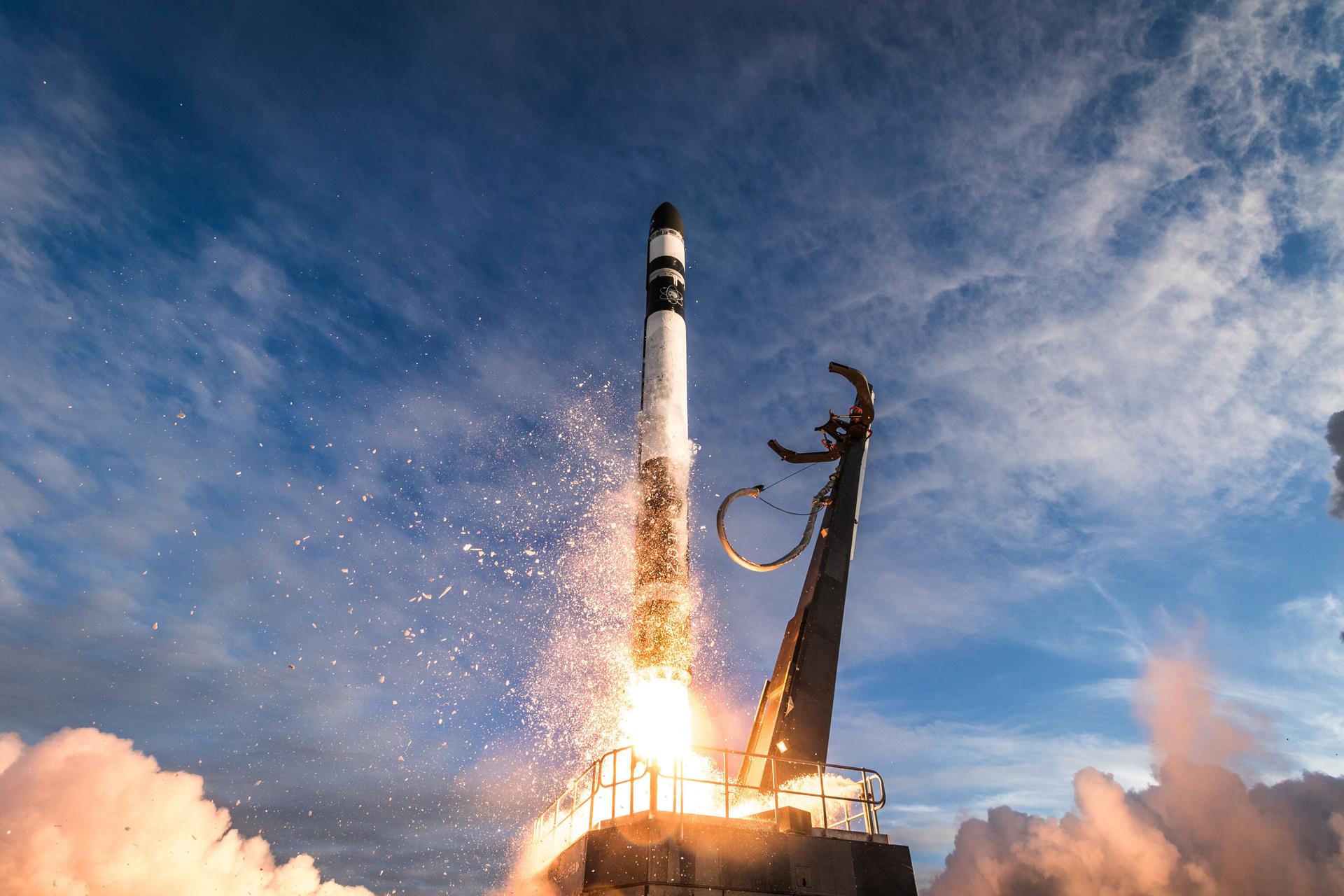
Bubbles
Provider: Rocket Lab
Date: April 22, 2026
Time: 12:00 AM UTC
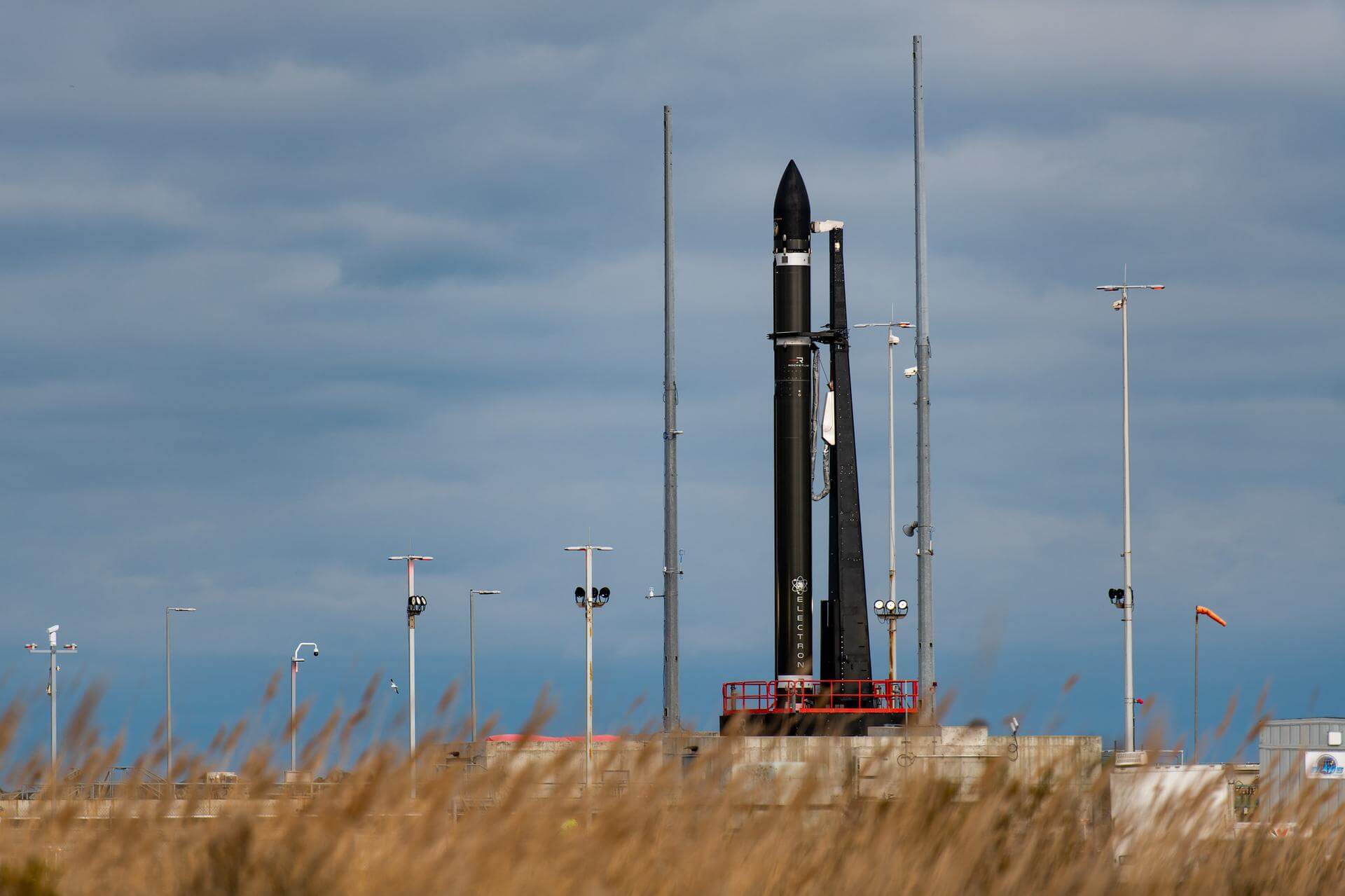
Vehicle: Electron
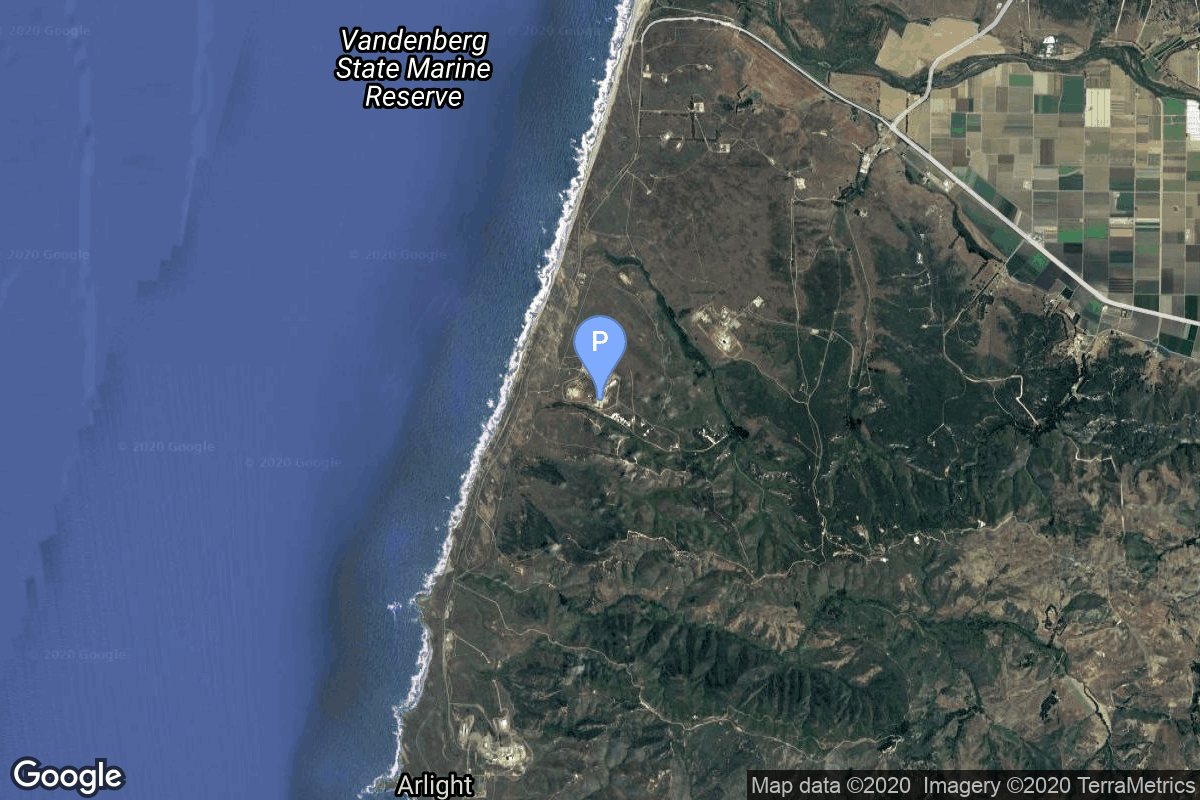
Sub-orbital launch under Rocket Lab’s Hypersonic Accelerator Suborbital Test Electron (HASTE) program, details TBD.

Starlink Group 17-14
Provider: SpaceX
Date: April 23, 2026
Time: 2:00 AM UTC
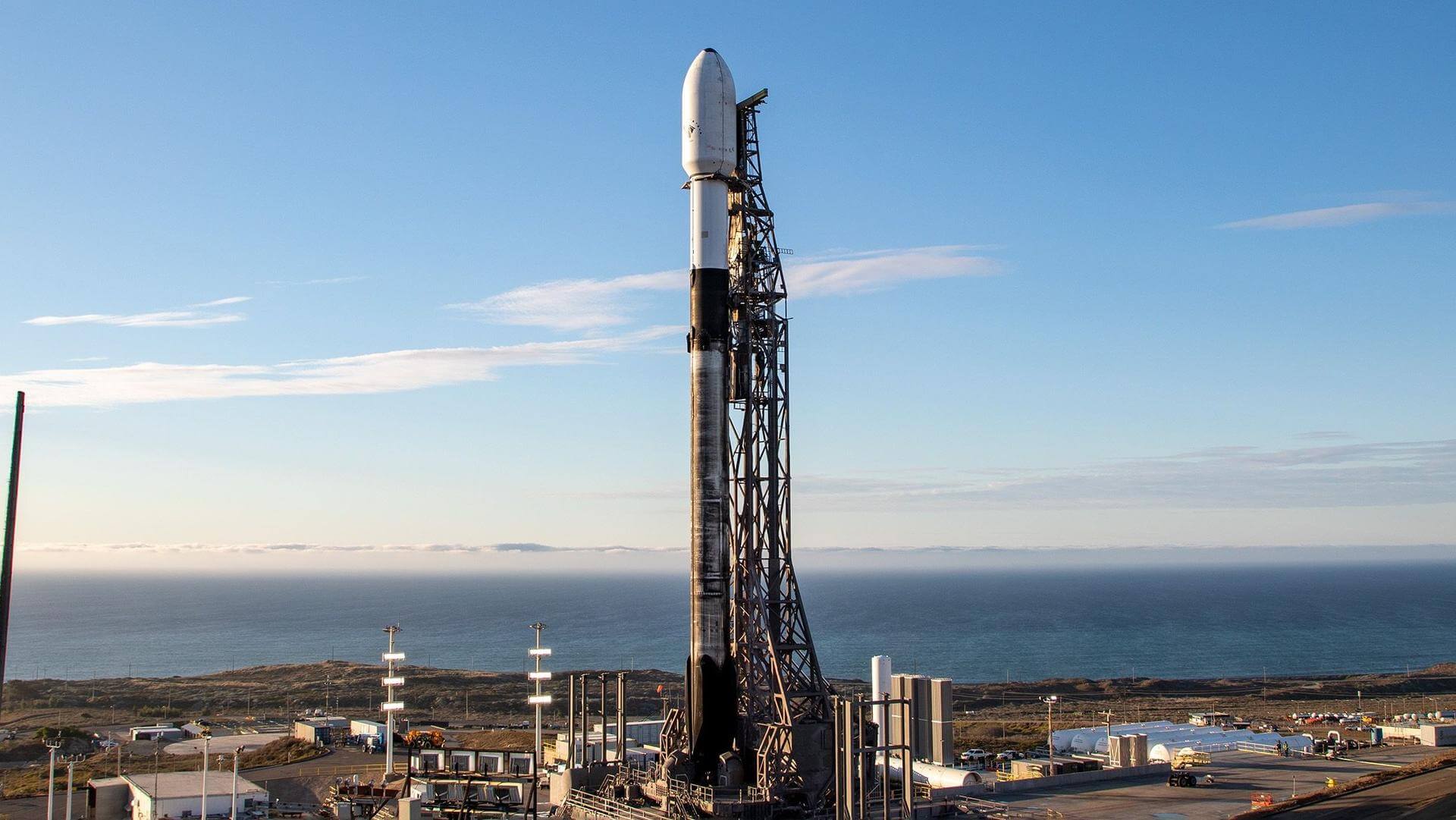
Vehicle: Falcon 9
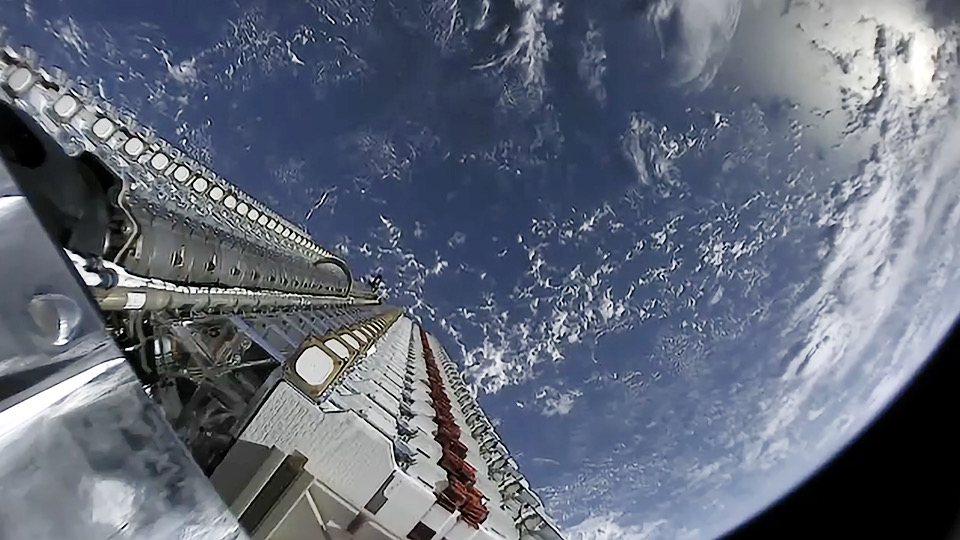
A batch of 25 satellites for the Starlink mega-constellation – SpaceX’s project for space-based Internet communication system.
Kakushin Rising (JAXA Rideshare)
Provider: Rocket Lab
Date: April 23, 2026
Time: 3:09 AM UTC
Vehicle: Electron
JAXA-manifested rideshare of eight separate spacecraft that includes educational small sats, an ocean monitoring satellite, a demonstration satellite for ultra-small multispectral cameras, and a deployable antenna that can be packed tightly using origami folding techniques and unfurled to 25 times its size.
The satellites were originally planned to launch with RAISE-4 on a Japanese Epsilon-S rocket, but the Epsilon-S was heavily delayed due to test firing failures.
The 8 satellites are:
* MAGNARO-II
* KOSEN-2R
* WASEDA-SAT-ZERO-II
* FSI-SAT2
* OrigamiSat-2
* Mono-Nikko
* ARICA-2
* PRELUDE
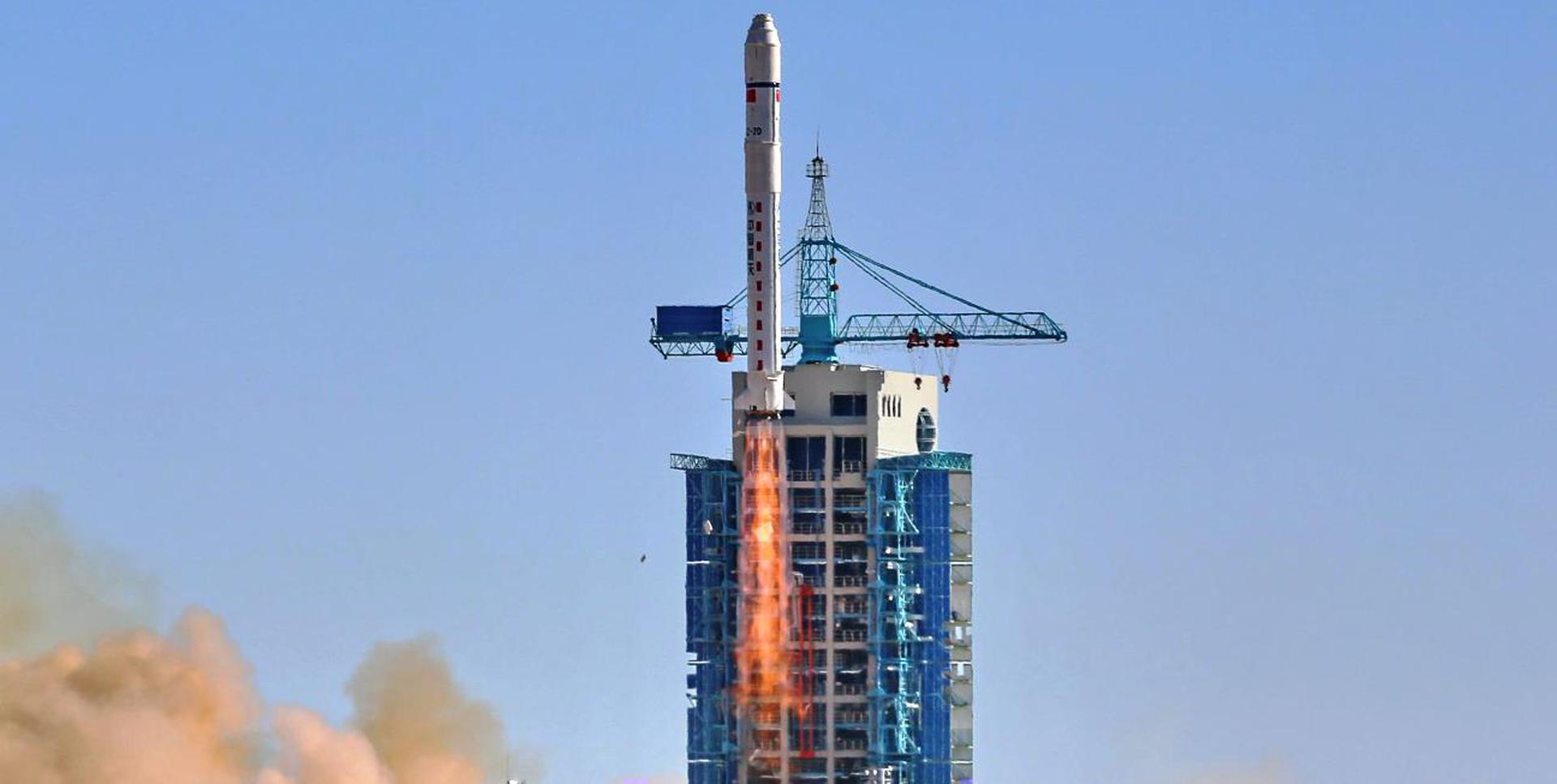
Unknown Payload
Provider: China Aerospace Science and Technology Corporation
Date: April 24, 2026
Time: 6:30 AM UTC
Vehicle: Long March 2D
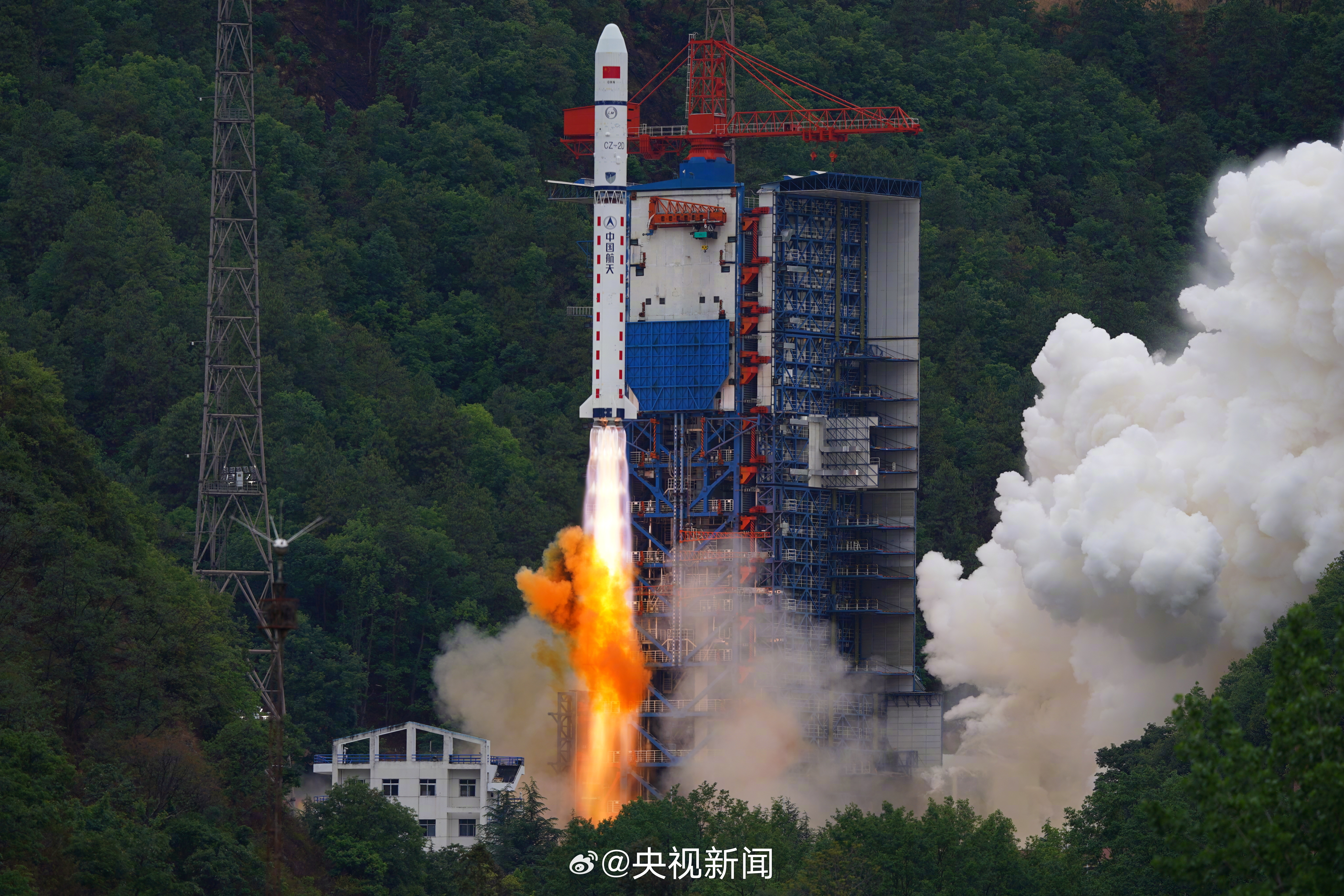
Details TBD.
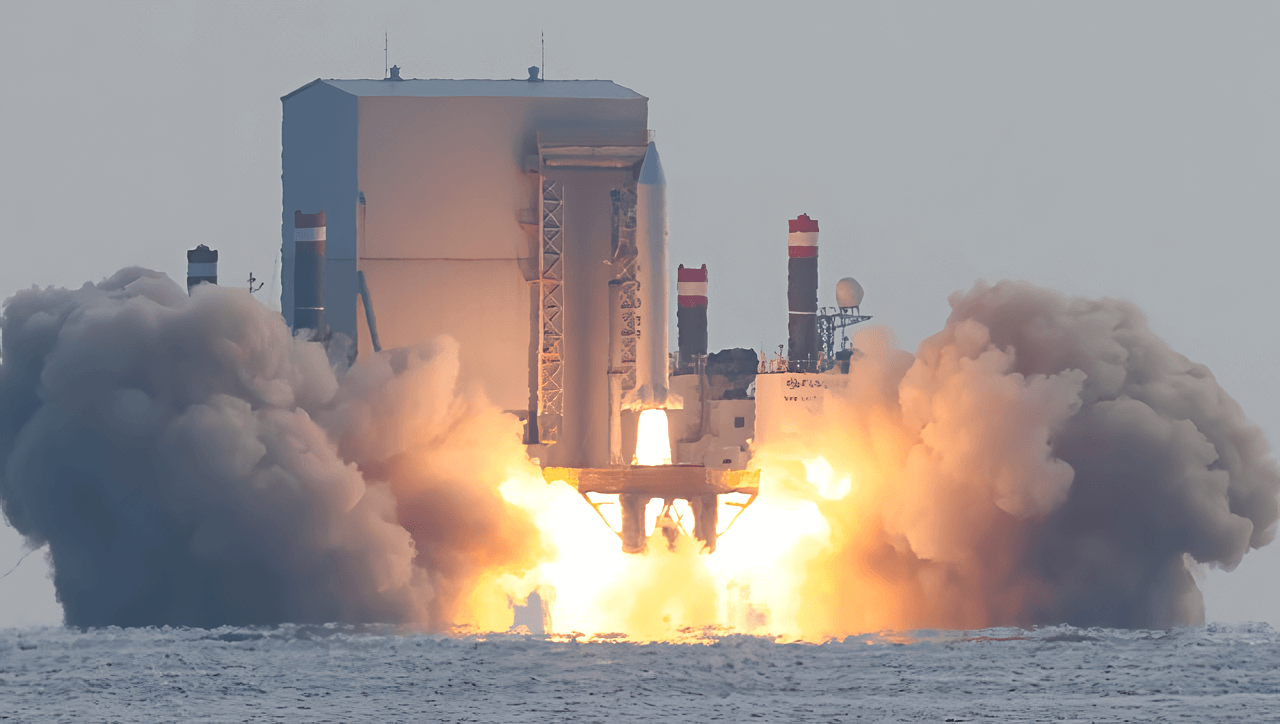
Demo Flight
Provider: Agency for Defense Development
Date: April 25, 2026
Time: 5:00 AM UTC
Vehicle: South Korean ADD Solid-Fuel SLV
Note: Launch vehicle name is provisional.
First orbital full version launch of the South Korean military small satellite launch vehicle, after 2 sub-orbital tests of individual stages on 30 March and 30 December 2022, and 1 orbital test flight without the 2nd stage on 4 December 2023. Details TBD.