Artemis II Crew Shares Insights After Historic Lunar Flyby
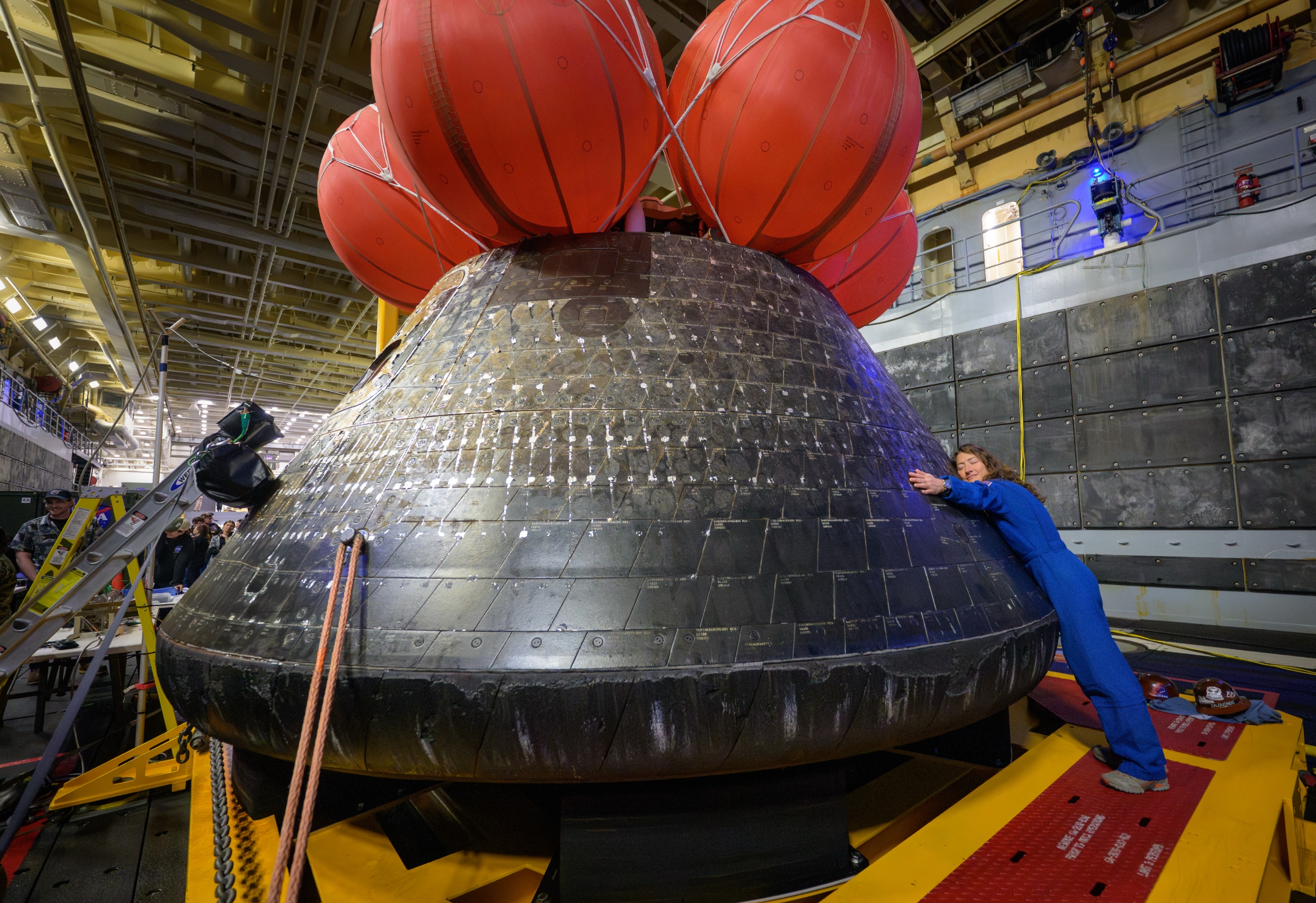
Back on Earth and full of reflections, the Artemis II crew—including Canadian Space Agency astronaut Jeremy Hansen—held a detailed debrief on April 17, 2026, at NASA’s Johnson Space Center following their successful 10-day lunar flyby mission. The crew aboard the Orion spacecraft, which they named Integrity, ventured farther from Earth than any humans since Apollo 17, reaching a maximum distance of 128,000 kilometres before returning safely.
Hansen emphasized the psychological impact of viewing Earth from deep space, noting it reinforced his belief in human collaboration. “It hasn’t changed my worldview so much as it’s reinforced just the need for us to collaborate on this planet,” he said. His crewmates echoed similar sentiments, with Commander Reid Wiseman admitting he was overcome with emotion upon return, describing the experience as “otherworldly.”
Technically, Orion performed better than expected—Wiseman noted it handled “better than the simulator”—though the mission wasn’t without hiccups. A smoke detector alarm triggered an automated shutdown while the crew was still 128,700 kilometres from Earth, and the waste vent line clogged after two days, requiring workarounds. Despite these issues, the reentry and splashdown went smoothly, and the crew visually confirmed the heat shield looked “wonderful.” Wiseman expressed full confidence in NASA’s readiness for Artemis III: “If you had given us the keys to the lander, we would have taken it down and landed on the Moon.”
Canada Strengthens Space Alliances with ESA and South Korea
While Artemis II captivated global attention, Canada was quietly deepening its international space partnerships. On April 14, 2026, at the 41st Space Symposium in Colorado Springs, Canadian Space Agency (CSA) President Lisa Campbell signed two major agreements: a General Security of Information Agreement (GSOIA) with the European Space Agency (ESA) and a Memorandum of Understanding (MOU) with South Korea’s Korea AeroSpace Administration (KASA).
The GSOIA establishes a legal framework for exchanging classified information—critical for Canadian firms to bid on sensitive ESA contracts. This paves the way for Canadian participation in classified dual-use programmes like European Resilience from Space for Earth Observation (ERS-EO) and FutureNAV. Already, companies like Toronto’s Kepler Communications and Dominant Information Solutions Canada (DISC) are positioning themselves within ESA’s secure supply chains.
Meanwhile, the MOU with South Korea outlines cooperation in low Earth orbit (LEO) communications, Earth observation, and space science. It complements recent commercial deals, including Hanwha Systems’ agreements with MDA Space and Telesat, and could support the proposed Canadian-led CASTOR space telescope. “Combining Canada’s capabilities with Korea’s expertise in satellite manufacturing will create tremendous synergy,” said KASA Administrator Taeseog Oh. These agreements signal Canada’s strategic intent to be a reliable partner in an increasingly contested orbital domain—without crossing into offensive space weaponry.
Citizen Scientists “Hear” Anomalies in Earth’s Plasma Waves
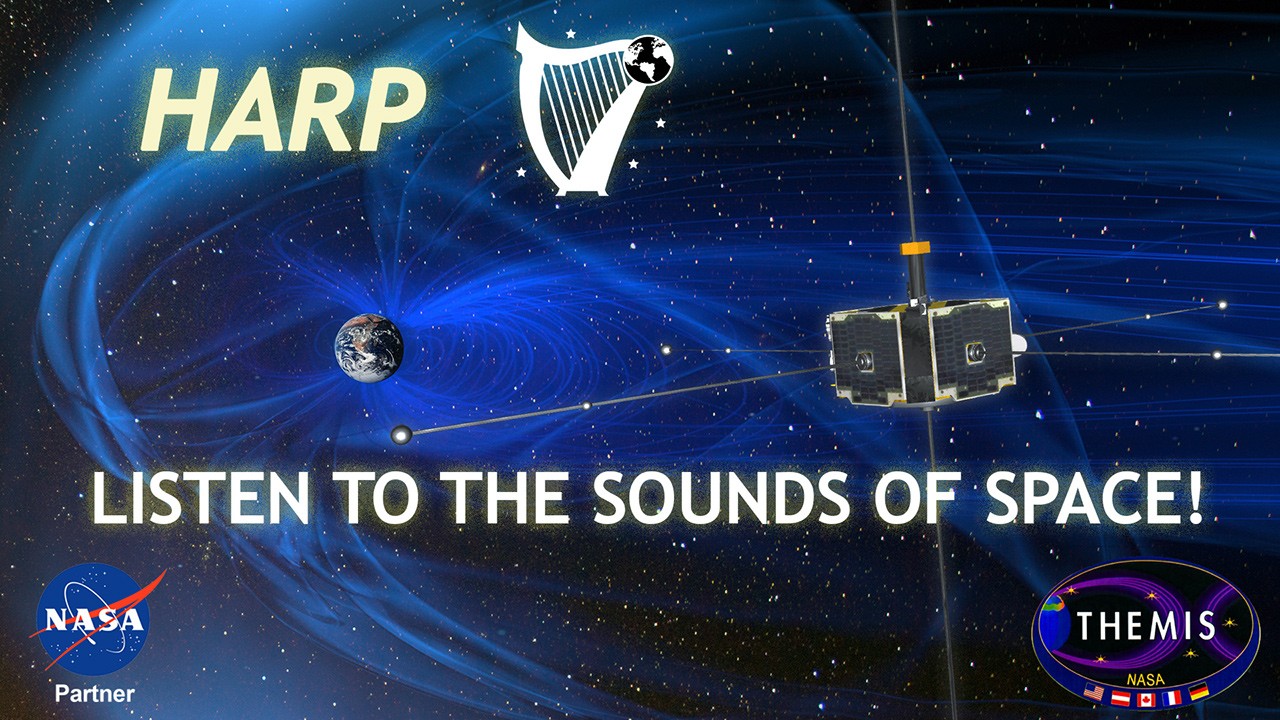
In a quieter but equally fascinating corner of space science, volunteers working on NASA’s Heliophysics Audified: Resonances in Plasmas (HARP) project have uncovered unexpected patterns in near-Earth plasma waves—using their ears. By converting magnetic field data from NASA’s THEMIS mission into sound, participants discovered that some plasma waves near Earth produced lower pitches closer to the planet and higher pitches farther away—opposite to what scientists had predicted.
The analogy? Earth’s magnetic field acts like a giant harp in space, and solar activity plucks its strings. These waves play a role in space weather that can disrupt power grids and satellites—making their behaviour crucial to understand. One HARP volunteer was so inspired they’re considering switching their university major to physics. The findings, now published in Frontiers in Astronomy and Space Sciences, underscore the value of citizen science in modern research. While the HARP project is no longer recruiting volunteers, its success demonstrates how public engagement can yield real scientific insight. And who knew space could have a soundtrack?
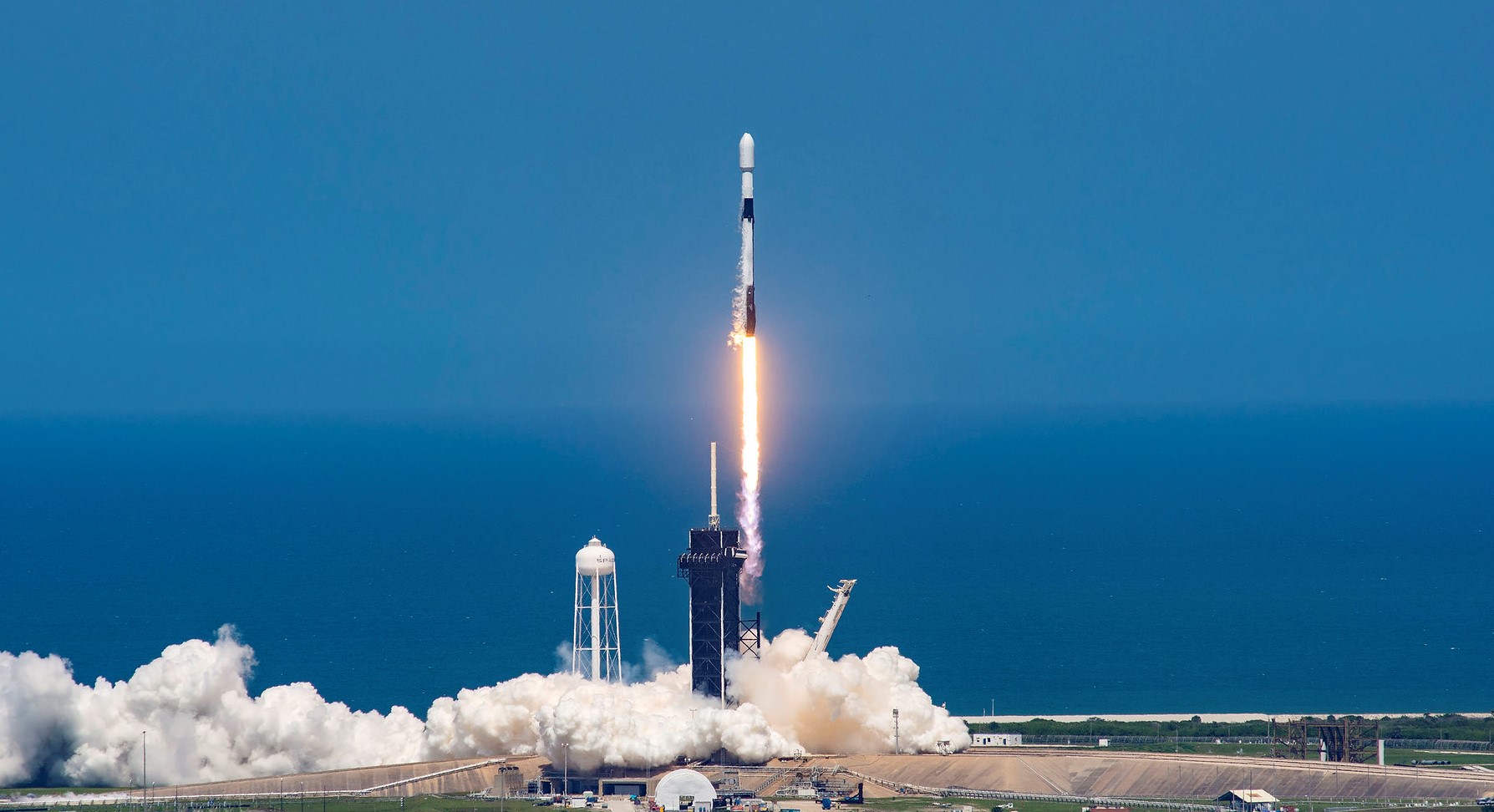
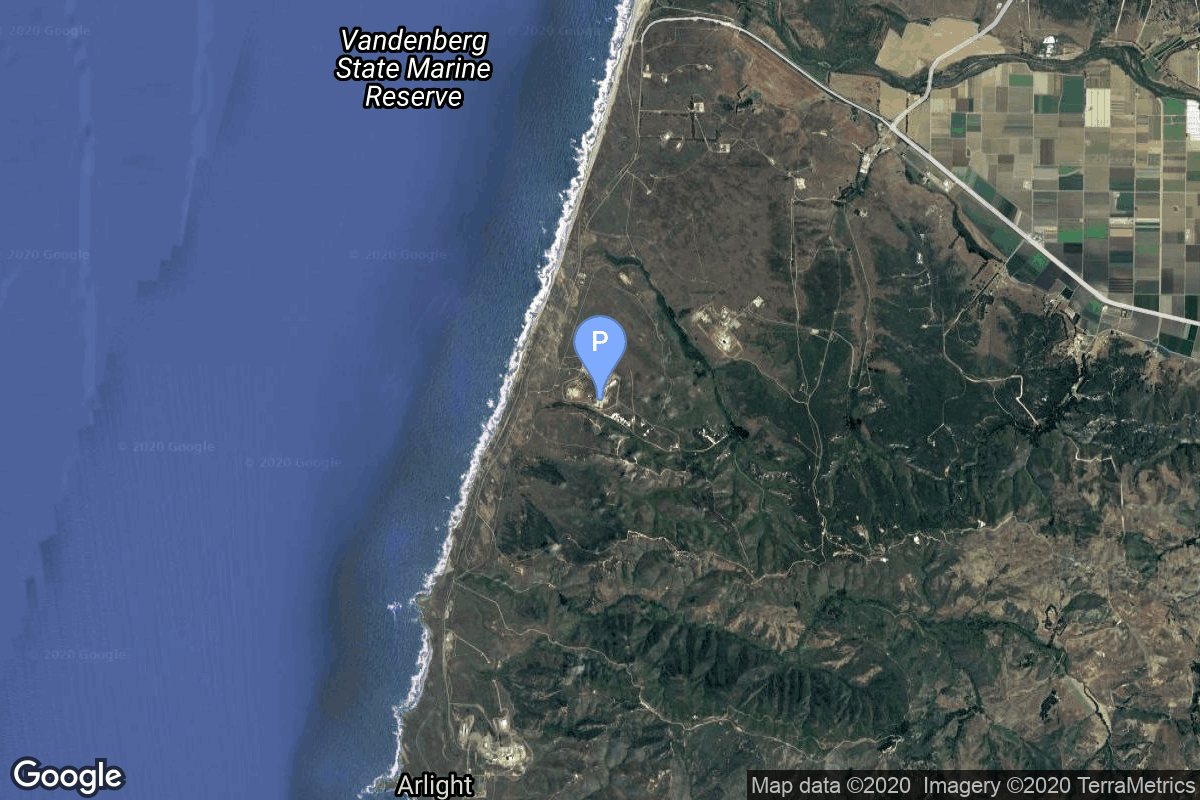
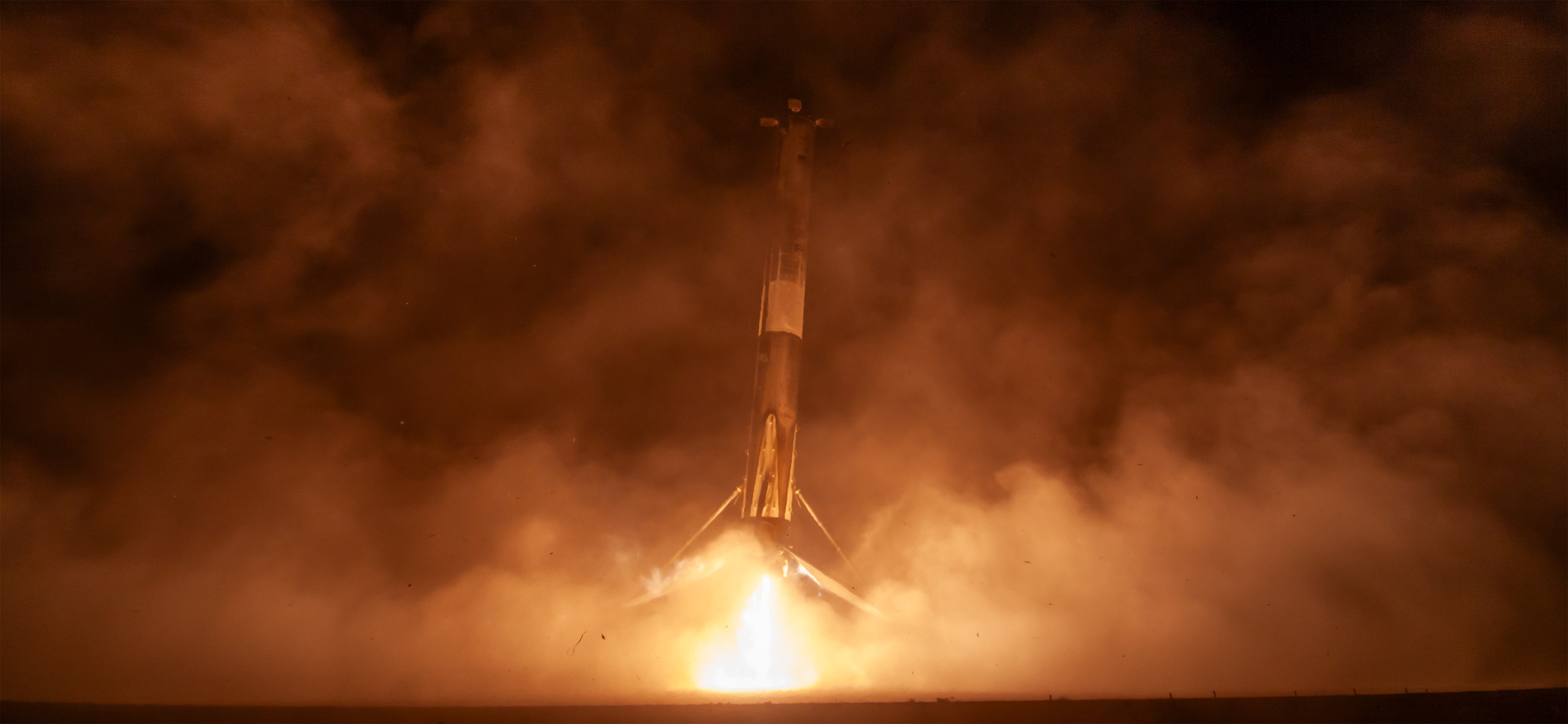
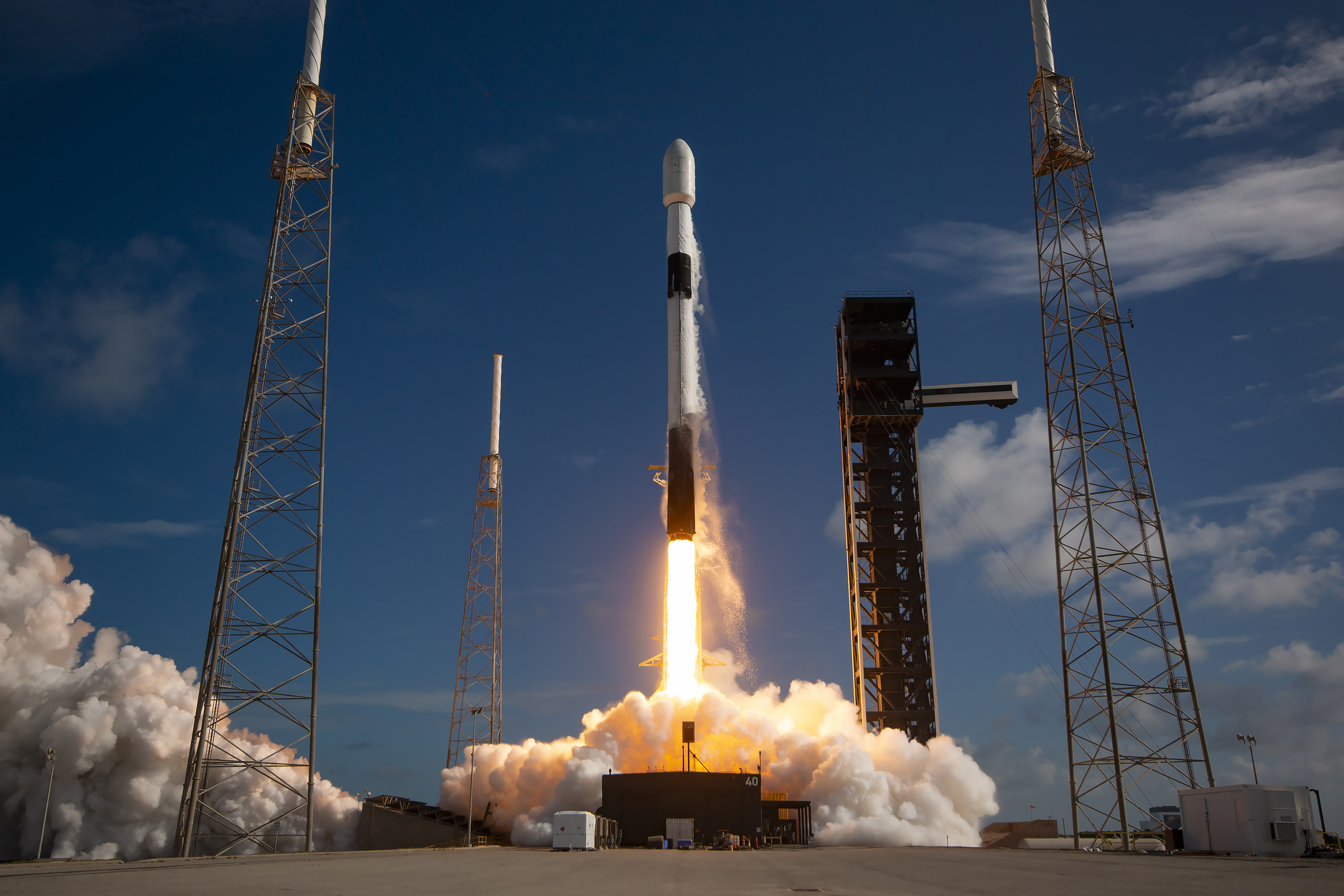
Provider: SpaceX Date: April 18, 2026 Time: 4:01 PM UTC Vehicle: Falcon 9
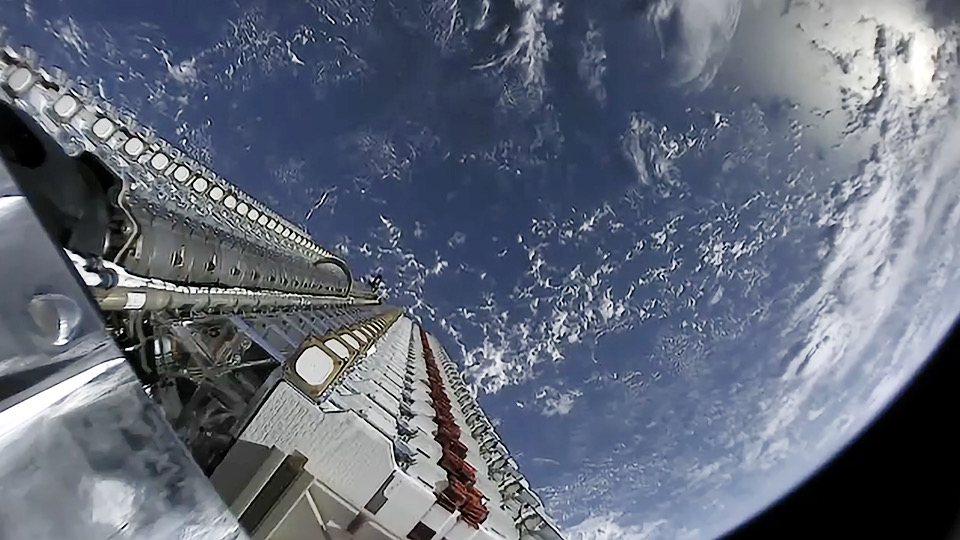
A batch of 25 satellites for the Starlink mega-constellation – SpaceX’s project for space-based Internet communication system.
BlueBird Block 2 #2
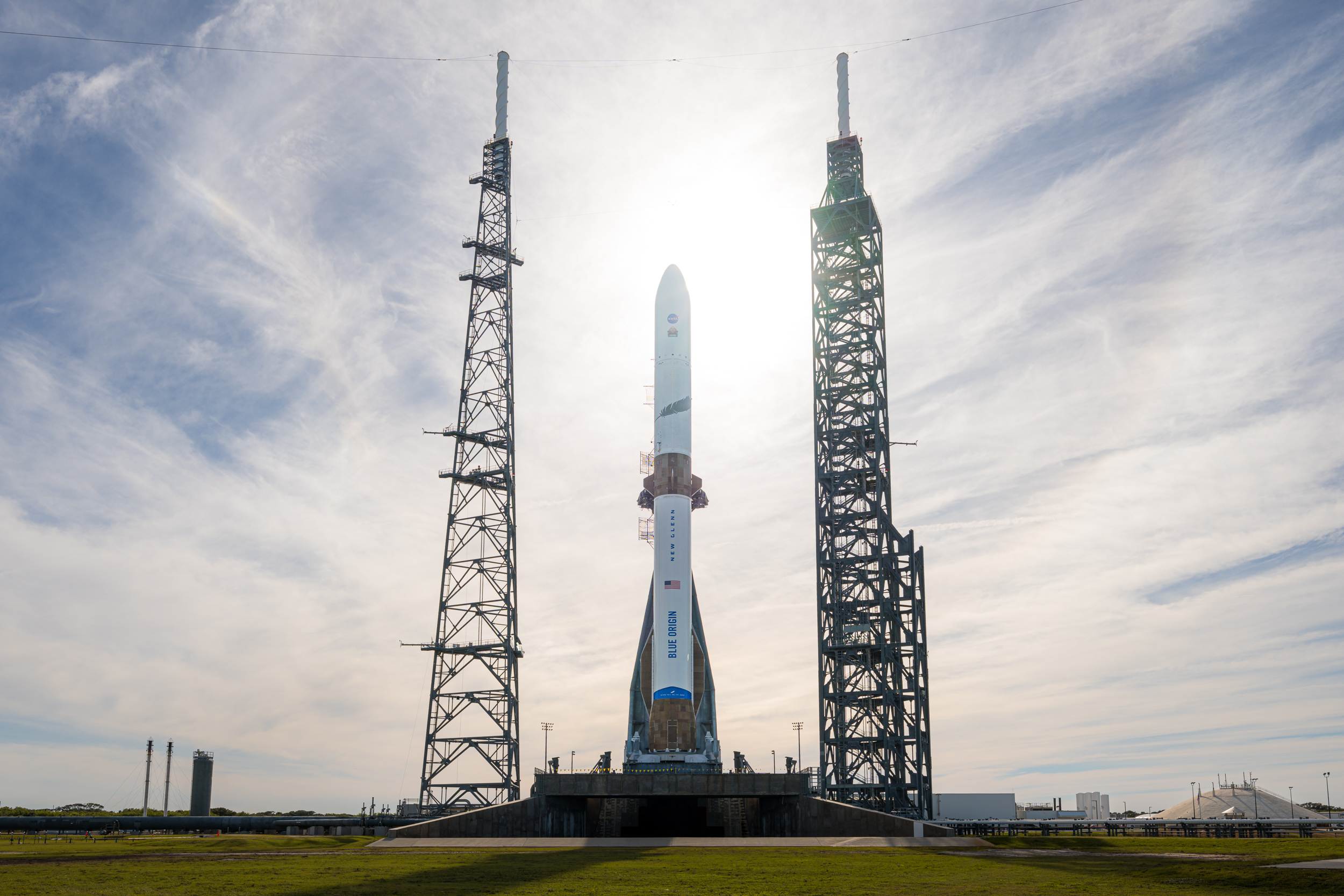
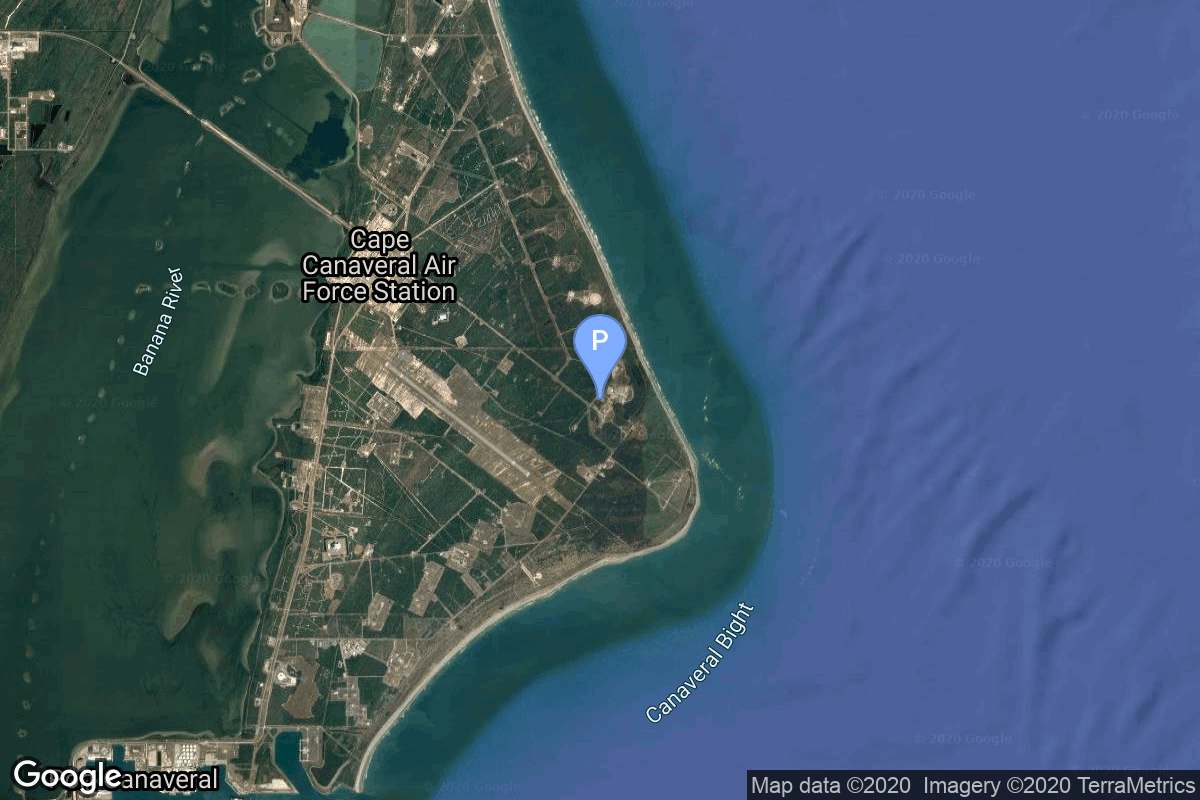
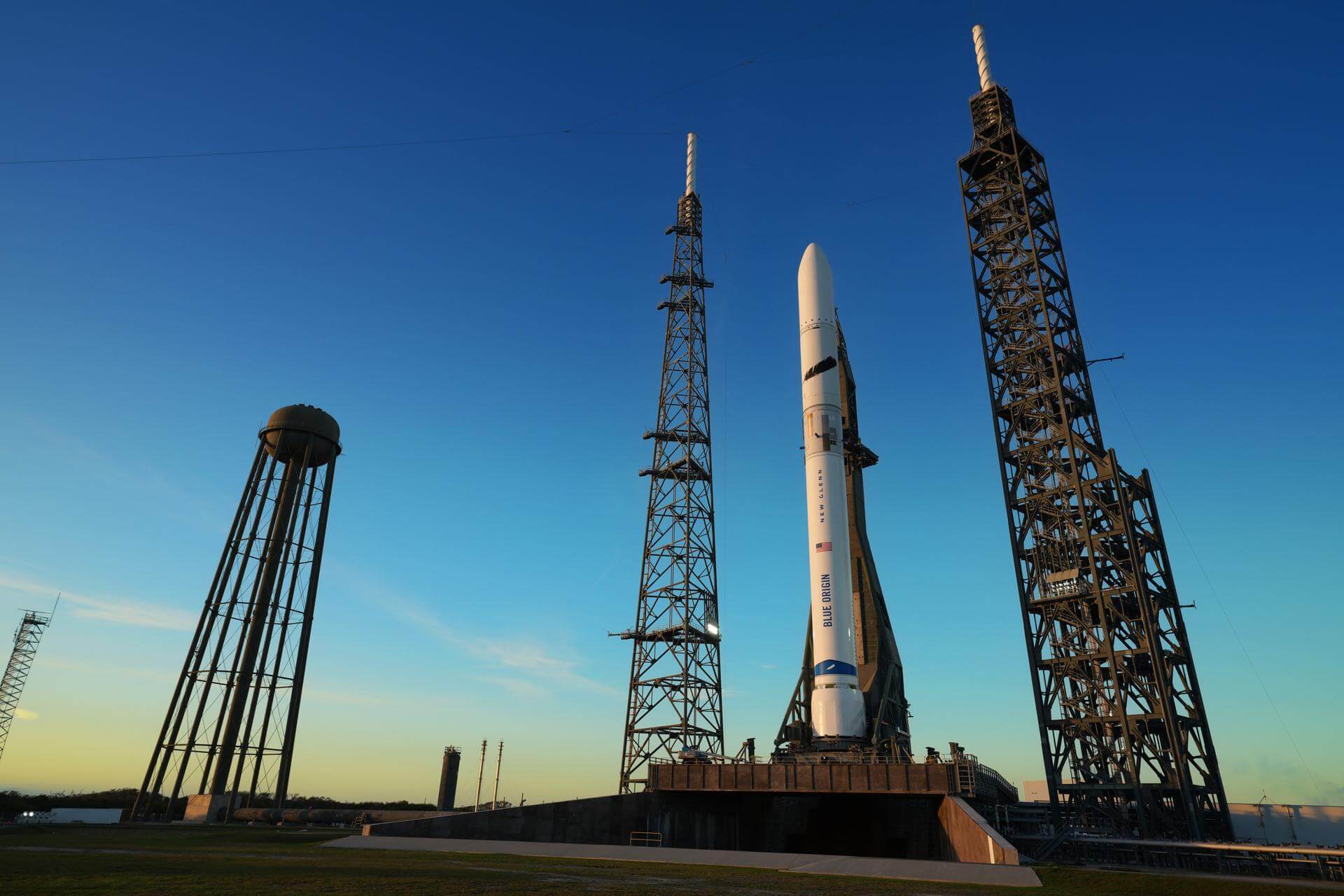
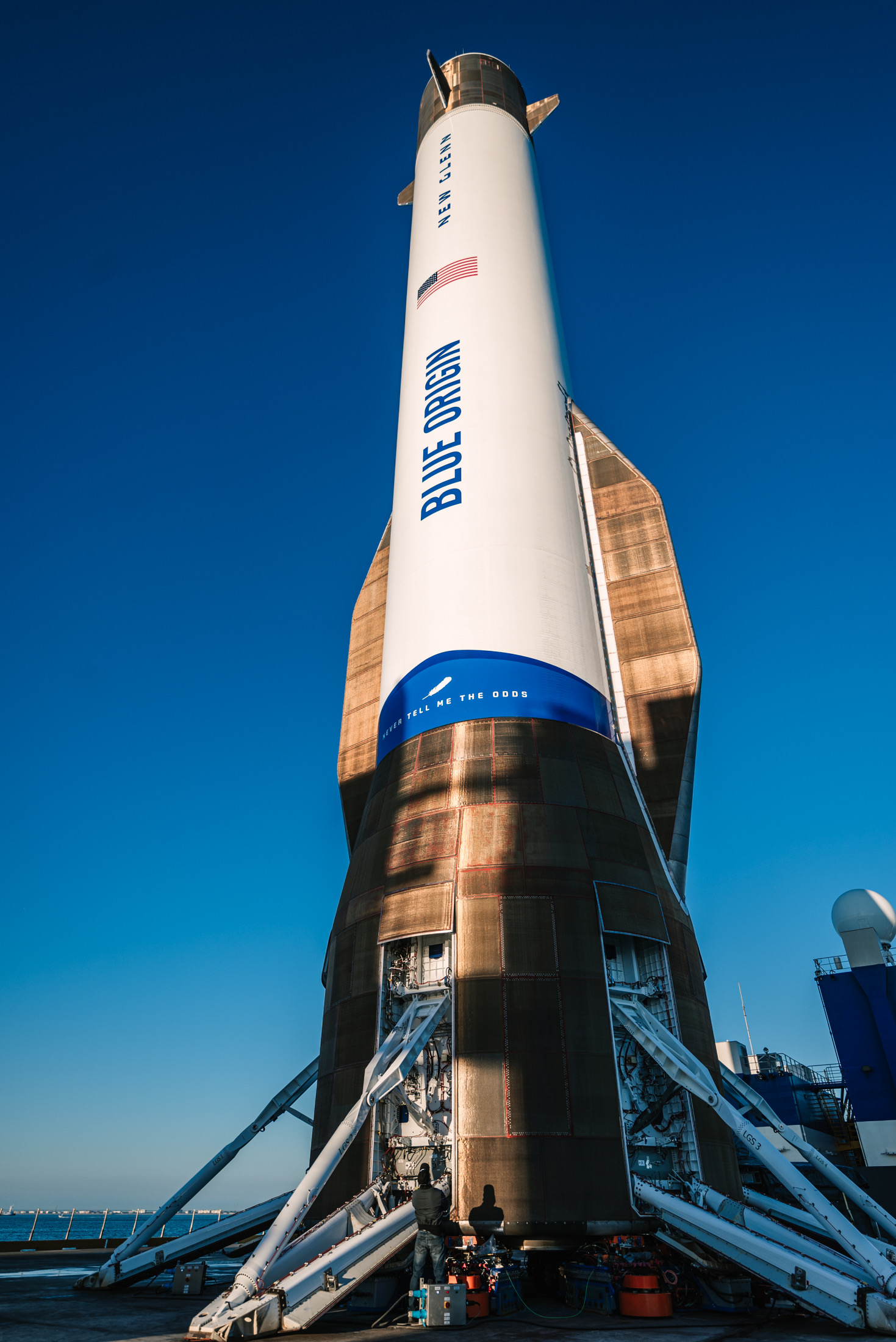
Provider: Blue Origin Date: April 19, 2026 Time: 10:45 AM UTC Vehicle: New Glenn
AST SpaceMobile’s Block 2 BlueBird satellites are designed to deliver up to 10 times the bandwidth capacity of the BlueBird Block 1 satellites, required to achieve 24/7 continuous cellular broadband service coverage in the United States, with beams designed to support a capacity of up to 40 MHz, enabling peak data transmission speeds up to 120 Mbps, supporting voice, full data and video applications. The Block 2 BlueBirds, featuring as large as 2400 square foot communications arrays, will be the largest satellites ever commercially deployed in Low Earth orbit once launched.
This launch will feature 1 satellite, BlueBird 7/BlueBird Block 2 FM2.
GPS III SV10
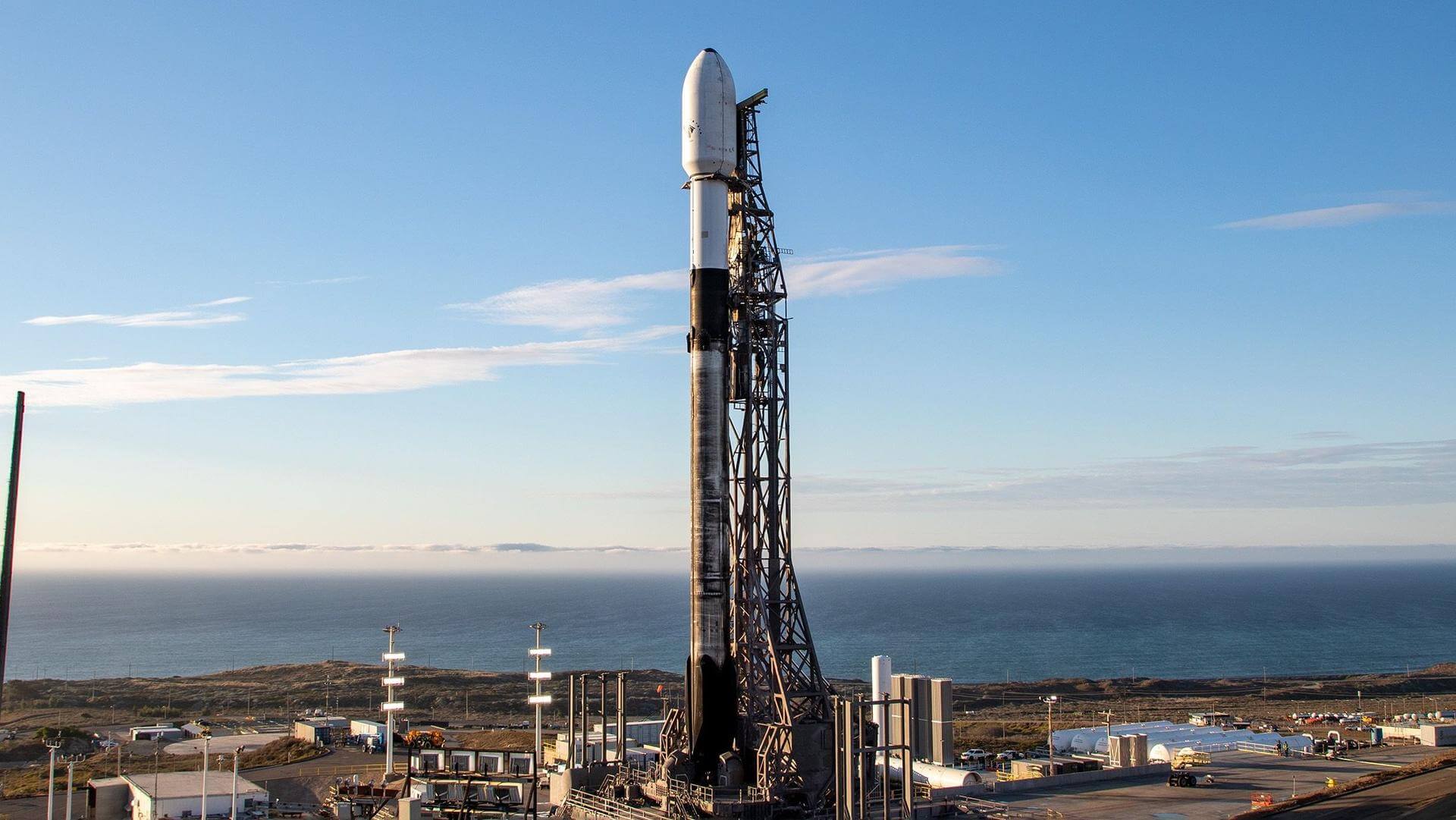
Provider: SpaceX Date: April 20, 2026 Time: 6:57 AM UTC Vehicle: Falcon 9
Tenth of ten GPS III missions.
Bubbles
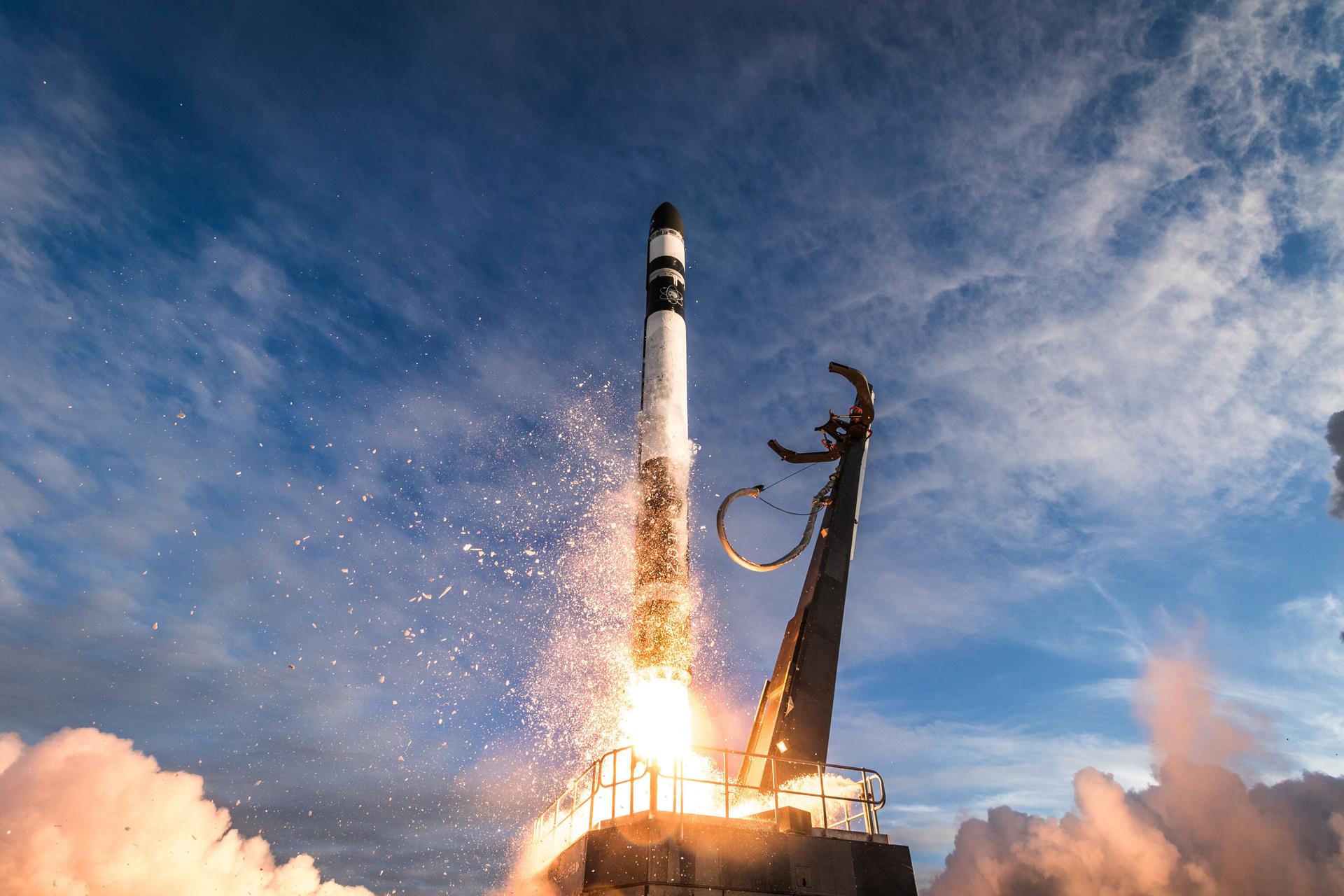
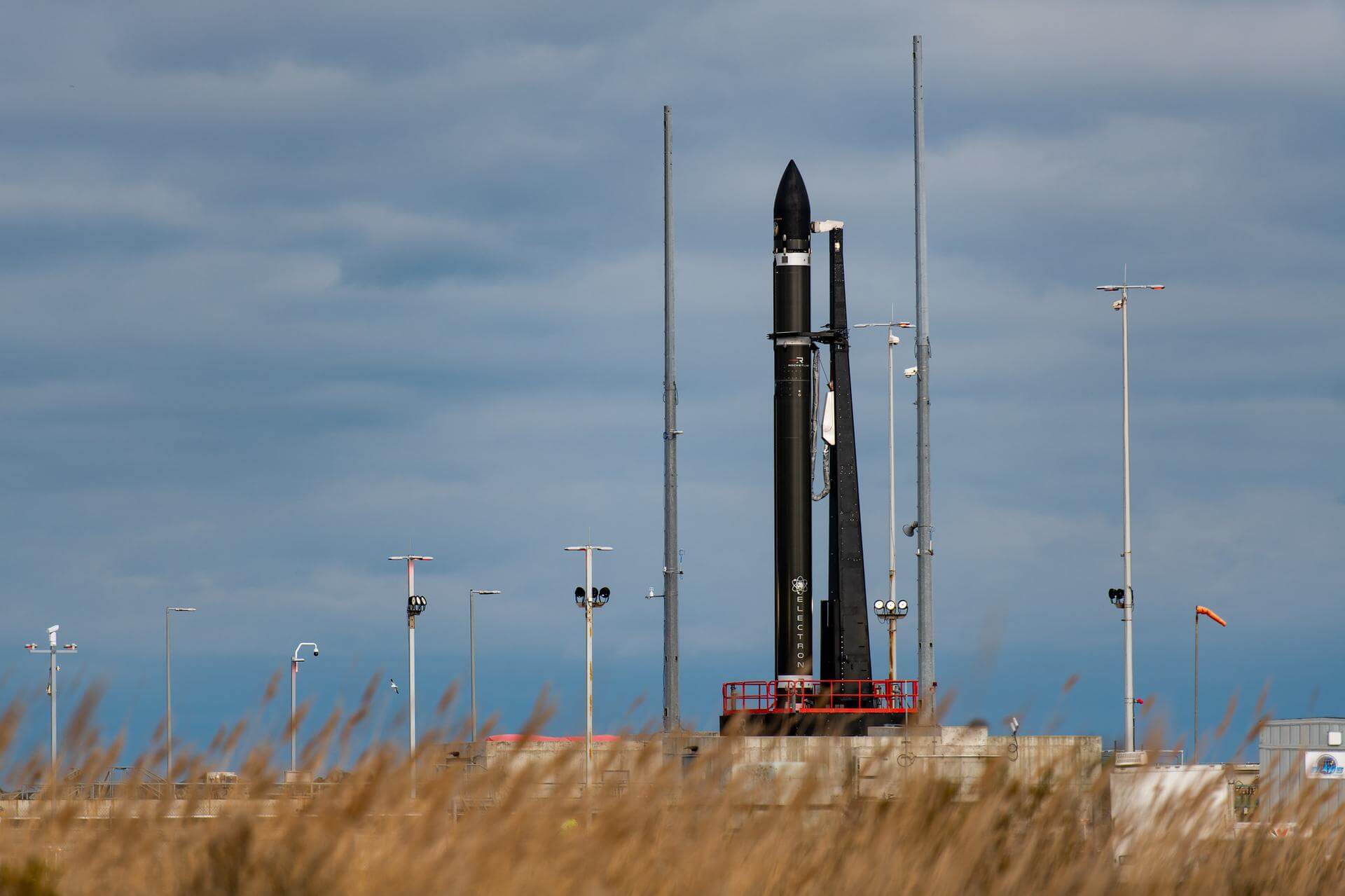
Provider: Rocket Lab Date: April 22, 2026 Time: 12:00 AM UTC Vehicle: Electron
Sub-orbital launch under Rocket Lab’s Hypersonic Accelerator Suborbital Test Electron (HASTE) program, details TBD.
Starlink Group 17-14
Provider: SpaceX Date: April 22, 2026 Time: 2:00 AM UTC Vehicle: Falcon 9
A batch of 25 satellites for the Starlink mega-constellation – SpaceX’s project for space-based Internet communication system.
Starlink Group 17-22 ×
Mission Details
TypeCommunications
OrbitLow Earth Orbit
TargetEarth
A batch of 25 satellites for the Starlink mega-constellation – SpaceX’s project for space-based Internet communication system.
Falcon 9 is a two-stage rocket designed and manufactured by SpaceX for the reliable and safe transport of satellites and the Dragon spacecraft into orbit. The Block 5 variant is the fifth major interval aimed at improving upon the ability for rapid reusability.
AST SpaceMobile’s Block 2 BlueBird satellites are designed to deliver up to 10 times the bandwidth capacity of the BlueBird Block 1 satellites, required to achieve 24/7 continuous cellular broadband service coverage in the United States, with beams designed to support a capacity of up to 40 MHz, enabling peak data transmission speeds up to 120 Mbps, supporting voice, full data and video applications. The Block 2 BlueBirds, featuring as large as 2400 square foot communications arrays, will be the largest satellites ever commercially deployed in Low Earth orbit once launched.
This launch will feature 1 satellite, BlueBird 7/BlueBird Block 2 FM2.
The New Glenn is a privately funded orbital launch vehicle in development by Blue Origin. New Glenn is described as a 7-meter-diameter (23 ft), two- or three-stage rocket.
The Global Positioning System (GPS), originally Navstar GPS, is a satellite-based radio navigation system owned by the United States government and operated by the United States Space Force. It is one of the global navigation satellite systems (GNSS) that provide geolocation and time information to a GPS receiver anywhere on or near the Earth where there is an unobstructed line of sight to four or more GPS satellites.
Falcon 9 is a two-stage rocket designed and manufactured by SpaceX for the reliable and safe transport of satellites and the Dragon spacecraft into orbit. The Block 5 variant is the fifth major interval aimed at improving upon the ability for rapid reusability.
Electron is a two-stage orbital expendable launch vehicle (with an optional third stage) developed by the American aerospace company Rocket Lab. Electron is a small-lift launch vehicle designed to launch small satellites and cubesats to sun-synchronous orbit and low earth orbit. The Electron is the…
Falcon 9 is a two-stage rocket designed and manufactured by SpaceX for the reliable and safe transport of satellites and the Dragon spacecraft into orbit. The Block 5 variant is the fifth major interval aimed at improving upon the ability for rapid reusability.
Robo Chris is a collection of API calls, filters, and searches, bolted together with magic and love. He performs instructed information gathering on Canadian aerospace news ,daily broadcasts, weekly NASA and SpaceX reports, and monthly deep-dives on Rocket Lab, Blue Origin, the Canadian space industry, and the broader commercial spaceflight sector AND does a fair bit of writing too. Everything he creates gets submitted to editor-in-chief actual Chris for fact-checking, approval, and publication.