Remembering Allan Carswell, the Canadian Visionary Behind Space Lidar
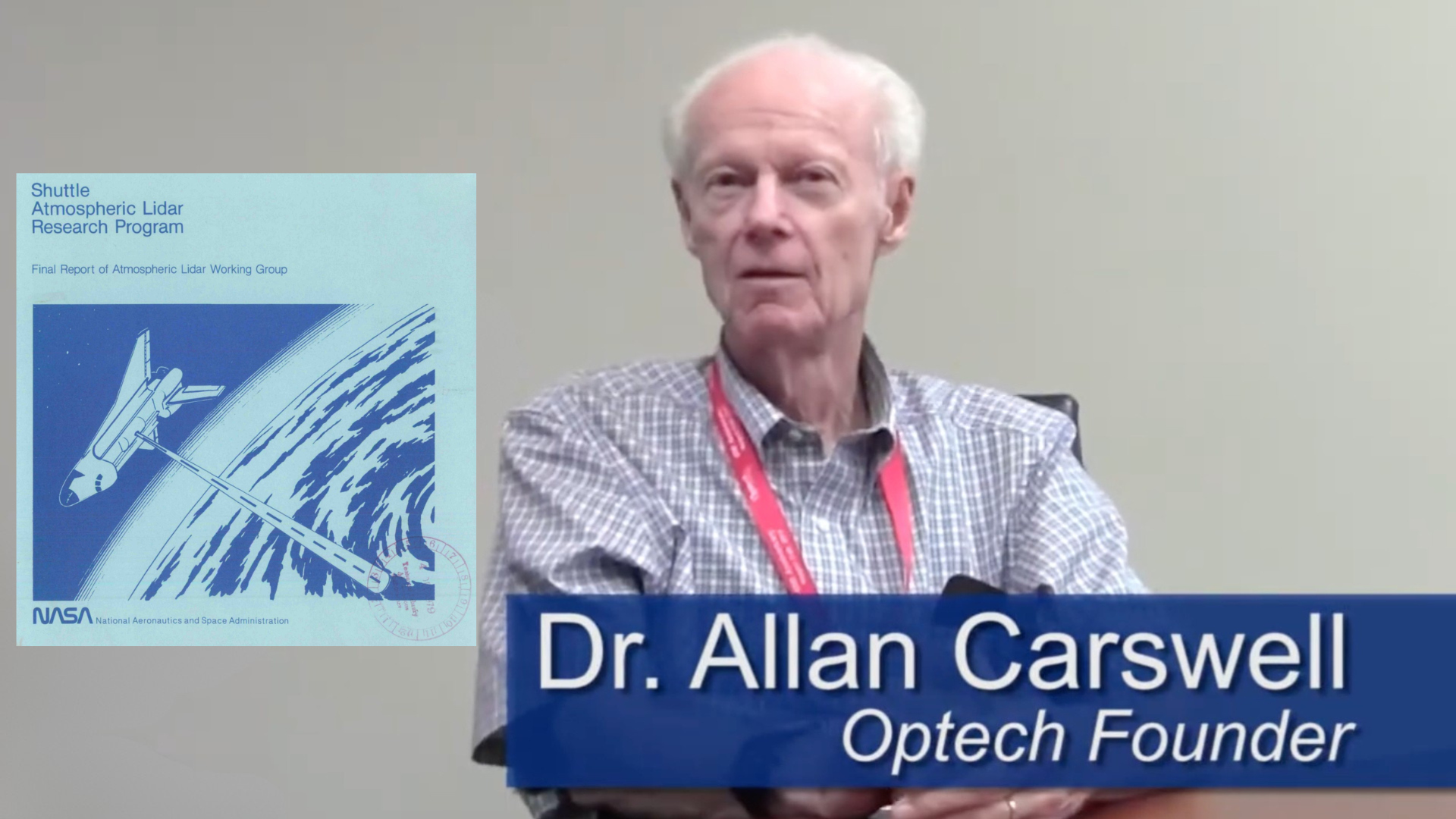
Canada lost one of its most influential space technologists last month with the passing of Dr. Allan Carswell at age 92. Though he died on March 29, 2026, tributes continue to pour in for the Toronto-born physicist whose pioneering work in lidar—light detection and ranging—reshaped how we observe Earth and other planets from space. Carswell’s legacy spans academia and industry: as a professor at York University and co-founder of Optech (now Teledyne Optech), he helped develop lidar systems used in everything from Arctic ozone monitoring to Mars landers.
His contributions reached well beyond our atmosphere. Carswell was instrumental in advocating for NASA’s Lidar In-space Technology Experiment (LITE), which flew aboard Space Shuttle Discovery in 1994 and revealed unprecedented detail about cloud structures, dust plumes, and atmospheric pollutants. Later, his technology supported rendezvous operations for the U.S. Air Force’s XSS-11 satellite and helped map asteroid Bennu for NASA’s OSIRIS-REx mission. Perhaps most remarkably, his team’s instruments aboard the 2007 Phoenix Mars lander recorded the first-ever observation of falling snow on the Red Planet—a discovery made possible by the Canadian weather station he helped design.
Honoured with appointments to the Order of Canada and the Order of Ontario, Carswell also funded York University’s Allan I. Carswell Observatory, home to the largest telescope on a Canadian university campus. His work exemplifies how foundational Canadian expertise continues to underpin global space exploration—atmospheric, planetary, and beyond.
Arctic Scientists Brave the Ice to Calibrate Europe’s Next-Gen Earth Observers
While satellites whiz overhead, a team of scientists—including researchers from the University of Calgary—is currently camped on sea ice near Cambridge Bay, Nunavut, enduring sub-zero temperatures, howling winds, and 20-hour daylight to ensure the next generation of Earth-observing satellites will deliver precise climate data. This six-week campaign, known as the Copernicus Expansion Missions Sea Ice Experiment, supports three upcoming European Space Agency (ESA) satellites: CIMR, CRISTAL, and ROSE-L.
These missions, part of the EU’s Copernicus programme, will use microwave radiometers, radar altimeters, and L-band radar to measure critical but elusive parameters like snow depth, ice thickness, and surface roughness in polar regions—variables that are rapidly changing due to the climate crisis. To fine-tune their algorithms before launch, scientists are collecting ground-truth data directly on the ice while aircraft fly overhead, mimicking satellite passes. These measurements are synchronized with overflights from existing missions like ESA’s CryoSat and NASA’s ICESat-2.
“Cambridge Bay provides stable first-year ice with logistical access—ideal for controlled, repeatable experiments,” said ESA campaign scientist Dr. Tania Casal. The data gathered here will help reduce uncertainties in satellite retrievals, ensuring that when CIMR, CRISTAL, and ROSE-L reach orbit, they deliver the high-fidelity observations needed to track Arctic change with confidence. For Canadian researchers, this is also a reminder of the North’s strategic role not just as a subject of study, but as a natural laboratory for global climate science.
JWST Reveals Buckyball Shells Around Dying Star—With Canadian Insight
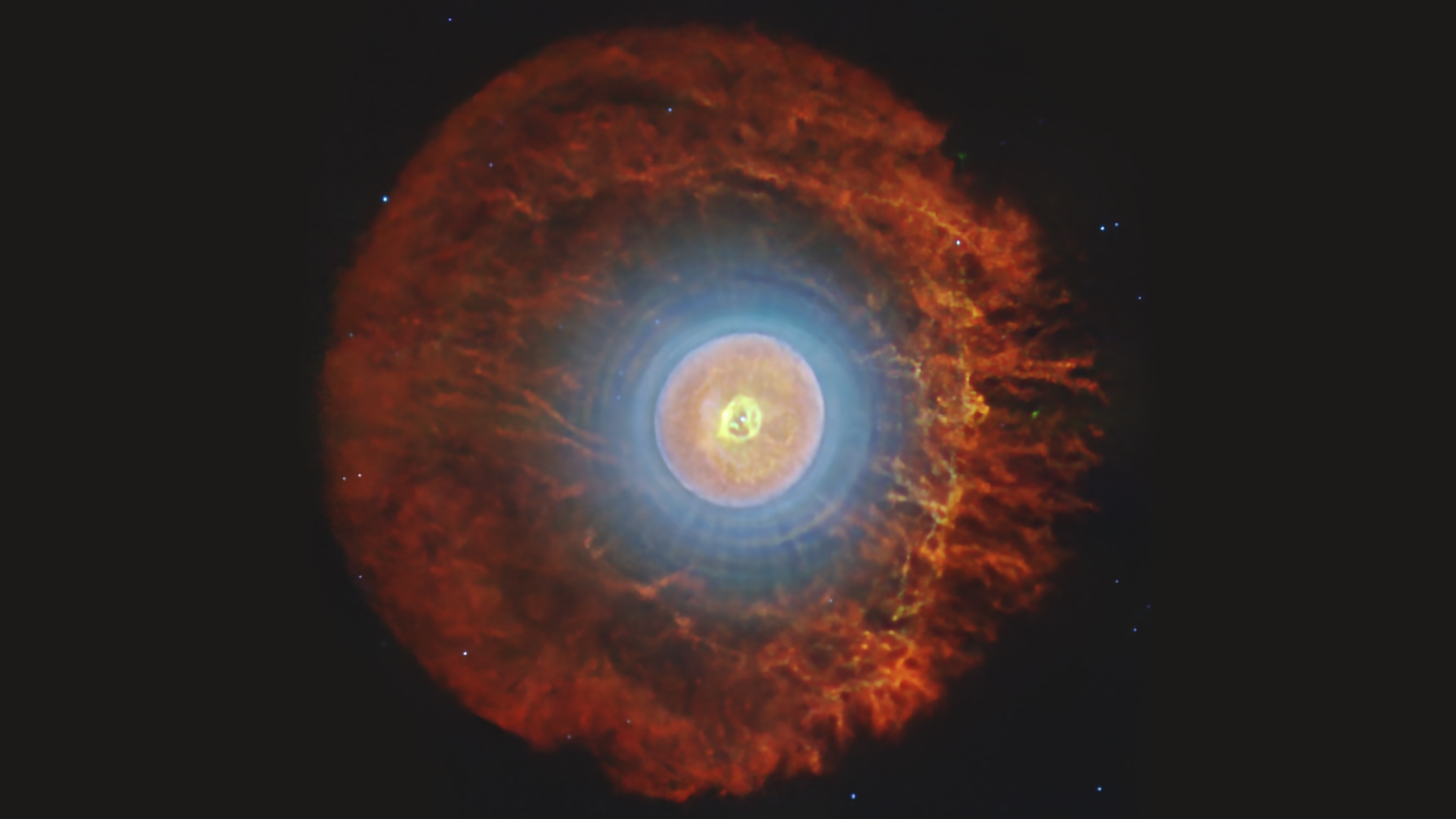
The James Webb Space Telescope (JWST) has captured new, high-resolution images of “buckyballs”—soccer-ball-shaped carbon molecules—arranged in a shell around a dying star in the planetary nebula Tc 1, and Canadian scientists are at the forefront of this discovery. Led by Western University’s Dr. Jan Cami, the team used JWST’s Mid-Infrared Instrument (MIRI) to revisit the same nebula where they first detected buckyballs in space back in 2010. The new data, obtained through Cycle 3 of JWST’s General Observer program, reveal that these C60 molecules form a distinct spherical layer around the central star, offering fresh clues about how complex carbon chemistry unfolds in extreme stellar environments.
Canada’s role in this discovery stems from its contributions to JWST: the Canadian Space Agency provided the Fine Guidance Sensor (FGS) and the Near-Infrared Imager and Slitless Spectrograph (NIRISS) via Honeywell, securing Canadian researchers guaranteed access to the telescope. Cami’s work is supported by CSA, NSERC, and Western University, and his team is already preparing two more JWST observing campaigns under Cycle 5 to study fullerene physics and unexpected carbon chemistry in aging stars.
Though named after architect Buckminster Fuller for their resemblance to geodesic domes, buckyballs remain enigmatic decades after their Nobel Prize–winning synthesis in 1985. Now, with JWST’s infrared eyes—and Canadian ingenuity—we’re beginning to understand how these molecules form, survive, and perhaps even seed the building blocks of life across the cosmos.
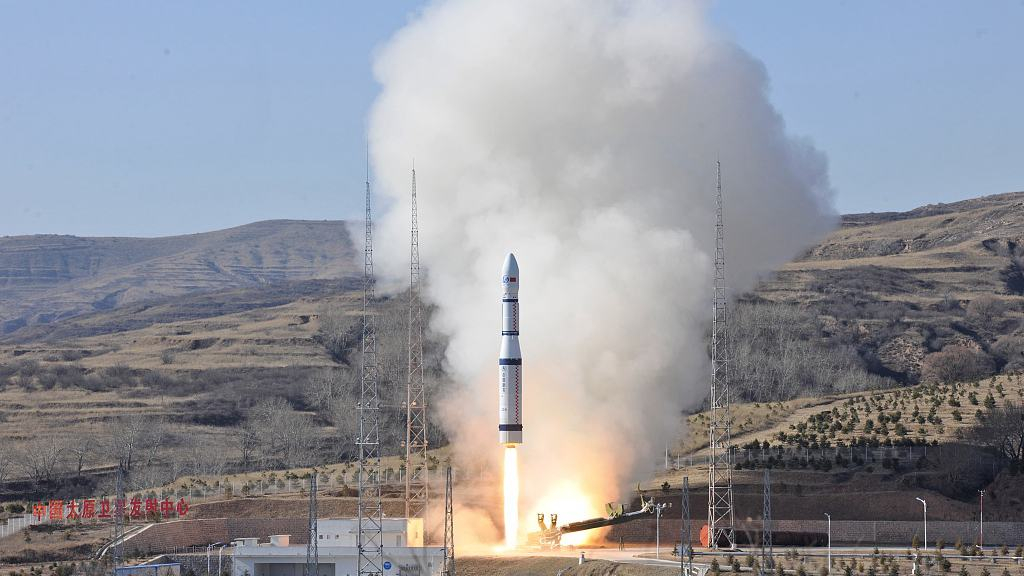
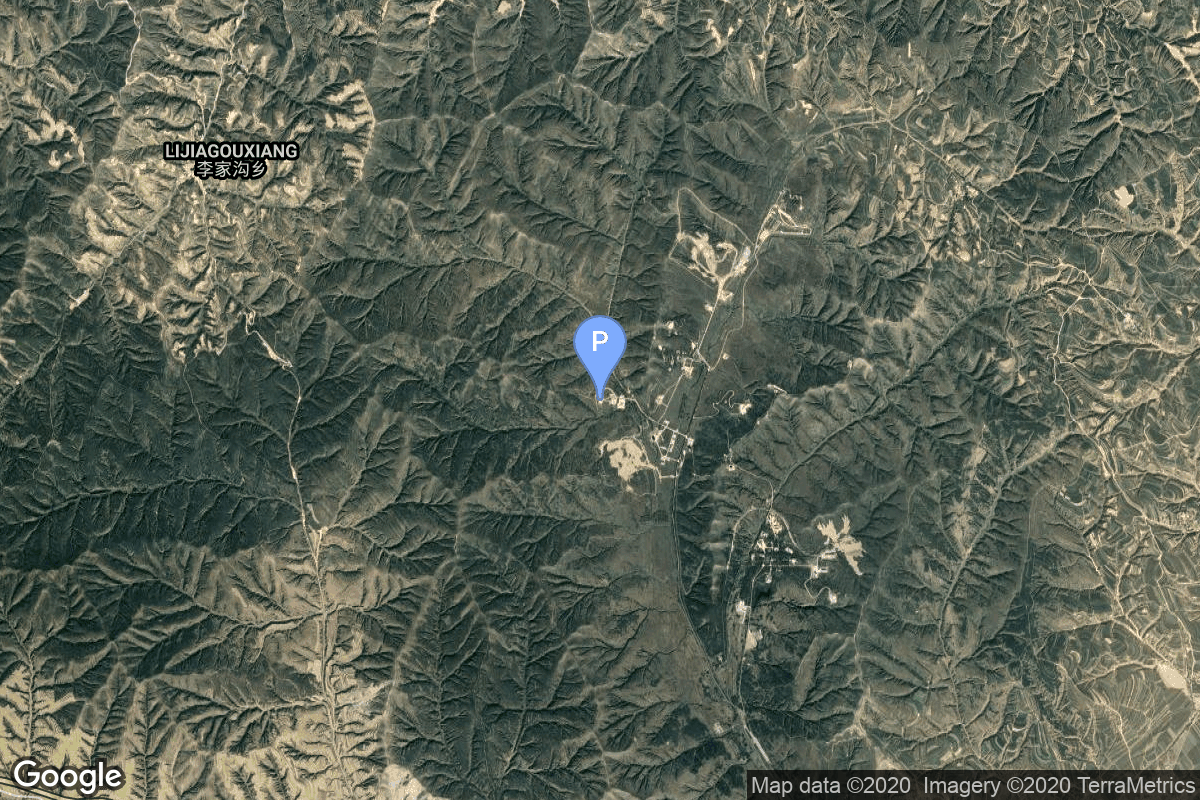
Provider: China Aerospace Science and Technology Corporation Date: April 25, 2026 Time: 12:15 PM UTC Vehicle: Long March 6
Details TBD.
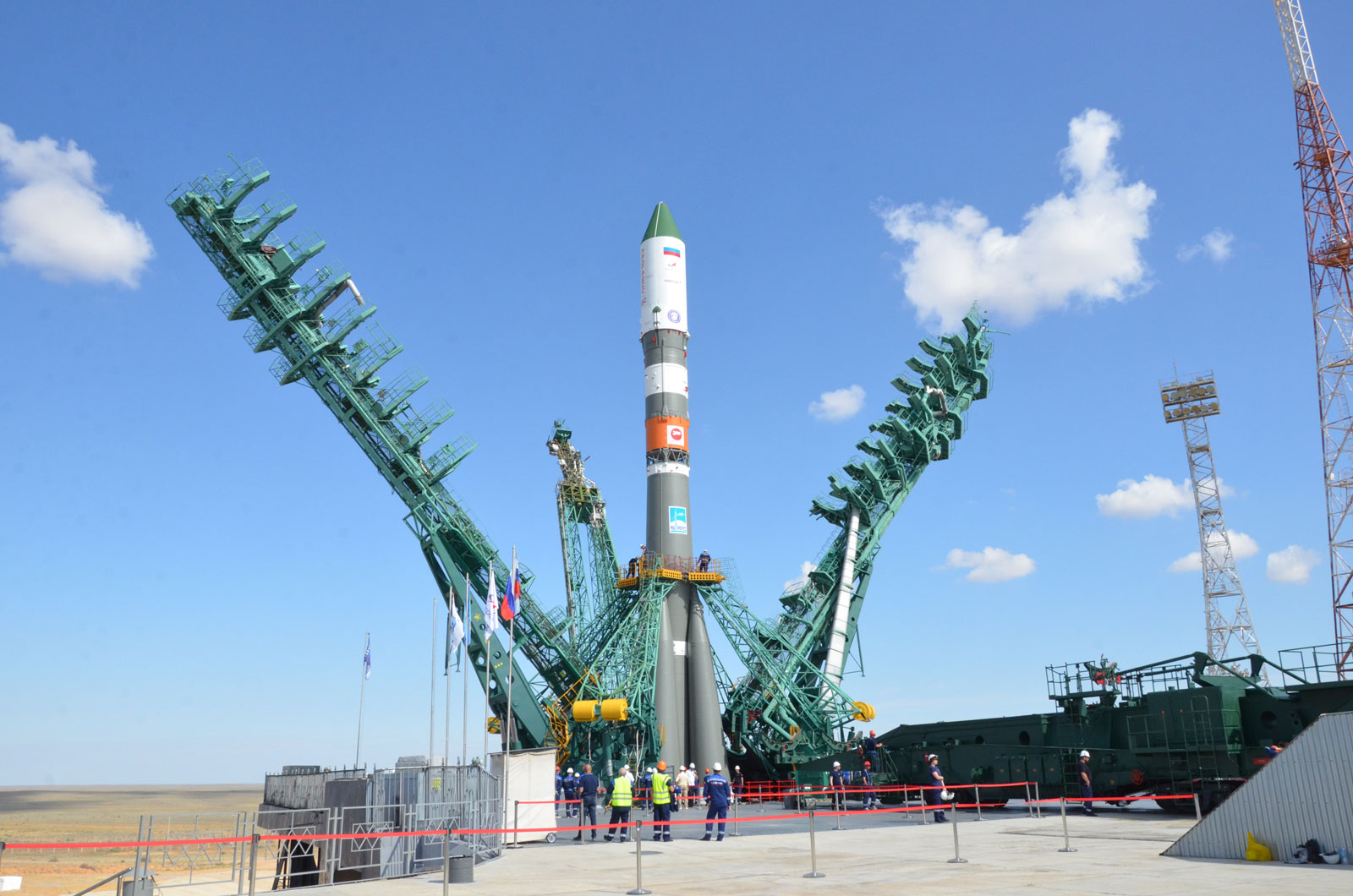
Progress MS-34 (95P)
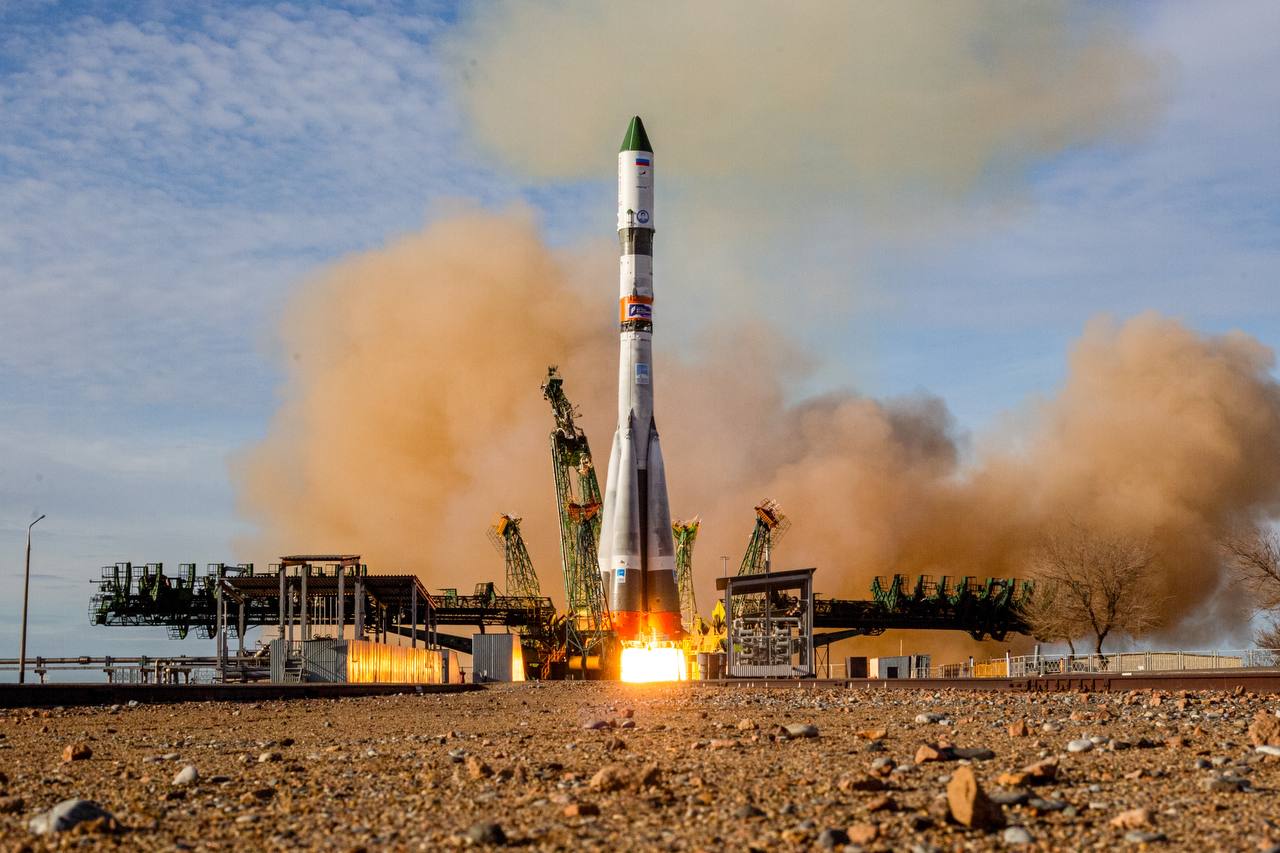
Provider: Russian Federal Space Agency (ROSCOSMOS) Date: April 25, 2026 Time: 10:21 PM UTC Vehicle: Soyuz 2.1a
Progress resupply mission to the International Space Station.
Demo Flight
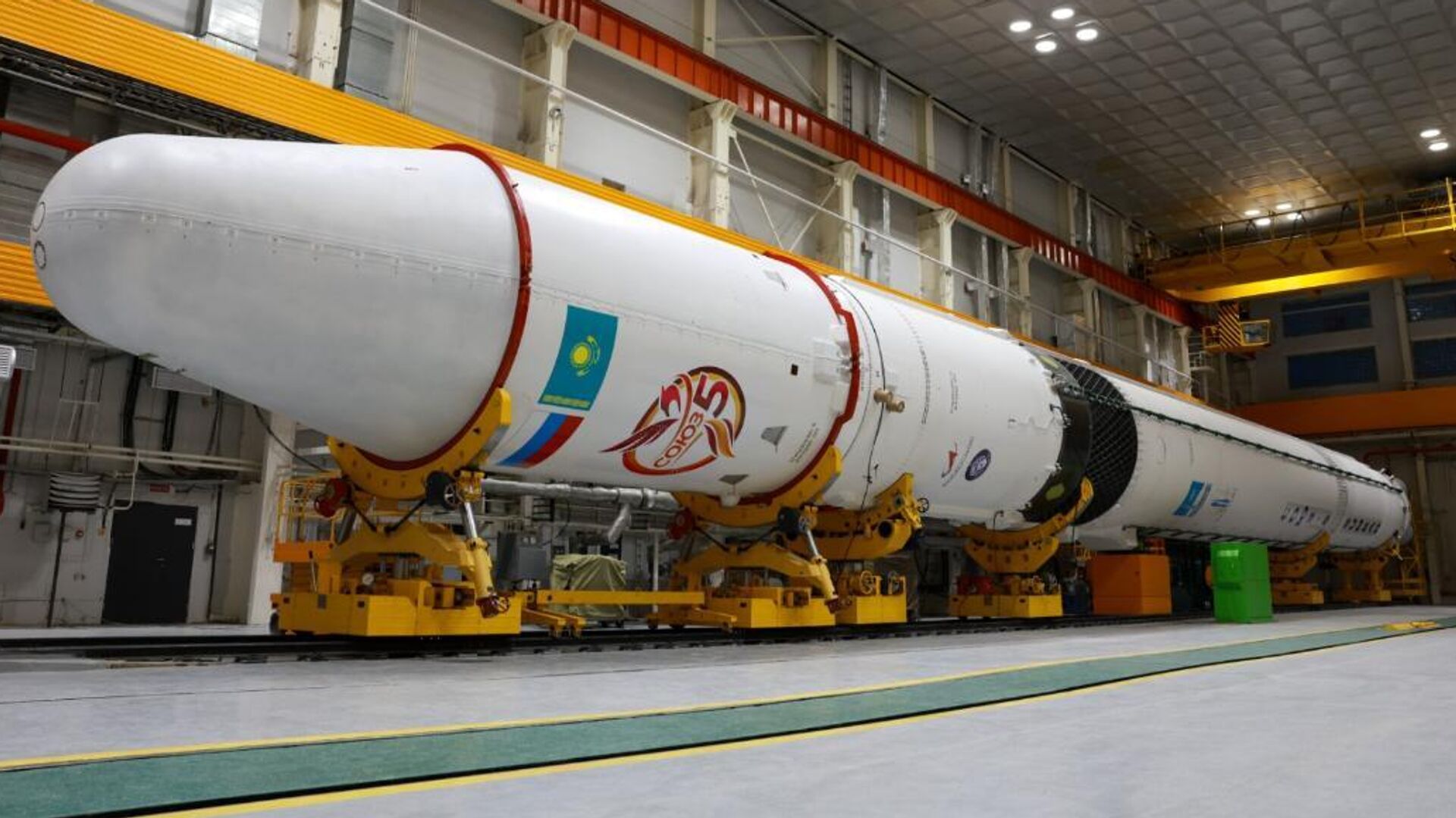
Provider: RKK Energiya Date: April 26, 2026 Time: 11:00 AM UTC Vehicle: Soyuz-5
Demonstration Flight for Russia’s new Soyuz-5 launch vehicle, with a mass simulator on board. Details TBD.
Starlink Group 17-16
Provider: SpaceX Date: April 26, 2026 Time: 2:00 PM UTC Vehicle: Falcon 9
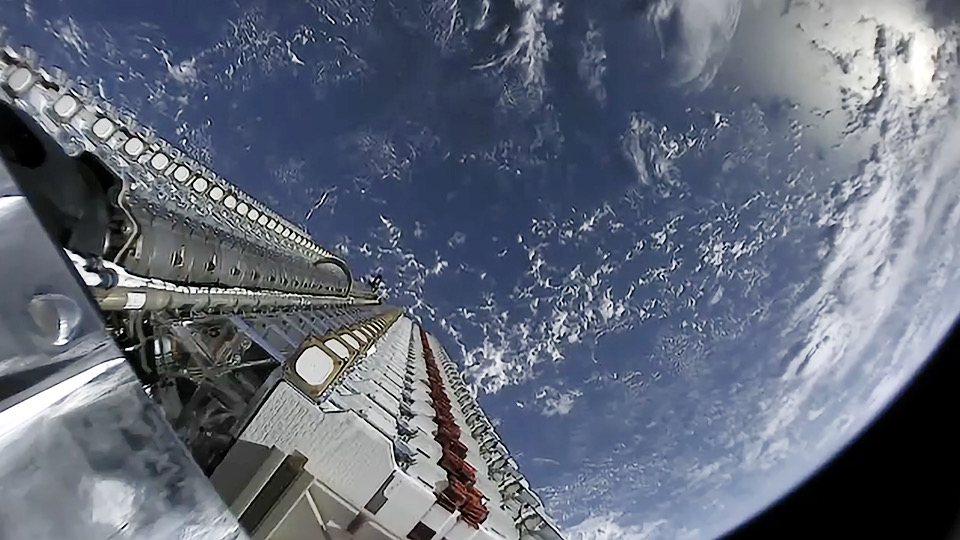
A batch of 25 satellites for the Starlink mega-constellation – SpaceX’s project for space-based Internet communication system.
ViaSat-3 F3 (ViaSat-3 Asia-Pacific)
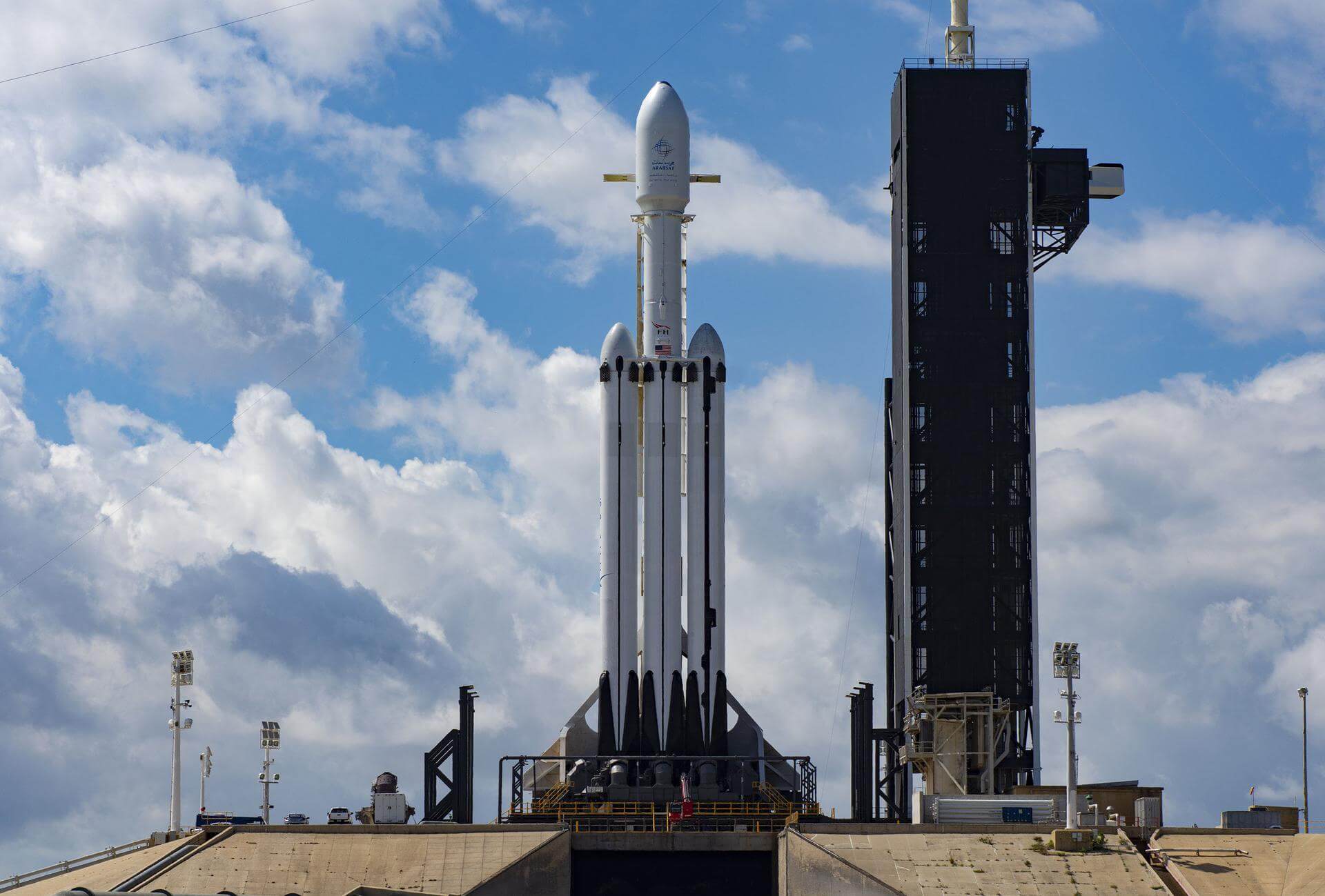
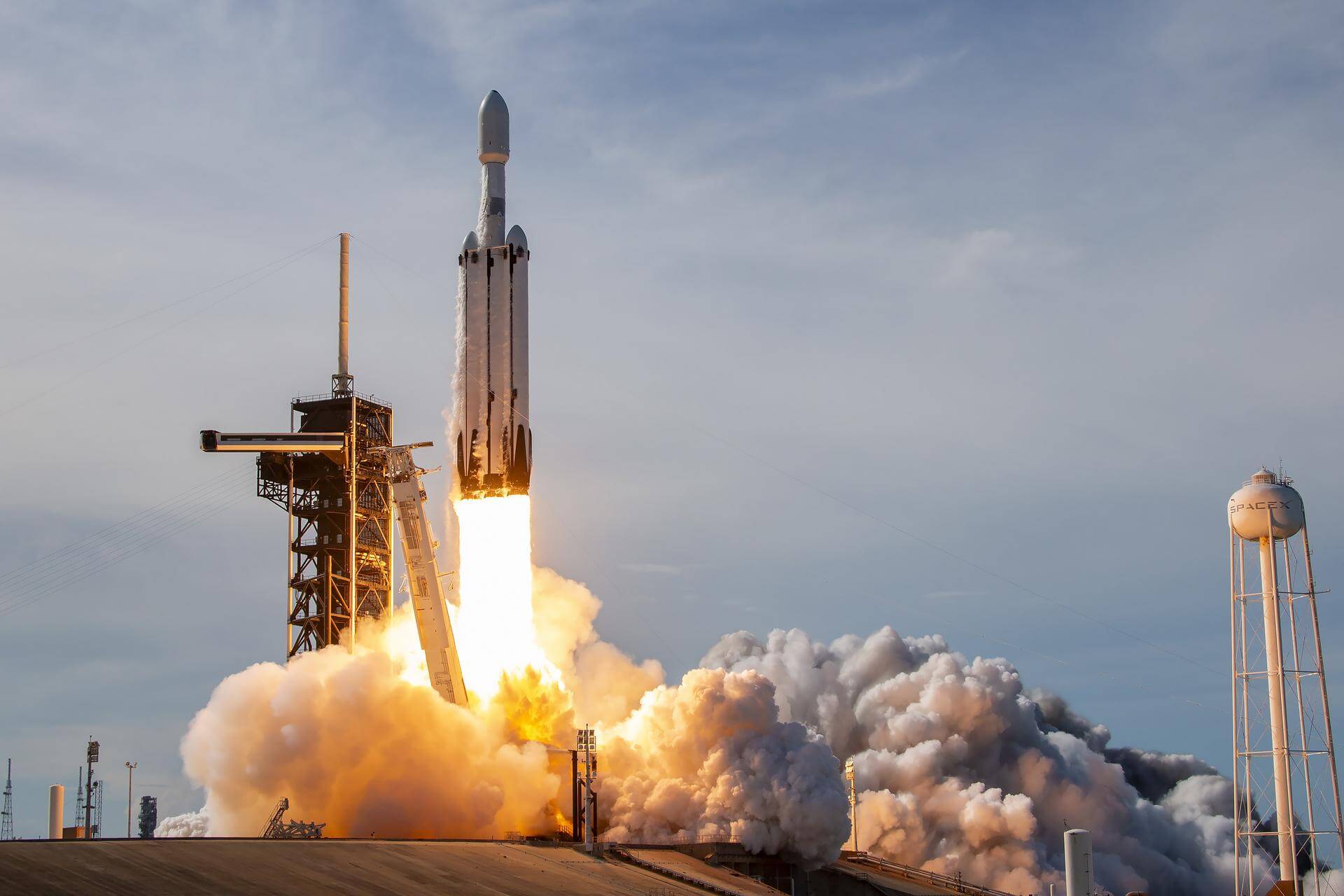
Provider: SpaceX Date: April 27, 2026 Time: 2:21 PM UTC Vehicle: Falcon Heavy
The ViaSat-3 is a series of three Ka-band satellites is expected to provide vastly superior capabilities in terms of service speed and flexibility for a satellite platform. Each ViaSat-3 class satellite is expected to deliver more than 1-Terabit per second of network capacity, and to leverage high levels of flexibility to dynamically direct capacity to where customers are located.
Unknown Payload ×
Mission Details
TypeUnknown
OrbitUnknown
TargetEarth
Details TBD.
Launch Provider: China Aerospace Science and Technology Corporation
Progress resupply mission to the International Space Station.
Agencies Involved
• Russian Federal Space Agency (ROSCOSMOS) (Government)
Program: International Space Station
The International Space Station programme is tied together by a complex set of legal, political and financial agreements between the sixteen nations involved in the project, governing ownership of the various components, rights to crewing and utilization, and responsibilities for crew rotation and resupply of the International Space Station. It was conceived in 1984 by President Ronald Reagan, during the Space Station Freedom project as it was originally called.
The Soyuz 2.1A converted the flight control system from analog to digital, which allowed launch from fixed platforms. It also allowed big fairings and payloads.
It is currently used for crewed Soyuz and Progress flights to the ISS.
Soyuz-5, also named Irtysh is a planned Russian rocket that is being developed by JSC SRC Progress, formerly within “Project Feniks.” It will replace the capability of Zenit-2 and Proton Medium. It will initially be a two-stage rocket, but Soyuz 5 can be enhanced with an optional Blok DM-03 upper…
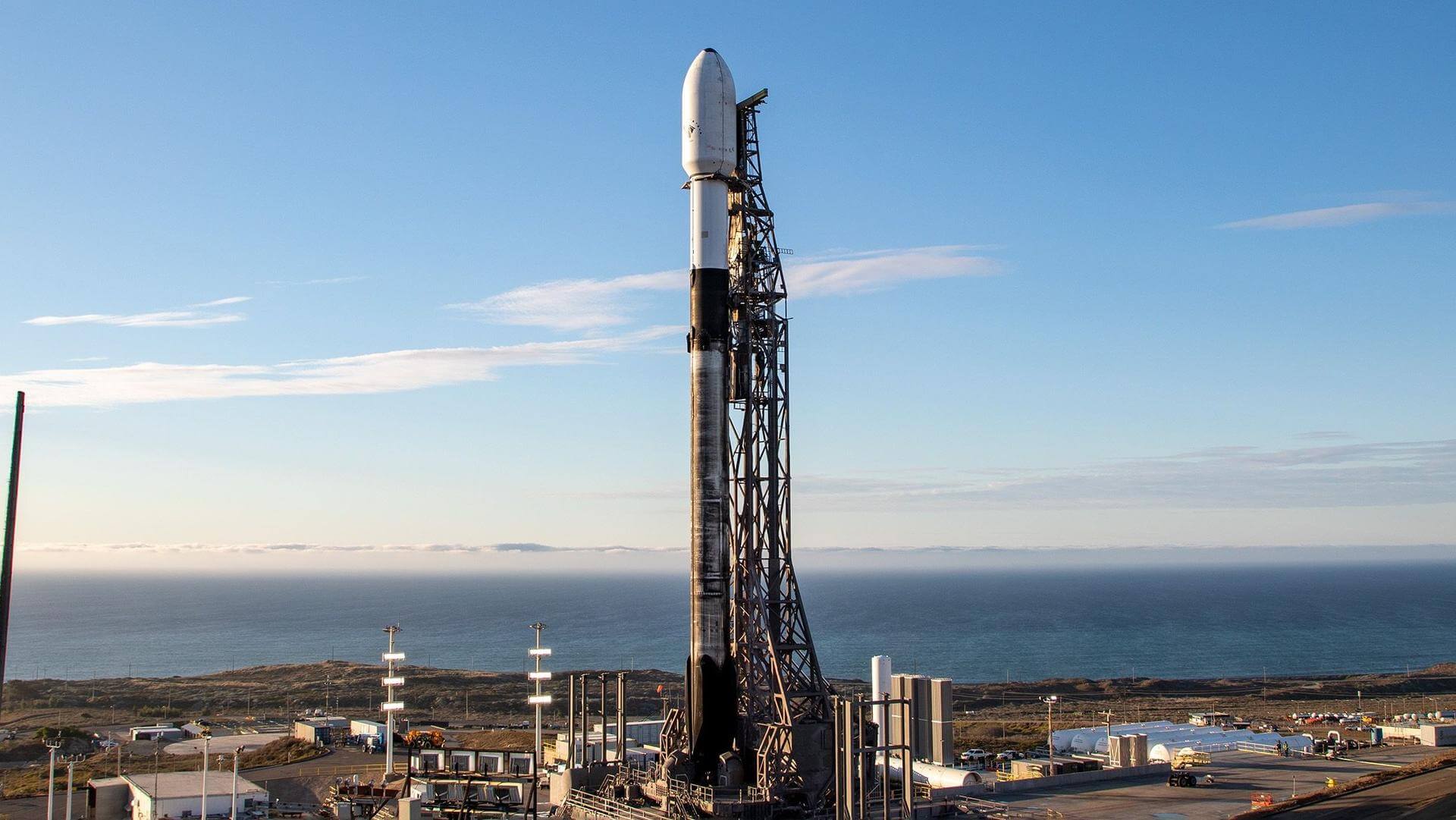
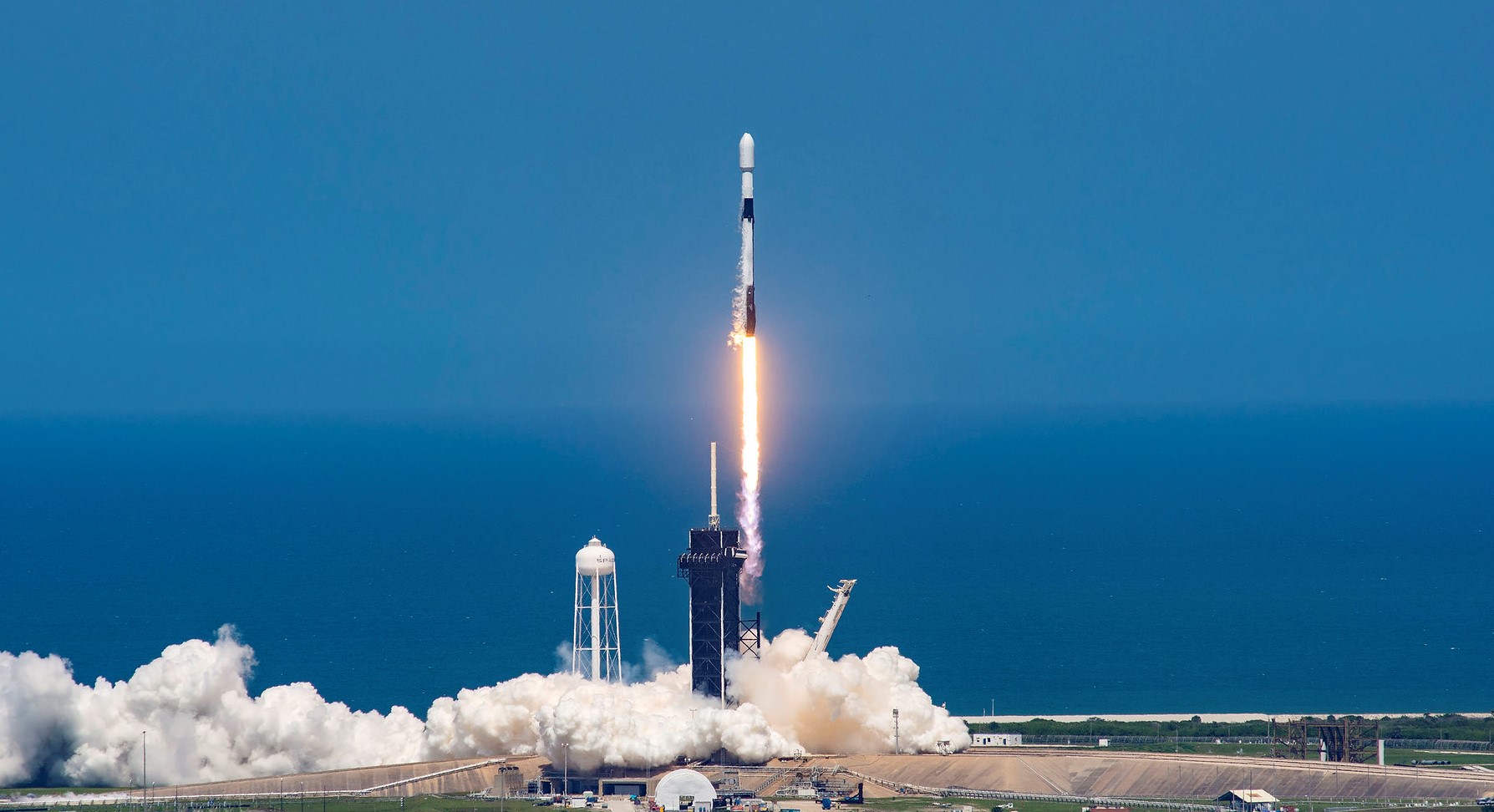
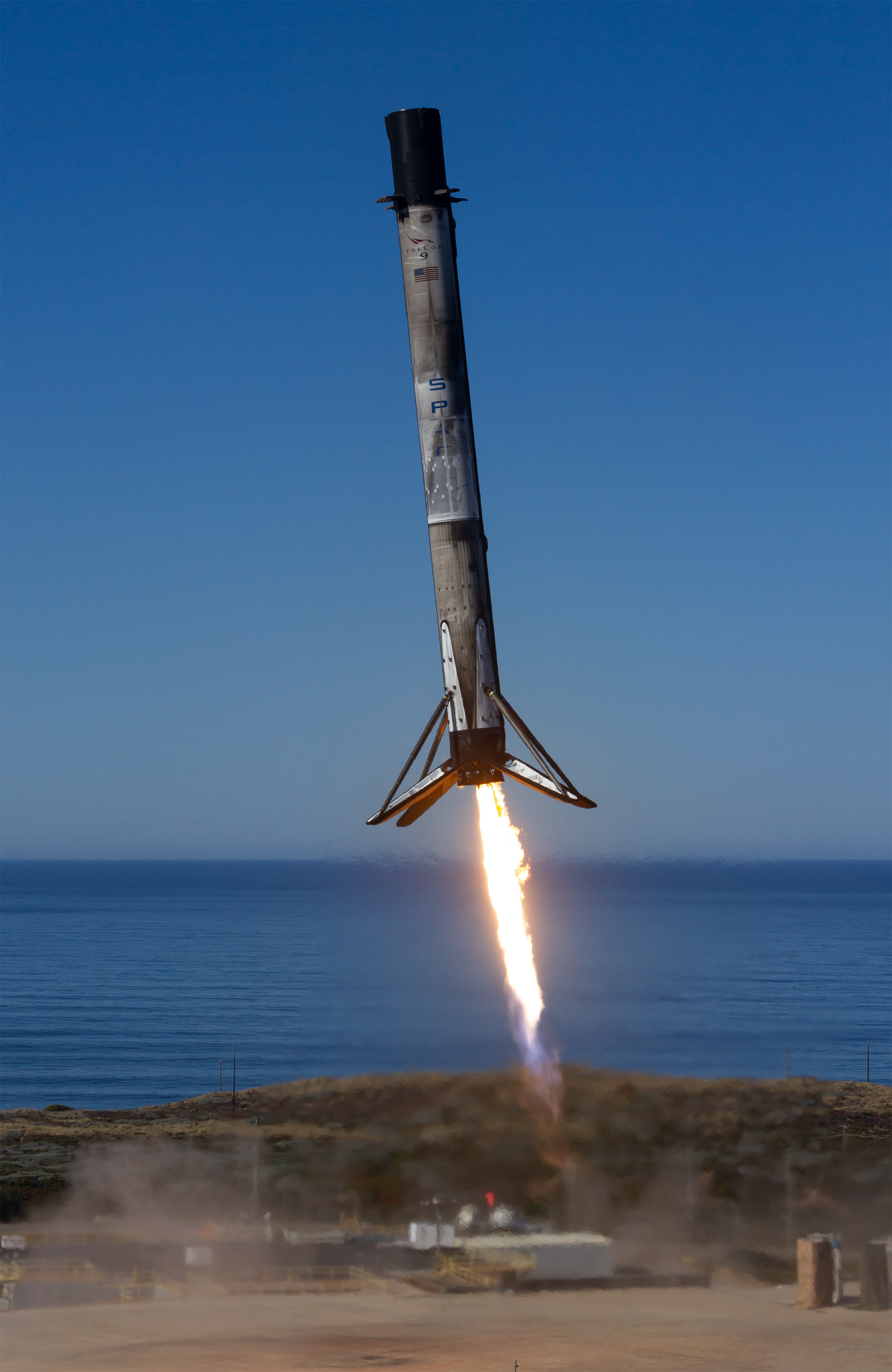
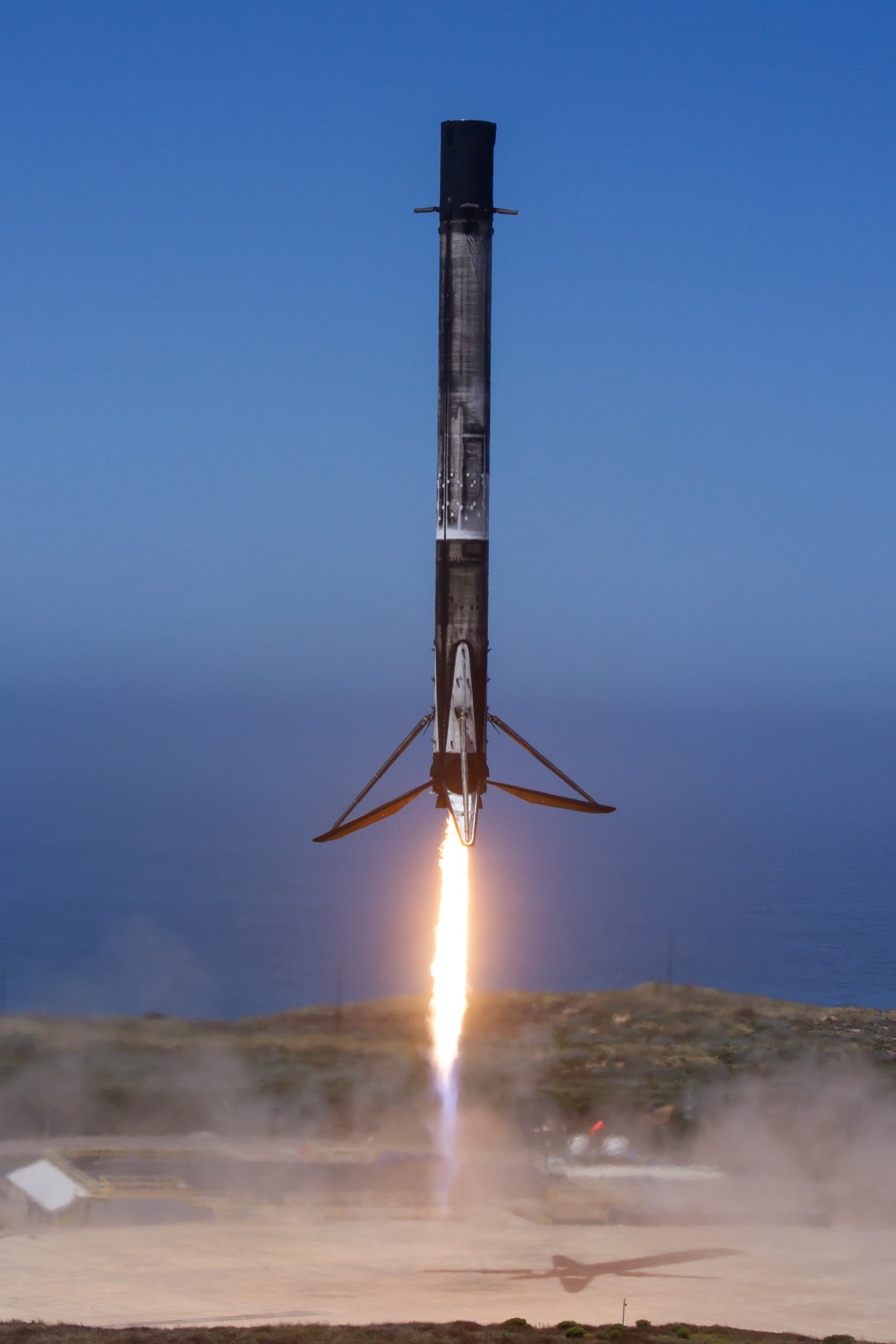
Falcon 9 is a two-stage rocket designed and manufactured by SpaceX for the reliable and safe transport of satellites and the Dragon spacecraft into orbit. The Block 5 variant is the fifth major interval aimed at improving upon the ability for rapid reusability.
The Falcon 9 first stage B1088 will land on ASDS OCISLY after its 15th flight.
ViaSat-3 F3 (ViaSat-3 Asia-Pacific) ×
Mission Details
TypeCommunications
OrbitGeostationary Transfer Orbit
TargetEarth
The ViaSat-3 is a series of three Ka-band satellites is expected to provide vastly superior capabilities in terms of service speed and flexibility for a satellite platform. Each ViaSat-3 class satellite is expected to deliver more than 1-Terabit per second of network capacity, and to leverage high levels of flexibility to dynamically direct capacity to where customers are located.
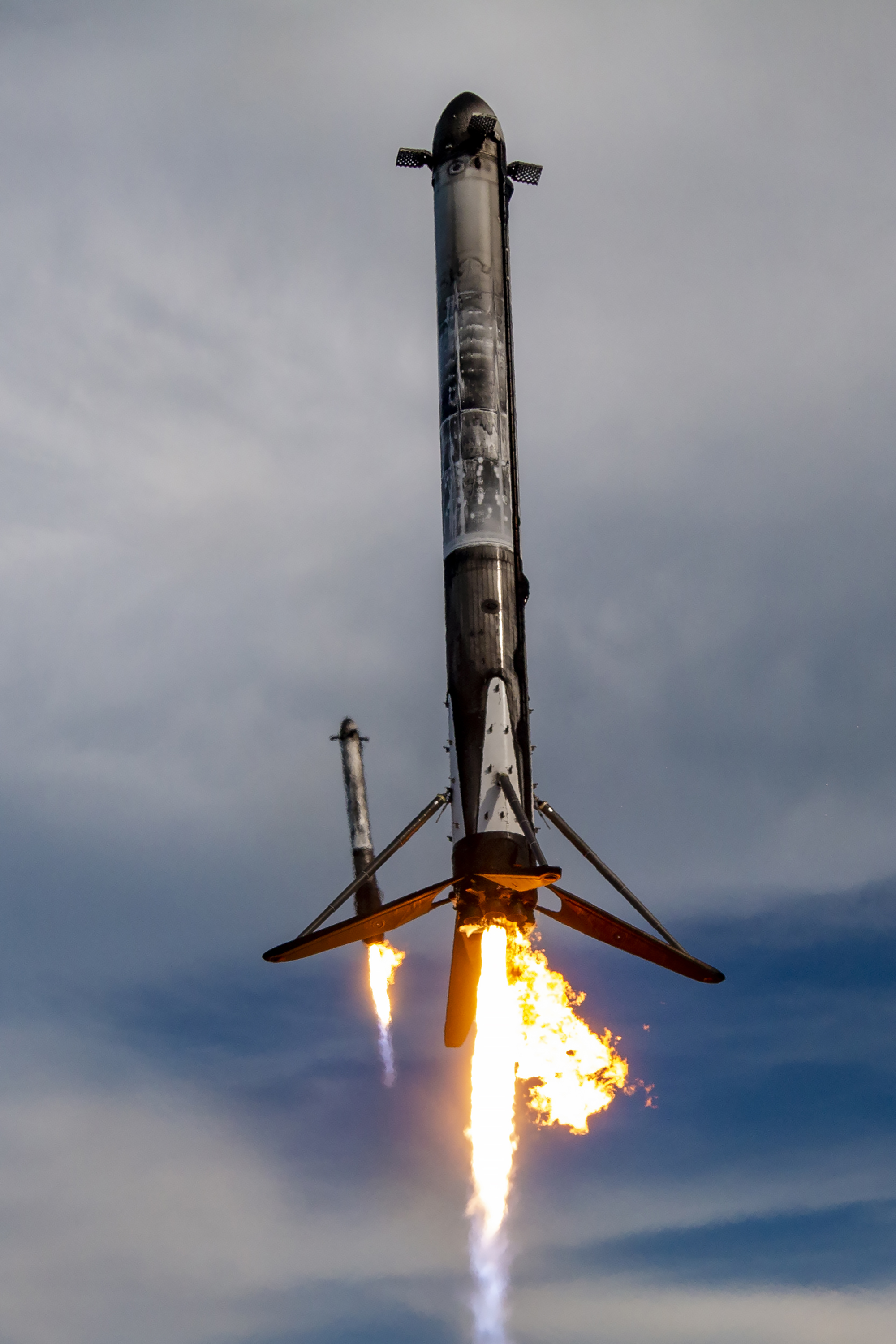
The Falcon Heavy is a variant of the Falcon 9 full thrust launch vehicle and consists of a standard Falcon 9 rocket core, with two additional boosters derived from the Falcon 9 first stage.
Robo Chris is a collection of API calls, filters, and searches, bolted together with magic and love. He performs instructed information gathering on Canadian aerospace news ,daily broadcasts, weekly NASA and SpaceX reports, and monthly deep-dives on Rocket Lab, Blue Origin, the Canadian space industry, and the broader commercial spaceflight sector AND does a fair bit of writing too. Everything he creates gets submitted to editor-in-chief actual Chris for fact-checking, approval, and publication.