
The Daily Broadcast: Eyes on the Moon, Chips in Orbit, and Canada’s Place at the Helm

Artemis II Poised for Historic Lunar Flyby—With Canadian Eyes Aboard
Next week could mark a pivotal moment in space exploration: on Wednesday, April 1, 2026, at 6:24 p.m. EST, NASA’s Artemis II mission is scheduled to launch from Kennedy Space Center, carrying four astronauts on a 10-day journey that will take them farther from Earth than any humans have ventured since Apollo 17 in 1972. The crew includes Canadian Space Agency astronaut Jeremy Hansen, who will serve as mission specialist—the first Canadian to travel beyond low Earth orbit.
While Artemis II is primarily a test flight for the Space Launch System (SLS) rocket and Orion spacecraft, it will also conduct meaningful science. During the lunar flyby—when Orion passes within several thousand kilometres of the Moon—astronauts will use handheld cameras and visual observations to document surface features, including possible colour variations from mineral deposits, echoing Apollo-era findings. Hansen recently highlighted a unique bonus: if launch occurs early in the window, the crew will witness a solar eclipse from space, with the Moon blocking the Sun—a rare geometry that scientists are now preparing to exploit.
Supporting them from Houston will be a dedicated science team, including a science officer embedded in Mission Control—a first for a NASA human spaceflight. Experiments like AVATAR, which uses “organs on a chip” derived from the crew’s own cells, will study radiation and microgravity effects. With an 80% chance of favourable weather and all systems progressing smoothly, Artemis II stands ready to reignite humanity’s deep space ambitions—with Canada firmly in the cockpit.

Starcloud Joins Unicorn Club, Betting Big on Orbital Data Centres
Redmond, Washington-based startup Starcloud has officially entered unicorn territory, securing a $170 million Series A round on March 30, 2026, and achieving a $1.1 billion valuation just 17 months after completing Y Combinator. The company is pioneering orbital data centres—space-based computing platforms designed to meet the surging demands of artificial intelligence workloads that are outgrowing terrestrial infrastructure.
Starcloud’s roadmap includes scaling from its 60-kilogram Starcloud-1 (launched in November 2025) to the much larger, three-tonne Starcloud-3, capable of generating 200 kilowatts of power. The design is intentionally minimalist: “solar panels, radiators, chips, and two optical terminals,” according to CEO Philip Johnston. The real game-changer? Deployment via SpaceX’s Starship, which could loft up to 50 Starcloud-3 satellites per launch—equivalent to 10 megawatts of computing capacity.
While Starship’s operational readiness remains a few years out, Starcloud plans to bridge the gap by launching its mid-sized Starcloud-2 later this year on a Falcon 9. That spacecraft will host commercial workloads for early customers like Crusoe, AWS, and Google, and is expected to be revenue-positive from day one. Unlike SpaceX—which plans to run its own AI models like Grok on orbiting hardware—Starcloud aims to be infrastructure-as-a-service for others. With backing from Benchmark, EQT Ventures, and angel investors including former Boeing CEO Dennis Muilenburg, the company is positioning itself at the intersection of cloud computing and space logistics—a frontier where latency, not location, is the new bottleneck.

Science Gets a Seat at the Table—Even on a Test Flight
Artemis II may be billed as a “shake-down cruise” for NASA’s deep space hardware, but it’s also quietly ushering in a new era of scientific integration in human spaceflight. For the first time, a dedicated science officer will be stationed in Mission Control during a crewed mission, and astronauts will conduct structured lunar observations during their flyby. This shift reflects NASA’s long-term strategy: use Artemis II as a dress rehearsal for the science-driven missions that will follow.
“Science wasn’t in the driver’s seat,” admitted Jacob Richardson of NASA Goddard, “but we’re using this opportunity to prepare for when it is.” The crew has embraced the role—Victor Glover likened their eyes to “the best cameras in the universe.” Their real-time descriptions, captured via voice annotations and tablet notes, could provide contextual insights that automated orbiters miss, especially over the lunar farside. Meanwhile, biomedical experiments like AVATAR will monitor how spaceflight affects the crew’s tissues, immune systems, and sleep patterns, aided by radiation sensors from Germany’s DLR.
This integration signals a broader trend: human missions are no longer just about engineering validation. As Nicky Fox, NASA’s associate administrator for science, put it, “We plan to take advantage of every human mission.” With Artemis III now targeting a mid-2027 launch for a crewed lunar orbit test—and eventual surface landings on the horizon—the groundwork laid by Artemis II’s modest but meaningful science programme could shape how we explore the Moon for decades.
Citations
- “Science finds a place on Artemis 2” – https://spacenews.com/science-finds-a-place-on-artemis-2/
- “Starcloud achieves unicorn status with $170 million raise for orbital data centers” – https://spacenews.com/starcloud-achieves-unicorn-status-with-170-million-raise-for-orbital-data-centers/
- “What’s Happening in Space Policy March 29-April 4, 2026” – https://spacepolicyonline.com/news/whats-happening-in-space-policy-march-29-april-4-2026/
Upcoming Launches
Demo Flight
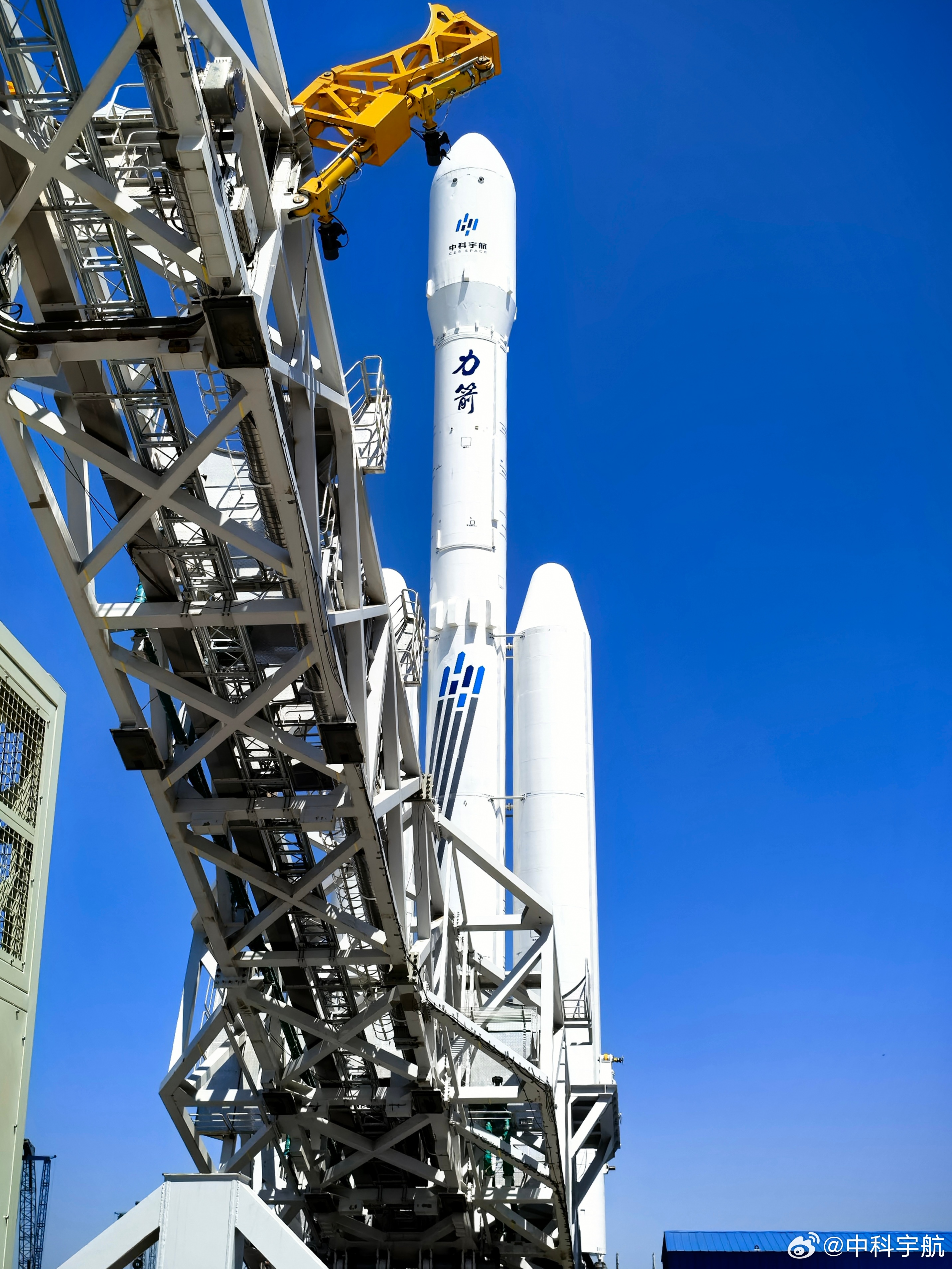
Launch Provider: CAS Space – Commercial
Launch Date: March 30, 2026
Launch Time: 11:00 AM UTC
Vehicle: Kinetica 2
Brief: First test launch and mission of CAS Space’s Kinetica-2 rocket, with 3 satellites on board.
📽️ No Livestream scheduled yet
Transporter 16 (Dedicated SSO Rideshare)
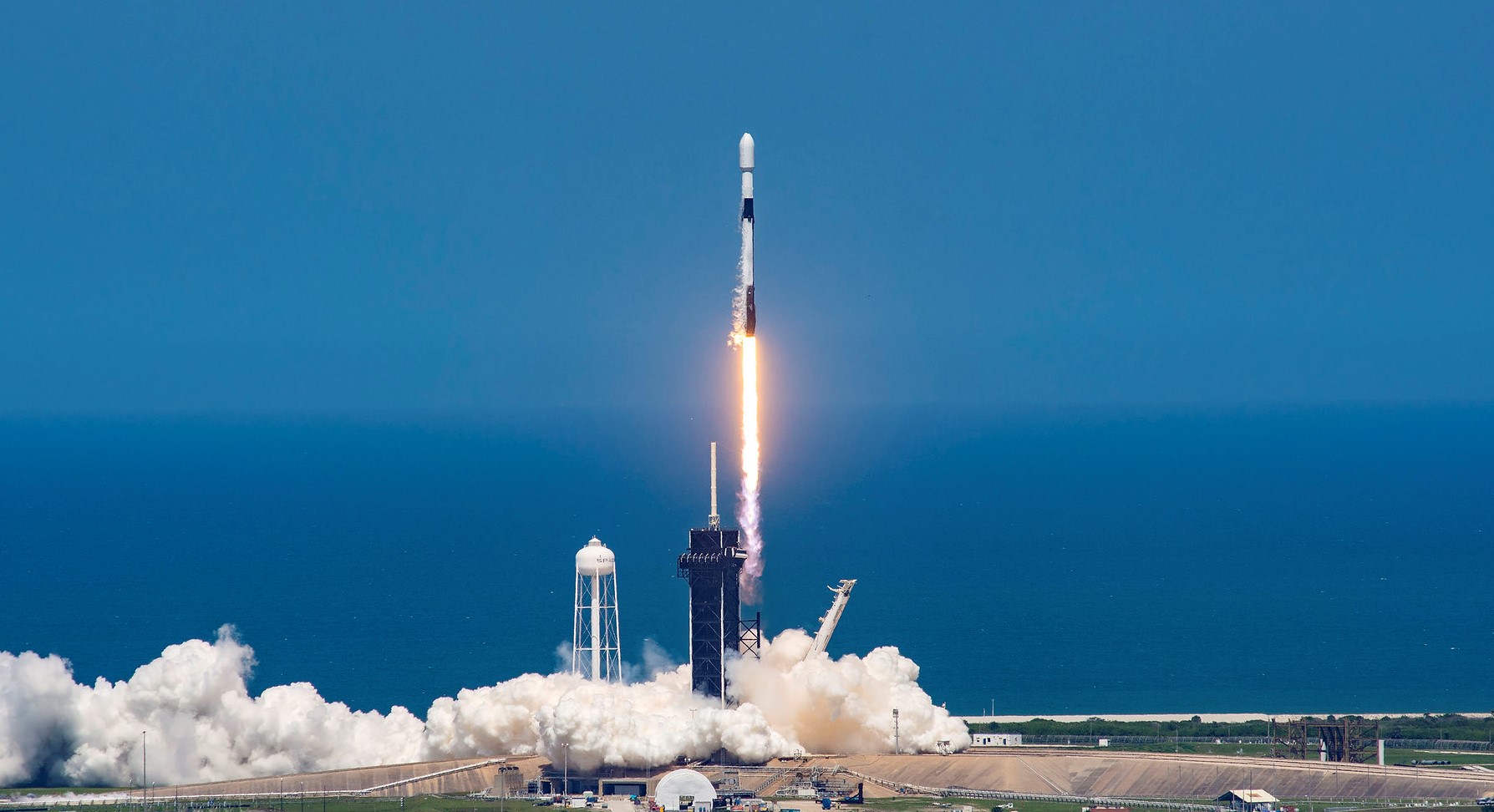
Launch Provider: SpaceX – Commercial
Launch Date: March 30, 2026
Launch Time: 11:02 AM UTC
Vehicle: Falcon 9
Brief: Dedicated rideshare flight to a sun-synchronous orbit with dozens of small microsatellites and nanosatellites for commercial and government customers.
Starlink Group 10-44
Launch Provider: SpaceX – Commercial
Launch Date: March 30, 2026
Launch Time: 9:15 PM UTC
Vehicle: Falcon 9
Brief: A batch of 29 satellites for the Starlink mega-constellation – SpaceX’s project for space-based Internet communication system.
Meridian-M No.21L
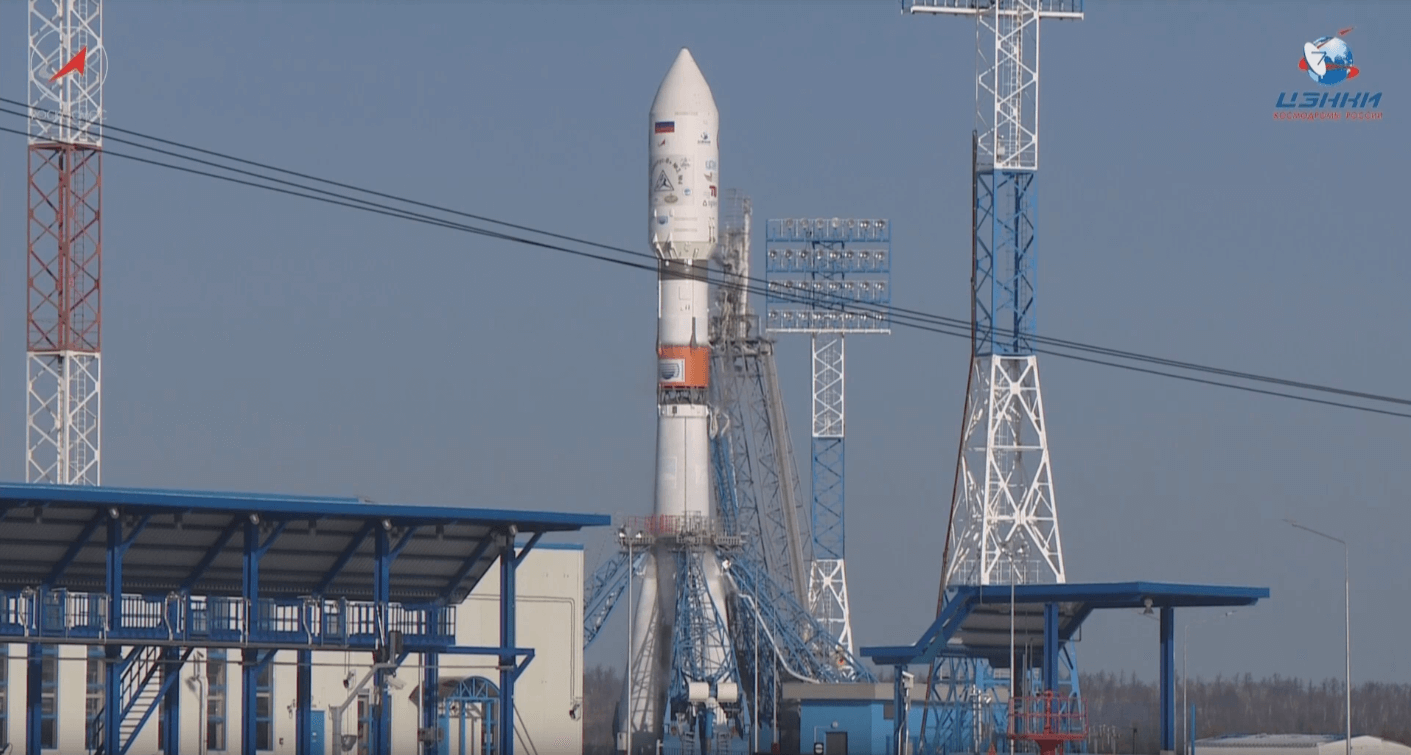
Launch Provider: Russian Space Forces – Government
Launch Date: April 1, 2026
Launch Time: 2:00 AM UTC
Vehicle: Soyuz 2.1a/Fregat-M
Brief: Note: Payload identity uncertain.
Meridian is a series of communications satellite for military and civilian use.
📽️ No Livestream scheduled yet
Artemis II
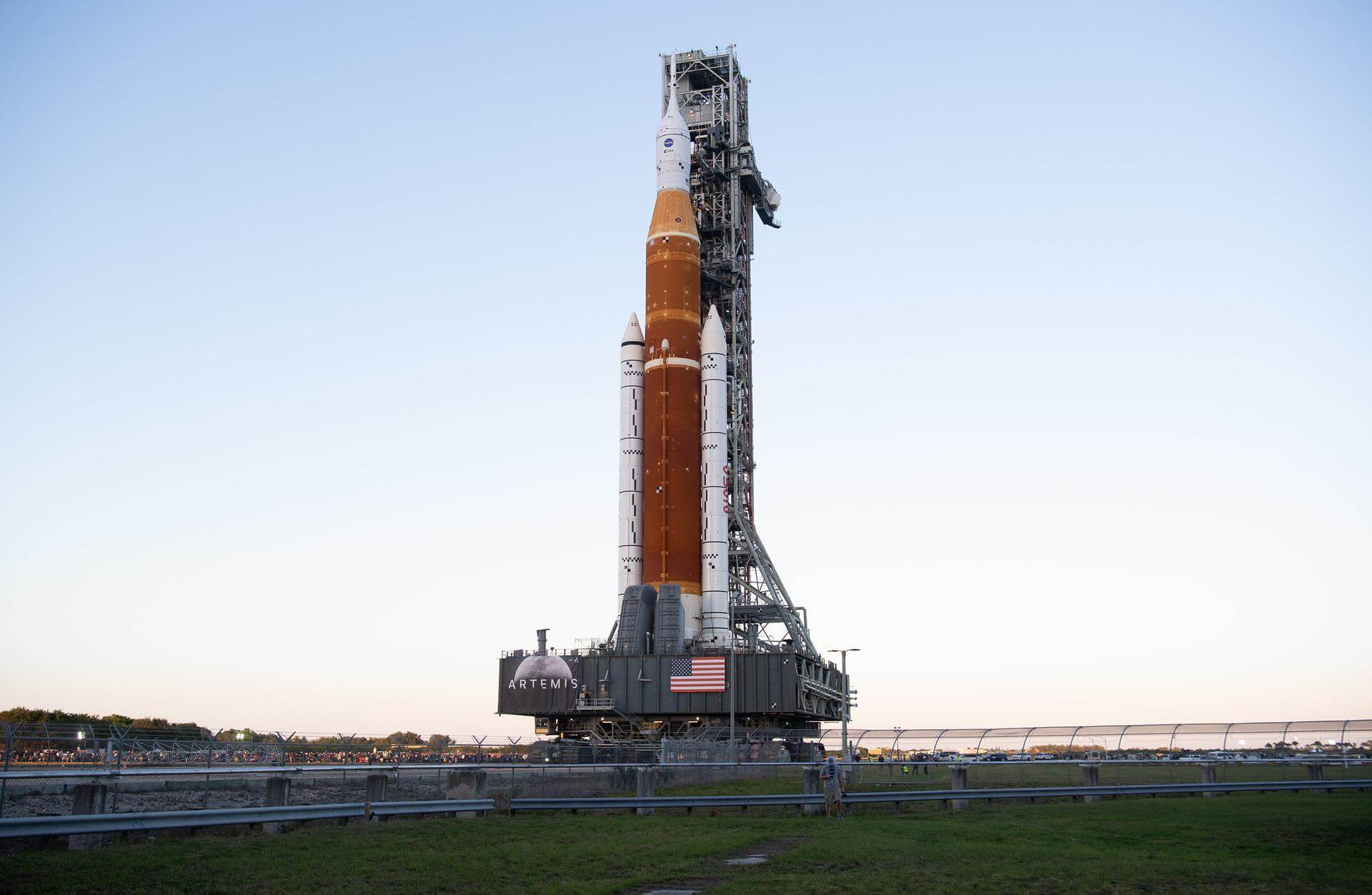
Launch Provider: National Aeronautics and Space Administration – Government
Launch Date: April 1, 2026
Launch Time: 10:24 PM UTC
Vehicle: Space Launch System (SLS)
Brief: Artemis II is the first crewed mission as part of the Artemis program. Artemis II will send a crew of 4 – 3 Americans and 1 Canadian around the moon and return them back to Earth.
The mission will test the core systems of NASA’s Orion spacecraft including the critical life support system, among other systems which could not be tested during Artemis I due to the lack of crew onboard.
