
The Daily Broadcast: Data, Debris, and Defence: A Busy Week in Orbit

Laser Links Light the Way Aboard Transporter-16
On March 30, 2026, SpaceX successfully launched its Transporter-16 rideshare mission from Vandenberg Space Force Base in California, delivering a constellation of small satellites aimed at revolutionizing how data moves through space. Among the payloads were several Canadian and international missions focused on optical—i.e., laser-based—communications and in-orbit data processing. This approach promises faster, more secure data transfer compared to traditional radio frequencies, which are increasingly strained by the growing number of satellites.
Notably, Sherbrooke-based startup SBQuantum hitched a ride on this mission with its quantum magnetometer as part of the U.S. National Geospatial-Intelligence Agency’s MagQuest Challenge. Designed to monitor Earth’s shifting magnetic field, the sensor could help maintain the accuracy of the World Magnetic Model—critical for everything from smartphone navigation to military operations. SBQuantum’s device, validated through pre-launch testing at NASA’s Goddard Space Flight Center, represents one of Canada’s most advanced quantum sensing efforts to date.
Other payloads included ESA-backed CubeSats from Greece testing laser terminals and AI-equipped processors from Belgium’s EDGX. These missions aim to reduce the volume of raw data sent to Earth by processing it onboard, a key step toward smarter, more responsive satellite systems. With data demands soaring, these demonstrations may shape how future constellations—from weather monitoring to precision agriculture—operate efficiently in crowded orbital skies.
Another Starlink Anomaly Raises Debris Concerns
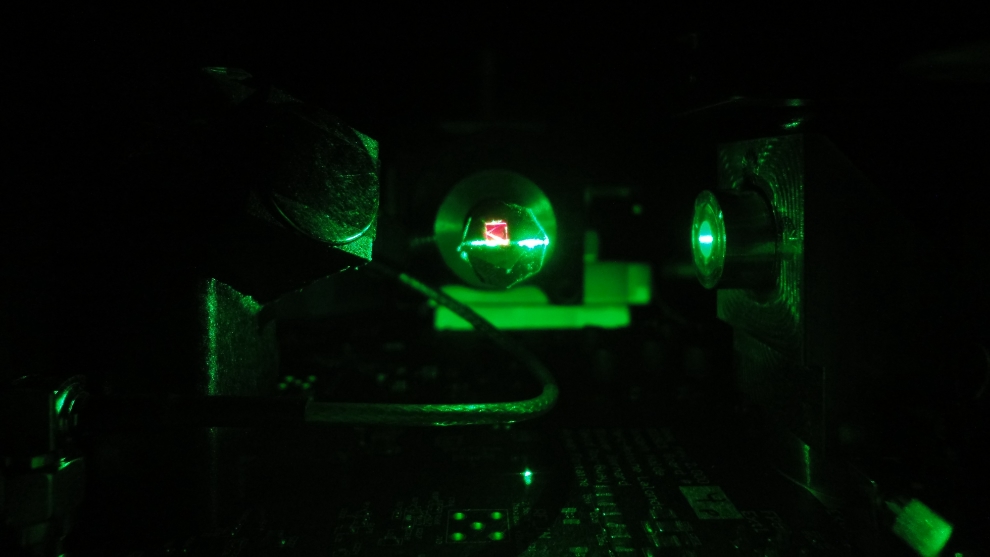
Just hours before the Transporter-16 launch, SpaceX confirmed that one of its Starlink satellites, Starlink-34343, suffered an on-orbit anomaly on March 29, resulting in the creation of space debris. The satellite, launched in May 2025 and orbiting at 560 kilometres, lost communications with ground control. LeoLabs, a low Earth orbit tracking firm, reported detecting “tens” of fragments near the spacecraft’s location, though the full debris count remains under assessment.
This marks the second such incident in just over three months—the first involving Starlink-35956 in December 2025. Both events appear similar, potentially linked to internal energetic sources like propellant tanks or batteries, rather than collisions with other objects. SpaceX stated that the debris poses no threat to the International Space Station or the upcoming Artemis II mission and emphasized that, due to the low altitude, the fragments should deorbit within weeks.
Despite the anomaly, SpaceX proceeded with its scheduled Transporter-16 launch on March 30 and later that same day launched another batch of 29 Starlink satellites from Cape Canaveral. The company said its engineering teams are investigating the root cause and will implement corrective actions as needed. As megaconstellations grow, such incidents underscore the importance of robust satellite design and responsible end-of-life management in an increasingly congested orbital environment.
Canada Doubles Down on Space Defence and Sovereign Capabilities
As international space activity accelerates, Canada is reinforcing its commitment to sovereign space capabilities. On March 30, SpaceQ reported that Edmonton-based Earth observation firm Wyvern secured nearly $3 million in federal defence funding to enhance its maritime intelligence, surveillance, and reconnaissance (ISR) technologies using hyperspectral imaging. This investment, part of the Regional Defence Investment Initiative, aligns with Canada’s broader Defence Industrial Strategy to reduce reliance on foreign data sources.
This comes alongside a major $51.7 billion Department of National Defence spending plan for 2026–27, which includes a new “Space Rocketry Challenge” backed by up to $50 million annually to foster domestic launch vehicle development. Brigadier-General Christopher Horner, head of 3 Canadian Space Division, emphasized that space is now a contested warfighting domain—loss of orbital assets could cost Canada an estimated $1 billion in GDP per day. In response, the RCAF is transitioning into an “Air and Space Force,” with plans to achieve responsive launch capability from Canadian soil within 96 hours.
Meanwhile, Canadian astronaut Jeremy Hansen continues preparations for the Artemis II mission, scheduled to launch no earlier than April 1, 2026. As Canada’s role in lunar exploration evolves—especially following NASA’s recent pause of the Gateway space station—the focus is shifting toward surface operations and flexible robotics like the Canadarm3 and the planned Lunar Utility Vehicle. These developments signal Canada’s intent to remain a capable, reliable partner while building resilient, homegrown space infrastructure.
Citations
- “Seven missions launched to test optimised data transfer from space” – https://www.esa.int/Applications/Connectivity_and_Secure_Communications/Seven_missions_launched_to_test_optimised_data_transfer_from_space
- “Canadian startup SBQuantum deploys magnetic sensor on NGA MagQuest Challenge” – https://spaceq.ca/canadian-startup-sbquantum-deploys-magnetic-sensor-on-nga-magquest-challenge/
- “Second Starlink satellite suffers anomaly, generating debris” – https://spacenews.com/second-starlink-satellite-suffers-anomaly-generating-debris/
- “One week after Lunar Gateway paused, CSA says it’s ready as Artemis evolves” – https://spaceq.ca/one-week-after-lunar-gateway-paused-csa-says-its-ready-as-artemis-evolves/
- “Wyvern secures $3 million in federal defence funding for Maritime ISR” – https://spaceq.ca/wyvern-secures-3-million-in-federal-defence-funding-for-maritime-isr/
- “In Defence of Canada Briefing (Issue 3)” – https://spaceq.ca/in-defence-of-canada-briefing-issue-3/
Upcoming Launches
Starlink Group 10-44
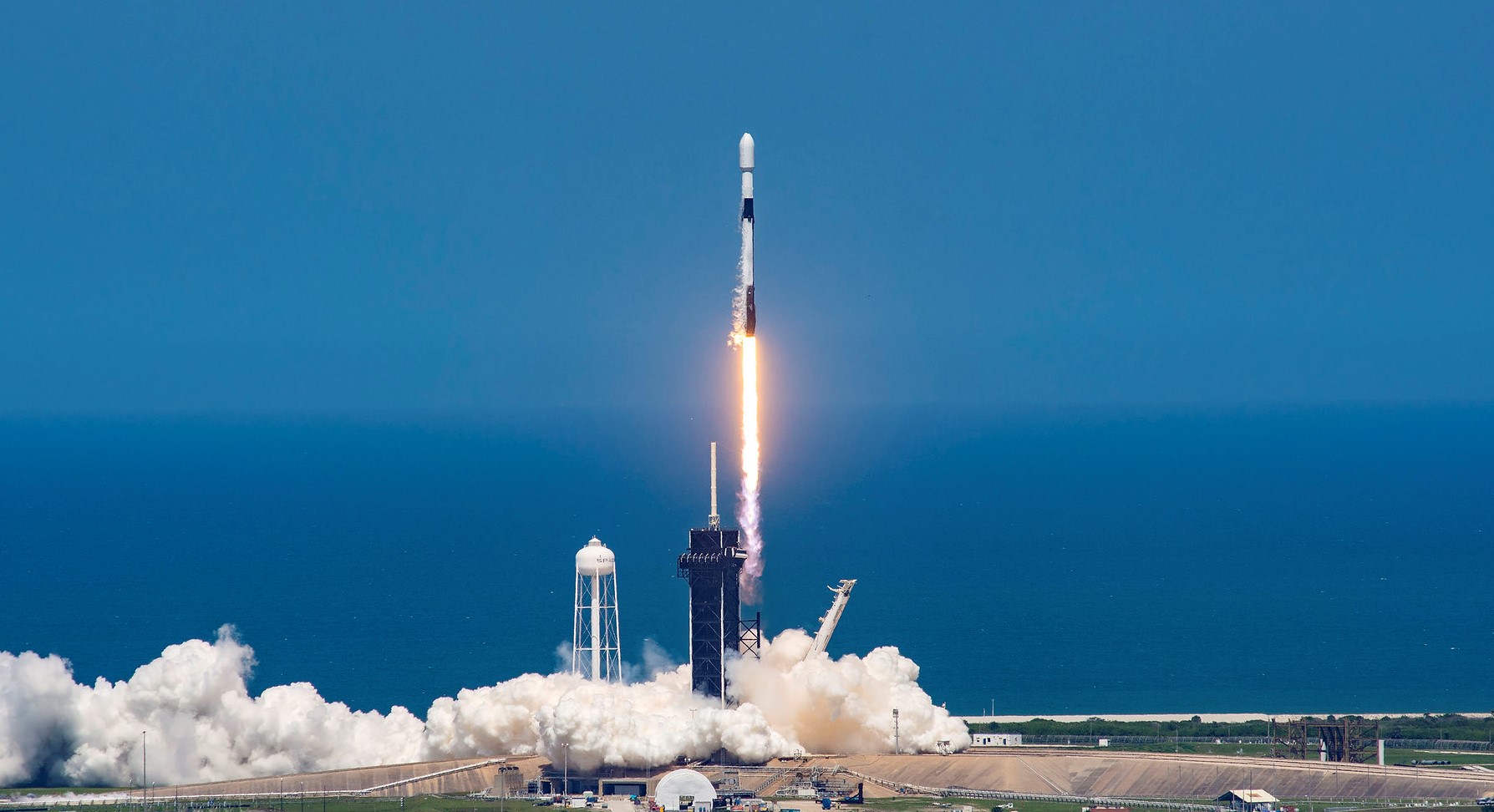
Launch Provider: SpaceX – Commercial
Launch Date: March 30, 2026
Launch Time: 9:15 PM UTC
Vehicle: Falcon 9
Brief: A batch of 29 satellites for the Starlink mega-constellation – SpaceX’s project for space-based Internet communication system.
Meridian-M No.21L
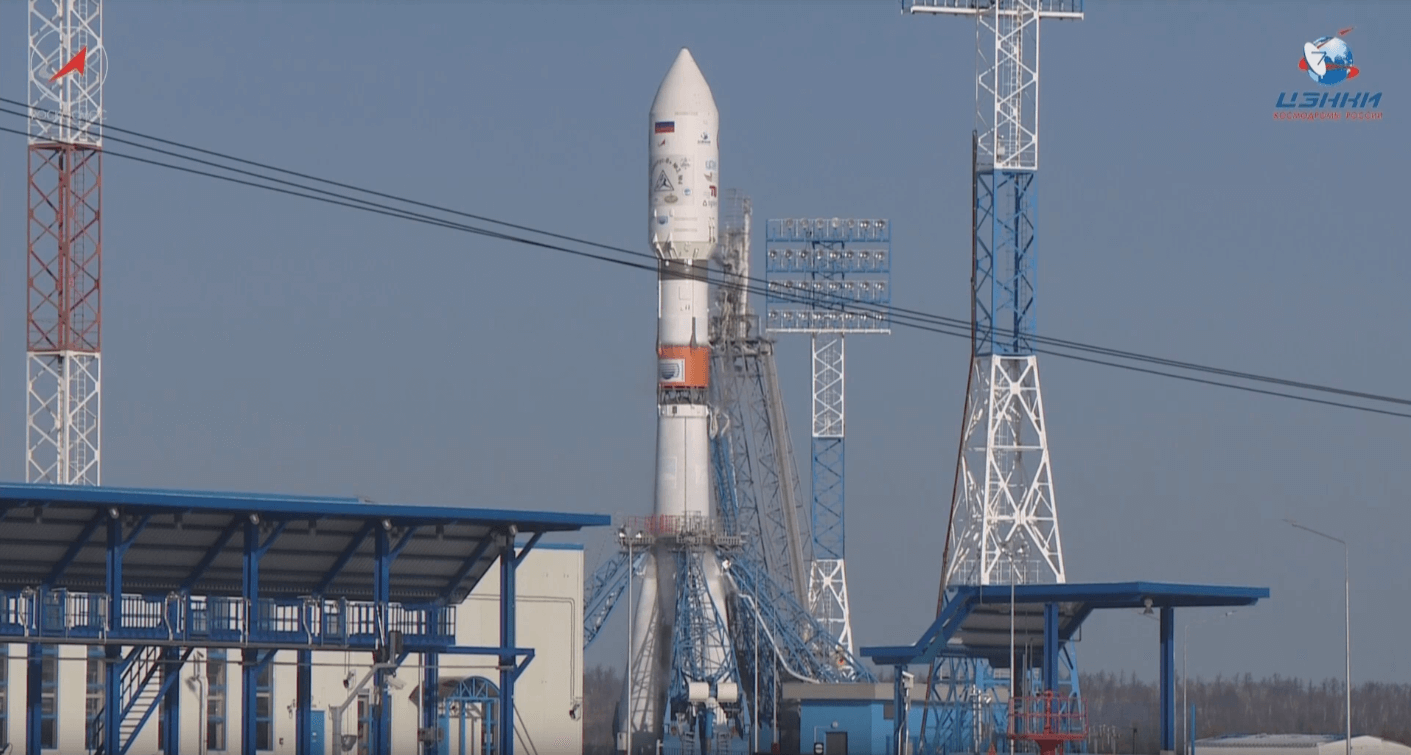
Launch Provider: Russian Space Forces – Government
Launch Date: April 1, 2026
Launch Time: 2:00 AM UTC
Vehicle: Soyuz 2.1a/Fregat-M
Brief: Note: Payload identity uncertain.
Meridian is a series of communications satellite for military and civilian use.
📽️ No Livestream scheduled yet
Artemis II
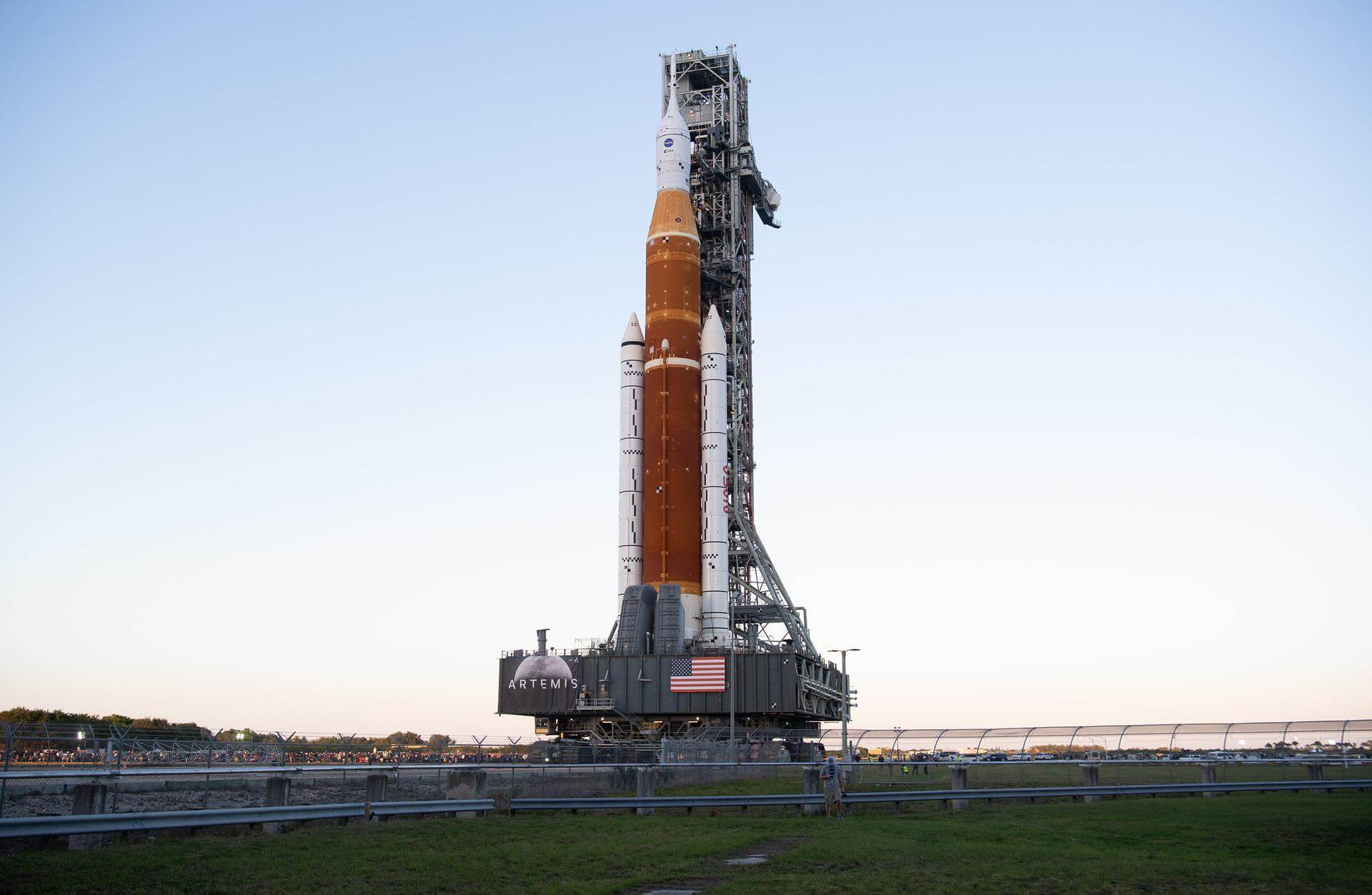
Launch Provider: National Aeronautics and Space Administration – Government
Launch Date: April 1, 2026
Launch Time: 10:24 PM UTC
Vehicle: Space Launch System (SLS)
Brief: Artemis II is the first crewed mission as part of the Artemis program. Artemis II will send a crew of 4 – 3 Americans and 1 Canadian around the moon and return them back to Earth.
The mission will test the core systems of NASA’s Orion spacecraft including the critical life support system, among other systems which could not be tested during Artemis I due to the lack of crew onboard.
Starlink Group 10-58
Launch Provider: SpaceX – Commercial
Launch Date: April 2, 2026
Launch Time: 11:52 AM UTC
Vehicle: Falcon 9
Brief: A batch of 29 satellites for the Starlink mega-constellation – SpaceX’s project for space-based Internet communication system.
Starlink Group 17-35
Launch Provider: SpaceX – Commercial
Launch Date: April 2, 2026
Launch Time: 11:03 PM UTC
Vehicle: Falcon 9
Brief: A batch of 25 satellites for the Starlink mega-constellation – SpaceX’s project for space-based Internet communication system.
