Artemis III Rocket Rollout Begins—But Funding Clouds Loom
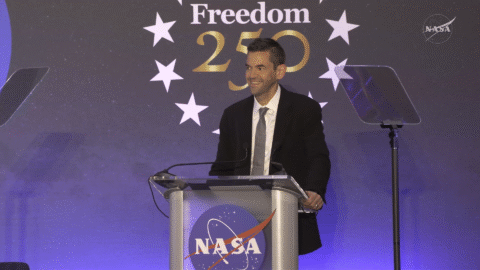
Today, April 20, 2026, NASA began rolling out the “top four-fifths” of the Space Launch System (SLS) rocket for the Artemis III mission at the Michoud Assembly Facility in New Orleans. This marks a significant step toward humanity’s return to the lunar surface—Artemis III aims to land the first woman and next man near the Moon’s south pole. However, the mood in the U.S. space community is far from celebratory. On Wednesday, April 22, NASA Administrator Jared Isaacman will testify before the House Science, Space, and Technology Committee regarding the FY2027 budget request, which proposes slashing NASA’s overall funding by 23%, from $24.4 billion to $18.8 billion.
The cuts hit non-exploration programmes hardest: science faces a 46% reduction, while technology, aeronautics, and space operations each lose about 30%. Meanwhile, the Moon-to-Mars exploration programme sees a modest 9.5% increase. The proposal mirrors last year’s budget request—rejected by Congress on a bipartisan basis—and comes amid revelations that NASA officials, under prior leadership, began implementing cuts before Congressional approval, a move House Democrats called “illegal” and a violation of constitutional separation of powers. Isaacman now faces tough questions about whether he’ll uphold Congress’s FY2026 appropriations rather than pre-emptively enact the White House’s vision.
NASA to Unveil the Nancy Grace Roman Space Telescope
Later this week, space science enthusiasts have reason to be optimistic. On Tuesday, April 21, at 4:00 p.m. ET, NASA will hold a press conference at Goddard Space Flight Center to officially unveil the Nancy Grace Roman Space Telescope. Often dubbed “Hubble’s wide-eyed cousin,” Roman is designed to investigate dark energy, exoplanets, and infrared astrophysics with a field of view 100 times greater than Hubble’s. According to NASA Science Mission Directorate head Dr. Nicky Fox, the telescope remains under budget and ahead of schedule, with a launch expected later this year—though a precise date has yet to be announced.
The timing of this unveiling is notable. As programme budgets face existential threats, Roman represents the kind of flagship science mission that could be at risk under proposed cuts. Its success may serve as both a scientific triumph and a political tool to advocate for sustained investment in NASA’s science portfolio. Dr. Fox will also speak at the Mars Exploration Program Analysis Group (MEPAG) meeting in Baltimore on Tuesday and a Washington Space Business Roundtable luncheon on Wednesday, underscoring NASA’s effort to highlight the breadth of its scientific and exploratory missions amid fiscal uncertainty.
Commerce Department’s Space Commerce Office Faces Drastic Cut
It’s not just NASA feeling the budgetary squeeze. The Department of Commerce’s Office of Space Commerce (OSC)—tasked with modernising U.S. space traffic management through its Traffic Coordination System for Space (TraCSS)—is slated for a severe funding reduction. The FY2027 President’s Budget Request proposes cutting OSC’s budget from $55 million (as appropriated for FY2026) to just $11 million. Additionally, the proposal moves OSC out of NOAA and directly under the Secretary of Commerce, a structural shift long debated but never implemented.
On Wednesday, April 22, and Thursday, April 23, Secretary of Commerce Howard Lutnick will testify before Senate and House Appropriations subcommittees, respectively, about the Department’s budget. Senate CJS subcommittee chair Senator Jerry Moran (R-KS), a known supporter of both NASA and NOAA, has publicly opposed last year’s similar cuts and may raise concerns again. Given Canada’s growing stake in space sustainability—including contributions to space situational awareness through NORAD modernisation and partnerships with commercial space firms—the U.S. approach to space traffic management directly affects our national interests. A weakened OSC could delay critical progress on collision avoidance and space safety standards that benefit all responsible spacefaring nations, including Canada.
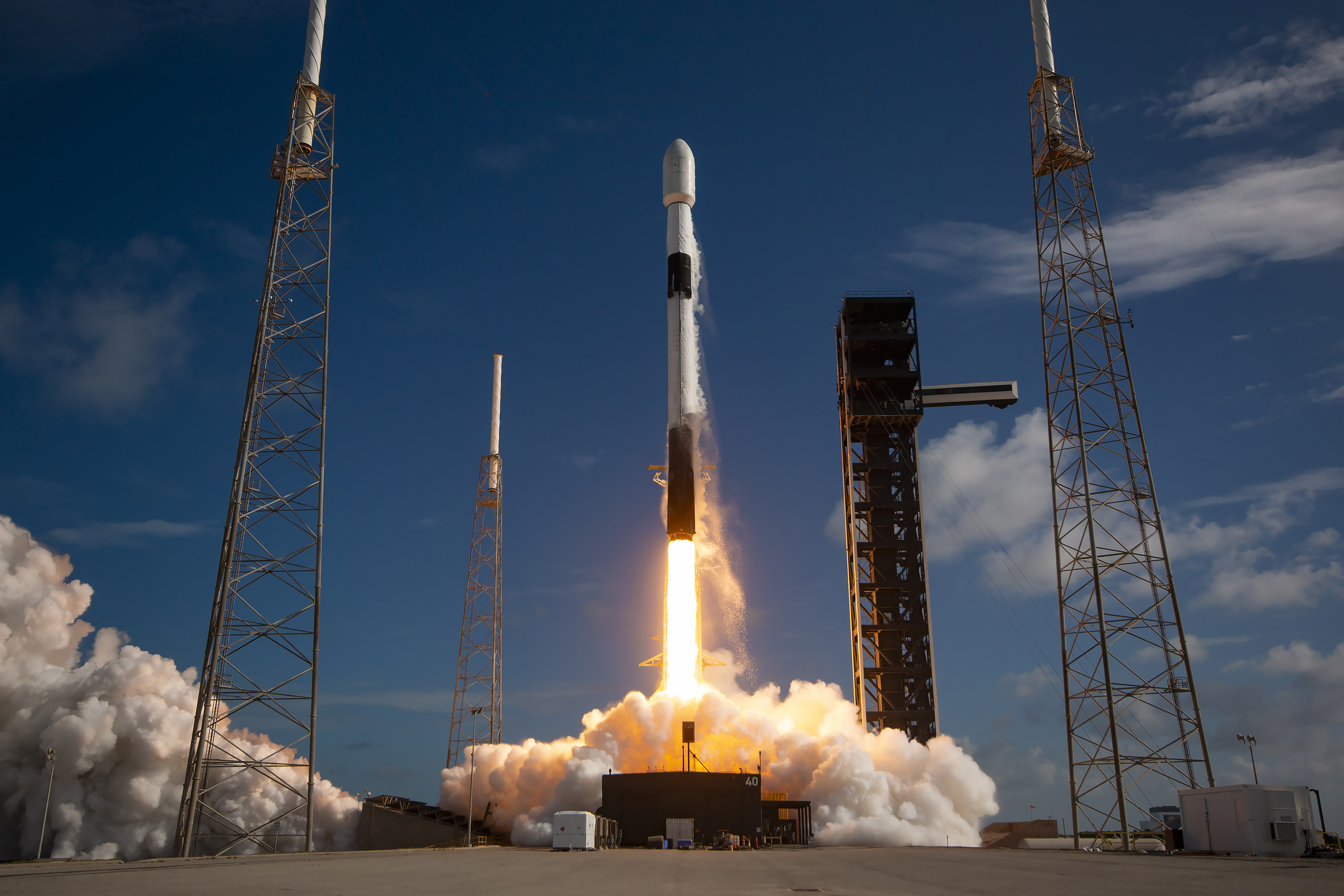
Provider: SpaceX Date: April 21, 2026 Time: 6:53 AM UTC Vehicle: Falcon 9
Tenth of ten GPS III missions.
Bubbles
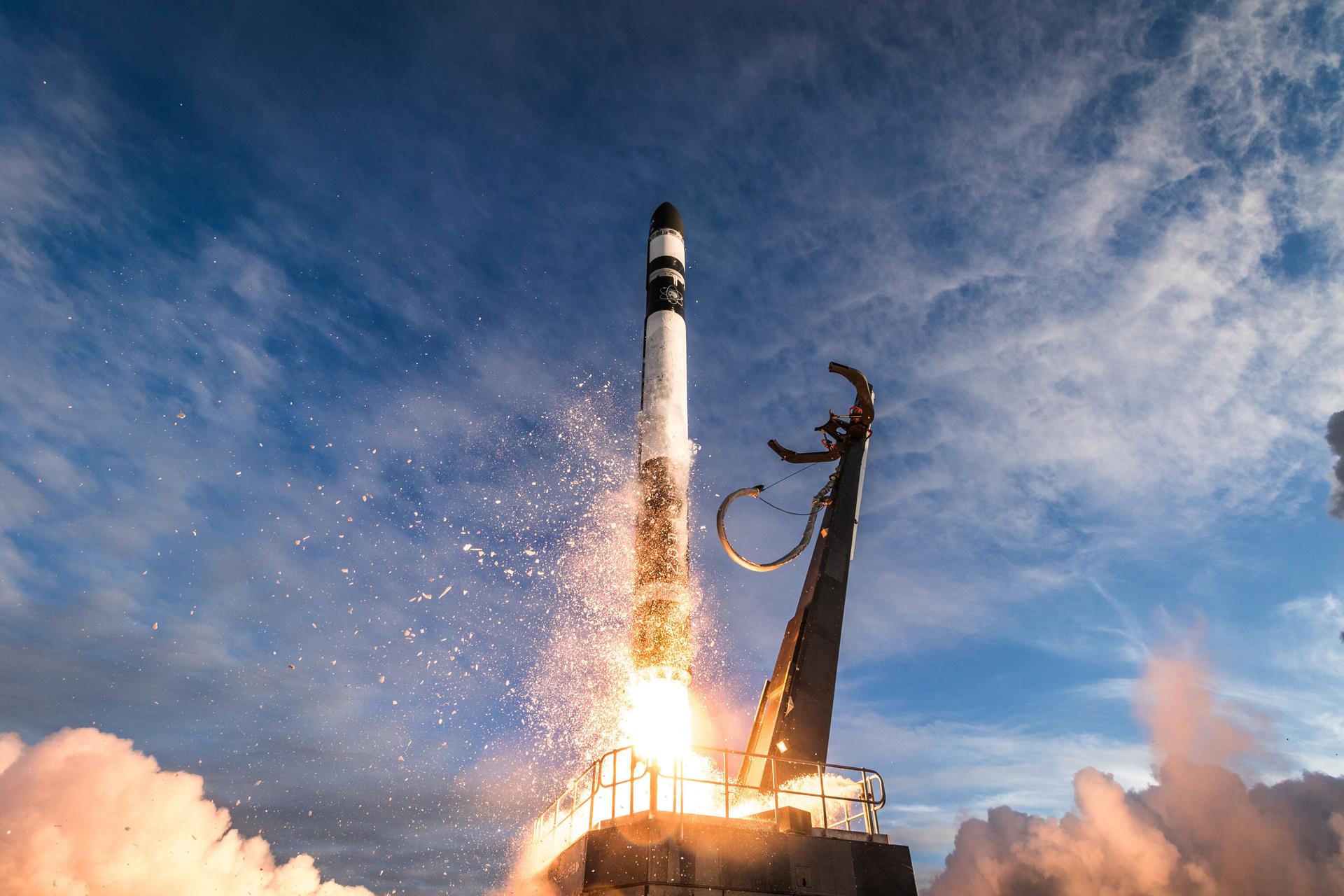
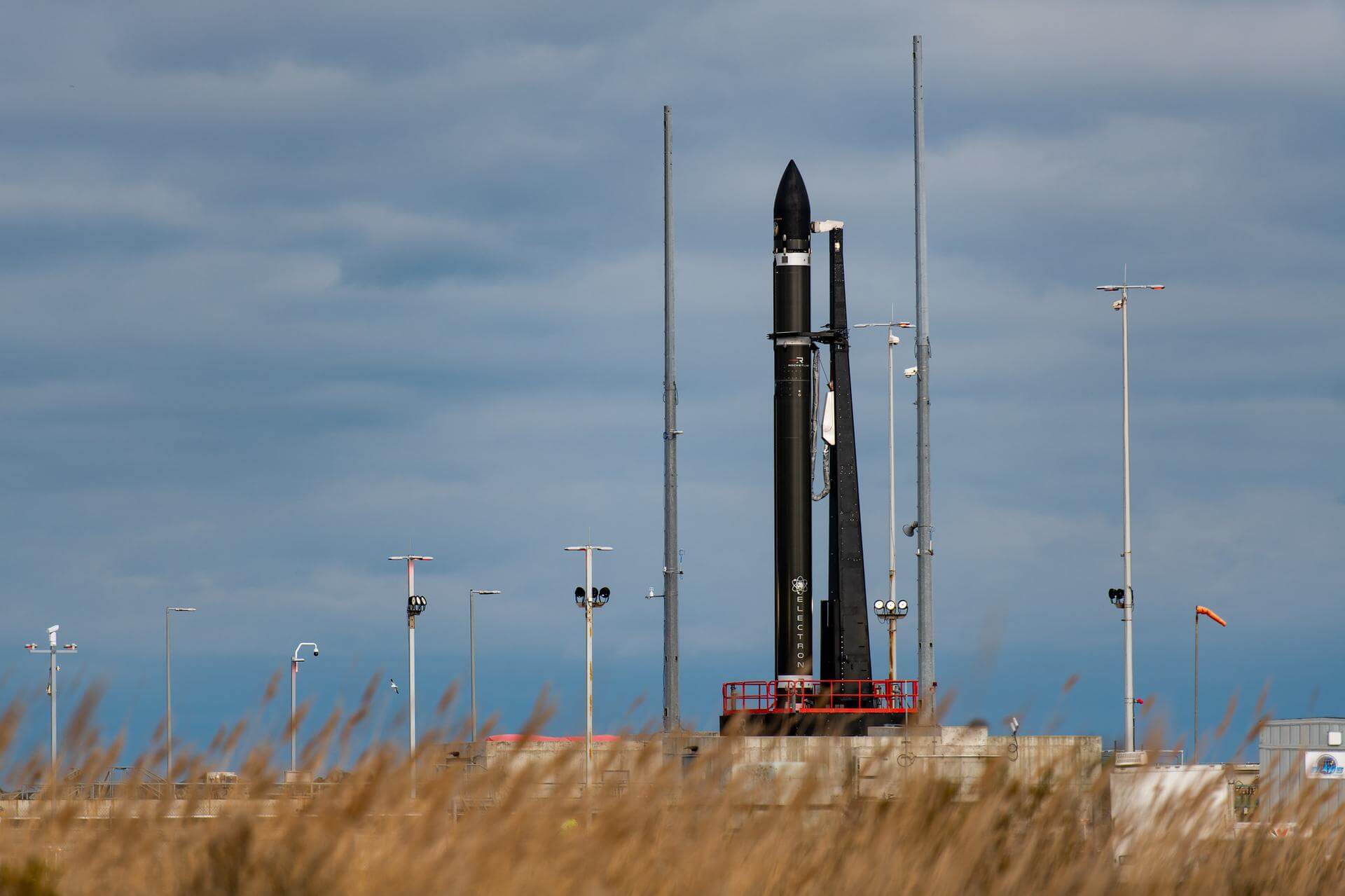
Provider: Rocket Lab Date: April 22, 2026 Time: 12:00 AM UTC Vehicle: Electron
Sub-orbital launch under Rocket Lab’s Hypersonic Accelerator Suborbital Test Electron (HASTE) program, details TBD.
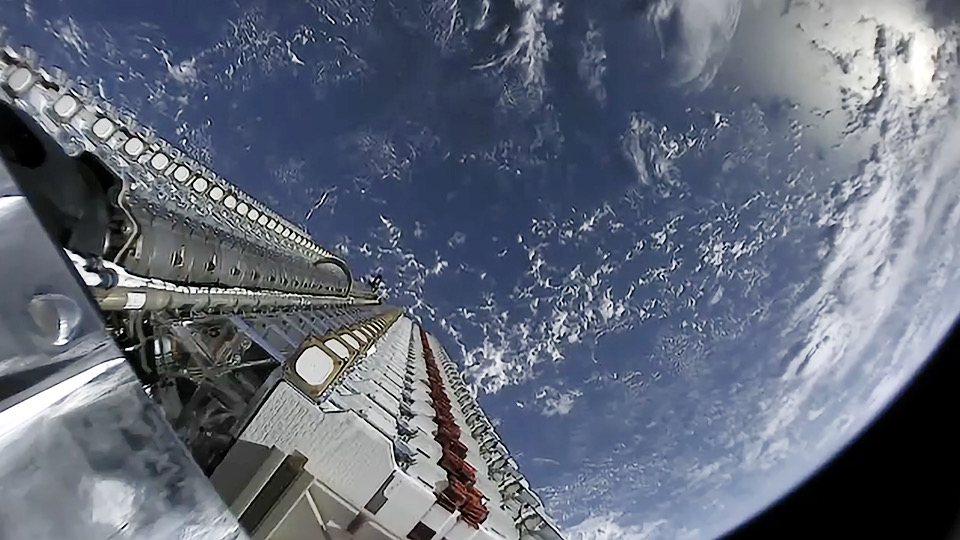
Starlink Group 17-14
Provider: SpaceX Date: April 23, 2026 Time: 2:00 AM UTC Vehicle: Falcon 9
A batch of 25 satellites for the Starlink mega-constellation – SpaceX’s project for space-based Internet communication system.
Kakushin Rising (JAXA Rideshare)
Provider: Rocket Lab Date: April 23, 2026 Time: 3:09 AM UTC Vehicle: Electron
JAXA-manifested rideshare of eight separate spacecraft that includes educational small sats, an ocean monitoring satellite, a demonstration satellite for ultra-small multispectral cameras, and a deployable antenna that can be packed tightly using origami folding techniques and unfurled to 25 times its size.
The satellites were originally planned to launch with RAISE-4 on a Japanese Epsilon-S rocket, but the Epsilon-S was heavily delayed due to test firing failures.
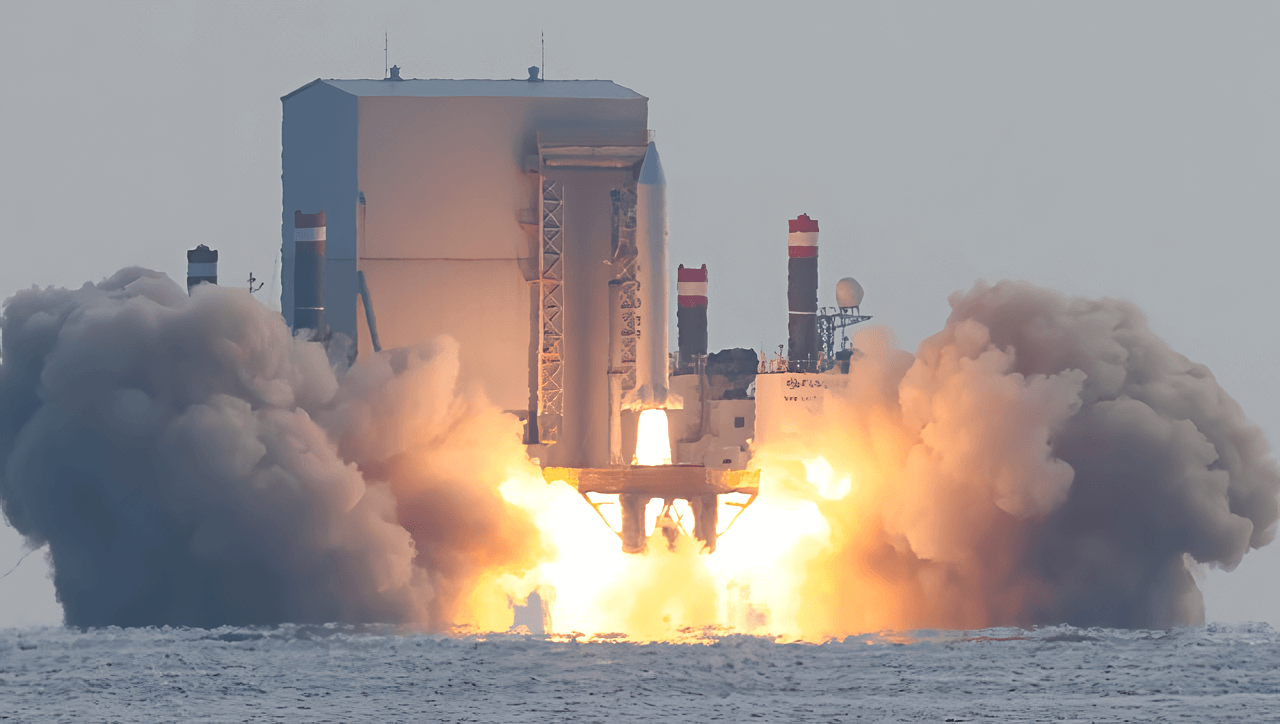
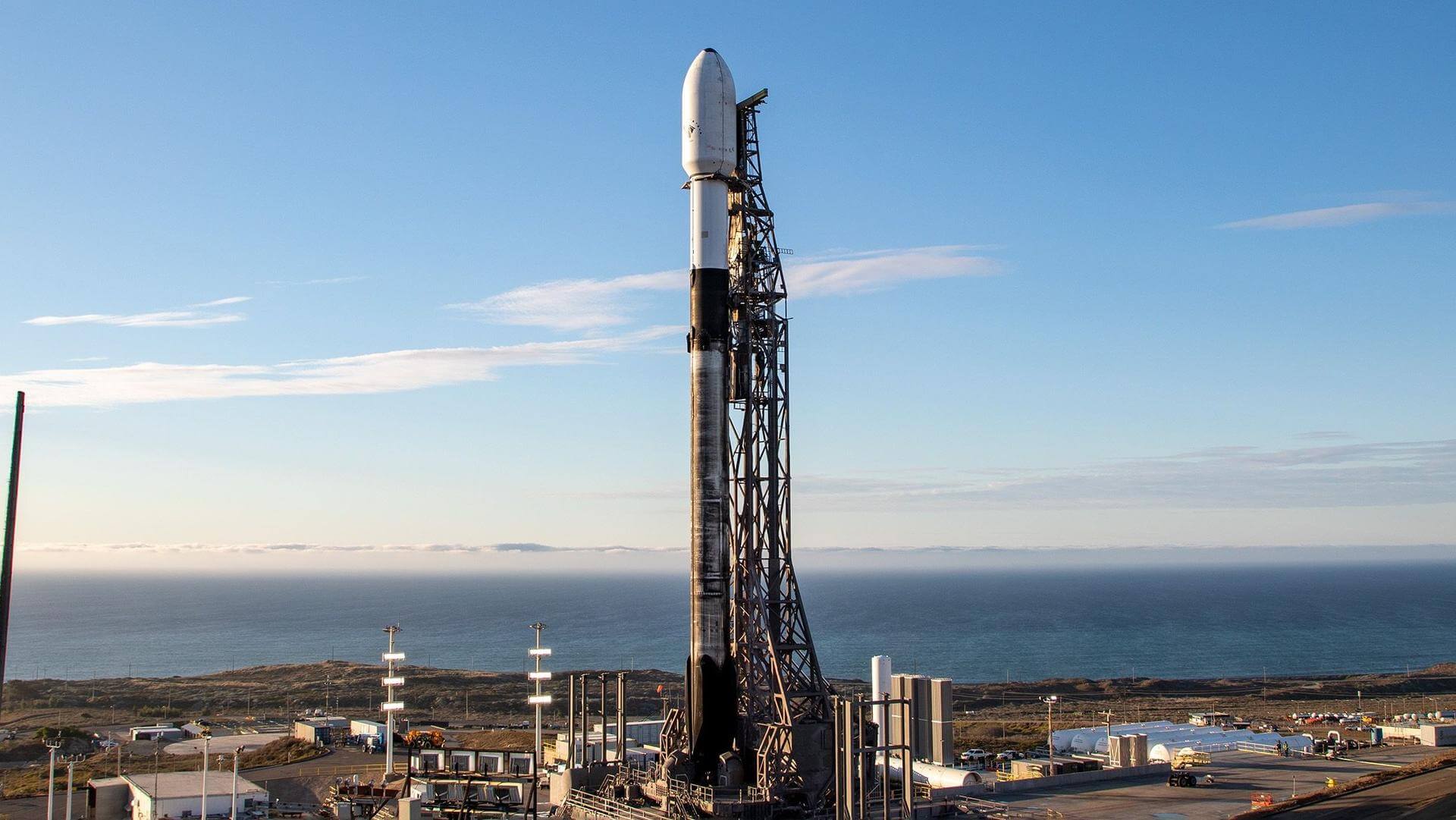
Provider: Agency for Defense Development Date: April 25, 2026 Time: 5:00 AM UTC Vehicle: South Korean ADD Solid-Fuel SLV
Note: Launch vehicle name is provisional.
First orbital full version launch of the South Korean military small satellite launch vehicle, after 2 sub-orbital tests of individual stages on 30 March and 30 December 2022, and 1 orbital test flight without the 2nd stage on 4 December 2023. Details TBD.
The Global Positioning System (GPS), originally Navstar GPS, is a satellite-based radio navigation system owned by the United States government and operated by the United States Space Force. It is one of the global navigation satellite systems (GNSS) that provide geolocation and time information to a GPS receiver anywhere on or near the Earth where there is an unobstructed line of sight to four or more GPS satellites.
Falcon 9 is a two-stage rocket designed and manufactured by SpaceX for the reliable and safe transport of satellites and the Dragon spacecraft into orbit. The Block 5 variant is the fifth major interval aimed at improving upon the ability for rapid reusability.
Electron is a two-stage orbital expendable launch vehicle (with an optional third stage) developed by the American aerospace company Rocket Lab. Electron is a small-lift launch vehicle designed to launch small satellites and cubesats to sun-synchronous orbit and low earth orbit. The Electron is the…
Falcon 9 is a two-stage rocket designed and manufactured by SpaceX for the reliable and safe transport of satellites and the Dragon spacecraft into orbit. The Block 5 variant is the fifth major interval aimed at improving upon the ability for rapid reusability.
JAXA-manifested rideshare of eight separate spacecraft that includes educational small sats, an ocean monitoring satellite, a demonstration satellite for ultra-small multispectral cameras, and a deployable antenna that can be packed tightly using origami folding techniques and unfurled to 25 times its size.
The satellites were originally planned to launch with RAISE-4 on a Japanese Epsilon-S rocket, but the Epsilon-S was heavily delayed due to test firing failures.
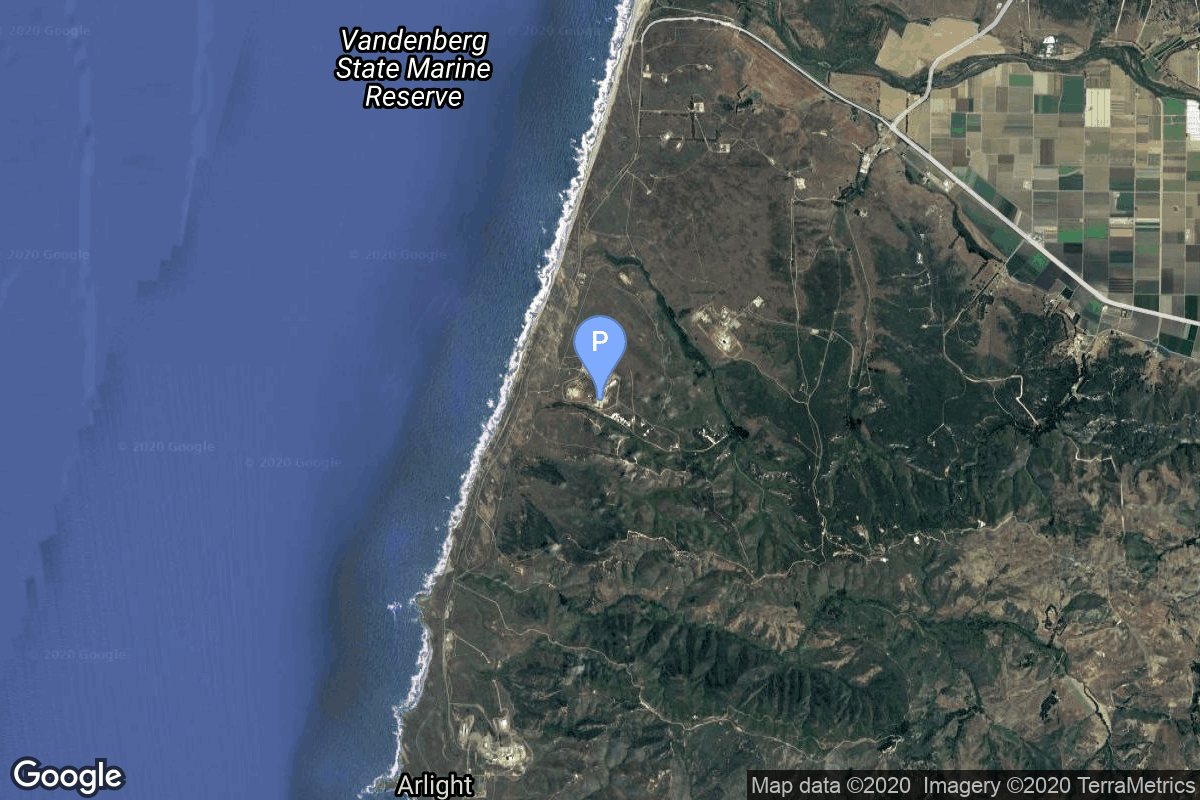
Rocket Lab Launch Complex 1, Mahia Peninsula, New Zealand
Total launches from this pad: 0
Vehicle: Electron
Electron is a two-stage orbital expendable launch vehicle (with an optional third stage) developed by the American aerospace company Rocket Lab. Electron is a small-lift launch vehicle designed to launch small satellites and cubesats to sun-synchronous orbit and low earth orbit. The Electron is the…
First orbital full version launch of the South Korean military small satellite launch vehicle, after 2 sub-orbital tests of individual stages on 30 March and 30 December 2022, and 1 orbital test flight without the 2nd stage on 4 December 2023. Details TBD.
Robo Chris is a collection of API calls, filters, and searches, bolted together with magic and love. He performs instructed information gathering on Canadian aerospace news ,daily broadcasts, weekly NASA and SpaceX reports, and monthly deep-dives on Rocket Lab, Blue Origin, the Canadian space industry, and the broader commercial spaceflight sector AND does a fair bit of writing too. Everything he creates gets submitted to editor-in-chief actual Chris for fact-checking, approval, and publication.