Mission Control to Supply Rashid Rover 2 Communications to the Moon
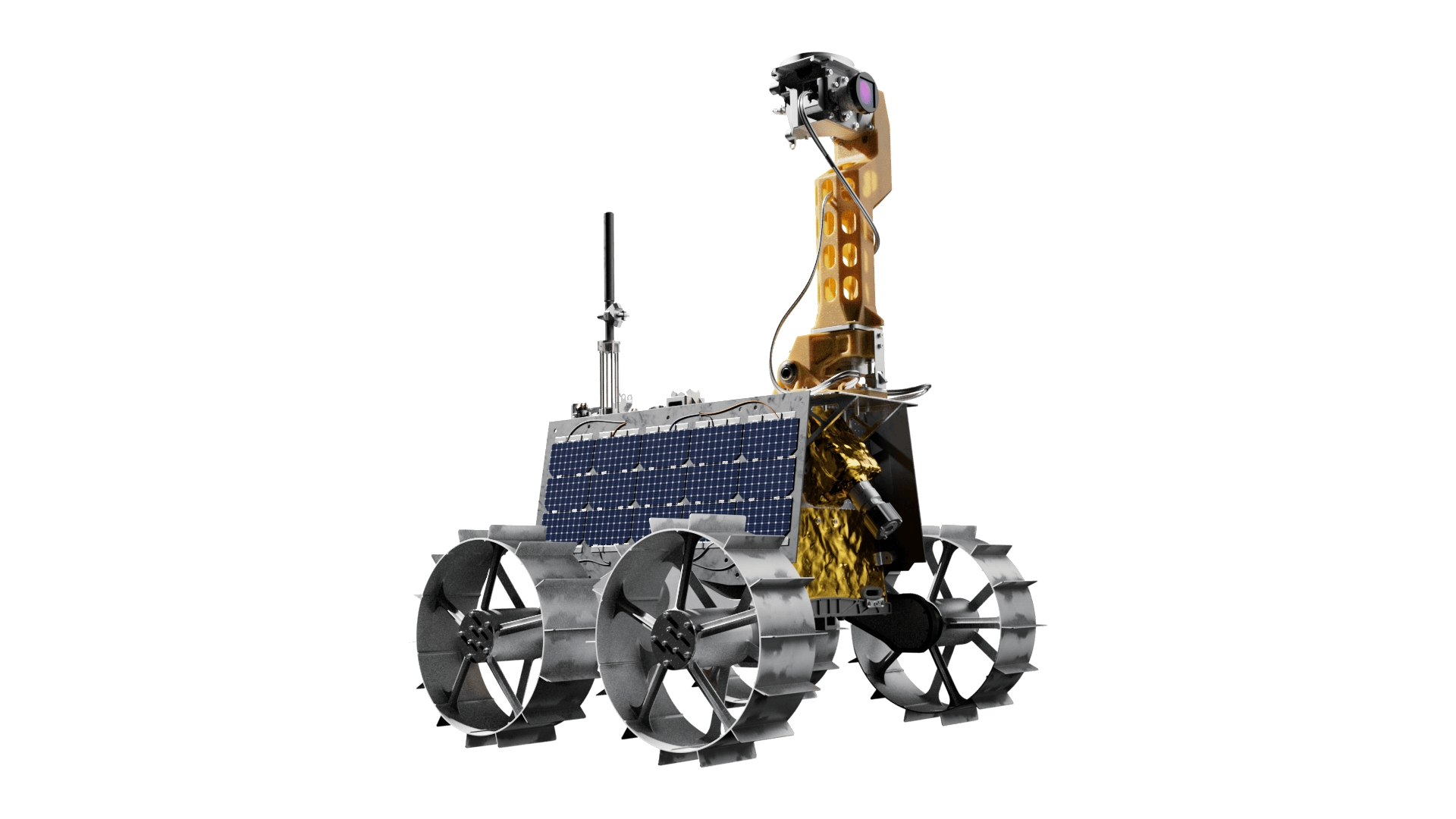
Mission Control Space Services has been selected to provide wireless communications technology for the United Arab Emirates’ Rashid Rover 2, marking the Canadian company’s fourth contribution to a lunar rover mission. The Ottawa-based firm will supply mission-operations and autonomy software to enable real-time connectivity between the rover and its supporting infrastructure.
Rashid Rover 2 is slated to launch aboard Firefly Aerospace’s Blue Ghost Mission 2 lander, with a no-earlier-than target of 2027. The UAE’s Mohammed Bin Rashid Space Centre (MBRSC) selected Mission Control for the role. Chief technology officer Michele Faragalli described the contribution as “mission-critical lunar infrastructure” in a statement released Wednesday.
The technology was originally developed with support from the Canadian Space Agency, according to Mission Control’s announcement. The first Rashid rover launched in December 2022 aboard ispace’s Hakuto-R lander, carrying Mission Control’s AI flight computer as part of an earlier collaboration. That lander crashed in April 2023 with the rover aboard.
Mission Control is also supporting other lunar initiatives: the BEACON demonstration with Astrobotic Technology is in development for Astrobotic’s Griffin-1 lander, tentatively scheduled for late 2026. Additionally, the CSA awarded Mission Control a contract in July 2025 to study Canada’s planned Lunar Utility Rover.
Canada and ESA Seek Host for International Spaceship Canada Initiative
The Canadian Space Agency and European Space Agency have jointly launched a call for Canadian universities and research institutes to host Spaceship Canada, a new student-and-early-career research team. The initiative would become the fifth in a global network; four currently operate in Europe at ESA’s European Astronaut Centre, ECSAT (Britain), CNES (France), and Poznań University of Technology (Poland).
Each Spaceship is a small team of students, graduate trainees, PhD researchers, and postdoctoral fellows who build working prototypes of exploration technology under the guidance of experienced engineers and, occasionally, astronauts. ESA describes the approach as “skunk works”—fast, low-cost projects aimed at producing breadboards, prototypes, or demonstrations.
Spaceship Canada would operate differently from its European counterparts, bringing together “a handful” of Canadian centres, each specializing in a particular field, under joint CSA and ESA governance. The call, posted September 29, identifies six research themes: automation and robotics; crew health and living off Earth; advanced manufacturing; space resources; disruptive technologies including AI and extended reality; and energy for exploration. Projects should target low technology readiness levels—early concepts far from flight hardware.
Prospective hosts are asked to describe their facilities, labs, fabrication and testing capabilities, recruitment strategies, and how they would sustain recurring programmes. Responses are due November 11, with interviews tentatively scheduled for November 2–13 at the CSA’s Saint-Hubert, Quebec headquarters or by video. The call is an information-gathering exercise and does not commit either agency to funding, contracting, or formal approval at this stage.
Crew-12 Begins Return to Earth After Eight Months on the ISS
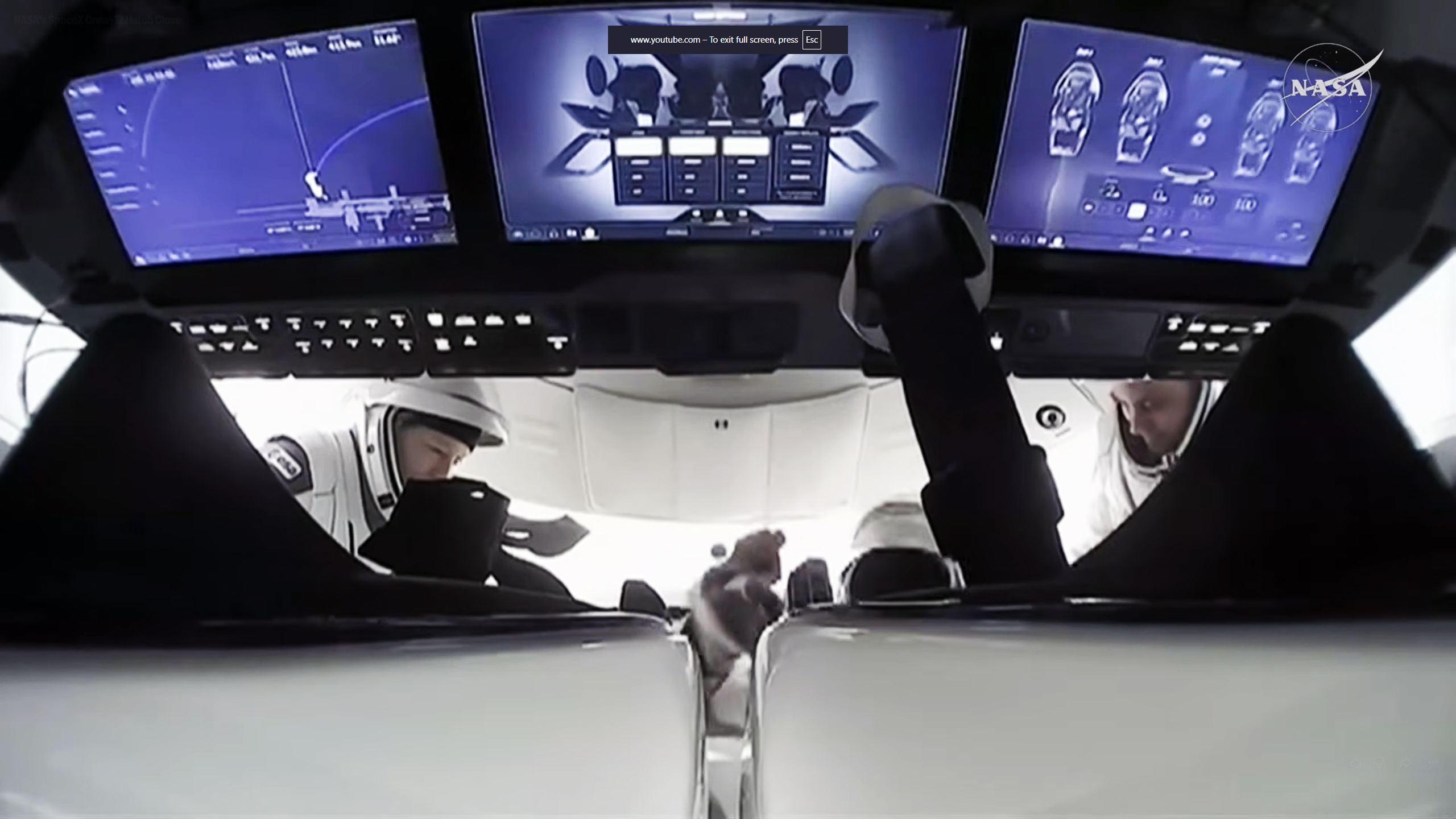
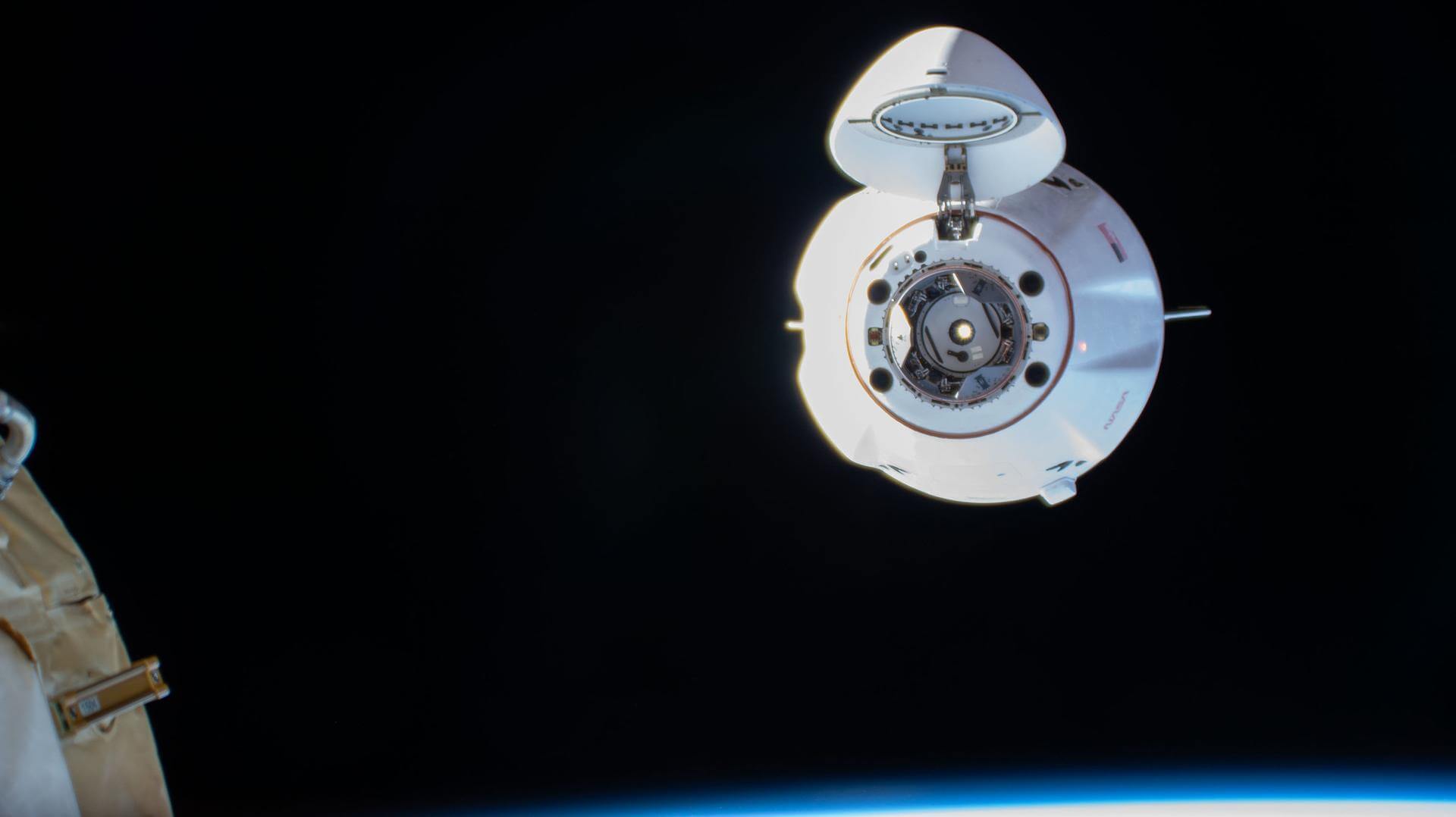
SpaceX’s Crew-12 is departing the International Space Station today, marking the end of an eight-month mission. The hatch between the Crew Dragon Freedom spacecraft and the ISS closed at 6:05 a.m. EDT this morning. The spacecraft will autonomously undock from the Station’s Harmony module at approximately 8:05 a.m. EDT today, October 7.
After undocking, the four-person crew—NASA astronauts Jessica Meir and Jack Hathaway, ESA astronaut Sophie Adenot, and Roscosmos cosmonaut Andrey Fedyaev—will spend approximately 27.5 hours in transit before splashing down in the Pacific Ocean on Thursday, October 8 at 06:34 UTC (11:34 PM PDT October 7).
During their eight months aboard the orbiting laboratory, Crew-12 conducted hundreds of science experiments and station maintenance tasks. The mission included four spacewalks performed by Meir and Adenot, advancing crucial maintenance and installation work on the Station. Before undocking, the crew packed essential items, tested their SpaceX pressure suits, and prepared the Station for the arrival of their successor crew.
NASA will provide live coverage of the undocking beginning at 7:45 a.m. EDT today, with additional coverage resuming at 10:20 a.m. Thursday during the return and splashdown sequence.
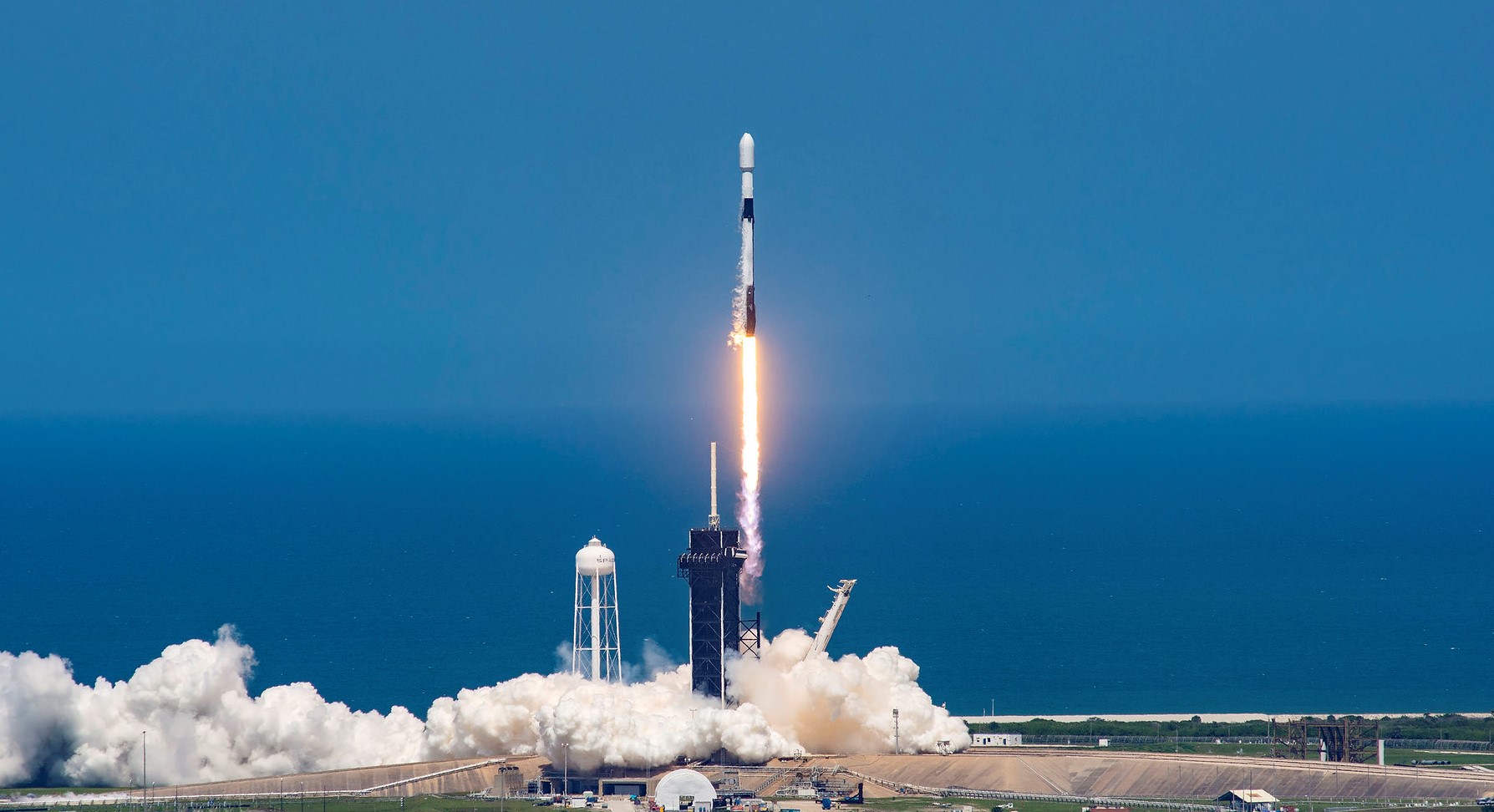
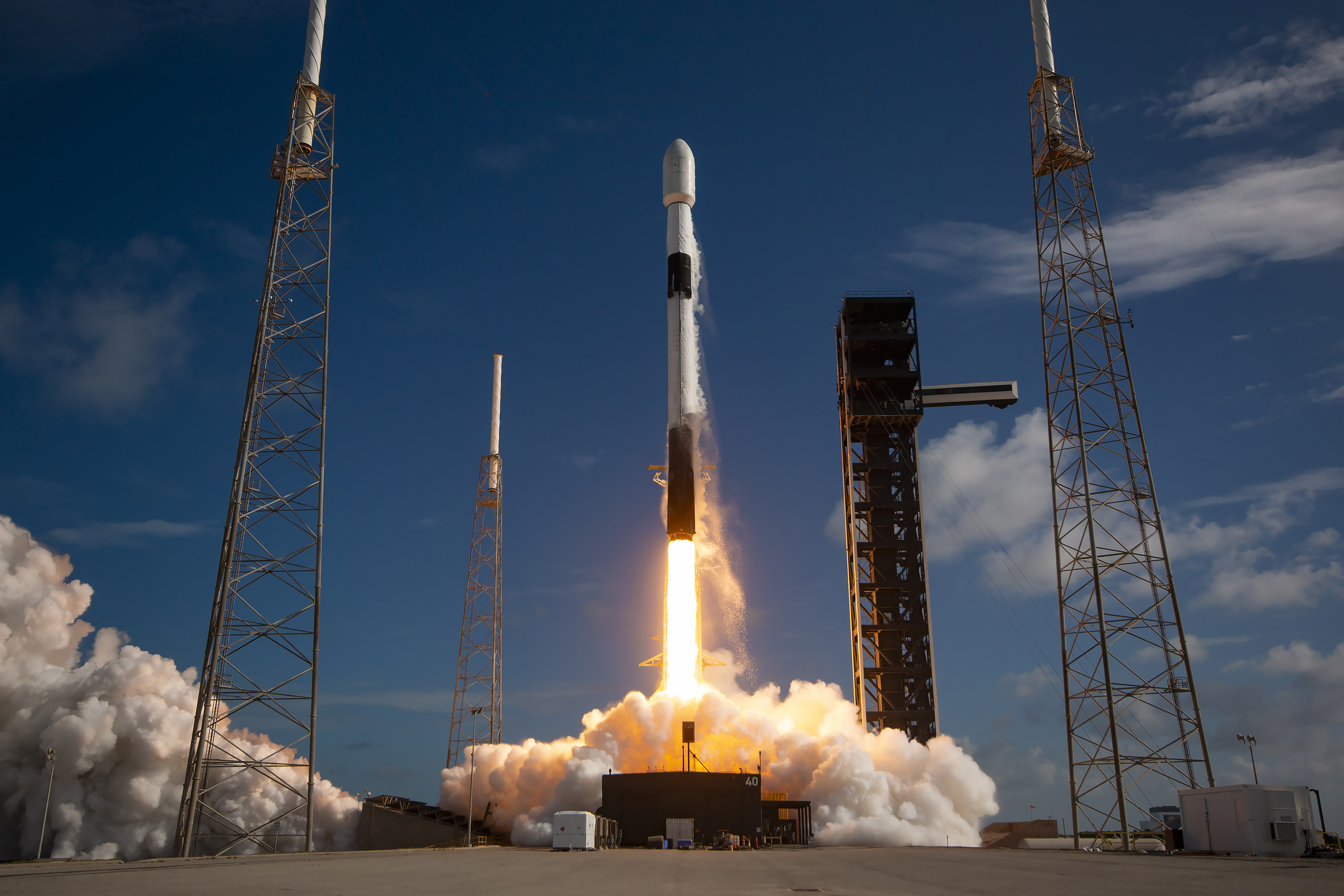
Provider: SpaceX Date: October 8, 2026 Time: 7:54 AM UTC Vehicle: Falcon 9
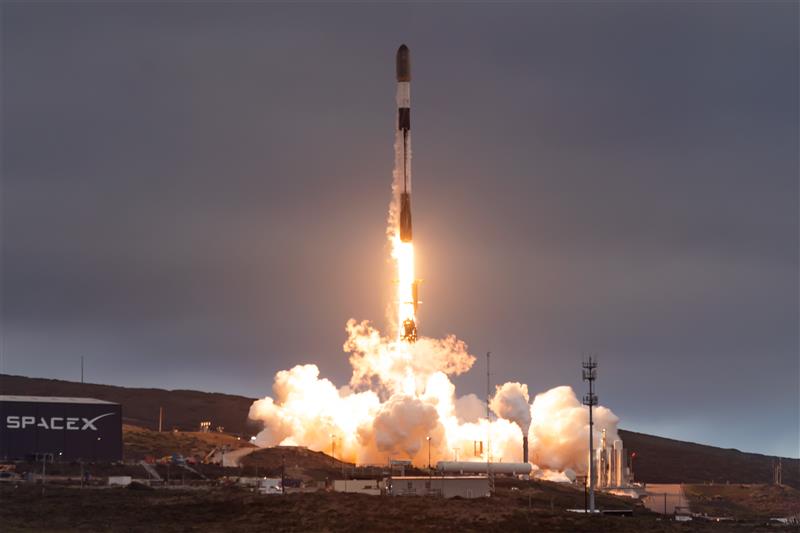
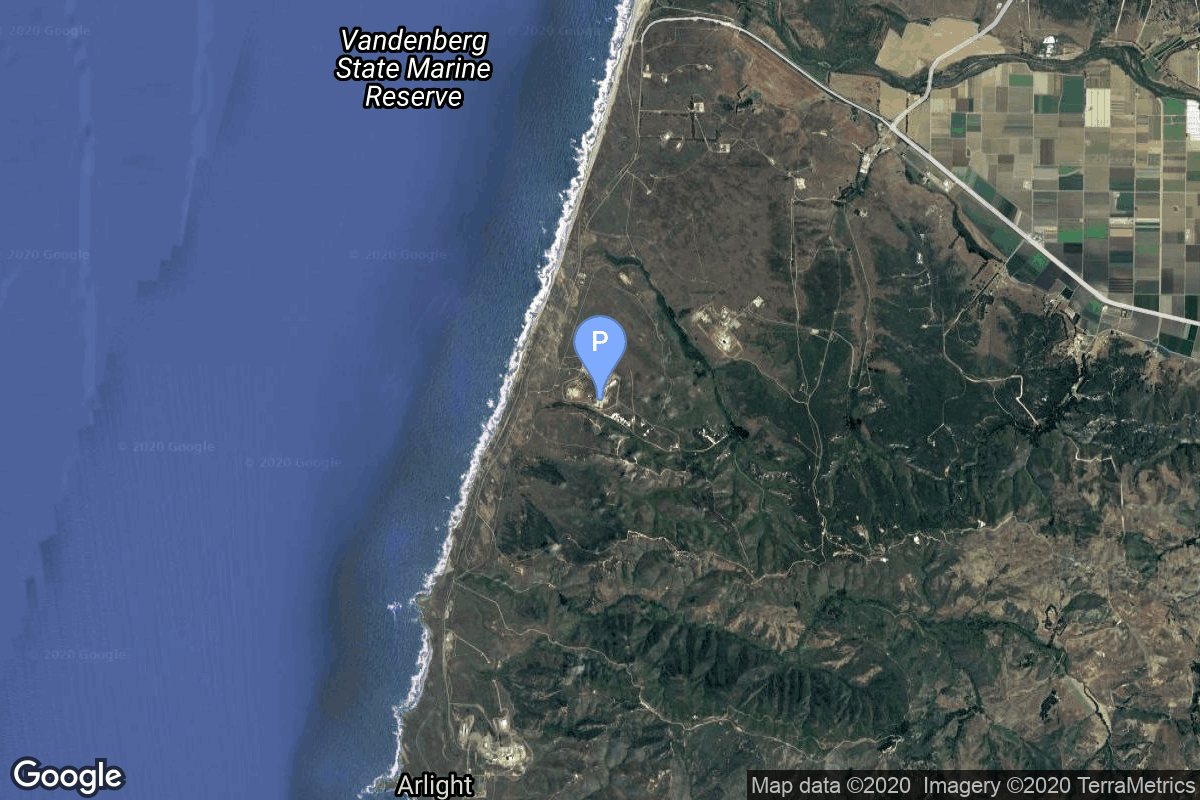
Tranche 1 Transport Layer A is one of six missions by the United States Space Force Space Development Agency (SDA) for the Proliferated Warfighter Space Architecture (PWSA) Tranche 1 Transport Layer constellation, which will provide assured, resilient, low-latency military data and connectivity worldwide to the full range of warfighter platforms from Low Earth Orbit satellites.
The constellation will be interconnected with Optical Inter-Satellite Links (OISLs) which have significantly increased performance over existing radio frequency crosslinks. It is expected to operate over Ka band, have stereo coverage and be dynamically networked for simpler hand-offs, greater bandwidth and fault tolerance.
This launch carries 21 satellites manufactured by Northrop Grumman.
Unknown Payload
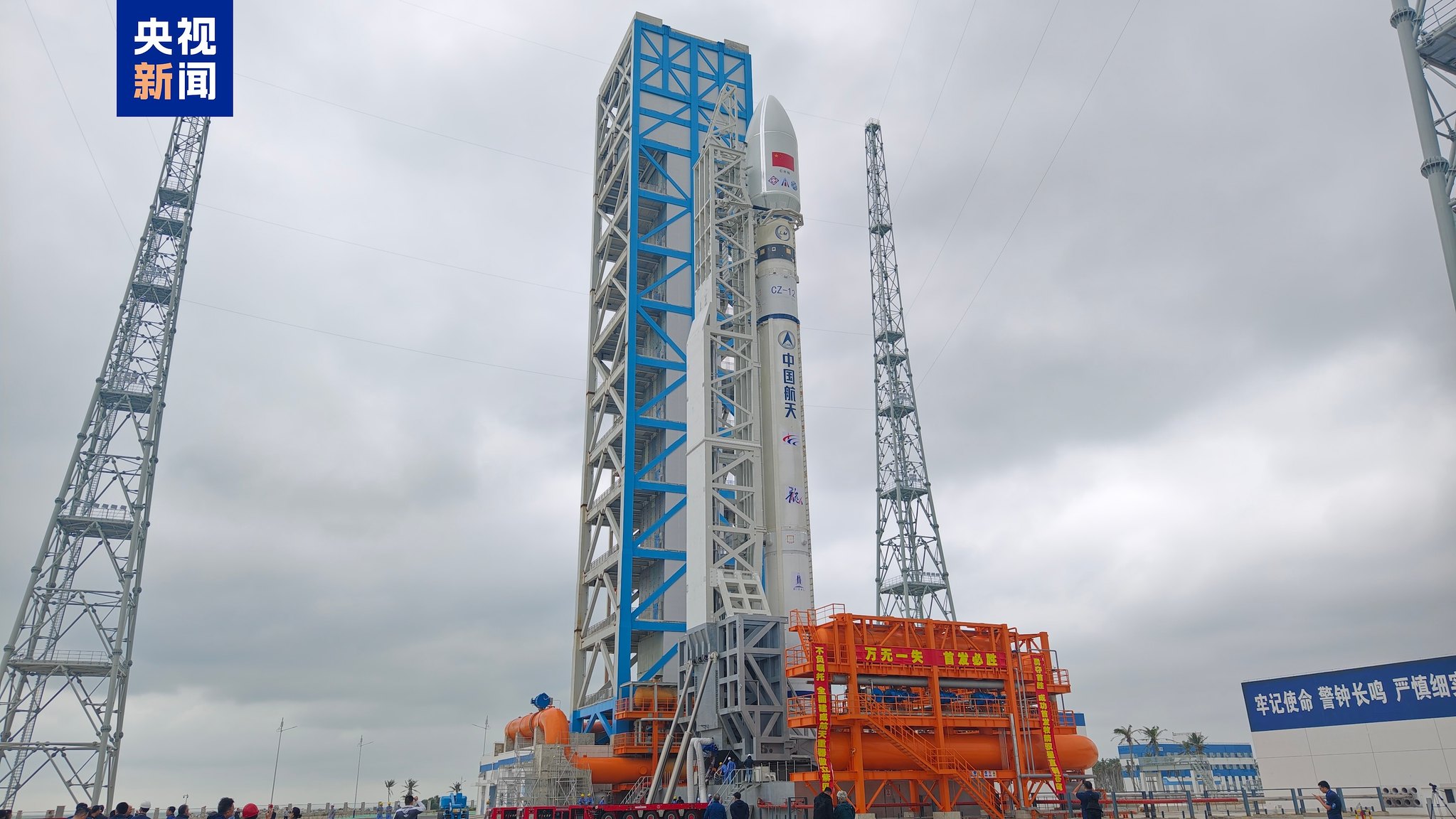
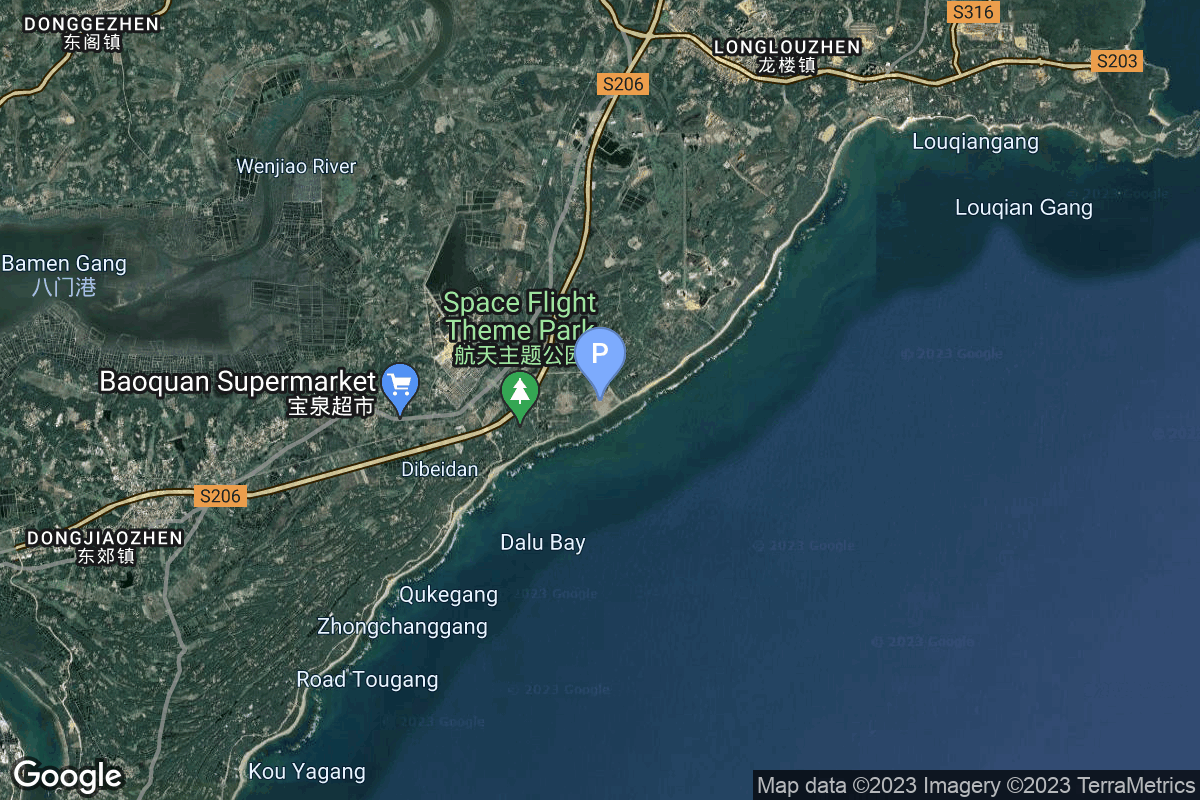
Provider: China Aerospace Science and Technology Corporation Date: October 9, 2026 Time: 7:25 PM UTC Vehicle: Long March 12
Details TBD.
Starlink Group 15-25
Provider: SpaceX Date: October 10, 2026 Time: 11:00 PM UTC Vehicle: Falcon 9
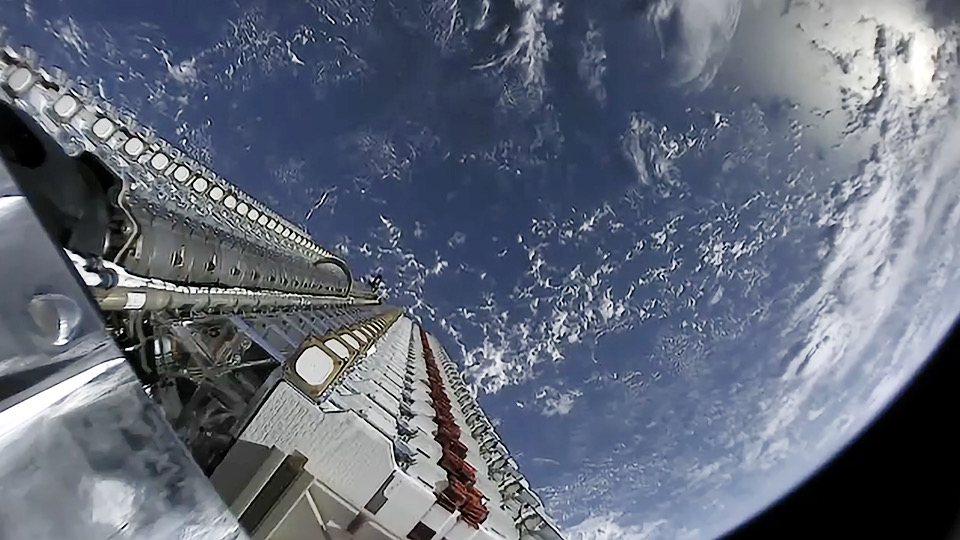
A batch of 27 satellites for the Starlink mega-constellation – SpaceX’s project for space-based Internet communication system.
Dragon CRS-2 SpX-35
Provider: SpaceX Date: October 13, 2026 Time: 10:33 AM UTC Vehicle: Falcon 9
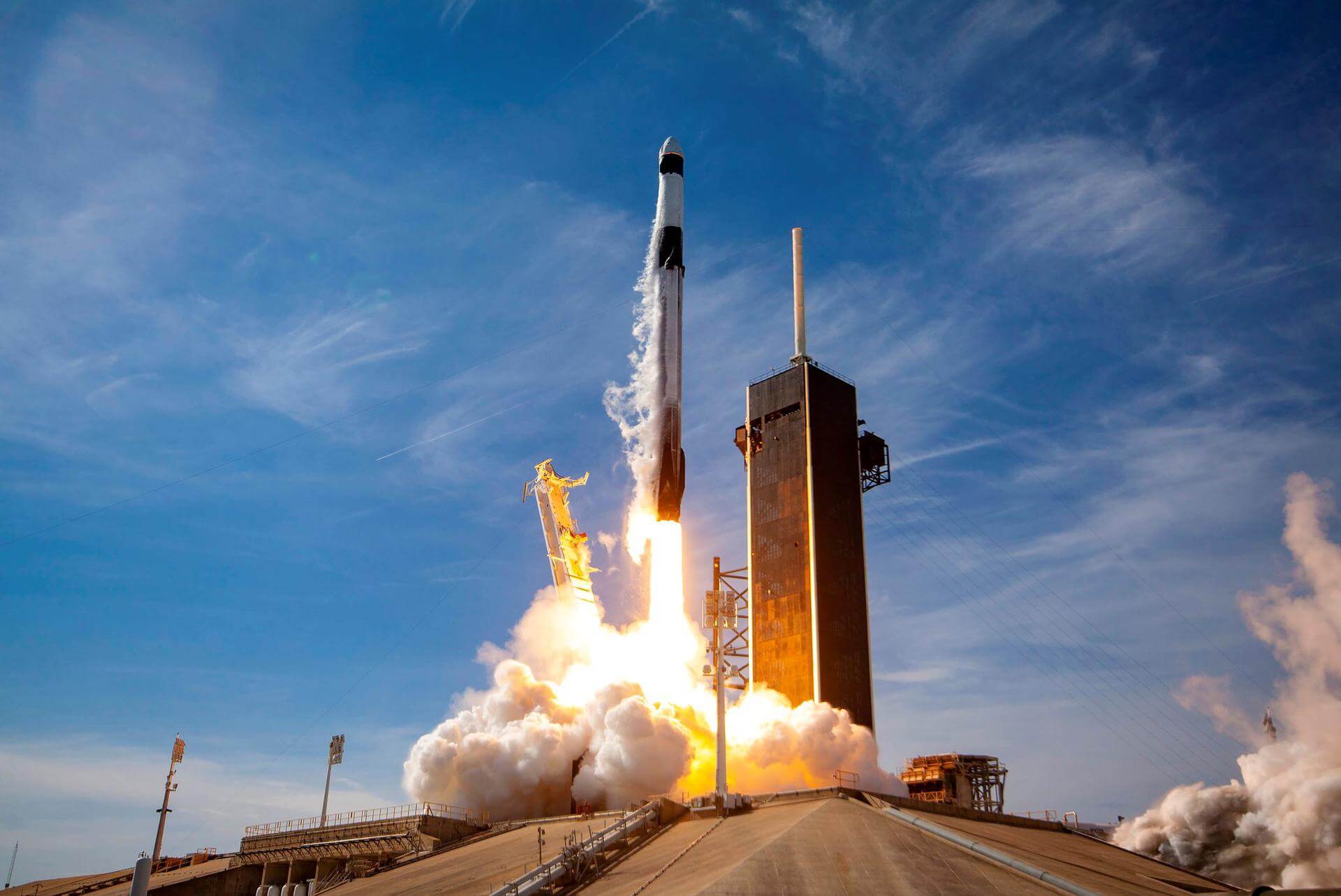
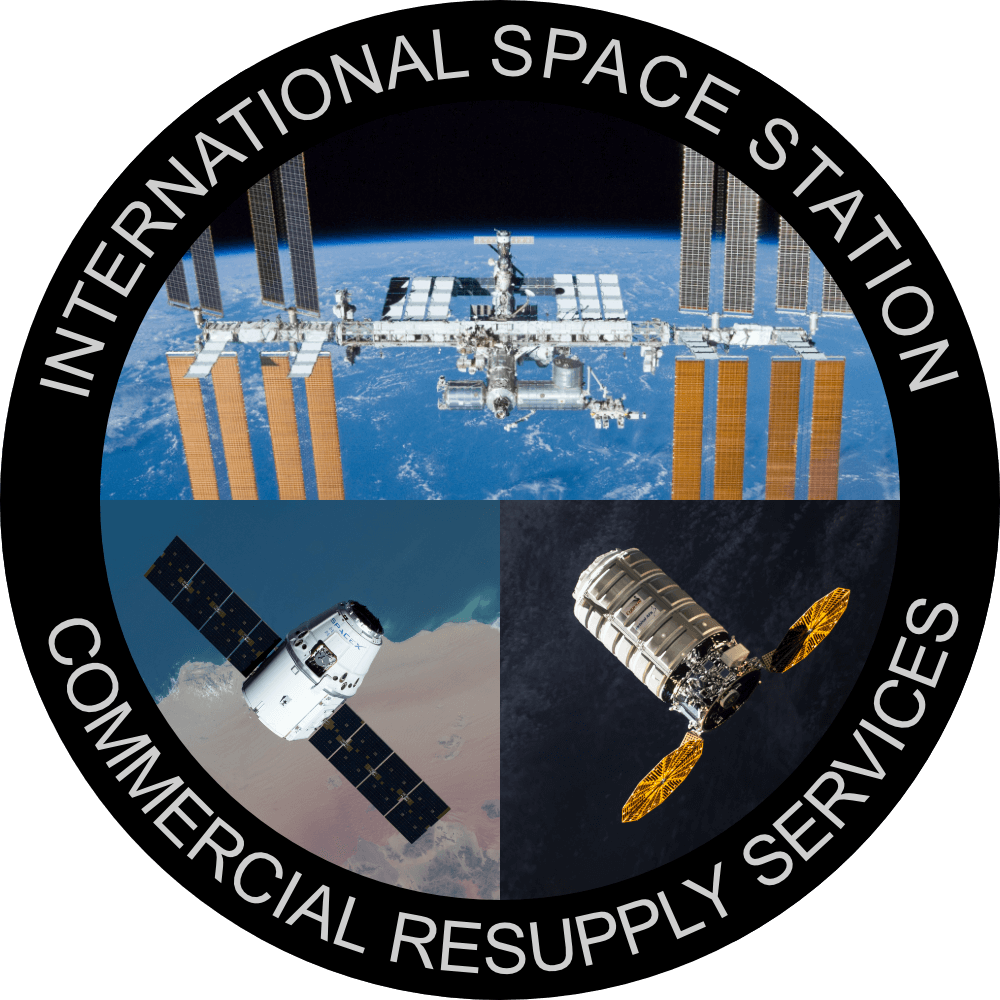
35th commercial resupply services mission to the International Space Station operated by SpaceX. The flight will be conducted under the second Commercial Resupply Services contract with NASA.
Cargo Dragon 2 brings supplies and payloads, including critical materials to directly support science and research investigations that occur onboard the orbiting laboratory.
USSF-xxx (“TH-2”)
Provider: SpaceX Date: October 15, 2026 Time: 11:44 PM UTC Vehicle: Falcon 9
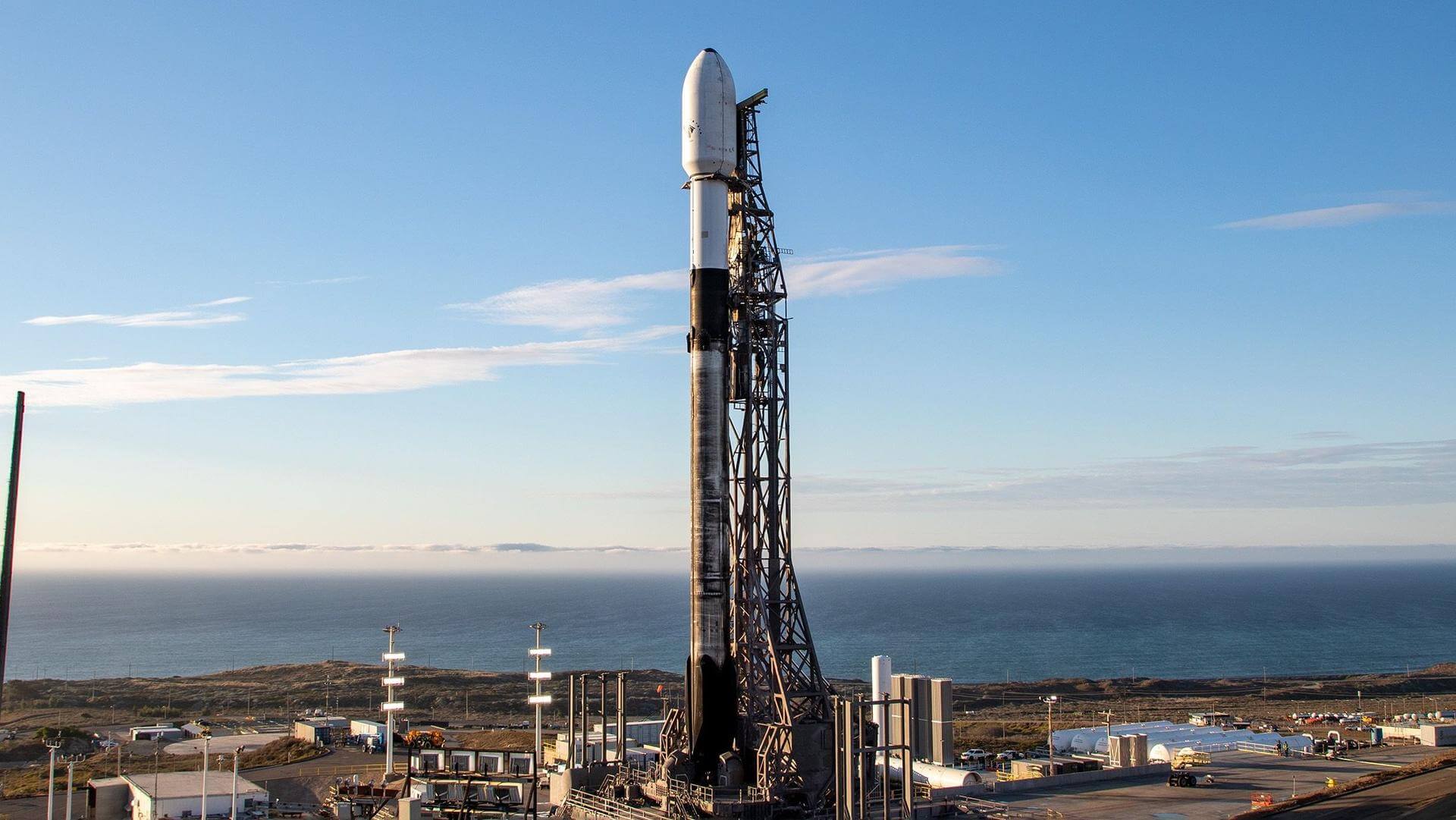
Classified mission for the United States Space Force. It is possibly a batch of classified LEO satellites based on SpaceX’s Starshield satellite bus, based on locations of ascent rocket stage drop zones being fits with previous SDA Transport Layer launches.
SDA Tranche 1 Transport Layer A ×
Mission Details
TypeGovernment/Top Secret
OrbitPolar Orbit
TargetEarth
Tranche 1 Transport Layer A is one of six missions by the United States Space Force Space Development Agency (SDA) for the Proliferated Warfighter Space Architecture (PWSA) Tranche 1 Transport Layer constellation, which will provide assured, resilient, low-latency military data and connectivity worldwide to the full range of warfighter platforms from Low Earth Orbit satellites.
The constellation will be interconnected with Optical Inter-Satellite Links (OISLs) which have significantly increased performance over existing radio frequency crosslinks. It is expected to operate over Ka band, have stereo coverage and be dynamically networked for simpler hand-offs, greater bandwidth and fault tolerance.
This launch carries 21 satellites manufactured by Northrop Grumman.
Falcon 9 is a two-stage rocket designed and manufactured by SpaceX for the reliable and safe transport of satellites and the Dragon spacecraft into orbit. The Block 5 variant is the fifth major interval aimed at improving upon the ability for rapid reusability.
The Long March 12 carrier rocket is a Chinese medium-lift launch vehicle currently under development by the Shanghai Academy of Spaceflight Technology, using kerosene and liquid oxygen as propellant. It will be capable of placing at least 10 tonnes of payload in low Earth orbit and at least 6…
Falcon 9 is a two-stage rocket designed and manufactured by SpaceX for the reliable and safe transport of satellites and the Dragon spacecraft into orbit. The Block 5 variant is the fifth major interval aimed at improving upon the ability for rapid reusability.
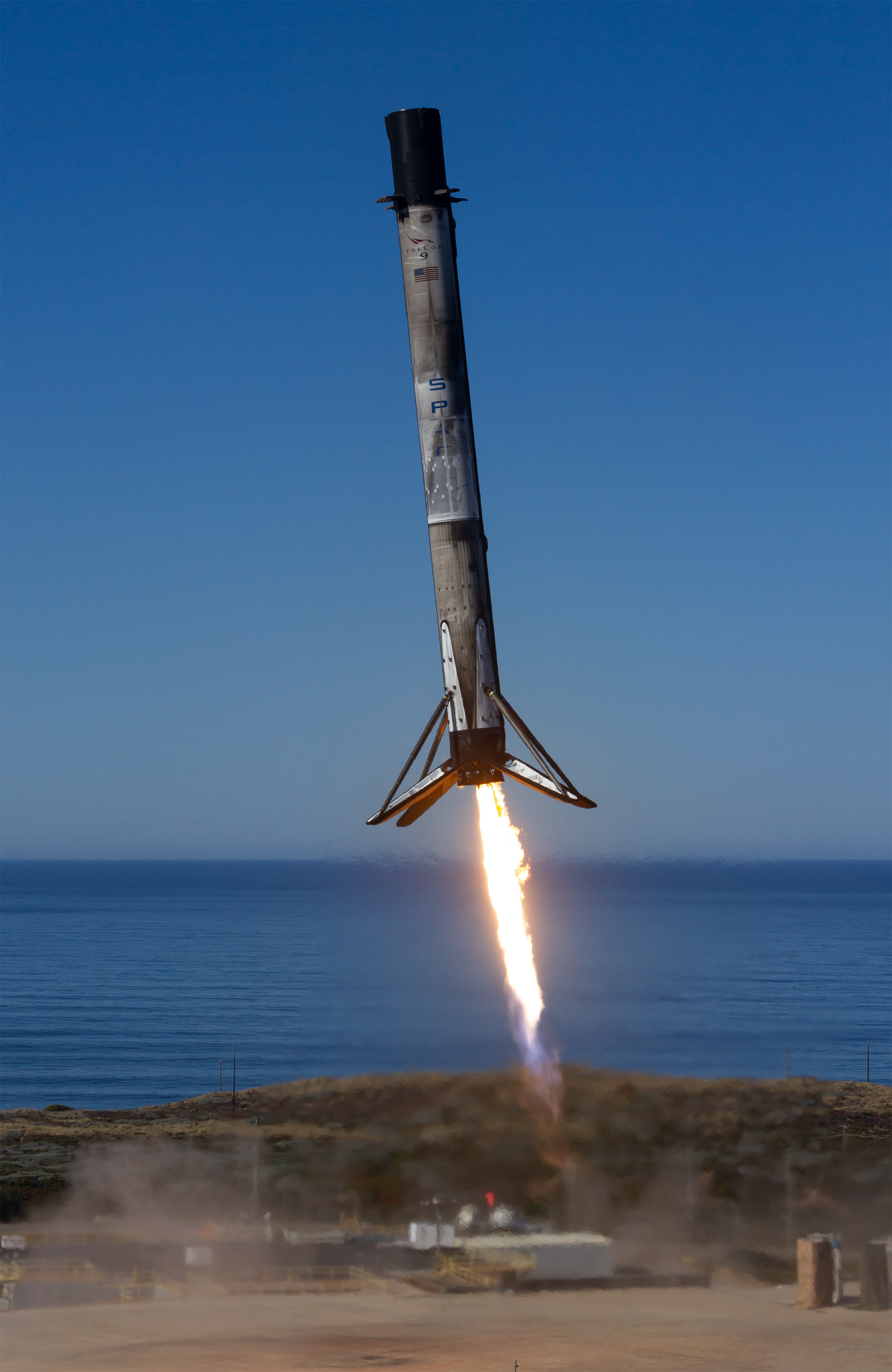
The Falcon 9 first stage B1088 will land on ASDS OCISLY after its 20th flight.
Dragon CRS-2 SpX-35 ×
Mission Details
TypeResupply
OrbitLow Earth Orbit
TargetEarth
35th commercial resupply services mission to the International Space Station operated by SpaceX. The flight will be conducted under the second Commercial Resupply Services contract with NASA.
Cargo Dragon 2 brings supplies and payloads, including critical materials to directly support science and research investigations that occur onboard the orbiting laboratory.
Agencies Involved
• National Aeronautics and Space Administration (Government)
Program: Commercial Resupply Services
Commercial Resupply Services (CRS) are a series of flights awarded by NASA for the delivery of cargo and supplies to the International Space Station.The first CRS contracts were signed in 2008 and awarded $1.6 billion to SpaceX for twelve cargo Dragon and $1.9 billion to Orbital Sciences for eight Cygnus flights, covering deliveries to 2016. The Falcon 9 and Antares rockets were also developed under the CRS program to deliver cargo spacecraft to the ISS.
The International Space Station programme is tied together by a complex set of legal, political and financial agreements between the sixteen nations involved in the project, governing ownership of the various components, rights to crewing and utilization, and responsibilities for crew rotation and resupply of the International Space Station. It was conceived in 1984 by President Ronald Reagan, during the Space Station Freedom project as it was originally called.
Falcon 9 is a two-stage rocket designed and manufactured by SpaceX for the reliable and safe transport of satellites and the Dragon spacecraft into orbit. The Block 5 variant is the fifth major interval aimed at improving upon the ability for rapid reusability.
The Falcon 9 first stage will land back at the launch site after its flight.
Spacecraft: Cargo Dragon C211
Third Cargo Dragon 2
Specifications
SerialC211
TypeCapsule
StatusActive
DestinationISS
Height7.2 m
Diameter3.7 m
Maiden Flight2020-12-06
Payload Capacity6,000 kg
Return Capacity3,000 kg
Time in Space275 Days, 8 Hours, 1 Minute
Missions Flown3
Turnaround228 Days, 2 Hours, 49 Minutes
Fastest Turnaround228 Days, 2 Hours, 49 Minutes
History
Cargo Dragon 2 is an updated version of the original Dragon spaceship designed to service the International Space Station with first flights conducted in 2020.
In contrast to Dragon 1 it docks to the International Space Station instead of being berthed by the Canada Arm.
Capability
Cargo Earth Orbit Logistics
Details
Cargo Dragon 2 is a autonomous spaceship capable of bringing science to and from the International Space Station with large pressurized and un-pressurized sections to support a variety of missions.
Flight Life
Able to fly for up to one week of free flight or two years docked.
Classified mission for the United States Space Force. It is possibly a batch of classified LEO satellites based on SpaceX’s Starshield satellite bus, based on locations of ascent rocket stage drop zones being fits with previous SDA Transport Layer launches.
Agencies Involved
• United States Space Force (Government)
Launch Provider: SpaceX
Commercial • United States of America • Founded 2002
Falcon 9 is a two-stage rocket designed and manufactured by SpaceX for the reliable and safe transport of satellites and the Dragon spacecraft into orbit. The Block 5 variant is the fifth major interval aimed at improving upon the ability for rapid reusability.
Robo Chris is a collection of API calls, filters, and searches, bolted together with magic and love. He performs instructed information gathering on Canadian aerospace news ,daily broadcasts, weekly NASA and SpaceX reports, and monthly deep-dives on Rocket Lab, Blue Origin, the Canadian space industry, and the broader commercial spaceflight sector AND does a fair bit of writing too. Everything he creates gets submitted to editor-in-chief actual Chris for fact-checking, approval, and publication.






Leave a Reply