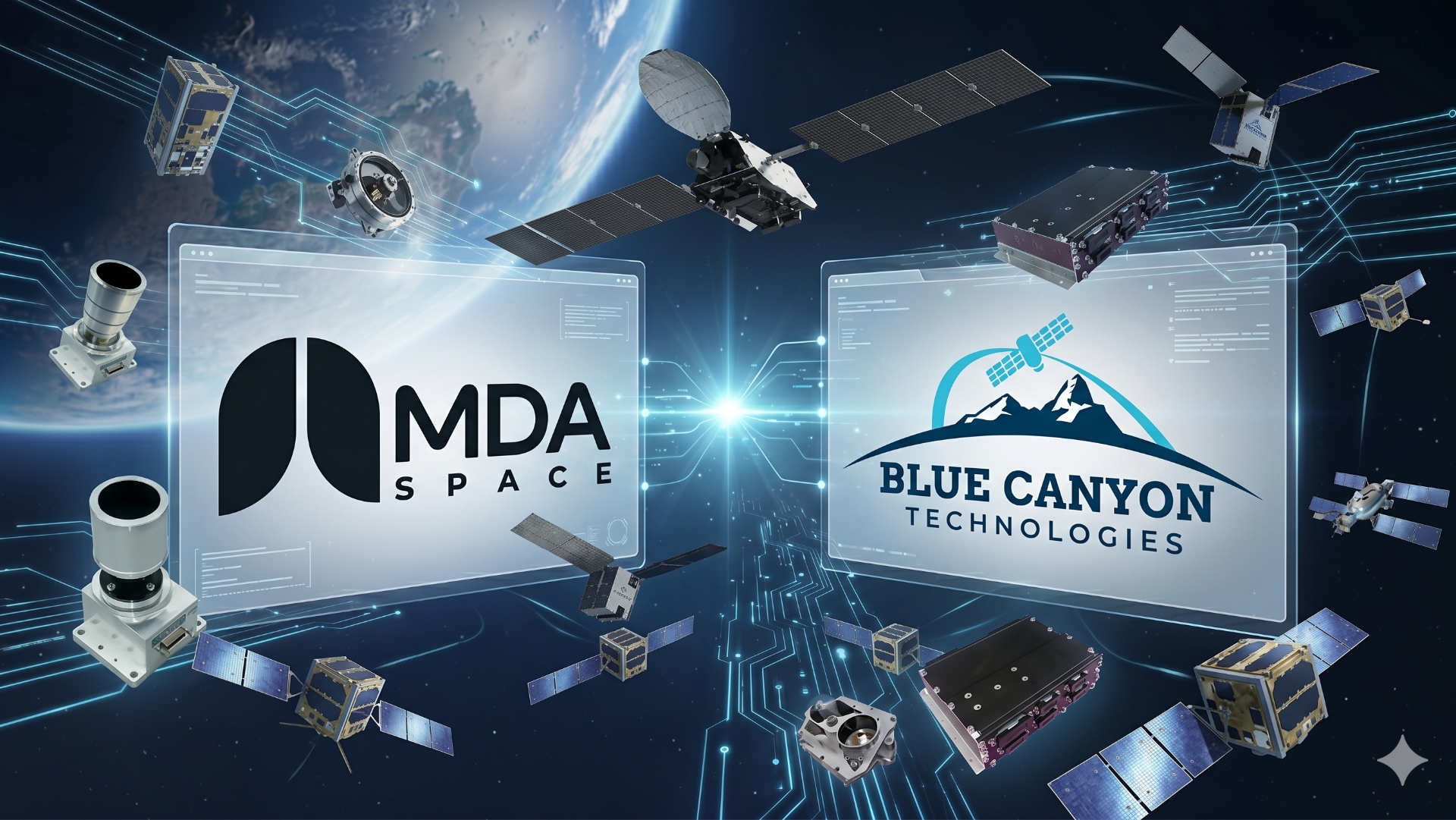
MDA Space closed its $874-million ($US 620-million) purchase of Blue Canyon Technologies, creating MDA Space USA. The Colorado-based spacecraft and satellite component maker had been agreed in June with seller RTX. Blue Canyon now operates as part of MDA Space, bringing 400 employees in the Denver area, more than 95 launched spacecraft and 4,300 products in orbit.
Blue Canyon holds U.S. facility security clearances, which MDA Space has said give it a path into classified American programs. About 75 per cent of its revenue comes from defence customers. The company also provides mission services, operating customers’ spacecraft after launch.
BCT is “ideally positioned to accelerate our growth strategy in the expanding U.S. defence market,” Mike Greenley, chief executive of MDA Space, said in the company’s release.
MDA Space raised its 2026 revenue forecast earlier this month, but that forecast did not include Blue Canyon or the company’s pending purchase of a 70 per cent stake in France’s Collecte Localisation Satellites. MDA Space shares rose 13.9 per cent on the week to close at $42.00 on Friday.
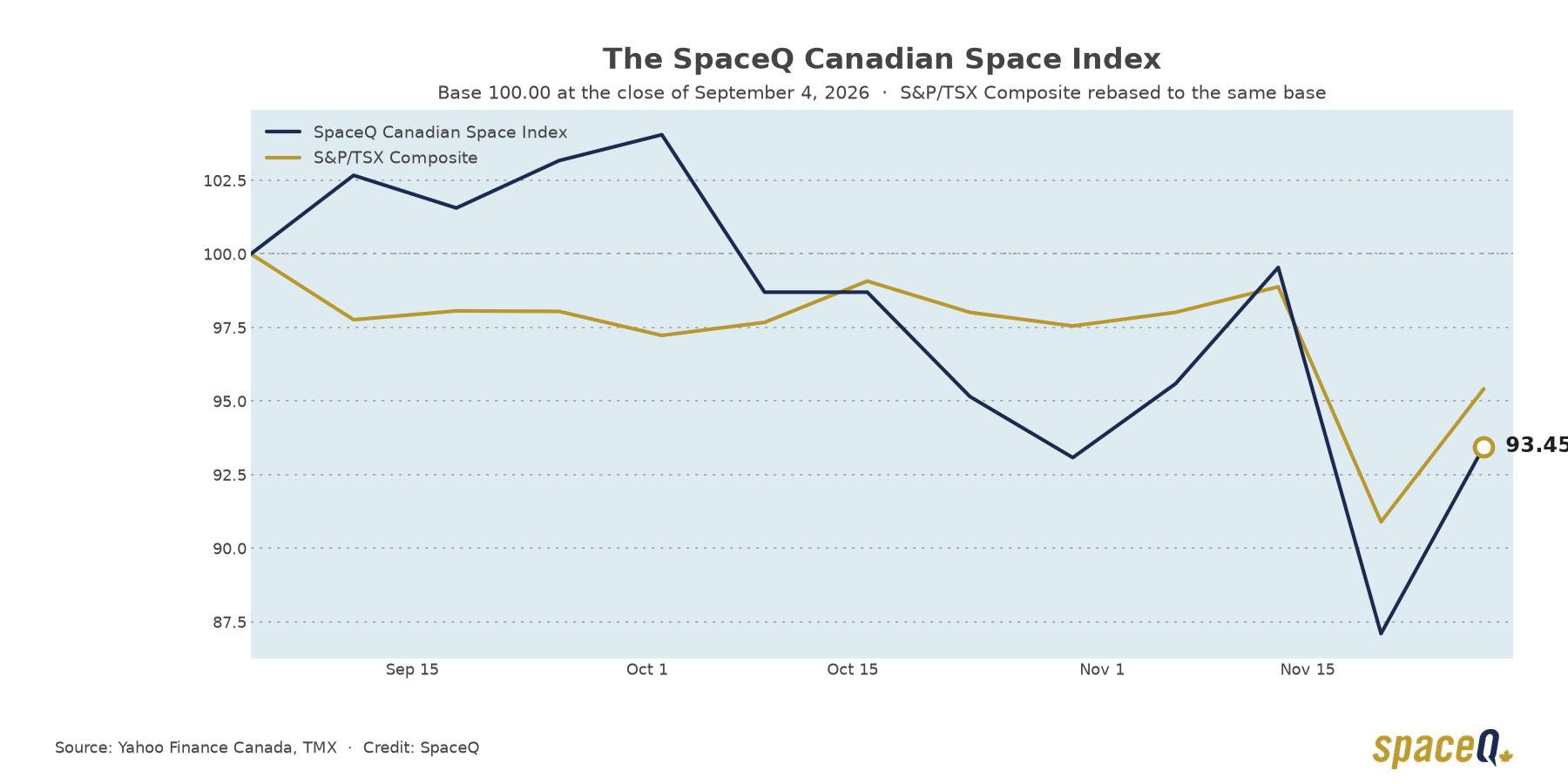
The SpaceQ Canadian Space Index rose 7.3 per cent on the week to 93.45. Telesat added 1.71 points, more than any other company on the board. The index’s rise came alongside news that the U.S. Federal Communications Commission cleared SpaceX to launch up to 1 million satellites for Starmind, its planned constellation of orbiting data centres. The first shells SpaceX plans to fill would sit about 5 km below Canada’s three RADARSAT Constellation Mission satellites, and a Telesat demonstration satellite already orbits inside one of Starmind’s planned groups.
Canadian Space Launch Act Reaches Committee
The House of Commons voted 196-130 on Thursday to pass Bill C-28, the Canadian Space Launch Act, at second reading and send it to the Standing Committee on Transport, Infrastructure and Communities. The bill amends the Aeronautics Act so the transport minister can issue permits for rocket launches and re-entries, certify launch sites and indemnify operators against third-party claims beyond what insurance covers. Transport Canada has handled launch applications case by case under interim rules since 2023.
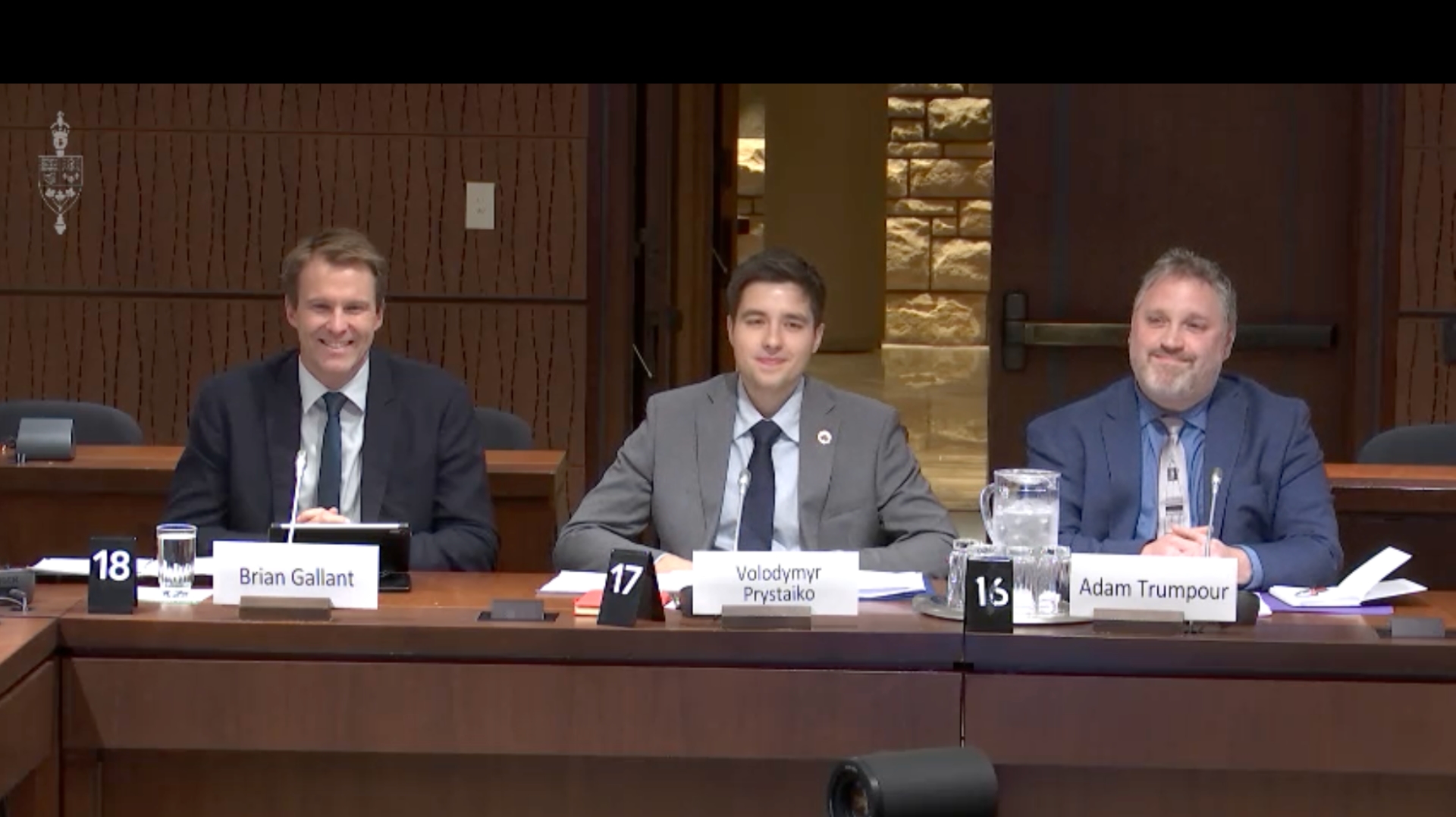
In the first committee meeting, held before the House formally sent the bill, witnesses told MPs that Canada needs the legislation and pointed to what it leaves out. Volodymyr Prystaiko, launch program director at NordSpace, which is building the Atlantic Spaceport Complex in St. Lawrence, N.L., asked for ground testing to be brought into the bill. C-28 does not explicitly address that work, which today falls under “a patchwork of municipal, provincial and some federal laws,” he said.
NordSpace’s written brief to the committee spells out five amendments: defining a “rocket test activity” covering static-fire and hot-fire tests of engines and rocket stages, letting the minister permit tests and certify test sites, and allowing rules that vary with risk. The brief says NordSpace’s application to launch its suborbital Taiga rocket on a test flight has a “conditional go” from Transport Canada, and the company expects final approval ahead of a launch attempt from Newfoundland “shortly.” NordSpace says it would be the first Canadian launch permitted under the interim regime.
Andrea Harrington, co-director of McGill University’s Institute of Air and Space Law, called the bill “a welcome and overdue step” and listed gaps. The bill names the Liability Convention but not the Outer Space Treaty, whose Article 6 obliges Canada to authorize and supervise private space activity. It does not amend the law governing the Transportation Safety Board, leaving no clear investigator for a re-entry accident. It also covers only launches from Canada and re-entries into Canada — a Canadian company launching a rocket from another country falls outside the bill.
Stoke Space’s Nova Pathfinder Arrives at SLC-14
Stoke Space’s Nova Pathfinder first stage arrived at Space Launch Complex 14 (SLC-14) at Cape Canaveral Space Force Station on Nov. 22, following a 17-day cross-country road trip from Washington. The booster has entered SLC-14’s Horizontal Integration Facility (HIF) ahead of a pad-in-the-loop wet dress rehearsal campaign, marking the first time a rocket has occupied the historic pad since the 1960s.
The first stage will undergo wet dress rehearsals that fill the vehicle with cryogenic propellants and test the launch infrastructure, including the tank farms. Once those are complete, the vehicle will roll back to the HIF to have its remaining Zenith engines integrated. After engine installation, the stage will return to the pad for a static fire before rolling back to mate with its second stage.
Stoke is also preparing to conduct a Stage 2 static fire at its Moses Lake Test Site (MLTS) in December, once engineers mate the upper stage with its Andromeda engine. The company targets an early 2027 inaugural launch for Nova Pathfinder.
Getting to this point required months of structural testing. In May, the flight stage completed a three-week proto-qualification campaign at MLTS, achieving 46 structural test objectives and being loaded to 115% of expected flight loads. Engineers used hundreds of strain gauges to verify the vehicle behaved as predicted. Earlier testing included “Tiny Tank 1,” which was pushed to failure and burst in 2025, and “Tiny Tank 2,” which stayed within design margins and qualified the Stage 1 aft barrels.
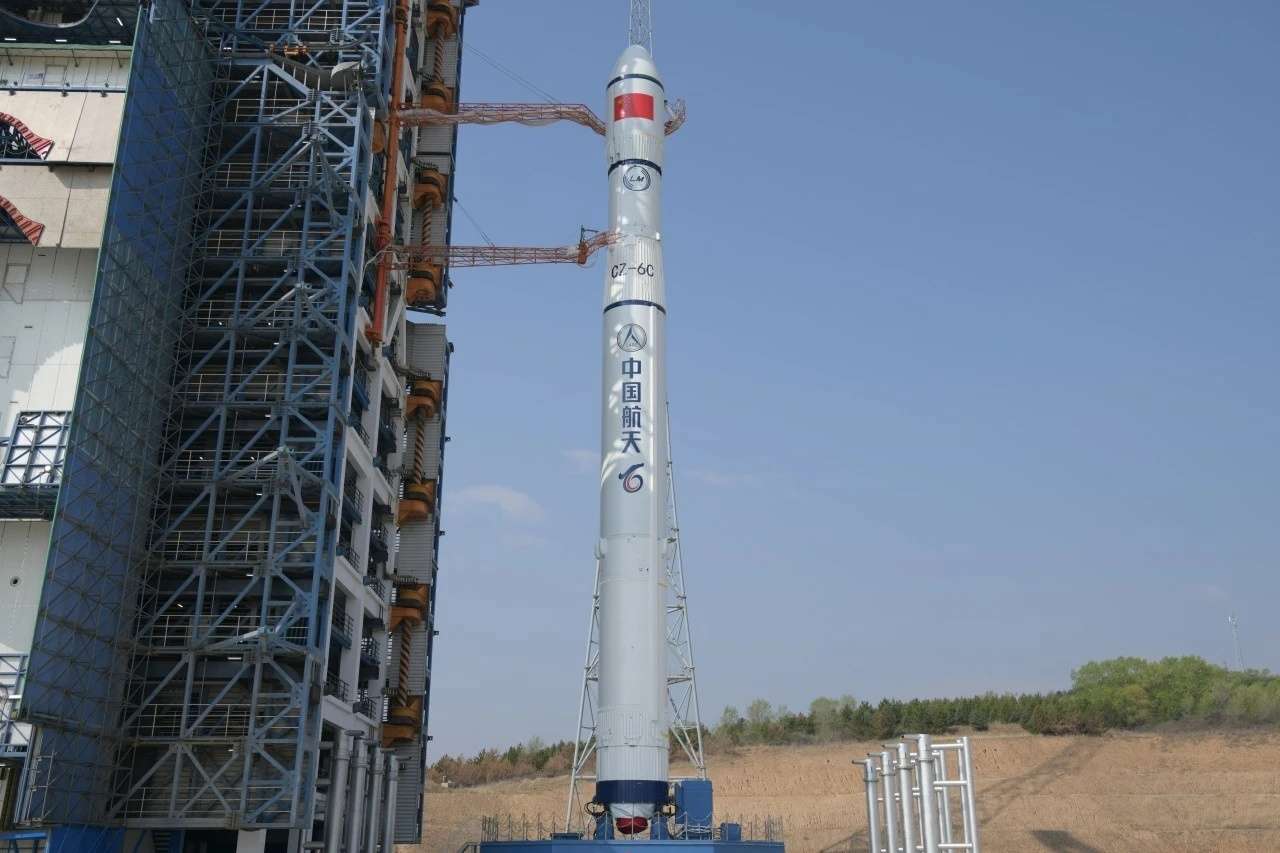
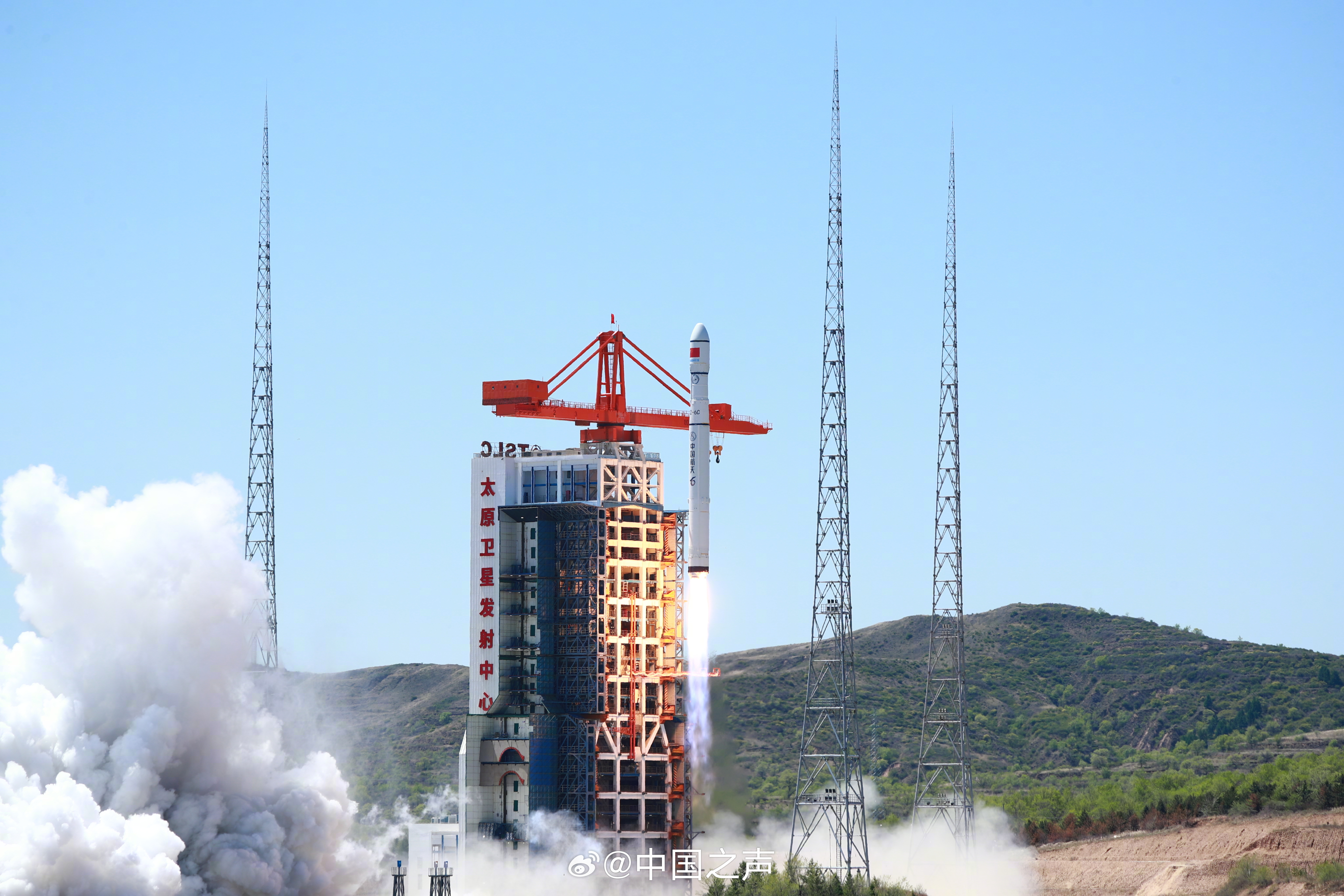
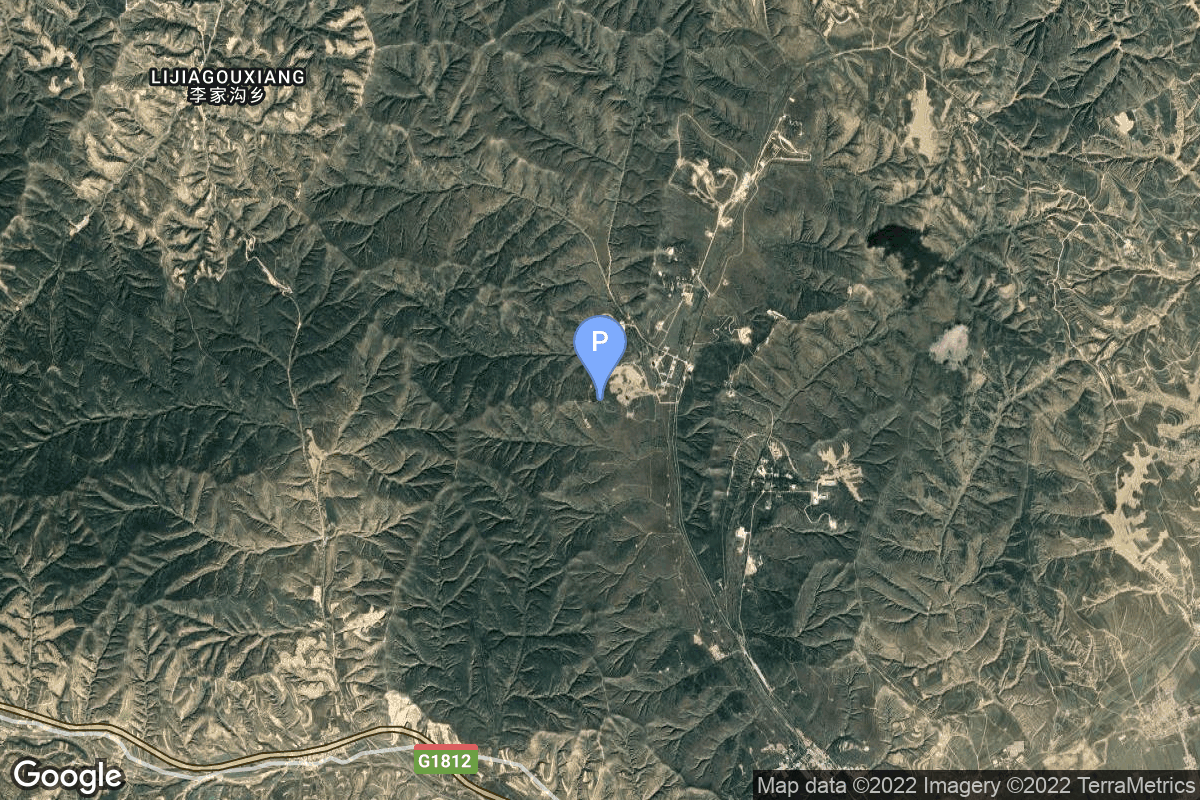
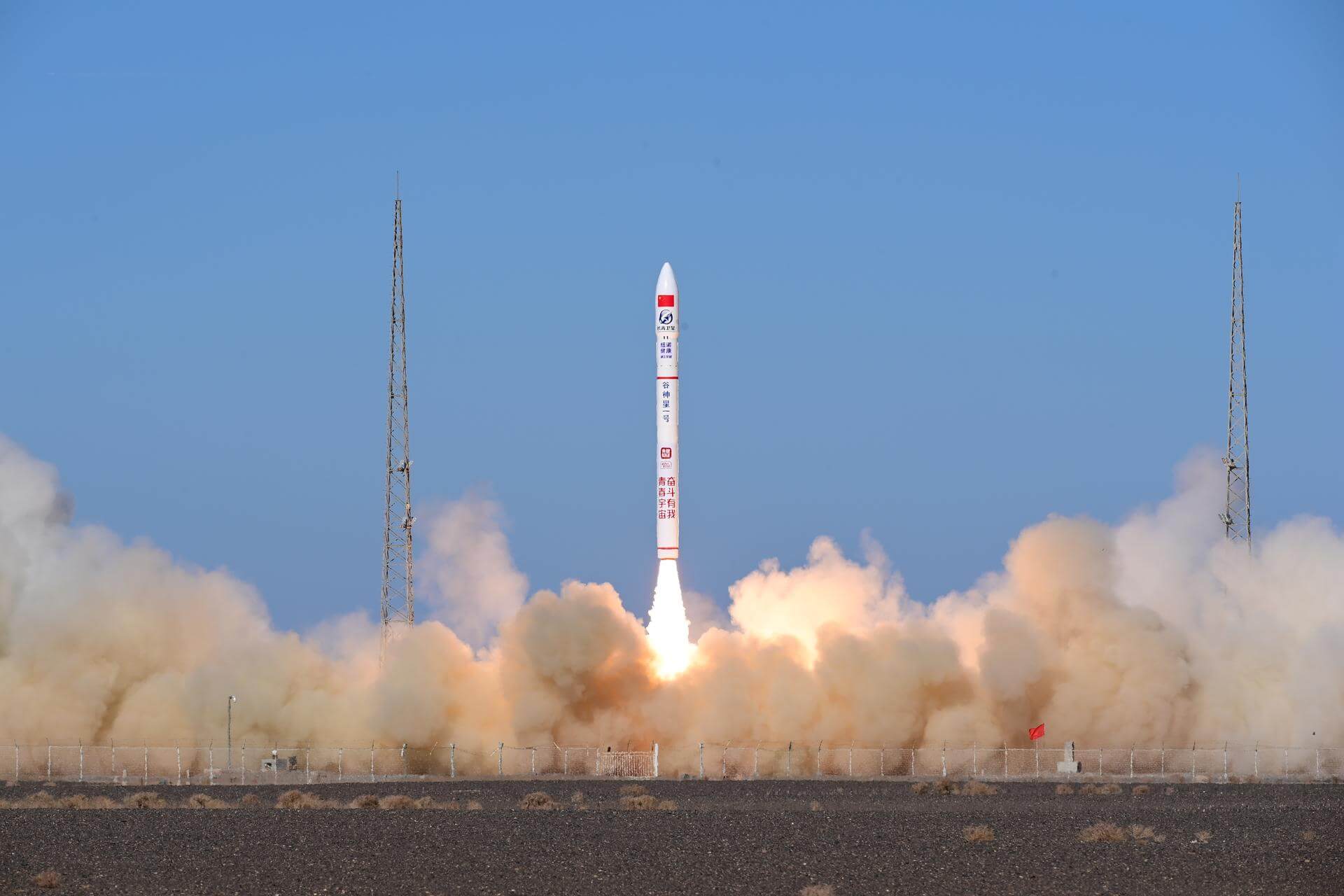
Provider: China Aerospace Science and Technology Corporation Date: November 29, 2026 Time: 3:50 AM UTC Vehicle: Long March 6C
Details TBD.
USSF-380
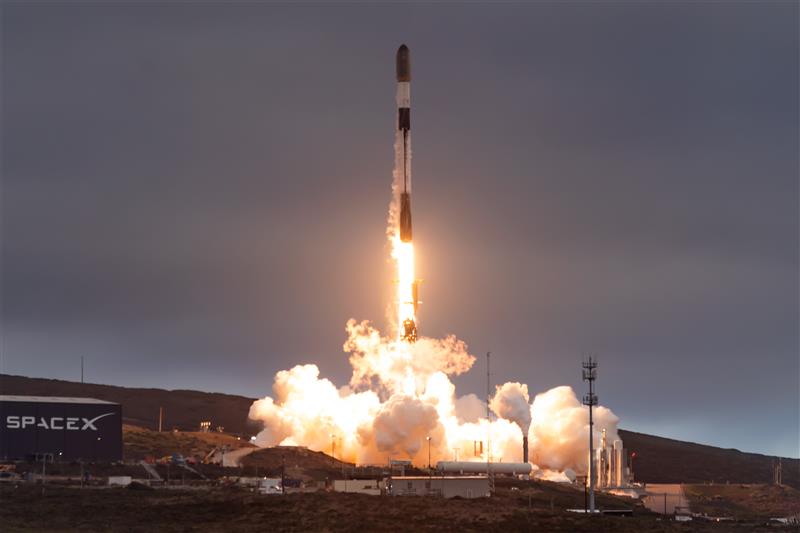
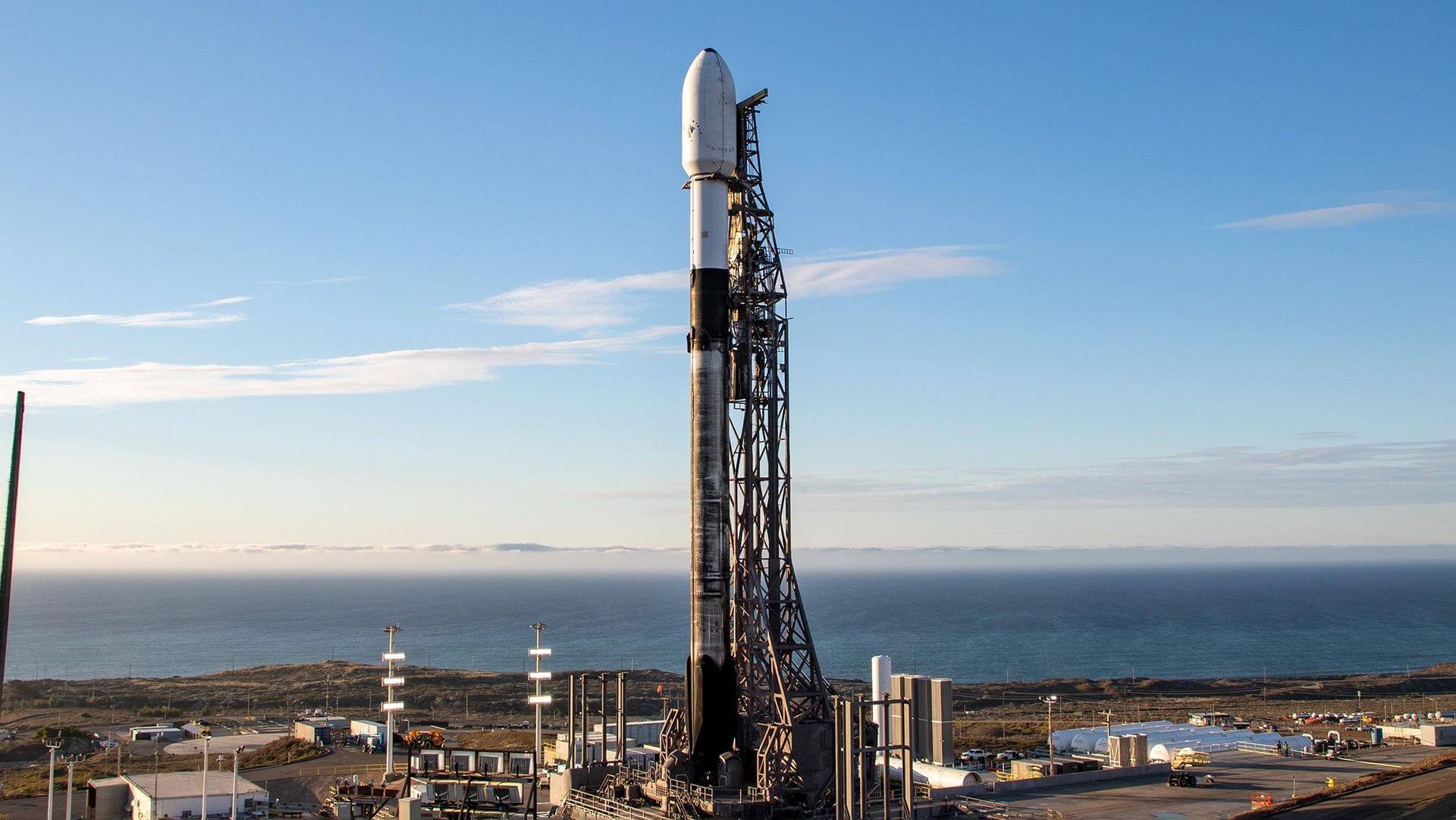
Provider: SpaceX Date: November 29, 2026 Time: 4:39 AM UTC Vehicle: Falcon 9
A classified mission for the United States Space Force. It is possibly a batch of classified LEO satellites based on SpaceX’s Starshield satellite bus, based on locations of rocket stage drop zones being exact fits with previous Starlink Group 15 launches.
Cygnus CRS-2 NG-25
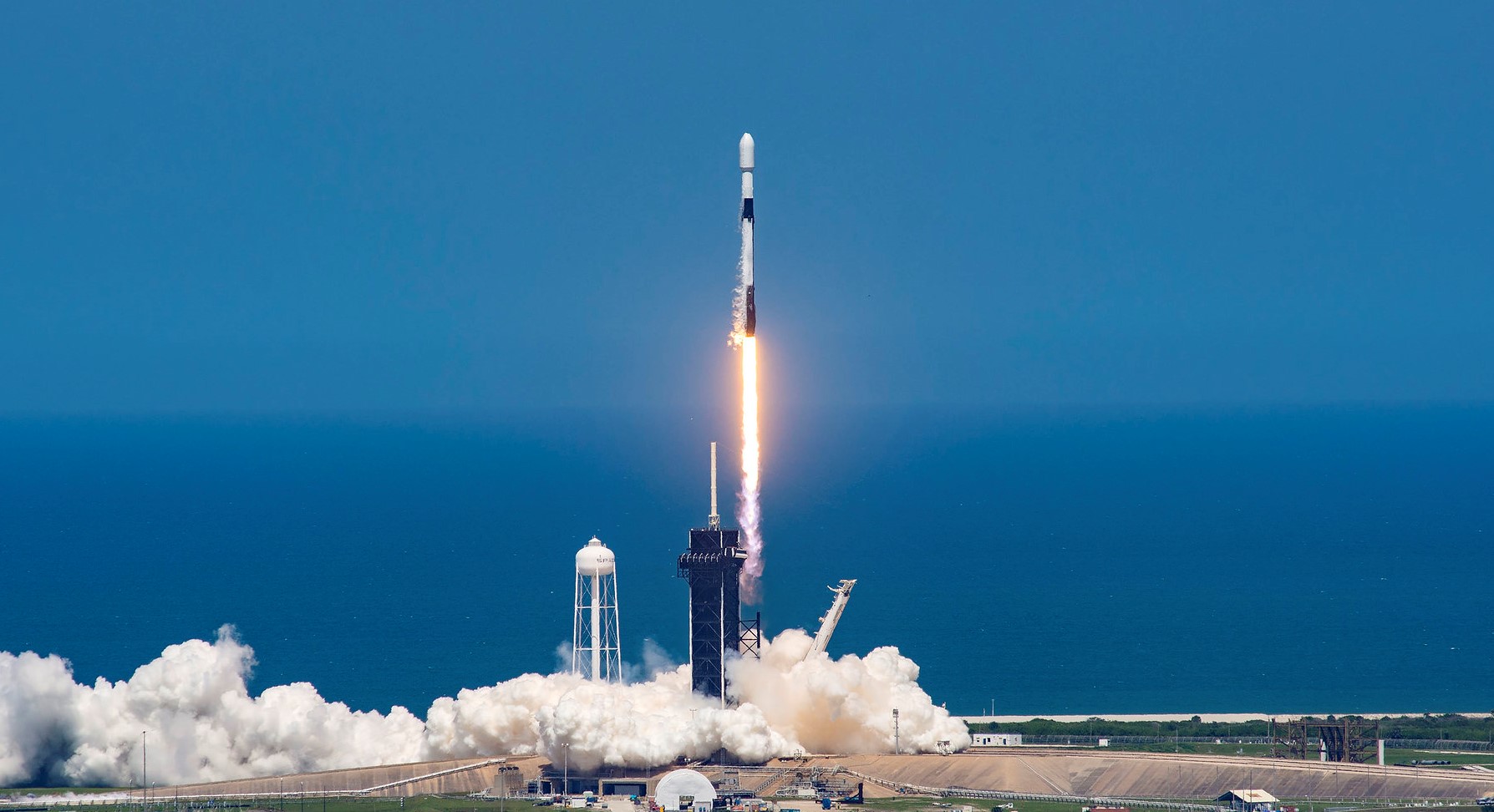
Provider: SpaceX Date: November 29, 2026 Time: 3:47 PM UTC Vehicle: Falcon 9
This is the 25th flight of the Orbital ATK’s uncrewed resupply spacecraft Cygnus and its 24th flight to the International Space Station under the Commercial Resupply Services contract with NASA.
Unknown Payload
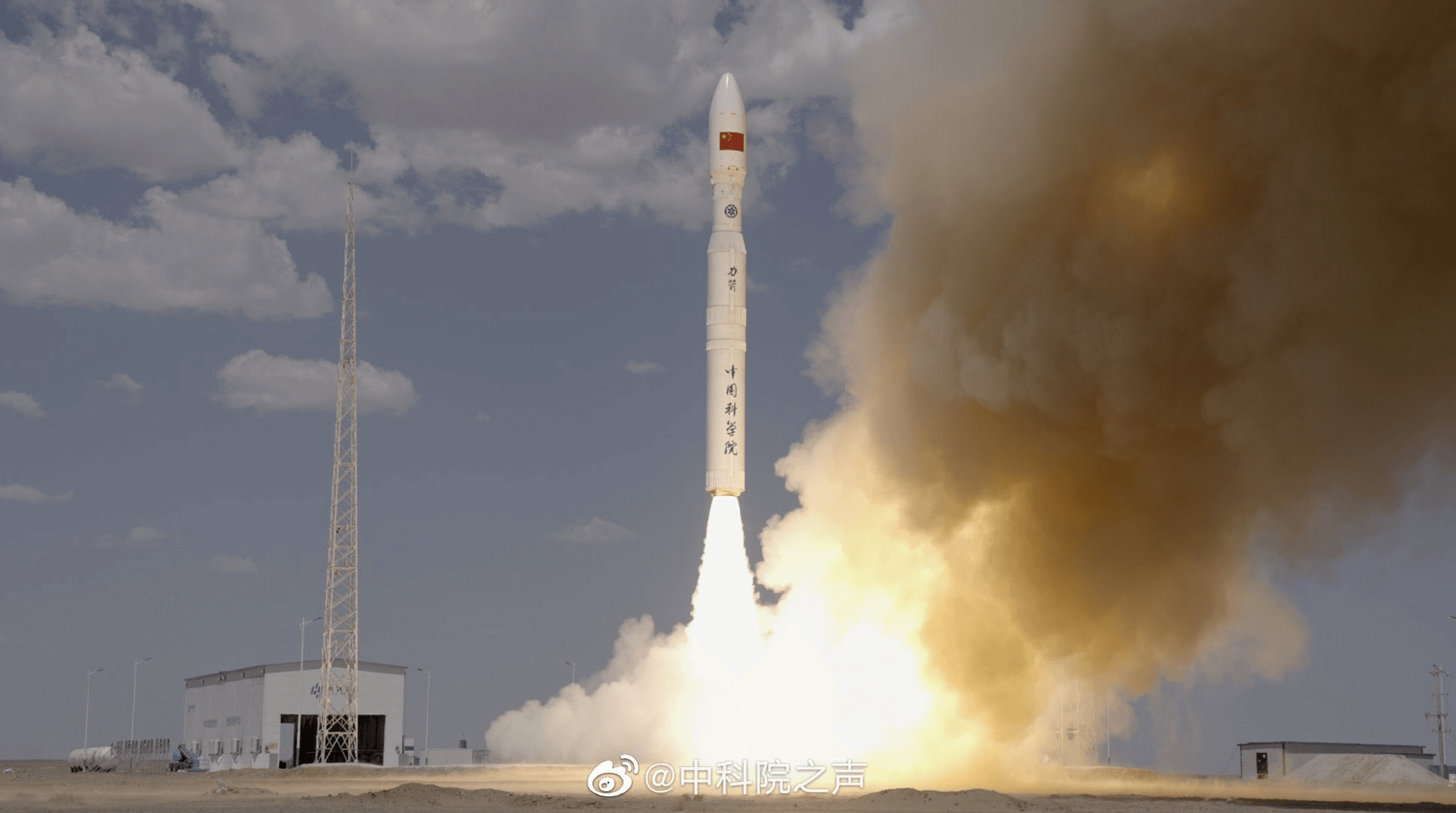
Provider: CAS Space Date: December 1, 2026 Time: 1:45 AM UTC Vehicle: Kinetica 1
Details TBD.
Unknown Payload
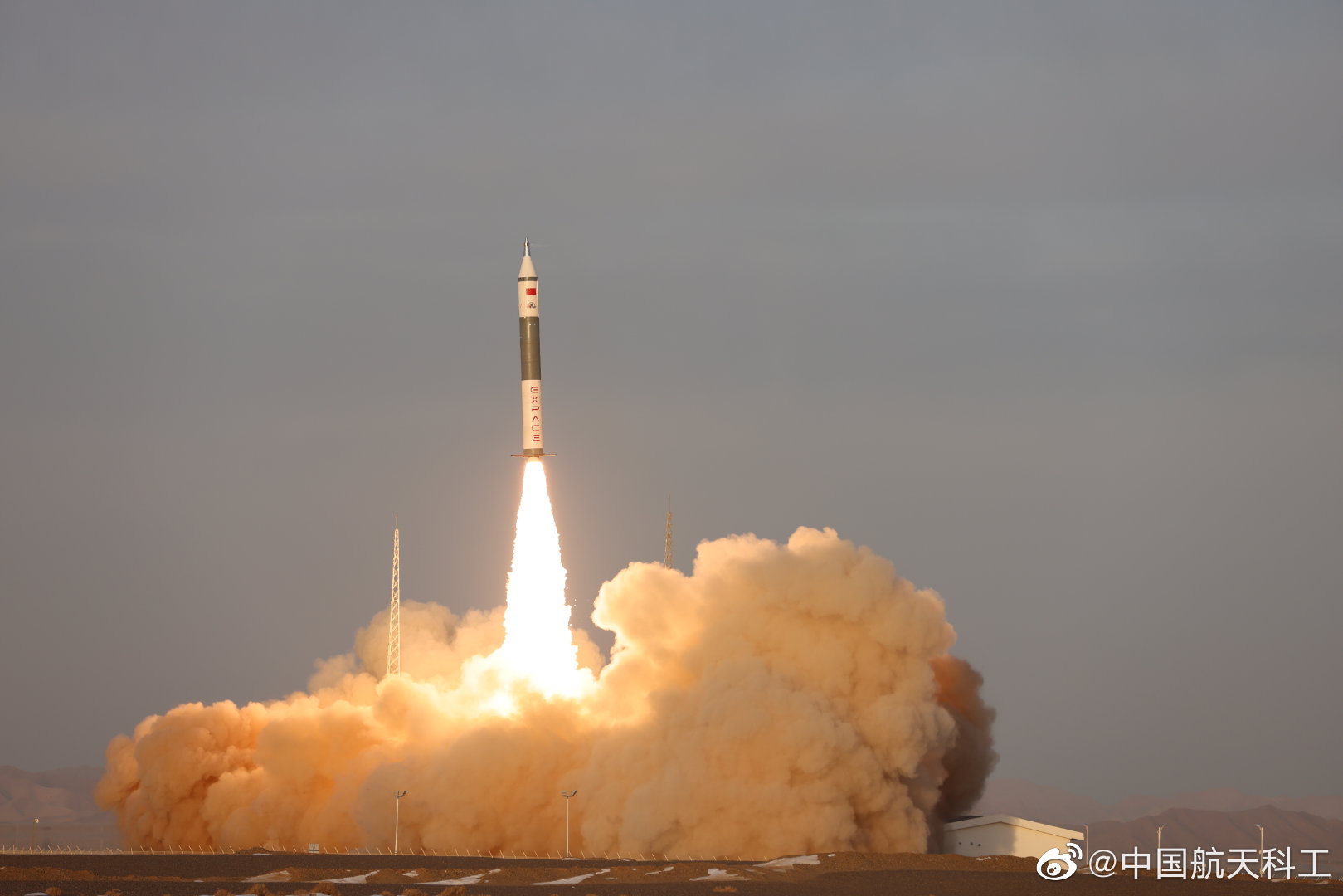
Provider: ExPace Date: December 2, 2026 Time: 11:55 AM UTC Vehicle: Kuaizhou 11
Details TBD.
Unknown Payload ×
Mission Details
TypeUnknown
OrbitUnknown
TargetEarth
Details TBD.
Launch Provider: China Aerospace Science and Technology Corporation
The Long March 6C is a Chinese launch vehicle of the Long March family, which was developed by the China Aerospace Science and Technology Corporation (CASC) and the Shanghai Academy of Spaceflight Technology (SAST). The vehicle is a further development of the Long March 6A, with its solid rocket…
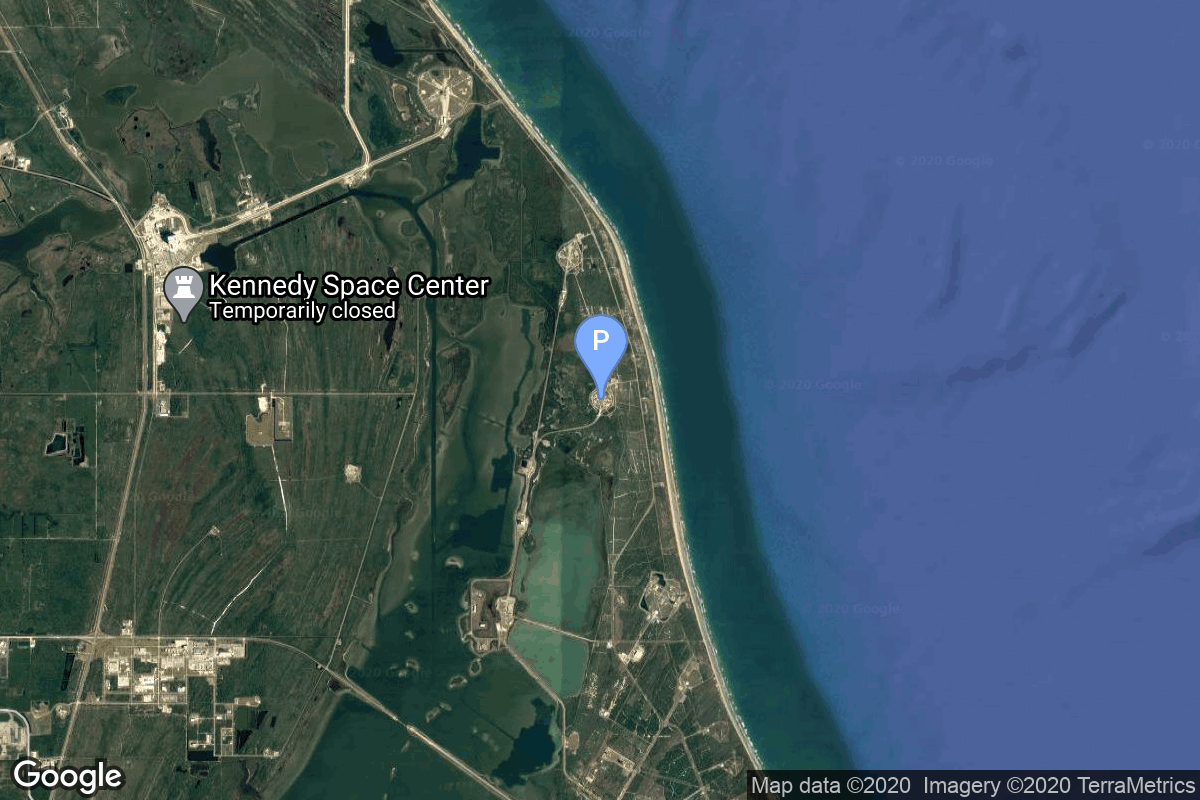
A classified mission for the United States Space Force. It is possibly a batch of classified LEO satellites based on SpaceX’s Starshield satellite bus, based on locations of rocket stage drop zones being exact fits with previous Starlink Group 15 launches.
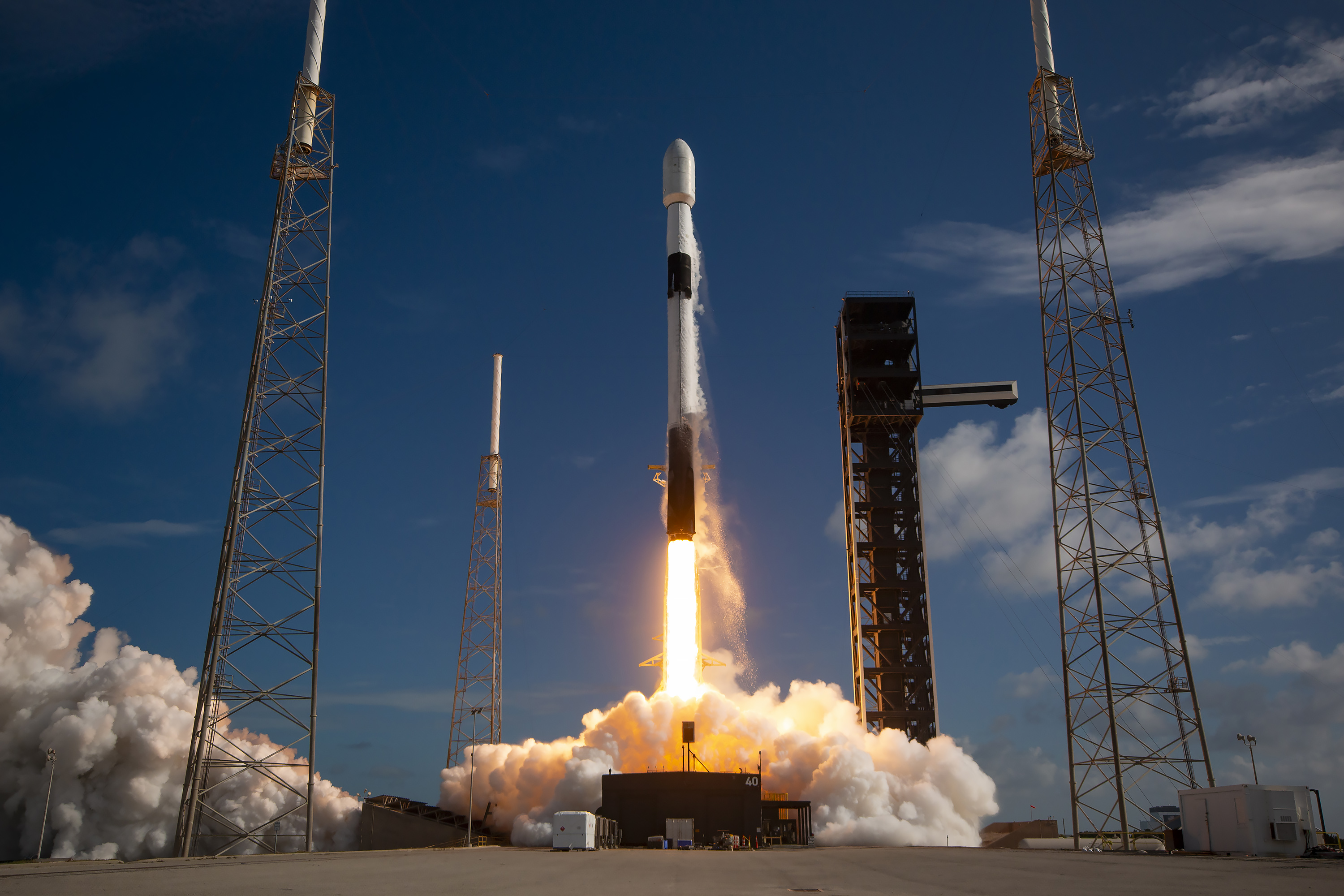
Falcon 9 is a two-stage rocket designed and manufactured by SpaceX for the reliable and safe transport of satellites and the Dragon spacecraft into orbit. The Block 5 variant is the fifth major interval aimed at improving upon the ability for rapid reusability.
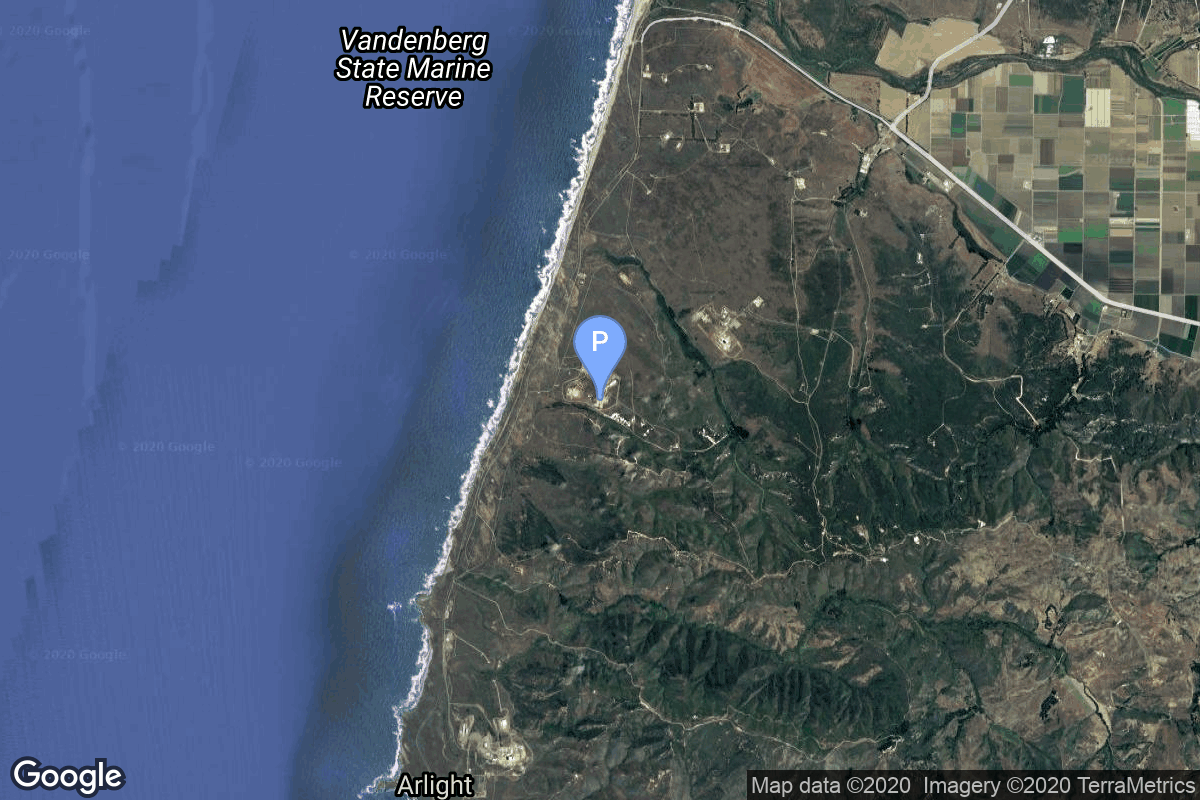
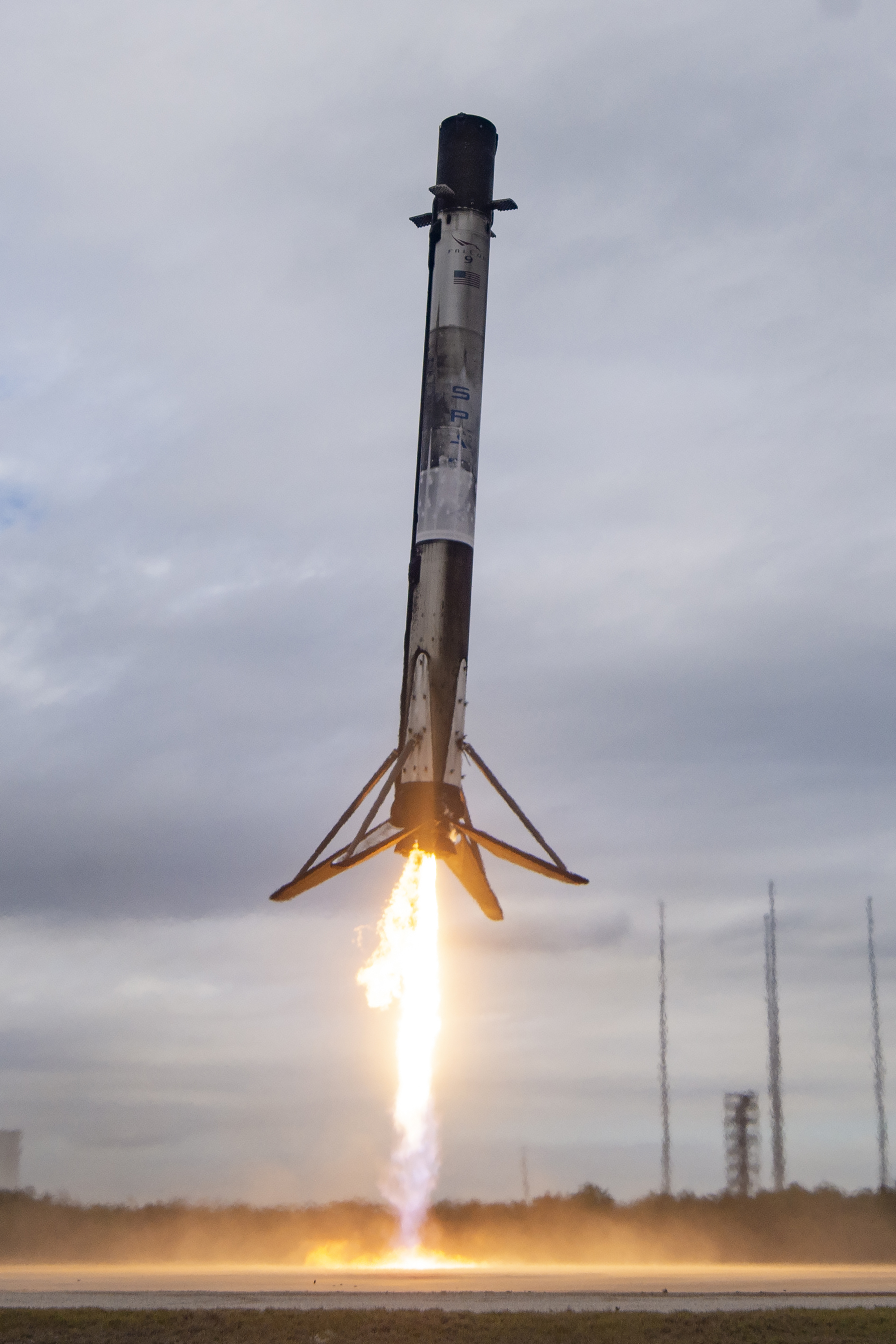
The Falcon 9 first stage B1082 will land on ASDS OCISLY after its 27th flight.
Cygnus CRS-2 NG-25 ×
Mission Details
TypeResupply
OrbitLow Earth Orbit
TargetEarth
This is the 25th flight of the Orbital ATK’s uncrewed resupply spacecraft Cygnus and its 24th flight to the International Space Station under the Commercial Resupply Services contract with NASA.
Commercial Resupply Services (CRS) are a series of flights awarded by NASA for the delivery of cargo and supplies to the International Space Station.The first CRS contracts were signed in 2008 and awarded $1.6 billion to SpaceX for twelve cargo Dragon and $1.9 billion to Orbital Sciences for eight Cygnus flights, covering deliveries to 2016. The Falcon 9 and Antares rockets were also developed under the CRS program to deliver cargo spacecraft to the ISS.
The International Space Station programme is tied together by a complex set of legal, political and financial agreements between the sixteen nations involved in the project, governing ownership of the various components, rights to crewing and utilization, and responsibilities for crew rotation and resupply of the International Space Station. It was conceived in 1984 by President Ronald Reagan, during the Space Station Freedom project as it was originally called.
Falcon 9 is a two-stage rocket designed and manufactured by SpaceX for the reliable and safe transport of satellites and the Dragon spacecraft into orbit. The Block 5 variant is the fifth major interval aimed at improving upon the ability for rapid reusability.
Kinetica 1 (also known as Lijian-1, Chinese: 力箭一号) is a Chinese solid-propellant light launch vehicle. It is capable of placing about 2 tons into low earth orbit and 1.5 tons into sun-synchronous orbit. It is developed by CAS Space, a subsidiary of the Chinese Academy of Sciences. Kinetica 1 is a…
Robo Chris is a collection of API calls, filters, and searches, bolted together with magic and love. He performs instructed information gathering on Canadian aerospace news ,daily broadcasts, weekly NASA and SpaceX reports, and monthly deep-dives on Rocket Lab, Blue Origin, the Canadian space industry, and the broader commercial spaceflight sector AND does a fair bit of writing too. Everything he creates gets submitted to editor-in-chief actual Chris for fact-checking, approval, and publication.






Leave a Reply