
Canada, South Korea Fund NATO STARLIFT Space Initiative
Canada Joins NATO STARLIFT as South Korea Becomes First Non-Ally Participant
NATO announced Tuesday that its STARLIFT space initiative is under way, with Canada among 10 Allies and non-NATO member South Korea paying to reserve space on commercial rockets for military satellite launches. The countries signed their funding commitments Oct. 29 on the margins of a meeting of NATO’s national armaments directors, and NATO announced them at the ongoing EDGE 26 conference in Izmir, Türkiye.
Belgium, Finland, Germany, Italy, the Netherlands, Norway, Sweden, Türkiye and the United Kingdom are the other Allies financing the work, through the NATO Support and Procurement Agency (NSPA). France, Hungary, Luxembourg, Spain and the United States, all among the 14 Allies that launched STARLIFT in 2024, are not among the funders listed.
NATO says the STARLIFT service will draw on spaceports across the Alliance and in South Korea, building on planning that began in 2024. Participants will also test ways to launch satellites on short notice, coordinate the air and maritime traffic around routine and urgent launches, and pool their demand to encourage industry to invest.
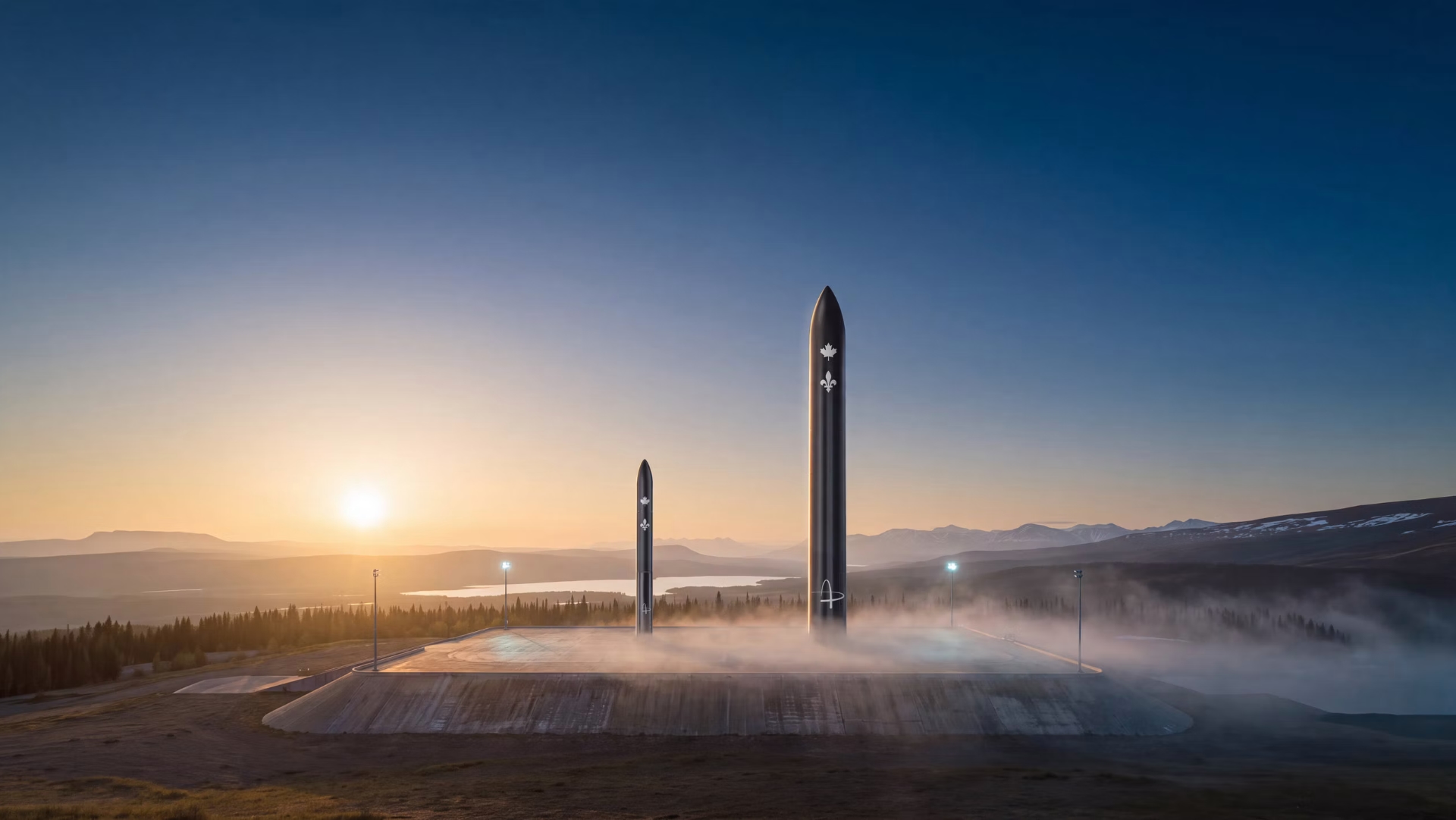
Defence Minister David McGuinty said in March that Canada intended to become a full member. NATO counted Canada as STARLIFT’s 15th participant at its July summit in Ankara, and National Defence said Oct. 21 that Canada had joined as a full member. National Defence holds a 10-year lease for a dedicated pad at Maritime Launch Services’ Spaceport Nova Scotia, signed in March. It signed a 10-year standby agreement with NordSpace in October at the Atlantic Spaceport Complex in St. Lawrence, N.L.
South Korea’s Ministry of National Defense said Tuesday it signed a memorandum of understanding with NATO on STARLIFT in Brussels on Oct. 29, making it the first country outside the Alliance to take part. Choi Yong-sam, the ministry’s director general for defence policy, signed with Greg Ivey, NATO’s director of armaments and major capability programmes and a Canadian who served more than 31 years in the Canadian Armed Forces. The ministry said access to partners’ rockets and spaceports would give its military more launch options, cut its reliance on particular foreign launch providers and open overseas markets to South Korean space companies. NATO had invited South Korea, Japan, Australia and New Zealand to join in May.
Vulcan Failure Investigation Points to Fuel Supply, Not BE-4 Engines
United Launch Alliance said Wednesday that a preliminary review of flight data points to an inadequate supply of fuel to the Blue Origin-manufactured engines of its Vulcan rocket, rather than a problem with the engines themselves, as the reason Sunday’s launch fell short of orbit with 40 Amazon Leo internet satellites aboard.
ULA posted the update at 11 a.m. EST (1600 UTC). The company uses “booster” to refer to Vulcan’s first stage, which is powered by two methane-fueled BE-4 engines, the same engines that power Blue Origin’s New Glenn rocket.
“While work remains to determine cause, preliminary indications are that the low booster thrust was the result of inadequate fuel supply from the vehicle to the BE-4 engines, not from the performance of the engines,” the company said.

The finding is not a final cause, but if it holds, it has implications beyond ULA. It points away from the BE-4 as a culprit for the failure, which carries importance for Blue Origin as the Jeff Bezos-founded space company works to return New Glenn to flight after the rocket exploded on its Cape Canaveral launch pad during a test in May. It also points away from the Vulcan’s Centaur 5 upper stage, which NASA is weighing for its Space Launch System moon rocket. And ULA said the six solid rocket boosters, whose nozzle problems on two earlier flights led to a nine-month gap between Vulcan launches, performed normally.
Still, Vulcan is grounded again with no return-to-flight date, leaving the U.S. Space Force, which had sought to use Vulcan to launch national security payloads, and Amazon, which purchased 38 Vulcan launches to boost its Leo satellite internet service to orbit, waiting.
ULA did not say which part of the vehicle failed to deliver enough fuel or why. In an update Tuesday, the company said the Federal Aviation Administration will oversee the ULA-led investigation, be involved in every step and approve ULA’s final report, including any corrective actions.
“It is very early in the process, and we want to focus on the data and avoid speculation until the investigation is complete,” the ULA statement reads.
Vulcan lifted off at 12:40 p.m. EST (1740 UTC) Sunday from Space Launch Complex 41 at Cape Canaveral Space Force Station. It was the rocket’s fifth flight and its first since February. ULA said Tuesday that early indications showed “just after liftoff the launch vehicle experienced low [first stage] performance, resulting in stage separation occurring when the vehicle was low in altitude and below minimal velocity to reach orbit.” The company lost telemetry — and any chance of completing the mission — about 10 minutes into flight.
Voyager 1 Reaches One Light-Day from Earth After Nearly 50 Years
NASA’s Voyager 1 spacecraft achieved another milestone yesterday morning. Launched in 1977, it became the first human object to pass into interstellar space in August 2012 and is so far from Earth now that it takes one entire day for a radio signal to get there — one light-day. It also takes one light-day for Voyager 1 to send back the data it is still acquiring after all these decades.
Voyager 1 passed the one light-day threshold at 5:16:07 am ET on Nov. 18 at a distance of 16.094 billion miles (25.902 billion kilometers). That means it takes two days to communicate with Voyager — one day for the signal to get there and another day for the answer to come back.
The spacecraft sent back stunning images of Jupiter in 1979 and Saturn in 1980. Since then it’s been on a quest to find whatever is out there beyond and report back to NASA’s Jet Propulsion Laboratory in Pasadena, CA. Its twin, Voyager 2, flew past Jupiter, Saturn, Uranus and Neptune and also now is in interstellar space, but exited in a different direction.
Voyager 1’s cameras were turned off to save power in February 1990 just after taking the iconic “Pale Blue Dot” image of Earth. The tiny dot in the middle of the gray streak is Earth as seen from a distance 3.7 billion miles (6 billion kilometers). Voyager 1 is now 4.35 times that distance. It continues to send back data using three instruments that are still operating.
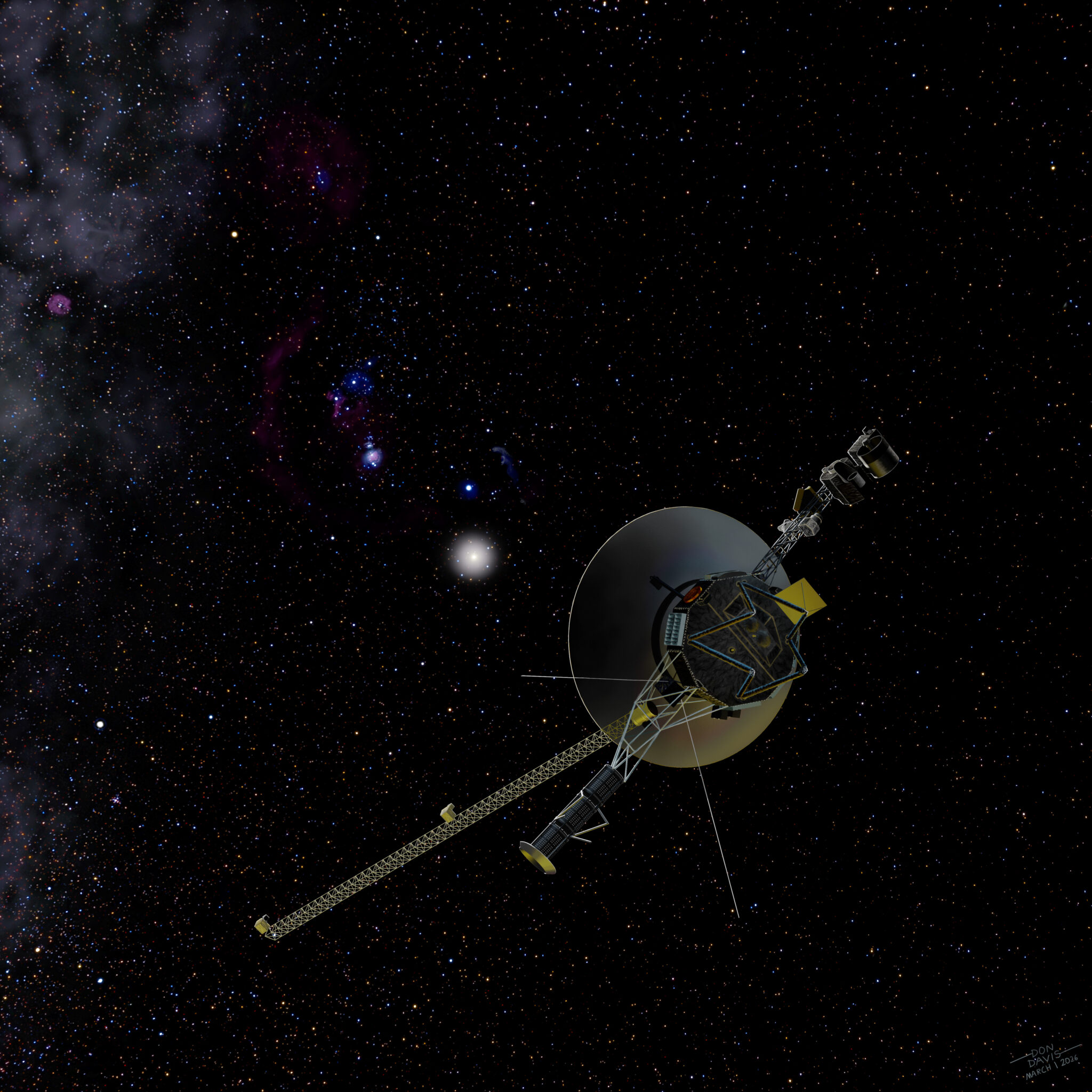
The Planetary Society commissioned space artist Don Davis to create an illustration as part of the celebration of this milestone and released his digital painting during a virtual event yesterday evening.
Voyagers 1 and 2 will celebrate their 50th anniversaries next year. Voyager 1 was on a fast path to Jupiter and Saturn while Voyager 2 was on a longer, slower path to visit all four outer planets, so Voyager 2 actually launched first on August 20, 1977, with Voyager 1 on September 5.
Although they will continue out into the galaxy perpetually, communications are expected to end about 2029 for Voyager 1 and 2031 for Voyager 2 as their power sources degrade. They use Radioisotope Thermal Generators (RTGs) that lose about 4 watts of electrical power per year.
Both Voyagers have “Golden Records” aboard, with sounds, music, spoken greetings, and encoded images of Earth that were curated by a committee chaired by famed astronomer Carl Sagan and Ann Druyan, later his wife. During yesterday’s Planetary Society event, Suzanne Dodd, Voyager project manager, and Linda Spilker, project scientist, pointed out that “even when it stops communicating with us, it’s still got that Golden Record on it, and that’s going to go out and circle around the center of our Milky Way galaxy for a billion years or more.”
Citations
- NATO STARLIFT starts with Canada, South Korea among funders — spaceq.ca
- Vulcan failure investigation focuses on ‘inadequate fuel supply’ to booster engines — spaceflightnow.com
- Voyager 1 Reaches New Milestone: One Light-Day from Earth — spacepolicyonline.com
- Voyager 1 reaches one light-day nearly 50 years after launch — nasaspaceflight.com
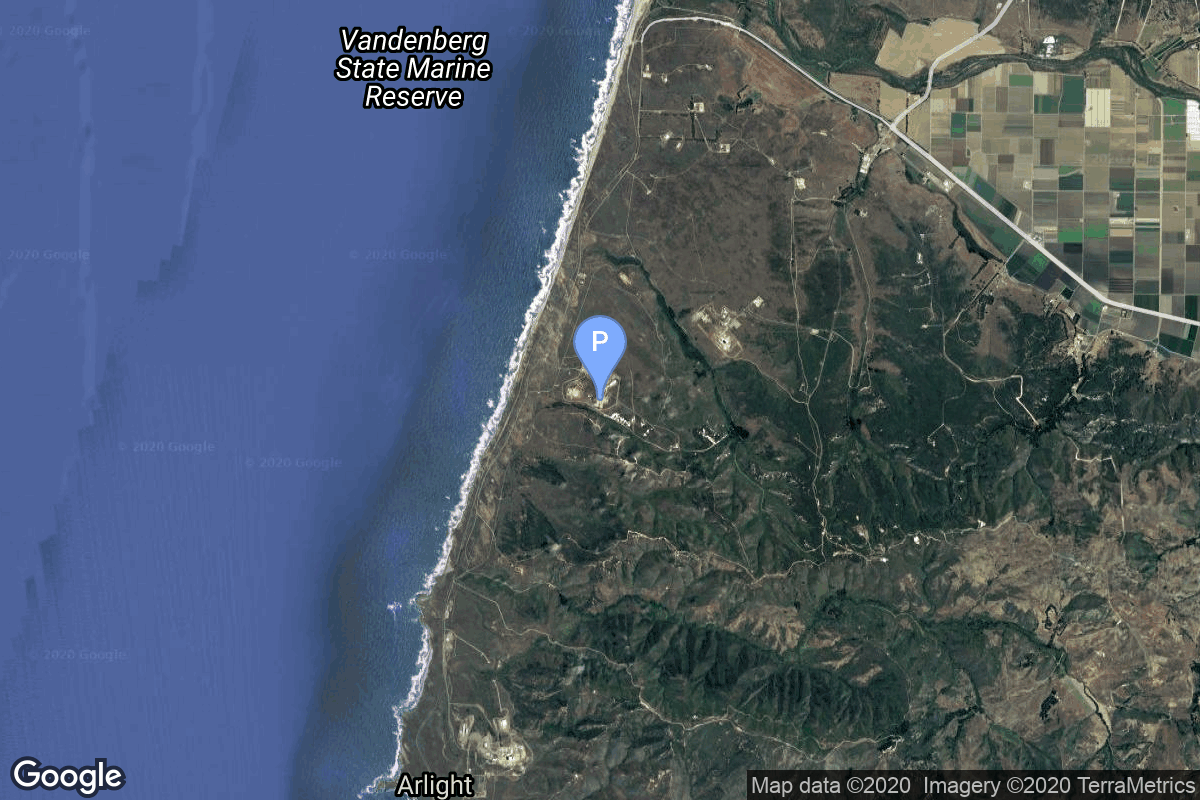
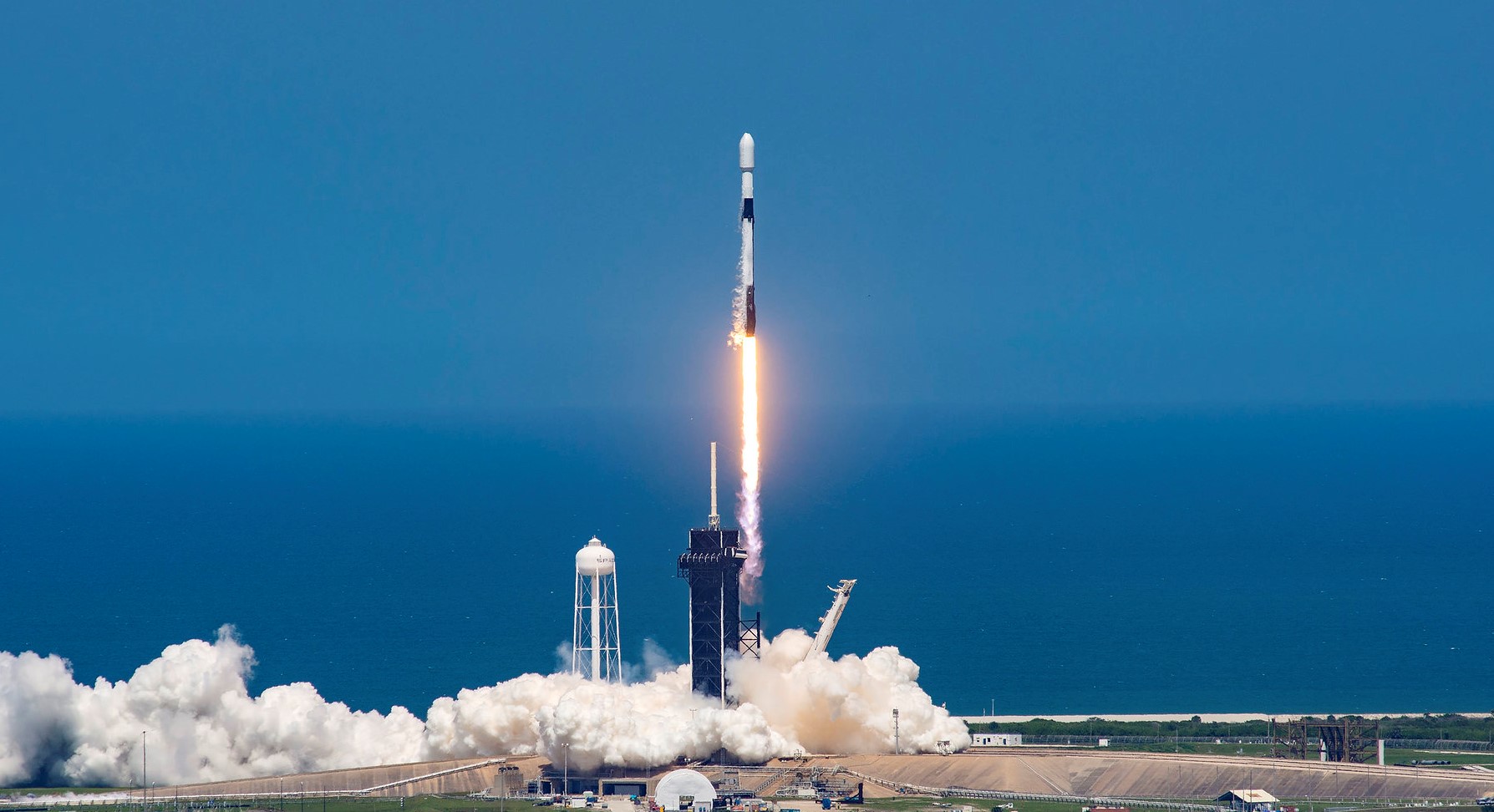
USSF-317
Provider: SpaceX
Date: November 20, 2026
Time: 4:28 AM UTC
Vehicle: Falcon 9
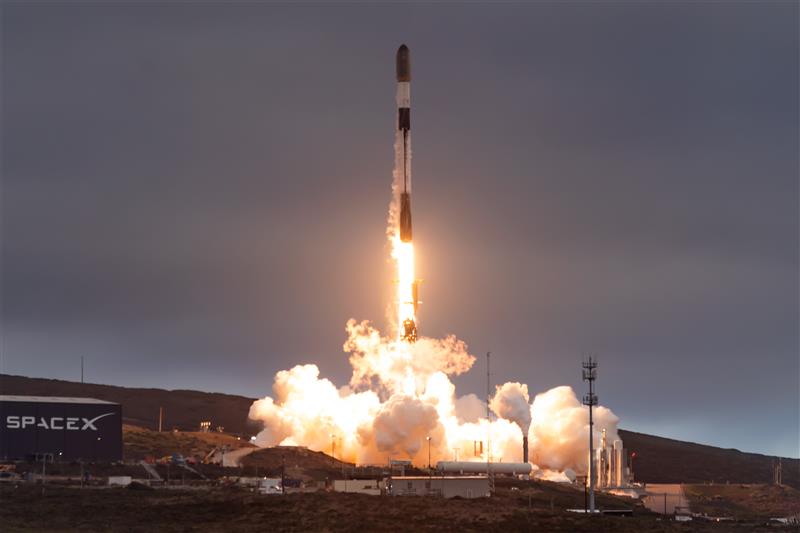
A classified mission for the United States Space Force. It is possibly a batch of classified LEO satellites based on SpaceX’s Starshield satellite bus, based on locations of rocket stage drop zones being exact fits with previous Starlink Group 15 launches.
SatNet LEO Group TBD?
Provider: China Aerospace Science and Technology Corporation
Date: November 20, 2026
Time: 11:59 AM UTC
Vehicle: Long March 8A
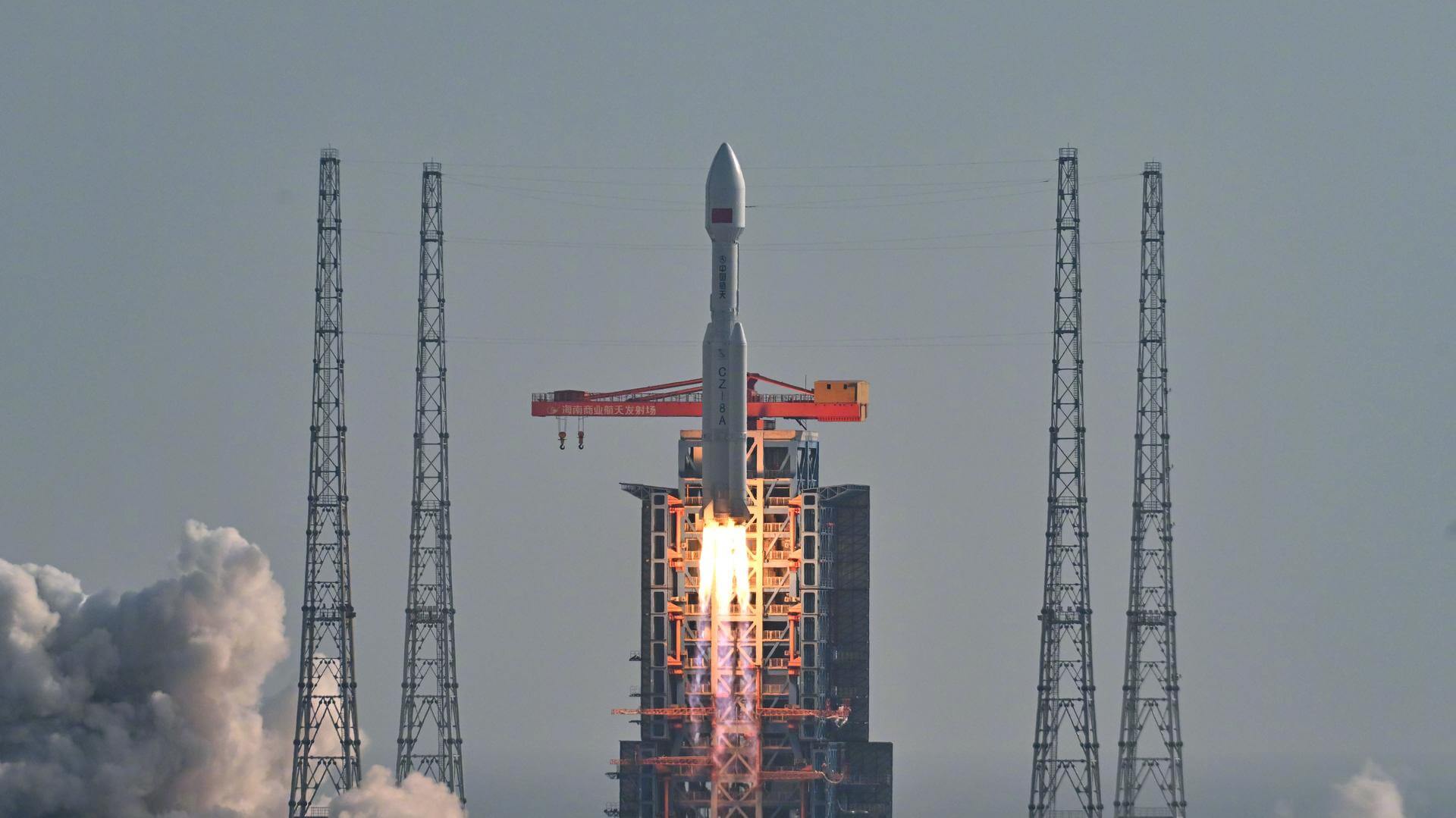
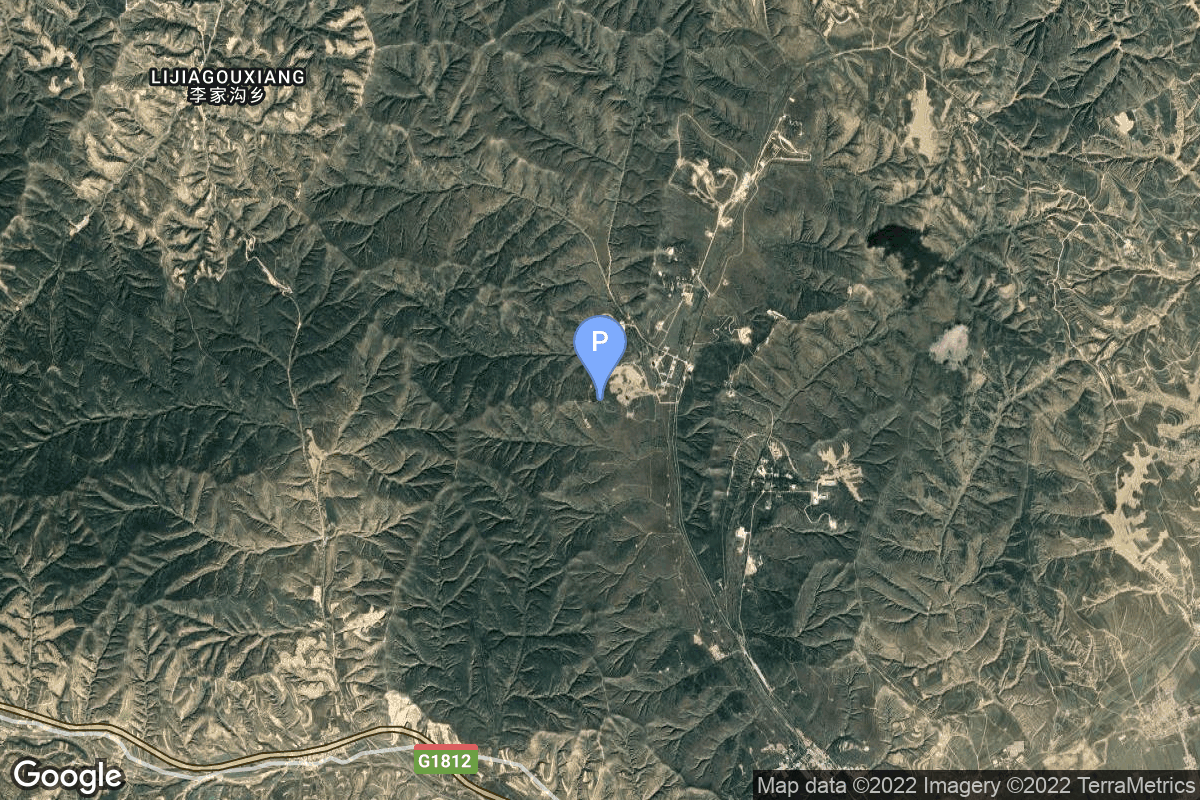
A batch of 9 Low Earth Orbit communication satellites for the Chinese state owned SatNet constellation operated by the China Satellite Network Group.
The constellation will eventually consists of 13000 satellites.
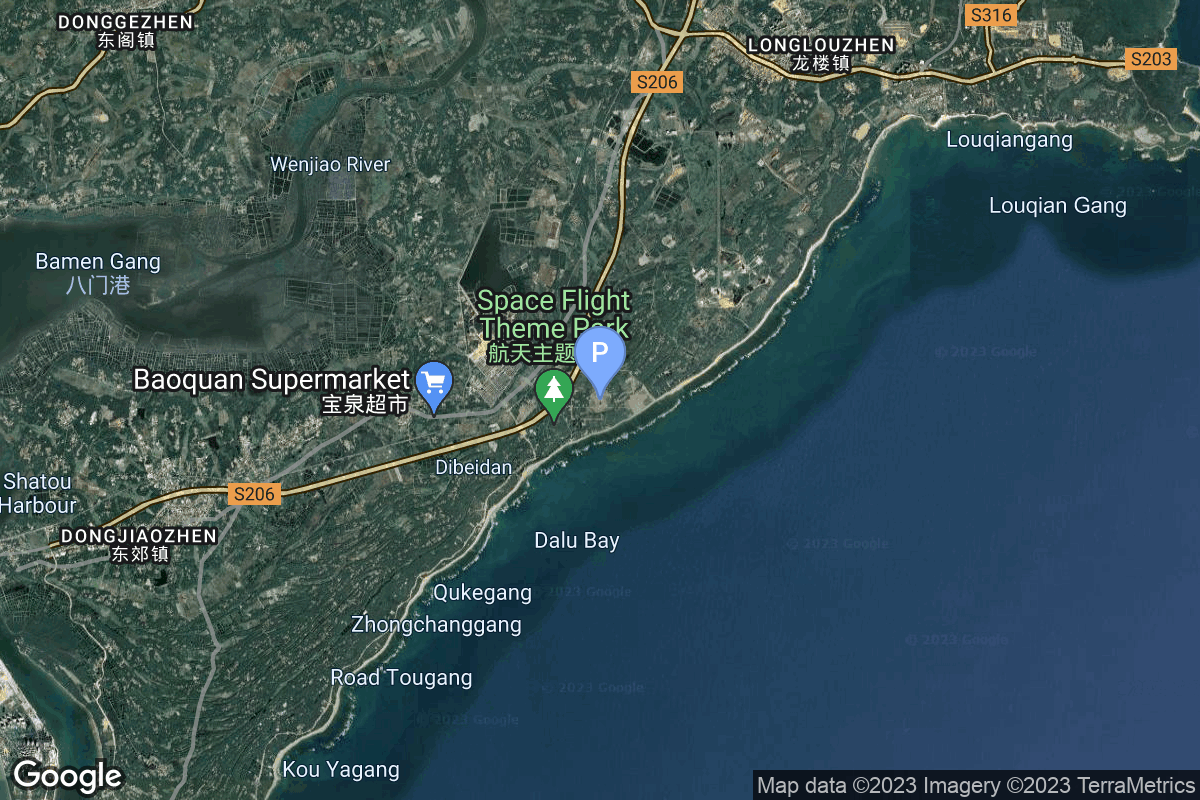
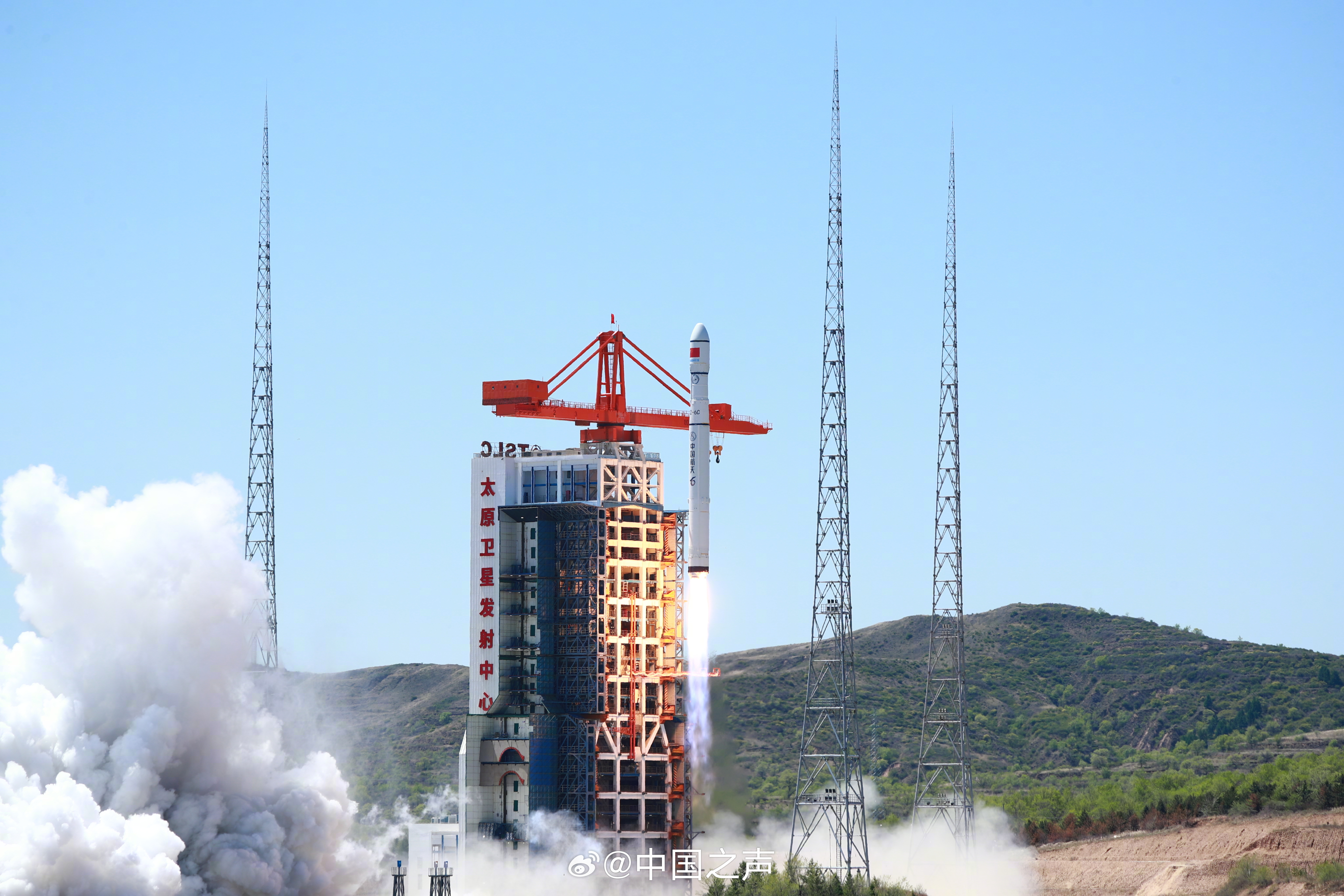
Unknown Payload
Provider: China Aerospace Science and Technology Corporation
Date: November 21, 2026
Time: 3:50 AM UTC
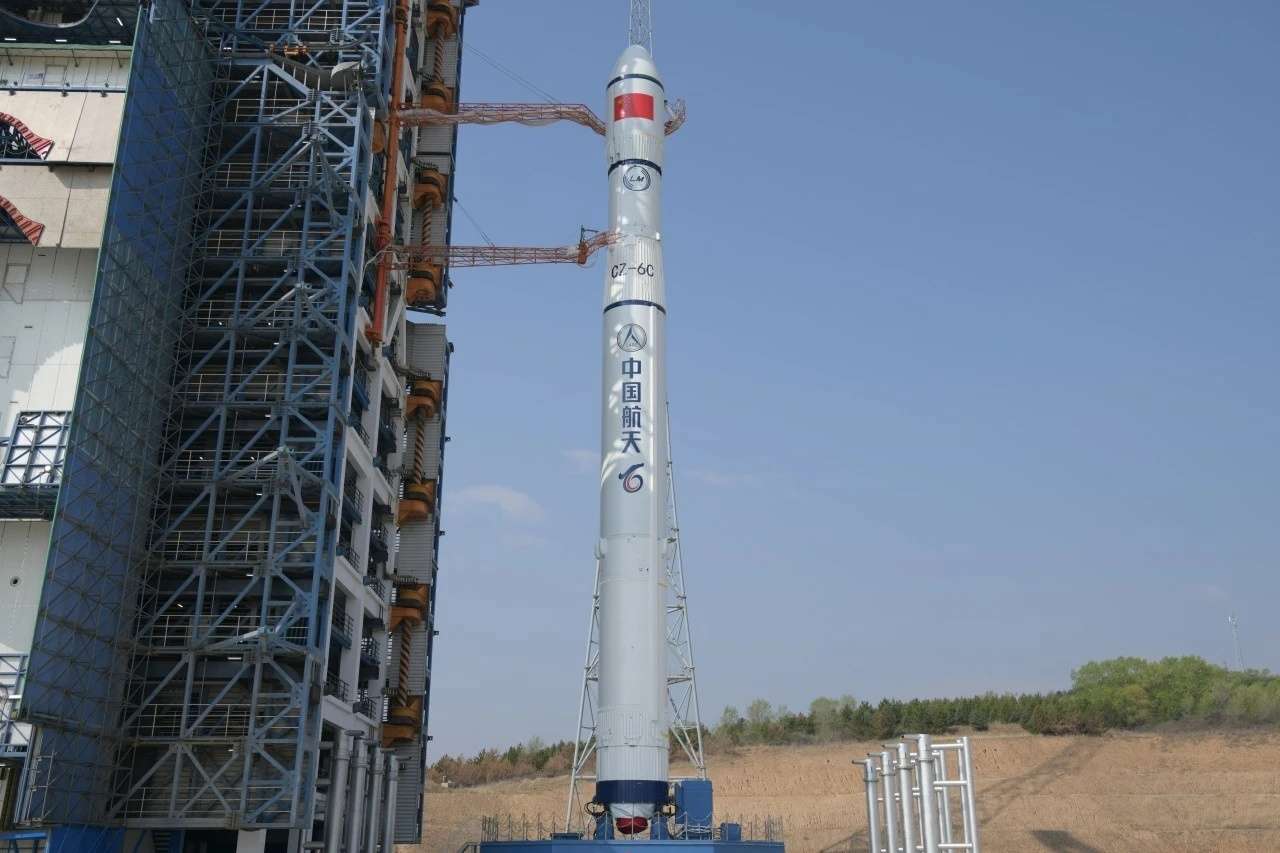
Vehicle: Long March 6C
Details TBD.
NROL-136
Provider: SpaceX
Date: November 21, 2026
Time: 12:30 PM UTC
Vehicle: Falcon 9
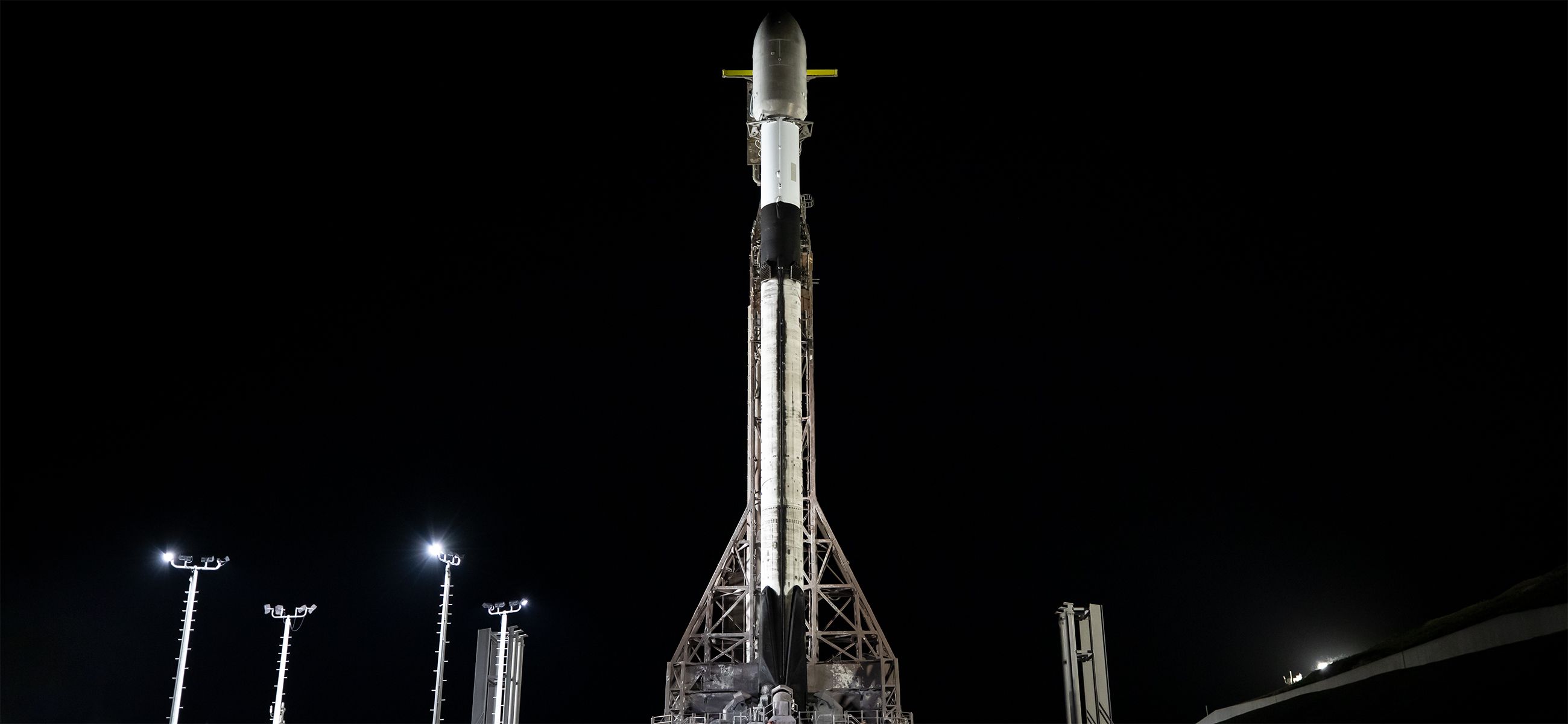
Fifteenth batch of satellites for a reconnaissance satellite constellation built by SpaceX and Northrop Grumman for the National Reconnaissance Office to provide imaging and other reconnaissance capabilities.
Amazon Leo (LE-04)
Provider: Arianespace
Date: November 23, 2026
Time: 11:09 AM UTC
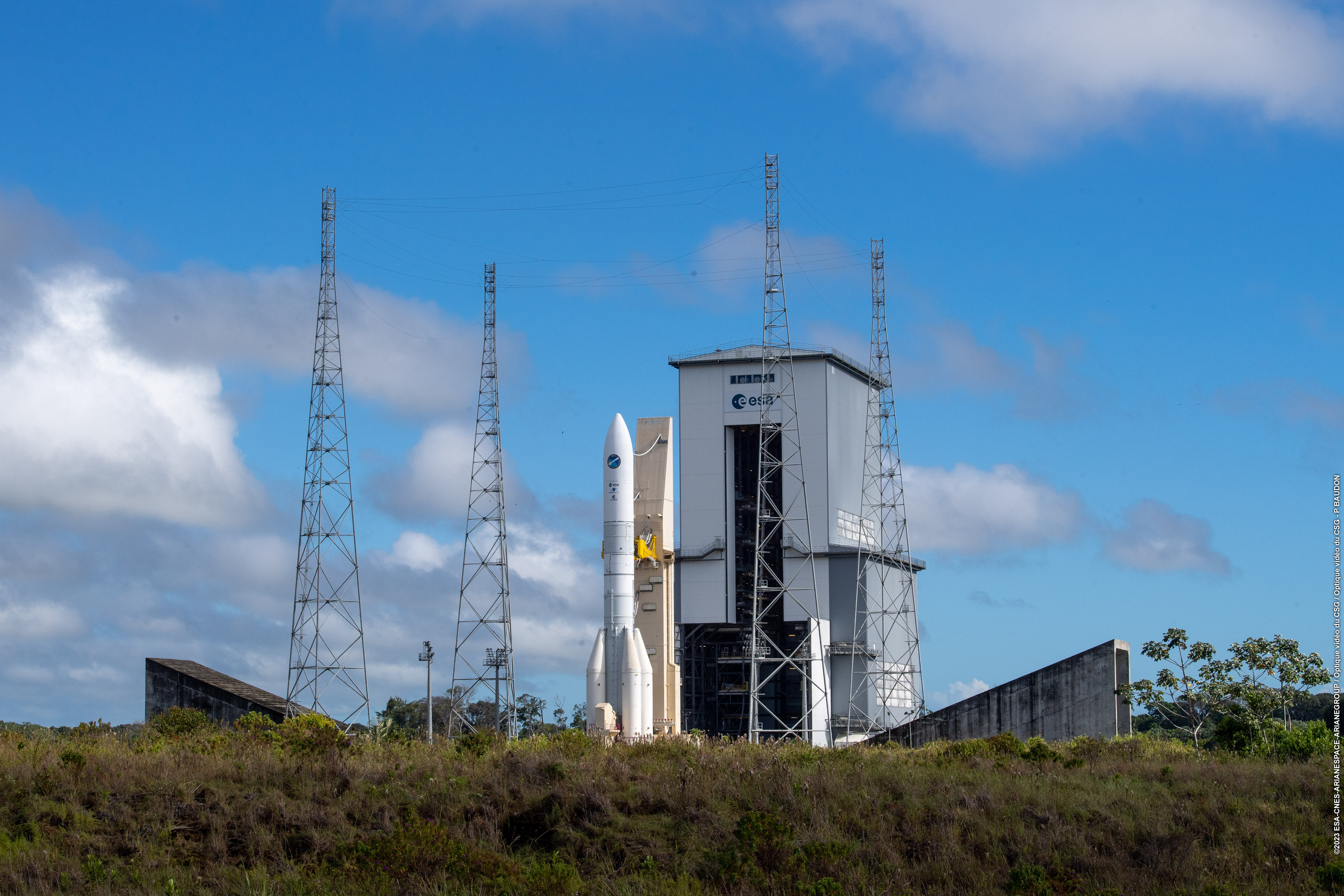
Vehicle: Ariane 64
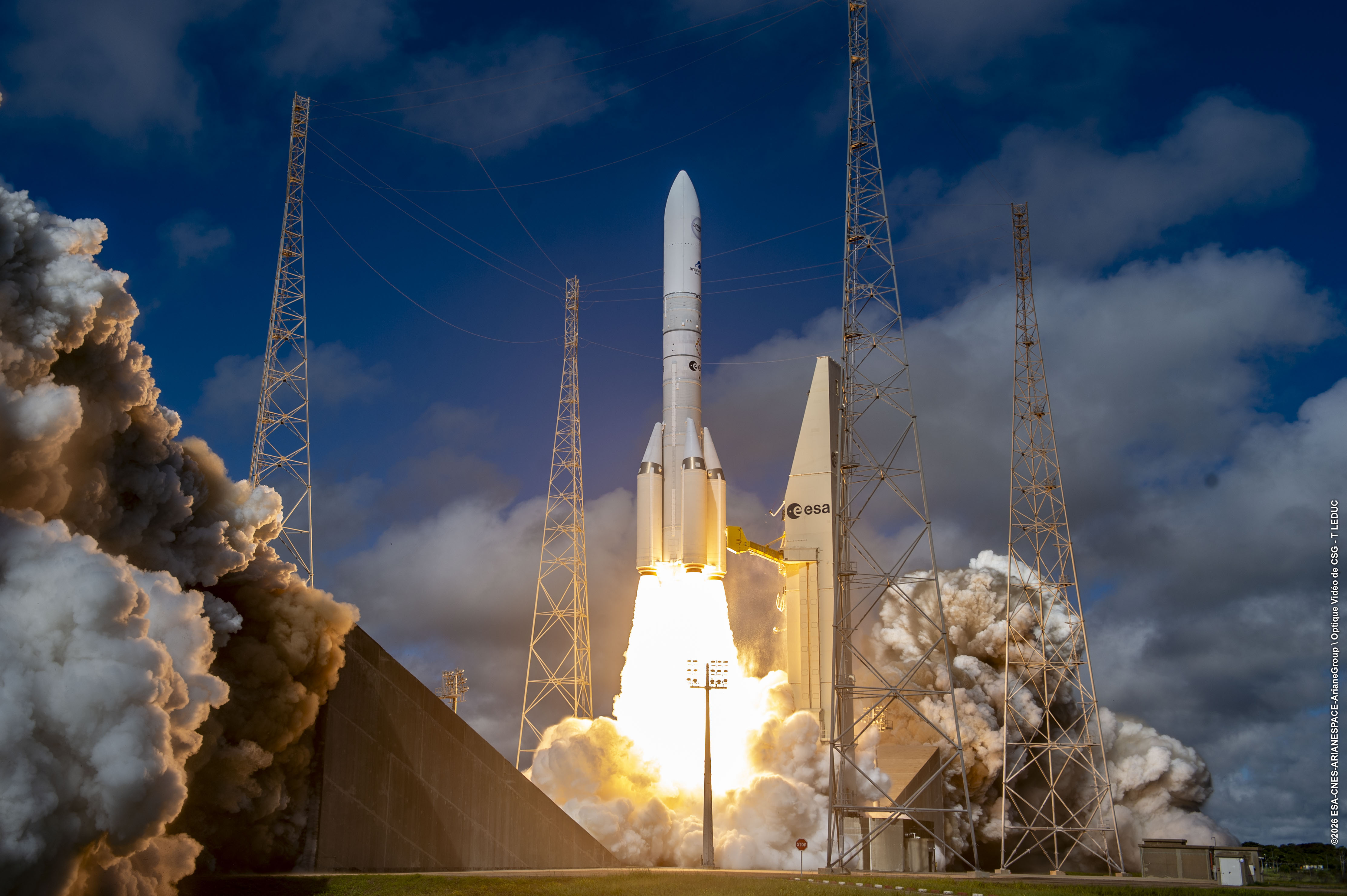
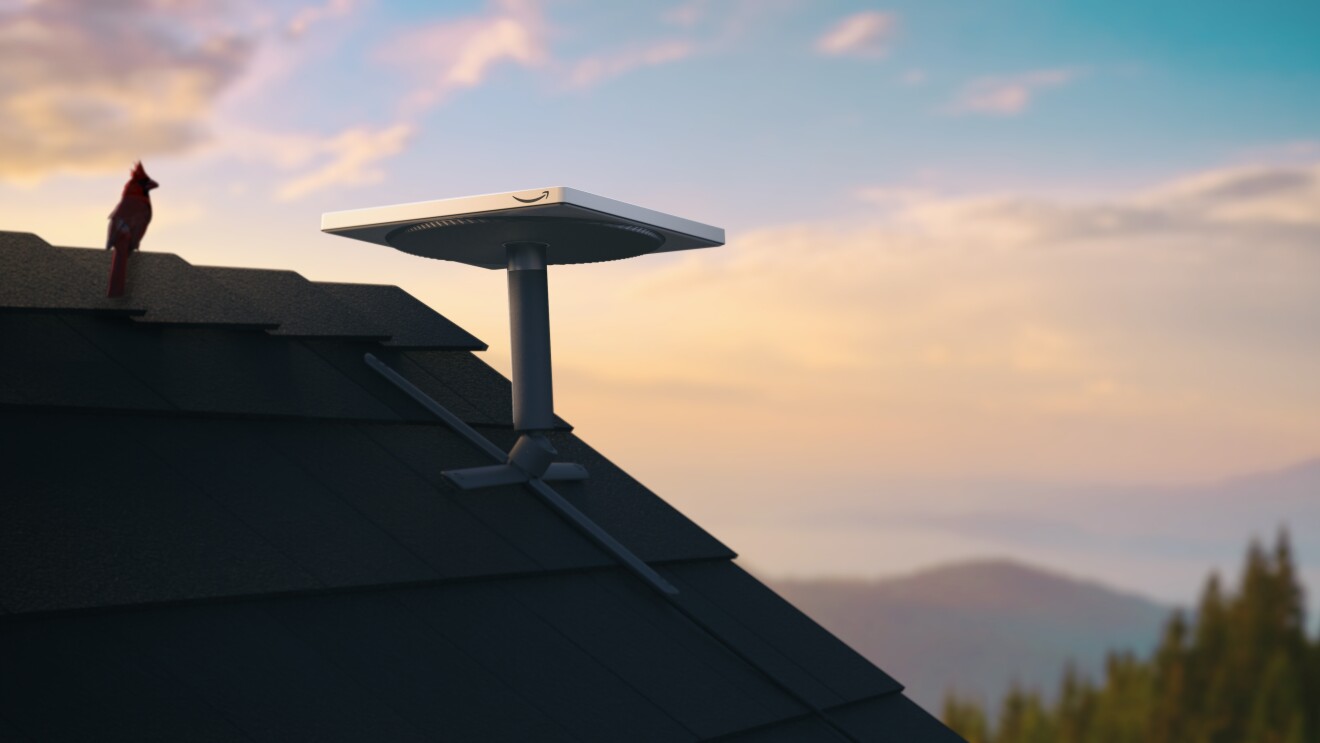
Amazon Leo, formerly known as Project Kuiper, is a mega constellation of satellites in Low Earth Orbit that will offer broadband internet access, this constellation will be managed by Kuiper Systems LLC, a subsidiary of Amazon. This constellation is planned to be composed of 3,276 satellites. The satellites are projected to be placed in 98 orbital planes in three orbital layers, one at 590 km, 610 km and 630 km altitude.
35-40 satellites will be carried on each Ariane 6 launch.


Enjoying the content? Stay up to date on everything happening behind the scenes by following our Patreon!


Leave a Reply