
Rocket Lab’s Electron reaches 100 missions
Electron Reaches 100 Launches, Fastest Commercially Developed Rocket to Milestone
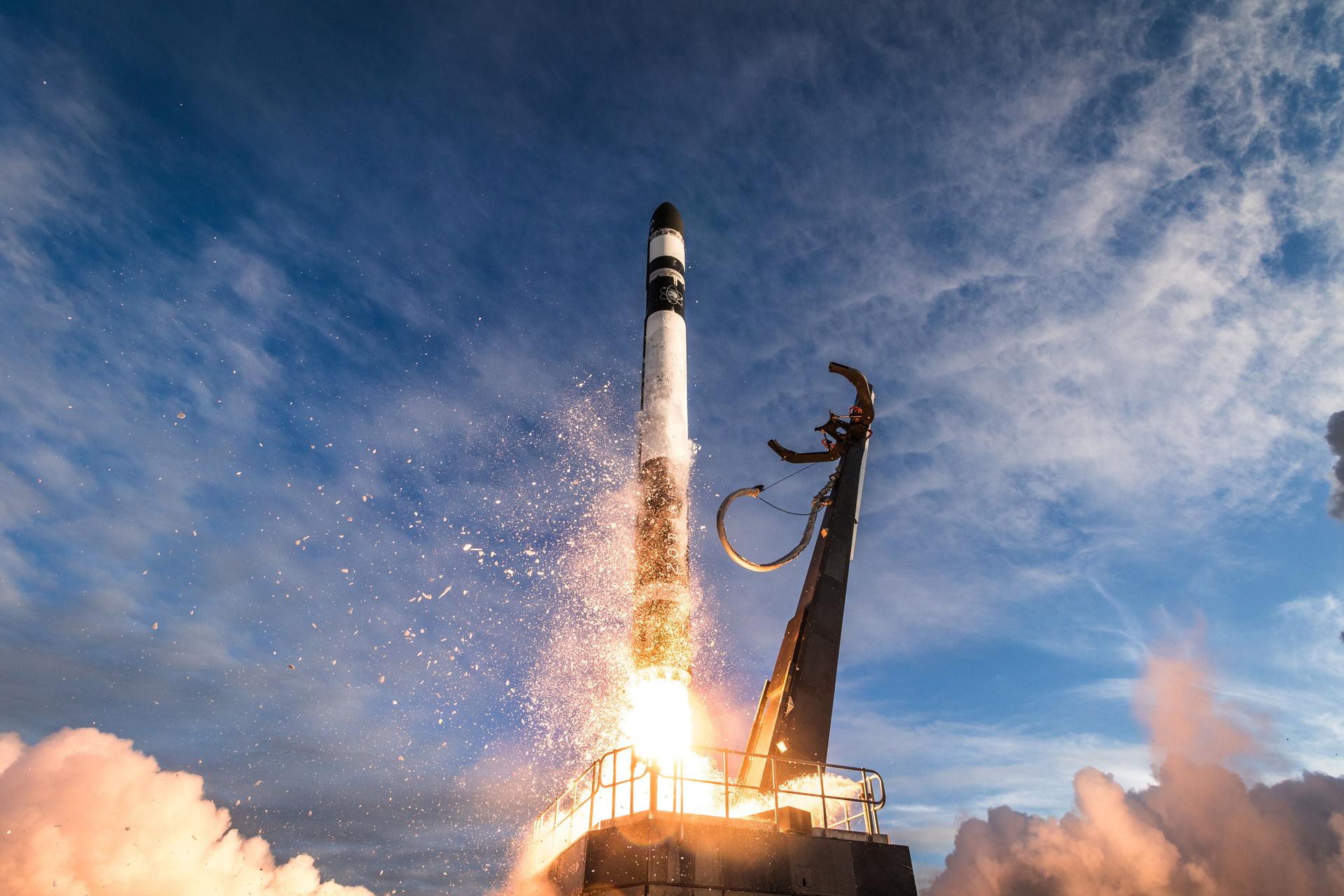
On November 14, 2026, Rocket Lab’s Electron rocket completed its 100th mission — a record for reaching the century mark faster than any other commercially developed rocket. The workhorse small-lift vehicle launched from Launch Complex 1 on New Zealand’s Māhia Peninsula at 05:30 UTC, deploying the YAMATSUMI-II synthetic aperture radar satellite to a 575-kilometre low-Earth orbit for the Institute for Q-shu Pioneers of Space, Inc. (iQPS). It marked Rocket Lab’s 11th Electron flight for iQPS, all with mission success since 2023.
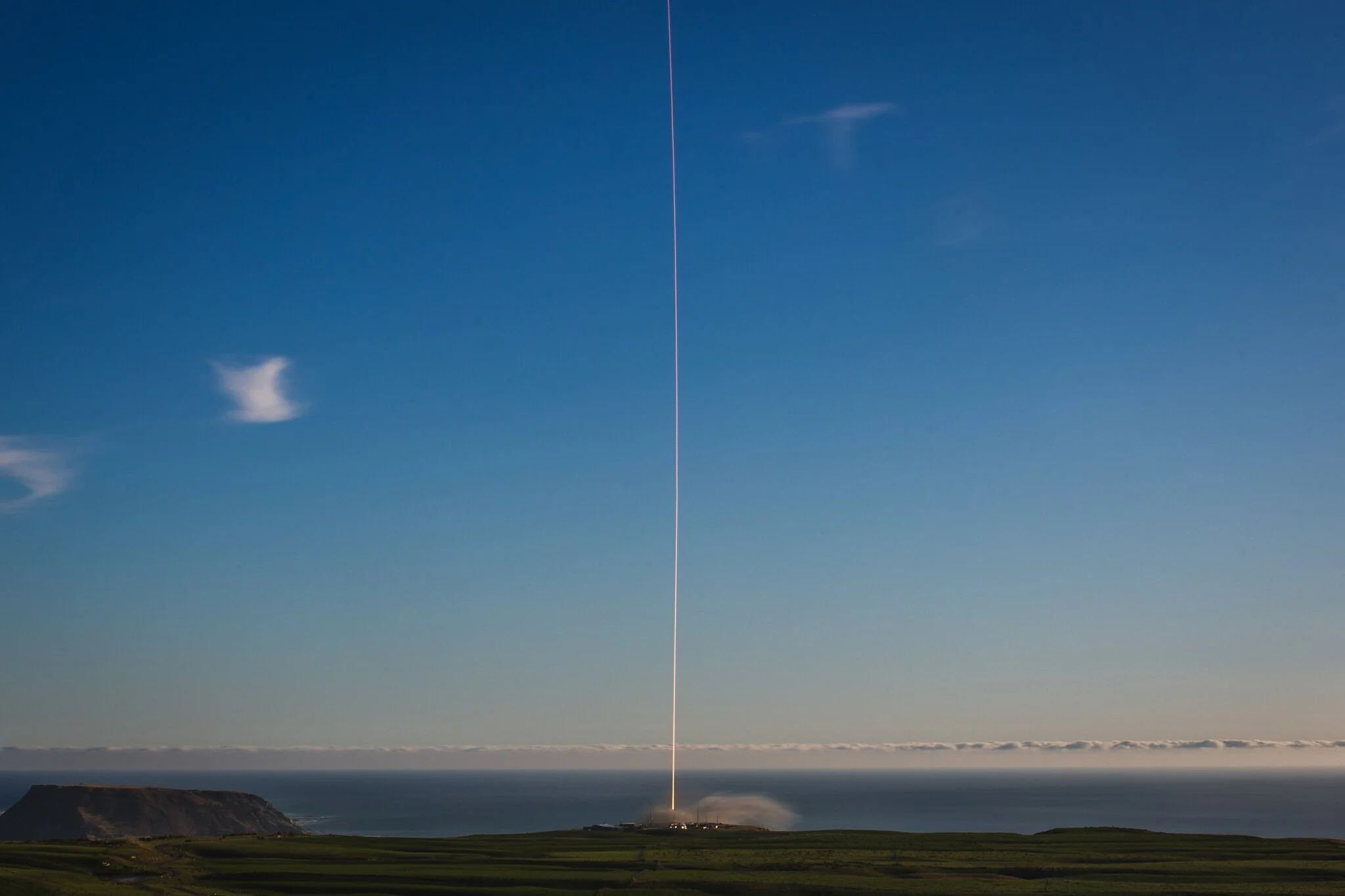
Since its first flight in May 2017—which failed due to a ground-based tracking issue but led to orbital success in January 2018 with the “Still Testing” mission—Electron has evolved from a carbon-composite launcher into a production vehicle rolling off the factory floor every eight days. The rocket now boasts a 96% reliability rate across both orbital and suborbital Hypersonic Accelerator Suborbital Test Electron (HASTE) missions, with another 100 launches already manifested.
Reaching the 100-launch milestone in under a decade reflects the relentless dedication of its team. Rocket Lab founder and CEO Sir Peter Beck emphasised that “Few rockets reach 100 launches in their total operational lifetime. Not only has Electron now reached 100 launches, but it reached the milestone faster than any other commercially developed rocket.”
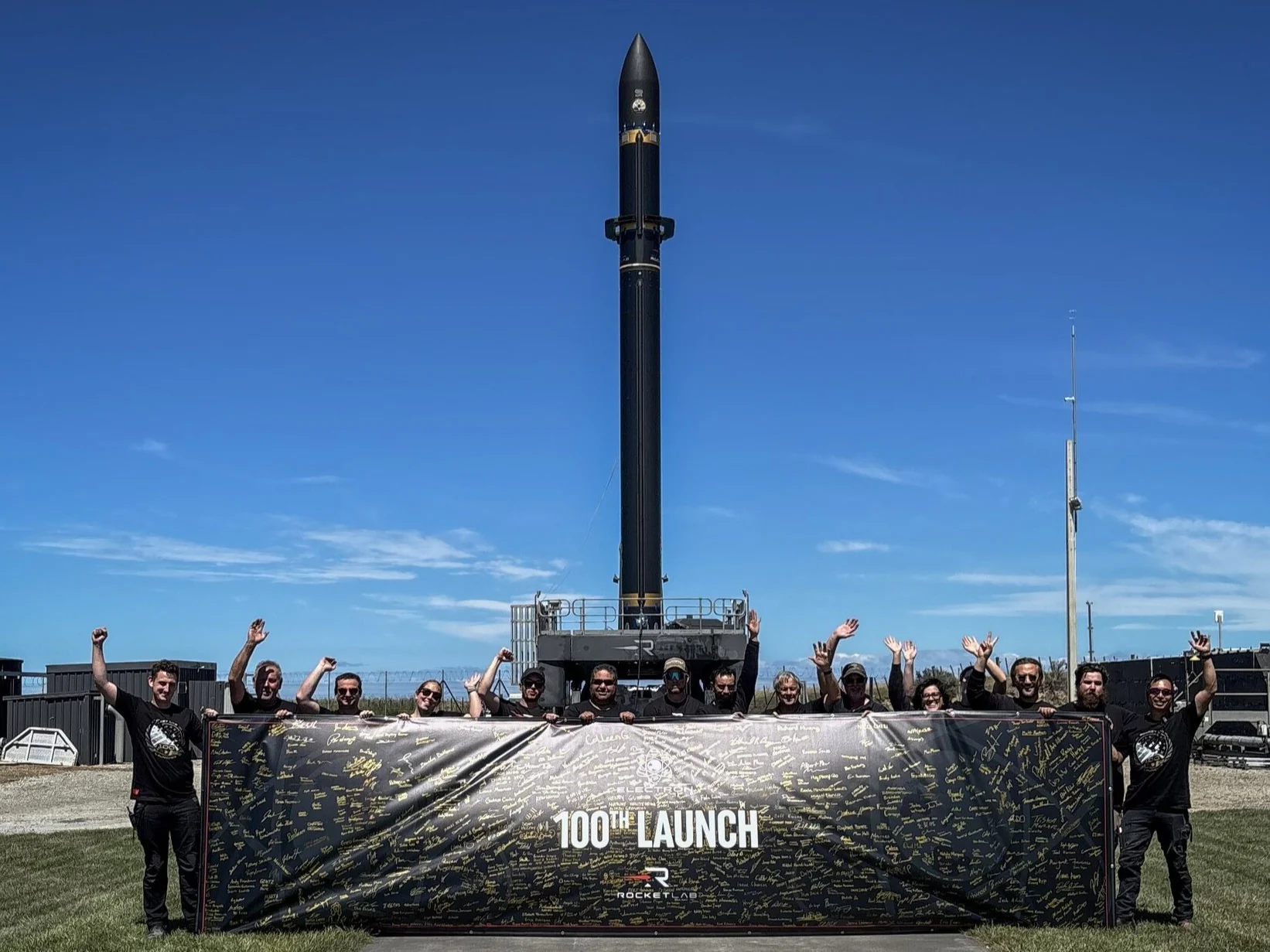
The team that achieved this milestone includes personnel like Shaun D’Mello, now Vice President of Neutron, who selected the remote Māhia site after running trajectories and determining “there is no better place in all of New Zealand or the majority of the planet.” Early operations ran from shipping containers. The first flight in 2017 came down to launch control decisions made in seconds: when a leak appeared in the ignition system minutes before liftoff, the team worked frantically to proceed. Across 100 missions, mission controllers, engineers, and team members—including broadcaster Murielle Baker, the voice of Rocket Lab’s launch webcasts across more than 90 launches, and Max Prescott, who now runs the floor that completes an Electron every eight days—have sustained the cadence.
Neutron Bookings Surge Across Constellation Operators
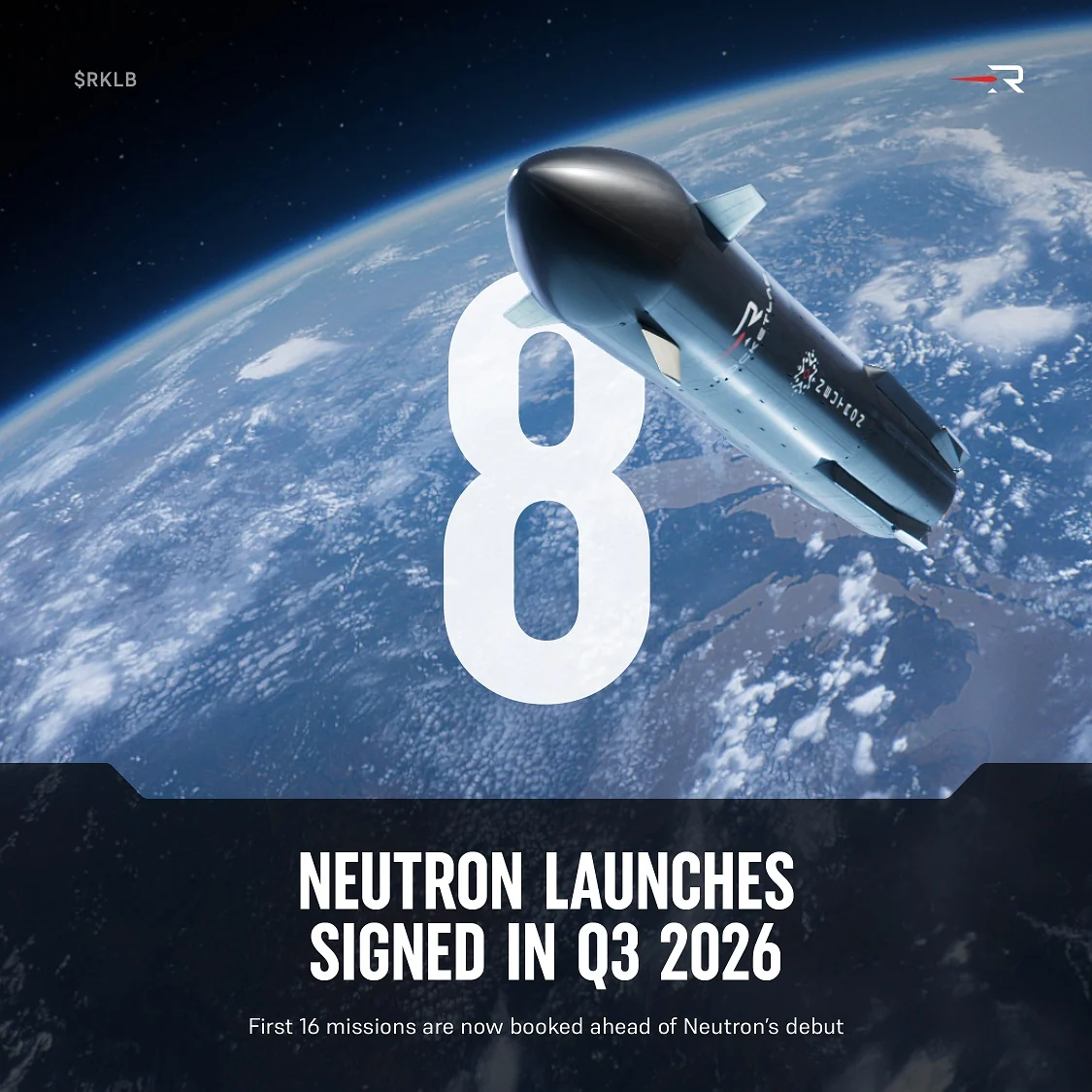
Rocket Lab’s medium-lift Neutron vehicle is rapidly establishing itself as the backbone of next-generation constellation deployment. In Q3 2026 alone, the company signed eight new Neutron missions totalling more than $515 million—a surge that grew the mission manifest to 16 launches and pushed the base price from $55 million to $70 million per flight, reflecting strong customer demand amid tightening launch availability across the industry.
The Q3 customers include ICEYE, a European synthetic aperture radar constellation operator, booking three dedicated Neutron launches beginning late 2028; Muon Space, a US satellite manufacturer, booking two launches in 2029 and 2030; Starcloud, a US company planning data centres in space, booking one launch in 2029; Kepler Communications, a Canadian satellite communications provider, booking one dedicated Neutron launch; and the United States Space Force, under the Space-Based Airborne Moving Target Indicator (SB-AMTI) program, booking one launch. Neutron is designed to deliver up to 13,000 kilograms to low-Earth orbit and is scheduled to debut in 2027.
ESCAPADE Twin Spacecraft Set Course for Mars
The twin spacecraft that Rocket Lab designed and built for NASA and UC Berkeley’s Space Sciences Laboratory have completed their trans-Mars injection burns, putting Blue and Gold on course for the Red Planet in 2027. On November 7 and 9, 2026, the two satellites each executed a single, continuous engine burn of approximately ten minutes during Earth gravity-assist flybys. The autonomous manoeuvres achieved greater than 99% overall accuracy with a final attitude error of less than 1 degree—a demanding test of the Explorer-class platform that marks a key milestone on the path to Mars orbit insertion.
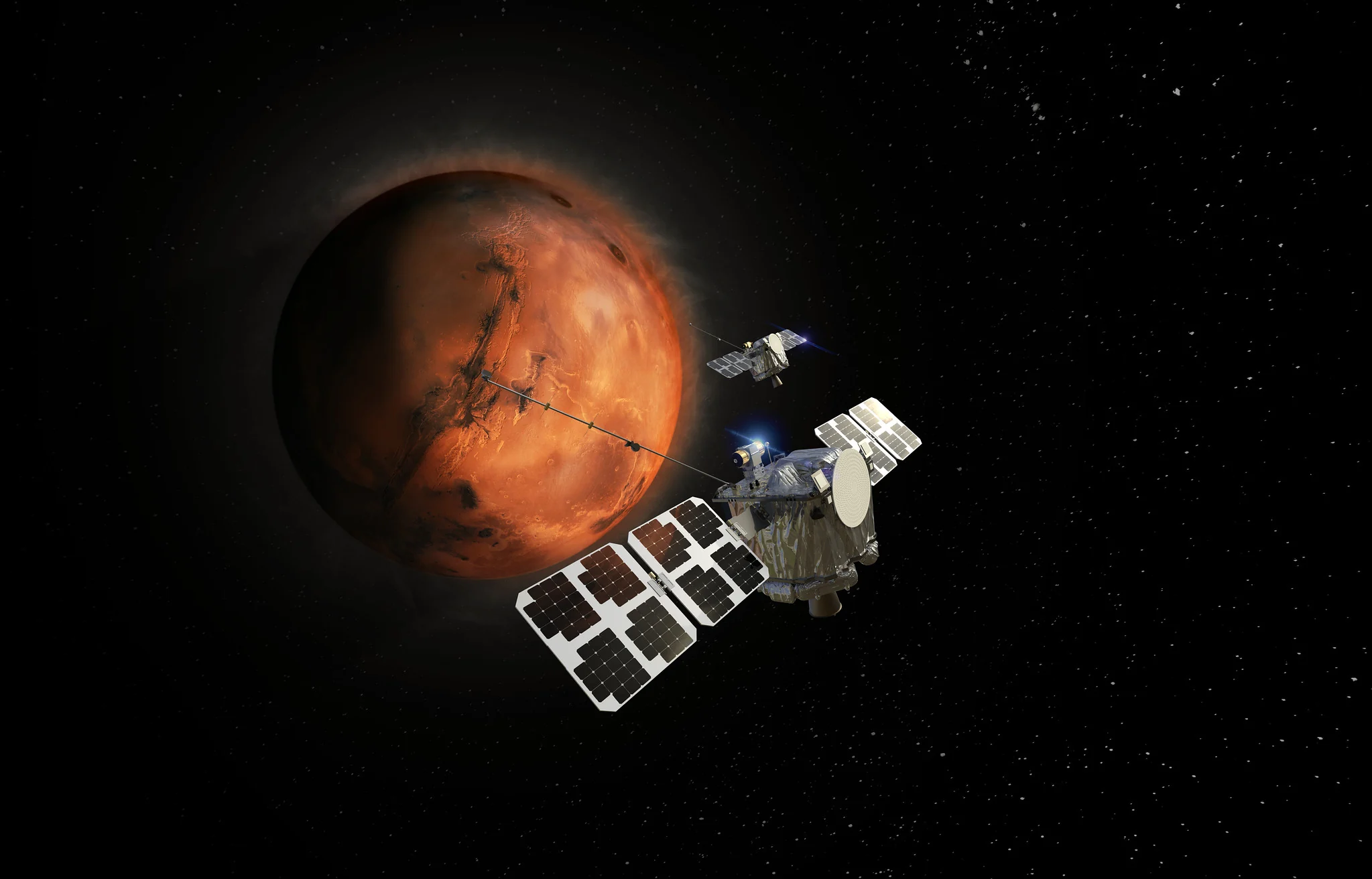
Once at Mars, Blue and Gold will work in tandem to measure how the solar wind strips ions from the planet’s upper atmosphere as part of the Escape and Plasma Acceleration and Dynamics Explorers (ESCAPADE) mission. The data will help scientists reconstruct Mars’ atmospheric escape history and inform planning for future human exploration.
Rocket Lab Robotics Walking Arm Advances Toward First On-Orbit Test
Rocket Lab’s walking robotic arm—developed through the company’s acquisition of Motiv Space Systems in May 2026—is preparing to make its debut during NASA’s Fly Foundational Robots (FFR) mission, set to launch in late 2027. Unlike traditional fixed robotic arms, this system is designed to move autonomously across spacecraft and operate in zero or partial gravity, performing critical tasks like repairs, upgrades, and assembly.
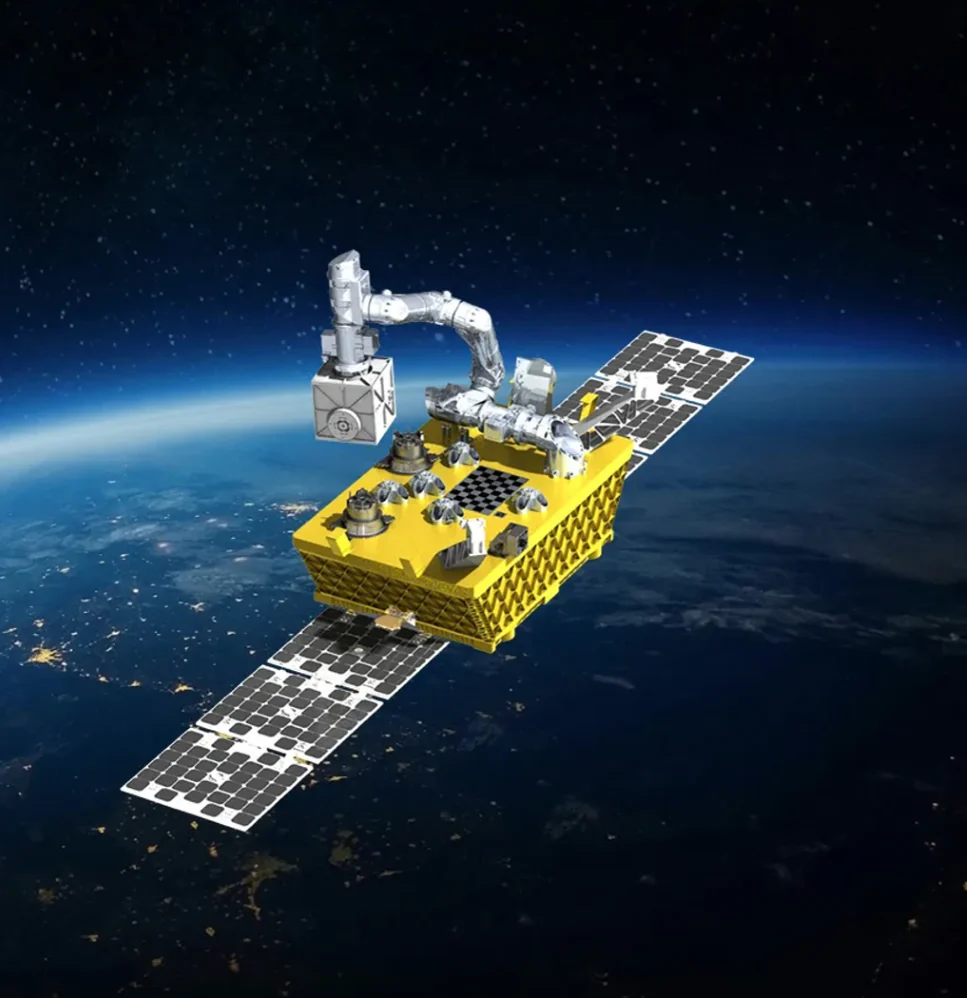
Funded through NASA’s Small Business Innovation Research (SBIR) program, the arm will aim to validate its ability to install a modular Orbital Replacement Unit while in orbit—a milestone that, if successful, could open the door to autonomous in-space servicing, assembly, and manufacturing. During FFR, NASA engineers will control the arm as the inaugural “Guest Roboticist,” with plans to invite future operators from industry, academia, and government agencies. The mission also includes docking mechanisms to support rendezvous operations with future spacecraft carrying additional payloads, opening the door to follow-on missions involving orbital infrastructure and deep-space exploration support.
Archimedes Engine Production Ramping for Neutron
Rocket Lab’s Long Beach Engine Development Center has been set up to be capable of building and shipping one Archimedes engine every eight days, matching the pace of Electron vehicle assembly. Once final development testing is complete and a final qualification configuration is selected, the facility will begin delivering engines at that rate to the stand for flight acceptance testing—a key step in ramping Neutron production ahead of its 2027 debut.
Citations
- Rocket Lab’s Electron completes 100th mission, Neutron progresses toward debut mission — nasaspaceflight.com
- Rocket Lab Hits 100 Electron Launches, Fastest Commercial Rocket to Reach the Milestone — rocketlabcorp.com
- ‘Trust Me, It’s Gonna Take Off’: Inside Electron’s First 100 Launches — rocketlabcorp.com
- Rocket Lab Lands Over $515M in Neutron Launch Deals from Constellation Operators in Q3 — rocketlabcorp.com
- Twin Satellites Built by Rocket Lab for NASA’s ESCAPADE Mission Complete Successful Trans-Mars Injection Burns — rocketlabcorp.com
- A Robotic Arm That Can Walk Across Spacecraft? Rocket Lab Built It — rocketlabcorp.com
- Rocket Lab Official X Account (tweets-rocket_lab) — x.com
StriX Launch 14
Provider: Rocket Lab
Date: November 30, 2026
Time: 12:00 AM UTC
Vehicle: Electron
Synthetic aperture radar satellite for Japanese Earth imaging company Synspective.
BlackSky Gen-3 6
Provider: Rocket Lab
Date: December 31, 2026
Time: 12:00 AM UTC
Vehicle: Electron
BlackSky Gen-3 Earth-imaging satellites
BlackSky Gen-3 7
Provider: Rocket Lab
Date: December 31, 2026
Time: 12:00 AM UTC
Vehicle: Electron
BlackSky Gen-3 Earth-imaging satellites
iQPS Launch 11
Provider: Rocket Lab
Date: December 31, 2026
Time: 12:00 AM UTC
Vehicle: Electron
Synthetic aperture radar Earth observation satellite for Japanese Earth imaging company iQPS.
LOXSAT 1
Provider: Rocket Lab
Date: December 31, 2026
Time: 12:00 AM UTC
Vehicle: Electron
LOXSAT 1 is a demonstration satellite of a complete cryogenic oxygen fluid management system in orbit, developed by Eta Space and sponsored by NASA’s Tipping Point program.
The system will be integrated on a Rocket Lab Photon-LEO satellite bus and collect critical cryogenic fluid management data in orbit for 9 months, demonstrating capabilities of in-space cryogenic storage and transferal. Eta Space plans to use technology developed for this mission to develop a truly commercial depot intended to serve multiple customers in the future.


Enjoying the content? Stay up to date on everything happening behind the scenes by following our Patreon!


Leave a Reply