Vyoma to Fly Tracking Sensors on Kepler’s Next-Generation Satellites
Munich-based Vyoma signed an agreement Tuesday with Toronto’s Kepler Communications to fly its space-tracking sensors on 10 of Kepler’s next-generation relay satellites, due to launch no earlier than October 2028.
The Flamingo Hosted Payloads will ride on Kepler’s Tranche 2 satellites, the next generation of an optical data relay network that moves data between spacecraft and down to the ground by laser. Kepler launched its first 10 relay satellites in January and started commercial service in August. Vyoma’s group of 10 satellites is on a dedicated rocket; another 10 will fly on a SpaceX Falcon 9 in mid-2028 that Maverick Space Systems booked in September. Neither company disclosed what Vyoma will pay for the hosted payloads.
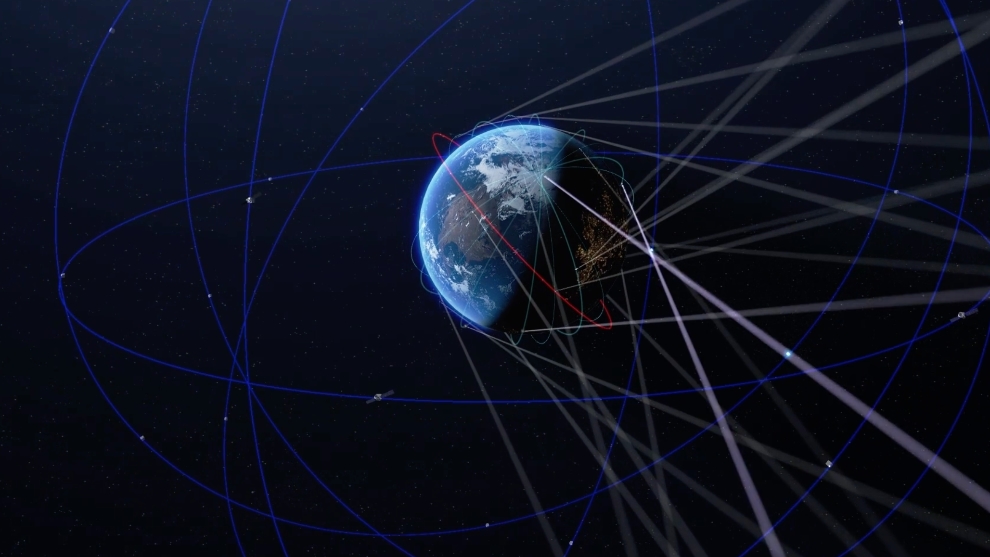
Vyoma works in space domain awareness, tracking satellites, debris and other objects in orbit. From a dusk-dawn orbit, the sensors will act as a “space fence,” spotting objects in low Earth orbit several times a day and sending images to customers through Kepler’s network in near real time. Vyoma said the data will also feed its own catalogue of space objects, which it plans to start selling in early 2029.
Polish optics maker Scanway, building the sensors’ telescopes with Vyoma, said its contract covers at least 14 telescopes and is worth at least $6 million (€3.7 million), with an option for 10 more that would lift it to about $8 million.
The deal follows an April award under the European Space Agency’s High-throughput Optical Network (HydRON) program, in which Kepler won a $30.1 million prime contract for a hosted-payload mission whose single satellite will carry two Vyoma sensors. Montreal-based NorthStar Earth & Space agreed in August to put its own optical tracking sensors on Kepler satellites, putting the two companies on the same network selling similar data.
ULA Suspects Low Booster Performance in Vulcan’s First Failure
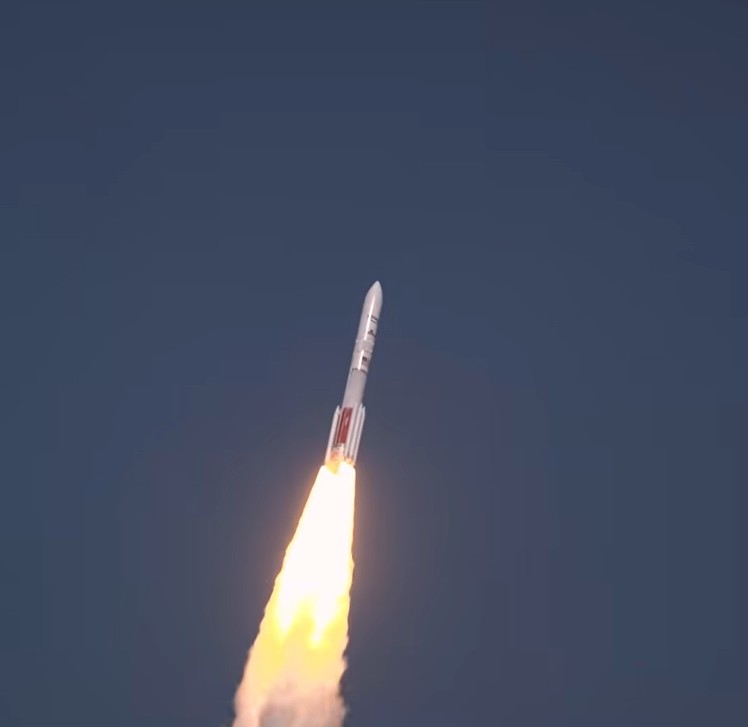
United Launch Alliance said Tuesday that low performance of its first stage booster is suspected of causing the failure of Vulcan Leo 1 on Sunday, Nov. 15. It was the first launch failure in ULA’s 30-year history.
Vulcan was launching 40 satellites for Amazon’s satellite internet constellation Amazon Leo. Sunday’s liftoff at 12:40:30 pm ET appeared nominal at first. The Solid Rocket Boosters on the side of the core stage, which had malfunctioned on two prior Vulcan launches, appeared to perform perfectly this time. But as the launch progressed, the rocket’s altitude was not ascending to orbital altitude more than nine minutes into the flight, and a “live data” notation on ULA’s webcast changed to “no data.”
ULA ended its webcast and at 1:30 pm ET announced that an anomaly occurred 10 minutes into flight and the satellites were not delivered to orbit. On Tuesday, ULA provided more detail: “early indications are that just after liftoff the launch vehicle experienced low booster performance, resulting in stage separation occurring when the vehicle was low in altitude and below minimal velocity to reach orbit.”
ULA said the Vulcan second stage appeared to have started nominally and the RL10 engines were operating as planned, but the second stage was unable to recover from the performance loss. All indications are that the solid rocket booster performance was nominal, following nozzle improvements implemented for this launch.
Vulcan’s core stage is powered by two BE-4 liquid methane/liquid oxygen engines built by Blue Origin. In May, a New Glenn rocket exploded on its launch pad during a pre-launch test. ULA President Mark Peller told Aviation Week & Space Technology in an interview prior to Sunday’s launch that the explosion was traced to a BE-4 main oxidizer valve common to the BE-4s on Vulcan, and changes were subsequently made for this flight. The cause of Vulcan’s failure has not been determined yet. The FAA will oversee the ULA-led investigation and approve ULA’s final report, including any corrective actions.
NorthStar Posts First Profit as Public Company, Set to Debut on TSX
NorthStar Earth & Space earned a profit of $7.7 million in the third quarter, its first results since going public, with about 98 per cent of its revenue coming from one customer: the Royal Canadian Air Force’s 3 Canadian Space Division. The company said its shares will start trading on the Toronto Stock Exchange today, Wednesday, Nov. 18, under the same NSTR symbol it uses in New York.
Revenue for the three months to Sept. 30 rose to $17.2 million from $1.4 million a year earlier. Almost all of the increase came from the 3 CSD contract NorthStar announced in June. The quarter covers NorthStar before its Oct. 1 merger with Viking Acquisition Corp. I, a special purpose acquisition company listed in New York. Operating income was $10.4 million, against a loss of $3.1 million a year before.
Founder and chief executive Stewart Bain likened the service to air traffic control on the Nov. 12 earnings call. “Every launch and every satellite adds to what must be tracked and protected,” he said. Chief technology officer Peter Klimas gave an example: when a Russian Kosmos military satellite closed in on a commercial radar satellite owned by ICEYE in October, NorthStar captured images of both about two and a half days before their closest approach, while the Kosmos was still just over 200 kilometres away.
NorthStar stood by its forecast of $41 million in revenue for 2026. Bain said the company is using its relationship with 3 CSD to access new clients within the allied community to diversify its customer base. Revenue from work done outside Canada fell 75 per cent from a year earlier in Q3, to about $356,000.
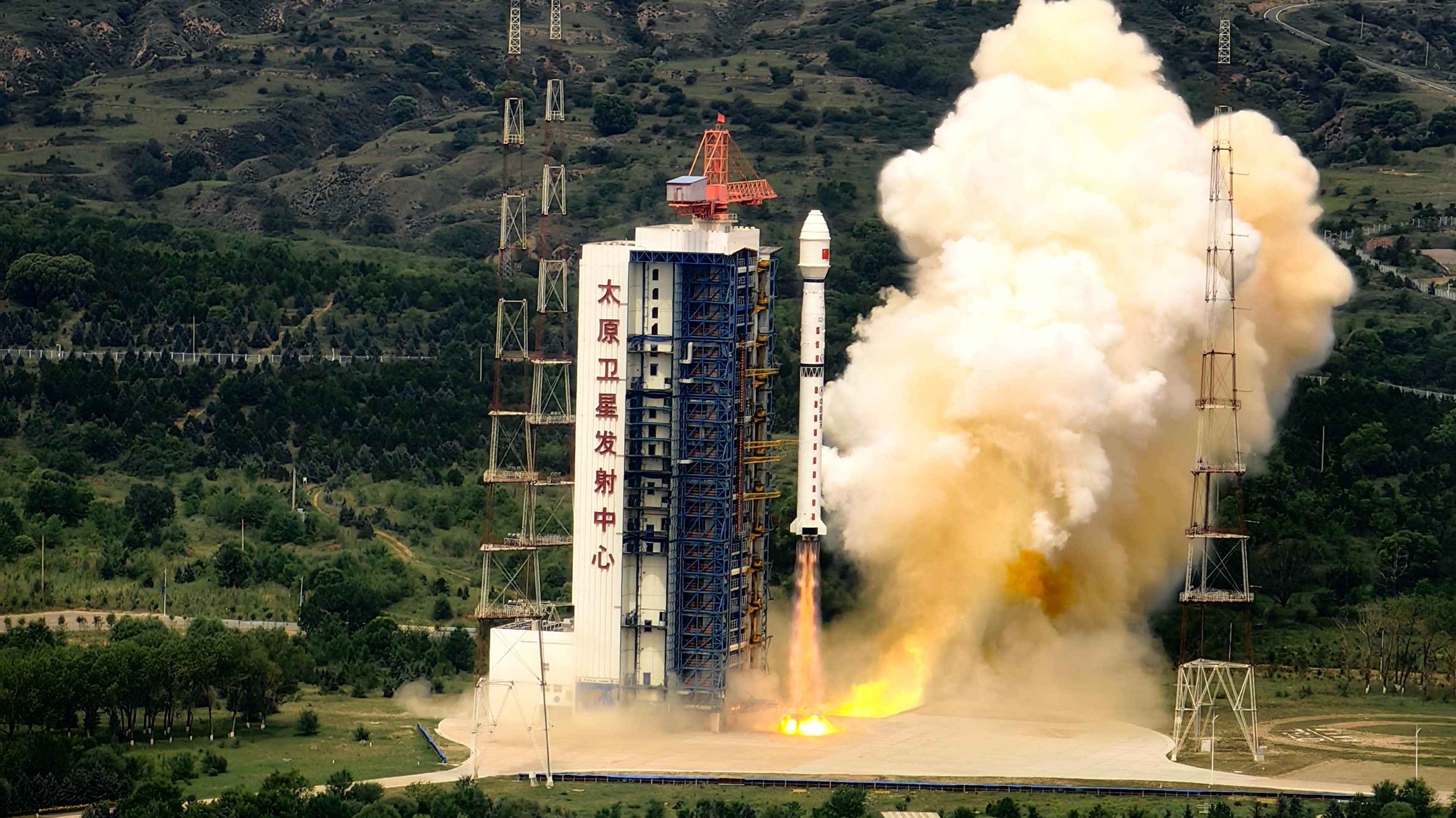
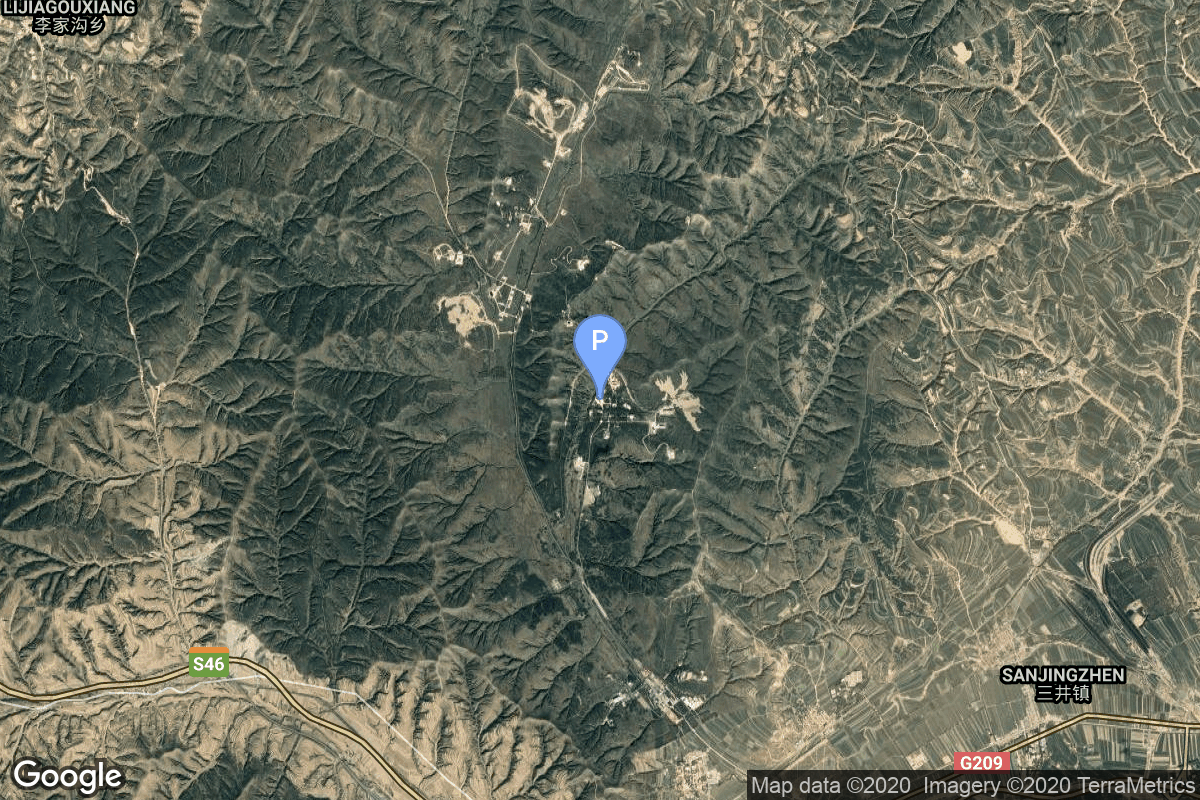
Provider: China Aerospace Science and Technology Corporation Date: November 18, 2026 Time: 10:50 PM UTC Vehicle: Long March 2D
Details TBD.
USSF-317
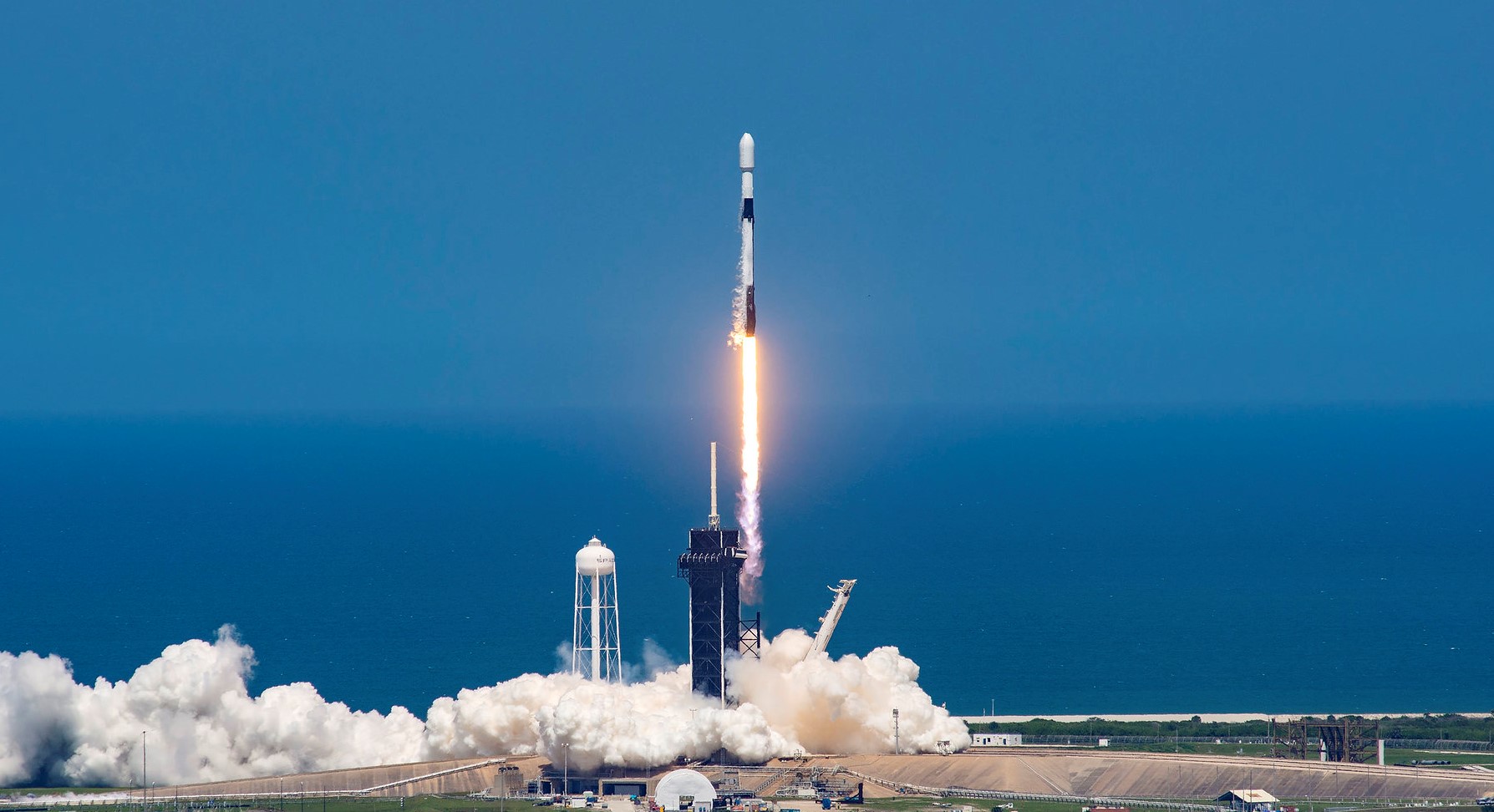
Provider: SpaceX Date: November 20, 2026 Time: 2:46 AM UTC Vehicle: Falcon 9
A classified mission for the United States Space Force. It is possibly a batch of classified LEO satellites based on SpaceX’s Starshield satellite bus, based on locations of rocket stage drop zones being exact fits with previous Starlink Group 15 launches.
SatNet LEO Group TBD?
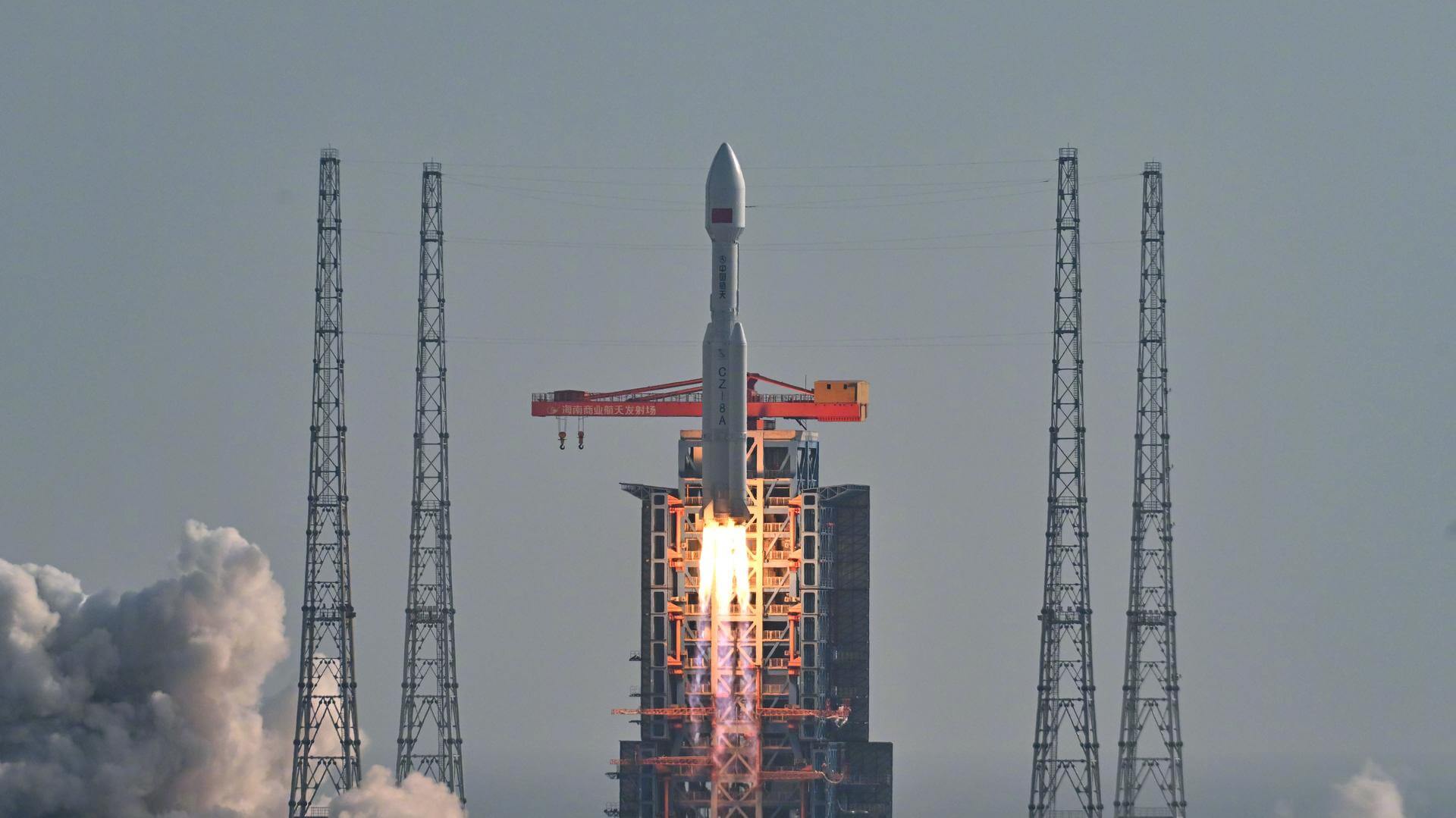
Provider: China Aerospace Science and Technology Corporation Date: November 20, 2026 Time: 11:59 AM UTC Vehicle: Long March 8A
A batch of 9 Low Earth Orbit communication satellites for the Chinese state owned SatNet constellation operated by the China Satellite Network Group.
The constellation will eventually consists of 13000 satellites.
Unknown Payload
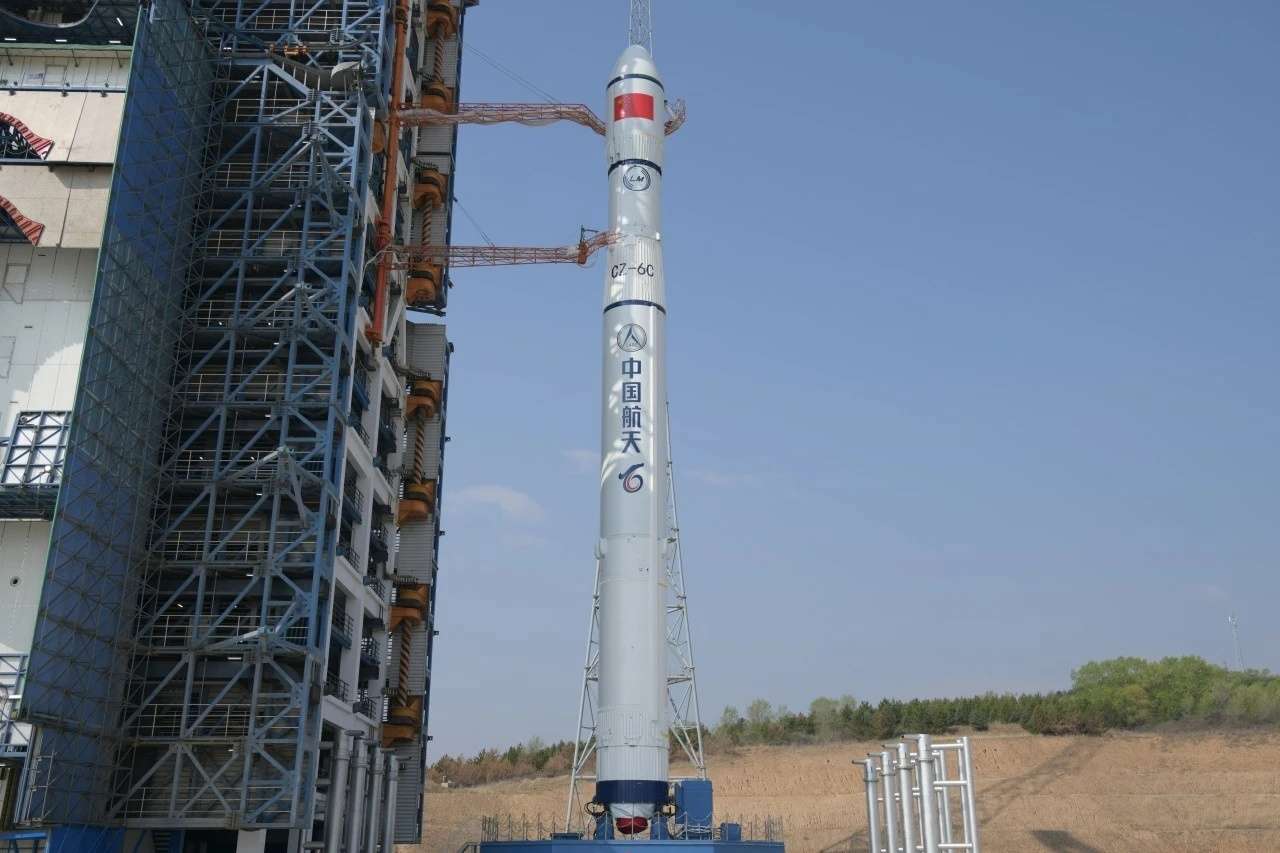
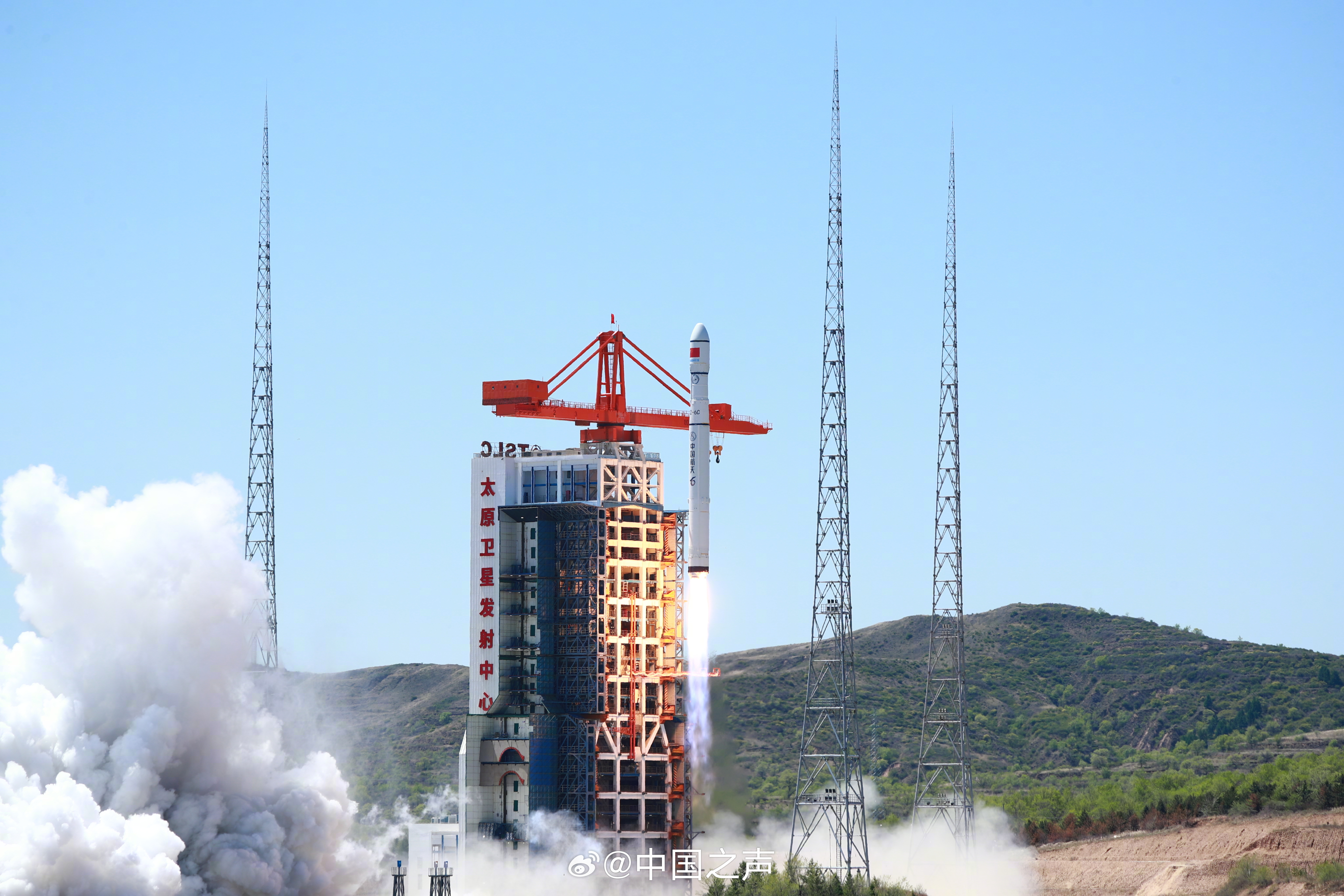
Provider: China Aerospace Science and Technology Corporation Date: November 21, 2026 Time: 3:50 AM UTC Vehicle: Long March 6C
Details TBD.
NROL-136
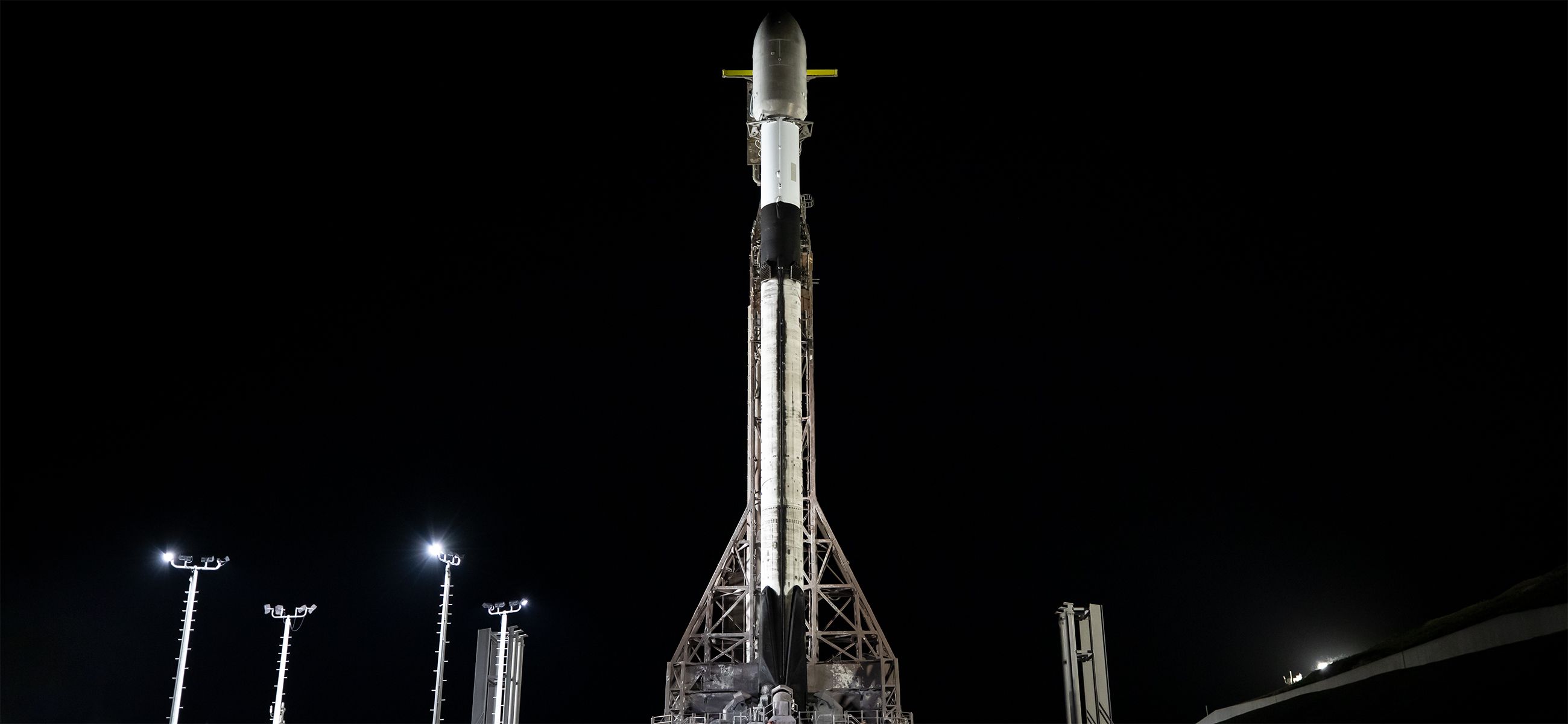
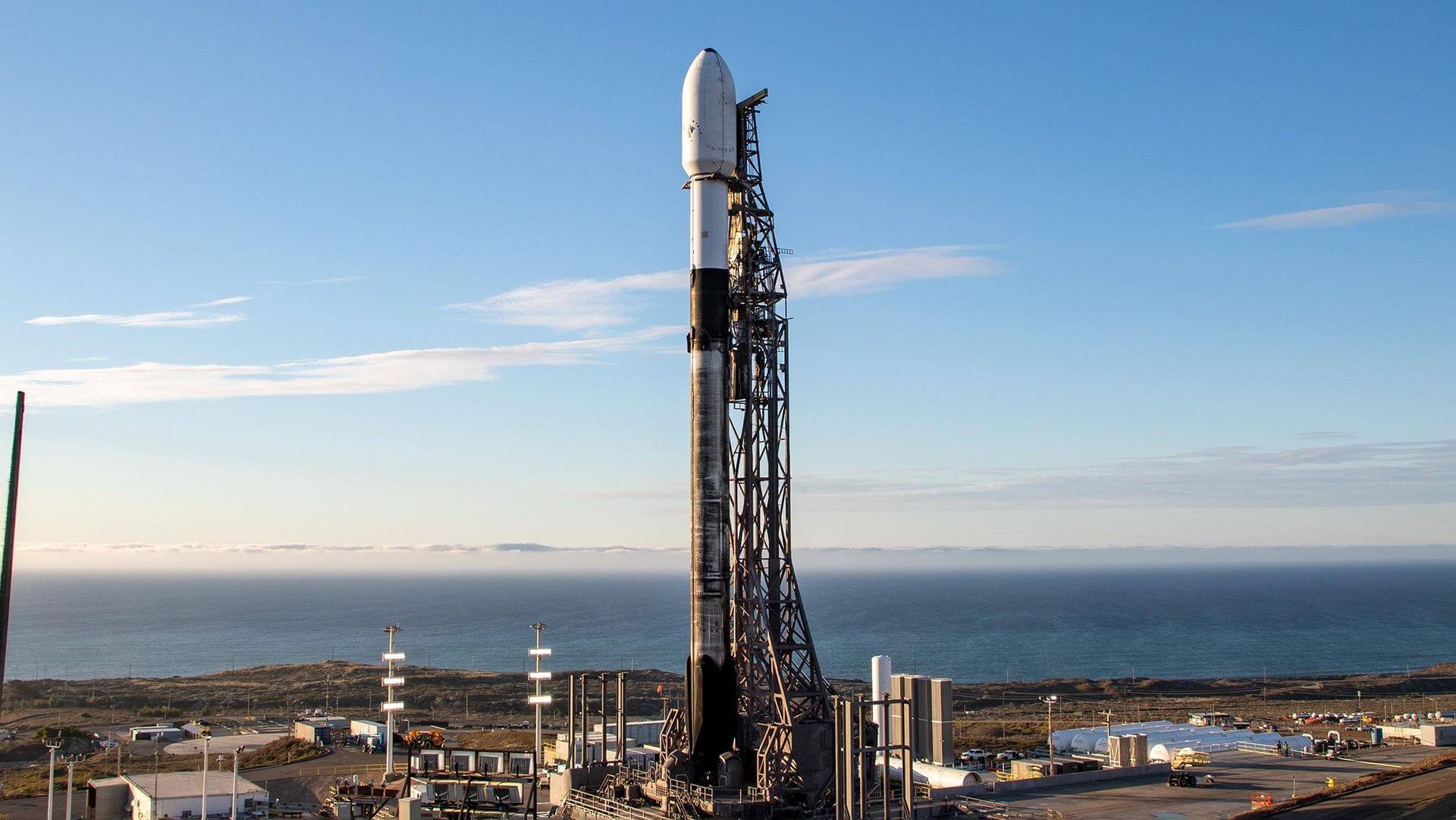
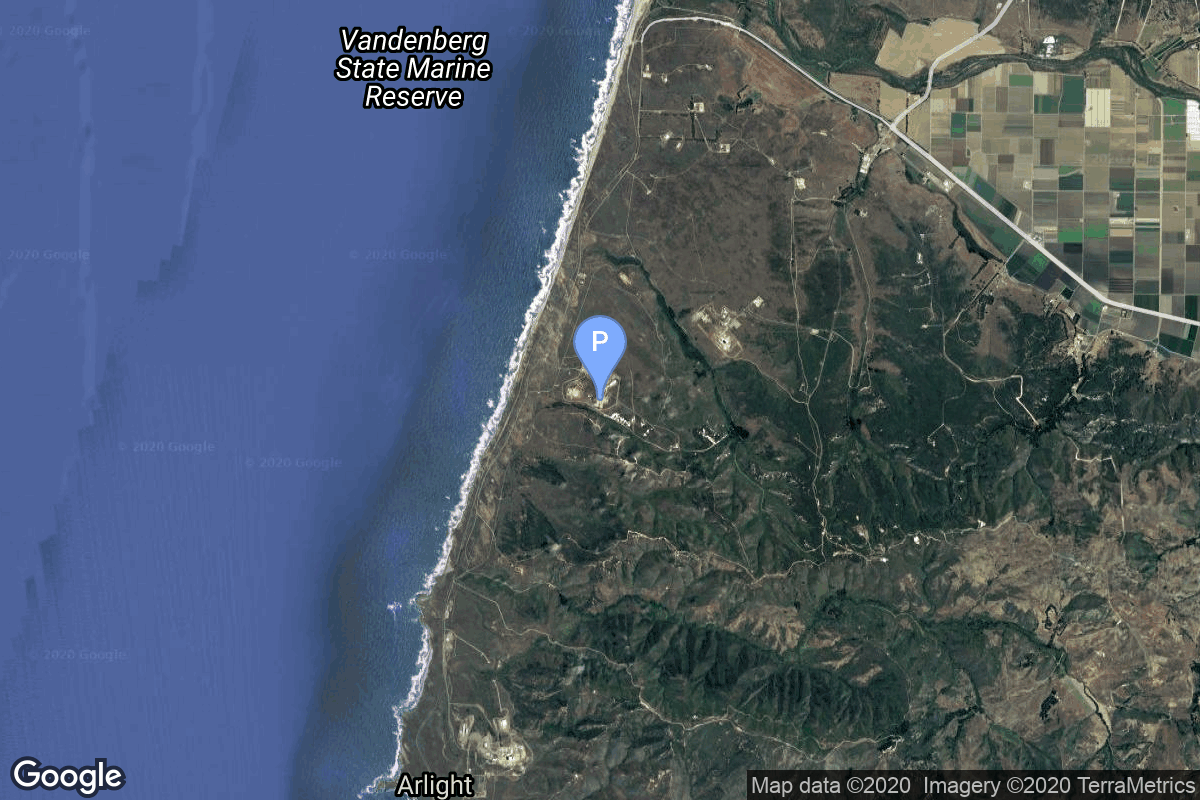
Provider: SpaceX Date: November 21, 2026 Time: 12:30 PM UTC Vehicle: Falcon 9
Fifteenth batch of satellites for a reconnaissance satellite constellation built by SpaceX and Northrop Grumman for the National Reconnaissance Office to provide imaging and other reconnaissance capabilities.
Unknown Payload ×
Mission Details
TypeUnknown
OrbitUnknown
TargetEarth
Details TBD.
Launch Provider: China Aerospace Science and Technology Corporation
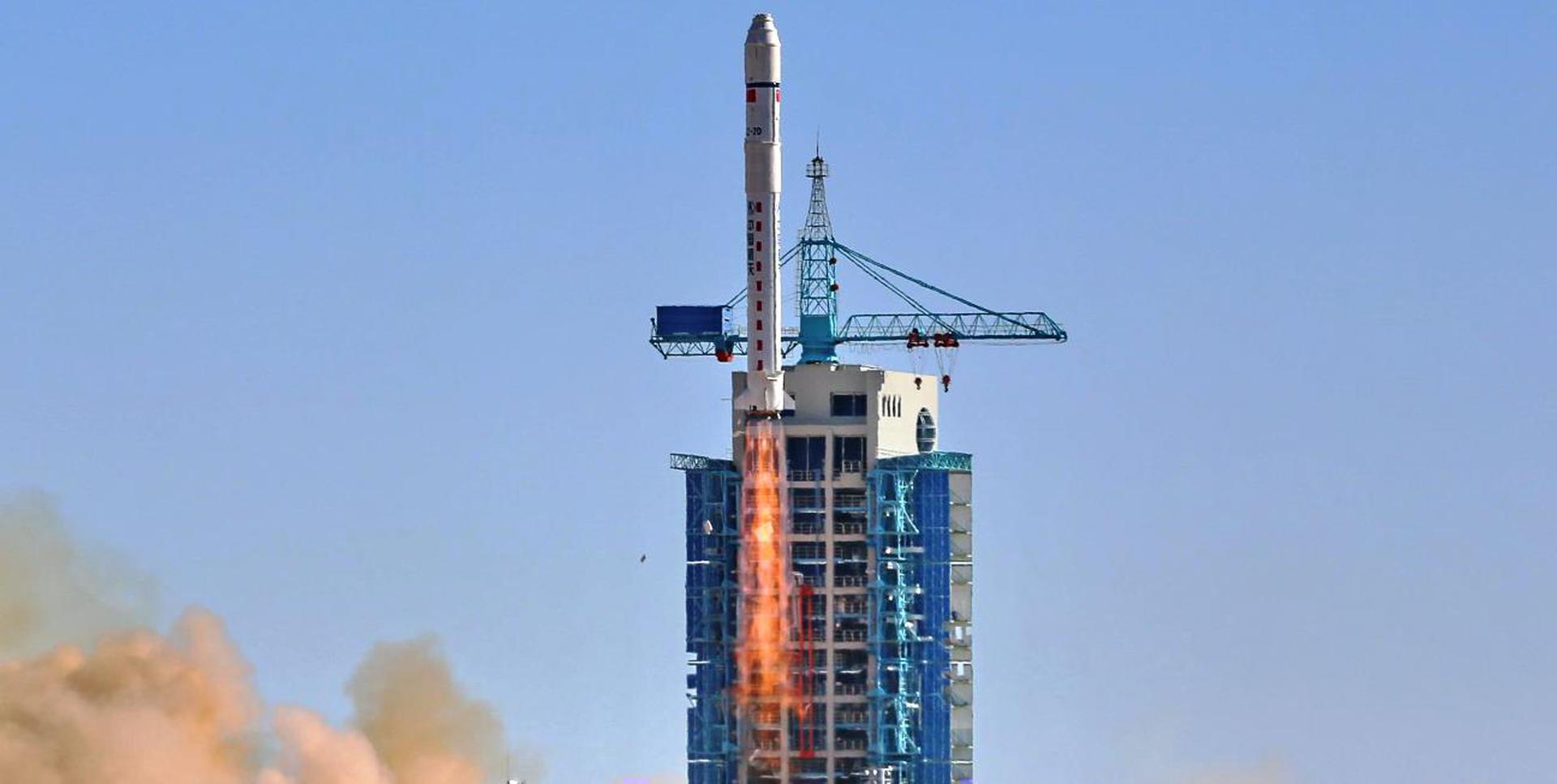
The Long March 2D, also known as the Chang Zheng 2D, CZ-2D and LM-2D, is a Chinese orbital carrier rocket. It is a 2-stage carrier rocket mainly used for launching LEO and SSO satellites.
A classified mission for the United States Space Force. It is possibly a batch of classified LEO satellites based on SpaceX’s Starshield satellite bus, based on locations of rocket stage drop zones being exact fits with previous Starlink Group 15 launches.
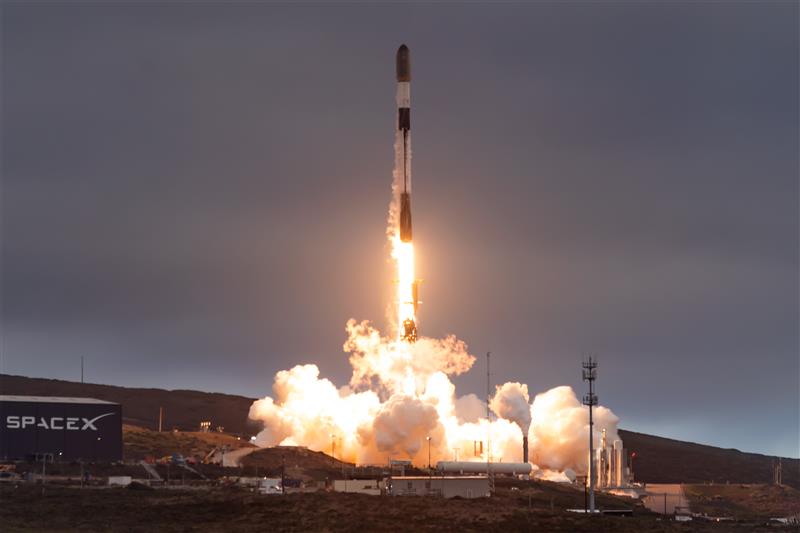
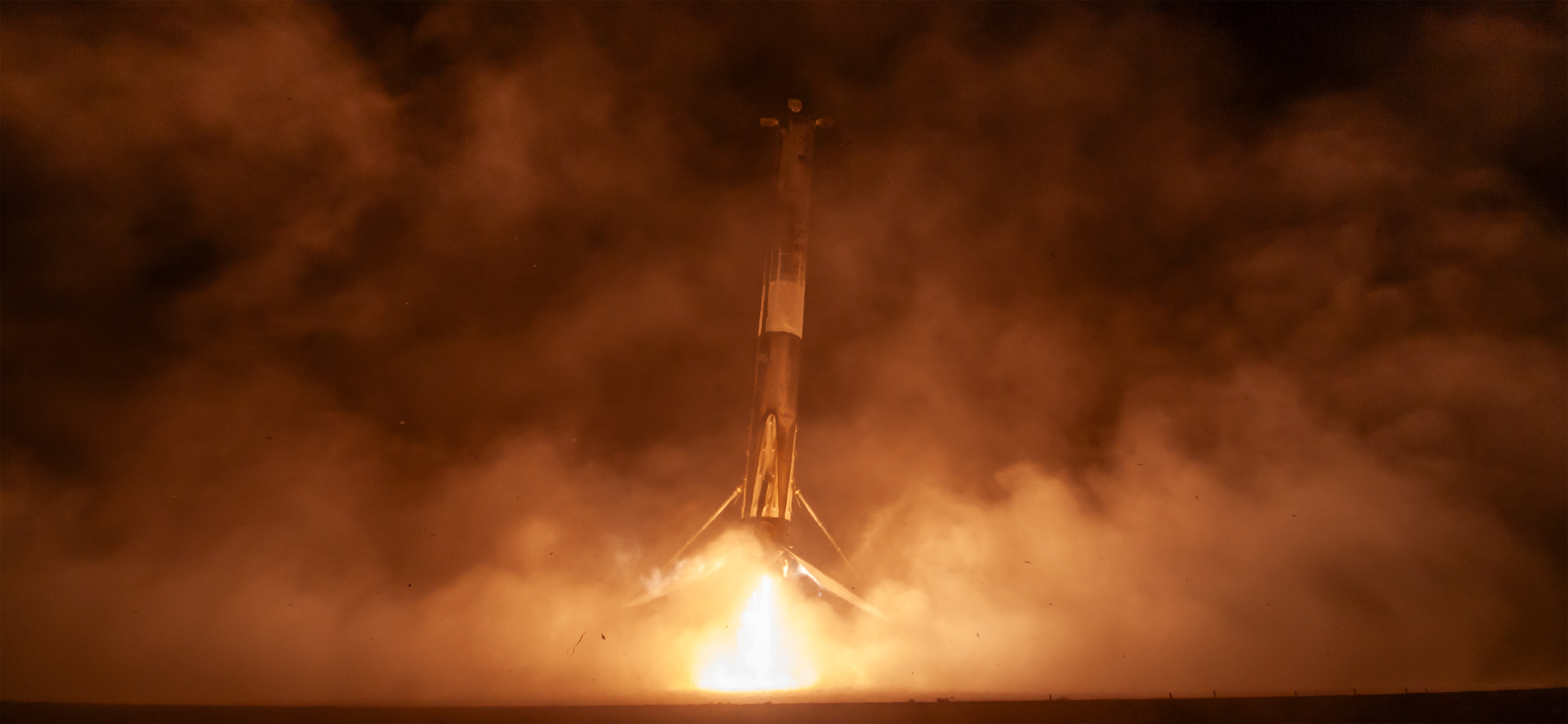
Falcon 9 is a two-stage rocket designed and manufactured by SpaceX for the reliable and safe transport of satellites and the Dragon spacecraft into orbit. The Block 5 variant is the fifth major interval aimed at improving upon the ability for rapid reusability.
The Long March 8A is an orbital launch vehicle developed by the China Academy of Launch Vehicle Technology based on the Long March 8. It has an increased capability of up to 7 tonnes to a 700 km altitude sun-synchronous orbit. It implements a larger 3.35 meters diameter liquid hydrogen/liquid…
The Long March 6C is a Chinese launch vehicle of the Long March family, which was developed by the China Aerospace Science and Technology Corporation (CASC) and the Shanghai Academy of Spaceflight Technology (SAST). The vehicle is a further development of the Long March 6A, with its solid rocket…
Fifteenth batch of satellites for a reconnaissance satellite constellation built by SpaceX and Northrop Grumman for the National Reconnaissance Office to provide imaging and other reconnaissance capabilities.
Falcon 9 is a two-stage rocket designed and manufactured by SpaceX for the reliable and safe transport of satellites and the Dragon spacecraft into orbit. The Block 5 variant is the fifth major interval aimed at improving upon the ability for rapid reusability.
Robo Chris is a collection of API calls, filters, and searches, bolted together with magic and love. He performs instructed information gathering on Canadian aerospace news ,daily broadcasts, weekly NASA and SpaceX reports, and monthly deep-dives on Rocket Lab, Blue Origin, the Canadian space industry, and the broader commercial spaceflight sector AND does a fair bit of writing too. Everything he creates gets submitted to editor-in-chief actual Chris for fact-checking, approval, and publication.







Leave a Reply