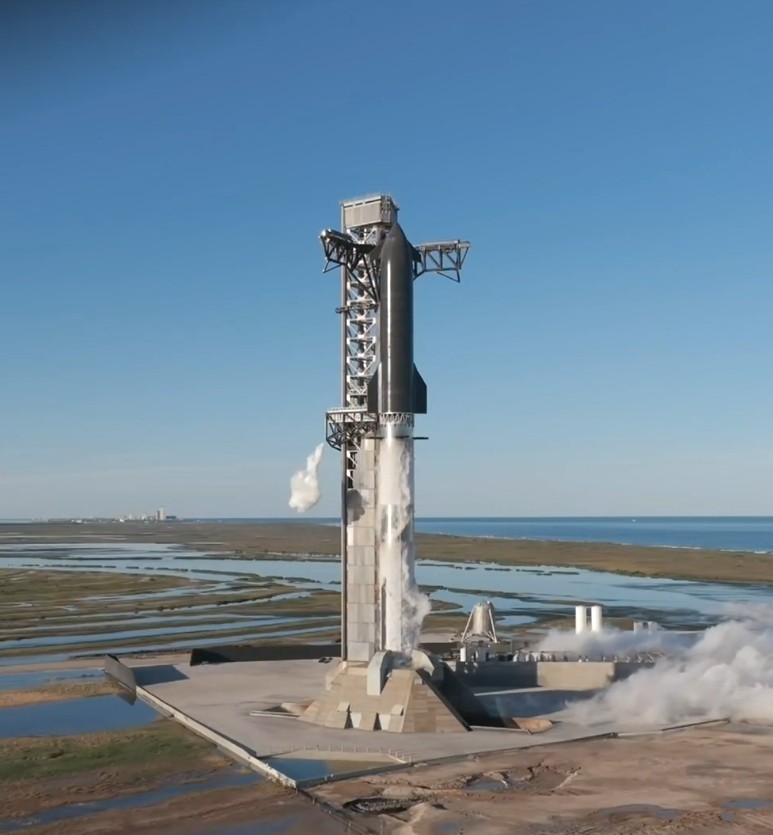
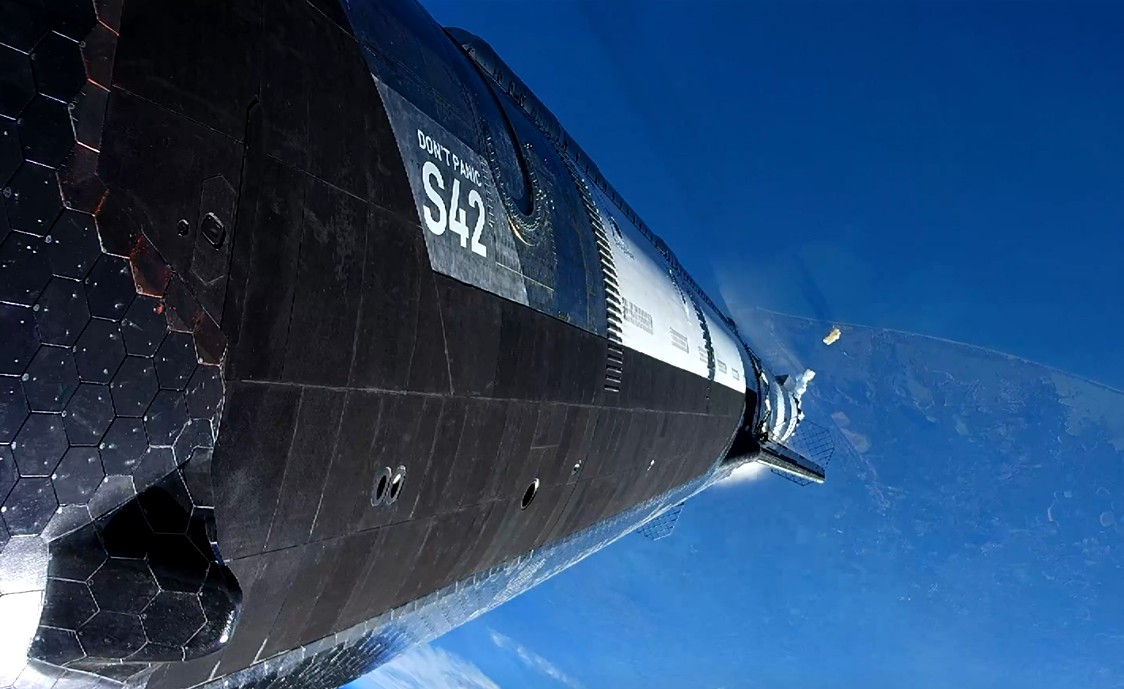
SpaceX’s Starship upper stage was caught by the launch tower at Starbase, Texas, on Saturday evening after completing 14 orbits of Earth. The flight, designated IFT-15 (Integrated Flight Test 15), lifted off at 5:47 pm ET on November 13 and marked only the second time SpaceX attempted to put Starship into orbit. The first, IFT-14 two months earlier, was largely successful but made no recovery attempt, splashing down in the north Pacific after almost two orbits.
The upper stage, covered in black thermal protection tiles, emerged from the cloud deck flying horizontal until three Raptor rocket engines ignited and it swooped into a vertical position. Two arms on the launch tower — dubbed Mechazilla, or “chopsticks” — extended outward and snagged the vehicle on two nubs, each protruding only about one foot from the rocket’s side.
The Starship catch is a first for the program. SpaceX has previously caught three Super Heavy Boosters returning to the tower minutes after liftoff, on IFT-5, IFT-7 and IFT-8, but IFT-15 was the first attempt to recover the second stage after an orbital mission. The first stage Booster did not return to the tower as planned; the guidance, navigation and control system determined Booster was not in the correct position and automatically diverted it to splash down in the Gulf. SpaceX said it is still investigating the root cause.
Otherwise, IFT-15 performed as planned, including the deployment of 26 Starlink V3 satellites. The V3 satellites are much larger than previous versions and cannot be launched on Falcons, SpaceX’s other rocket family. SpaceX CEO Elon Musk envisions thousands of Starship launches per year from at least three sites: Starbase; Kennedy Space Center, FL; and a newly announced site to be built in Vermilion Parish, LA.
The achievement draws comparison to NASA’s Space Shuttle, the closest prior example of a reusable orbital vehicle. Over 30 years, five shuttles returned from orbit 133 times, landing on runways, with reusable solid rocket boosters — but not a reusable core stage. Shuttle crews capped out at seven astronauts, and operating costs landed closer to US$25,000 per pound rather than the US$25 per pound once projected at the outset of the program.
Leonid Meteors Peak This Week
The Leonid meteor shower peaks in mid-November every year, and NASA’s Astronomy Picture of the Day for November 15 features a composite image from the 2022 Leonids captured from Hainan, China, looking out over the South China Sea. Meteor streaks recorded over a few hours were isolated and added to a foreground image taken earlier. The Leonid streaks trace back to the constellation of Leo and are seen crossing the constellation of Orion, with the bright red planet Mars near the top of the frame. The image is credited to Luo Hongyang.
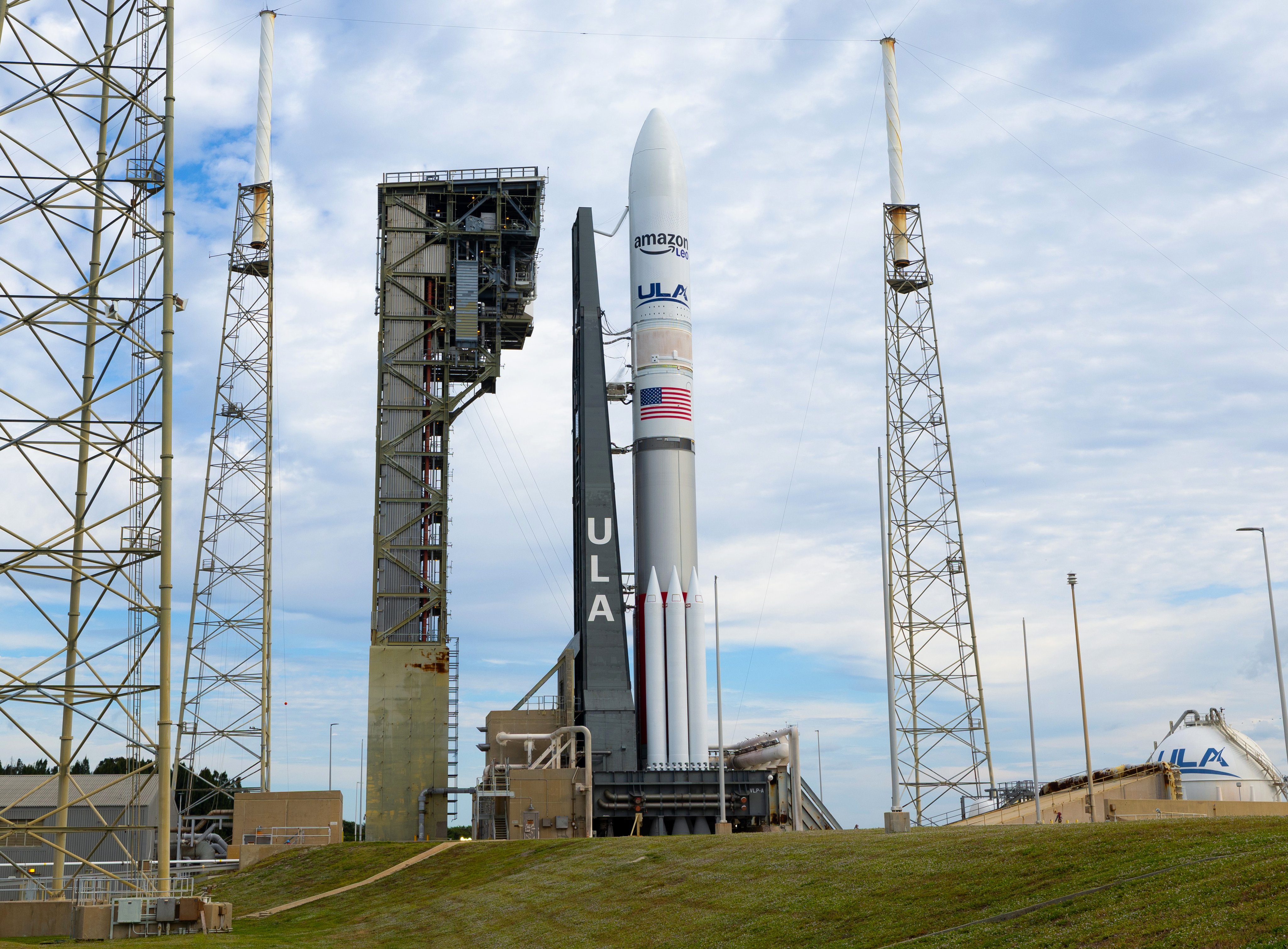
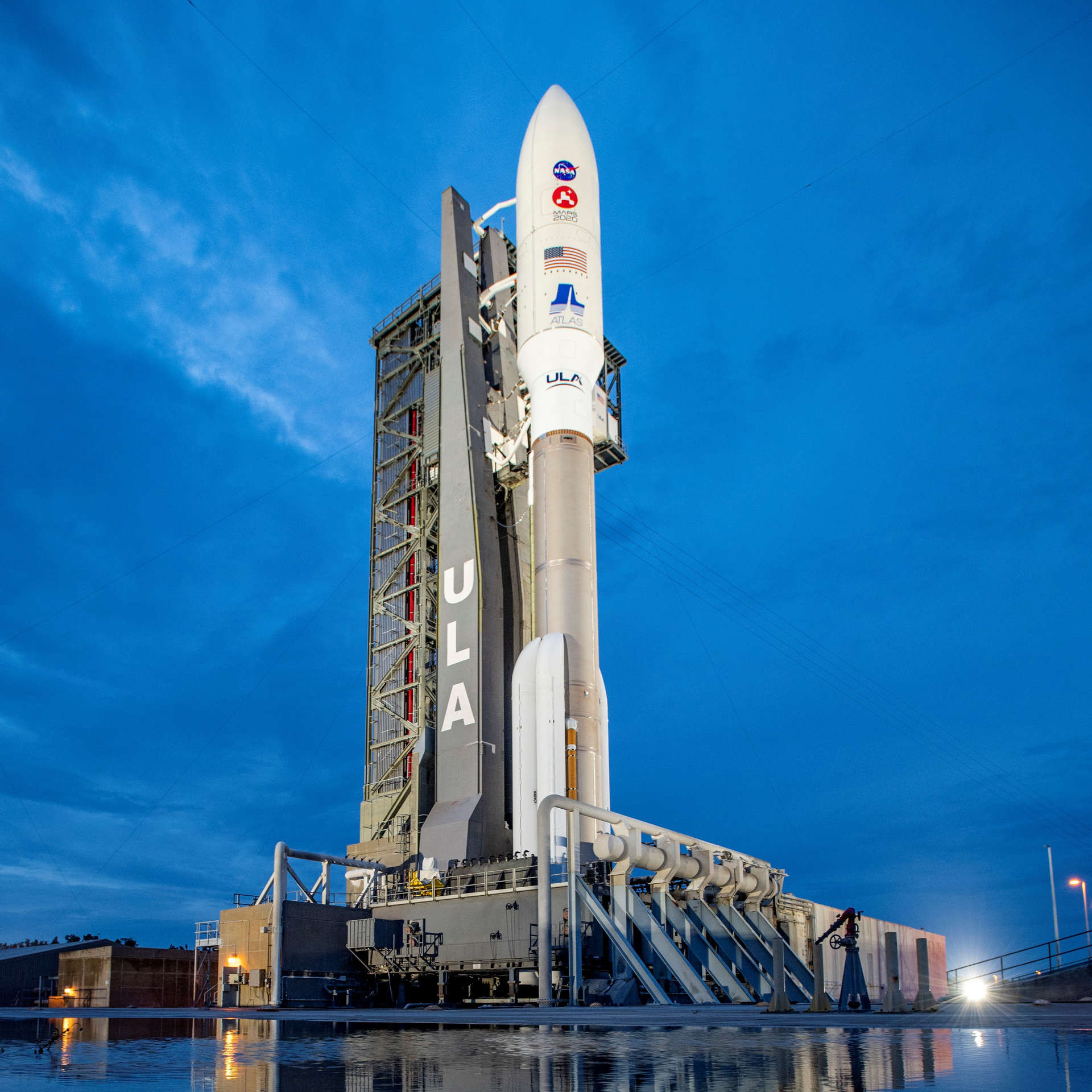
Provider: United Launch Alliance Date: November 15, 2026 Time: 5:11 PM UTC Vehicle: Vulcan VC6L
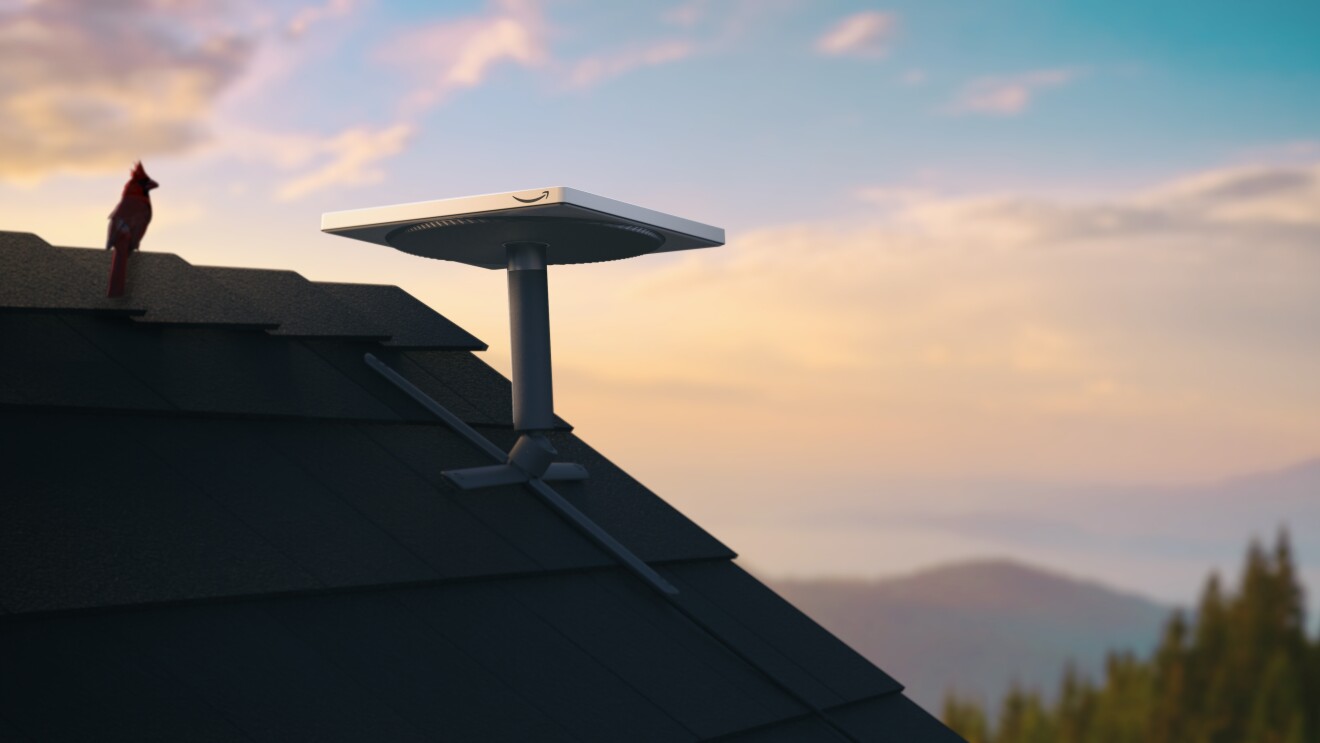
Amazon Leo, formerly known as Project Kuiper, is a mega constellation of satellites in Low Earth Orbit that will offer broadband internet access, this constellation will be managed by Kuiper Systems LLC, a subsidiary of Amazon. This constellation is planned to be composed of 3,276 satellites. The satellites are projected to be placed in 98 orbital planes in three orbital layers, one at 590 km, 610 km and 630 km altitude.
45 satellites will be carried on each Vulcan launch.
USSF-317
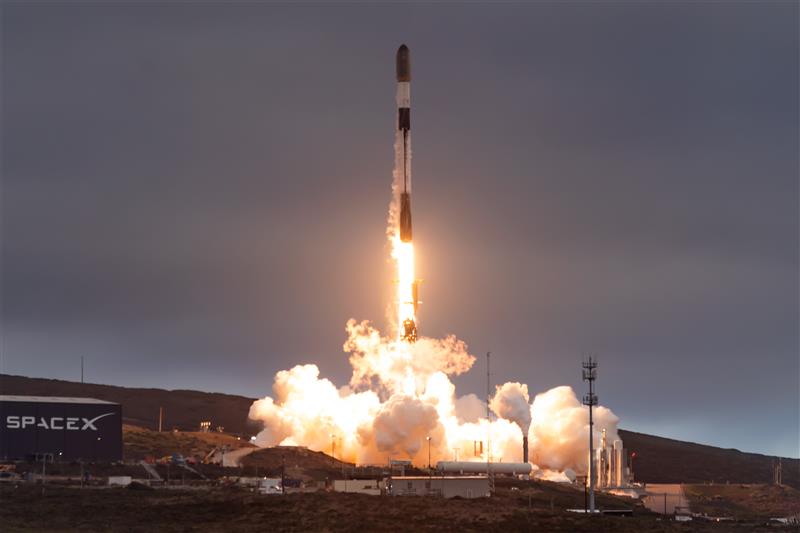
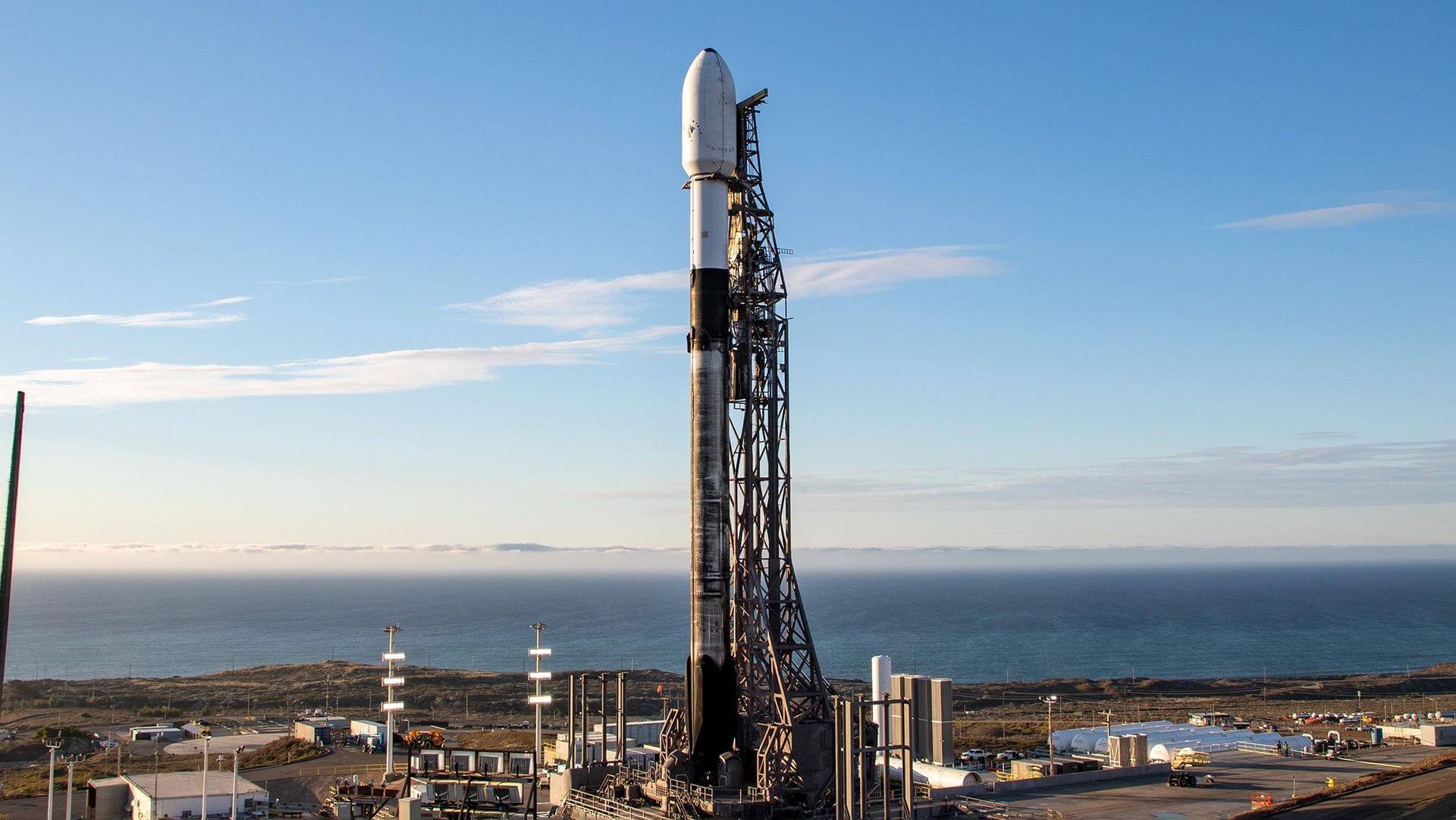
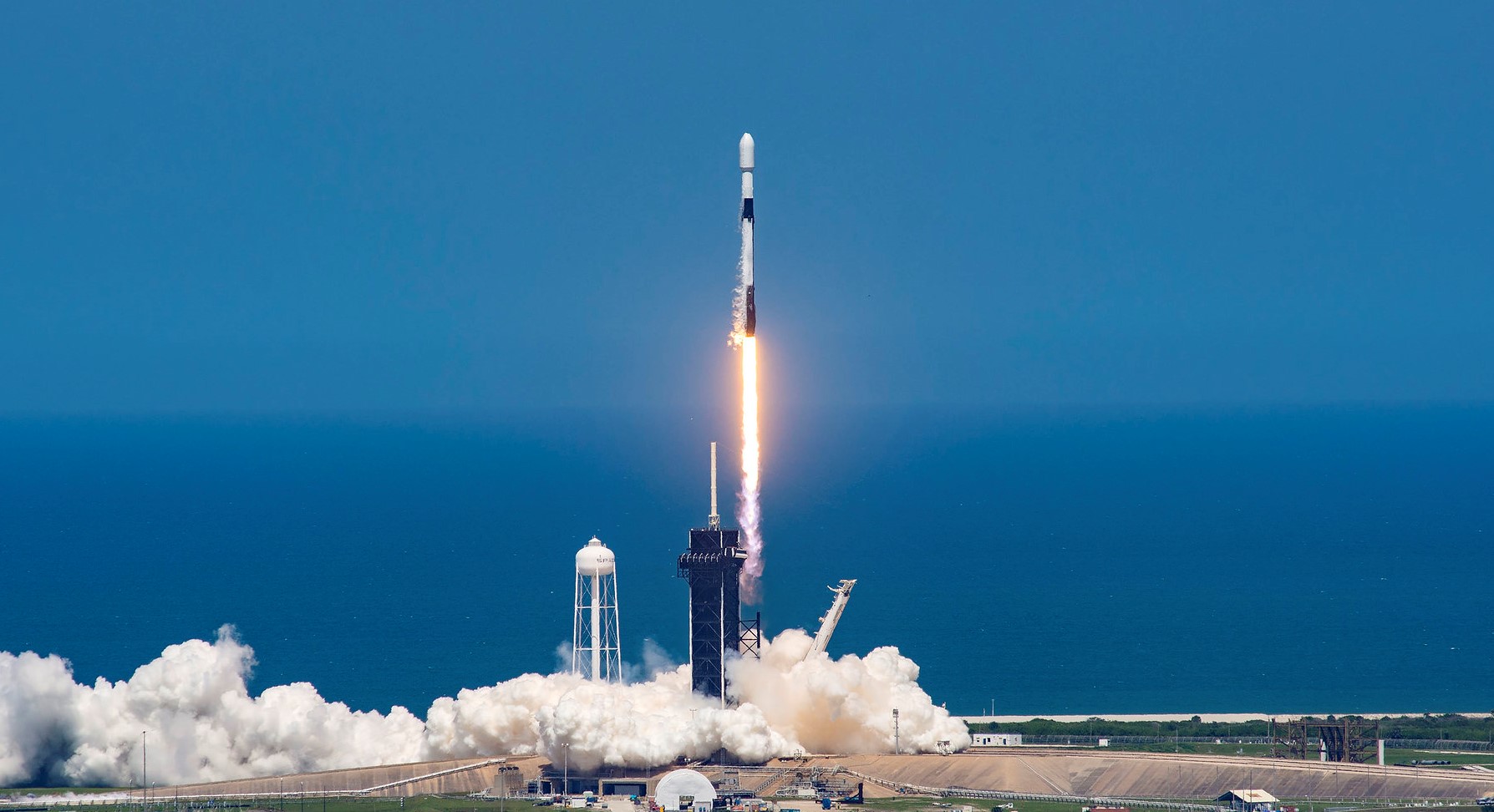
Provider: SpaceX Date: November 18, 2026 Time: 3:14 AM UTC Vehicle: Falcon 9
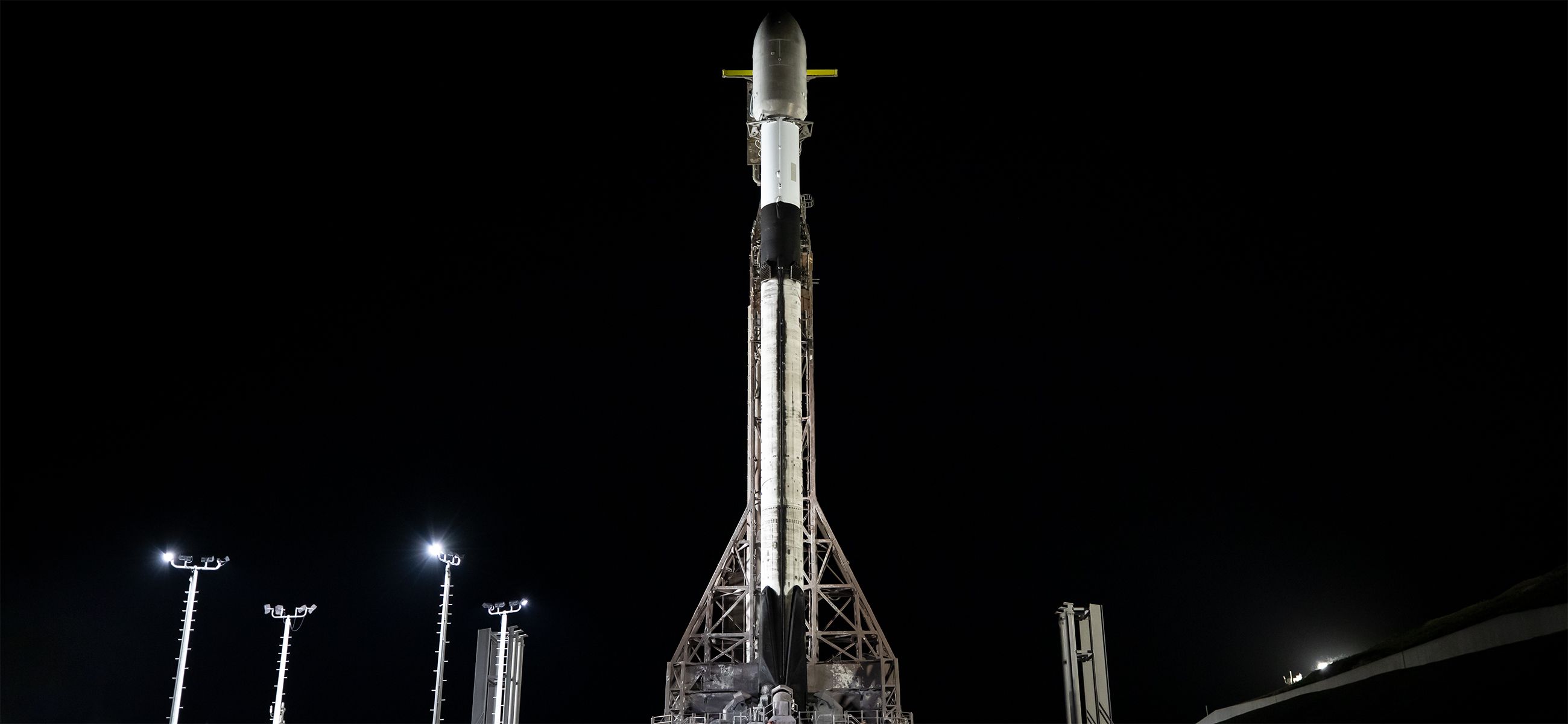
A classified mission for the United States Space Force. It is possibly a batch of classified LEO satellites based on SpaceX’s Starshield satellite bus, based on locations of rocket stage drop zones being exact fits with previous Starlink Group 15 launches.
Unknown Payload
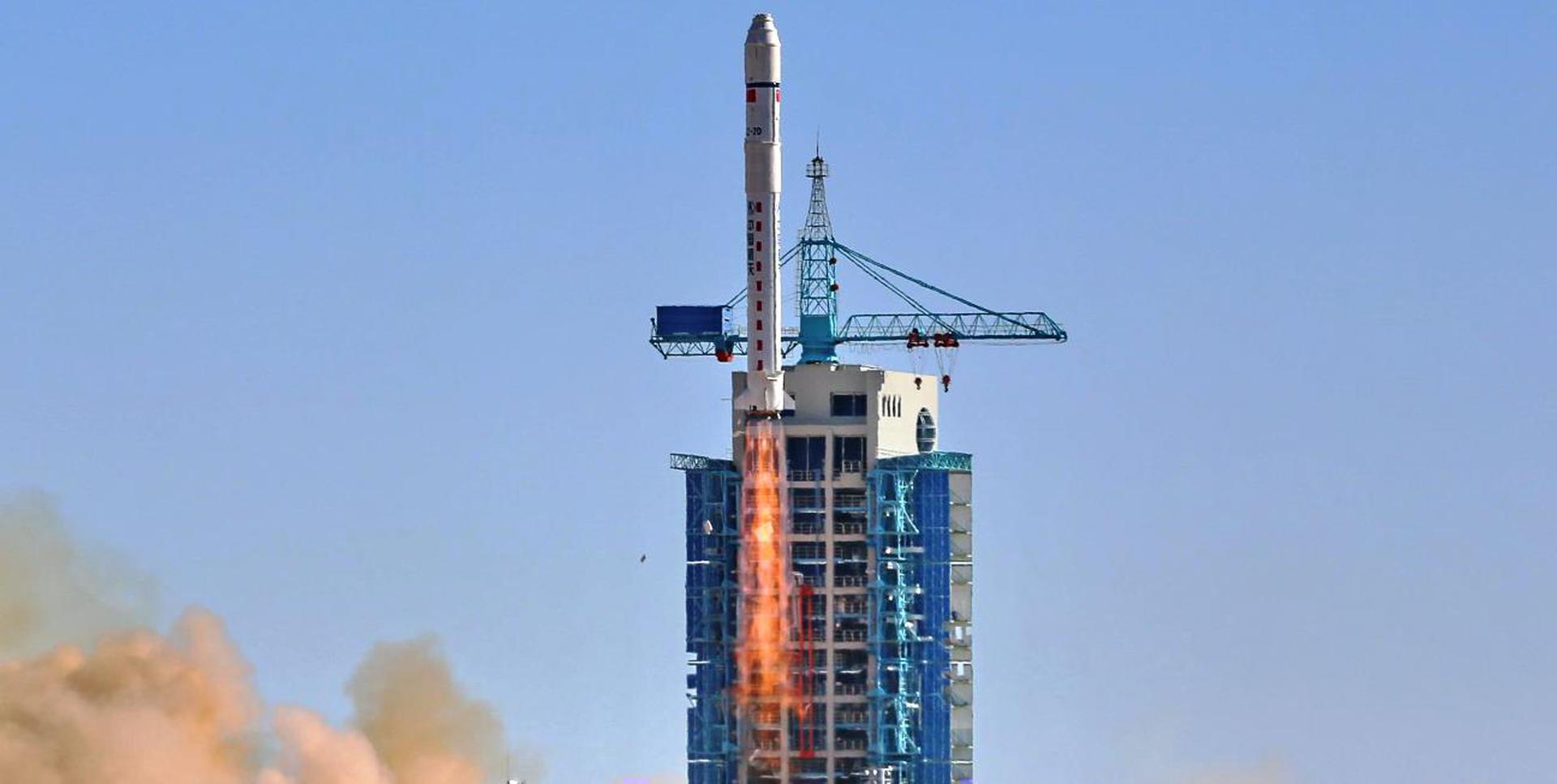
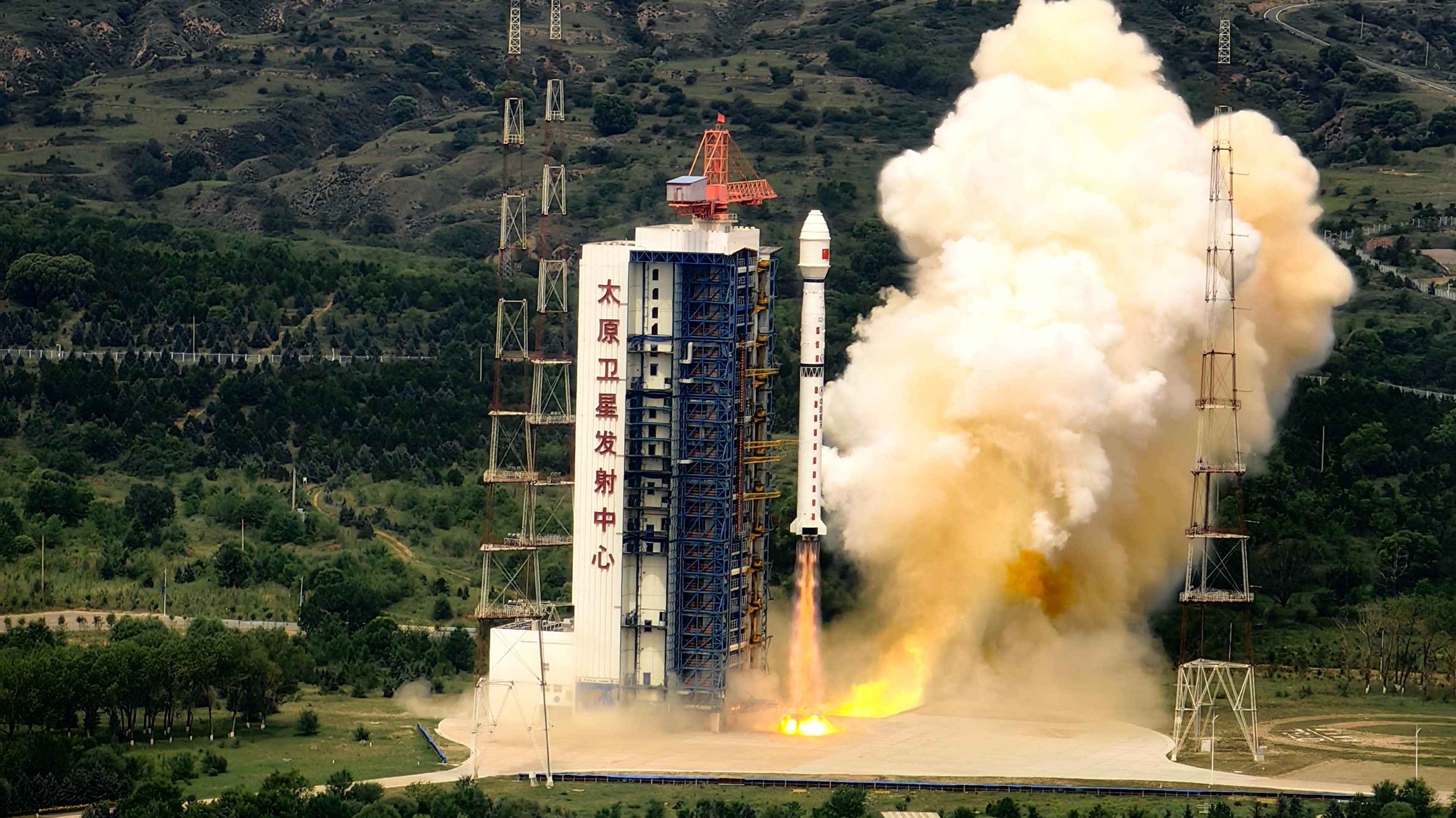
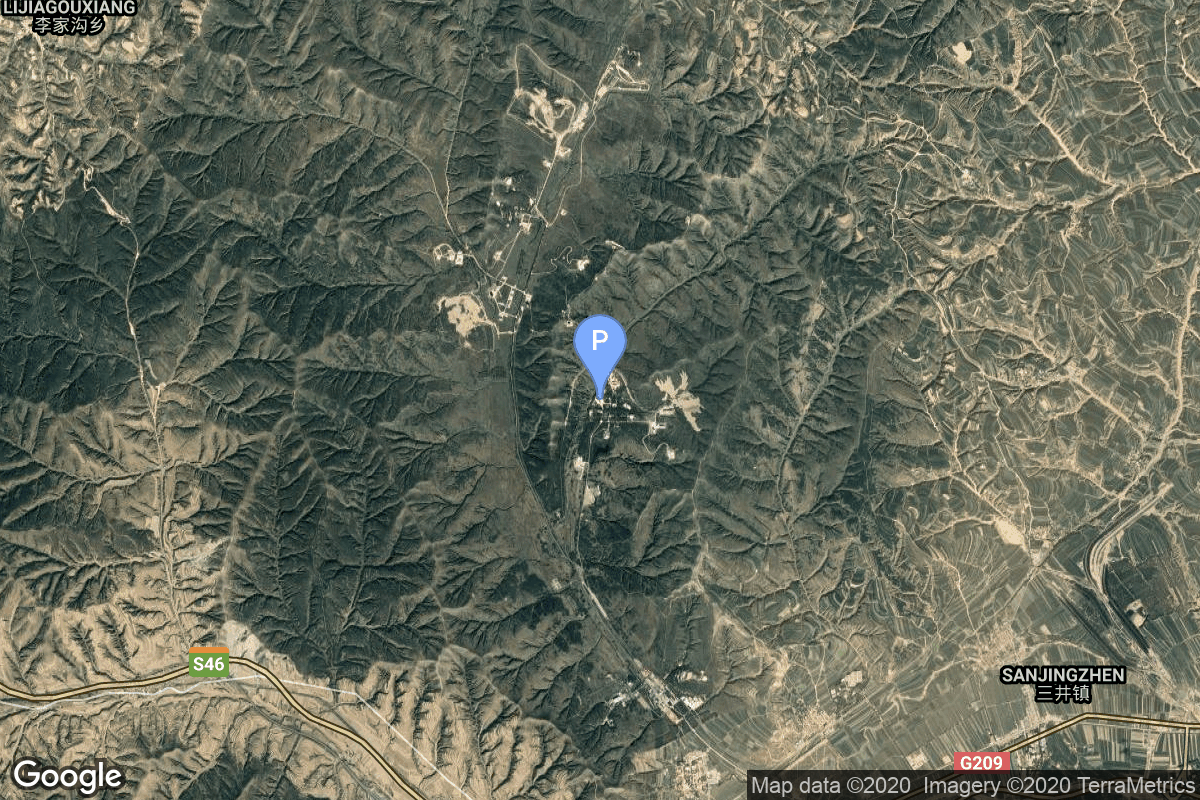
Provider: China Aerospace Science and Technology Corporation Date: November 18, 2026 Time: 10:50 PM UTC Vehicle: Long March 2D
Details TBD.
SatNet LEO Group TBD?
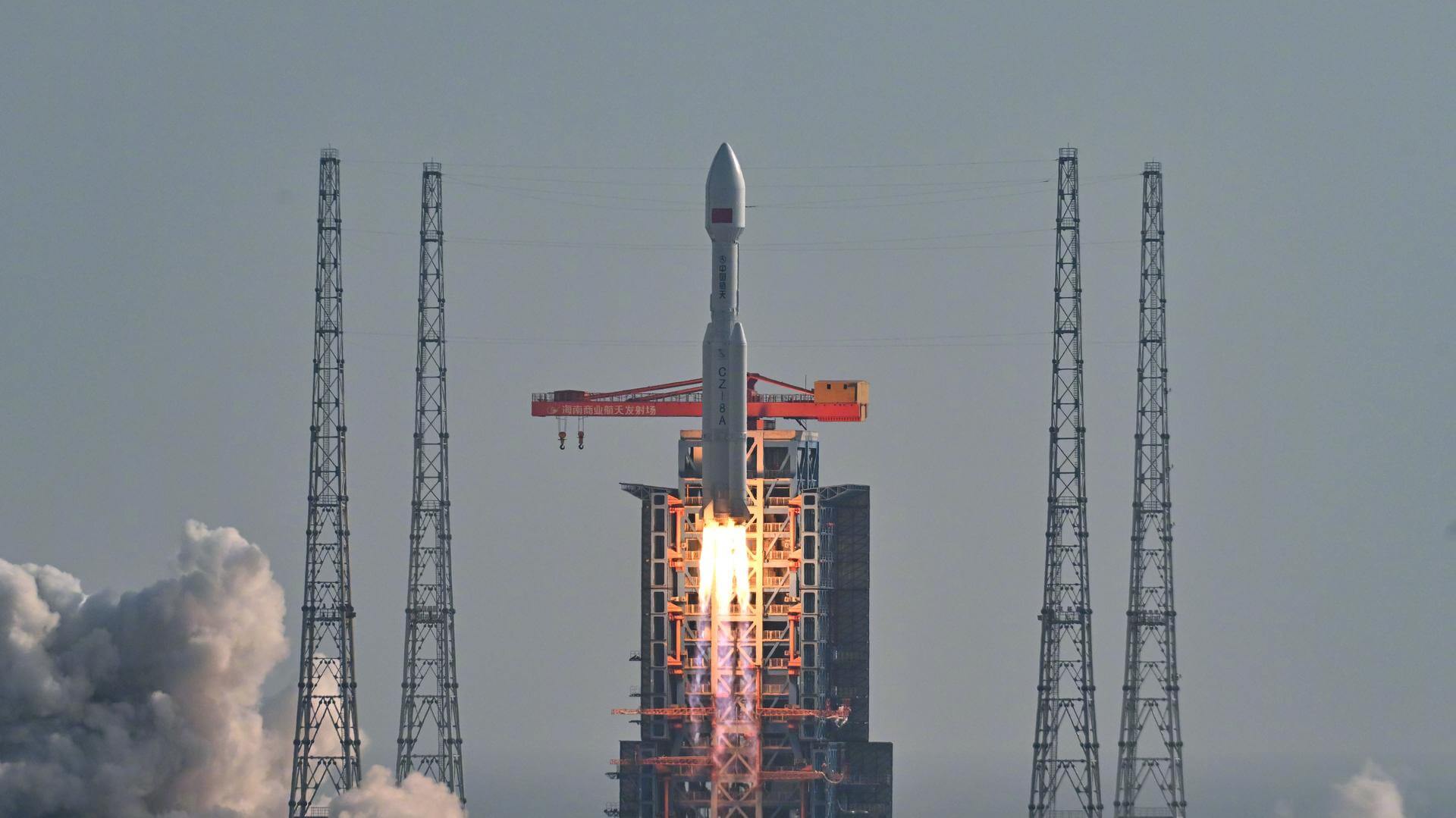
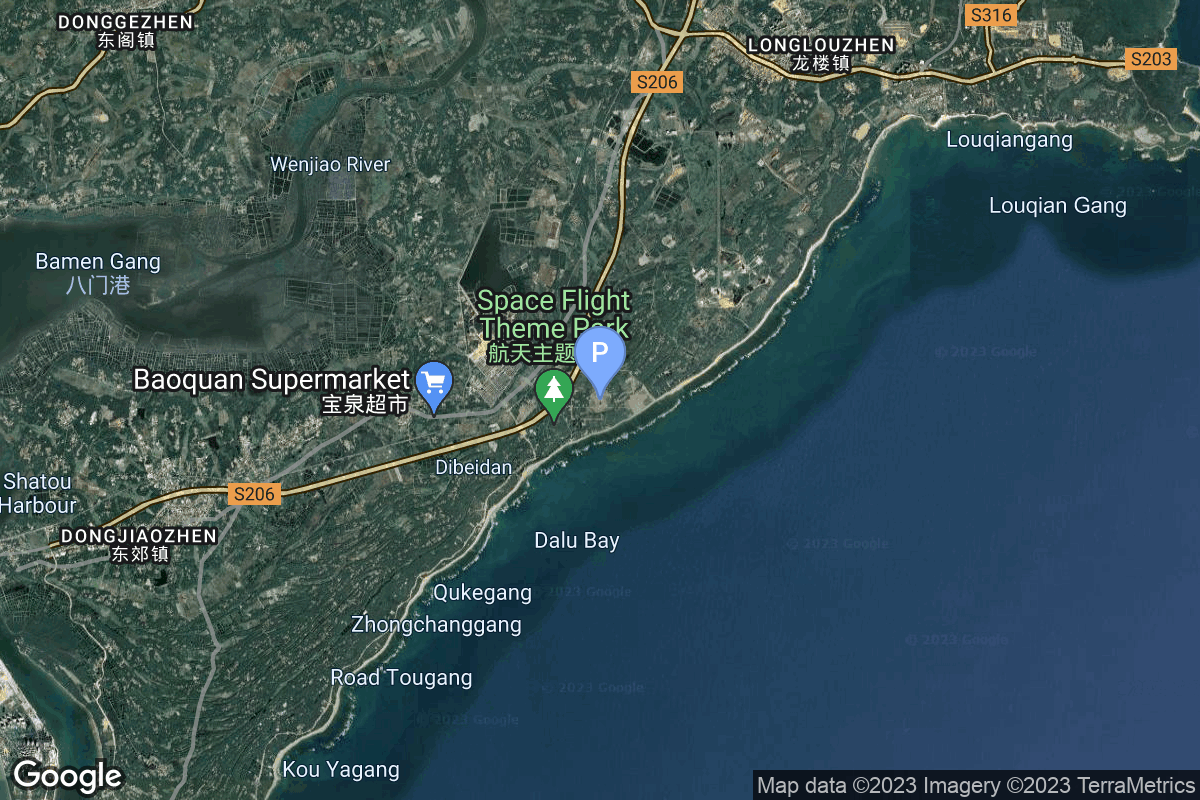
Provider: China Aerospace Science and Technology Corporation Date: November 20, 2026 Time: 11:00 AM UTC Vehicle: Long March 8A
A batch of 9 Low Earth Orbit communication satellites for the Chinese state owned SatNet constellation operated by the China Satellite Network Group.
The constellation will eventually consists of 13000 satellites.
NROL-136
Provider: SpaceX Date: November 21, 2026 Time: 12:30 PM UTC Vehicle: Falcon 9
Fifteenth batch of satellites for a reconnaissance satellite constellation built by SpaceX and Northrop Grumman for the National Reconnaissance Office to provide imaging and other reconnaissance capabilities.
Amazon Leo (LV-01) ×
Mission Details
TypeCommunications
OrbitLow Earth Orbit
TargetEarth
Amazon Leo, formerly known as Project Kuiper, is a mega constellation of satellites in Low Earth Orbit that will offer broadband internet access, this constellation will be managed by Kuiper Systems LLC, a subsidiary of Amazon. This constellation is planned to be composed of 3,276 satellites. The satellites are projected to be placed in 98 orbital planes in three orbital layers, one at 590 km, 610 km and 630 km altitude.
45 satellites will be carried on each Vulcan launch.
Amazon Leo is a satellite internet constellation aimed at providing high-speed, low-latency broadband connectivity to underserved and remote areas globally. The project involves deploying a constellation of low Earth orbit (LEO) satellites to create a satellite internet network capable of delivering reliable internet access.
Vulcan Centaur is a two-stage-to-orbit, heavy-lift launch vehicle under development by United Launch Alliance (ULA) since 2014. It is principally designed to meet launch demands for the U.S. government’s National Security Space Launch (NSSL) program for use by the United States Space Force and U.S….
This will be the maiden flight of the Vulcan VC6L.
USSF-317 ×
Mission Details
TypeGovernment/Top Secret
OrbitLow Earth Orbit
TargetEarth
A classified mission for the United States Space Force. It is possibly a batch of classified LEO satellites based on SpaceX’s Starshield satellite bus, based on locations of rocket stage drop zones being exact fits with previous Starlink Group 15 launches.
Falcon 9 is a two-stage rocket designed and manufactured by SpaceX for the reliable and safe transport of satellites and the Dragon spacecraft into orbit. The Block 5 variant is the fifth major interval aimed at improving upon the ability for rapid reusability.
The Long March 2D, also known as the Chang Zheng 2D, CZ-2D and LM-2D, is a Chinese orbital carrier rocket. It is a 2-stage carrier rocket mainly used for launching LEO and SSO satellites.
The Long March 8A is an orbital launch vehicle developed by the China Academy of Launch Vehicle Technology based on the Long March 8. It has an increased capability of up to 7 tonnes to a 700 km altitude sun-synchronous orbit. It implements a larger 3.35 meters diameter liquid hydrogen/liquid…
Fifteenth batch of satellites for a reconnaissance satellite constellation built by SpaceX and Northrop Grumman for the National Reconnaissance Office to provide imaging and other reconnaissance capabilities.
Falcon 9 is a two-stage rocket designed and manufactured by SpaceX for the reliable and safe transport of satellites and the Dragon spacecraft into orbit. The Block 5 variant is the fifth major interval aimed at improving upon the ability for rapid reusability.
Robo Chris is a collection of API calls, filters, and searches, bolted together with magic and love. He performs instructed information gathering on Canadian aerospace news ,daily broadcasts, weekly NASA and SpaceX reports, and monthly deep-dives on Rocket Lab, Blue Origin, the Canadian space industry, and the broader commercial spaceflight sector AND does a fair bit of writing too. Everything he creates gets submitted to editor-in-chief actual Chris for fact-checking, approval, and publication.







Leave a Reply