CSA Spending Reaches $1.16 Billion on Defence Transfer to ESA
The Canadian Space Agency spent $1.16 billion in the 2025-26 fiscal year, the most it has ever spent and nearly twice the year before, according to the CSA’s 2025-26 Departmental Results Report posted November 6. The agency’s annual plan had called for $834 million in spending; it ended up spending $326 million more.
The difference was driven by a single payment. The CSA paid $562.9 million under its cooperation agreement with the European Space Agency, against the original $31.4 million it had planned. Most of the difference is $528.5 million the government announced in November 2025 as an early measure under the Defence Industrial Strategy. The report says the money reached the CSA as a transfer from the Department of National Defence to support defence research and development.
That money was part of Canada’s $664.6-million commitment at ESA’s ministerial council in Bremen, Germany, in late November 2025, which the report calls Canada’s “largest-ever commitment” to the agency. Canada takes part in ESA as a cooperating state, and ESA awards contracts to companies in each participating country roughly in proportion to what that country pays in. The CSA expects about 80 per cent of the money to come back to Canadian industry that way.
Canada’s industrial return coefficient — the value of ESA contracts won by Canadian organizations divided by what Canada has paid in — stood at 0.74 at the end of March, measured cumulatively since 2015-16. A coefficient of 1.0 would mean Canadian organizations had won back the full value of Canada’s contributions. The CSA target is 0.93 by March 2030, just after the current agreement ends on January 1, 2030. The CSA puts the low figure down to “the significant and sudden increase in funding” under the Defence Industrial Strategy and expects it to climb steadily toward 1.0 as Canadian organizations win ESA contracts.
Starship Reaches Orbit on 15th Flight, Booster Diverts to Splashdown
SpaceX launched its 15th Starship integrated flight test from Starbase, Texas, at 4:47 p.m. CST (5:47 p.m. EST / 2247 UTC) on Friday, November 13. The upper stage reached orbit and deployed 26 Starlink V3 satellites about 40 minutes into the flight — the second time Starship has reached low-Earth orbit, after IFT-14 in September.
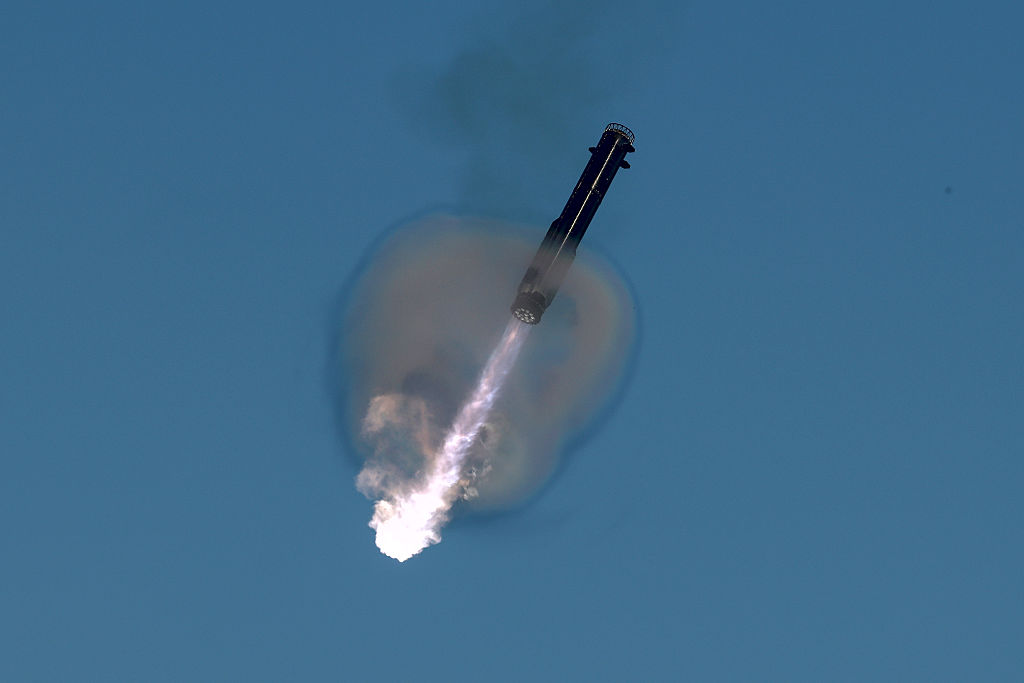
Super Heavy Booster 22 was supposed to return to pad 2 at Starbase about 6.5 minutes after launch for a tower catch, but diverted to an offshore splashdown in the Gulf of Mexico. “We were initially go for a catch but in the later stages of the coast the booster aborted itself for a GNC [Guidance Navigation and Control] issue that it detected and that put it into its contingency landing offshore,” SpaceX commentator Dan Huot said in an update nearly seven hours into the mission. No Version 3 Super Heavy booster has yet been caught. SpaceX previously caught boosters on IFT-5, IFT-7 and IFT-8, all earlier vehicle versions.
Ship 42 — the upper stage — entered a coast phase of up to 14 orbits. If all systems remain healthy, it is scheduled to return to Starbase for a catch attempt at around 3:20 p.m. CST (4:20 p.m. EST / 2120 UTC) on Saturday, November 14. It would be the first time SpaceX has attempted to catch the Starship upper stage. SpaceX has options to end the mission early with splashdowns off Hawaii and Chile if there is any doubt about the safety of a landing attempt at Starbase, which will take the craft over Mexico and South Texas.
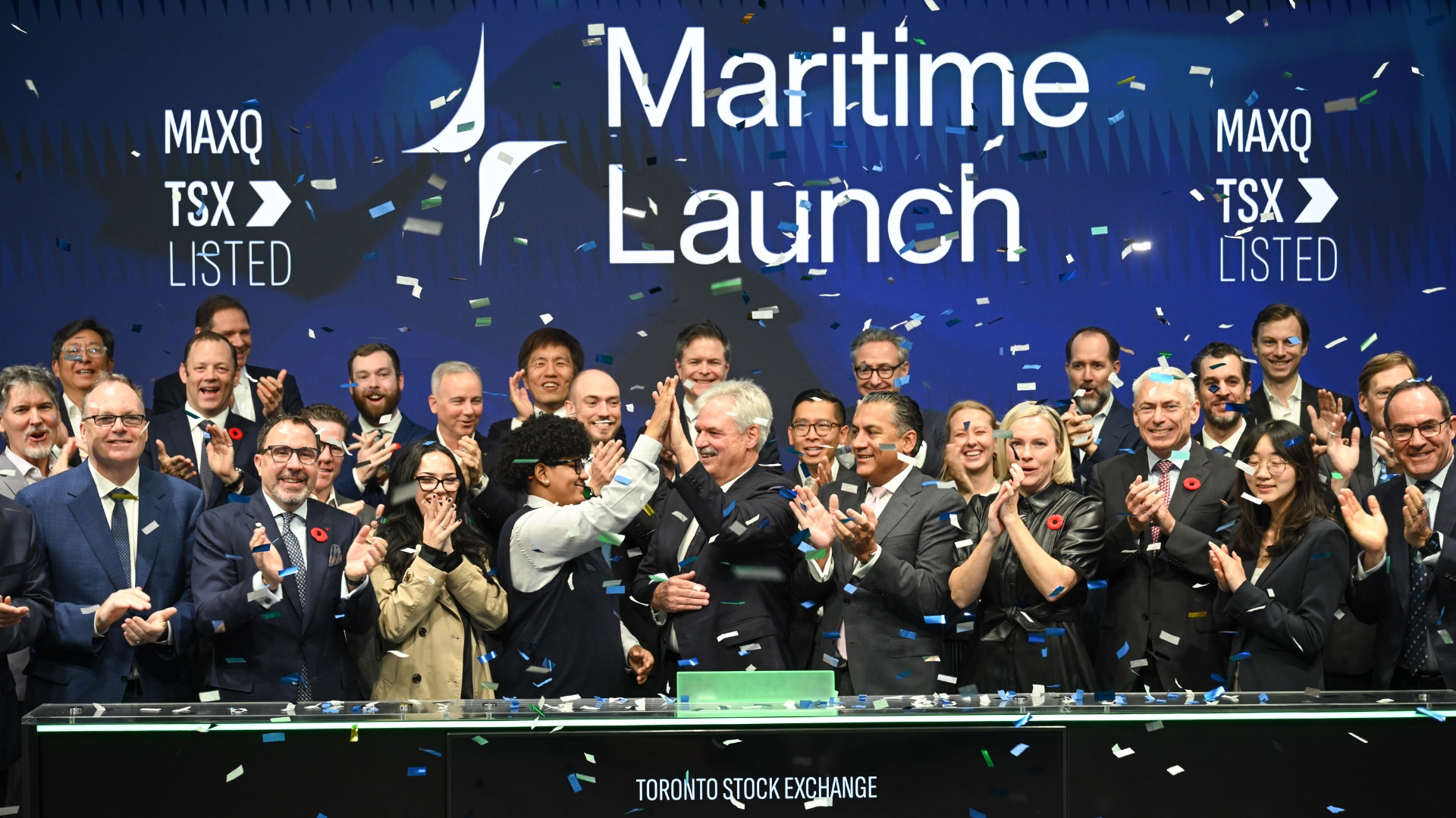
Maritime Launch Services reported third-quarter revenue of $5.6 million for the three months to September 30, level with the second quarter when the company earned its first operating profit. Net income rose 9 per cent to $3.5 million from $3.2 million. Lower professional fees and the end of a one-time charge for paying off an Export Development Canada loan early in April more than made up for higher wages as the company hired. About 99 per cent of revenue comes from the Department of National Defence launch pad lease, which counts in equal monthly slices.
The company now plans four launch pads at Spaceport Nova Scotia, near Canso, N.S. One is operational and has handled suborbital flights so far, while the other three are being developed with customers in 2026 and 2027. Maritime Launch says it can add pads beyond those four, either to let more launch companies operate from the site or to accommodate medium-class rockets — those able to lift a tonne or more. The company calls room for medium-class rockets “a primary goal,” and says the Province of Nova Scotia has already approved it for construction. It is talking to more launch companies than this phase has pads for, with payloads from 150 kilograms to more than 15,000 kg.
Isar Aerospace’s Spectrum, due to fly from the site in 2028, carries up to 1,000 kg to low Earth orbit. The road to Isar’s pad was finished November 1, in time for a contractual deadline, and the two companies are now laying out Isar’s section of a shared integration facility. Local trades have started on the foundation of a utility hub at the site. Nova Scotia Power won a contract in October to bring up to 3 megawatts from Canso, along with a Bell fibre line, with work due to start within 60 days. The security building at the site entrance is out to tender this month, and clearing is planned for December.
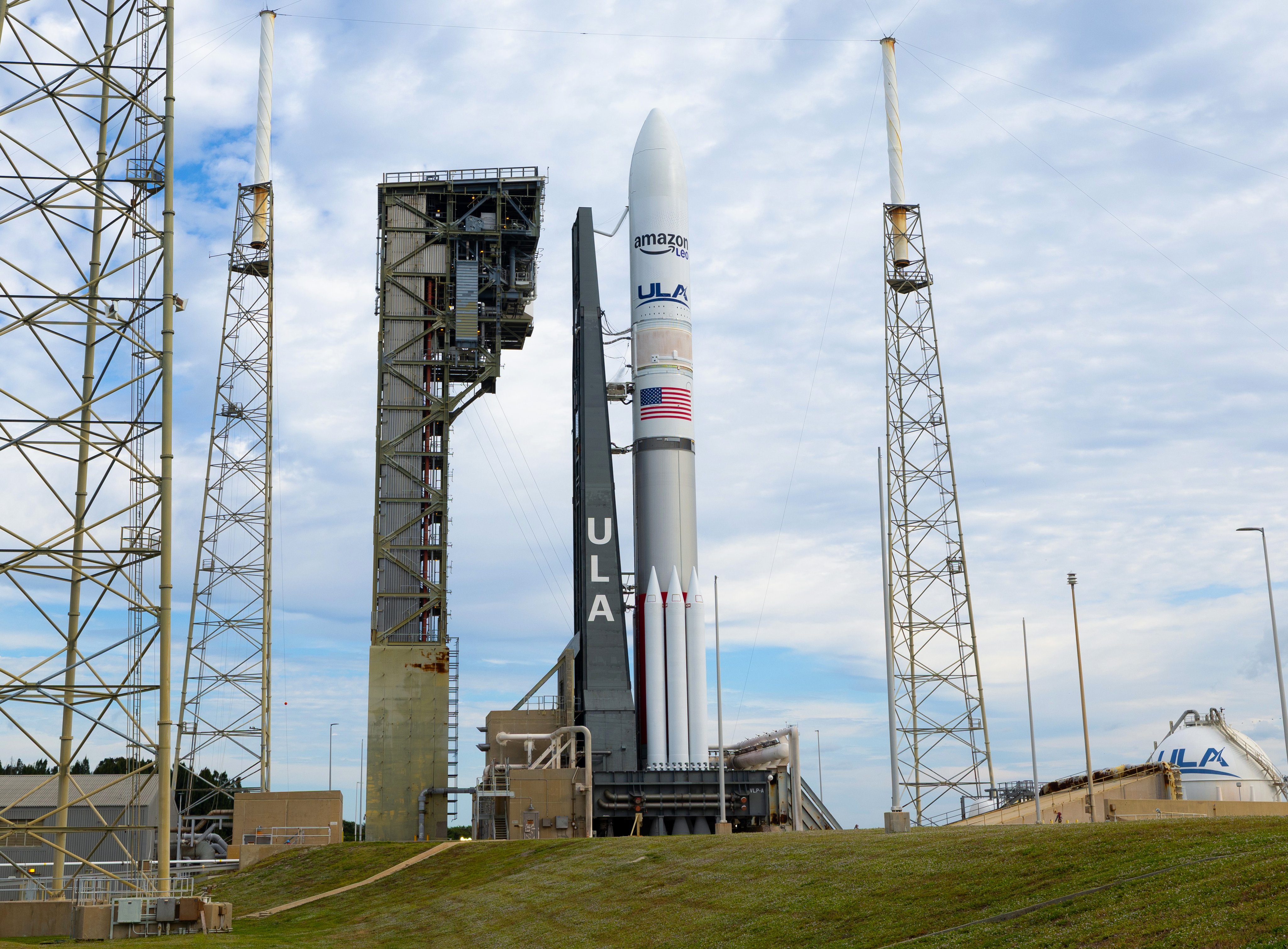
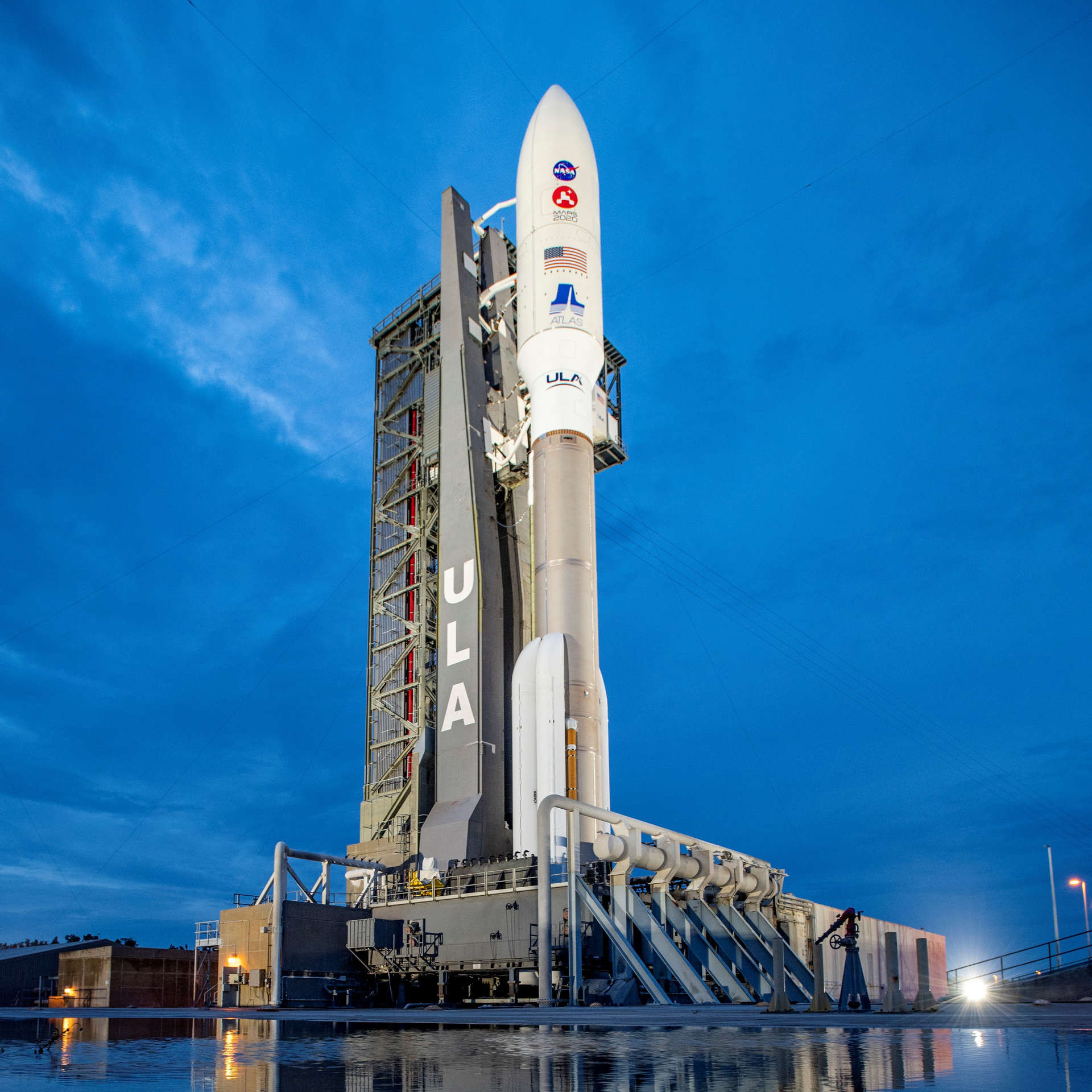
Provider: United Launch Alliance Date: November 14, 2026 Time: 5:32 PM UTC Vehicle: Vulcan VC6L
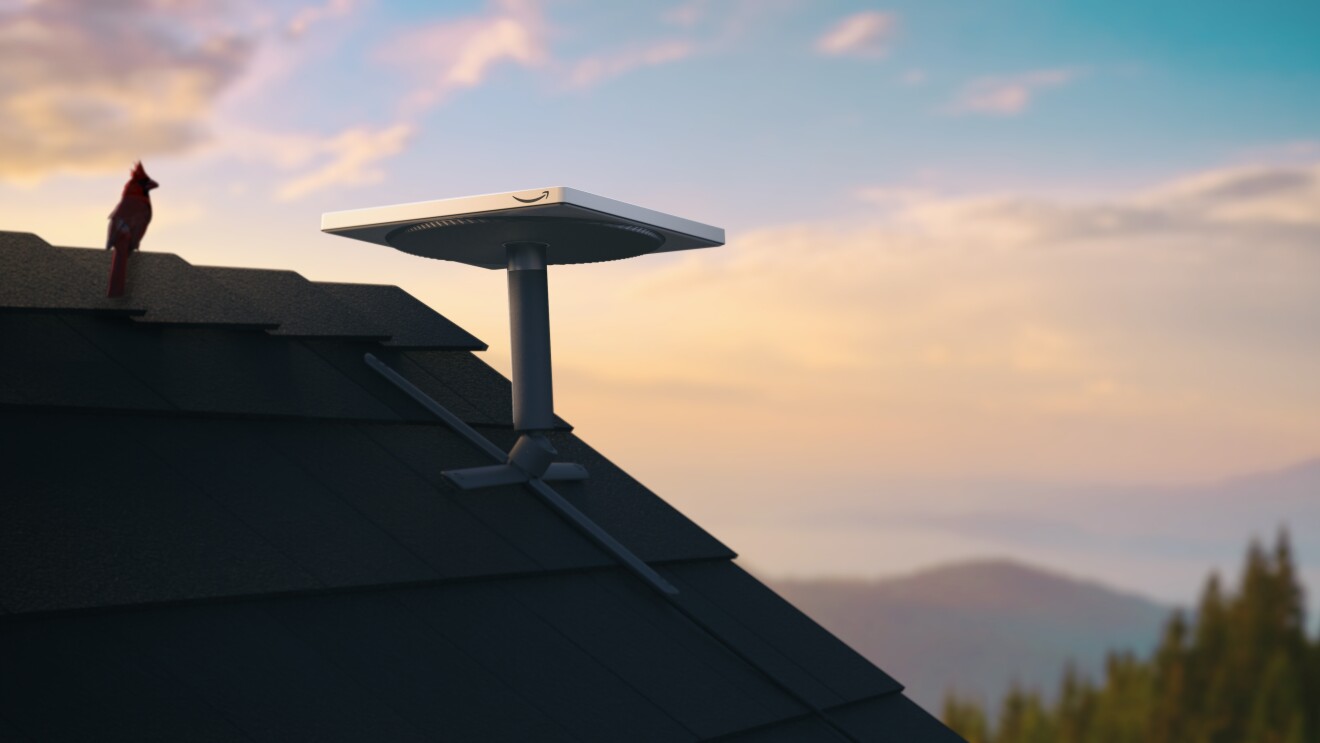
Amazon Leo, formerly known as Project Kuiper, is a mega constellation of satellites in Low Earth Orbit that will offer broadband internet access, this constellation will be managed by Kuiper Systems LLC, a subsidiary of Amazon. This constellation is planned to be composed of 3,276 satellites. The satellites are projected to be placed in 98 orbital planes in three orbital layers, one at 590 km, 610 km and 630 km altitude.
45 satellites will be carried on each Vulcan launch.
USSF-317
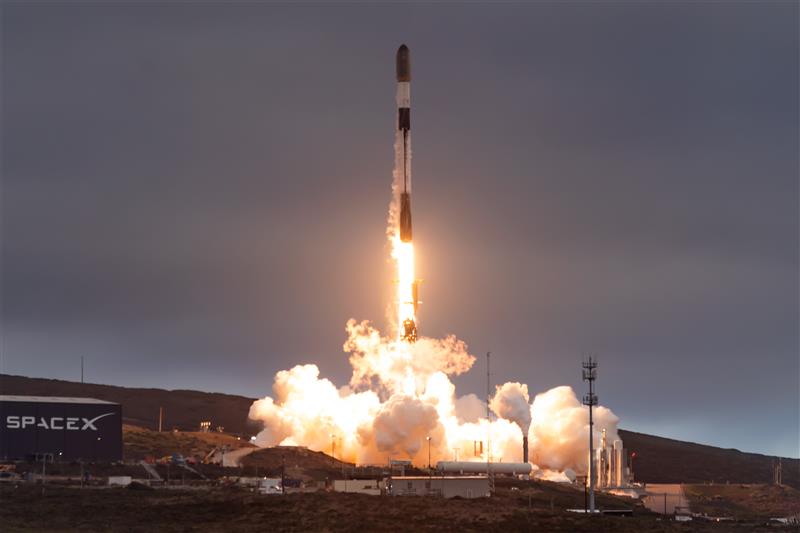
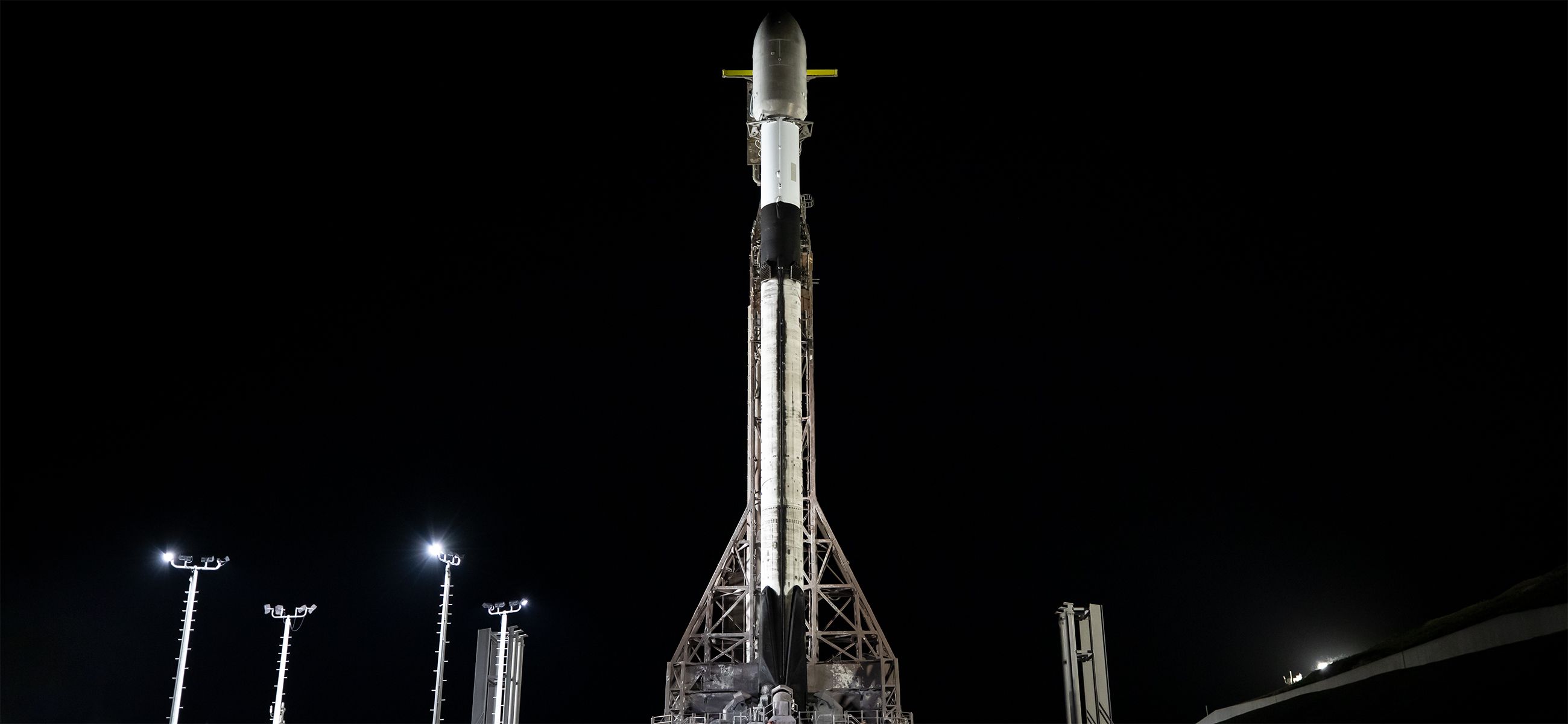
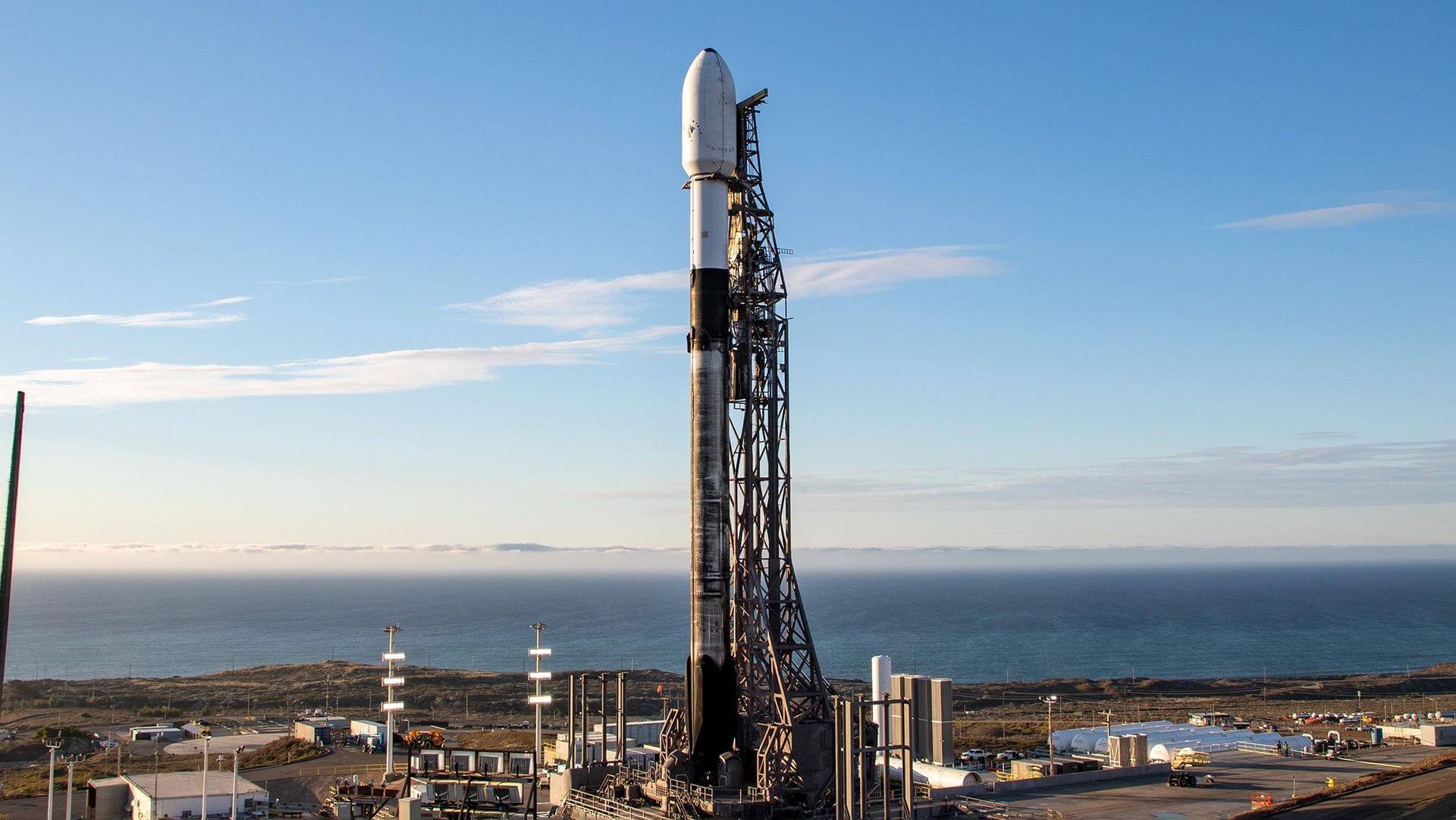
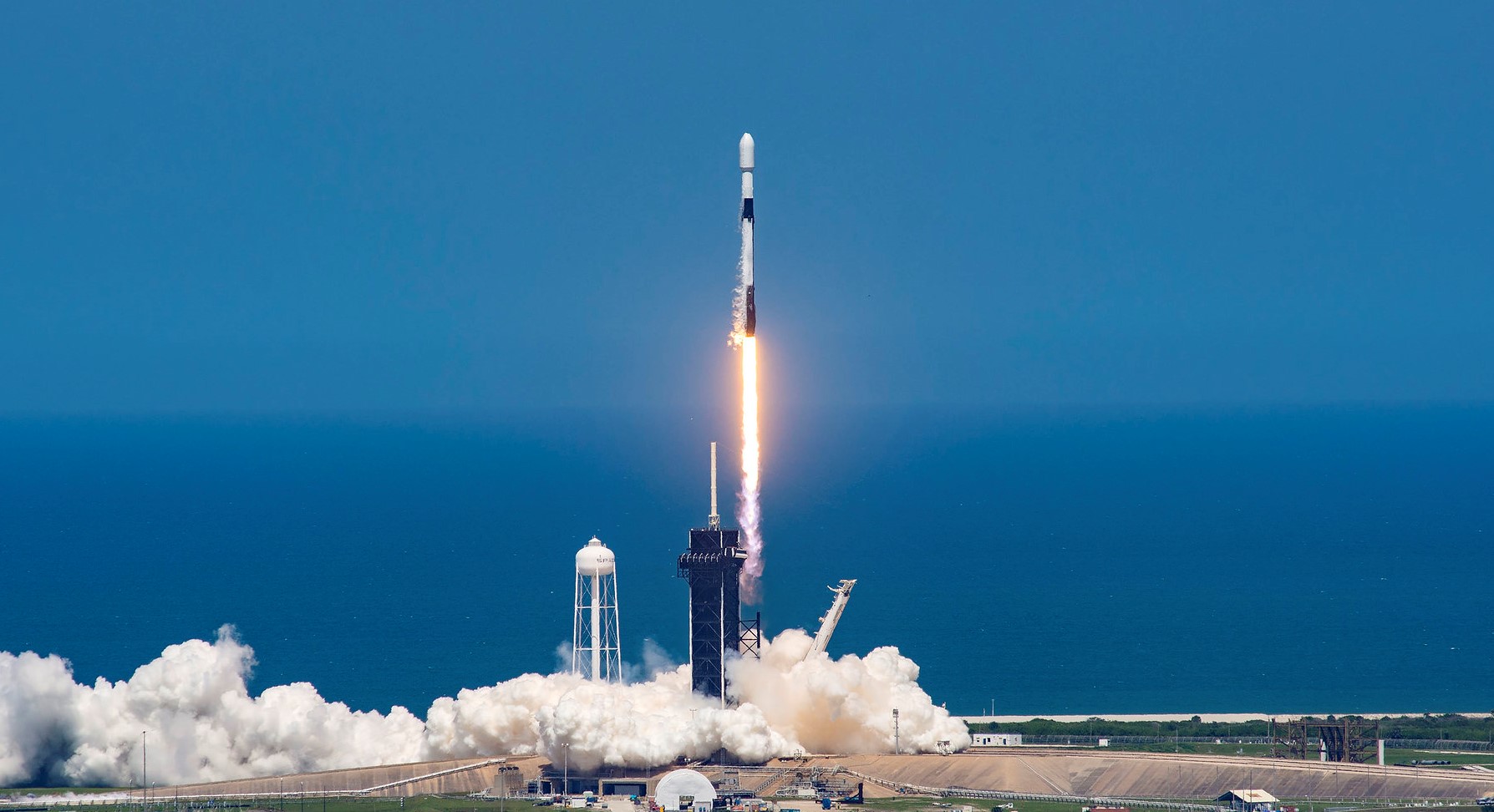
Provider: SpaceX Date: November 18, 2026 Time: 3:14 AM UTC Vehicle: Falcon 9
A classified mission for the United States Space Force. It is possibly a batch of classified LEO satellites based on SpaceX’s Starshield satellite bus, based on locations of rocket stage drop zones being exact fits with previous Starlink Group 15 launches.
Unknown Payload
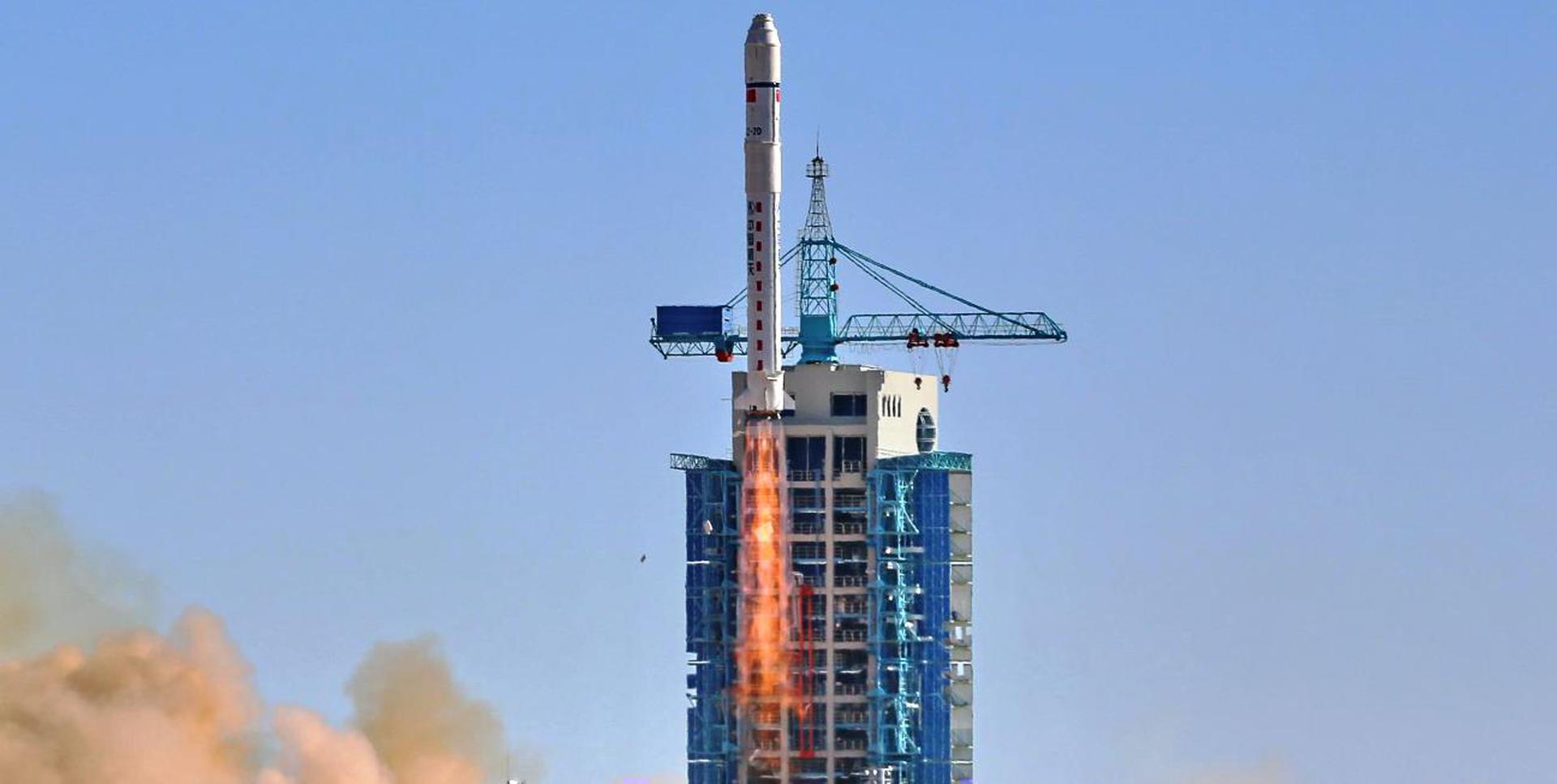
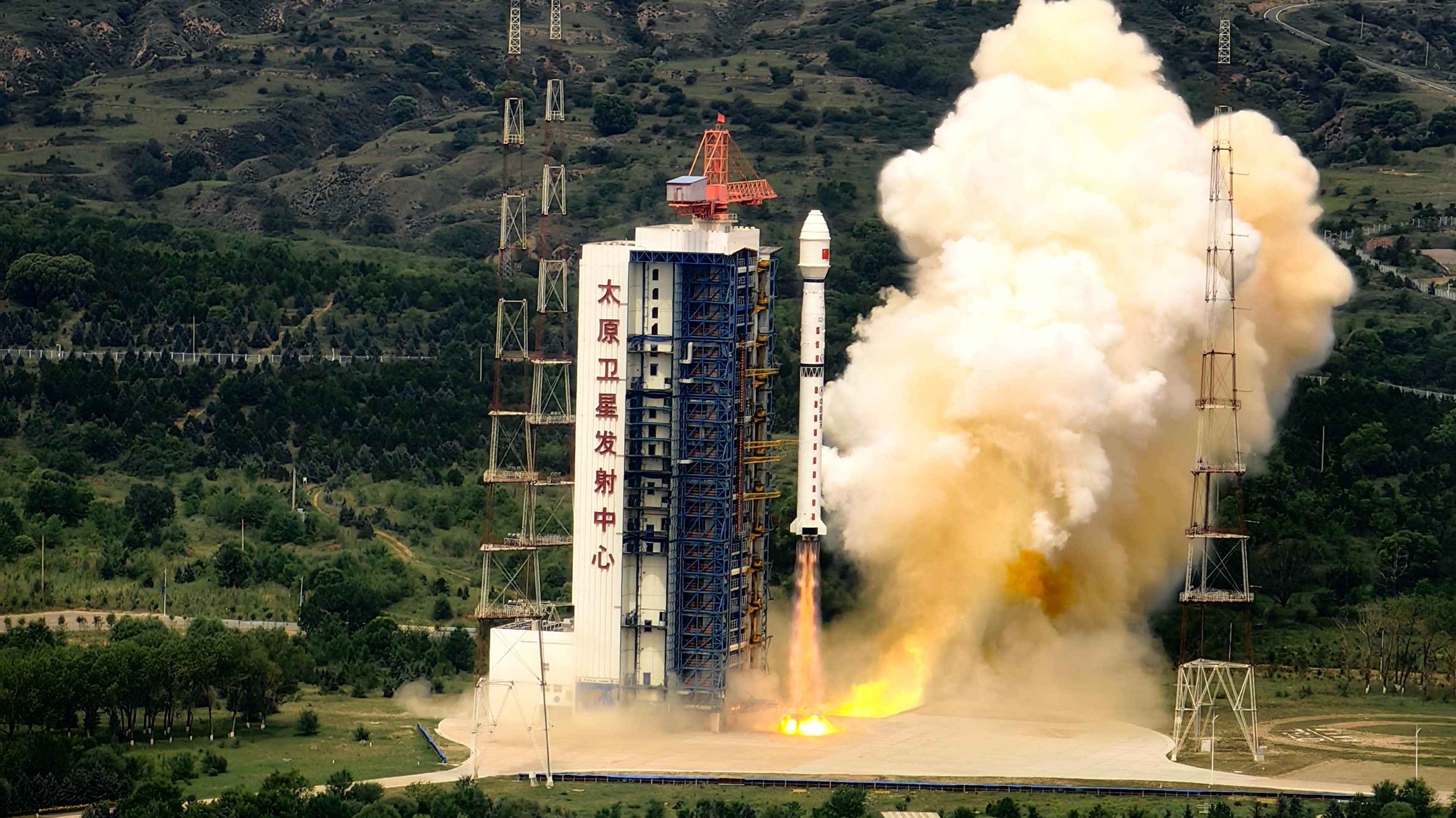
Provider: China Aerospace Science and Technology Corporation Date: November 18, 2026 Time: 10:50 PM UTC Vehicle: Long March 2D
Details TBD.
SatNet LEO Group TBD?
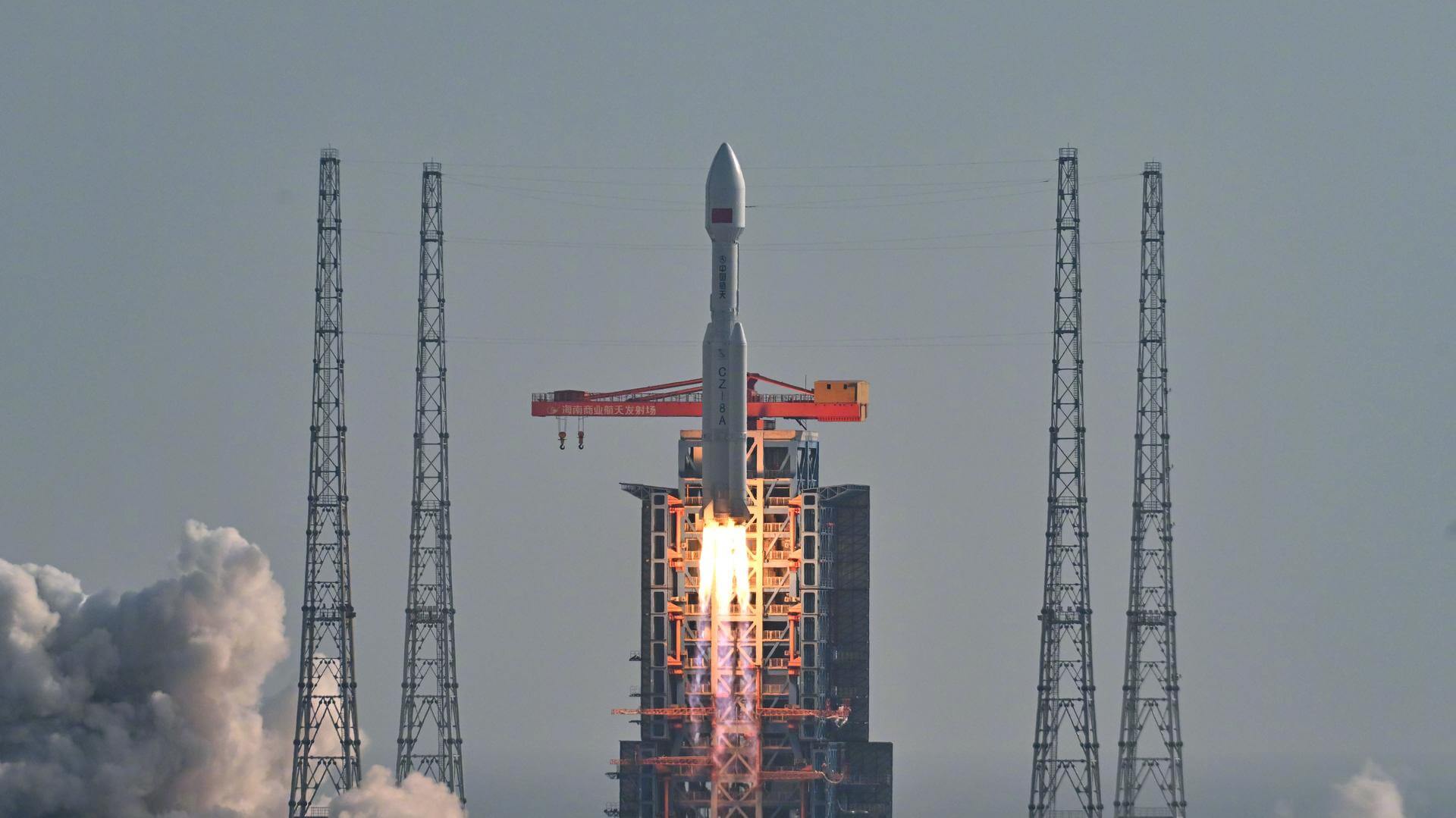
Provider: China Aerospace Science and Technology Corporation Date: November 20, 2026 Time: 11:00 AM UTC Vehicle: Long March 8A
A batch of 9 Low Earth Orbit communication satellites for the Chinese state owned SatNet constellation operated by the China Satellite Network Group.
The constellation will eventually consists of 13000 satellites.
NROL-136
Provider: SpaceX Date: November 21, 2026 Time: 12:30 PM UTC Vehicle: Falcon 9
Fifteenth batch of satellites for a reconnaissance satellite constellation built by SpaceX and Northrop Grumman for the National Reconnaissance Office to provide imaging and other reconnaissance capabilities.
Amazon Leo (LV-01) ×
Mission Details
TypeCommunications
OrbitLow Earth Orbit
TargetEarth
Amazon Leo, formerly known as Project Kuiper, is a mega constellation of satellites in Low Earth Orbit that will offer broadband internet access, this constellation will be managed by Kuiper Systems LLC, a subsidiary of Amazon. This constellation is planned to be composed of 3,276 satellites. The satellites are projected to be placed in 98 orbital planes in three orbital layers, one at 590 km, 610 km and 630 km altitude.
45 satellites will be carried on each Vulcan launch.
Amazon Leo is a satellite internet constellation aimed at providing high-speed, low-latency broadband connectivity to underserved and remote areas globally. The project involves deploying a constellation of low Earth orbit (LEO) satellites to create a satellite internet network capable of delivering reliable internet access.
Vulcan Centaur is a two-stage-to-orbit, heavy-lift launch vehicle under development by United Launch Alliance (ULA) since 2014. It is principally designed to meet launch demands for the U.S. government’s National Security Space Launch (NSSL) program for use by the United States Space Force and U.S….
This will be the maiden flight of the Vulcan VC6L.
USSF-317 ×
Mission Details
TypeGovernment/Top Secret
OrbitLow Earth Orbit
TargetEarth
A classified mission for the United States Space Force. It is possibly a batch of classified LEO satellites based on SpaceX’s Starshield satellite bus, based on locations of rocket stage drop zones being exact fits with previous Starlink Group 15 launches.
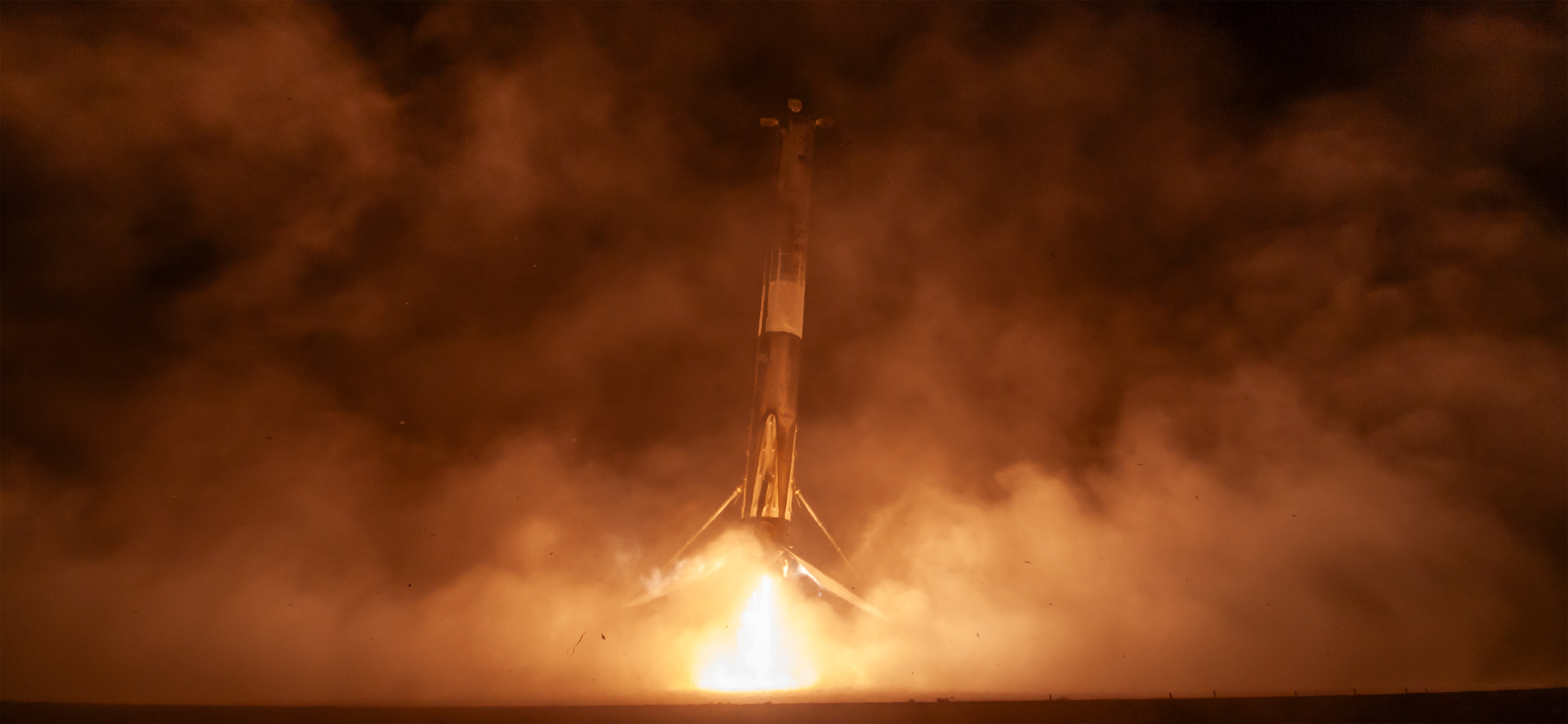
Falcon 9 is a two-stage rocket designed and manufactured by SpaceX for the reliable and safe transport of satellites and the Dragon spacecraft into orbit. The Block 5 variant is the fifth major interval aimed at improving upon the ability for rapid reusability.
The Long March 2D, also known as the Chang Zheng 2D, CZ-2D and LM-2D, is a Chinese orbital carrier rocket. It is a 2-stage carrier rocket mainly used for launching LEO and SSO satellites.
The Long March 8A is an orbital launch vehicle developed by the China Academy of Launch Vehicle Technology based on the Long March 8. It has an increased capability of up to 7 tonnes to a 700 km altitude sun-synchronous orbit. It implements a larger 3.35 meters diameter liquid hydrogen/liquid…
Fifteenth batch of satellites for a reconnaissance satellite constellation built by SpaceX and Northrop Grumman for the National Reconnaissance Office to provide imaging and other reconnaissance capabilities.
Falcon 9 is a two-stage rocket designed and manufactured by SpaceX for the reliable and safe transport of satellites and the Dragon spacecraft into orbit. The Block 5 variant is the fifth major interval aimed at improving upon the ability for rapid reusability.
Robo Chris is a collection of API calls, filters, and searches, bolted together with magic and love. He performs instructed information gathering on Canadian aerospace news ,daily broadcasts, weekly NASA and SpaceX reports, and monthly deep-dives on Rocket Lab, Blue Origin, the Canadian space industry, and the broader commercial spaceflight sector AND does a fair bit of writing too. Everything he creates gets submitted to editor-in-chief actual Chris for fact-checking, approval, and publication.






Leave a Reply