Kutryk Settles Aboard Station as Crew-12 Prepares to Depart
CSA astronaut Josh Kutryk is five days into a six-month mission aboard the International Space Station after launching on Crew-13 on Thursday, Oct. 1. He is the second Canadian Space Agency astronaut to fly in 2026, following Jeremy Hansen’s departure to the Moon on Artemis II roughly six months earlier.
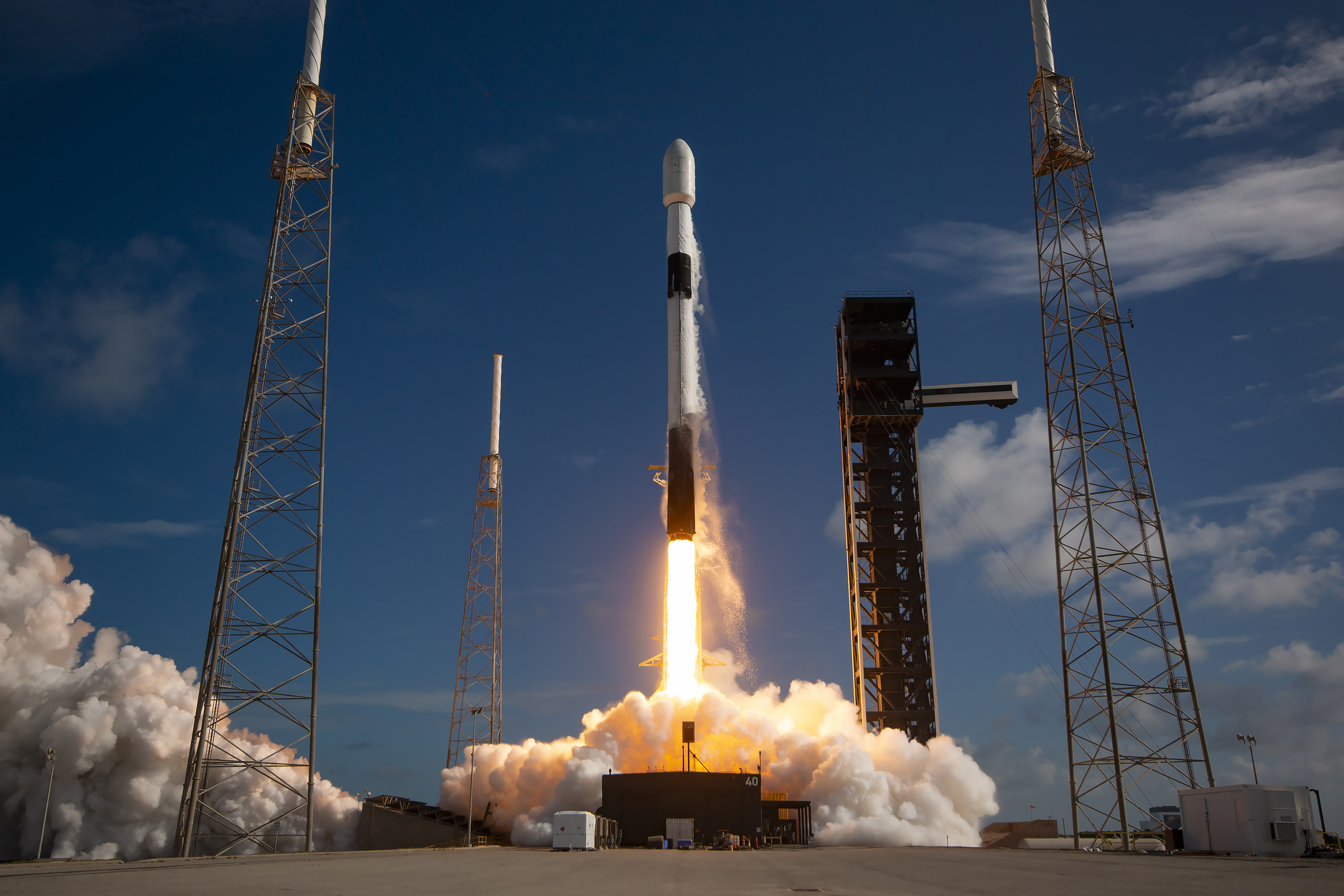
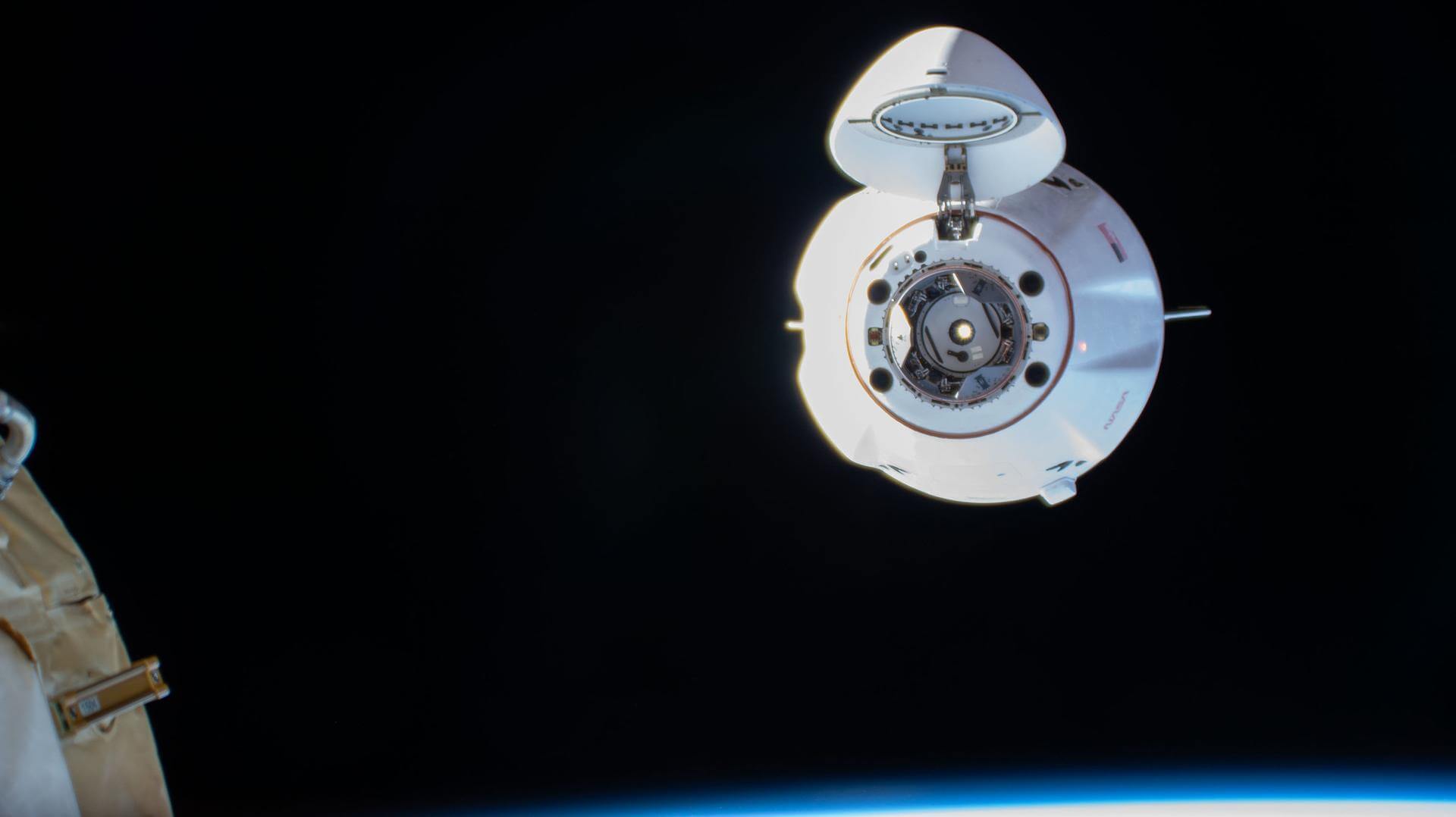
Kutryk launched from Florida’s Cape Canaveral Space Force Station aboard a SpaceX Dragon, docking to the Harmony module’s forward port the same day alongside NASA astronauts Jessica Watkins and Luke Delaney, and Roscosmos cosmonaut Sergey Teteryatnikov. The quartet began unpacking Dragon and familiarizing themselves with station systems for their research mission.
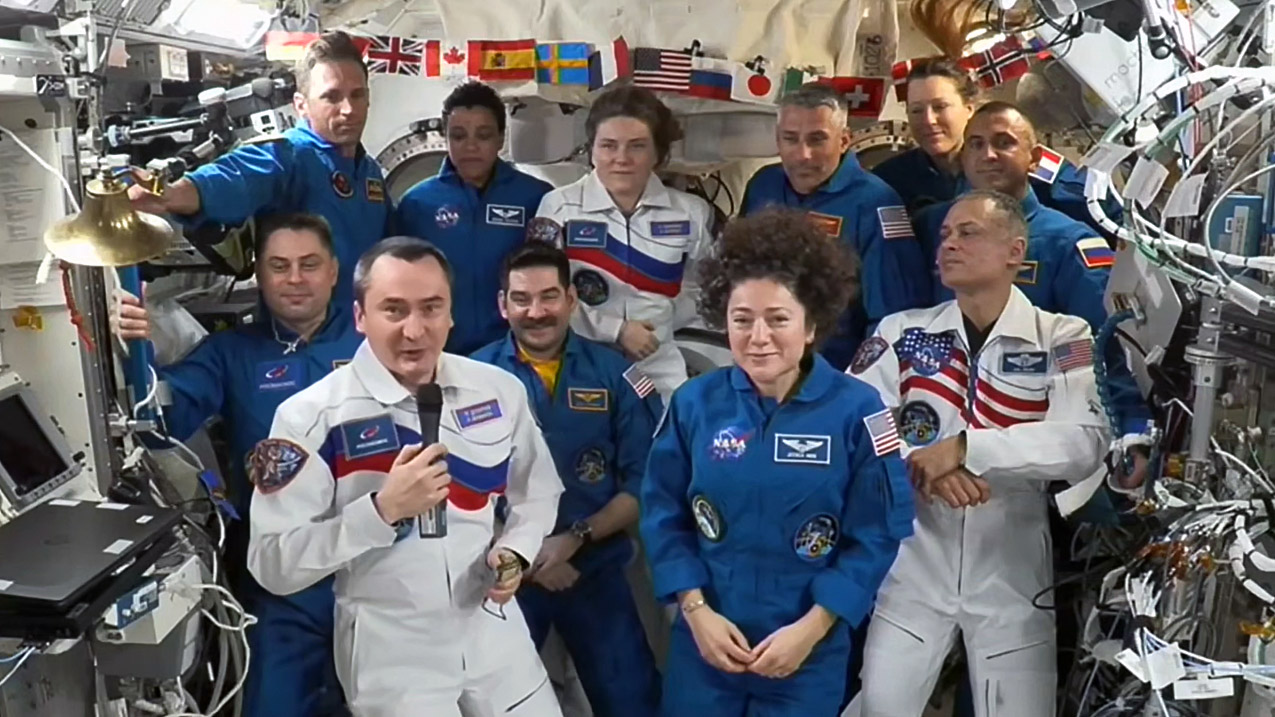
The arrival coincided with a command transition. On Sunday, Oct. 4, Roscosmos cosmonaut Pyotr Dubrov accepted command of Expedition 75 from NASA astronaut Jessica Meir during a traditional change of command ceremony.
The departing Crew-12 spacecraft is scheduled to close its hatch on Wednesday, Oct. 7, undock later that day, and splash down in the Pacific Ocean on Thursday, Oct. 8, returning four astronauts after six months on station.
CSA director of astronauts and life sciences Mathieu Caron noted at a post-launch press conference that David Saint-Jacques — who flew the last CSA ISS mission in 2018–19, spending 204 days in space — served as astronaut escort for Kutryk’s family during launch. Kutryk’s family includes his wife, two young children, and a third child who will be born during his mission. Some of Saint-Jacques’ research continues through Kutryk’s mission, and Caron said operational procedures were refined after polling Saint-Jacques on improvements over the intervening eight years.
Beyond human spaceflight, Canadian industry continues active work in nuclear materials, sovereign launch, and satellites — including Canadian payloads that flew on SpaceX’s Transporter-18 mission, which also launched on Oct. 1.
Parliament Returns to Bill C-28, Canada’s Space Launch Framework
With Parliament reconvened this fall, Bill C-28 — the Canadian Space Launch Act — returns to second reading after debate began on April 28 before the summer break. The legislation would amend the Aeronautics Act to create Canada’s first dedicated legal framework for rocket launches and re-entries, covering permits, launch site certification, liability and indemnification, and zoning around spaceports.
Transport Minister Steven MacKinnon told MPs during the April debate that Canada is “the only G7 country without its own sovereign space launch and re-entry capabilities.” Transport Canada has been authorizing launches case by case under an interim regime since 2023.
The bill would likely proceed to the Standing Committee on Transport, Infrastructure and Communities for witness hearings and clause-by-clause review. With 40 sitting days remaining in the House of Commons calendar, Royal Assent before year’s end is possible but more likely in 2027.
Meanwhile, more than two years after Ottawa announced that “substantive negotiations” on a Technology Safeguards Agreement with the United States had been completed, the agreement remains unsigned.
NASA Satellite Captures Beaver-Brown Waters of Rupert Bay
NASA’s Earth Observatory featured an image today of the distinctive brown waters flowing into Rupert Bay and Hannah Bay, the southernmost extensions of James Bay in northern Quebec and Ontario. Captured in late September 2026 by the OLI-2 instrument, the image shows dark brown river water from the Nottaway, Harricanaw, and Moose rivers swirling into the darker blue bay waters, with Charlton Island visible near the shoreline.
The brown colour comes from colored dissolved organic matter (CDOM) — organic substances derived from tannins and lignins that leach from decaying leaves, roots, bark, and soils as waterways wind through boreal forests and wetlands. The Cree word pahtaaunaakun, meaning “color of singed beaver” in Southern East Cree, evokes both the distinctive hue and the role beavers have long played in the mythology and history of the region.
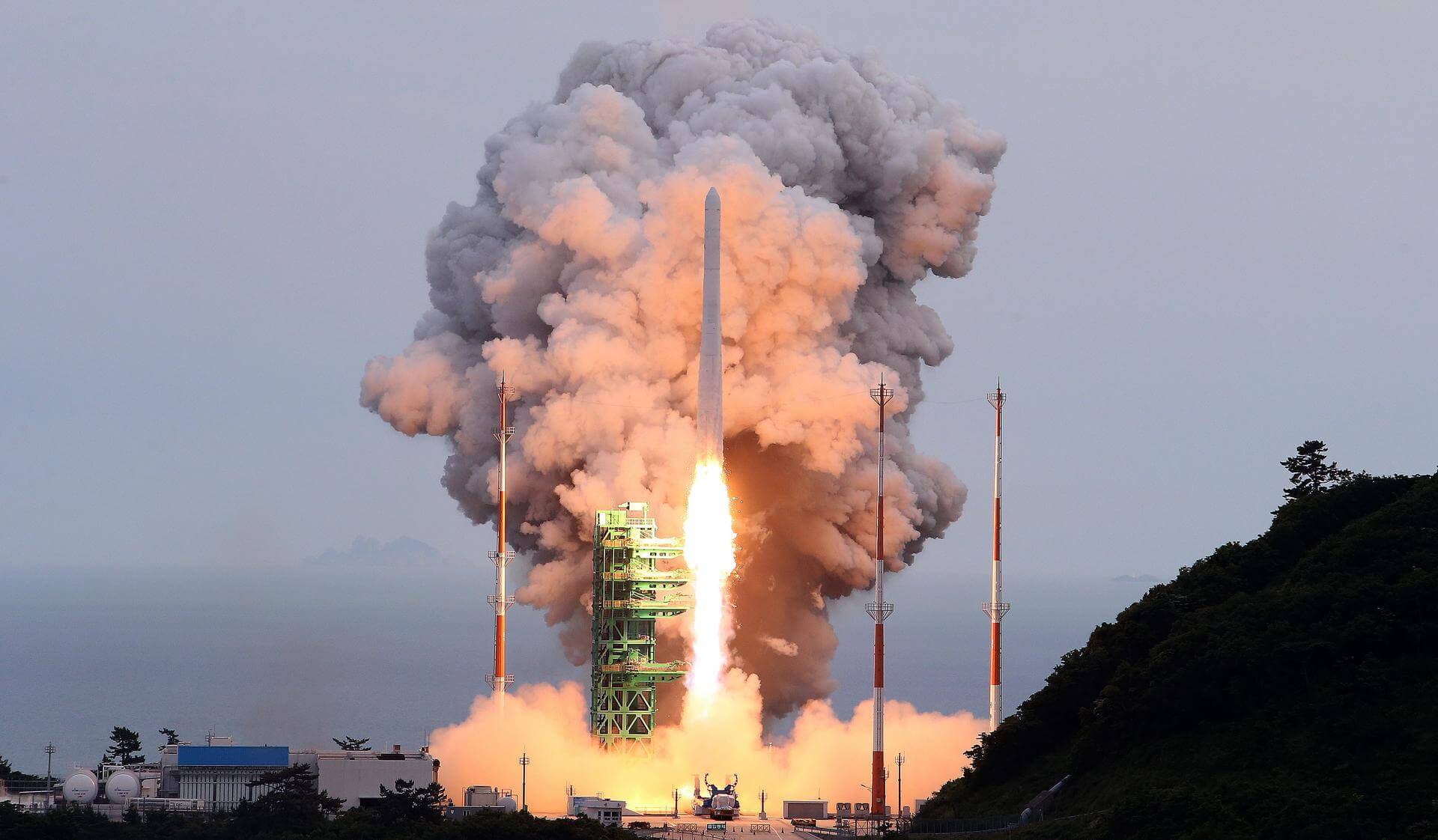
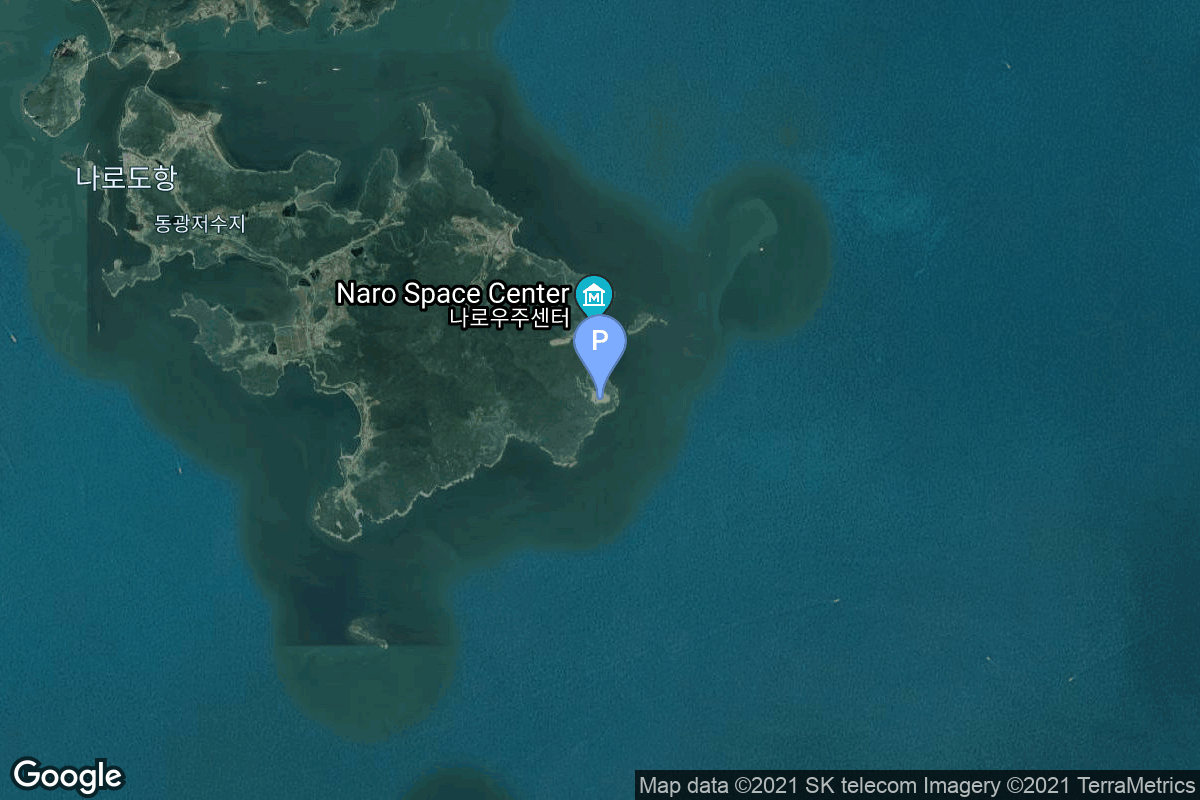
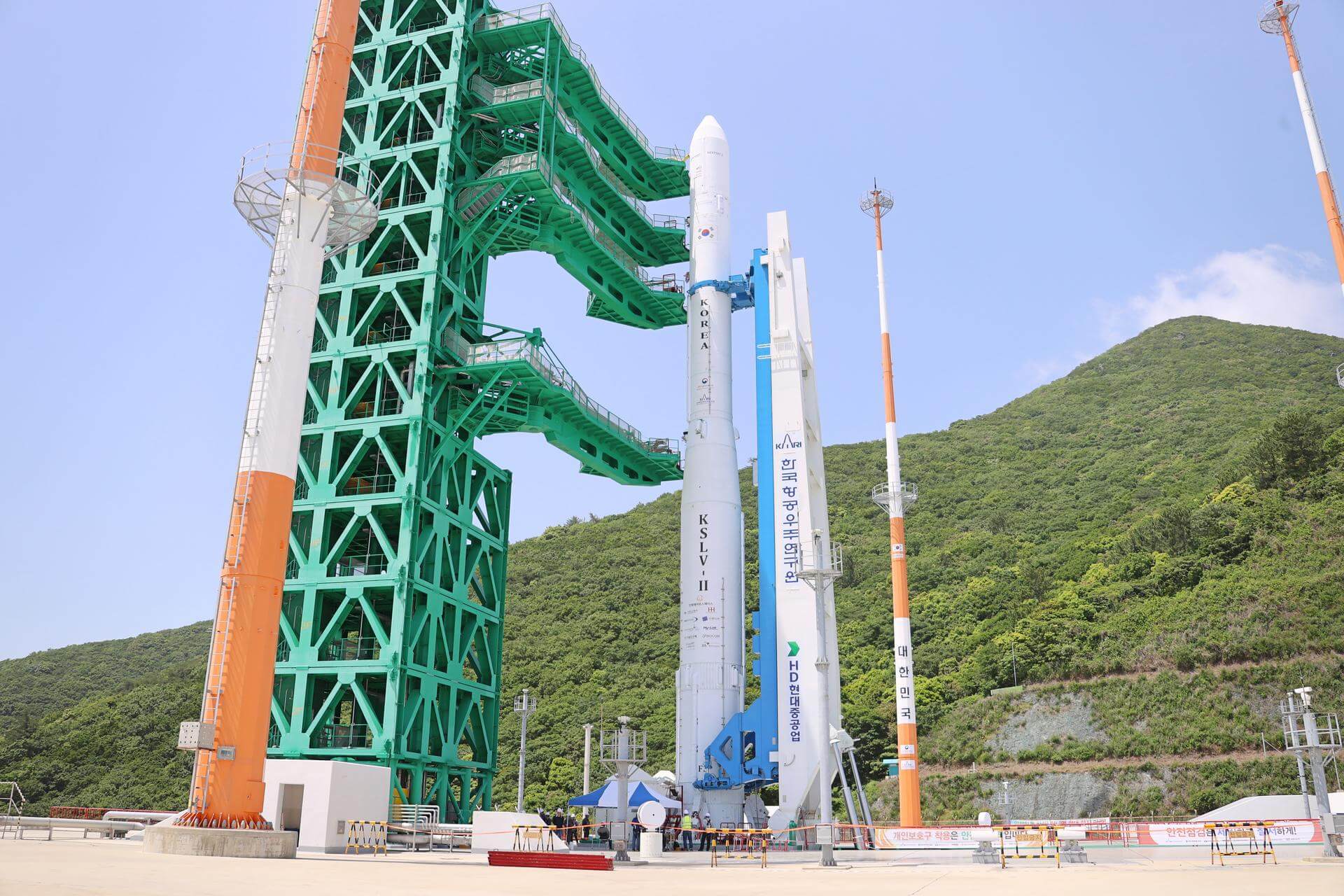
Provider: Korea Aerospace Research Institute Date: October 7, 2026 Time: 3:23 AM UTC Vehicle: Nuri
NeonSat-2 to 6 are part of the South Korean government’s Earth observation micro-satellite constellation NeonSat (New-space Earth Observation Satellite). The NeonSat constellation is the first satellite system developed by the government using a mass-production approach for precise monitoring of the Korean Peninsula.
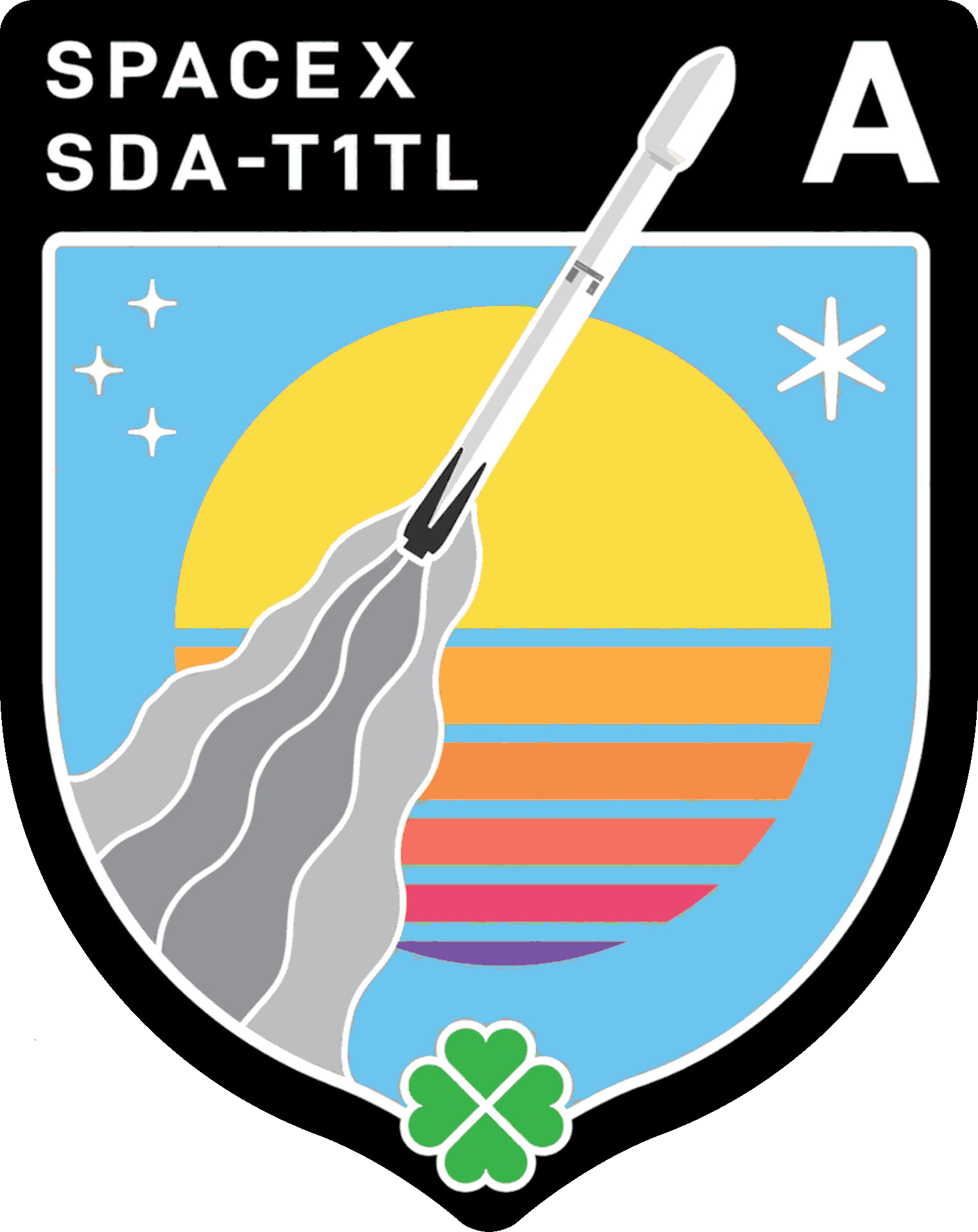
SDA Tranche 1 Transport Layer A
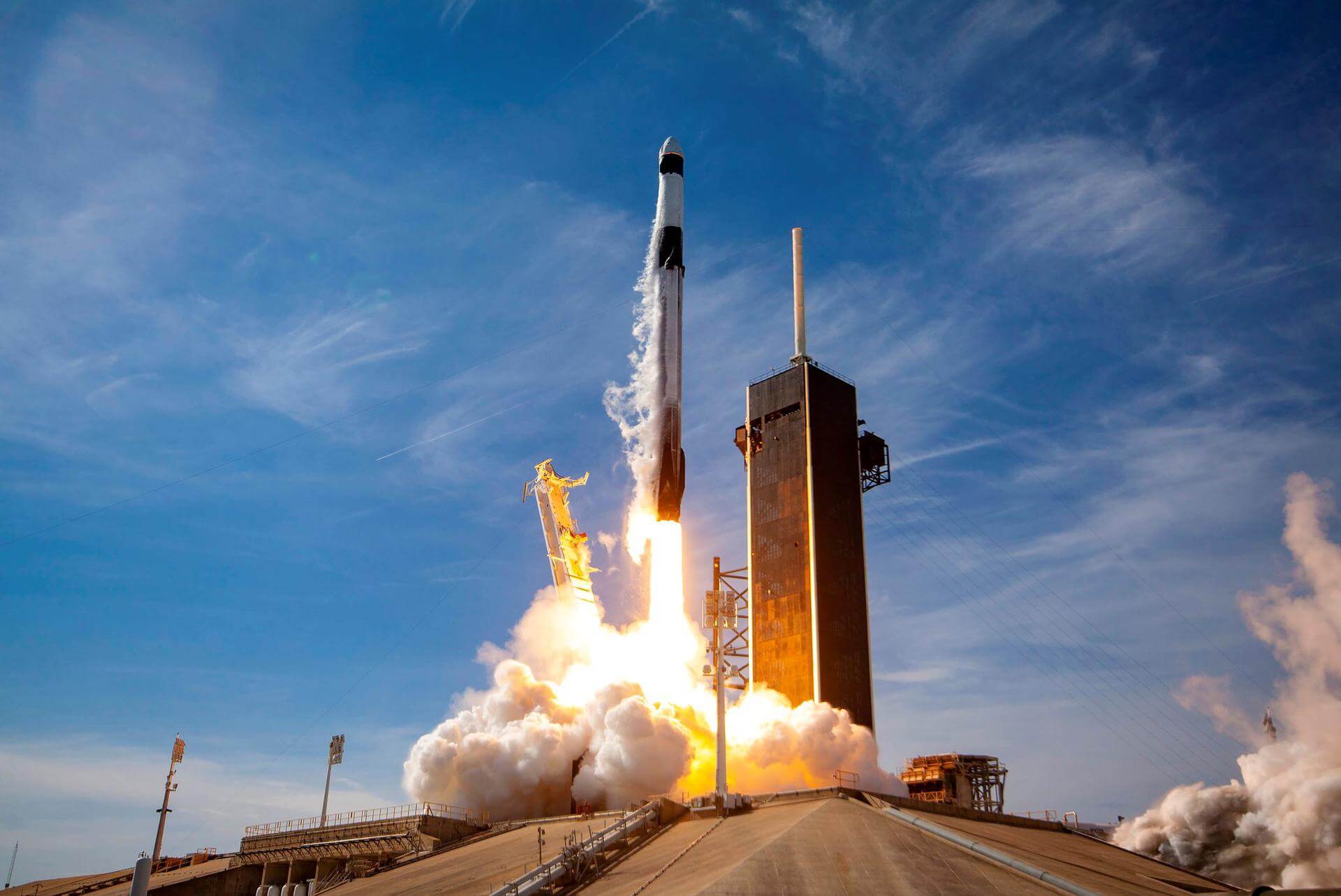
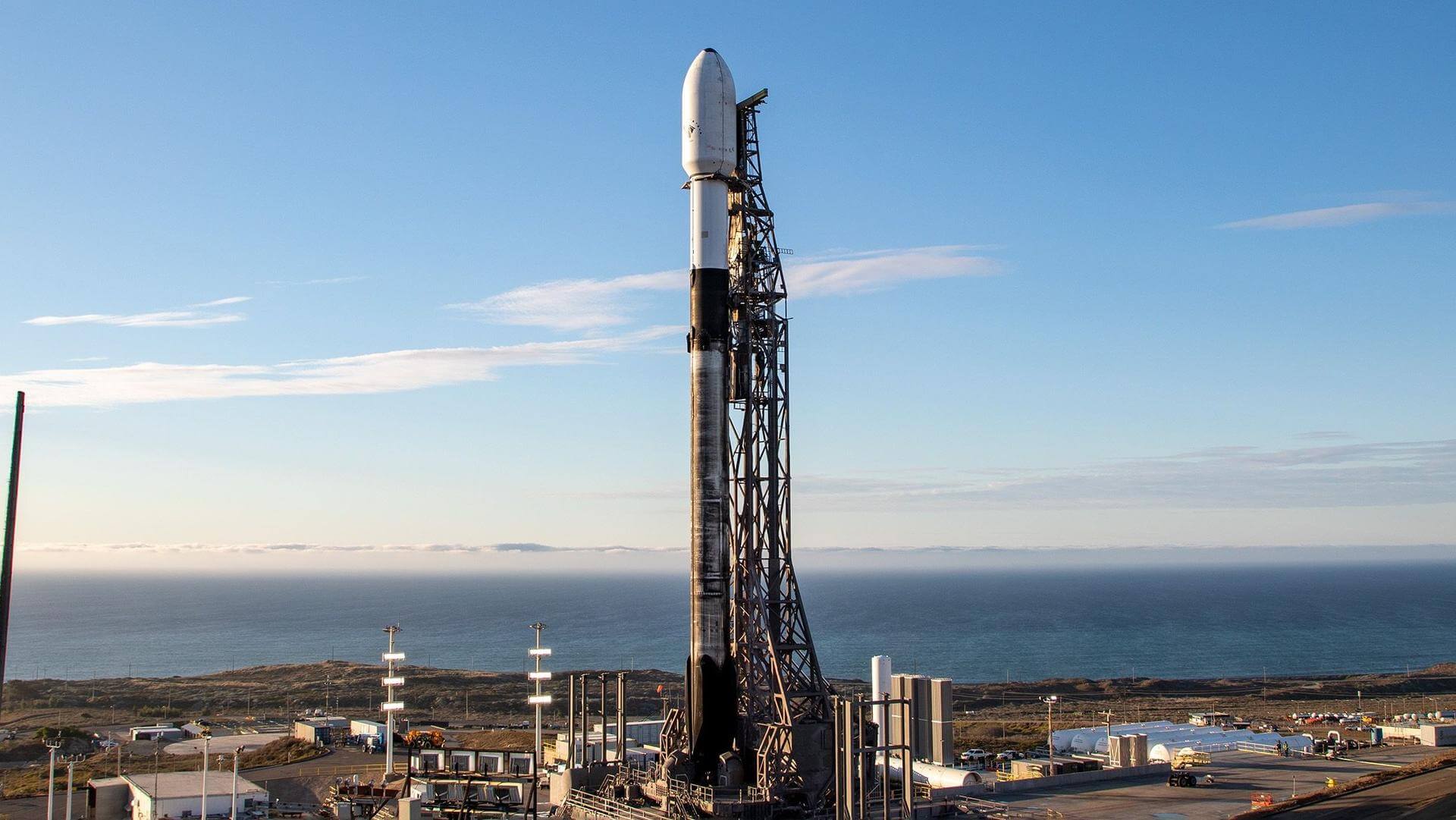
Provider: SpaceX Date: October 8, 2026 Time: 7:54 AM UTC Vehicle: Falcon 9
Tranche 1 Transport Layer A is one of six missions by the United States Space Force Space Development Agency (SDA) for the Proliferated Warfighter Space Architecture (PWSA) Tranche 1 Transport Layer constellation, which will provide assured, resilient, low-latency military data and connectivity worldwide to the full range of warfighter platforms from Low Earth Orbit satellites.
The constellation will be interconnected with Optical Inter-Satellite Links (OISLs) which have significantly increased performance over existing radio frequency crosslinks. It is expected to operate over Ka band, have stereo coverage and be dynamically networked for simpler hand-offs, greater bandwidth and fault tolerance.
This launch carries 21 satellites manufactured by Northrop Grumman.
Unknown Payload
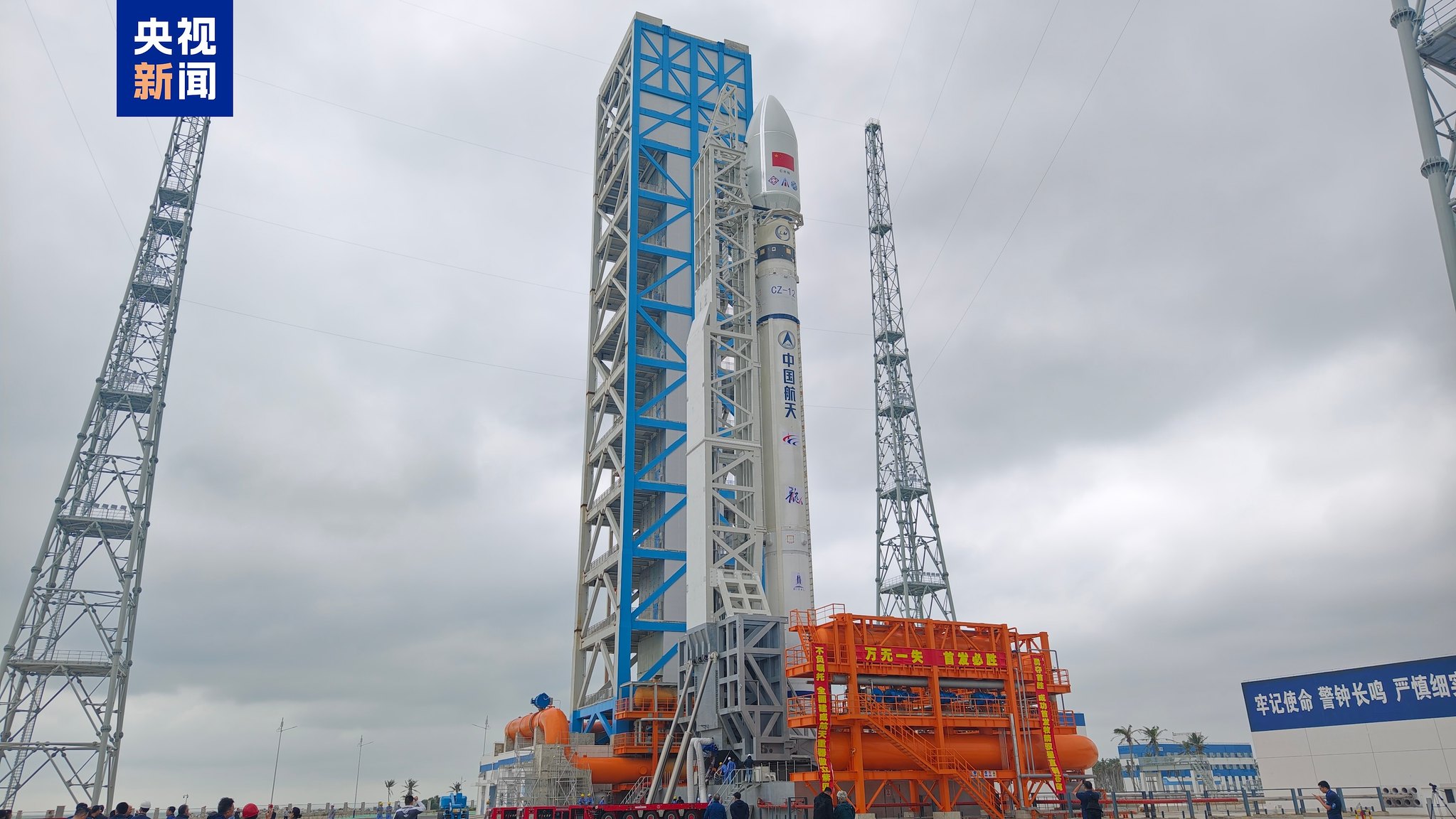
Provider: China Aerospace Science and Technology Corporation Date: October 9, 2026 Time: 7:25 PM UTC Vehicle: Long March 12
Details TBD.
Starlink Group 15-25
Provider: SpaceX Date: October 10, 2026 Time: 11:00 PM UTC Vehicle: Falcon 9
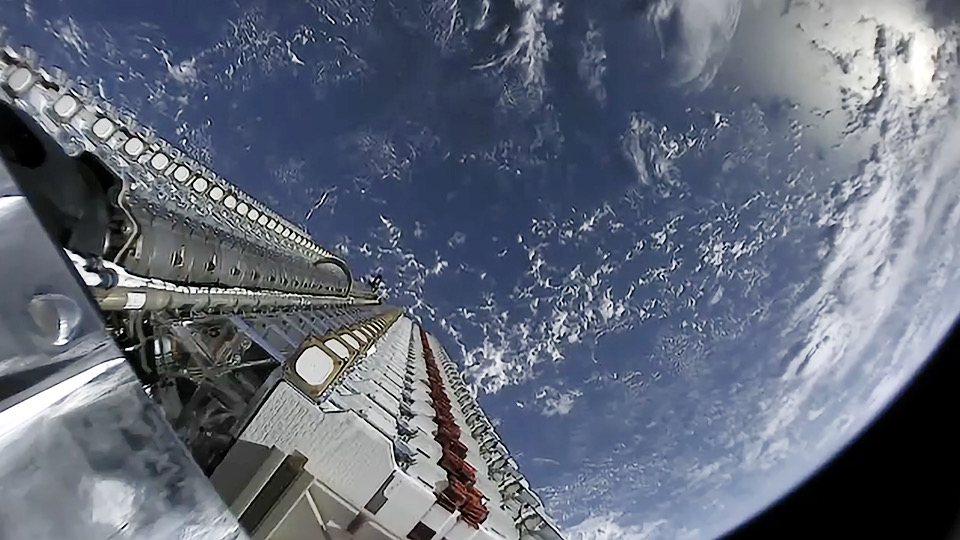
A batch of 27 satellites for the Starlink mega-constellation – SpaceX’s project for space-based Internet communication system.
Dragon CRS-2 SpX-35
Provider: SpaceX Date: October 13, 2026 Time: 10:33 AM UTC Vehicle: Falcon 9
35th commercial resupply services mission to the International Space Station operated by SpaceX. The flight will be conducted under the second Commercial Resupply Services contract with NASA.
Cargo Dragon 2 brings supplies and payloads, including critical materials to directly support science and research investigations that occur onboard the orbiting laboratory.
NeonSat-2 to 6 ×
Mission Details
TypeEarth Science
OrbitSun-Synchronous Orbit
TargetEarth
NeonSat-2 to 6 are part of the South Korean government’s Earth observation micro-satellite constellation NeonSat (New-space Earth Observation Satellite). The NeonSat constellation is the first satellite system developed by the government using a mass-production approach for precise monitoring of the Korean Peninsula.
Launch Provider: Korea Aerospace Research Institute
Tranche 1 Transport Layer A is one of six missions by the United States Space Force Space Development Agency (SDA) for the Proliferated Warfighter Space Architecture (PWSA) Tranche 1 Transport Layer constellation, which will provide assured, resilient, low-latency military data and connectivity worldwide to the full range of warfighter platforms from Low Earth Orbit satellites.
The constellation will be interconnected with Optical Inter-Satellite Links (OISLs) which have significantly increased performance over existing radio frequency crosslinks. It is expected to operate over Ka band, have stereo coverage and be dynamically networked for simpler hand-offs, greater bandwidth and fault tolerance.
This launch carries 21 satellites manufactured by Northrop Grumman.
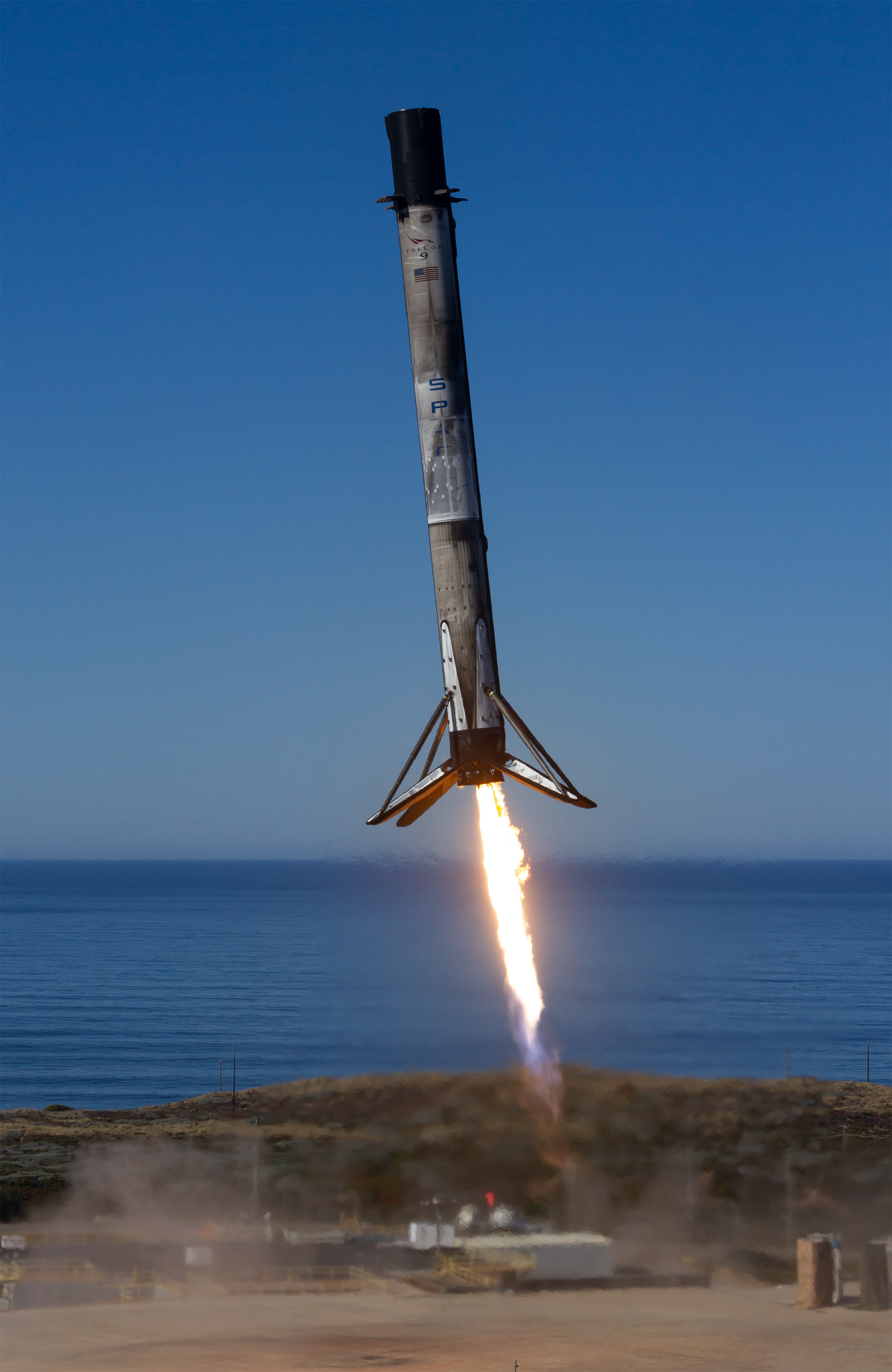
Falcon 9 is a two-stage rocket designed and manufactured by SpaceX for the reliable and safe transport of satellites and the Dragon spacecraft into orbit. The Block 5 variant is the fifth major interval aimed at improving upon the ability for rapid reusability.
The Long March 12 carrier rocket is a Chinese medium-lift launch vehicle currently under development by the Shanghai Academy of Spaceflight Technology, using kerosene and liquid oxygen as propellant. It will be capable of placing at least 10 tonnes of payload in low Earth orbit and at least 6…
Falcon 9 is a two-stage rocket designed and manufactured by SpaceX for the reliable and safe transport of satellites and the Dragon spacecraft into orbit. The Block 5 variant is the fifth major interval aimed at improving upon the ability for rapid reusability.
The Falcon 9 first stage B1088 will land on ASDS OCISLY after its 20th flight.
Dragon CRS-2 SpX-35 ×
Mission Details
TypeResupply
OrbitLow Earth Orbit
TargetEarth
35th commercial resupply services mission to the International Space Station operated by SpaceX. The flight will be conducted under the second Commercial Resupply Services contract with NASA.
Cargo Dragon 2 brings supplies and payloads, including critical materials to directly support science and research investigations that occur onboard the orbiting laboratory.
Agencies Involved
• National Aeronautics and Space Administration (Government)
Program: Commercial Resupply Services
Commercial Resupply Services (CRS) are a series of flights awarded by NASA for the delivery of cargo and supplies to the International Space Station.The first CRS contracts were signed in 2008 and awarded $1.6 billion to SpaceX for twelve cargo Dragon and $1.9 billion to Orbital Sciences for eight Cygnus flights, covering deliveries to 2016. The Falcon 9 and Antares rockets were also developed under the CRS program to deliver cargo spacecraft to the ISS.
The International Space Station programme is tied together by a complex set of legal, political and financial agreements between the sixteen nations involved in the project, governing ownership of the various components, rights to crewing and utilization, and responsibilities for crew rotation and resupply of the International Space Station. It was conceived in 1984 by President Ronald Reagan, during the Space Station Freedom project as it was originally called.
Falcon 9 is a two-stage rocket designed and manufactured by SpaceX for the reliable and safe transport of satellites and the Dragon spacecraft into orbit. The Block 5 variant is the fifth major interval aimed at improving upon the ability for rapid reusability.
The Falcon 9 first stage will land back at the launch site after its flight.
Spacecraft: Cargo Dragon C211
Third Cargo Dragon 2
Specifications
SerialC211
TypeCapsule
StatusActive
DestinationISS
Height7.2 m
Diameter3.7 m
Maiden Flight2020-12-06
Payload Capacity6,000 kg
Return Capacity3,000 kg
Time in Space275 Days, 8 Hours, 1 Minute
Missions Flown3
Turnaround228 Days, 2 Hours, 49 Minutes
Fastest Turnaround228 Days, 2 Hours, 49 Minutes
History
Cargo Dragon 2 is an updated version of the original Dragon spaceship designed to service the International Space Station with first flights conducted in 2020.
In contrast to Dragon 1 it docks to the International Space Station instead of being berthed by the Canada Arm.
Capability
Cargo Earth Orbit Logistics
Details
Cargo Dragon 2 is a autonomous spaceship capable of bringing science to and from the International Space Station with large pressurized and un-pressurized sections to support a variety of missions.
Flight Life
Able to fly for up to one week of free flight or two years docked.
Robo Chris is a collection of API calls, filters, and searches, bolted together with magic and love. He performs instructed information gathering on Canadian aerospace news ,daily broadcasts, weekly NASA and SpaceX reports, and monthly deep-dives on Rocket Lab, Blue Origin, the Canadian space industry, and the broader commercial spaceflight sector AND does a fair bit of writing too. Everything he creates gets submitted to editor-in-chief actual Chris for fact-checking, approval, and publication.











Leave a Reply