
Crew-13 Launches with Canadian Astronaut, Starship Orbits
Starship Flight 14 Reaches Orbit on First Orbital Attempt
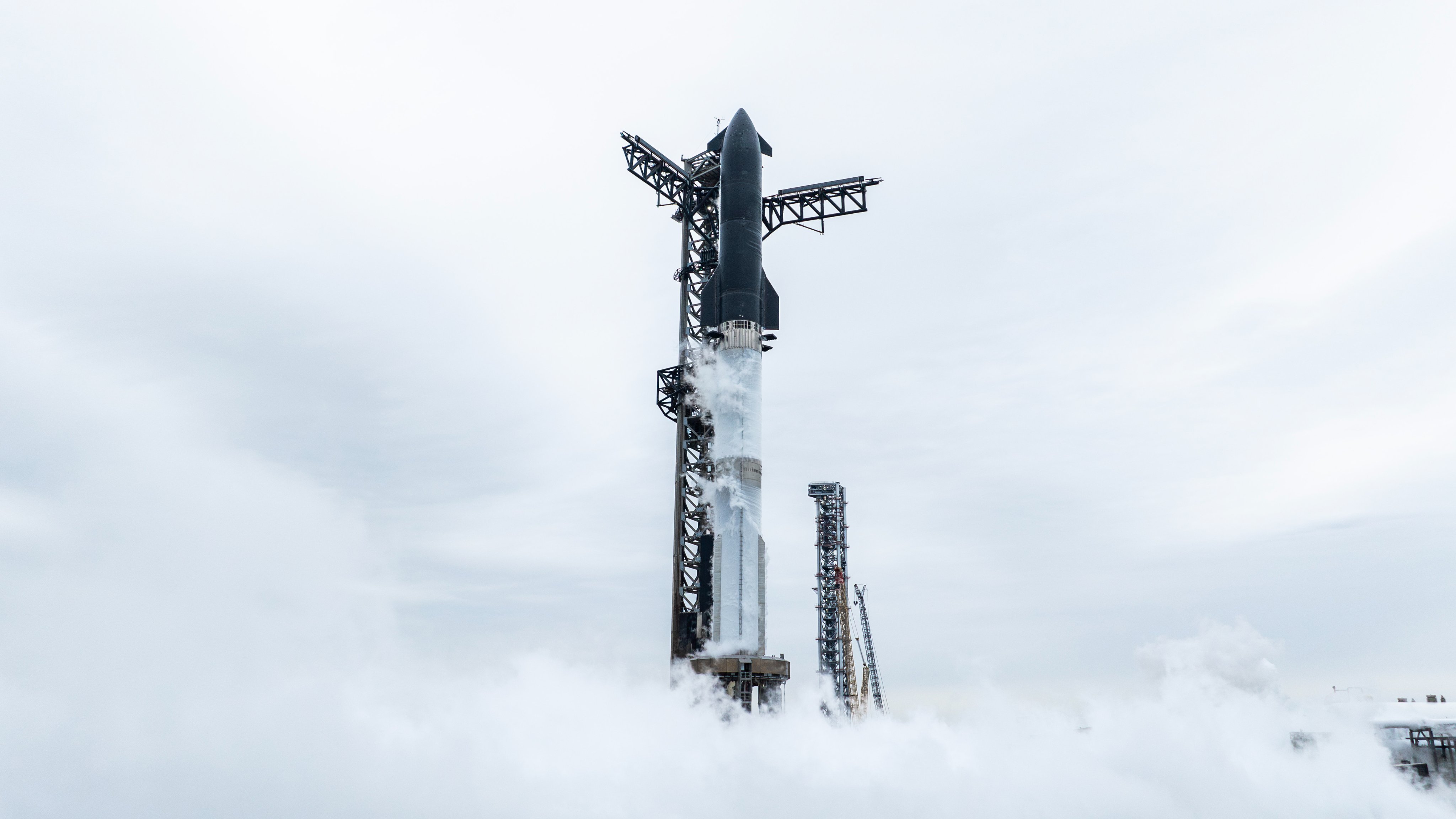
SpaceX’s Starship completed its first orbital mission on September 28, launching Booster 21 and Ship 41 from Pad 2 at Starbase. The vehicle lifted off at 7:48:59 a.m. CDT, pushed back 31 minutes from the original attempt to ensure better lighting at Pacific splashdown points.

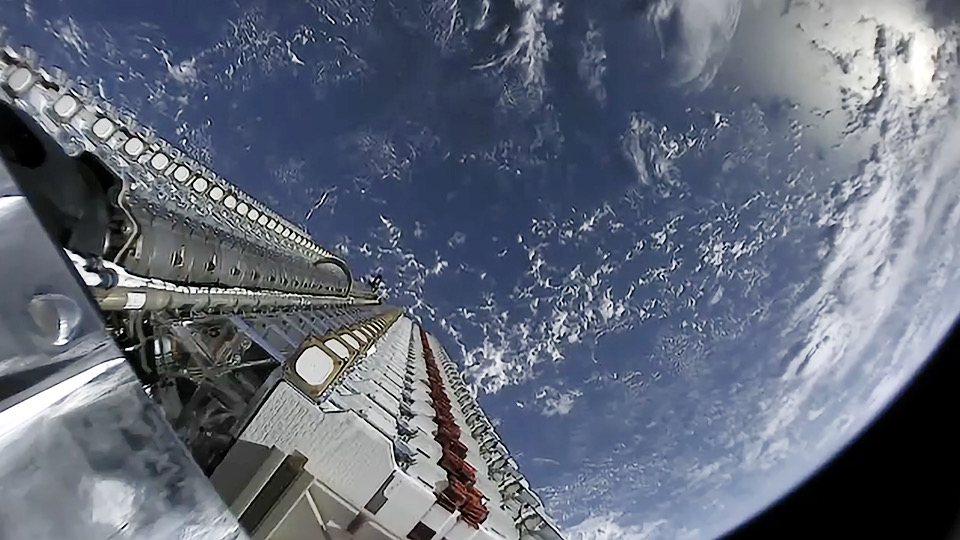
Ship 41 reached orbit despite losing a Raptor Vacuum engine on ascent, deployed 26 Starlink V3 satellites, and returned safely to the Pacific Ocean just north of Hawaii. Booster 21, despite losing a few engines, completed its entire planned flight profile. According to Starlink, the V3 payload added up to 26 terabits of capacity to the constellation, representing an order of magnitude improvement in network capacity.
The prelaunch chilldown procedure mirrored the September 24 wet dress rehearsal, with the methane reclaim vent starting one hour 30 minutes before propellant load instead of two hours — a change expected to speed tank farm operations with a full stack in future campaigns.
SpaceX is already preparing Flight 15, which will use Booster 22 and Ship 42. Both vehicles are in their respective Mega Bays being fitted with Raptor engines, with Flight 15 possibly taking place in October. Meanwhile, Ship 43, slated for Flight 16, continues preparations inside Mega Bay 2 ahead of a potential trip to Florida for launch from Pad 39A, though that plan remains subject to change.
Pad 2 Gains Servicing Structure as Florida Plans Take Shape
Construction activity at Starbase continued through the week. A servicing structure is being installed at Pad 2, a step toward supporting faster turnaround between Starship launches from the site.

Beyond Pad 2, hardware movement signals the growing scope of Starbase operations. Test tank S39.1 was relocated to Starbase’s test site for further testing. A V3 Starlink satellite speedloader for Starship was moved to the port of Brownsville for transport to Florida, supporting upcoming Starlink satellite launches from that coast.
Elon Musk described the site simply: “Starbase is inspiring.”
Falcon Heavy Flies First NRO Mission in Three-Launch Day
SpaceX set a company record on October 1, completing three Falcon launches and landing four boosters in a single day for the first time.
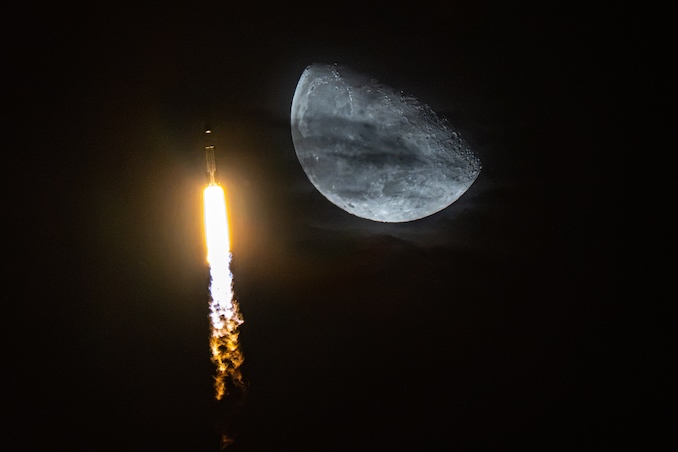
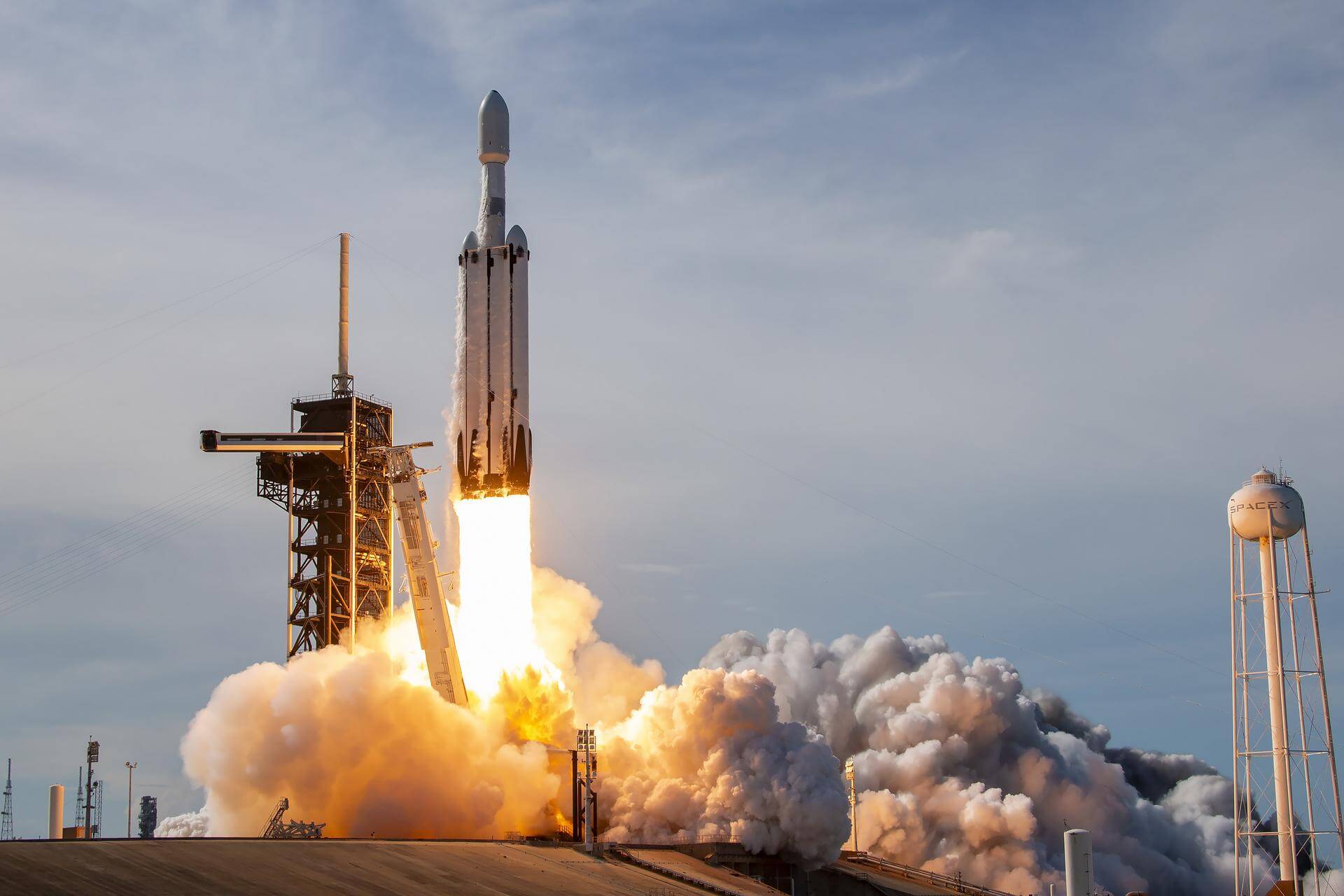
The day’s headline mission was NROL-97, a classified payload for the National Reconnaissance Office. The Falcon Heavy launched from Pad 39A at Kennedy Space Center at 11:54 p.m. EDT (0354 UTC October 2), marking the first NRO mission to fly on a Falcon Heavy and the first NRO payload procured through the competitive NSSL Phase 3 Lane 2 contract. The core stage, serial number B1106, was brand new and expended. Side boosters B1104, on its second flight, and B1072, on its fourth, returned to Landing Zones 1 and 2 at Cape Canaveral Space Force Station.
Earlier that day, the Transporter-18 rideshare mission lifted off from Vandenberg Space Force Base at 11:32 a.m. PDT, delivering 130 payloads to polar orbit on booster B1082’s 25th flight. The booster’s landing at Landing Zone 4 marked the 665th Falcon booster recovery.
As of October 5, a Falcon 9 carrying the Space Development Agency’s fourth Tranche 1 data transport mission experienced an auto abort just prior to T-0. Vehicle and payload are in good health, with teams resetting for a launch attempt no earlier than October 6.
Crew-13 Carries Canadian Astronaut to ISS in Record-Time Transit
NASA’s SpaceX Crew-13 mission launched at 11:10 a.m. EDT on October 1 from Space Launch Complex 40 at Cape Canaveral, carrying a four-person crew to the International Space Station. The crew includes NASA astronauts Jessica Watkins and Luke Delaney, CSA astronaut Joshua Kutryk, and Roscosmos cosmonaut Sergey Teteryatnikov aboard Dragon Grace.
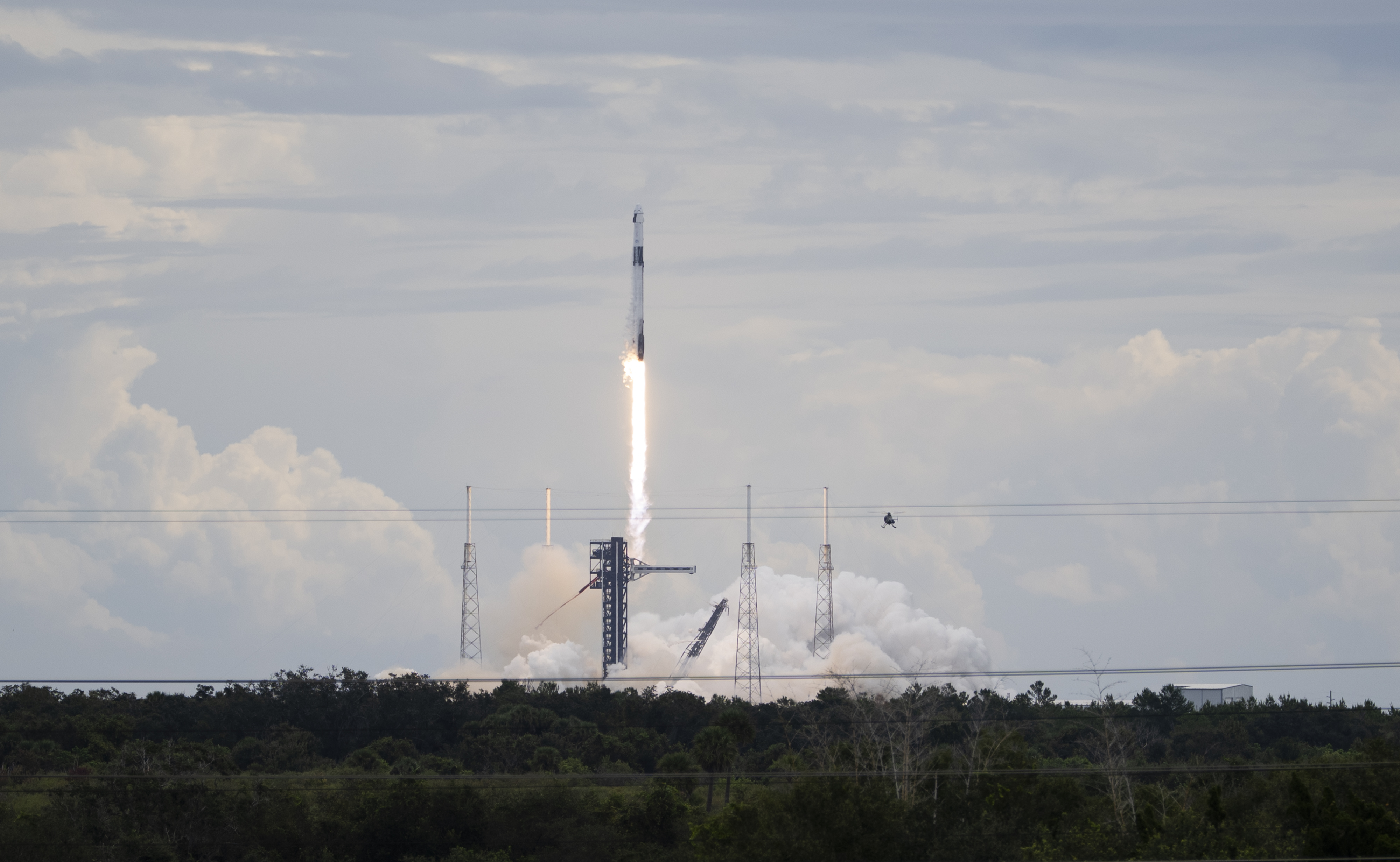
Watkins becomes the first NASA astronaut to fly twice onboard a SpaceX Dragon spacecraft. The spacecraft is scheduled to dock autonomously to the forward port of the Harmony module approximately eight hours after launch — the shortest transit time ever for a Dragon spacecraft and the fastest launch-to-docking by a U.S. spacecraft to the ISS.
“Crew-13 is another demonstration of America’s unmatched capability in human spaceflight and the strength of our commercial partnerships,” said NASA Administrator Jared Isaacman.
The outgoing Crew-12 mission — NASA astronauts Jessica Meir and Jack Hathaway, ESA astronaut Sophie Adenot, and Roscosmos cosmonaut Andrey Fedyaev — is preparing to depart. Crew Dragon is scheduled to undock on October 7 and splash down in the Pacific Ocean on October 8.
Citations
- “Starship makes orbit, Flight 15 preps in full swing” — https://www.nasaspaceflight.com/2026/09/starship-14-orbit-flight-15/
- “Falcon Heavy to fly its first mission for U.S. spy satellite agency” — https://spaceflightnow.com/2026/10/01/falcon-heavy-to-fly-its-first-mission-for-u-s-spy-satellite-agency/
- “Falcon Heavy set to launch classified NROL-97 to high-energy orbit” — https://www.nasaspaceflight.com/2026/10/nrol97-launch/
- “Live coverage: NASA, SpaceX to launch next crewed mission to the International Space Station” — https://spaceflightnow.com/2026/10/01/live-coverage-nasa-spacex-to-launch-next-crewed-mission-to-the-international-space-station/
- “NASA’s SpaceX Crew-13 Launches to International Space Station” — https://www.nasa.gov/news-release/nasas-spacex-crew-13-launches-to-international-space-station/
- “Station Crew Expands as NASA’s SpaceX Crew-12 Prepares to Depart” — https://www.nasa.gov/blogs/spacestation/2026/10/02/station-crew-expands-as-nasas-spacex-crew-12-prepares-to-depart/
- “Live coverage: AI datacenter prototypes, energy redirection demonstrators and more launching on SpaceX’s Transporter-18” — https://spaceflightnow.com/2026/10/01/live-coverage-ai-datacenter-prototypes-energy-redirection-demonstrators-and-more-launching-on-spacexs-transporter-18/
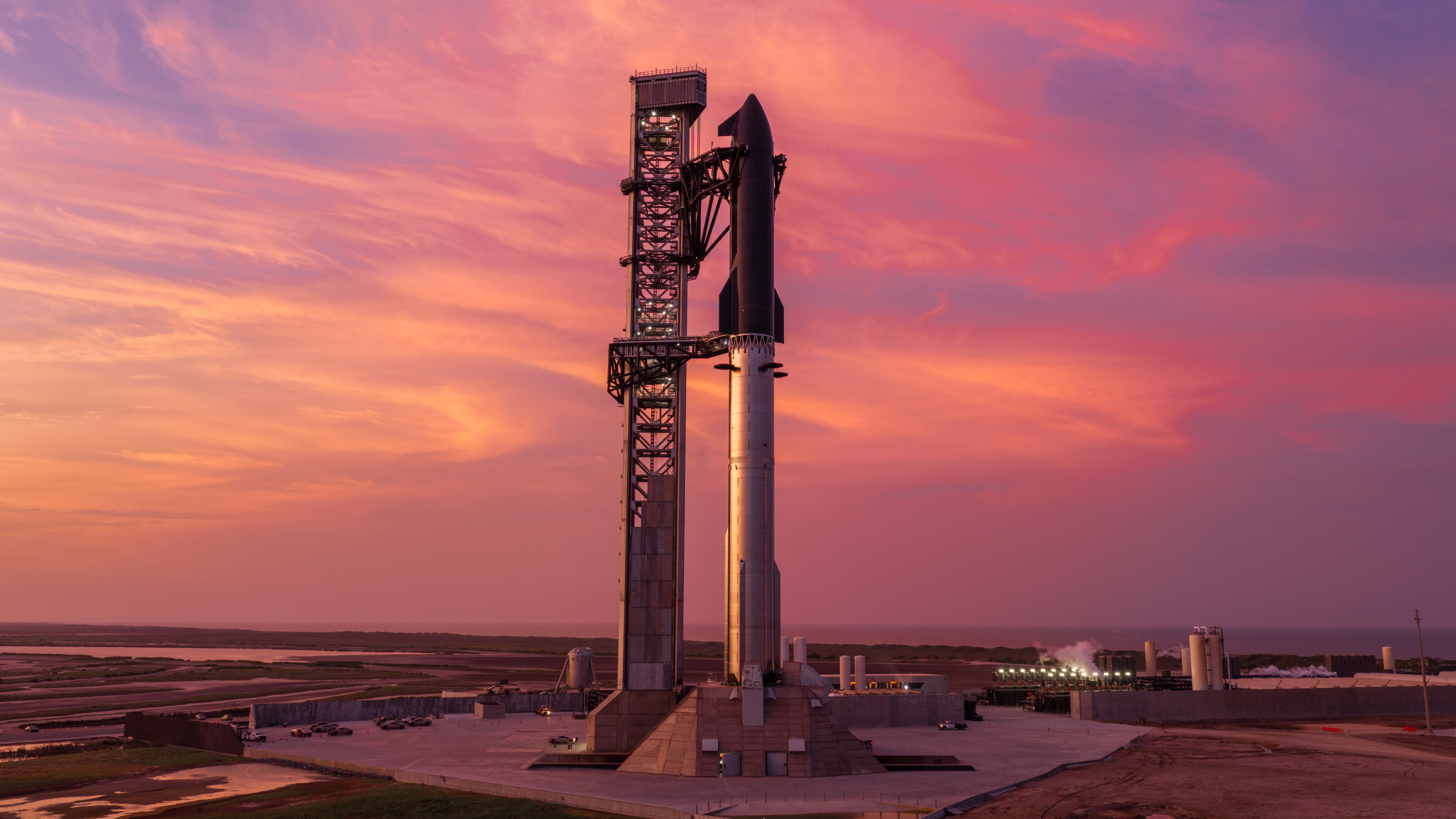
Flight 15
Provider: SpaceX
Date: December 31, 2026
Time: 12:00 AM UTC
Vehicle: Starship
15th test flight of the two-stage Starship launch vehicle and 4th flight of Starship V3.
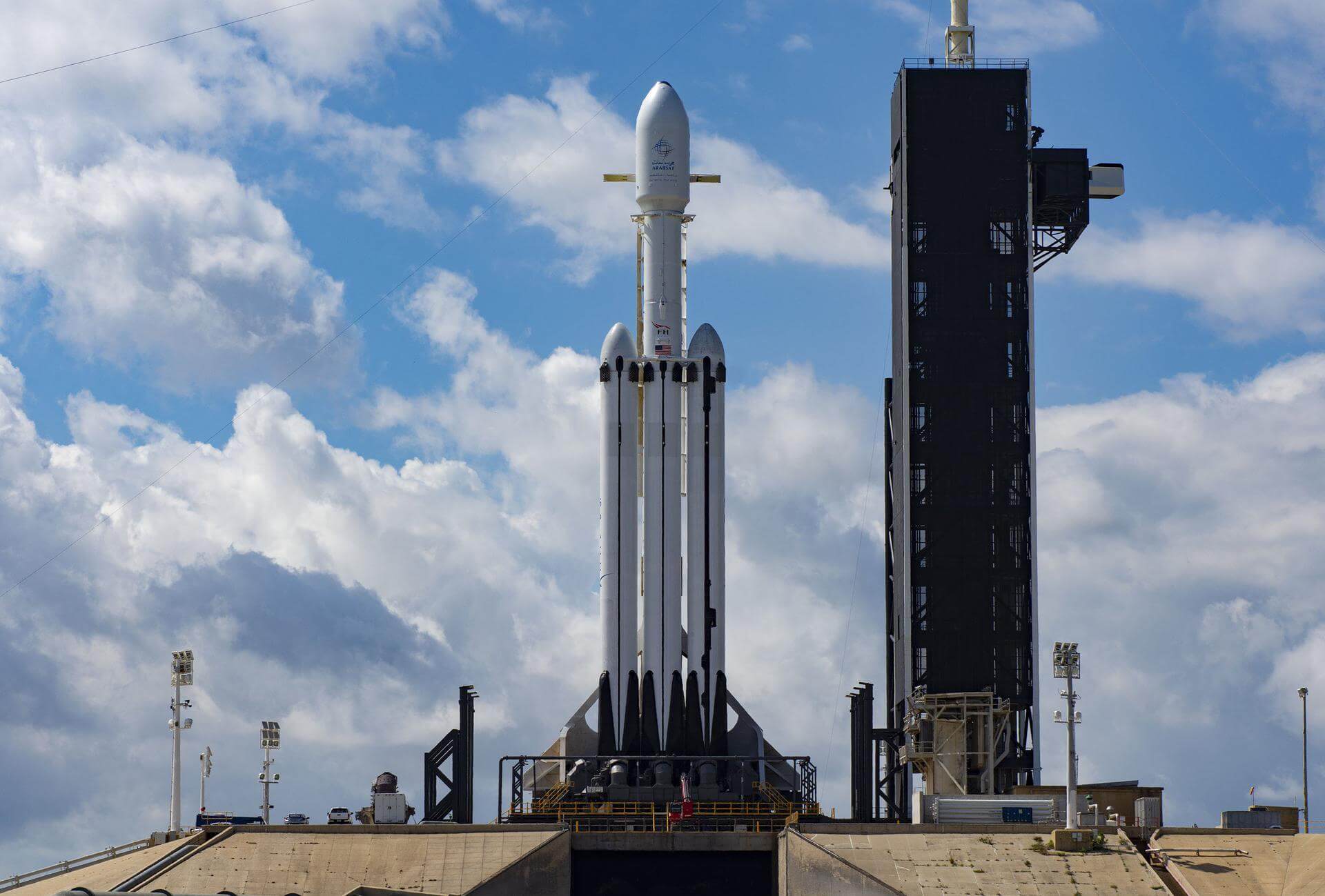
Griffin Mission One
Provider: SpaceX
Date: December 31, 2026
Time: 12:00 AM UTC
Vehicle: Falcon Heavy
Demonstration flight of the Astrobotic Griffin lander and its engines, initially contracted for the cancelled NASA VIPER (Volatiles Investigating Polar Exploration Rover) mission. The vacated payload spot will now host the FLIP (FLEX Lunar Innovation Platform) lunar rover from Astrolab.
USSF-75
Provider: SpaceX
Date: December 31, 2026
Time: 12:00 AM UTC
Vehicle: Falcon Heavy
Classified payload for the United States Space Force
SpaceX HLS LEO Demo
Provider: SpaceX
Date: June 30, 2027
Time: 12:00 AM UTC
Vehicle: Starship
The Starship HLS pathfinder spacecraft in support of NASA’s Artemis III mission in Low Earth Orbit will be a Version 3 vehicle equipped with a docking mechanism, but with no crew cabin or environmental control systems on board. This Starship HLS will launch after the Artemis III Orion has launched into LEO aboard SLS, and has completed its demonstrations with Blue Origin’s Blue Moon lander. Once docked, Orion and Starship will spend about a day connected for checkouts and testing.
NROL-86
Provider: SpaceX
Date: June 30, 2027
Time: 12:00 AM UTC
Vehicle: Falcon Heavy
Classified payload for the US National Reconnaissance Office



Enjoying the content? Stay up to date on everything happening behind the scenes by following our Patreon!


Leave a Reply