
Crew-13 Launch, SLS Boosters Stacked, Lunar 5G
SLS Boosters Fully Stacked as Artemis III Hardware Comes Together
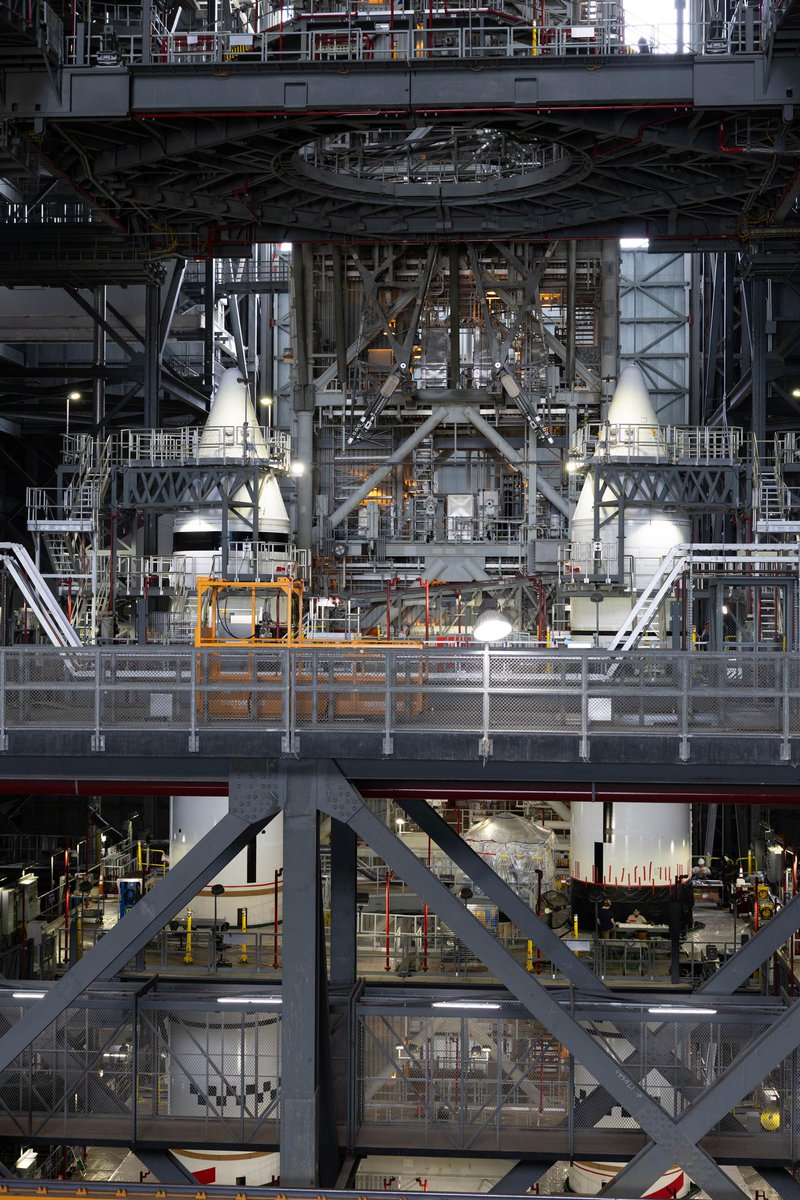
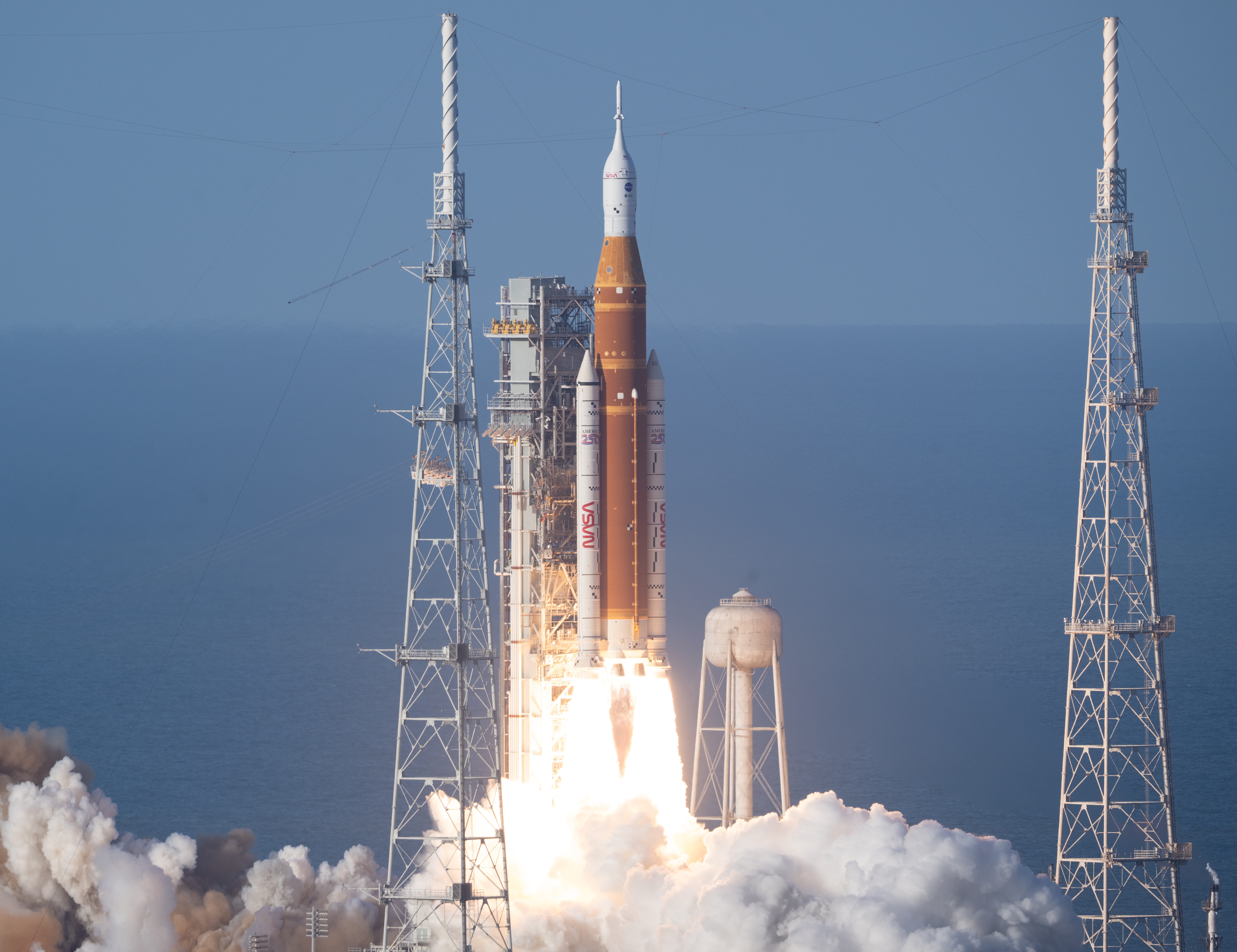
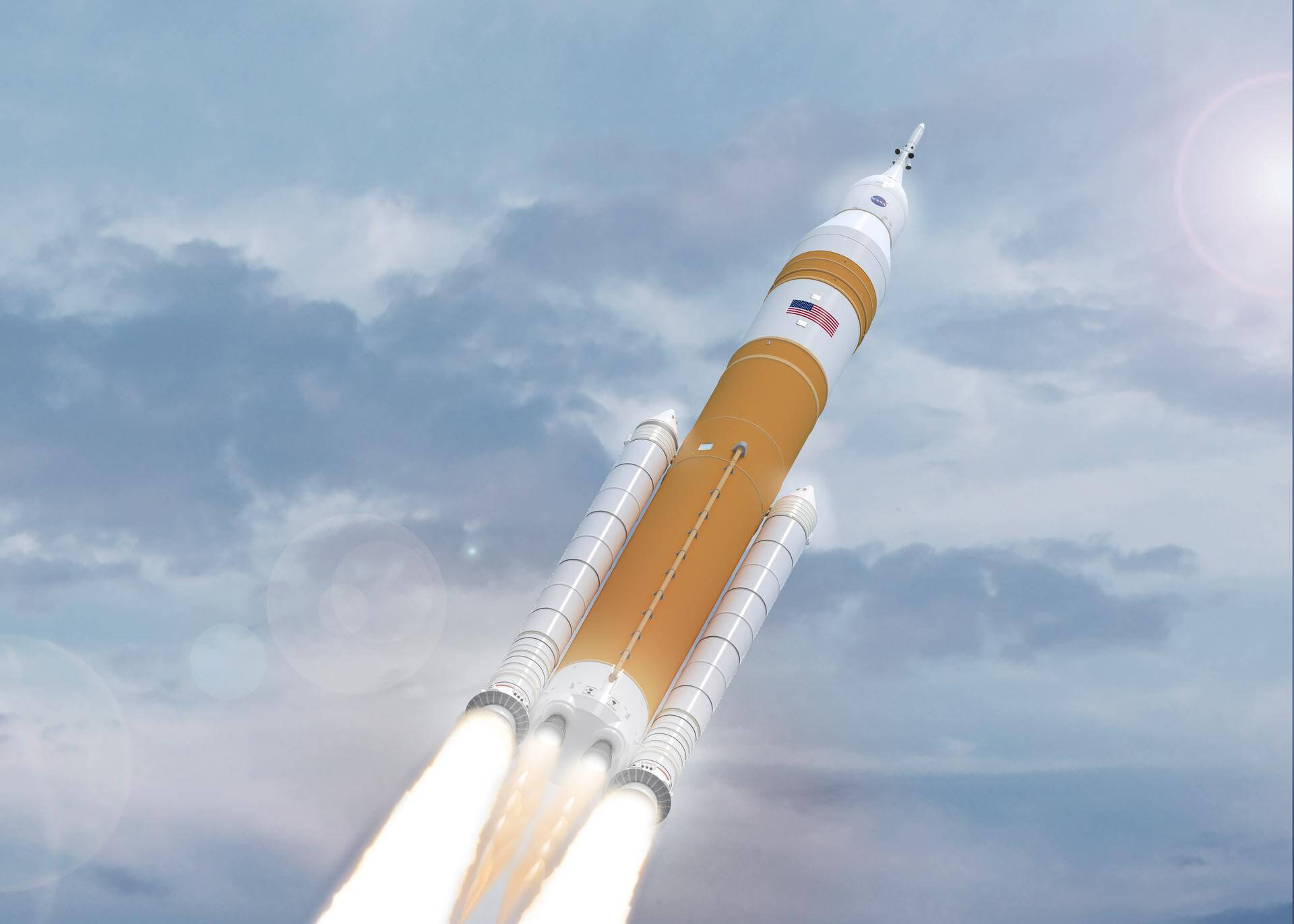
NASA’s twin solid rocket boosters for Artemis III are now fully stacked, with nose cones integrated inside the Vehicle Assembly Building at Kennedy Space Center. The milestone, announced September 30, marks another step toward the mission that will return humans to the lunar surface for the first time since Apollo 17 in 1972.
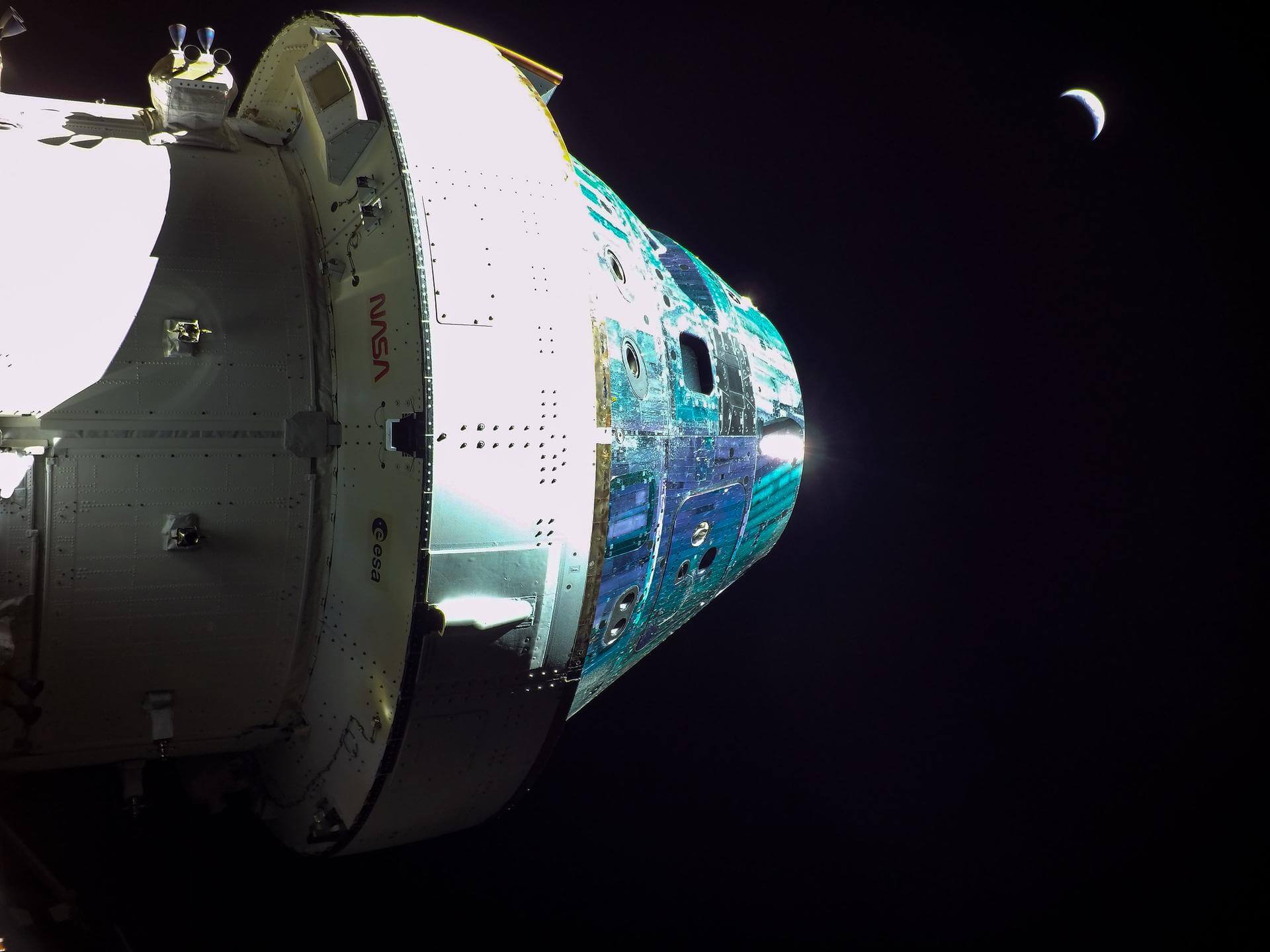
The Artemis program also marked a quieter but notable moment this week: Artemis II astronauts discussed the importance of describing visual information during their lunar flyby in April 2026, and the training they underwent to do it effectively. NASA hosted a free webinar October 2 tailored for a blind and low-vision audience, featuring audio-described content and a panel on accessibility.
Meanwhile, the agency announced a 2027 Human Lander Challenge inviting college teams to develop innovative lunar communications solutions — a reminder that Artemis infrastructure decisions continue to ripple outward into industry and academia.
PRISM Payloads, 5G Networks, and Lunar Agriculture
NASA selected three new scientific investigations through its Payloads and Research Investigations on the Surface of the Moon (PRISM) program to fly to the lunar surface via the Commercial Lunar Payload Services initiative. The payloads will help researchers understand lunar resources, map natural shelters, and assess environmental hazards ahead of sustained human presence at Moon Base near the South Pole.
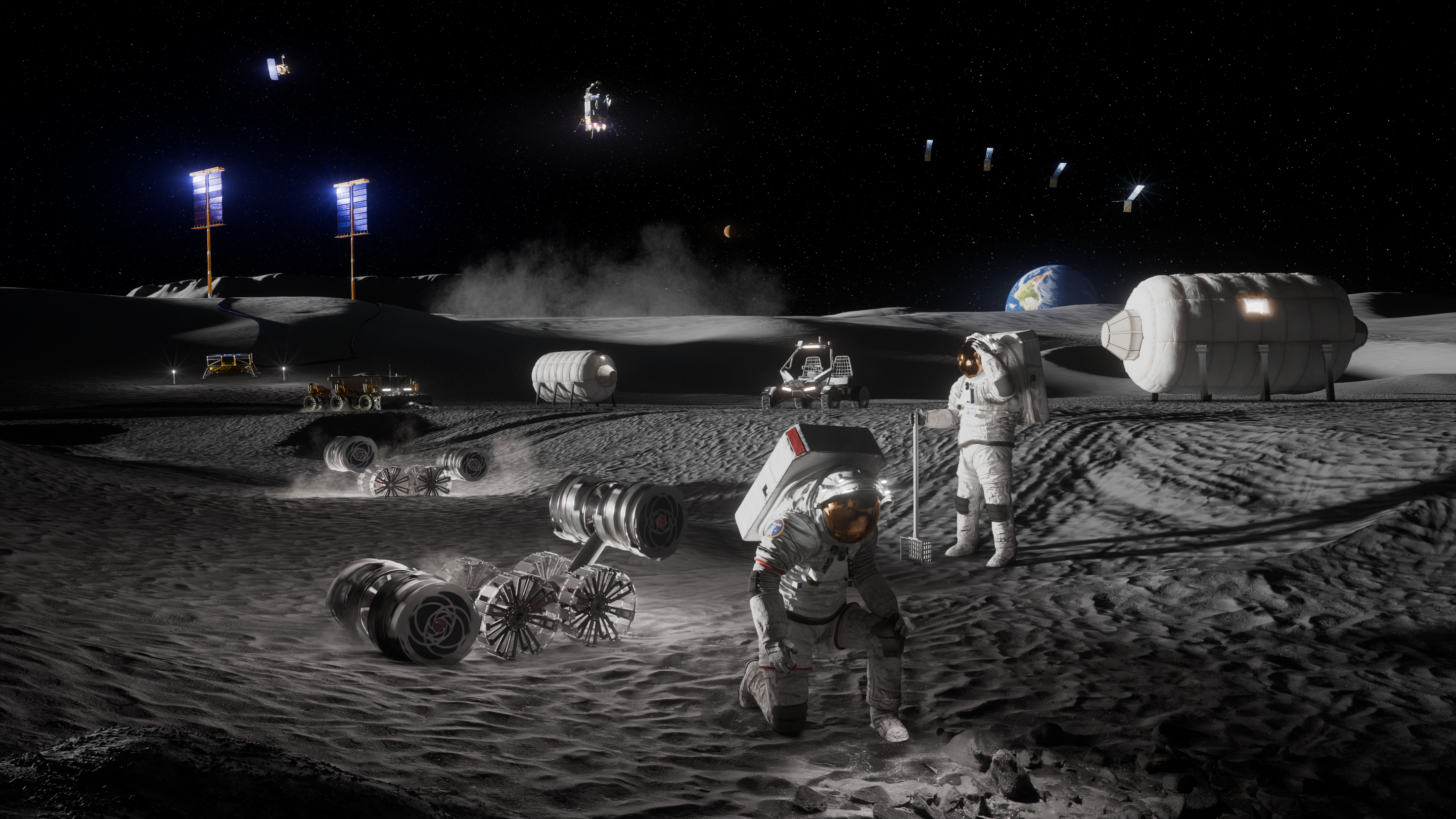
One of the selections, the Lunar Environment Monitoring Station – South Pole (LEMS-SP), will serve as a long-term environmental and hazard monitoring station. Using a short-period seismometer to detect seismic events, the instrument could deliver critical hazard assessments needed to ensure the physical safety of Moon Base hardware.
In a separate announcement, NASA awarded Modulate Space Corporation a firm-fixed-price contract valued at approximately $38 million to develop key elements of a 5G communications system for use on the lunar surface, with built-in Wi-Fi 6, for NASA’s Glenn Research Center in Cleveland. The performance period for the 5G Network-in-a-Box Development and Lab Demonstration runs from October 1, 2026, through January 31, 2028.
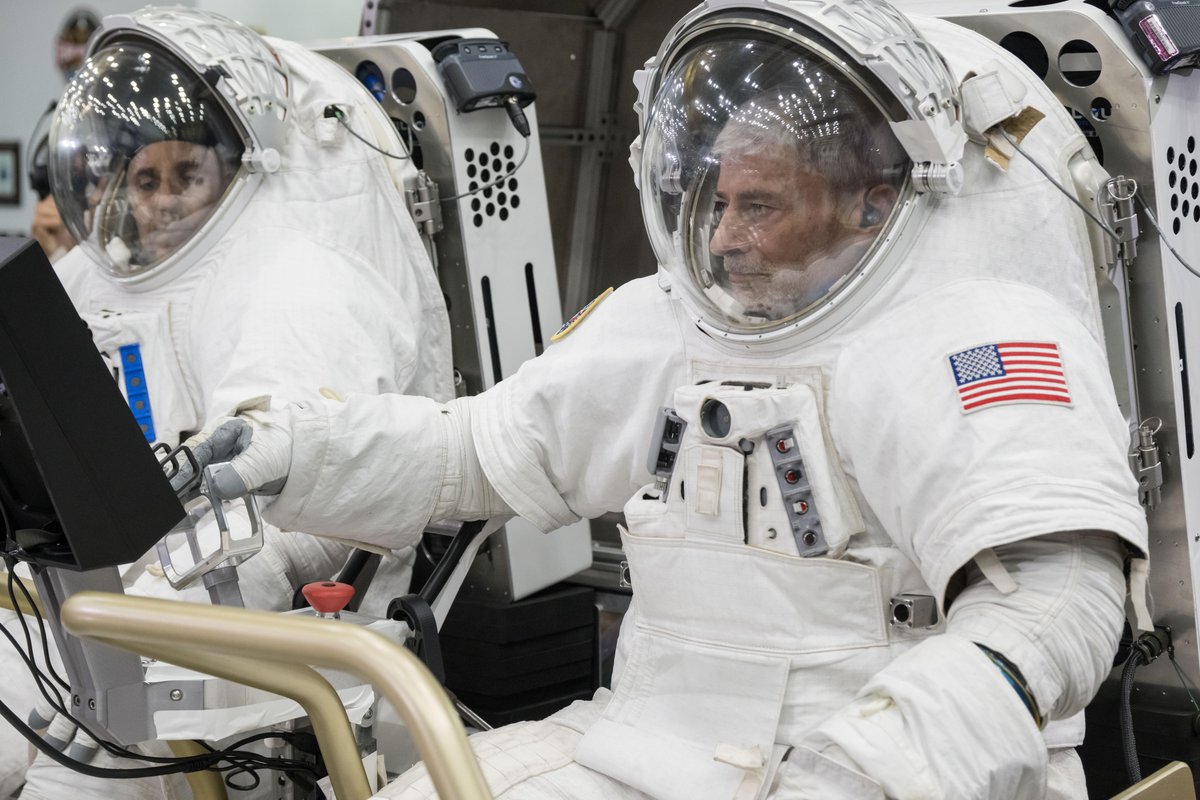
NASA and Lunar Outpost teams also conducted human-in-the-loop testing on Lunar Outpost’s Pegasus lunar terrain vehicle prototype at Johnson Space Center. NASA selected Lunar Outpost and Astrolab to build and deliver the first phase of lunar terrain vehicles for Moon Base development.
On the international front, NASA, the Canadian Space Agency, and the German Aerospace Center signed a joint statement of intent to begin coordinated, preparatory work toward an Earth-based demonstrator to learn how to grow crops on the Moon. The Lunar Agriculture Module-Ground Test Demonstrator aims to develop the technologies needed to grow space crops and study how they perform under atmospheres and controlled environments similar to those expected during missions at Moon Base.
Mars Rings in Year 39
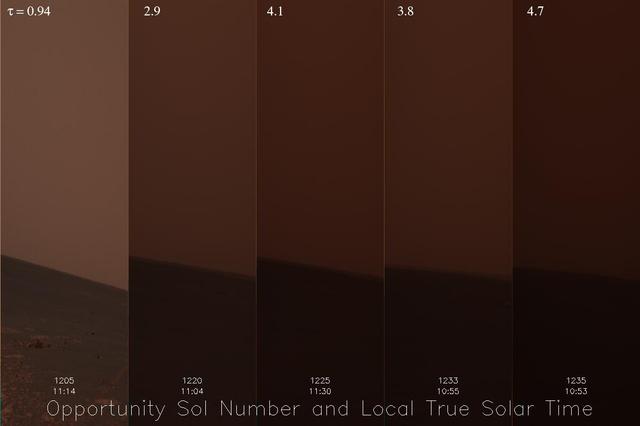
September 30 marked the beginning of Mars year 39 — the count began with a notable dust storm observed in 1956. A Martian year lasts 687 Earth days. NASA Mars shared images of a dust storm that occurred near the location of the Opportunity rover, recalling the challenges that such storms presented for the solar-powered explorer.
NASA Mars also wished luck to JAXA’s MMX mission, which continues its journey to Phobos and Deimos.
Webb Examines Planet-Shattering Collisions and DAVINCI Survives the Furnace
Astronomers have used NASA’s James Webb Space Telescope to examine a class of young stellar systems that show signs of extreme upheavals, providing clues to the amount of energy in planet-shattering collisions. The team’s findings published Thursday in The Astrophysical Journal. The types of collisions within young stellar systems known as extreme debris disks are relevant to scientists’ understanding of our own solar system, which is thought to have undergone similar impact events that created the Moon and shaped Earth’s initial state.

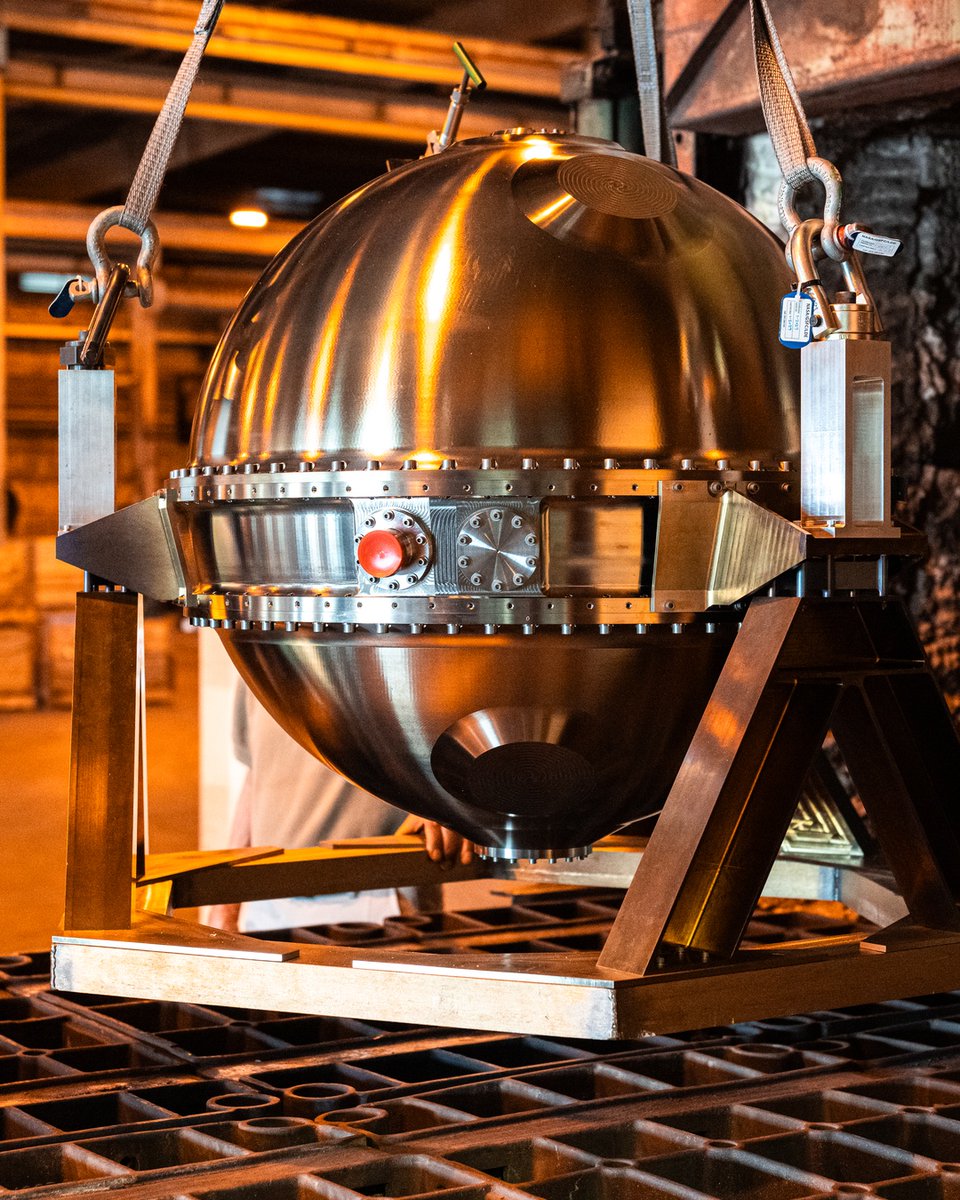
In planetary science news, a model of NASA’s DAVINCI probe went through six thermal cycles to 869°F (465°C) between August 28 and September 10, each matched to its planned hour-long descent through the atmosphere of Venus. The probe came out unscathed — a promising sign for the mission’s eventual journey to our nearest planetary neighbour.
ESA’s Juice spacecraft also delivered gorgeous images of Earth during its flyby en route to Jupiter. NASA’s Europa Clipper mission will perform a similar gravity assist maneuver in December.
Crew-13 Delivers CSA’s Kutryk to the ISS in Record-Time Docking
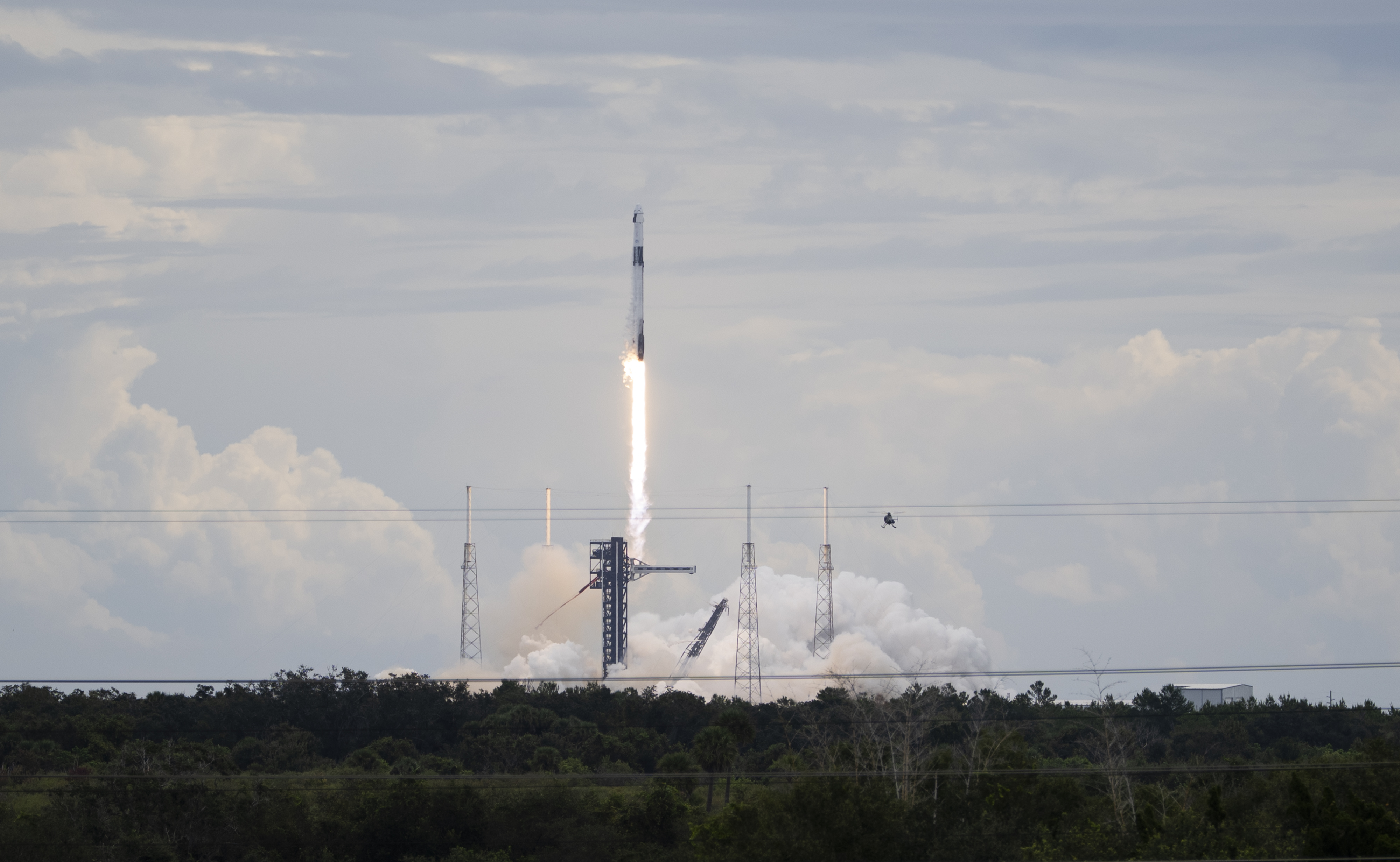
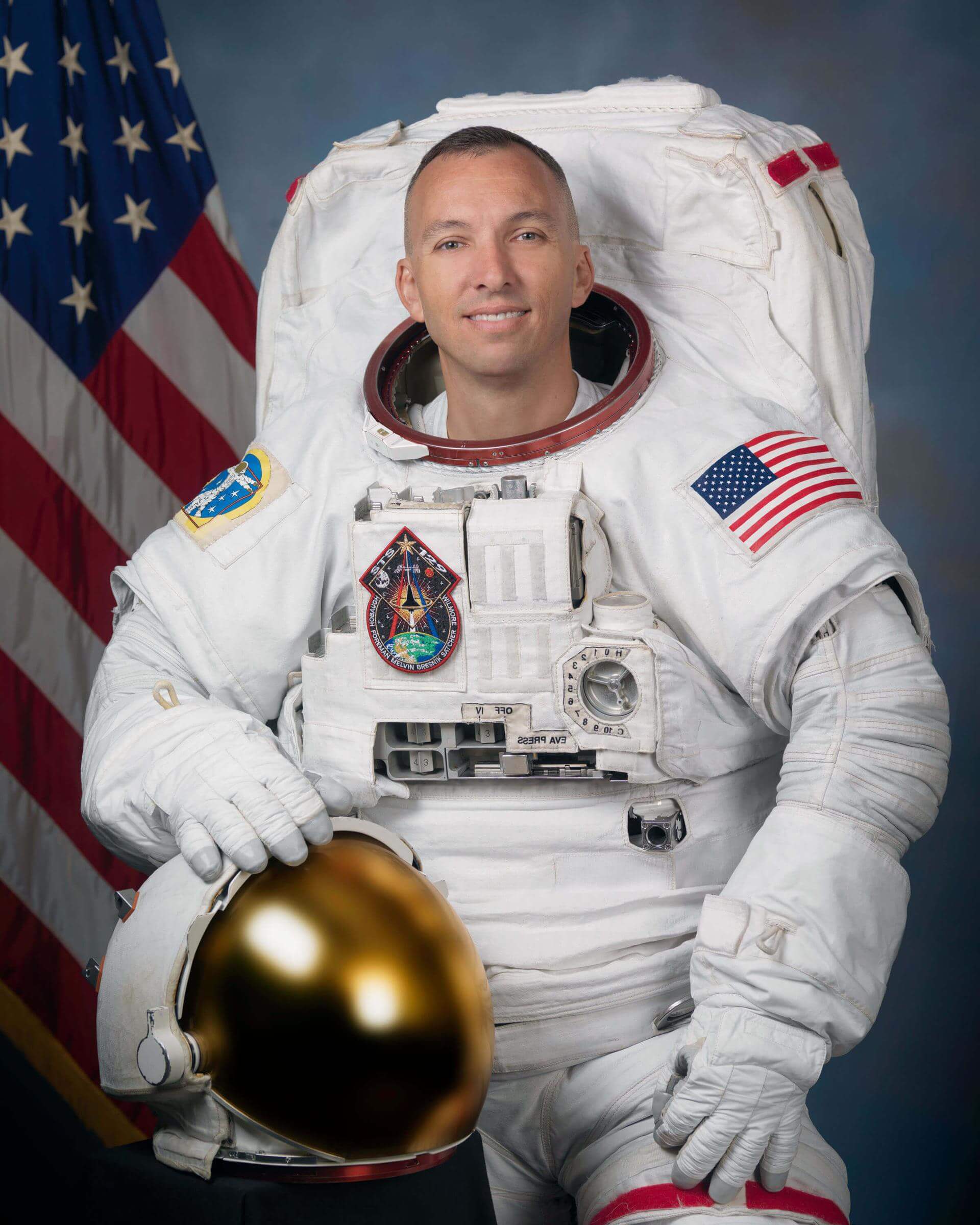
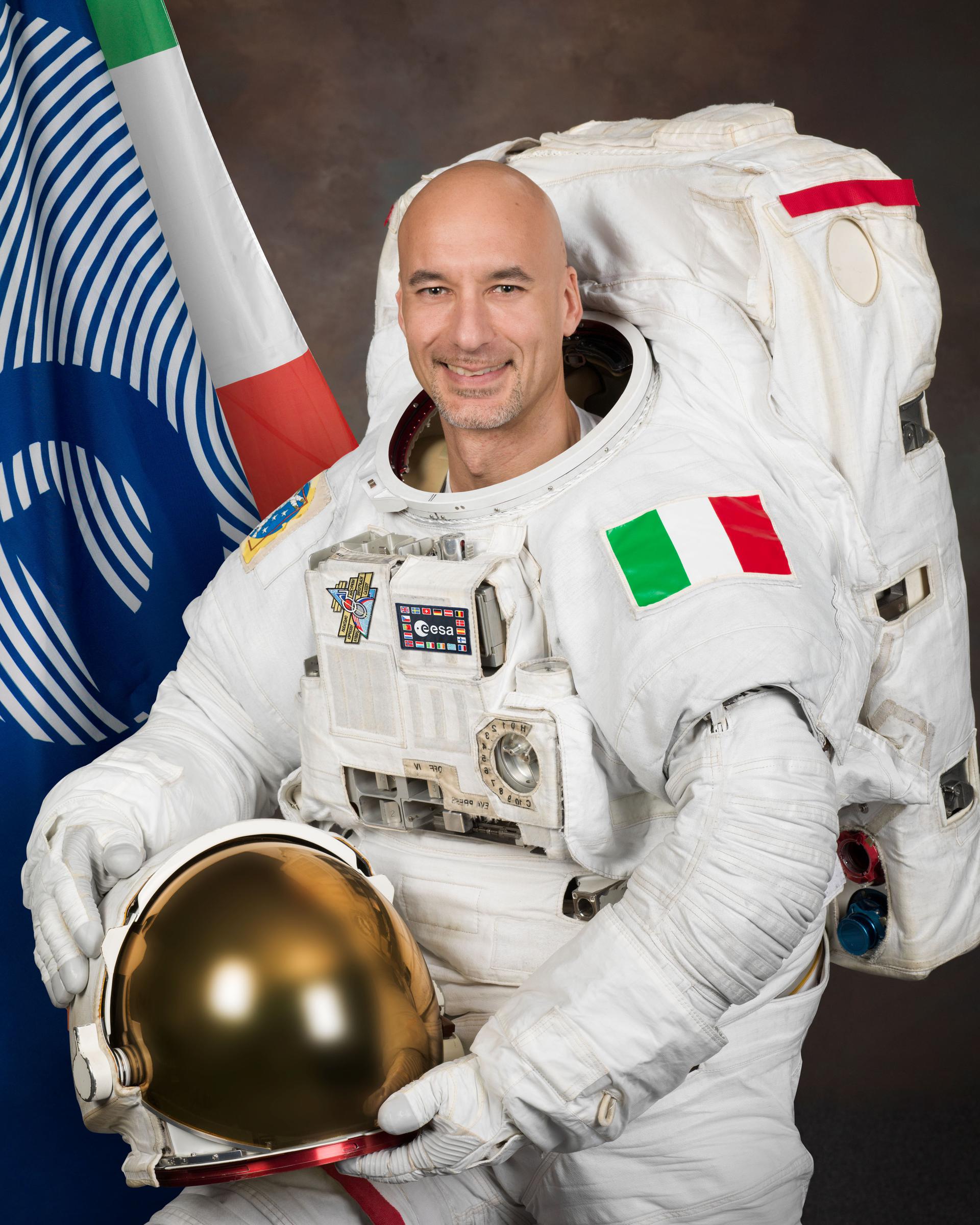
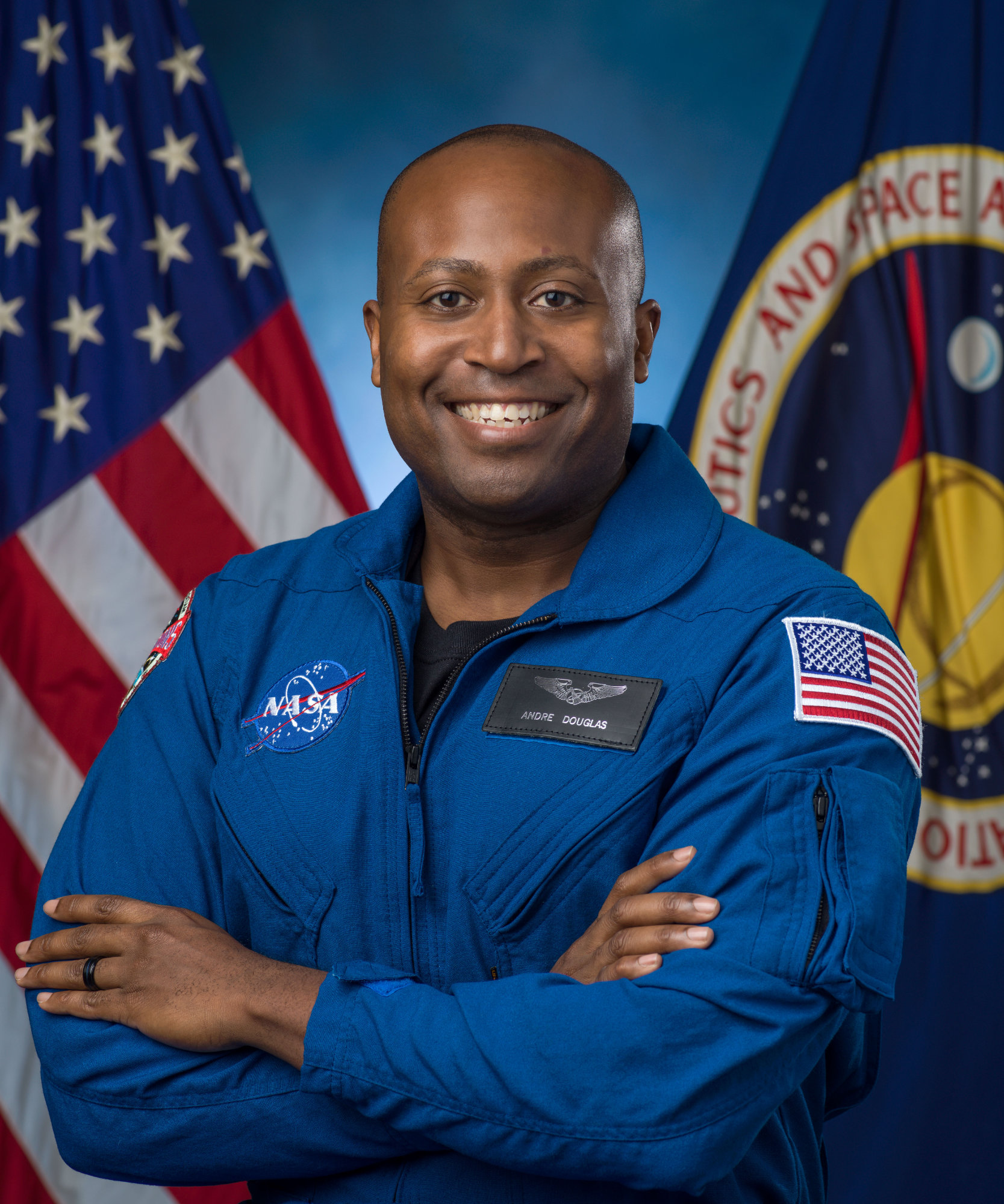
A SpaceX Falcon 9 rocket carrying the Dragon spacecraft launched NASA’s SpaceX Crew-13 mission at 11:10 a.m. EDT Thursday from Space Launch Complex 40 at Cape Canaveral Space Force Station in Florida. The crew: NASA astronauts Jessica Watkins and Luke Delaney, CSA astronaut Joshua Kutryk, and Roscosmos cosmonaut Sergey Teteryatnikov.
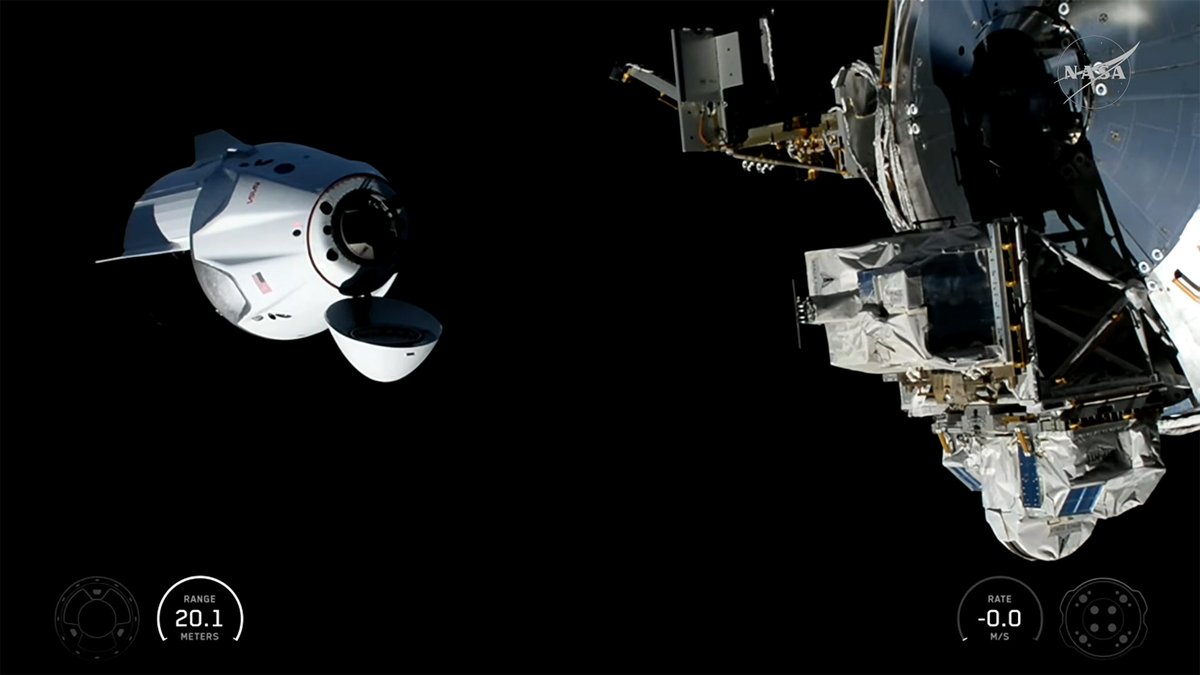
The spacecraft docked autonomously to the forward port of the station’s Harmony module at 7:05 p.m. EDT — making it the fastest launch-to-docking by a U.S. spacecraft in the history of the International Space Station. The approximately 7-hour, 50-minute flight set a new benchmark for commercial crew operations.
The four Crew-13 members joined Expedition 75, bringing the total residents aboard the International Space Station to 11. NASA Administrator Jared Isaacman called the mission “another demonstration of America’s unmatched capability in human spaceflight and the strength of our commercial partnerships.”
CSA director Mathieu Caron participated in both the pre-launch and post-launch news conferences, underscoring Canada’s continued role in human spaceflight. Commander Jessica Watkins, who worked on missions including NEOWISE and Mars rovers Curiosity and Perseverance during internships at JPL, leads the crew into a science expedition that will last several months.
Space Crops, NASA’s 68th, and October Skywatching
NASA celebrated its 68th birthday on October 1 — and what better way to mark the occasion than with a crew launch? The agency’s social media team shared birthday wishes throughout the day, including a shout-out to a well-wisher’s banner visible during launch coverage.

The space crops announcement — a joint effort with the Canadian Space Agency and the German Aerospace Center — fits squarely into NASA’s long-duration exploration goals. Space crops will provide deep space crews with whole-food nutrition and increase dietary variety. They can also absorb carbon dioxide, produce oxygen, and recycle water — capabilities that become increasingly important as human missions extend farther from Earth.
Looking ahead, JPL offered October skywatching tips: Saturn at opposition, the Orionid meteor shower, and the Moon passing close to the Pleiades.
Citations
- “NASA’s SpaceX Crew-13 Launches to International Space Station” — https://www.nasa.gov/news-release/nasas-spacex-crew-13-launches-to-international-space-station/
- “NASA Adds New Science Investigations for Moon Base” — https://www.nasa.gov/news-release/nasa-adds-new-science-investigations-for-moon-base/
- “NASA Awards Contract to Develop 5G Communications for Moon” — https://www.nasa.gov/news-release/nasa-awards-contract-to-develop-5g-communications-for-moon/
- “NASA, International Partners Advance Work on Space Crops” — https://science.nasa.gov/science-research/biological-physical-sciences/nasa-international-partners-advance-work-on-space-crops/
- “NASA’s Webb Provides Crash Course on Planet-Shattering Collisions” — https://science.nasa.gov/missions/webb/nasas-webb-provides-crash-course-on-planet-shattering-collisions/
- “Launch Library 2: Space Events This Week” — https://ll.thespacedevs.com/2.2.0/event/1520/
- “NASA — Official NASA account” — https://x.com/NASA/status/2105842656429432894
- “NASA JPL” — https://x.com/NASAJPL/status/2105739640103993358
- “NASA Artemis” — https://x.com/NASAArtemis/status/2105410089192411229
- “NASA Mars” — https://x.com/NASAMars/status/2105431612905369814
- “International Space Station” — https://x.com/Space_Station/status/2105842462212362654
- “NASA Moon to Mars” — https://x.com/NASAMoonBase/status/2105292472008028537
- “NASA Solar System” — https://x.com/NASASolarSystem/status/2105356154368872660
Artemis III
Provider: National Aeronautics and Space Administration
Date: June 30, 2027
Time: 12:00 AM UTC
Vehicle: Space Launch System (SLS)
Artemis III is the second crew mission as part of the Artemis program. Artemis III will send a crew of 4 on a Low Earth Orbit mission, with the Orion rendezvous and dock with one or both commercial lunar landers in development by SpaceX and Blue Origin, performing in-space tests of the docked vehicles, integrated checkout of life support, communications, and propulsion systems, as well as tests of the new Extravehicular Activity (xEVA) suits.
Artemis IV
Provider: National Aeronautics and Space Administration
Date: June 30, 2028
Time: 12:00 AM UTC
Vehicle: Space Launch System (SLS)
Artemis IV is planned to be the first human lunar landing mission since the Apollo Program.
Artemis V
Provider: National Aeronautics and Space Administration
Date: December 31, 2028
Time: 12:00 AM UTC
Vehicle: Space Launch System (SLS)
Artemis V is planned to be the second human lunar landing mission since the Apollo Program.
SLS Block 1B | Artemis VI
Provider: National Aeronautics and Space Administration
Date: September 30, 2030
Time: 12:00 AM UTC
Vehicle: Space Launch System (SLS)
No description available
SLS Block 1B | Artemis VII
Provider: National Aeronautics and Space Administration
Date: September 30, 2031
Time: 12:00 AM UTC
Vehicle: Space Launch System (SLS)
No description available
Enjoying the content? Stay up to date on everything happening behind the scenes by following our Patreon!


Leave a Reply