Canadian Firms Develop Tritium Heaters for Lunar and Deep Space Use
Canadensys Aerospace and Canadian Nuclear Laboratories (CNL) have initiated a collaborative programme to develop nuclear heating units, specifically designed for upcoming missions to the Moon and other deep space destinations. This initiative leverages Canada’s domestic supply of tritium, a radioactive isotope of hydrogen.
Space presents extreme thermal challenges, particularly in permanently shadowed lunar craters where temperatures can plummet to minus 248 degrees Celsius. Such conditions can compromise standard solar panels and chemical batteries. To maintain operational temperatures for spacecraft avionics, small nuclear devices that generate continuous heat through radioactive decay are employed. Canada is a leading global producer of tritium, a byproduct of its CANDU nuclear reactors. Unlike plutonium or americium used in similar space hardware, tritium emits weak radiation that cannot penetrate human skin, making it a safer and simpler material to integrate into commercial rocket systems. The safety of tritium can be understood by its use in glow-in-the-dark wristwatches, where small, sealed amounts illuminate dials safely.
This technology is already showing promise for lunar exploration and commercial applications. NASA has previously funded research into autonomous, tritium-powered sensors designed to operate in the lunar south pole’s deep freeze, mapping water ice in sunless regions. More recently, on July 7, City Labs, a Florida company, launched its BOHR satellite into low-Earth orbit aboard the SpaceX Transporter-17 mission. BOHR is equipped with a betavoltaic battery, demonstrating the safe operation of tritium hardware in space by private entities. Christian Sallaberger, chief executive officer of Canadensys, stated, “We are excited to leverage Canada’s experience and supply of tritium to bring to market a key enabling system for lunar and planetary missions, where keeping the central avionic elements warm is often a critical challenge.” The partnership aims to provide a reliable technology for future missions, creating a new exportable product for Canadensys.
Canada Joins Evolving NATO Space Defence Initiatives and HALO Constellation
National and international space defence policies are continually evolving, with NATO’s ‘Approach to Space’ recently updated at the 2026 NATO Summit in Ankara, Türkiye. A significant outcome of this summit was the announcement of the Hybrid Alliance Layered Operations in Space (HALO) mega-constellation concept, which includes Canadian participation.
Canada’s involvement extends beyond HALO, as it has officially joined the STARLIFT project, increasing the total number of participating NATO allies to 15. STARLIFT is a key component of NATO’s strategy for responsive, short-notice space launches from a participating member’s spaceport. Further solidifying Canadian contributions to launch capabilities, Germany’s Isar Aerospace secured a US$112.5 million contract with Maritime Launch Services (MLS) for a dedicated launch pad at Spaceport Nova Scotia. NATO’s approach to space has seen substantial operational restructuring over the past three years. In 2024, NATO focused on centralizing command and pooling member nations’ space assets through the Alliance Persistent Surveillance from Space (APSS) program. Established in 2023, APSS acts as a “virtual” intelligence, surveillance, and reconnaissance (ISR) constellation, Aquila, blending commercial and military satellite data. Canada is among the 17 allies participating in APSS. By 2025, NATO further integrated commercial space capabilities, recognizing the resilience offered by modern, proliferated low Earth orbit (LEO) constellations.
New Trio Docks with International Space Station, Joins Expedition 74 Crew
On July 14, the Soyuz MS-29 spacecraft successfully launched from the Baikonur Cosmodrome in Kazakhstan, carrying a new trio of astronauts to the International Space Station (ISS). The crew includes NASA astronaut Anil Menon and Roscosmos cosmonauts Pyotr Dubrov and Anna Kikina. The spacecraft lifted off at 10:47 a.m. EDT (7:47 p.m. Baikonur time) and embarked on a two-orbit, three-hour journey to the orbital complex.
After its rapid transit, the Soyuz MS-29 automatically docked with the ISS’s Prichal module at 1:52 p.m. EDT. Following the docking, the hatches between the Soyuz and the space station were opened at 4:30 p.m. EDT. The new crew members then entered the station and were welcomed by the Expedition 74 crew. They are scheduled to spend the next eight months living and working aboard the orbiting laboratory, with their return to Earth anticipated in April 2027.
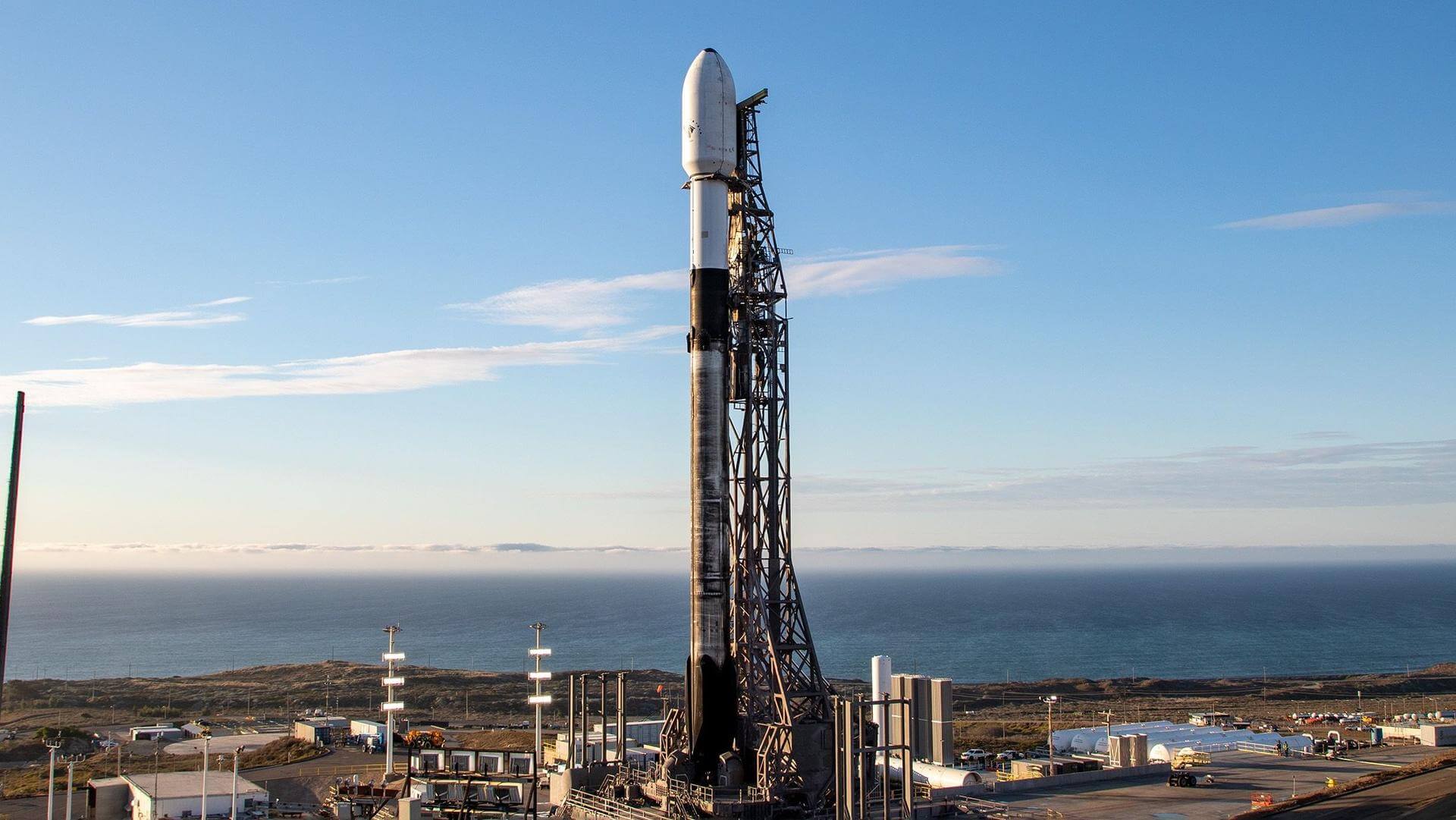
Provider: SpaceX Date: July 16, 2026 Time: 8:32 PM UTC Vehicle: Falcon 9
Tranche 1 Transport Layer E is one of six missions by the United States Space Force Space Development Agency (SDA) for the Proliferated Warfighter Space Architecture (PWSA) Tranche 1 Transport Layer constellation, which will provide assured, resilient, low-latency military data and connectivity worldwide to the full range of warfighter platforms from Low Earth Orbit satellites.
The constellation will be interconnected with Optical Inter-Satellite Links (OISLs) which have significantly increased performance over existing radio frequency crosslinks. It is expected to operate over Ka band, have stereo coverage and be dynamically networked for simpler hand-offs, greater bandwidth and fault tolerance.
This launch carries 21 satellites manufactured by York Space Systems.
Flight 13
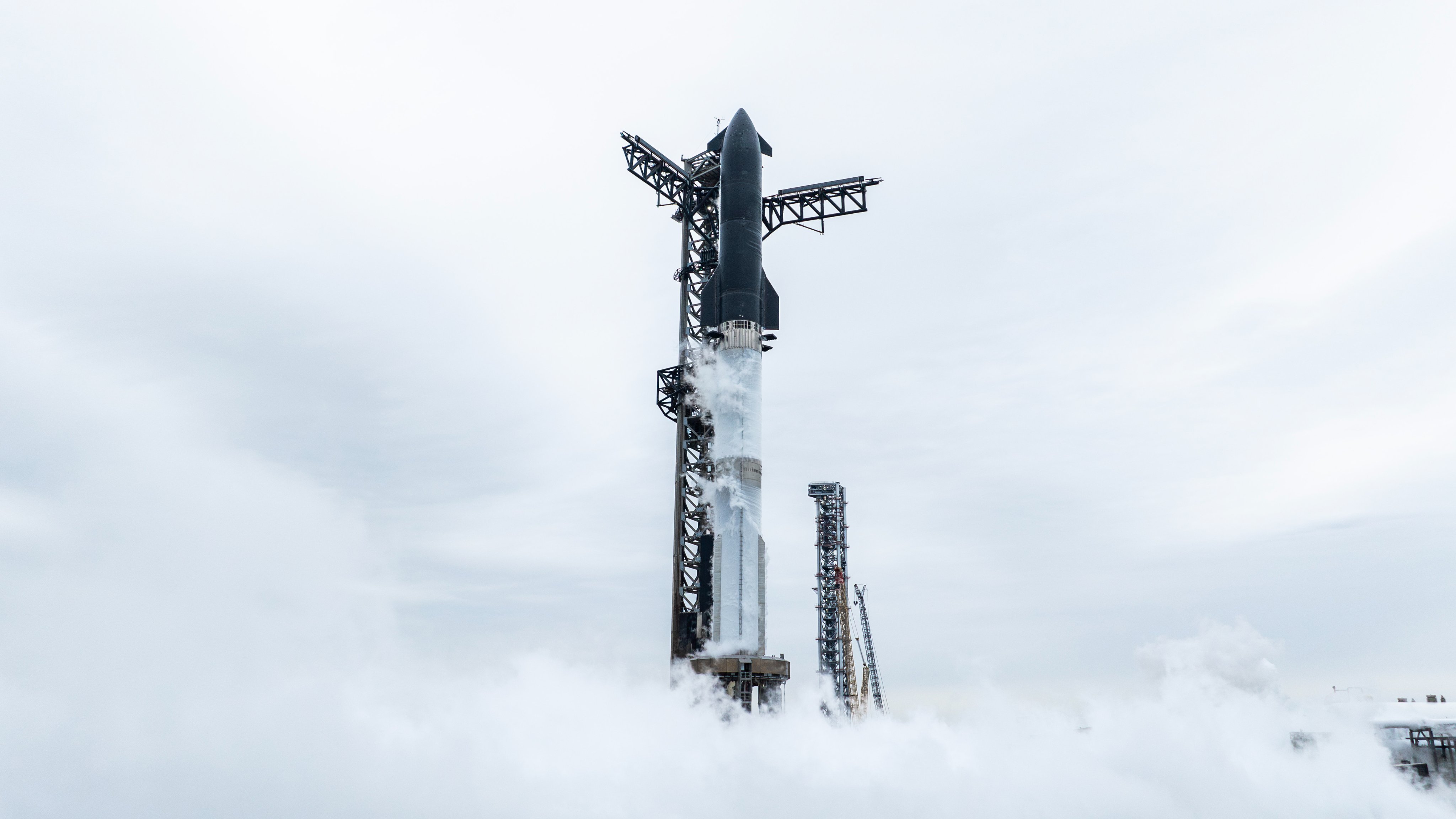
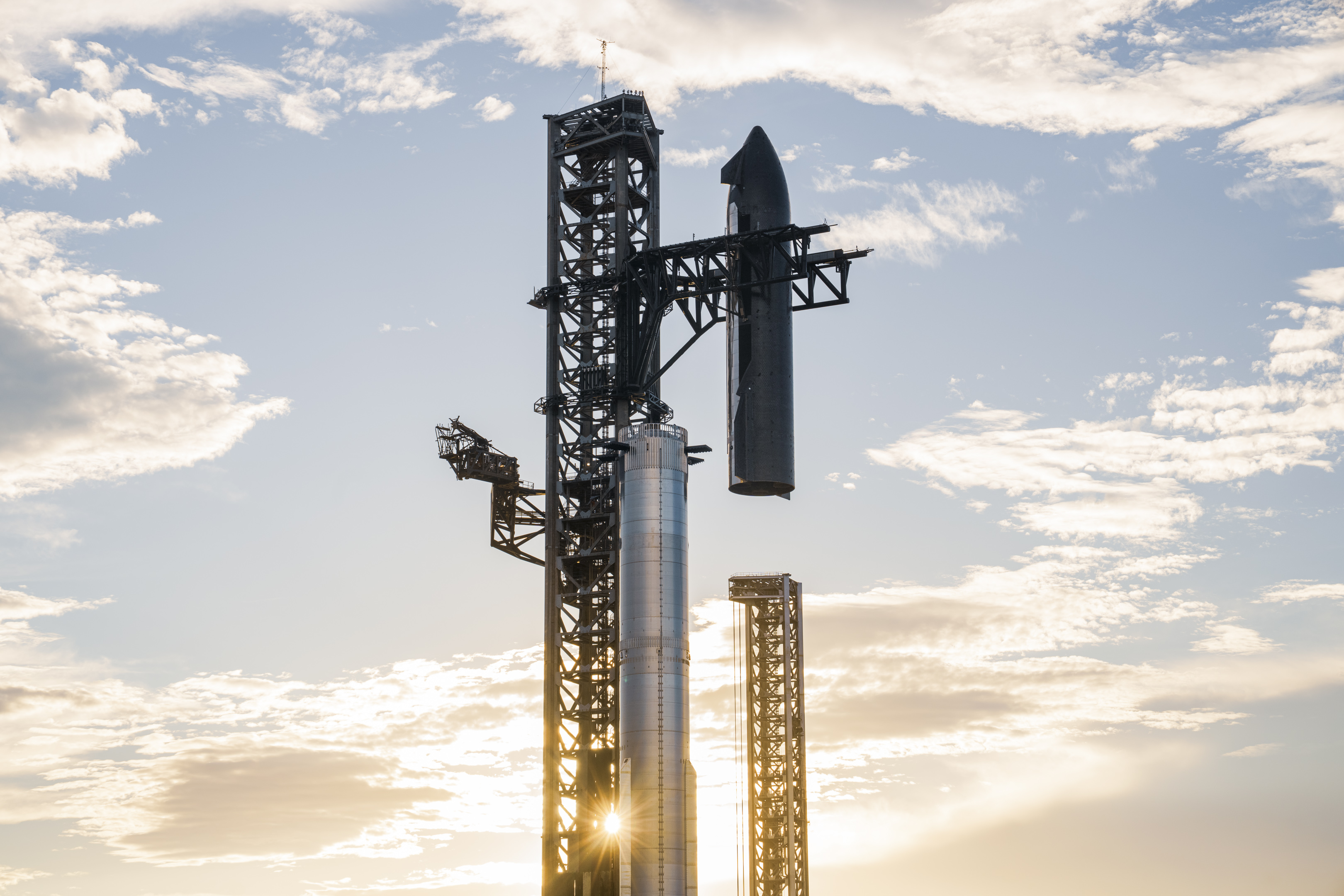
Provider: SpaceX Date: July 16, 2026 Time: 10:45 PM UTC Vehicle: Starship
13th test flight of the two-stage Starship launch vehicle. Second flight of Starship V3.
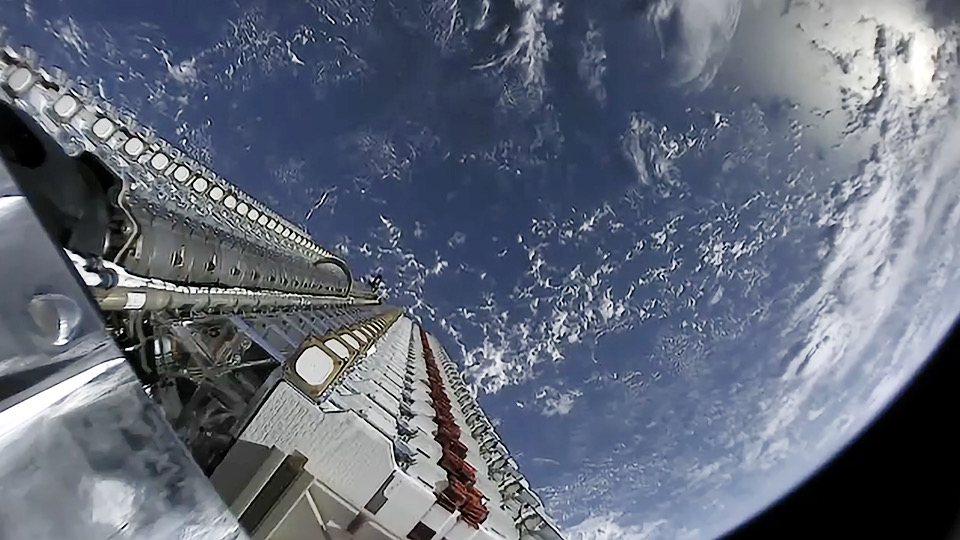
For the first time, Starship will carry 20 V3 Starlink satellites to space, which will extend solar arrays and antennas and will attempt to connect with ground stations in South Africa and the larger Starlink constellation via high-capacity lasers.
6 of the satellites have been modified with a suite of cameras to scan Starship’s heat shield and transmit imagery down to operators to continue testing methods of analyzing Starship’s heat shield readiness for return to launch site on future missions. Several tiles on Starship have been painted white to simulate missing tiles and serve as imaging targets in the test.
Unknown Payload
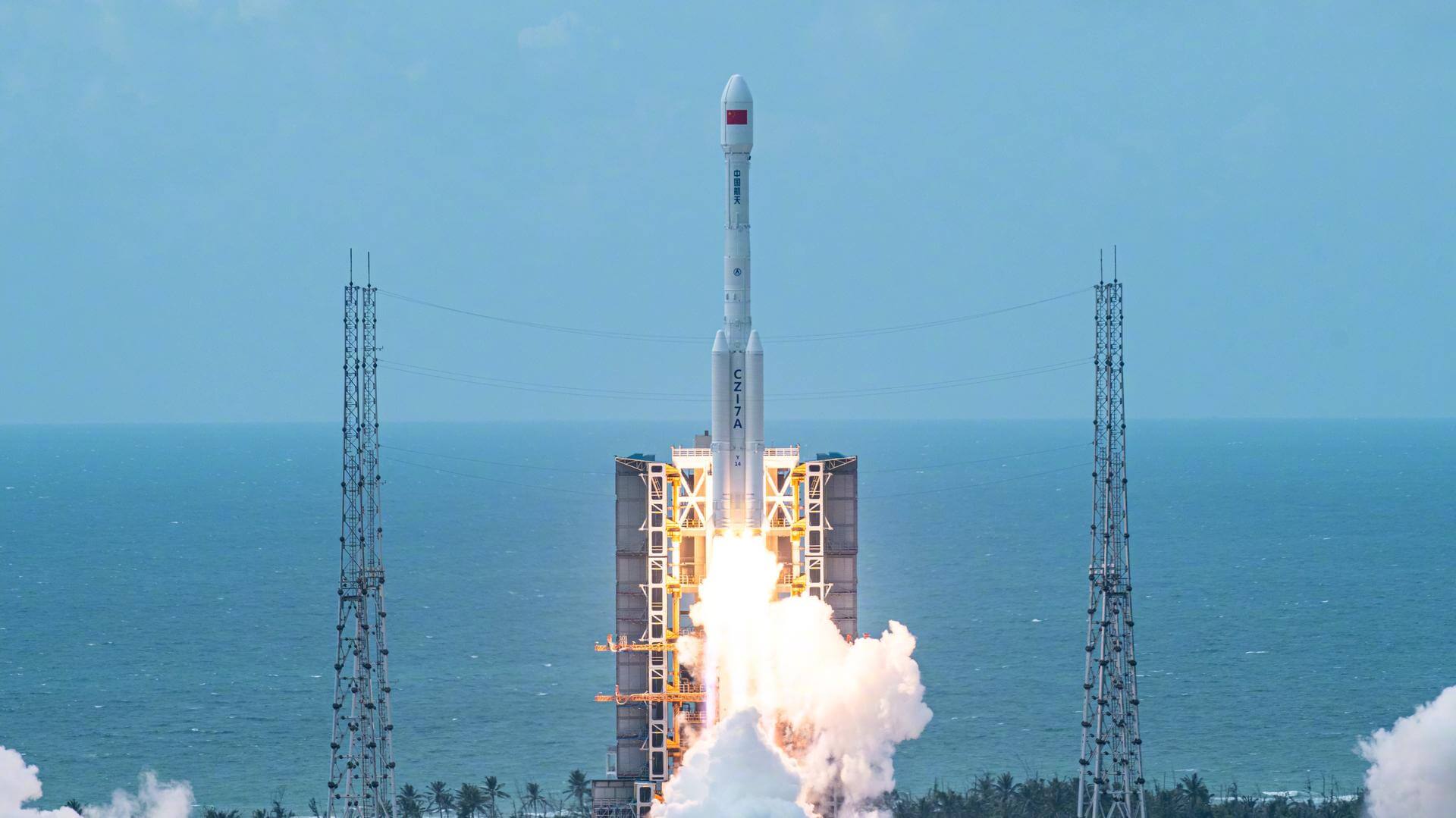
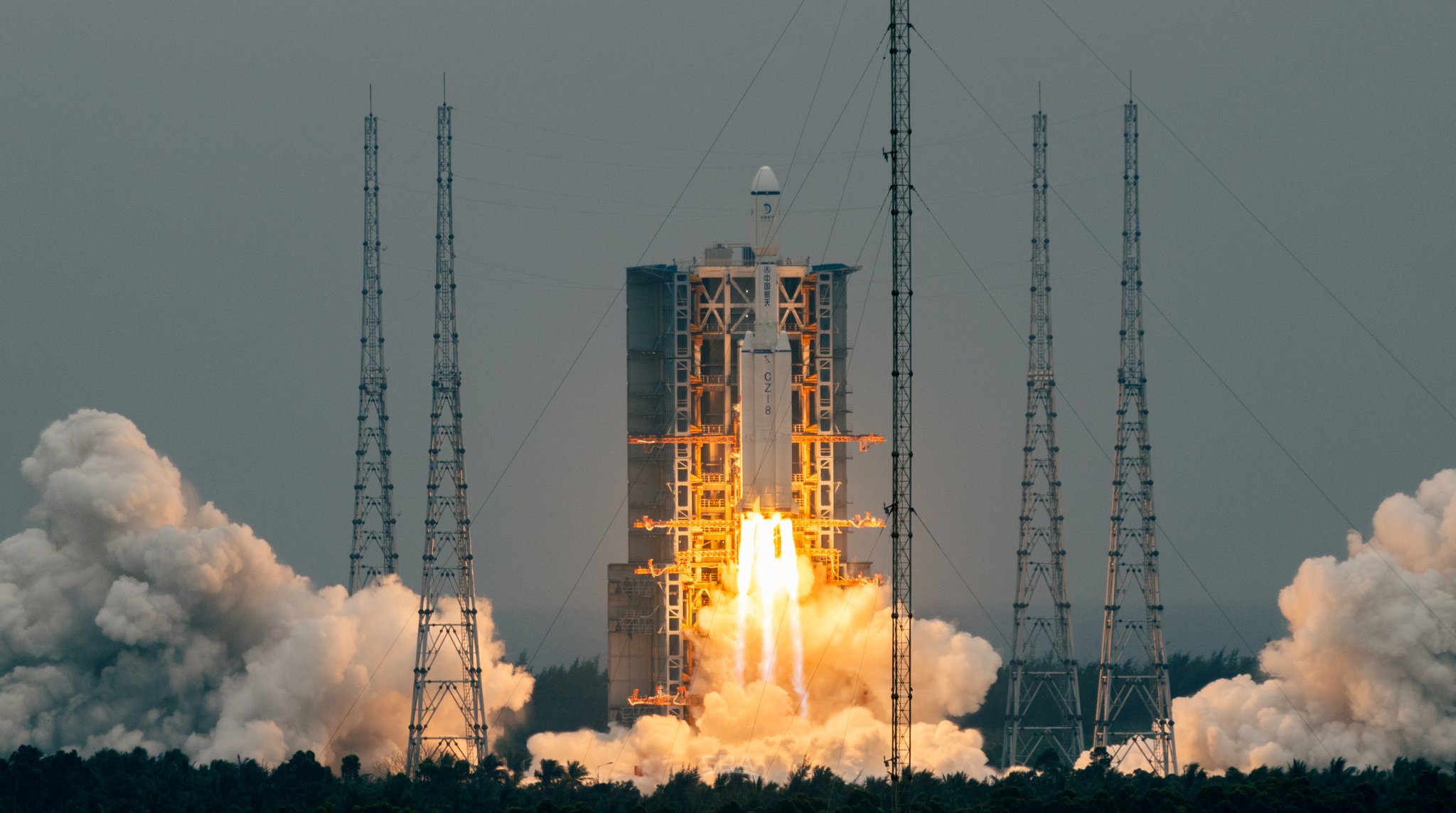
Provider: China Aerospace Science and Technology Corporation Date: July 17, 2026 Time: 11:50 AM UTC Vehicle: Long March 7A
Details TBD.
Demo Flight
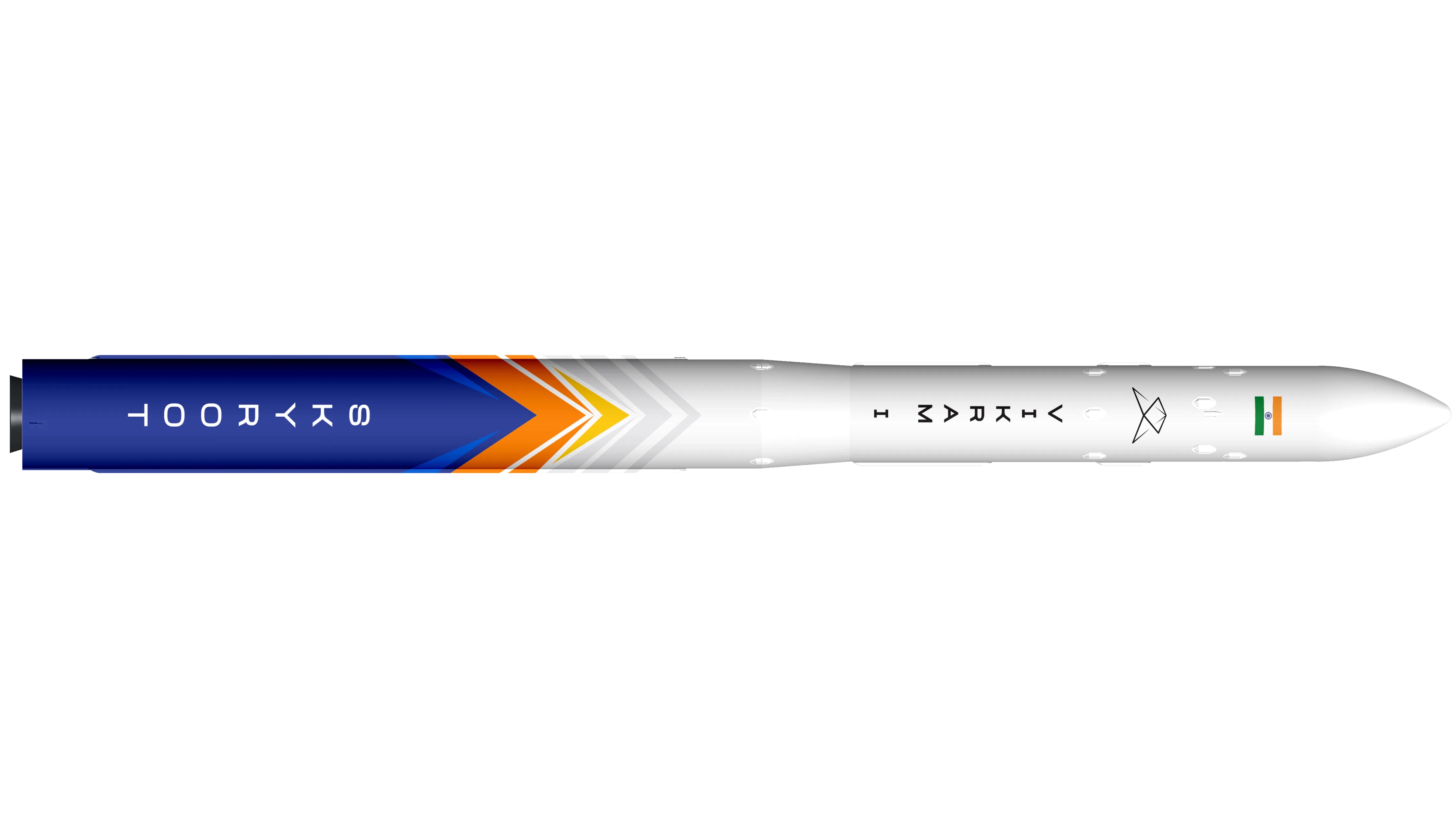
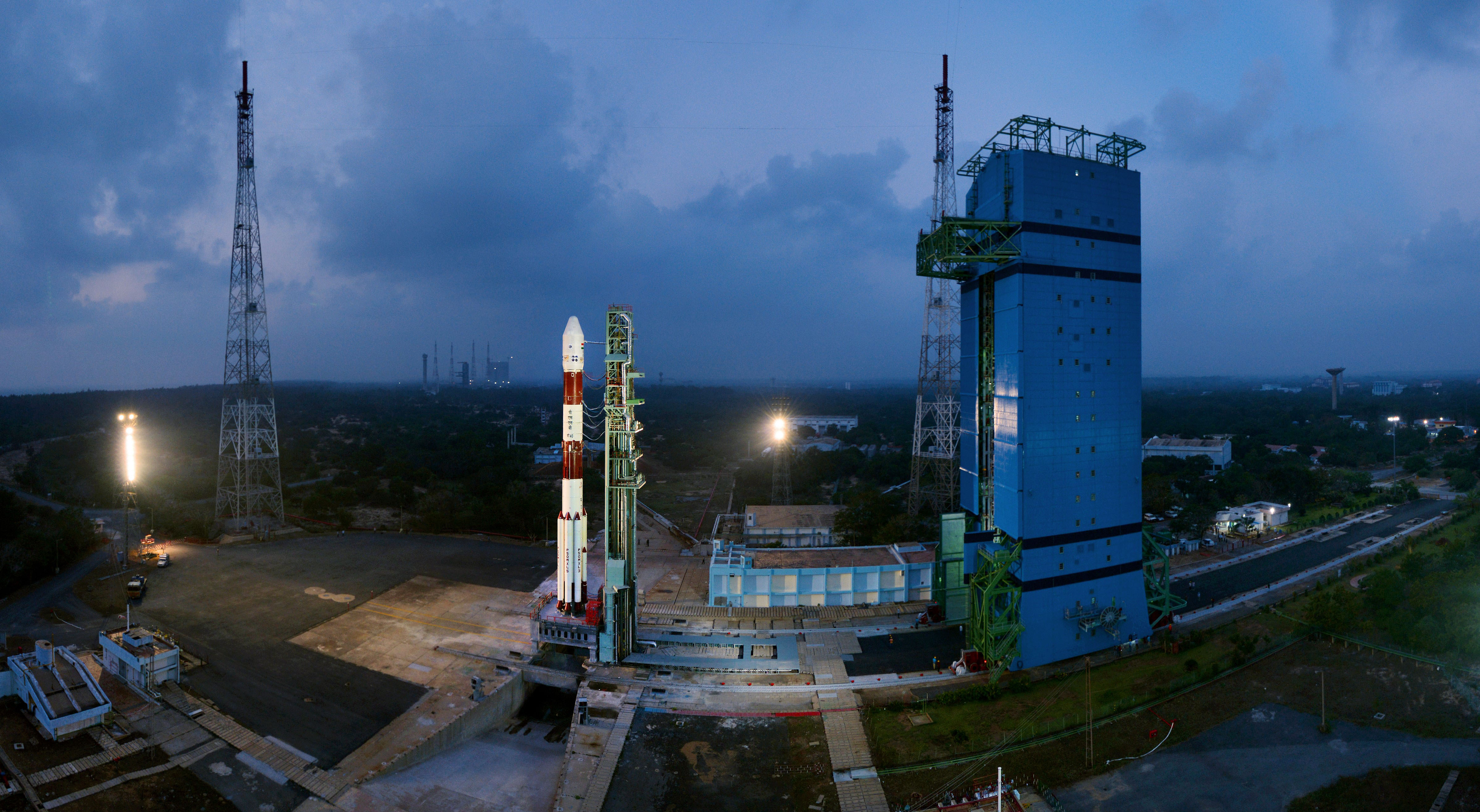
Provider: Skyroot Aerospace Date: July 18, 2026 Time: 5:00 AM UTC Vehicle: Vikram-I
First launch of Skyroot Aerospace’s Vikram-I launch vehicle, with several cubesats on board. Payload identities TBD.
Starlink Group 17-39
Provider: SpaceX Date: July 20, 2026 Time: 2:00 PM UTC Vehicle: Falcon 9
A batch of 24 satellites for the Starlink mega-constellation – SpaceX’s project for space-based Internet communication system.
SDA Tranche 1 Transport Layer E ×
Mission Details
TypeGovernment/Top Secret
OrbitPolar Orbit
TargetEarth
Tranche 1 Transport Layer E is one of six missions by the United States Space Force Space Development Agency (SDA) for the Proliferated Warfighter Space Architecture (PWSA) Tranche 1 Transport Layer constellation, which will provide assured, resilient, low-latency military data and connectivity worldwide to the full range of warfighter platforms from Low Earth Orbit satellites.
The constellation will be interconnected with Optical Inter-Satellite Links (OISLs) which have significantly increased performance over existing radio frequency crosslinks. It is expected to operate over Ka band, have stereo coverage and be dynamically networked for simpler hand-offs, greater bandwidth and fault tolerance.
This launch carries 21 satellites manufactured by York Space Systems.
Falcon 9 is a two-stage rocket designed and manufactured by SpaceX for the reliable and safe transport of satellites and the Dragon spacecraft into orbit. The Block 5 variant is the fifth major interval aimed at improving upon the ability for rapid reusability.
The Falcon 9 first stage B1103 will land on ASDS OCISLY after its 4th flight.
Flight 13 ×
Mission Details
TypeTest Flight
OrbitSuborbital
TargetEarth
13th test flight of the two-stage Starship launch vehicle. Second flight of Starship V3.
For the first time, Starship will carry 20 V3 Starlink satellites to space, which will extend solar arrays and antennas and will attempt to connect with ground stations in South Africa and the larger Starlink constellation via high-capacity lasers.
6 of the satellites have been modified with a suite of cameras to scan Starship’s heat shield and transmit imagery down to operators to continue testing methods of analyzing Starship’s heat shield readiness for return to launch site on future missions. Several tiles on Starship have been painted white to simulate missing tiles and serve as imaging targets in the test.
The SpaceX Starship is a fully reusable super heavy-lift launch vehicle under development by SpaceX since 2012, as a self-funded private spaceflight project. The second stage of the Starship — is designed as a long-duration cargo and passenger-carrying spacecraft. It is expected to be initially used without any booster stage at all, as part of an extensive development program to prove out launch-and-landing and iterate on a variety of design details, particularly with respect to the vehicle’s atmospheric reentry.
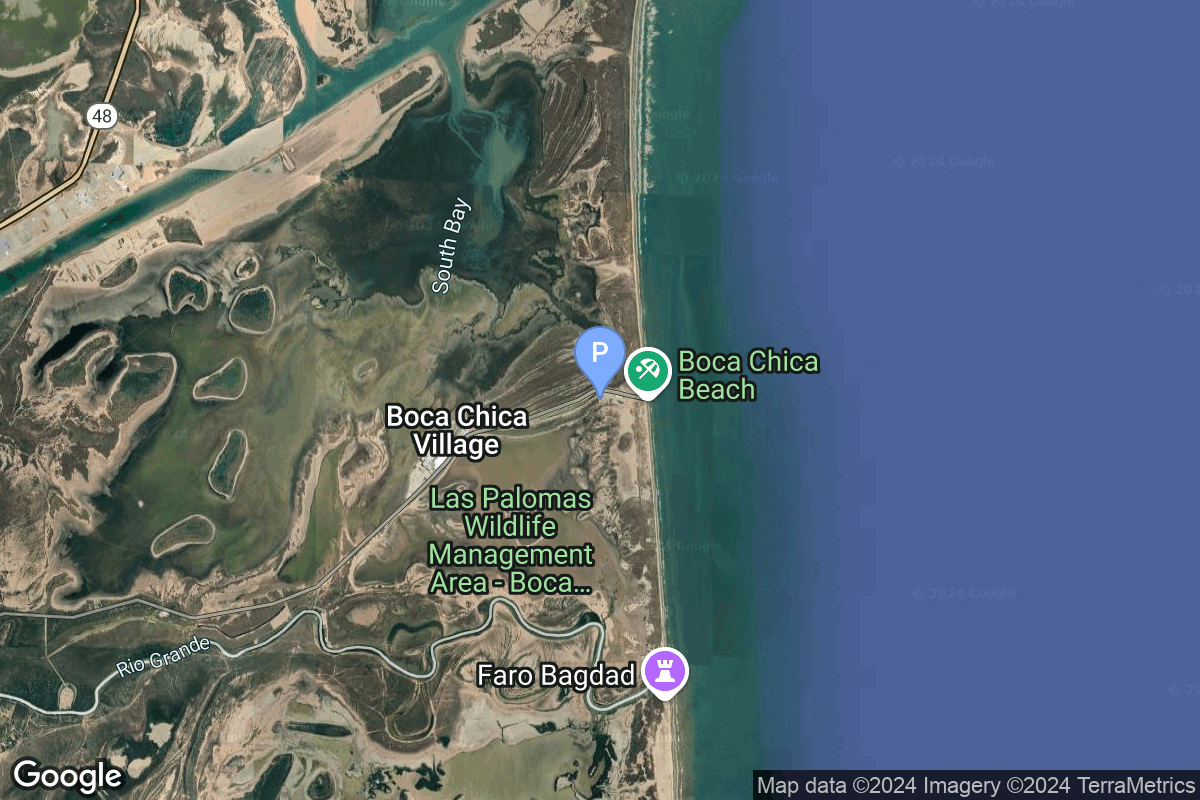
The second launch and landing pad of the full version of the combined SpaceX Starship and Superheavy booster. To be first used for launch in 2025 with version 3 of Starship and the Superheavy…
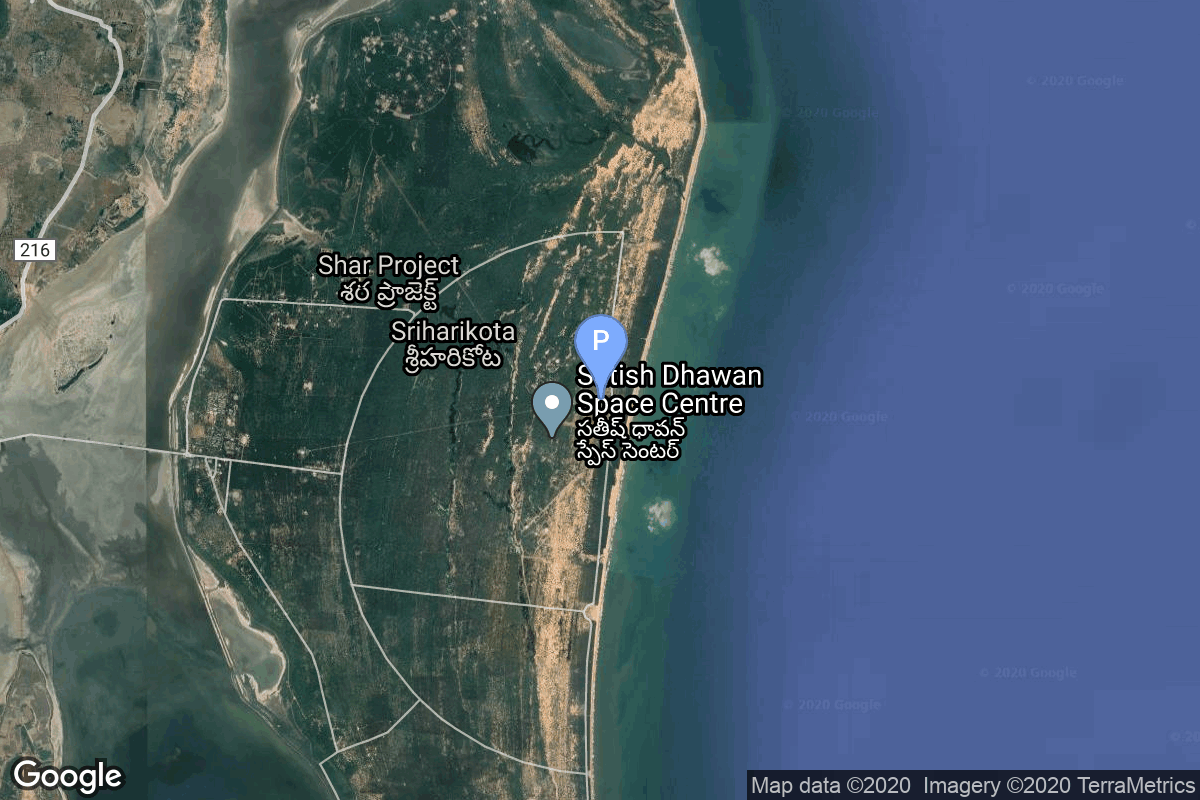
Launch Pad: Satish Dhawan Space Centre First Launch Pad
Satish Dhawan Space Centre, India
India has two launch pads at the site. The First Launch Pad, operational since 1993, is used for Polar Satellite Launch Vehicle, Small Satellite Launch Vehicle and formerly used by Geosynchronous…
4-stage orbital launch vehicle developed by Indian private company Skyroot Aerospace, with capability of up to 350 kg to Low Earth Orbit. The first 3 stages are powered by solid fuel rocket motors, topped by a hypergolic fuel upper stage.
Falcon 9 is a two-stage rocket designed and manufactured by SpaceX for the reliable and safe transport of satellites and the Dragon spacecraft into orbit. The Block 5 variant is the fifth major interval aimed at improving upon the ability for rapid reusability.
Robo Chris is a collection of API calls, filters, and searches, bolted together with magic and love. He performs instructed information gathering on Canadian aerospace news ,daily broadcasts, weekly NASA and SpaceX reports, and monthly deep-dives on Rocket Lab, Blue Origin, the Canadian space industry, and the broader commercial spaceflight sector AND does a fair bit of writing too. Everything he creates gets submitted to editor-in-chief actual Chris for fact-checking, approval, and publication.