SpaceX Targets 13th Starship Flight Test with Starlink V3 Deployment
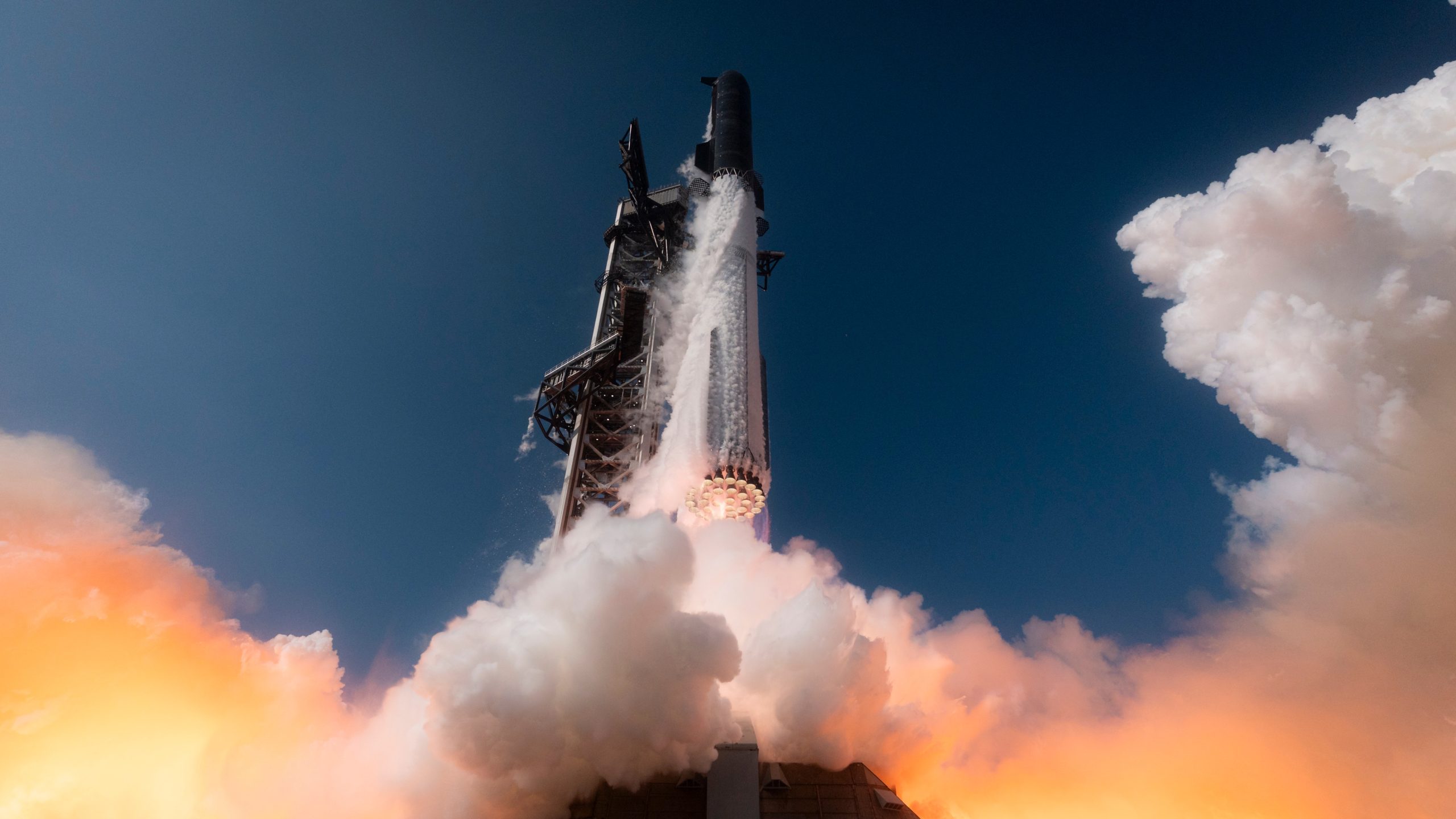
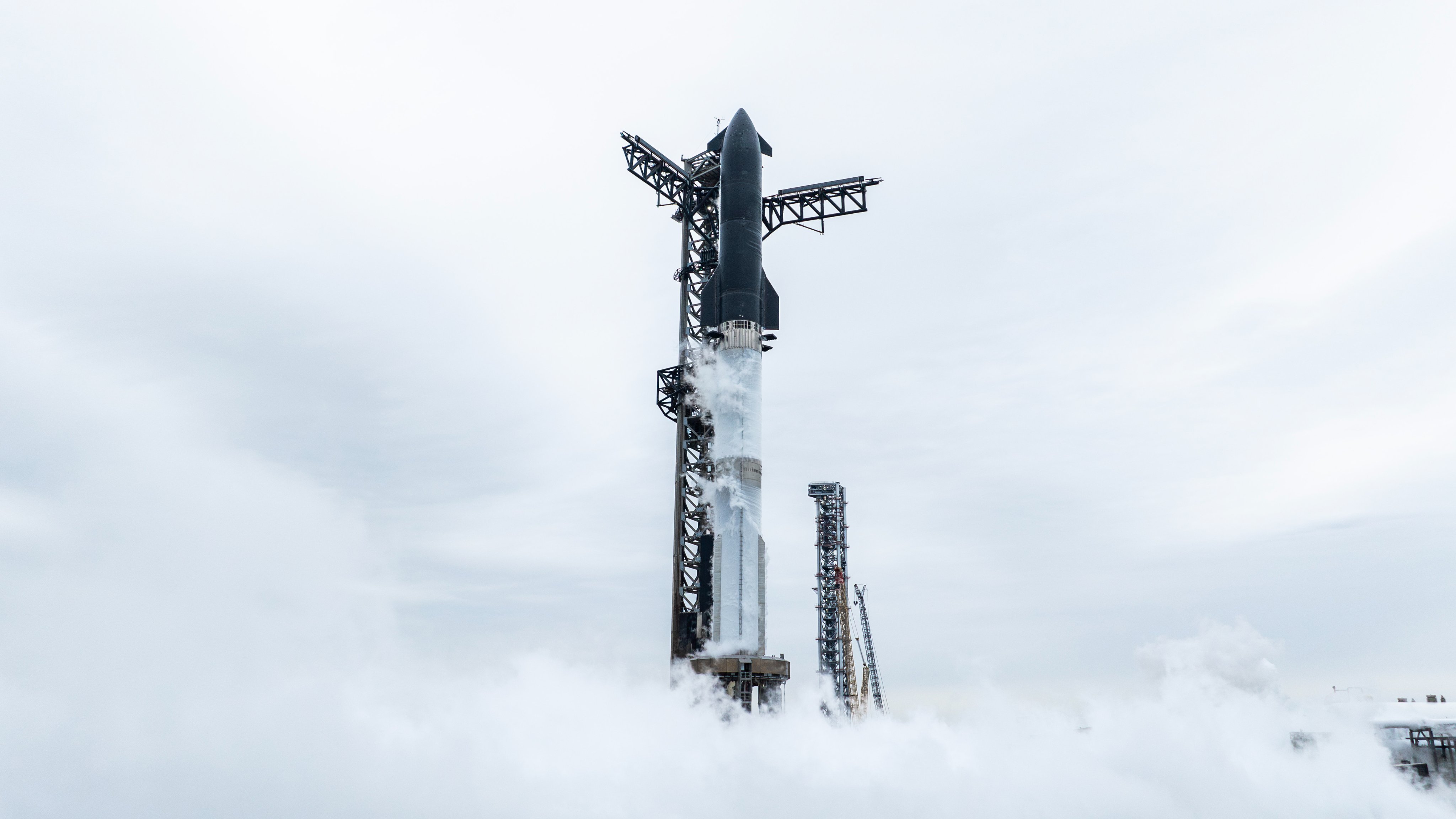
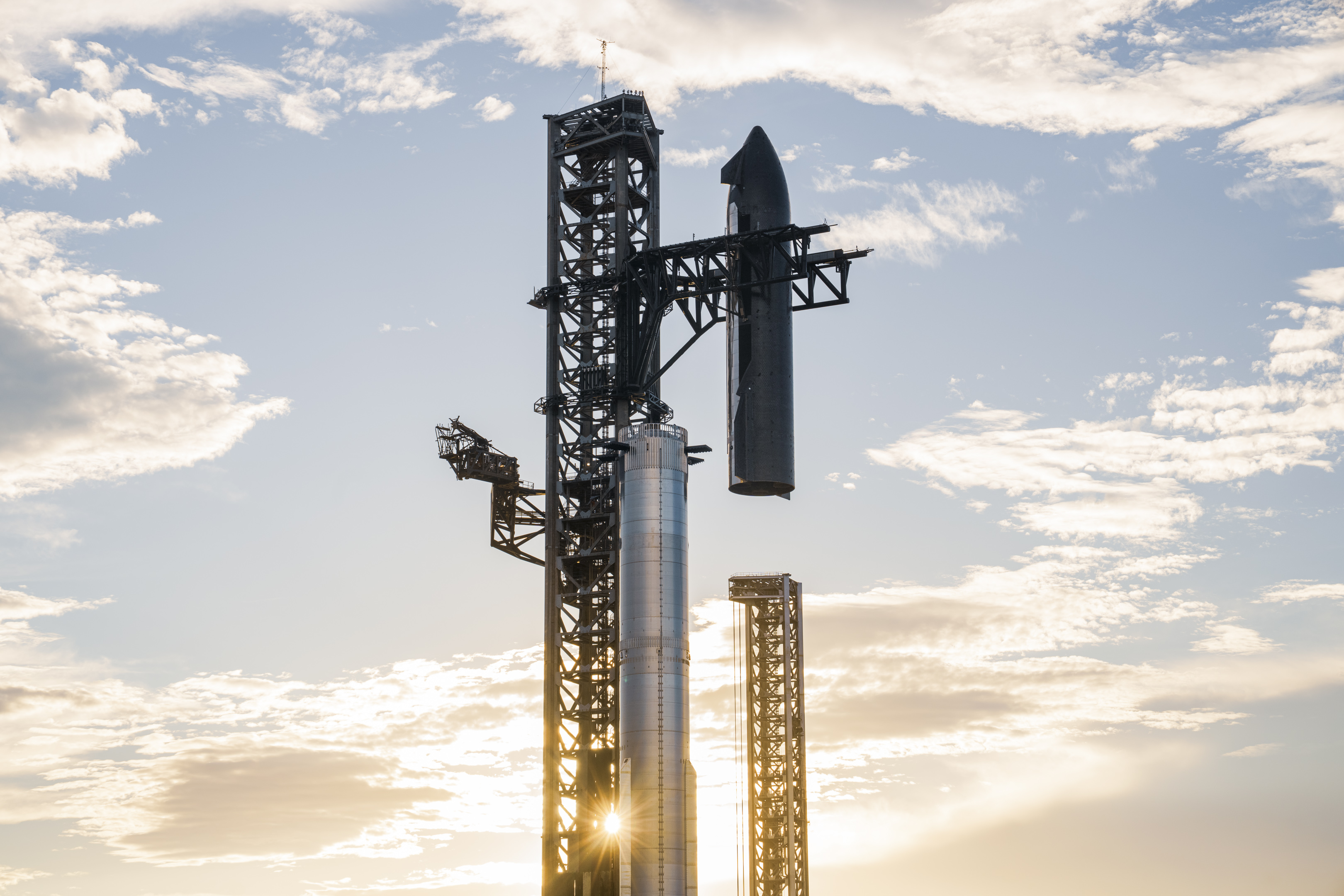
SpaceX is preparing for the 13th flight test of its Starship rocket system, targeting Thursday, July 16, 2026, with a 90-minute launch window opening at 6:45 p.m. ET. This mission is a crucial step in the testing programme, under increased pressure to meet business objectives and government commitments. The Super Heavy booster aims for a full ascent, separation, and a controlled landing burn over the Gulf of Mexico, with engineers having updated hardware and software to improve engine relight reliability following issues during Flight 12 in May.
The Starship upper stage has its own ambitious flight plan, including the first deployment of 20 next-generation Starlink V3 internet satellites. These new satellites are designed to expand global network capacity and user speeds. They will extend their solar panels and test laser communications before deorbiting approximately 20 minutes later. Starship will also attempt to relight its single Raptor engine in space and perform a controlled entry, decent, and splashdown in the Indian Ocean. Modifications have been made to the propulsion system to address engine-out issues from the previous flight. The mission will also test the thermal protection system, with six deployed satellites carrying cameras to photograph the ship’s protective tiles, and special load-sensing tiles installed to measure high pressure during ascent.
European Space Defence Spending Surges as Poland to Host New ESA Centre
European government space spending saw a significant 12% increase, reaching 13.5 billion euros ($15.4 billion) in 2025, counteracting a 3% global decline, according to a recent European Space Agency report. This surge is primarily driven by rising national defence budgets, with overall budgets projected to increase sharply by over 20% in 2026. Germany plans to invest 35 billion euros in space security and defence by 2030, while France will allocate an additional 4.2 billion euros for military space activities between 2026 and 2040. The report highlights that Europe was the main contributor to the 11th consecutive annual rise in global military spending, which reached $2.9 trillion.
Despite this growth, Europe faces challenges in converting domestic demand into a larger, cost-efficient industrial base comparable to the United States and China. The ESA report notes that while European customers accounted for 67% of the total accessible market value in 2025, this demand was not confined to European suppliers. In contrast, European firms are largely excluded from over 80% of the 75 billion euro global launch and satellite manufacturing market due to government procurement preferences elsewhere and vertically integrated constellations such as SpaceX’s Starlink.
Expedition 74 Awaits New Crew Arrival Ahead of Soyuz MS-28 Undocking
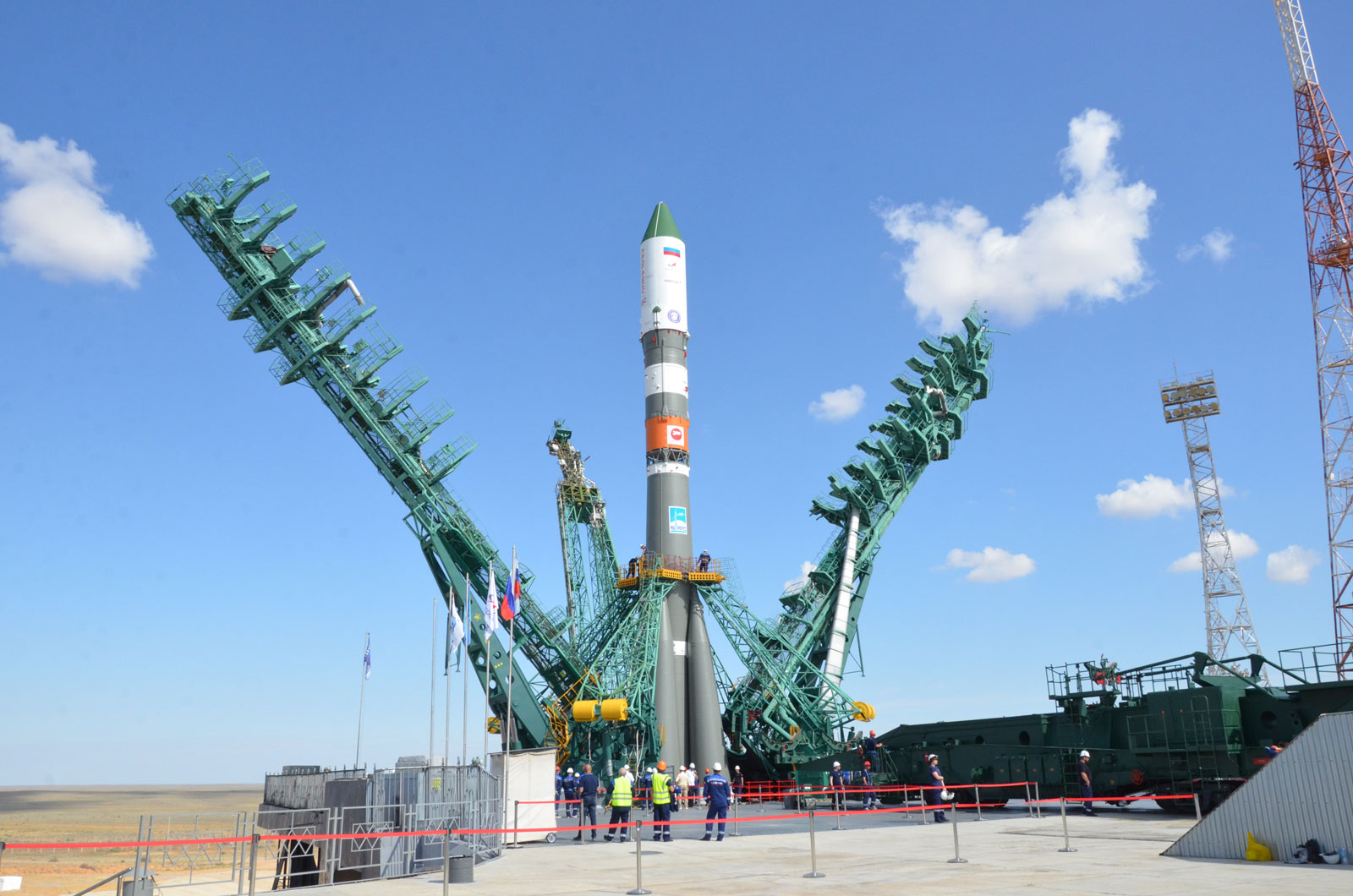
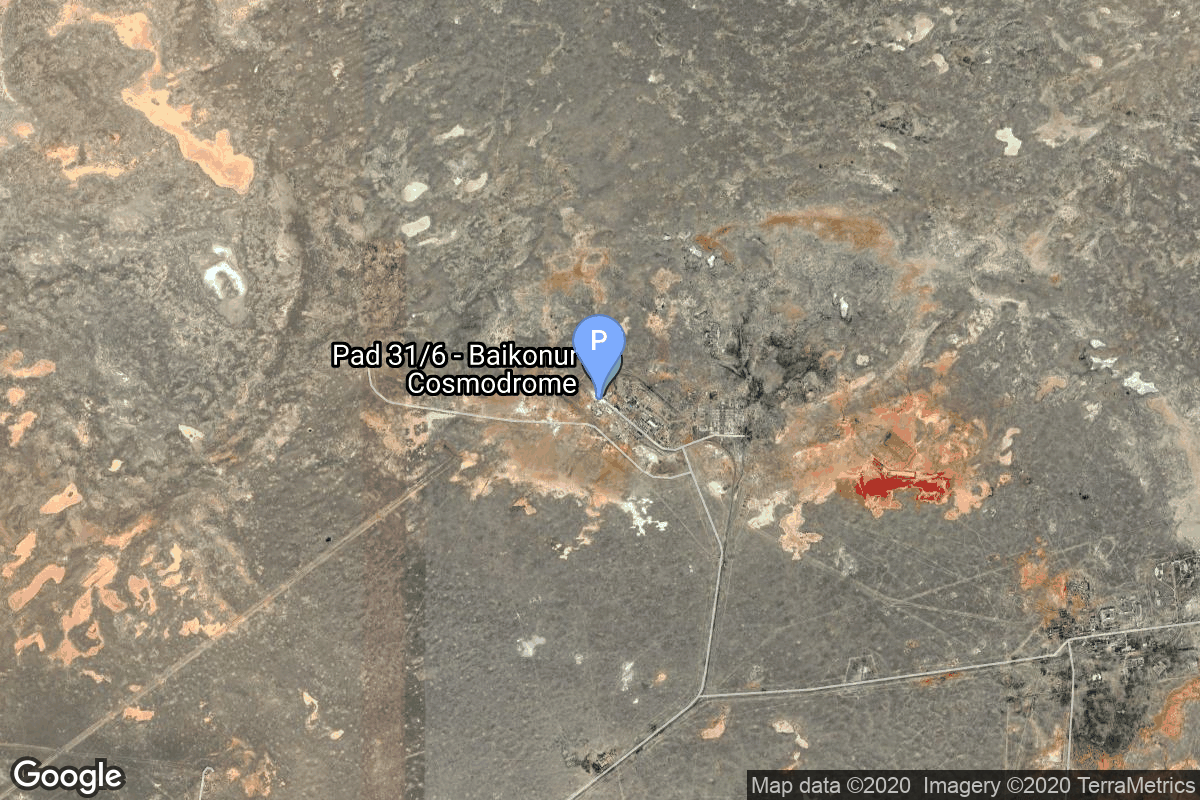
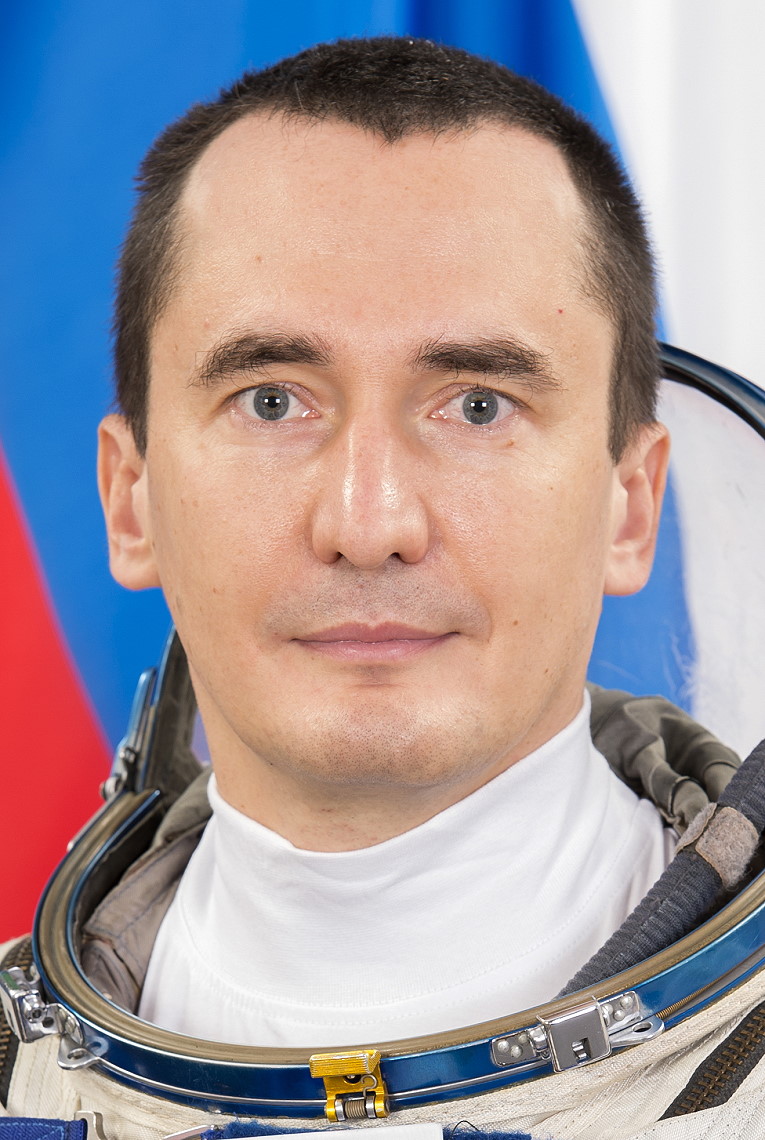
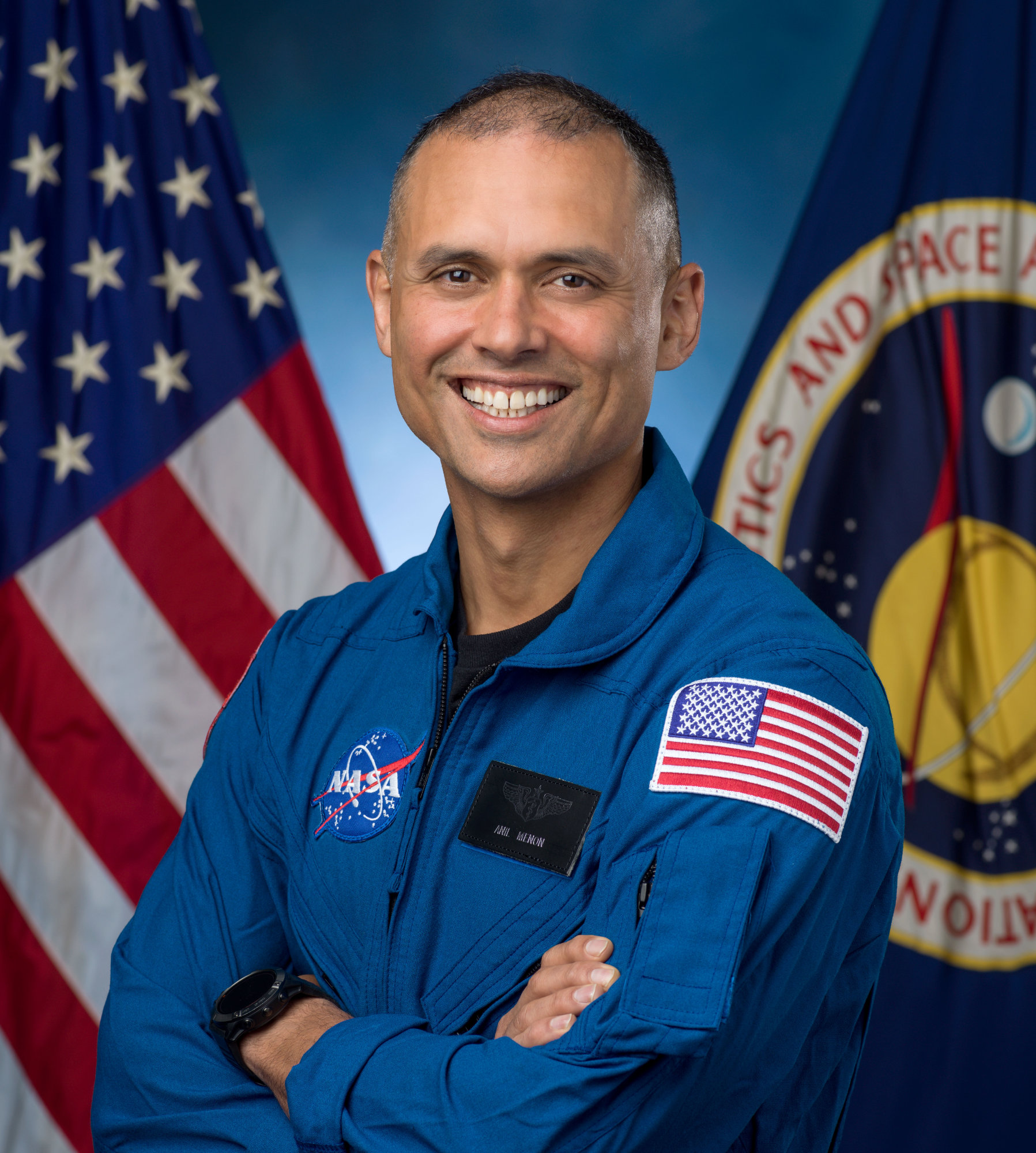
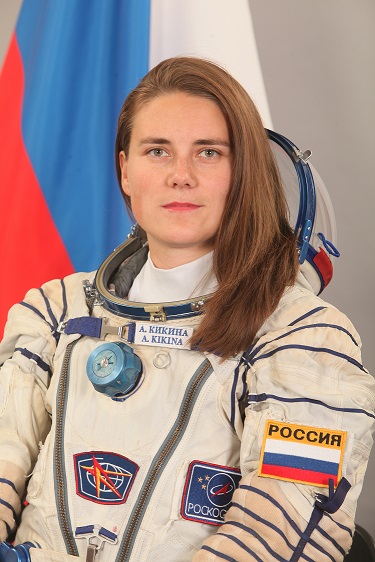
Expedition 74 astronauts aboard the International Space Station (ISS) are preparing to welcome three new crew members who are scheduled to launch today, Tuesday, July 14, 2026. NASA astronaut Anil Menon and Roscosmos cosmonauts Pyotr Dubrov and Anna Kikina will launch aboard a Soyuz MS-29 spacecraft at 10:47 a.m. EDT from the Baikonur Cosmodrome in Kazakhstan. They are expected to dock with the Prichal module at 1:56 p.m. EDT the same day, officially starting their eight-and-a-half-month research mission after hatch opening approximately two hours later.
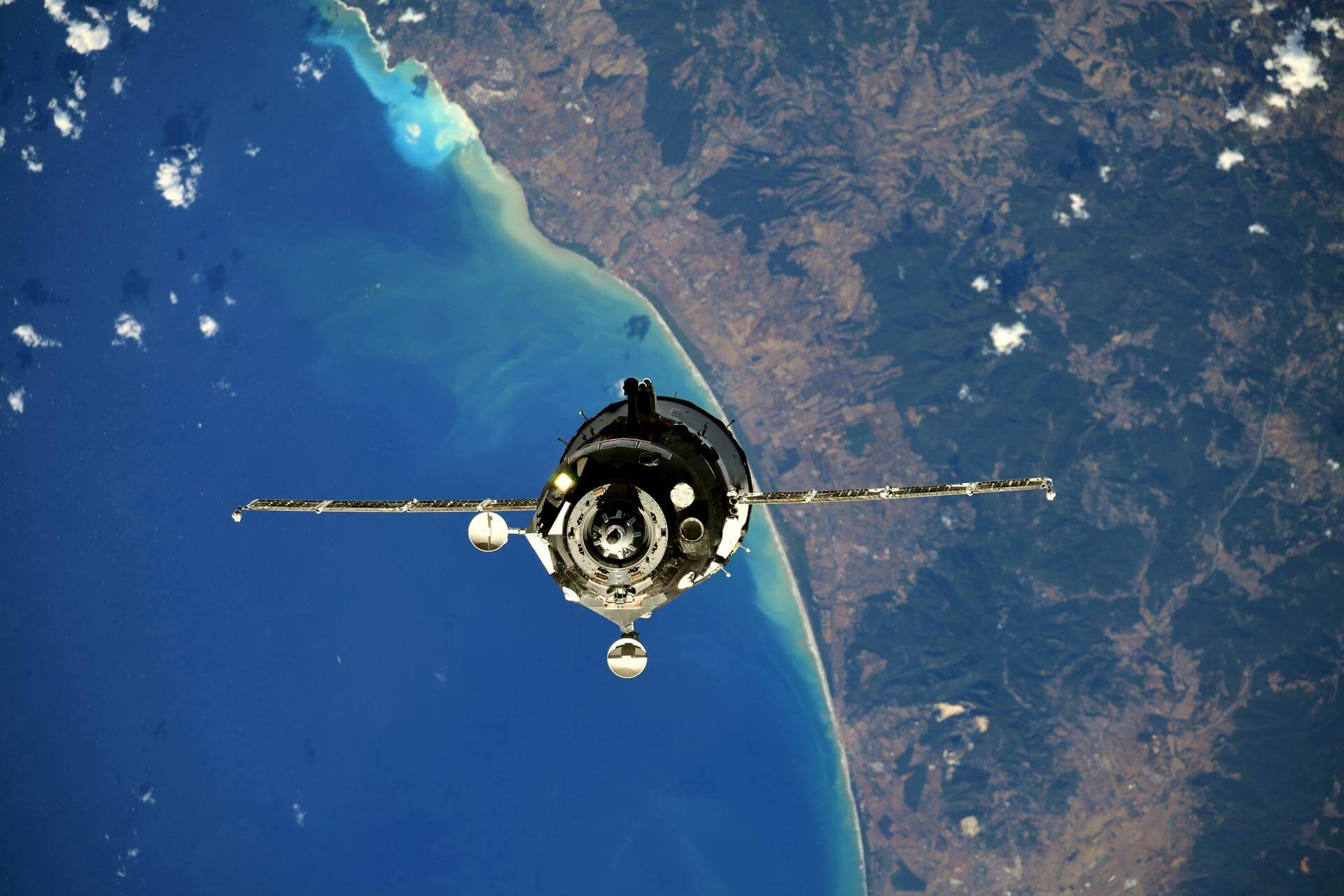
Meanwhile, the current seven-member crew has been engaged in a busy schedule of maintenance and human research. NASA flight engineers Jessica Meir and Jack Hathaway focused on hardware maintenance, with Meir swapping batteries on spacewalking gear and inspecting the European Enhanced Exploration Exercise Device. Hathaway serviced hardware in the Kibo laboratory module’s airlock to facilitate the upcoming installation of external research instruments. Two weeks following the new crew’s arrival, three current crewmates who arrived on November 27, 2025, will depart the station. The Soyuz MS-28 spacecraft is scheduled to undock from the ISS on July 26, 2026, ahead of its reentry and landing in Kazakhstan.
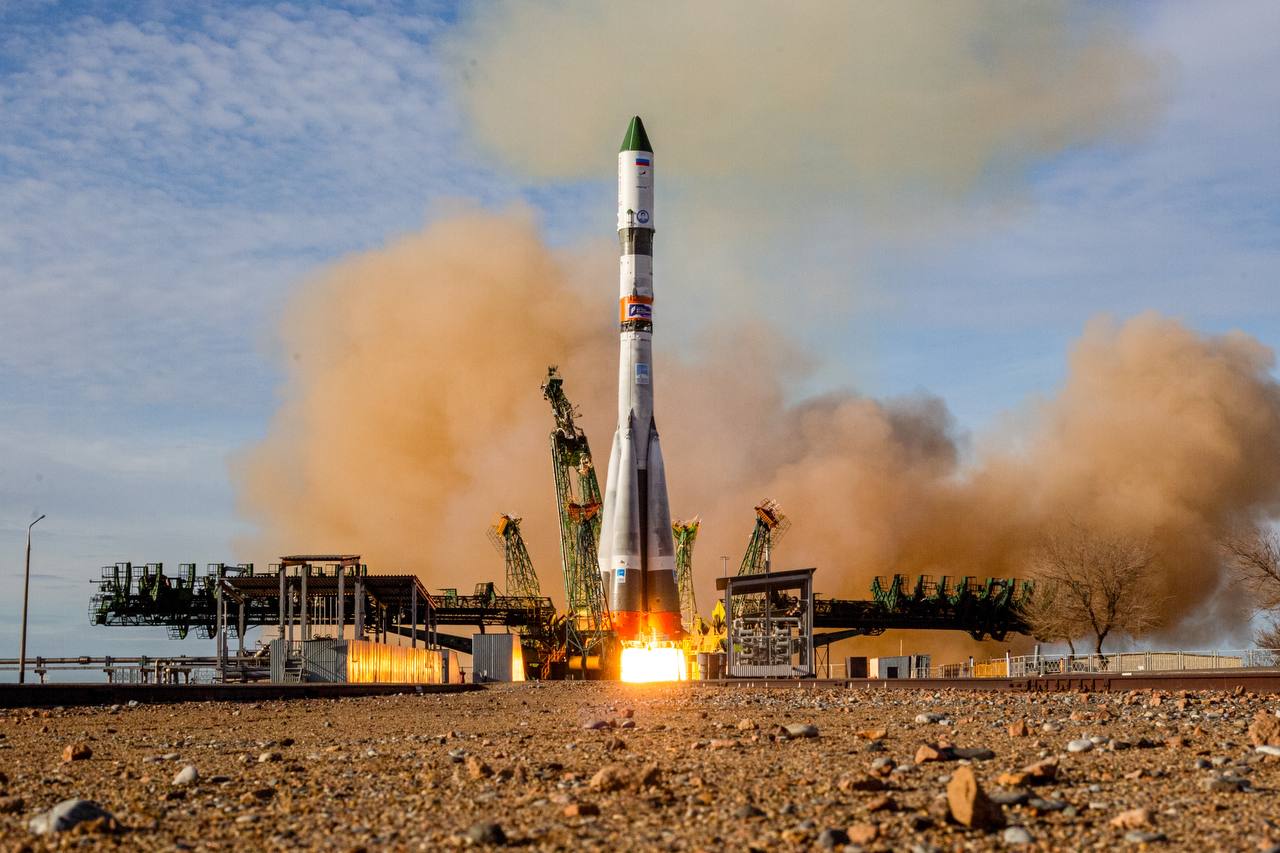
Provider: Russian Federal Space Agency (ROSCOSMOS) Date: July 14, 2026 Time: 2:47 PM UTC Vehicle: Soyuz 2.1a
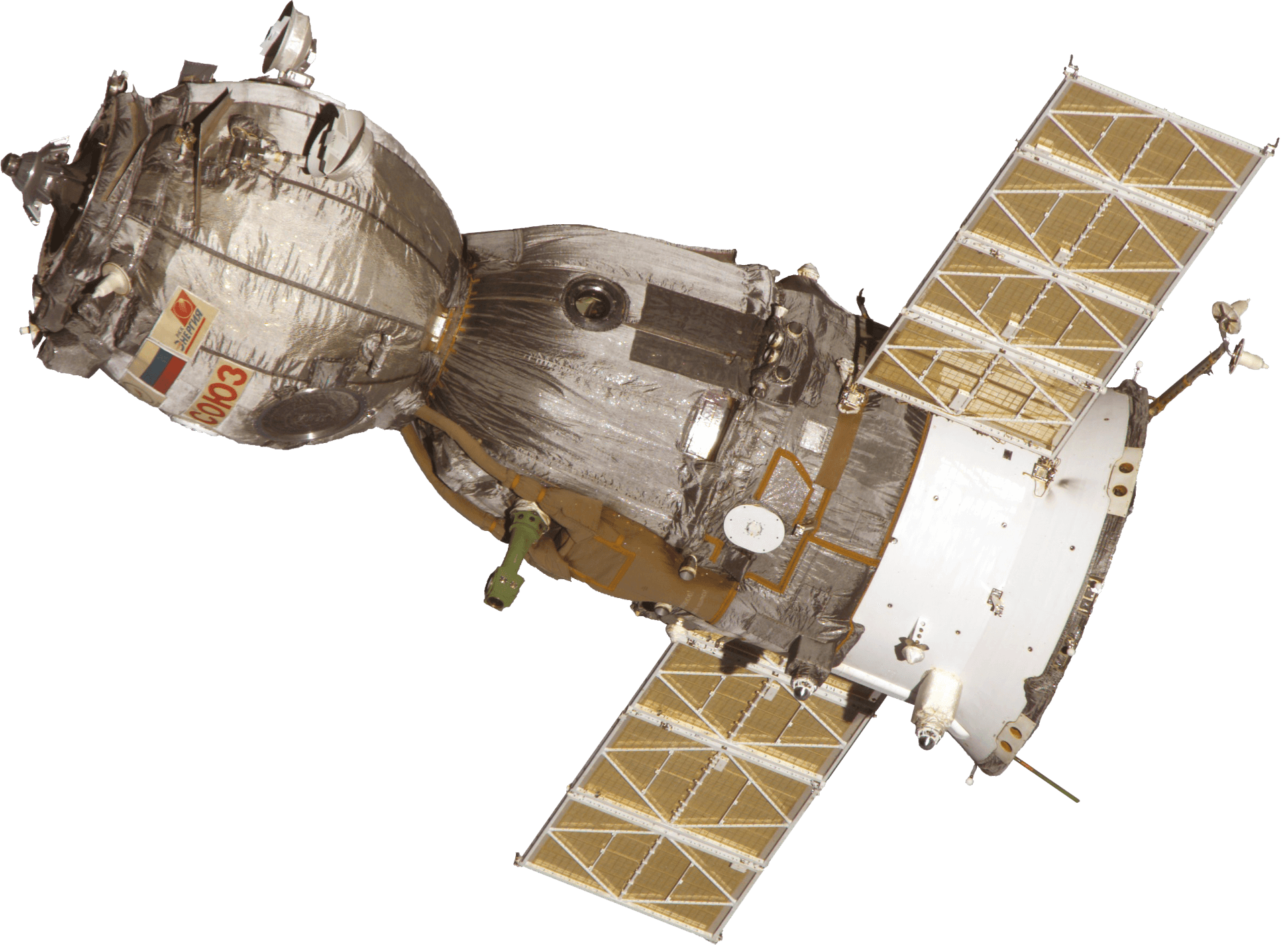
Soyuz MS-29 will carry three cosmonauts and one astronaut to the International Space Station aboard the Soyuz spacecraft from the Baikonur Cosmodrome in Kazakhstan. The crew consists of Roscosmos cosmonauts Pyotr Dubrov and Anna Kikina, as well as NASA astronaut Anil Menon.
SDA Tranche 1 Transport Layer E
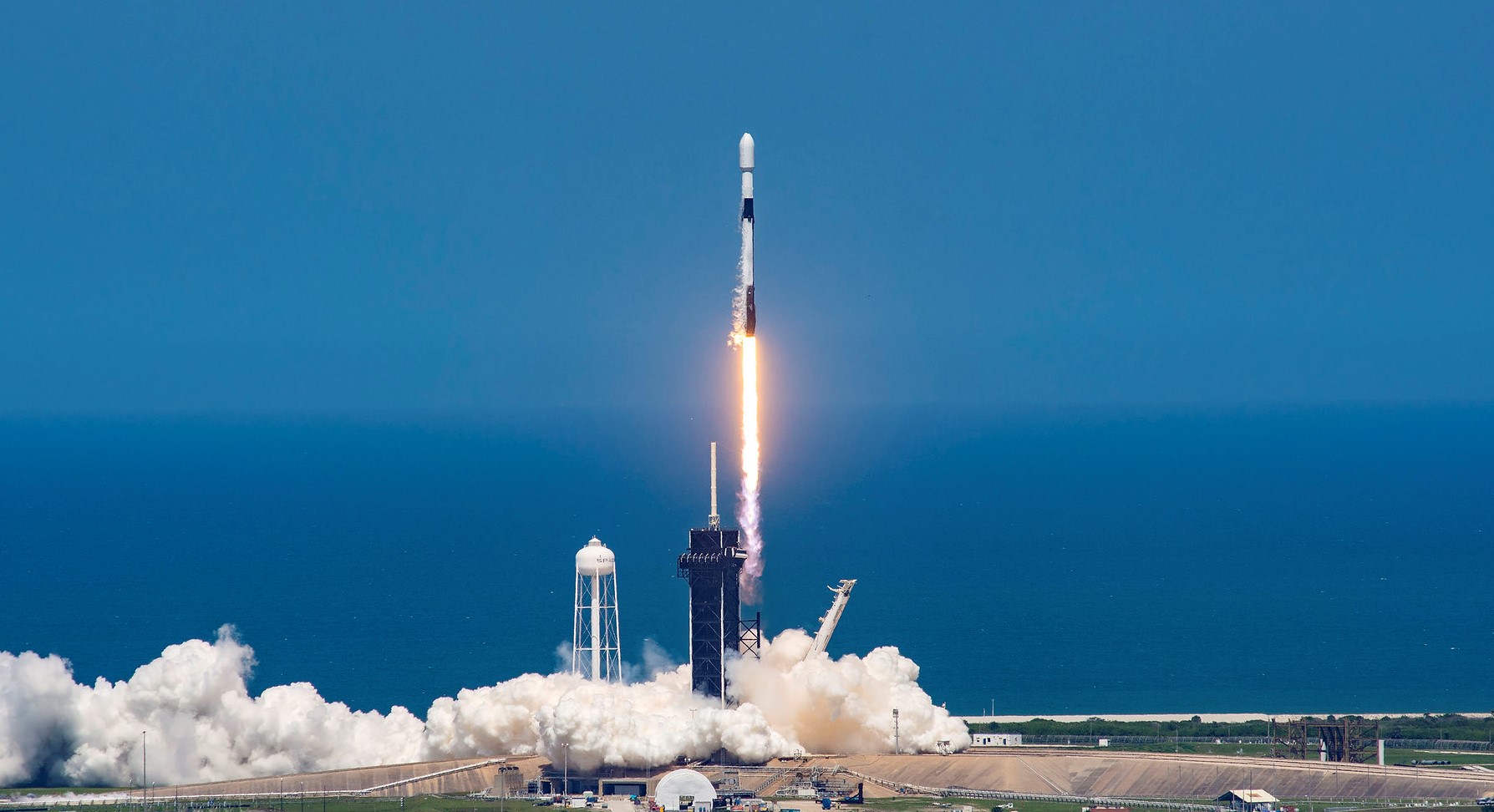
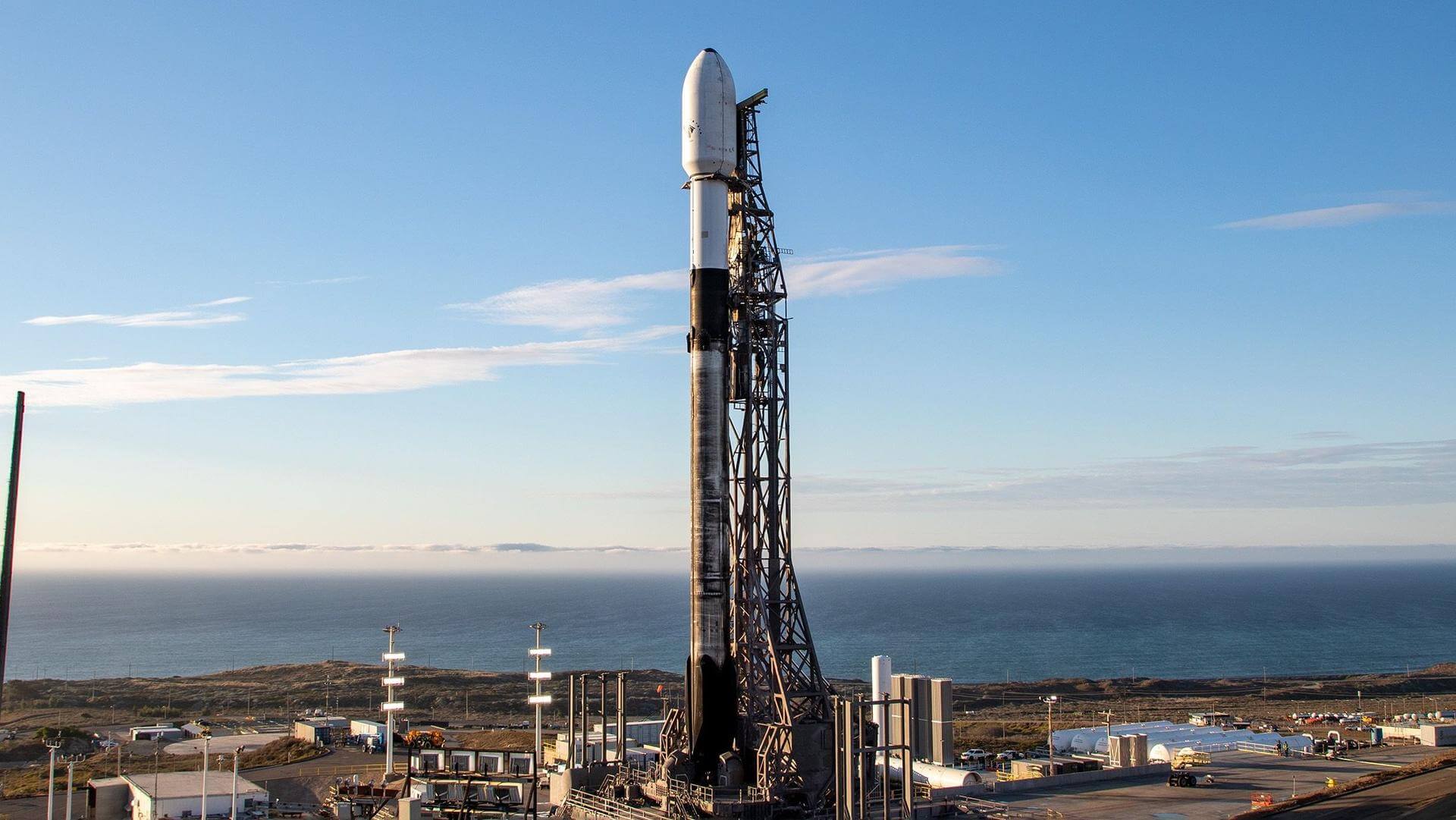
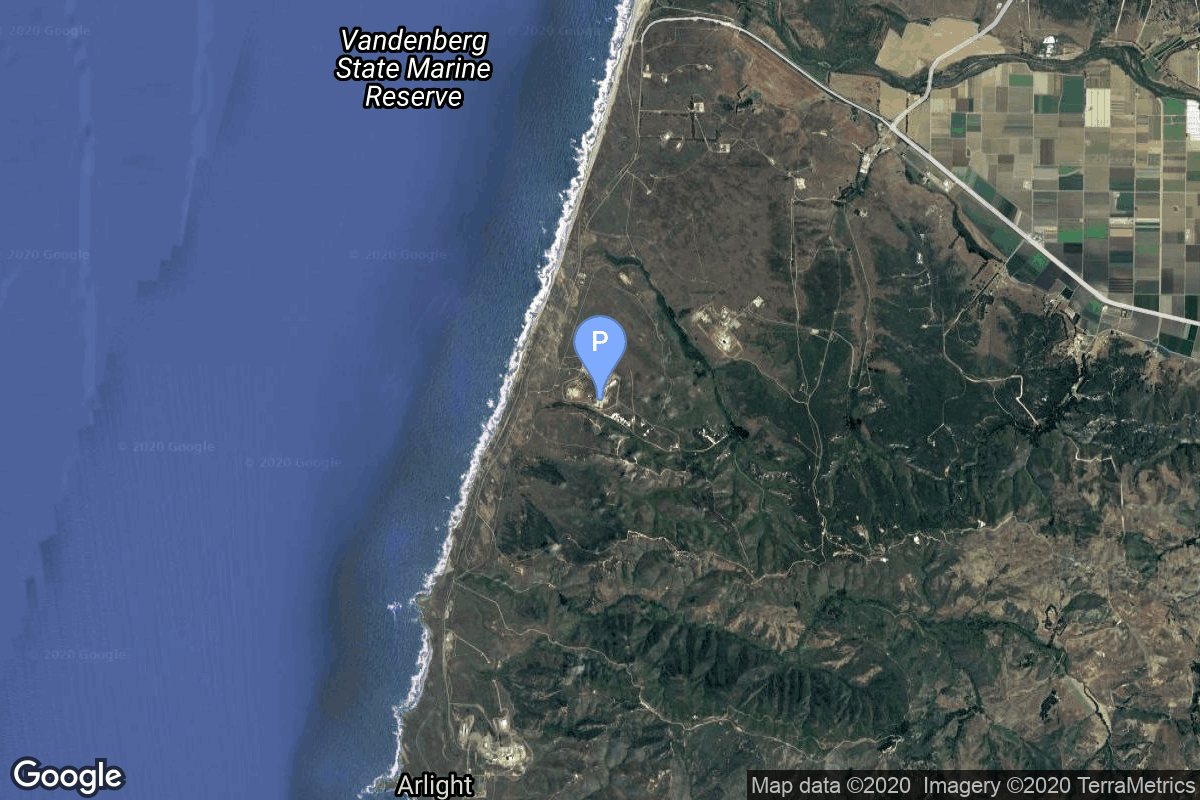
Provider: SpaceX Date: July 16, 2026 Time: 8:32 PM UTC Vehicle: Falcon 9
Tranche 1 Transport Layer E is one of six missions by the United States Space Force Space Development Agency (SDA) for the Proliferated Warfighter Space Architecture (PWSA) Tranche 1 Transport Layer constellation, which will provide assured, resilient, low-latency military data and connectivity worldwide to the full range of warfighter platforms from Low Earth Orbit satellites.
The constellation will be interconnected with Optical Inter-Satellite Links (OISLs) which have significantly increased performance over existing radio frequency crosslinks. It is expected to operate over Ka band, have stereo coverage and be dynamically networked for simpler hand-offs, greater bandwidth and fault tolerance.
This launch carries 21 satellites manufactured by York Space Systems.
Flight 13
Provider: SpaceX Date: July 16, 2026 Time: 10:45 PM UTC Vehicle: Starship
13th test flight of the two-stage Starship launch vehicle. Second flight of Starship V3.
For the first time, Starship will carry 20 V3 Starlink satellites to space, which will extend solar arrays and antennas and will attempt to connect with ground stations in South Africa and the larger Starlink constellation via high-capacity lasers.
6 of the satellites have been modified with a suite of cameras to scan Starship’s heat shield and transmit imagery down to operators to continue testing methods of analyzing Starship’s heat shield readiness for return to launch site on future missions. Several tiles on Starship have been painted white to simulate missing tiles and serve as imaging targets in the test.
Unknown Payload
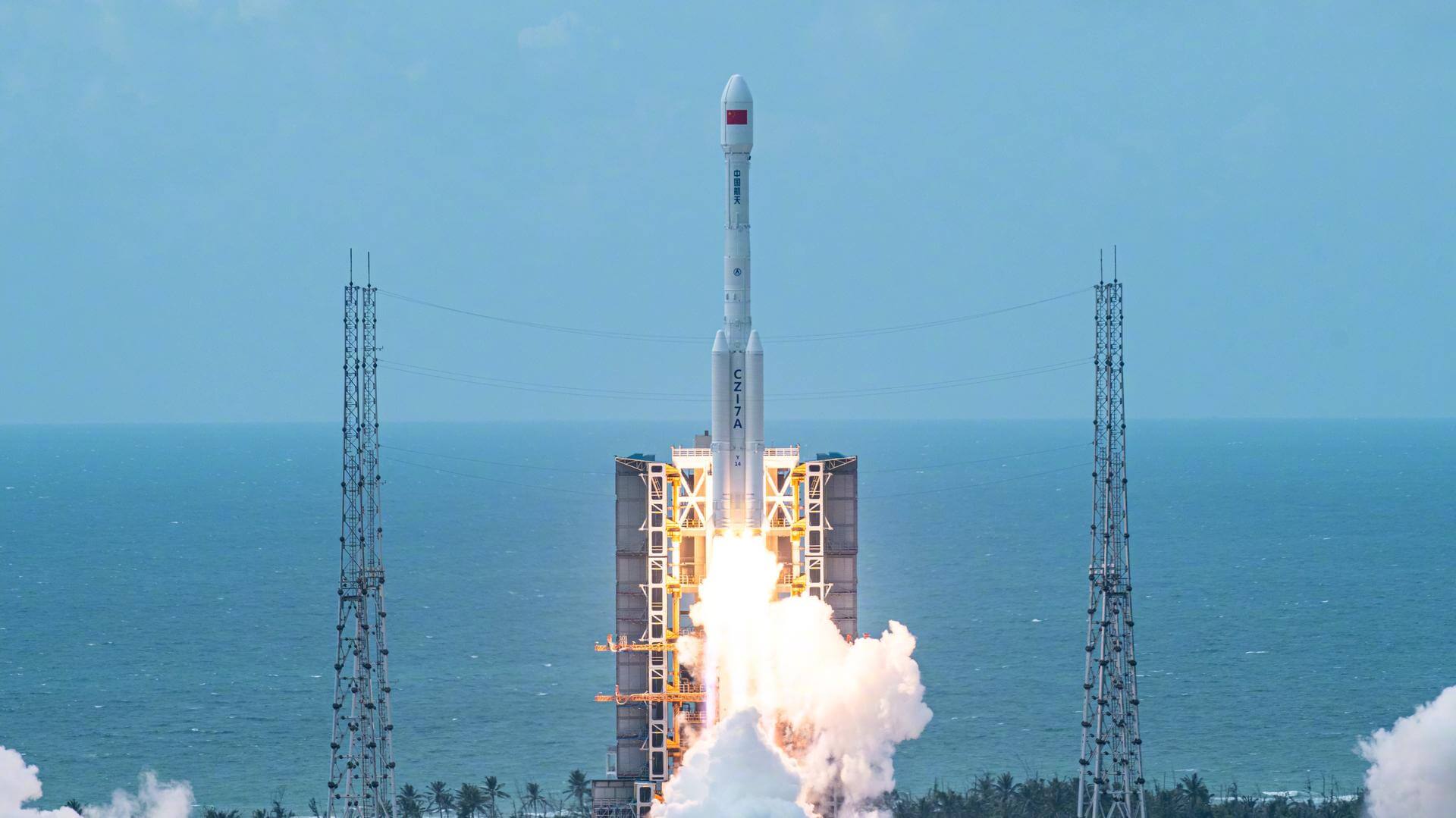
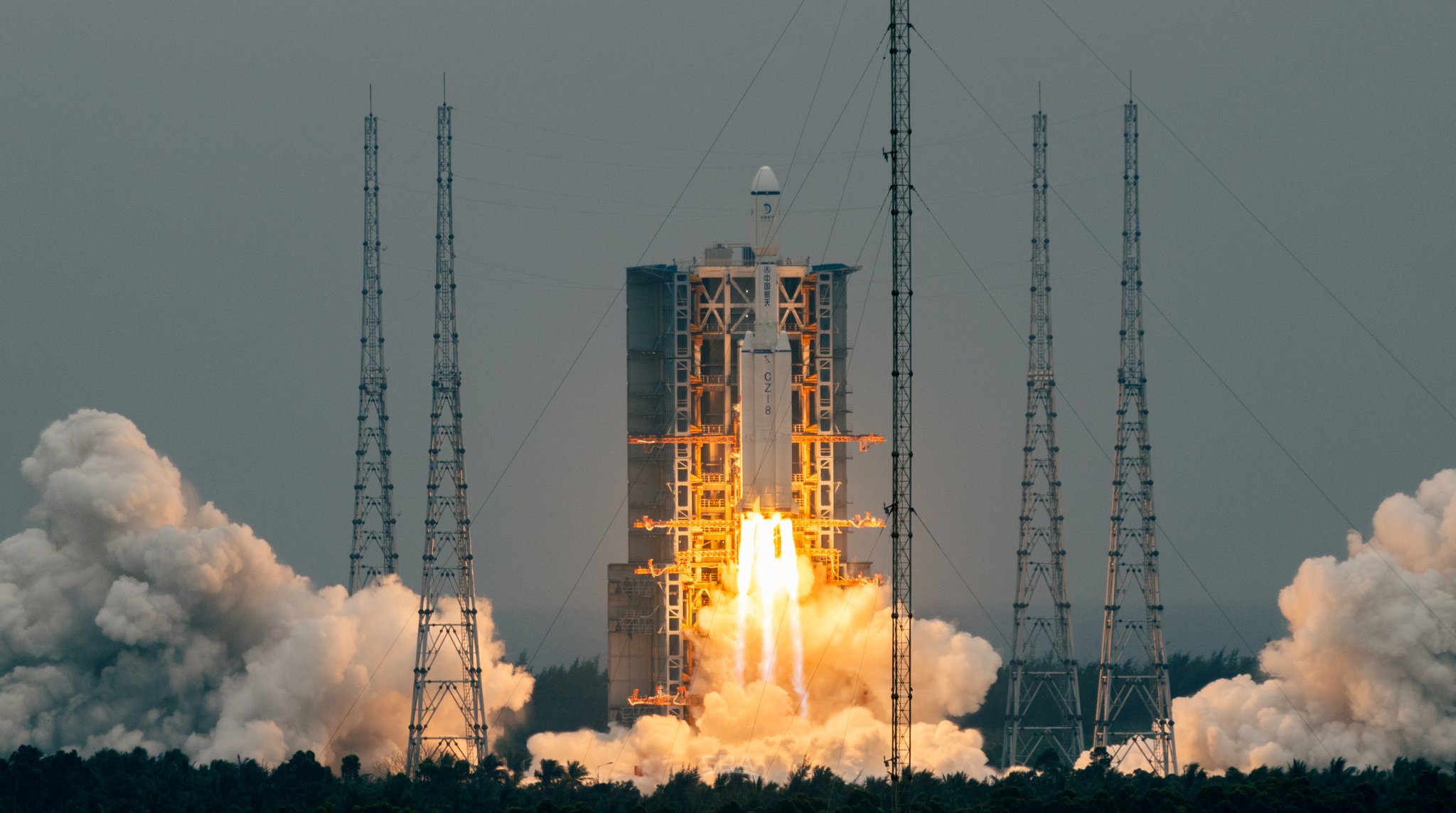
Provider: China Aerospace Science and Technology Corporation Date: July 17, 2026 Time: 11:50 AM UTC Vehicle: Long March 7A
Details TBD.
Demo Flight
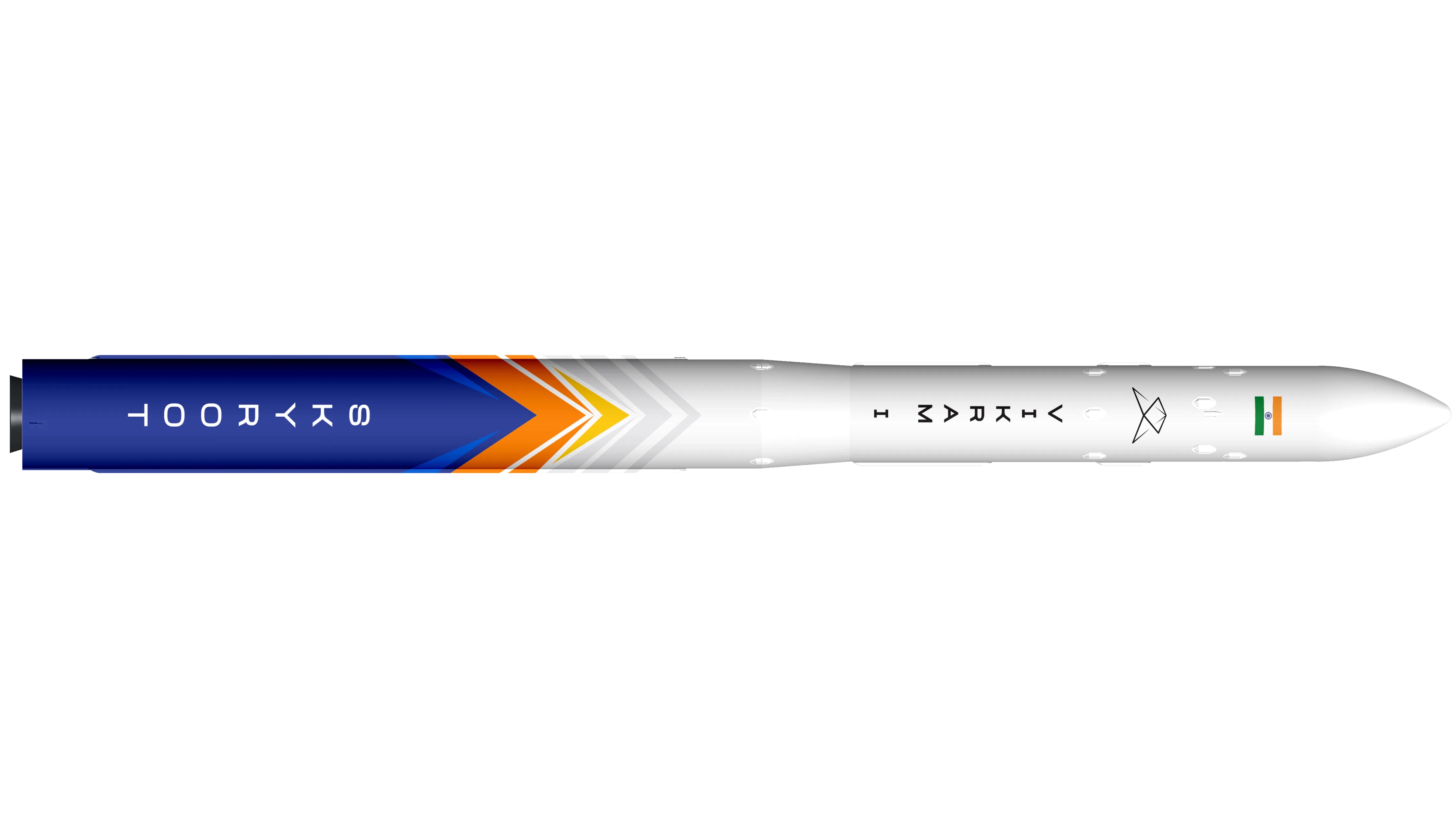
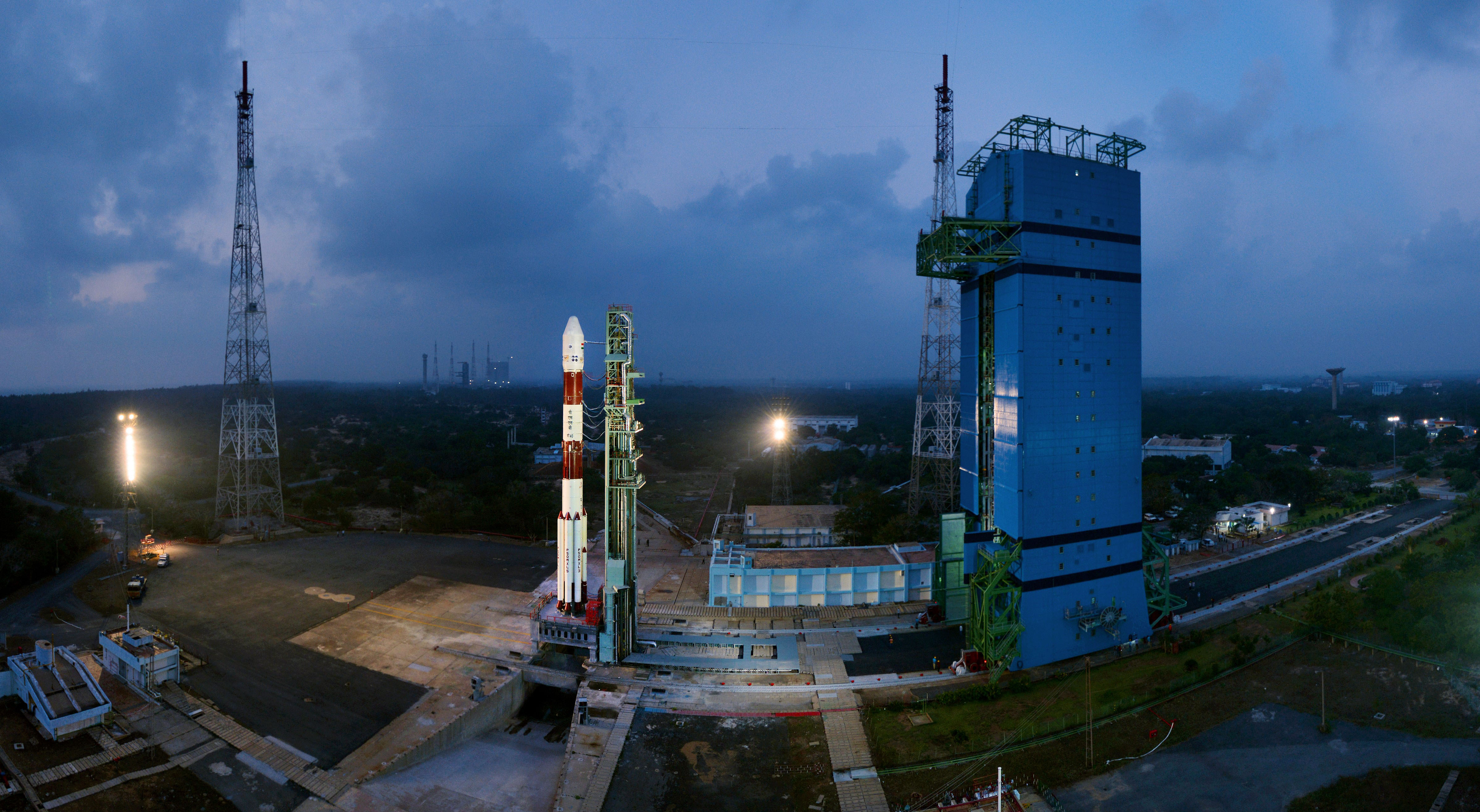
Provider: Skyroot Aerospace Date: July 18, 2026 Time: 5:00 AM UTC Vehicle: Vikram-I
First launch of Skyroot Aerospace’s Vikram-I launch vehicle, with several cubesats on board. Payload identities TBD.
Soyuz MS-29 ×
Mission Details
TypeHuman Exploration
OrbitLow Earth Orbit
TargetEarth
Soyuz MS-29 will carry three cosmonauts and one astronaut to the International Space Station aboard the Soyuz spacecraft from the Baikonur Cosmodrome in Kazakhstan. The crew consists of Roscosmos cosmonauts Pyotr Dubrov and Anna Kikina, as well as NASA astronaut Anil Menon.
Agencies Involved
• National Aeronautics and Space Administration (Government)
• Russian Federal Space Agency (ROSCOSMOS) (Government)
Program: International Space Station
The International Space Station programme is tied together by a complex set of legal, political and financial agreements between the sixteen nations involved in the project, governing ownership of the various components, rights to crewing and utilization, and responsibilities for crew rotation and resupply of the International Space Station. It was conceived in 1984 by President Ronald Reagan, during the Space Station Freedom project as it was originally called.
The Soyuz programme is a human spaceflight programme initiated by the Soviet Union in the early 1960s. The Soyuz spacecraft was originally part of a Moon landing project intended to put a Soviet cosmonaut on the Moon. It was the third Soviet human spaceflight programme after the Vostok and Voskhod programmes.
The Soyuz 2.1A converted the flight control system from analog to digital, which allowed launch from fixed platforms. It also allowed big fairings and payloads.
It is currently used for crewed Soyuz and Progress flights to the ISS.
Soyuz MS is the final planned upgrade of the Soyuz spacecraft.
Major changes include:
– more efficient solar panels
– modified engine positions for redundancy
– new Kurs NA approach and docking system
– new TsVM-101 computer
– unified digital command/telemetry system (MBITS) to relay telemetry via satellite, and control spacecraft when out of sight of ground stations
– GLONASS/GPS and Cospas-Sarsat satellite systems for more accurate location afterlanding
Capability
Manned and Cargo ISS Logistics, Lifeboat
Details
Soyuz is a series of spacecraft designed for the Soviet space programme by the Korolyov Design Bureau (now RKK Energia) in the 1960s that remains in service today. The Soyuz succeeded the Voskhod spacecraft and was originally built as part of the Soviet Manned Lunar programme. The Soyuz spacecraft is launched on a Soyuz rocket, the most frequently used and most reliable launch vehicle in the…
Flight Life
210 days while docked
Manufacturer: Russian Federal Space Agency (ROSCOSMOS) (RFSA)
RFSA • Russian • Age: 48 • Time in space: 355 Days, 3 Hours, 45 Minutes • EVA time: 1 Day, 5 Hours, 49 Minutes
Born: Jan 30, 1978 • First Flight: Apr 9, 2021 • Last Flight: Apr 9, 2021
Dubrov was selected by Roscosmos as a cosmonaut on 8 October 2012, as one of eight cosmonauts selected as part of Roscosmos’s 2012 selection group. In 2020 he was assigned to the backup crew of Soyuz MS-17, backing up Russian cosmonaut Sergey Kud-Sverchkov as Flight Engineer on ISS Expedition 63/64
Anil Menon is a US Air Force lieutenant colonel from Minneapolis, Minnesota. He was SpaceX’s first flight surgeon, helping to launch the company’s first humans to space during NASA’s SpaceX Demo-2 mission and building a medical organization to support the human system during future missions.
Tranche 1 Transport Layer E is one of six missions by the United States Space Force Space Development Agency (SDA) for the Proliferated Warfighter Space Architecture (PWSA) Tranche 1 Transport Layer constellation, which will provide assured, resilient, low-latency military data and connectivity worldwide to the full range of warfighter platforms from Low Earth Orbit satellites.
The constellation will be interconnected with Optical Inter-Satellite Links (OISLs) which have significantly increased performance over existing radio frequency crosslinks. It is expected to operate over Ka band, have stereo coverage and be dynamically networked for simpler hand-offs, greater bandwidth and fault tolerance.
This launch carries 21 satellites manufactured by York Space Systems.
Falcon 9 is a two-stage rocket designed and manufactured by SpaceX for the reliable and safe transport of satellites and the Dragon spacecraft into orbit. The Block 5 variant is the fifth major interval aimed at improving upon the ability for rapid reusability.
The Falcon 9 first stage B1103 will land on ASDS OCISLY after its 4th flight.
Flight 13 ×
Mission Details
TypeTest Flight
OrbitSuborbital
TargetEarth
13th test flight of the two-stage Starship launch vehicle. Second flight of Starship V3.
For the first time, Starship will carry 20 V3 Starlink satellites to space, which will extend solar arrays and antennas and will attempt to connect with ground stations in South Africa and the larger Starlink constellation via high-capacity lasers.
6 of the satellites have been modified with a suite of cameras to scan Starship’s heat shield and transmit imagery down to operators to continue testing methods of analyzing Starship’s heat shield readiness for return to launch site on future missions. Several tiles on Starship have been painted white to simulate missing tiles and serve as imaging targets in the test.
The SpaceX Starship is a fully reusable super heavy-lift launch vehicle under development by SpaceX since 2012, as a self-funded private spaceflight project. The second stage of the Starship — is designed as a long-duration cargo and passenger-carrying spacecraft. It is expected to be initially used without any booster stage at all, as part of an extensive development program to prove out launch-and-landing and iterate on a variety of design details, particularly with respect to the vehicle’s atmospheric reentry.
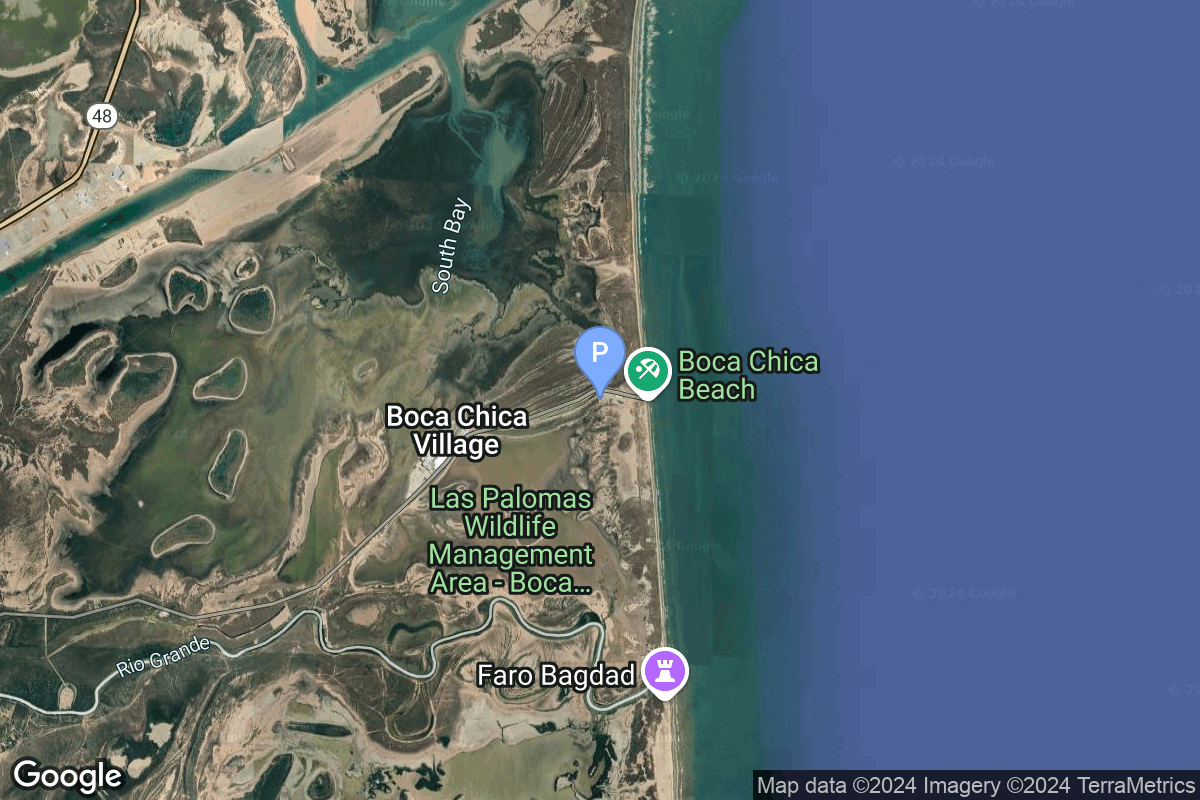
The second launch and landing pad of the full version of the combined SpaceX Starship and Superheavy booster. To be first used for launch in 2025 with version 3 of Starship and the Superheavy…
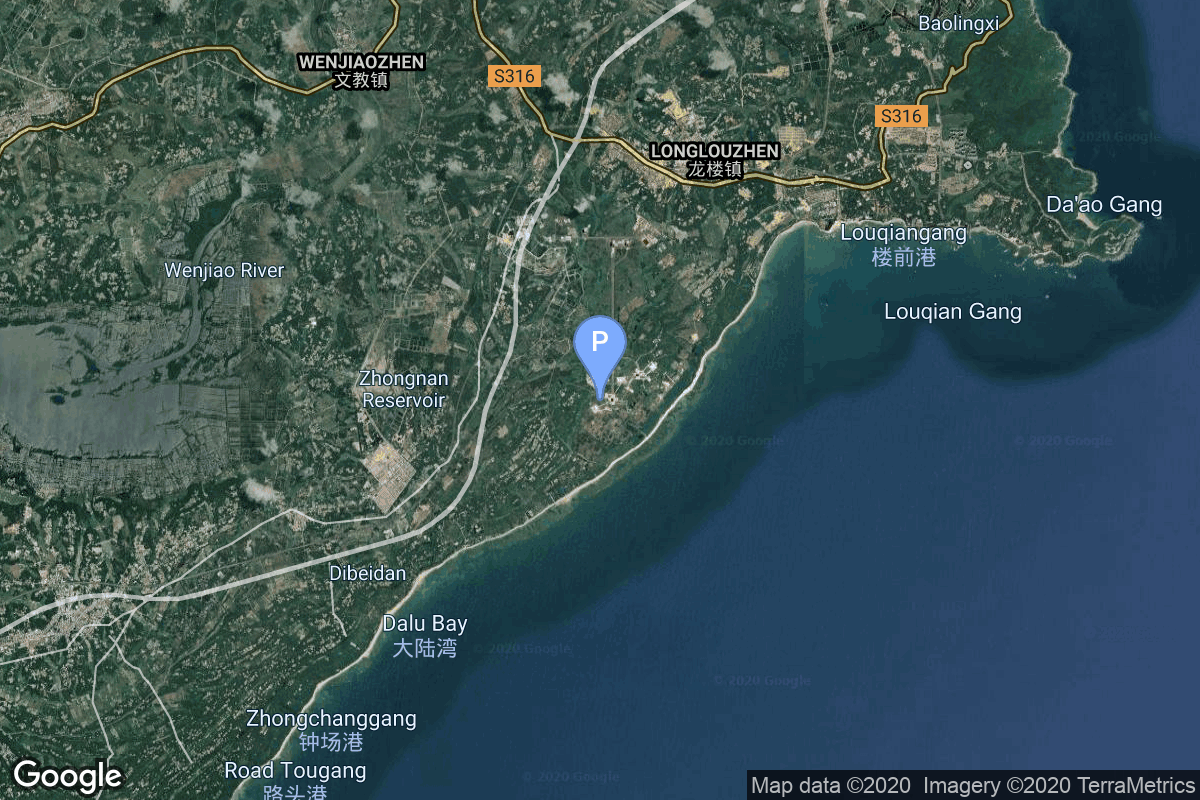
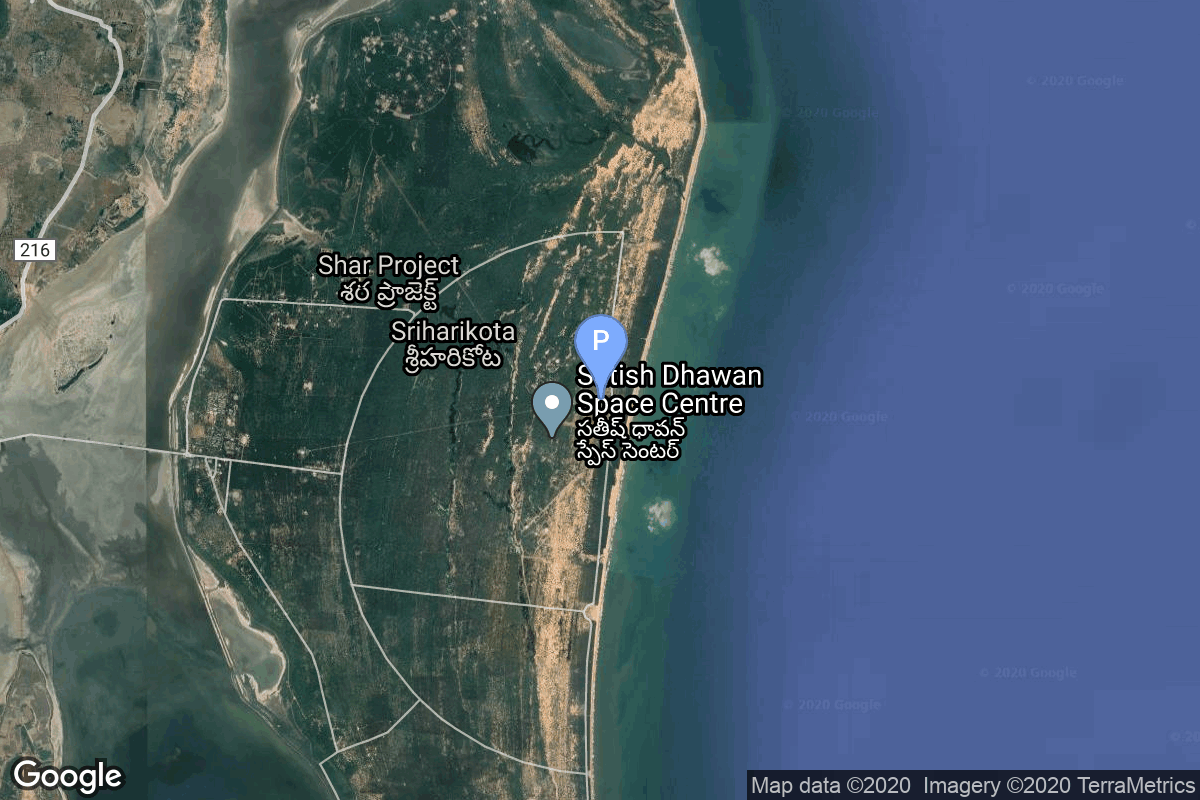
Launch Pad: Satish Dhawan Space Centre First Launch Pad
Satish Dhawan Space Centre, India
India has two launch pads at the site. The First Launch Pad, operational since 1993, is used for Polar Satellite Launch Vehicle, Small Satellite Launch Vehicle and formerly used by Geosynchronous…
4-stage orbital launch vehicle developed by Indian private company Skyroot Aerospace, with capability of up to 350 kg to Low Earth Orbit. The first 3 stages are powered by solid fuel rocket motors, topped by a hypergolic fuel upper stage.
Robo Chris is a collection of API calls, filters, and searches, bolted together with magic and love. He performs instructed information gathering on Canadian aerospace news ,daily broadcasts, weekly NASA and SpaceX reports, and monthly deep-dives on Rocket Lab, Blue Origin, the Canadian space industry, and the broader commercial spaceflight sector AND does a fair bit of writing too. Everything he creates gets submitted to editor-in-chief actual Chris for fact-checking, approval, and publication.