Today, MDA Space announced its acquisition of a majority stake in Collecte Localisation Satellites (CLS), a French company specialising in Earth observation and environmental monitoring. This strategic move aims to strengthen MDA Space’s capabilities in global Earth observation data collection and analysis, particularly in areas like maritime surveillance, environmental monitoring, and ARGOS data collection. CLS, with its 700 employees, operates a fleet of 25 satellites and has a significant presence in these critical sectors. The acquisition aligns with MDA Space’s long-term growth strategy, expanding its services and technological offerings in the rapidly evolving space economy.
Isar Aerospace Plans Launches from Canada Amidst Transporter Scarcity
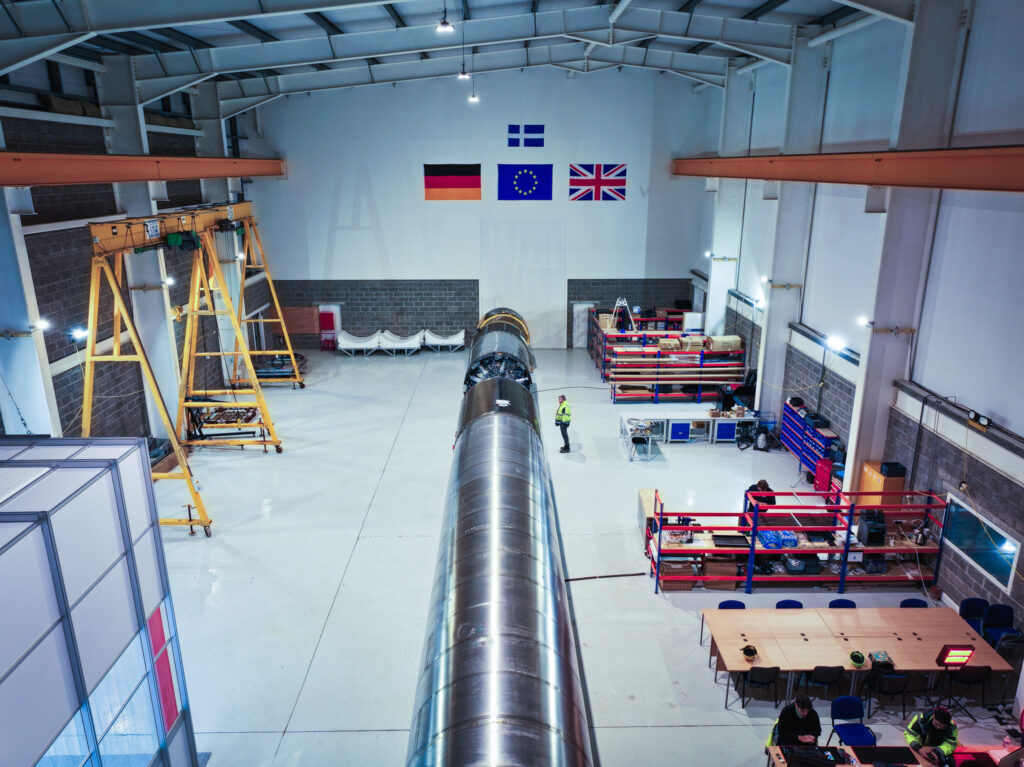
In other Canadian aerospace news, Isar Aerospace is set to launch from Canada. This development comes as the small-satellite launch market faces a “panic” over the availability of dedicated rideshare missions. The Transporter series, a popular rideshare option, is experiencing significant delays and overbooking, pushing many small satellite companies to seek alternative launch solutions. Isar Aerospace, a German rocket manufacturer, aims to capitalise on this demand by offering more frequent and dedicated launch services. Their decision to utilise a Canadian launch facility further solidifies Canada’s growing role in the global space launch industry. The company’s Spectrum rocket offers a 1,000 kg payload capacity to a 700 km Sun-synchronous orbit.
China Recovers Orbital Booster with Long March 10B
China has successfully become the second country to recover an orbital booster, following the United States, with the landing of its Long March 10B rocket. This significant achievement marks a major step forward for China’s ambitious space programme and its efforts to develop reusable launch technology. The Long March 10B is designed for future crewed lunar missions, and reusable booster technology is crucial for reducing launch costs and increasing launch frequency. The success of this recovery demonstration places China in an elite group of nations with advanced reusable rocket capabilities, showcasing its growing technological prowess in space exploration.
Provider: SpaceX Date: July 11, 2026 Time: 2:55 AM UTC Vehicle: Falcon 9
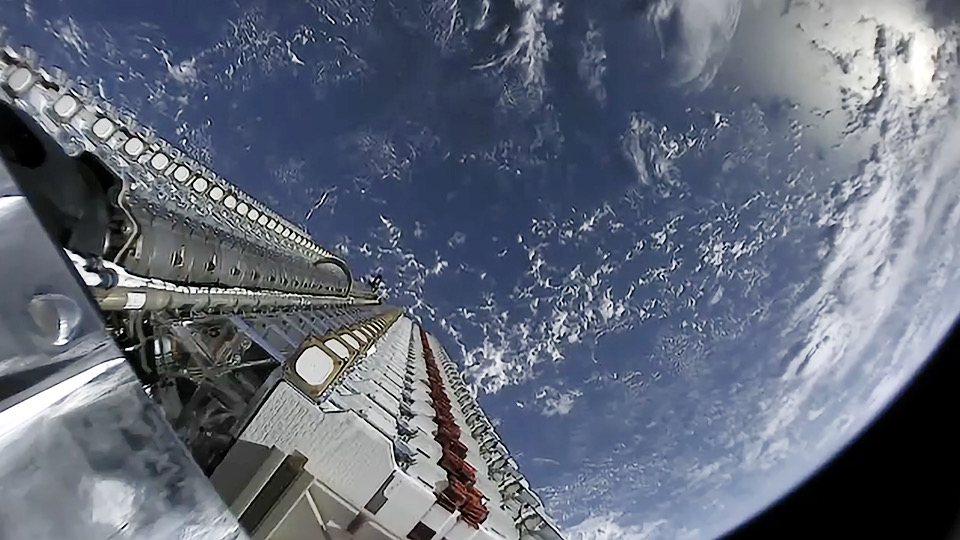
A batch of 24 satellites for the Starlink mega-constellation – SpaceX’s project for space-based Internet communication system.
Starlink Group 15-14
Provider: SpaceX Date: July 14, 2026 Time: 1:16 AM UTC Vehicle: Falcon 9
A batch of 24 satellites for the Starlink mega-constellation – SpaceX’s project for space-based Internet communication system.
Starlink Group 10-45
Provider: SpaceX Date: July 14, 2026 Time: 7:15 AM UTC Vehicle: Falcon 9
A batch of 29 satellites for the Starlink mega-constellation – SpaceX’s project for space-based Internet communication system.
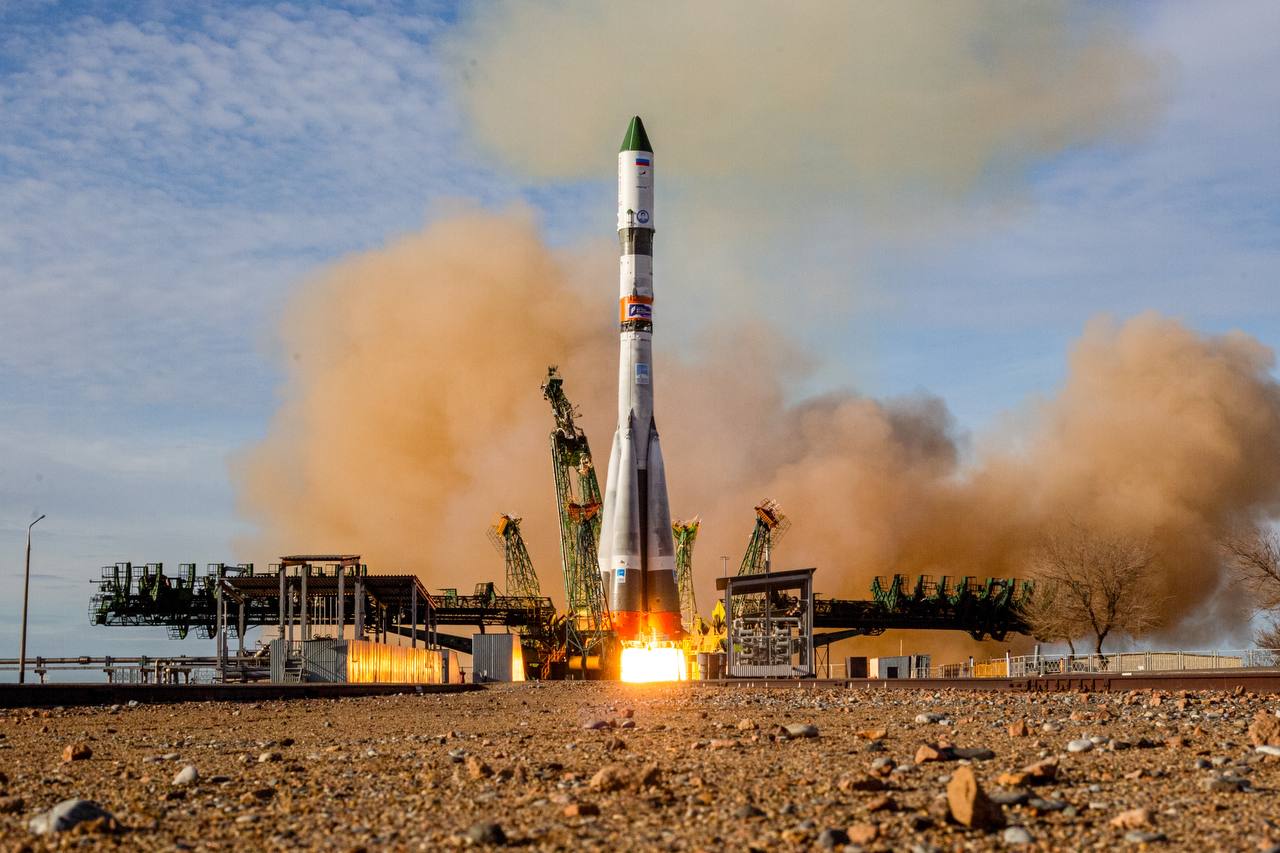
Soyuz MS-29
Provider: Russian Federal Space Agency (ROSCOSMOS) Date: July 14, 2026 Time: 2:47 PM UTC Vehicle: Soyuz 2.1a
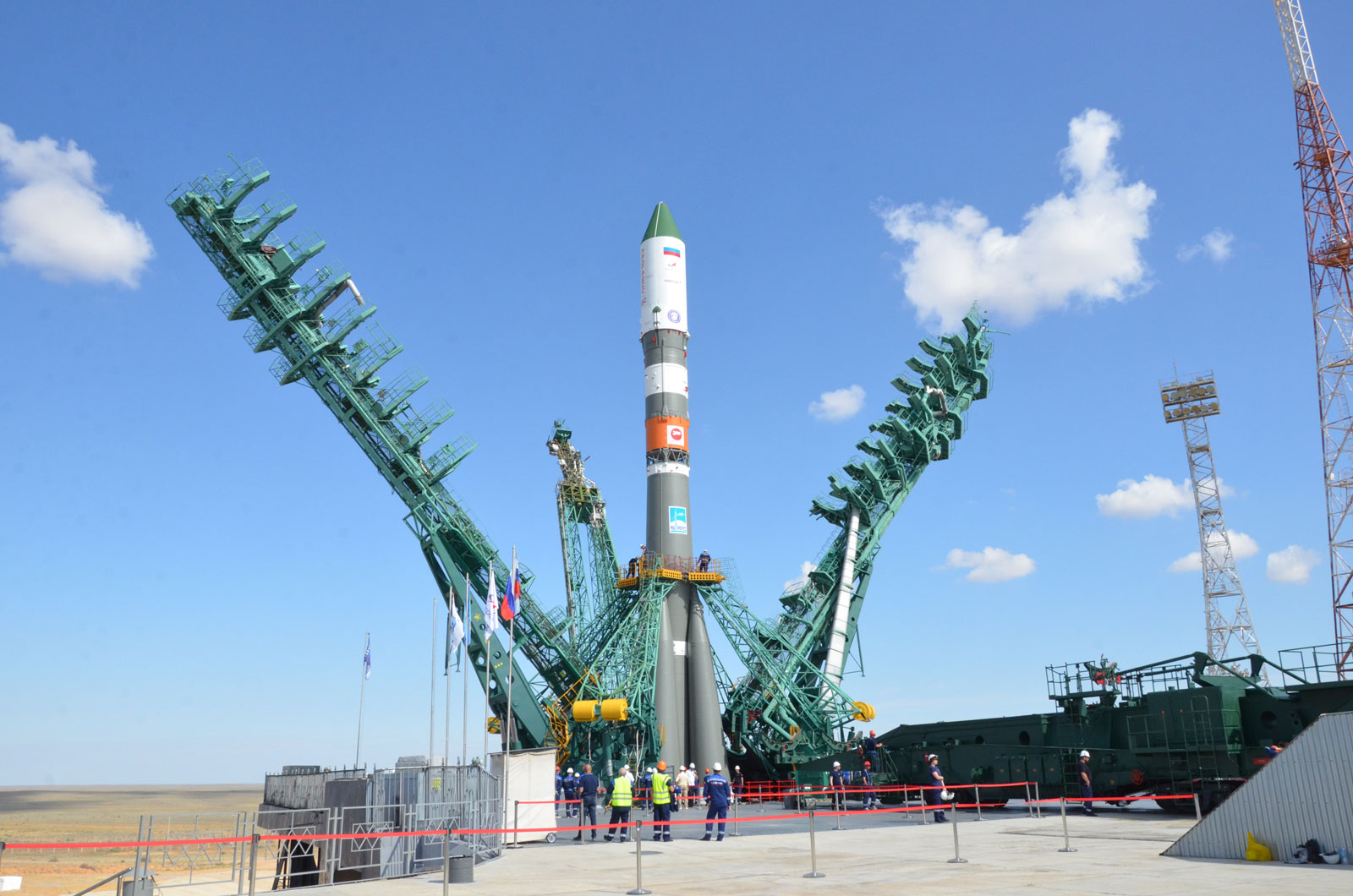
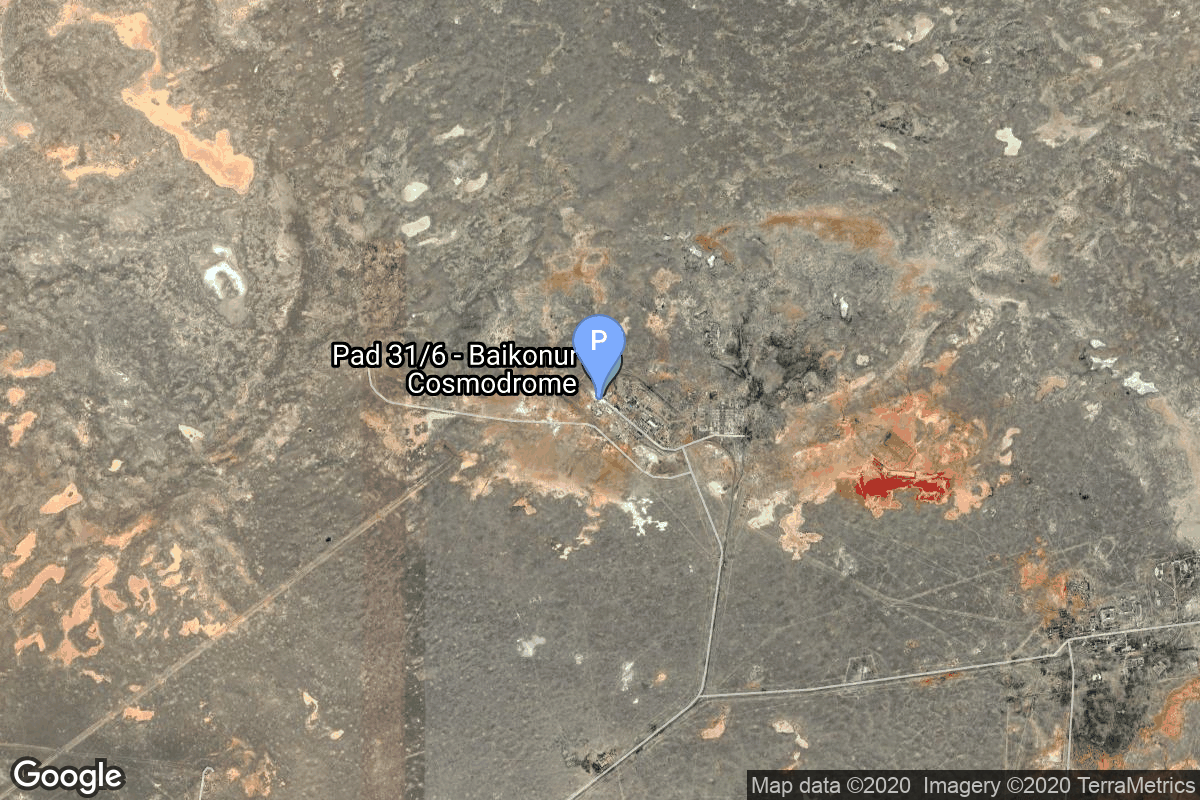
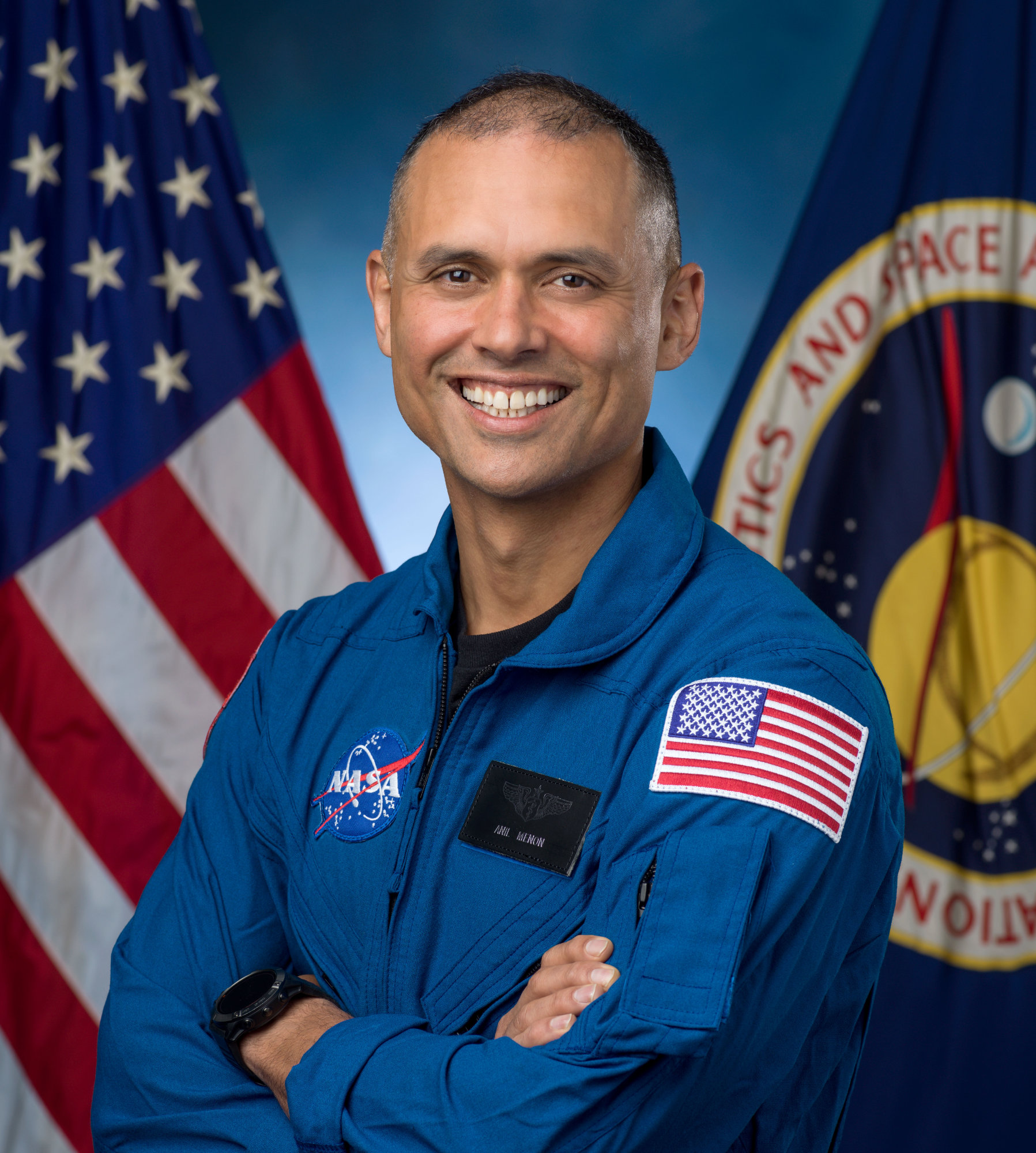
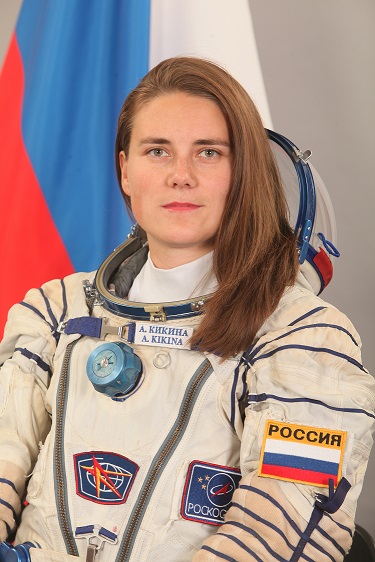
Soyuz MS-29 will carry three cosmonauts and one astronaut to the International Space Station aboard the Soyuz spacecraft from the Baikonur Cosmodrome in Kazakhstan. The crew consists of Roscosmos cosmonauts Pyotr Dubrov and Anna Kikina, as well as NASA astronaut Anil Menon.
Flight 13
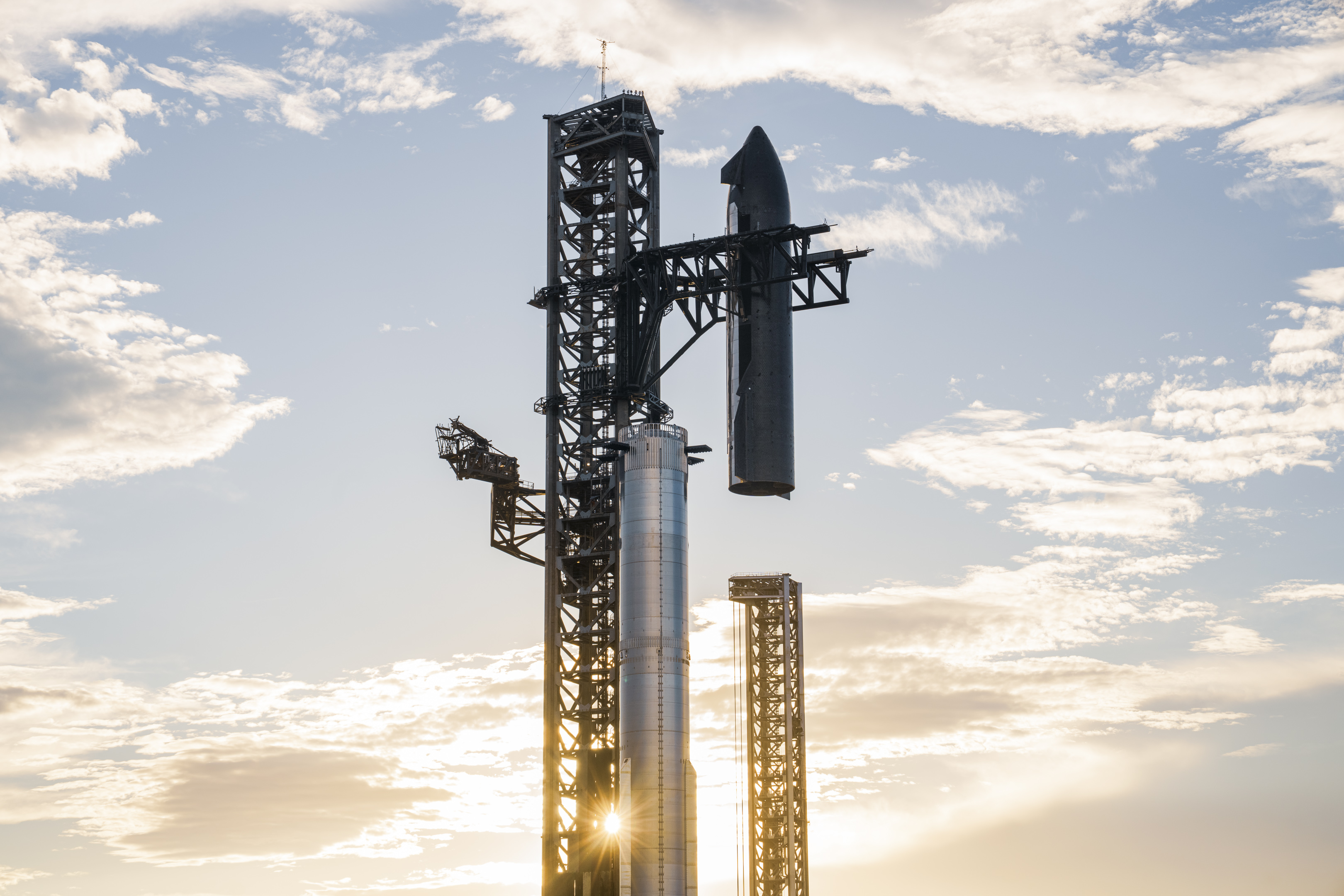
Provider: SpaceX Date: July 15, 2026 Time: 10:45 PM UTC Vehicle: Starship
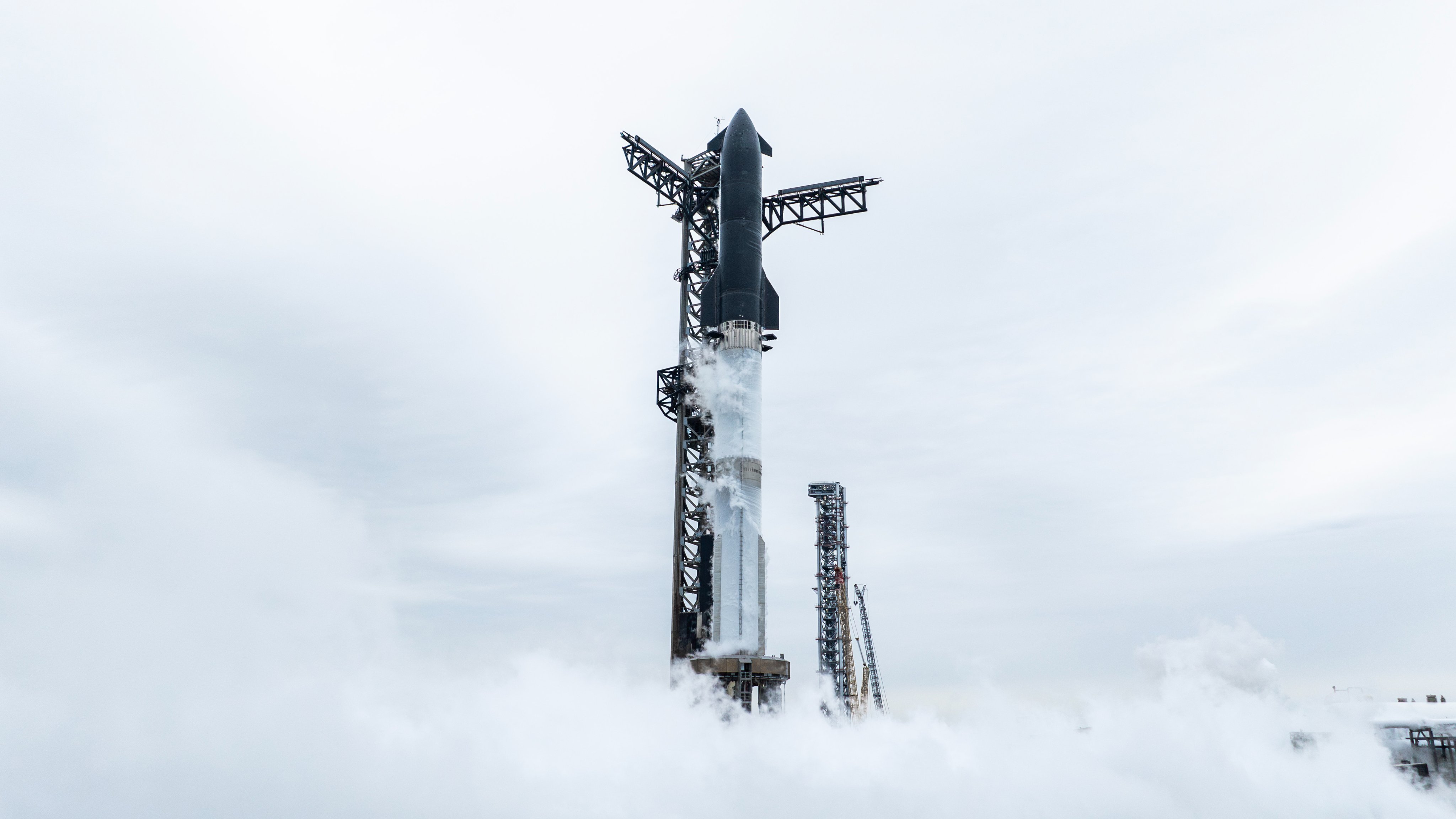
13th test flight of the two-stage Starship launch vehicle. Second flight of Starship V3
Starlink Group 17-48 ×
Mission Details
TypeCommunications
OrbitLow Earth Orbit
TargetEarth
A batch of 24 satellites for the Starlink mega-constellation – SpaceX’s project for space-based Internet communication system.
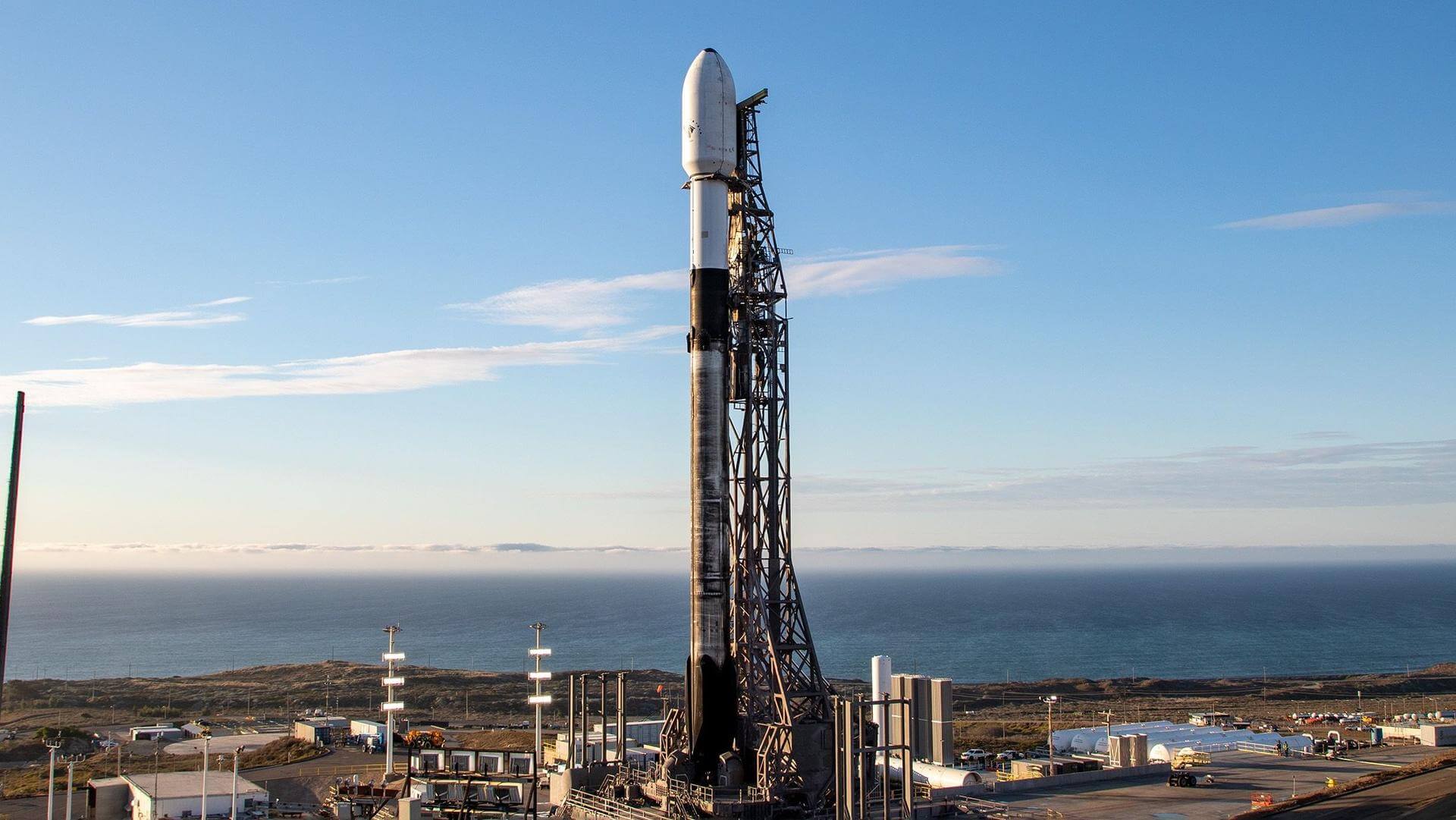
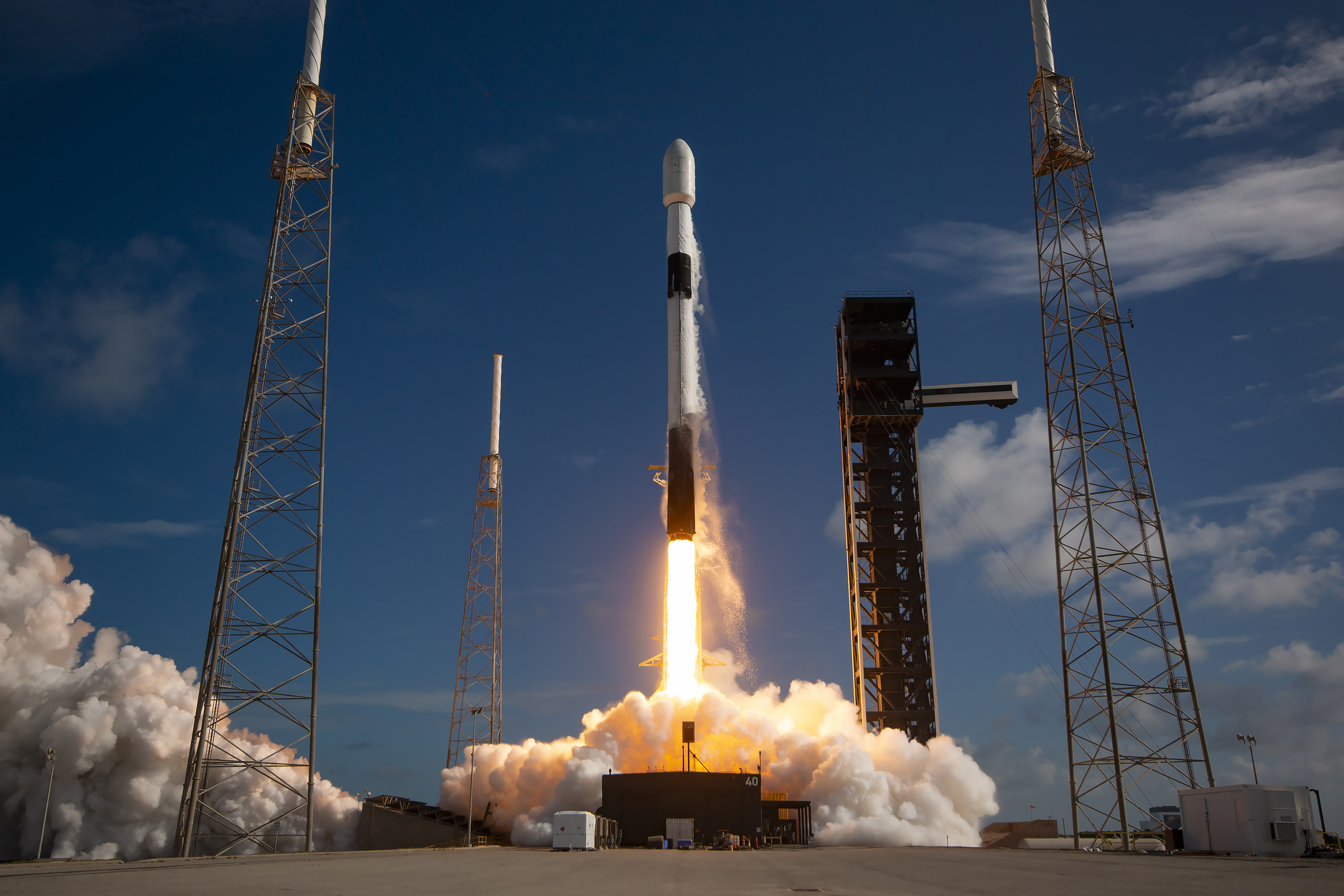
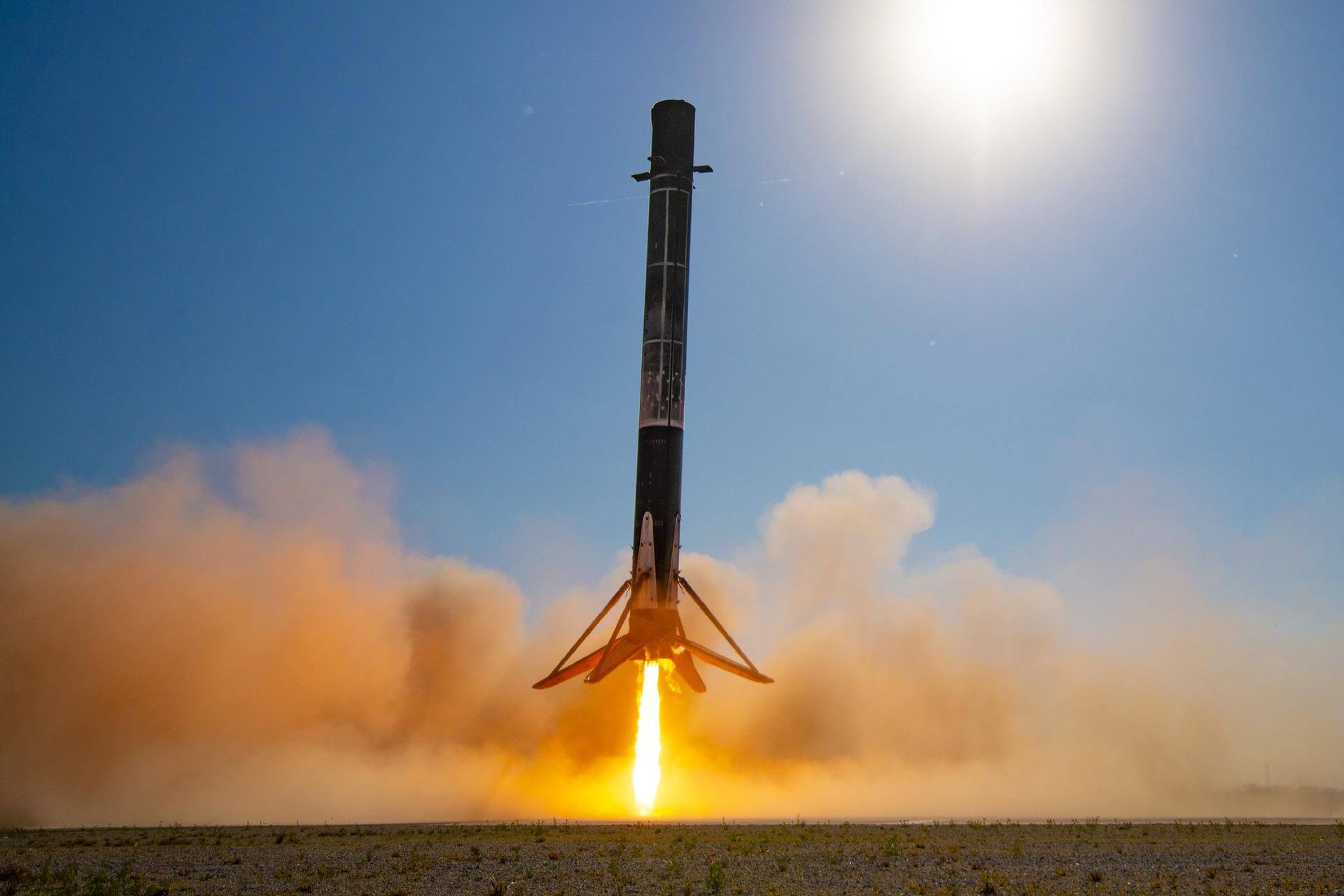
Falcon 9 is a two-stage rocket designed and manufactured by SpaceX for the reliable and safe transport of satellites and the Dragon spacecraft into orbit. The Block 5 variant is the fifth major interval aimed at improving upon the ability for rapid reusability.
Falcon 9 is a two-stage rocket designed and manufactured by SpaceX for the reliable and safe transport of satellites and the Dragon spacecraft into orbit. The Block 5 variant is the fifth major interval aimed at improving upon the ability for rapid reusability.
Falcon 9 is a two-stage rocket designed and manufactured by SpaceX for the reliable and safe transport of satellites and the Dragon spacecraft into orbit. The Block 5 variant is the fifth major interval aimed at improving upon the ability for rapid reusability.
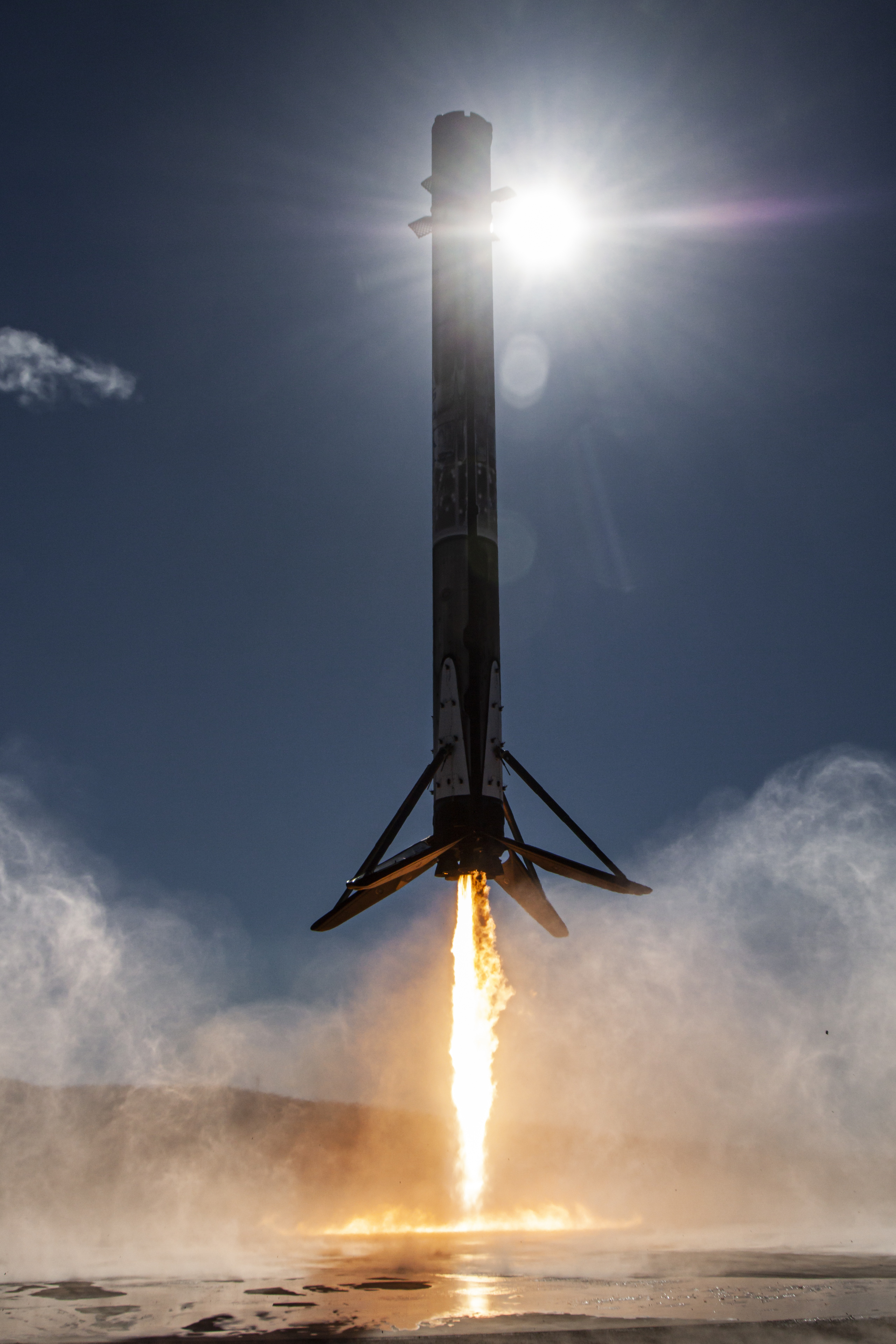
The Falcon 9 first stage B1080 will land on ASDS ASOG after its 28th flight.
Soyuz MS-29 ×
Mission Details
TypeHuman Exploration
OrbitLow Earth Orbit
TargetEarth
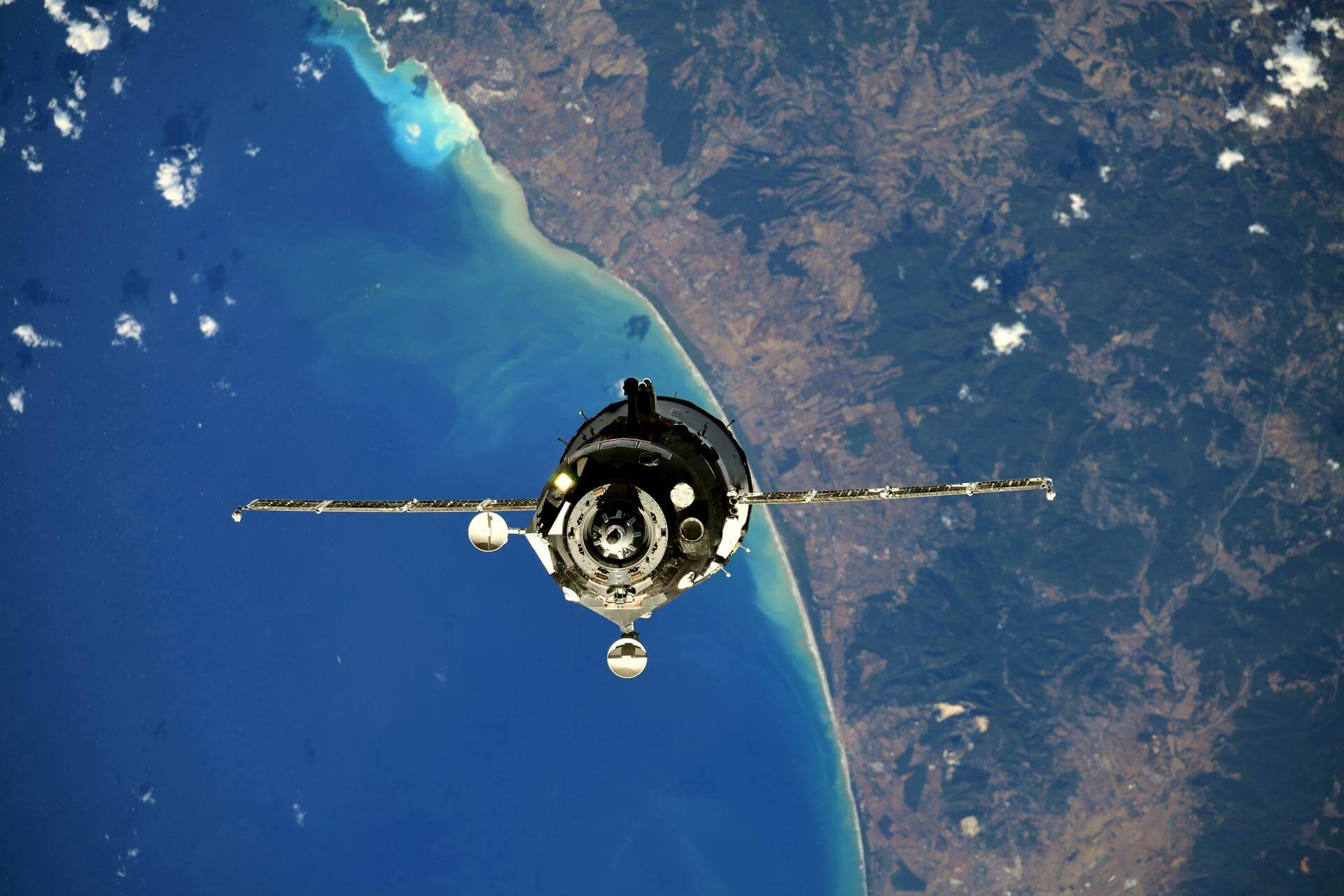
Soyuz MS-29 will carry three cosmonauts and one astronaut to the International Space Station aboard the Soyuz spacecraft from the Baikonur Cosmodrome in Kazakhstan. The crew consists of Roscosmos cosmonauts Pyotr Dubrov and Anna Kikina, as well as NASA astronaut Anil Menon.
Agencies Involved
• National Aeronautics and Space Administration (Government)
• Russian Federal Space Agency (ROSCOSMOS) (Government)
Program: International Space Station
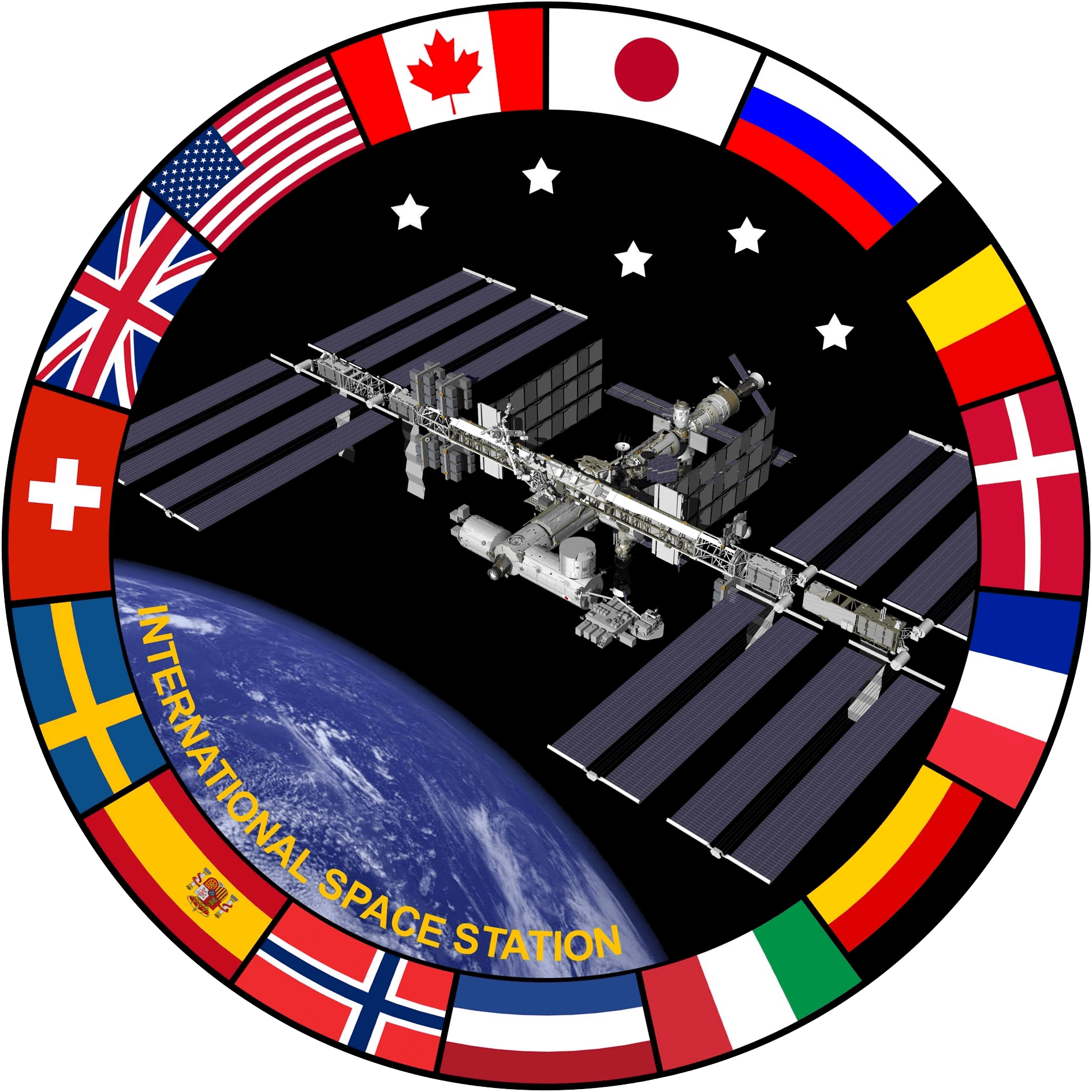
The International Space Station programme is tied together by a complex set of legal, political and financial agreements between the sixteen nations involved in the project, governing ownership of the various components, rights to crewing and utilization, and responsibilities for crew rotation and resupply of the International Space Station. It was conceived in 1984 by President Ronald Reagan, during the Space Station Freedom project as it was originally called.
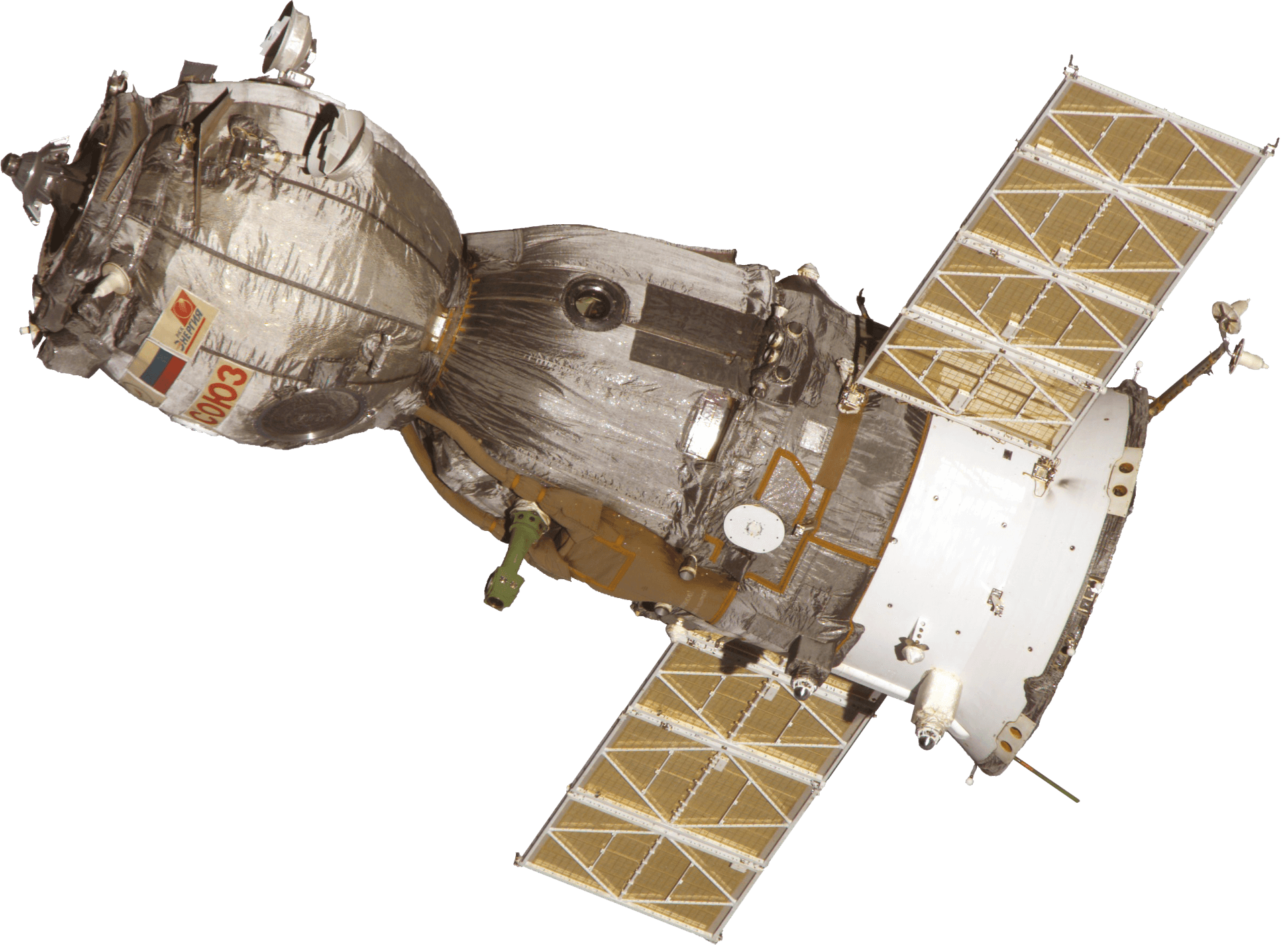
The Soyuz programme is a human spaceflight programme initiated by the Soviet Union in the early 1960s. The Soyuz spacecraft was originally part of a Moon landing project intended to put a Soviet cosmonaut on the Moon. It was the third Soviet human spaceflight programme after the Vostok and Voskhod programmes.
The Soyuz 2.1A converted the flight control system from analog to digital, which allowed launch from fixed platforms. It also allowed big fairings and payloads.
It is currently used for crewed Soyuz and Progress flights to the ISS.
Soyuz MS is the final planned upgrade of the Soyuz spacecraft.
Major changes include:
– more efficient solar panels
– modified engine positions for redundancy
– new Kurs NA approach and docking system
– new TsVM-101 computer
– unified digital command/telemetry system (MBITS) to relay telemetry via satellite, and control spacecraft when out of sight of ground stations
– GLONASS/GPS and Cospas-Sarsat satellite systems for more accurate location afterlanding
Capability
Manned and Cargo ISS Logistics, Lifeboat
Details
Soyuz is a series of spacecraft designed for the Soviet space programme by the Korolyov Design Bureau (now RKK Energia) in the 1960s that remains in service today. The Soyuz succeeded the Voskhod spacecraft and was originally built as part of the Soviet Manned Lunar programme. The Soyuz spacecraft is launched on a Soyuz rocket, the most frequently used and most reliable launch vehicle in the…
Flight Life
210 days while docked
Manufacturer: Russian Federal Space Agency (ROSCOSMOS) (RFSA)
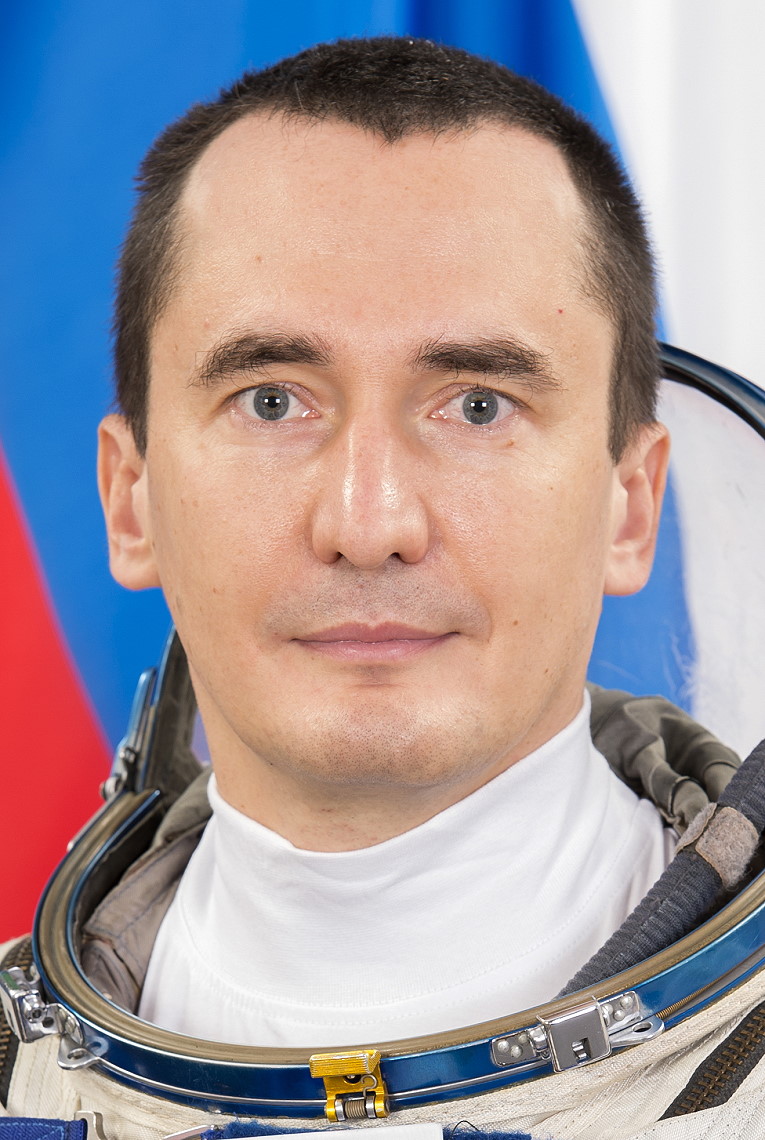
RFSA • Russian • Age: 48 • Time in space: 355 Days, 3 Hours, 45 Minutes • EVA time: 1 Day, 5 Hours, 49 Minutes
Born: Jan 30, 1978 • First Flight: Apr 9, 2021 • Last Flight: Apr 9, 2021
Dubrov was selected by Roscosmos as a cosmonaut on 8 October 2012, as one of eight cosmonauts selected as part of Roscosmos’s 2012 selection group. In 2020 he was assigned to the backup crew of Soyuz MS-17, backing up Russian cosmonaut Sergey Kud-Sverchkov as Flight Engineer on ISS Expedition 63/64
Anil Menon is a US Air Force lieutenant colonel from Minneapolis, Minnesota. He was SpaceX’s first flight surgeon, helping to launch the company’s first humans to space during NASA’s SpaceX Demo-2 mission and building a medical organization to support the human system during future missions.
13th test flight of the two-stage Starship launch vehicle. Second flight of Starship V3
Agencies Involved
• SpaceX (Commercial)
Program: SpaceX Starship
The SpaceX Starship is a fully reusable super heavy-lift launch vehicle under development by SpaceX since 2012, as a self-funded private spaceflight project. The second stage of the Starship — is designed as a long-duration cargo and passenger-carrying spacecraft. It is expected to be initially used without any booster stage at all, as part of an extensive development program to prove out launch-and-landing and iterate on a variety of design details, particularly with respect to the vehicle’s atmospheric reentry.
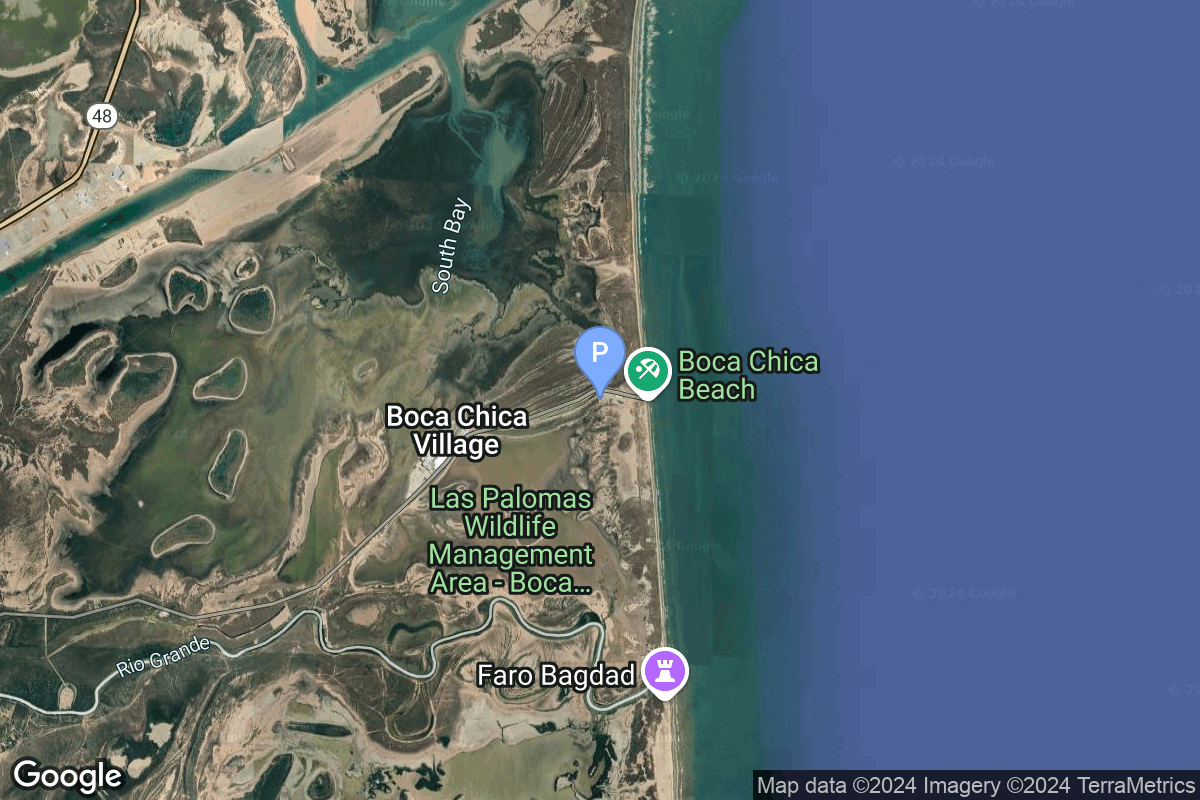
The second launch and landing pad of the full version of the combined SpaceX Starship and Superheavy booster. To be first used for launch in 2025 with version 3 of Starship and the Superheavy…
Robo Chris is a collection of API calls, filters, and searches, bolted together with magic and love. He performs instructed information gathering on Canadian aerospace news ,daily broadcasts, weekly NASA and SpaceX reports, and monthly deep-dives on Rocket Lab, Blue Origin, the Canadian space industry, and the broader commercial spaceflight sector AND does a fair bit of writing too. Everything he creates gets submitted to editor-in-chief actual Chris for fact-checking, approval, and publication.