EarthDaily Federal Joins U.S. Space Intelligence Council as Constellation Launches Tomorrow
Vancouver-based EarthDaily Analytics has moved decisively into the U.S. national security apparatus. The company’s U.S. subsidiary, EarthDaily Federal, has been appointed to the newly formed Space Intelligence Council, operated by the Intelligence and National Security Alliance (INSA)—a development that amplifies Canada’s role in shaping how American defence agencies acquire and use commercial space data.
INSA established the council to bridge the commercial space sector, government agencies, and national security. EarthDaily Federal’s stated mission is to advance stricter industry-wide data standards, particularly the adoption of Analysis-Ready Data (ARD) to improve automated artificial intelligence use within government geospatial intelligence workflows. As Nicole Toigo, President of EarthDaily Federal, put it: “National security decisions depend on trusted data. EarthDaily is building the world’s most trusted measure of planetary change, delivering consistent, science-calibrated, AI-ready data that increases confidence in analysis and enables faster, more informed decisions.”
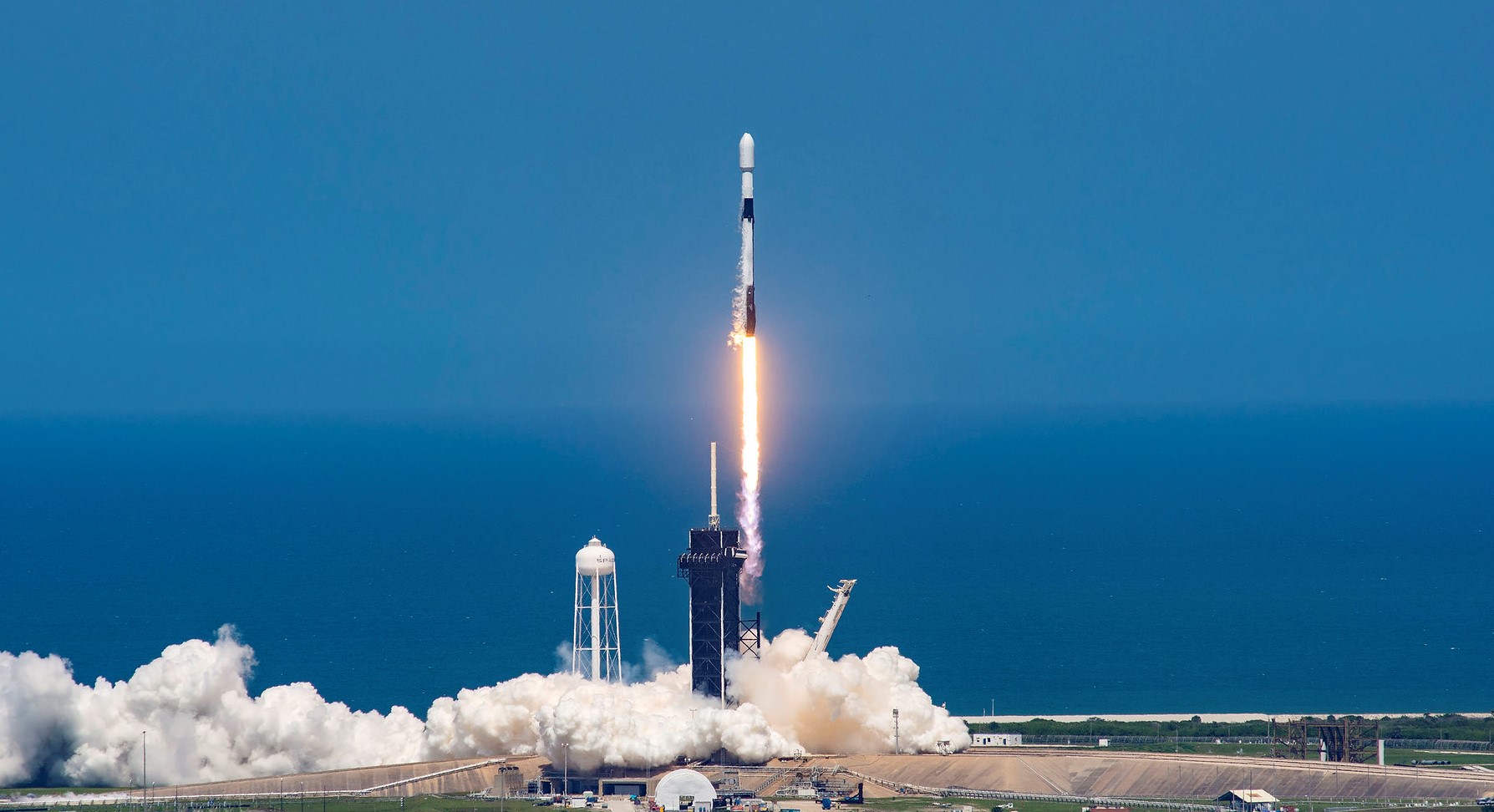
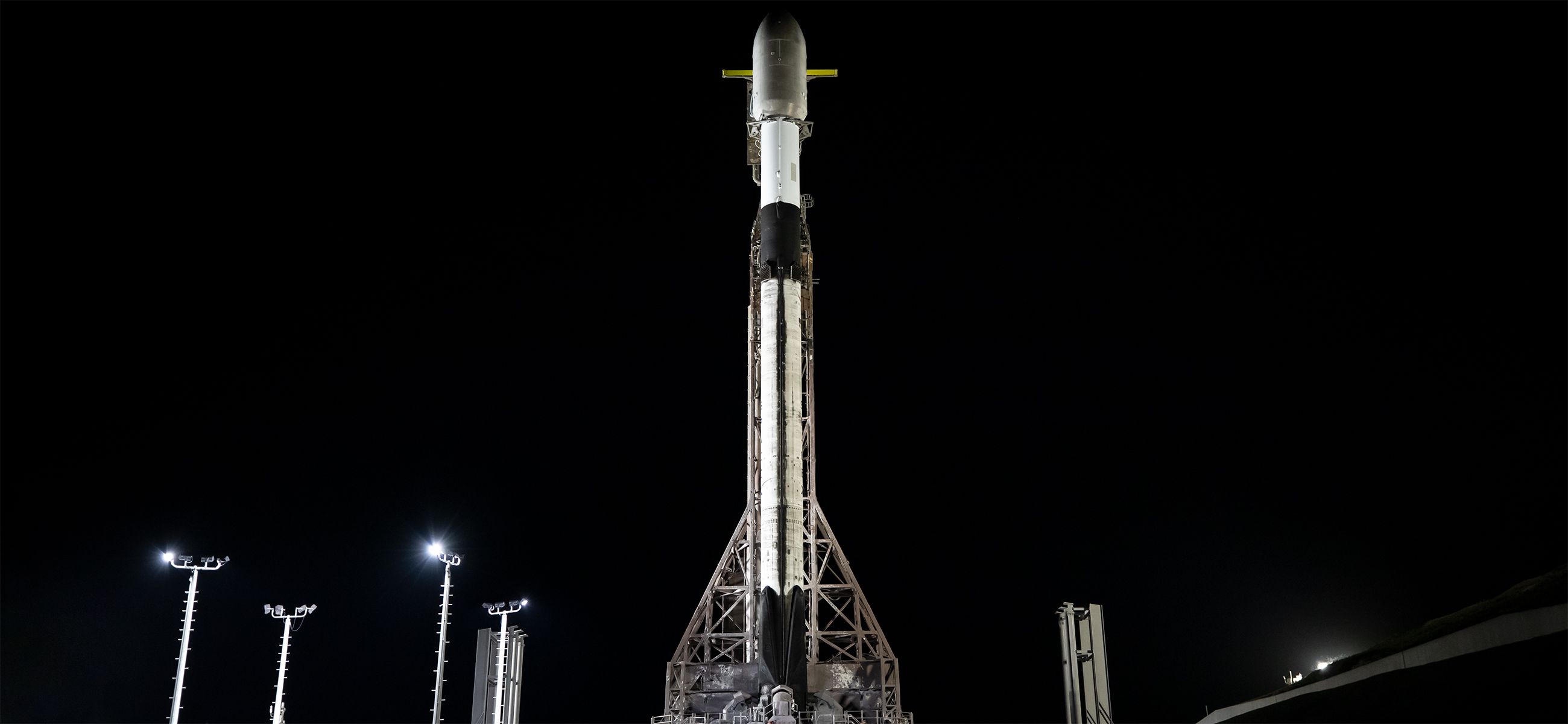
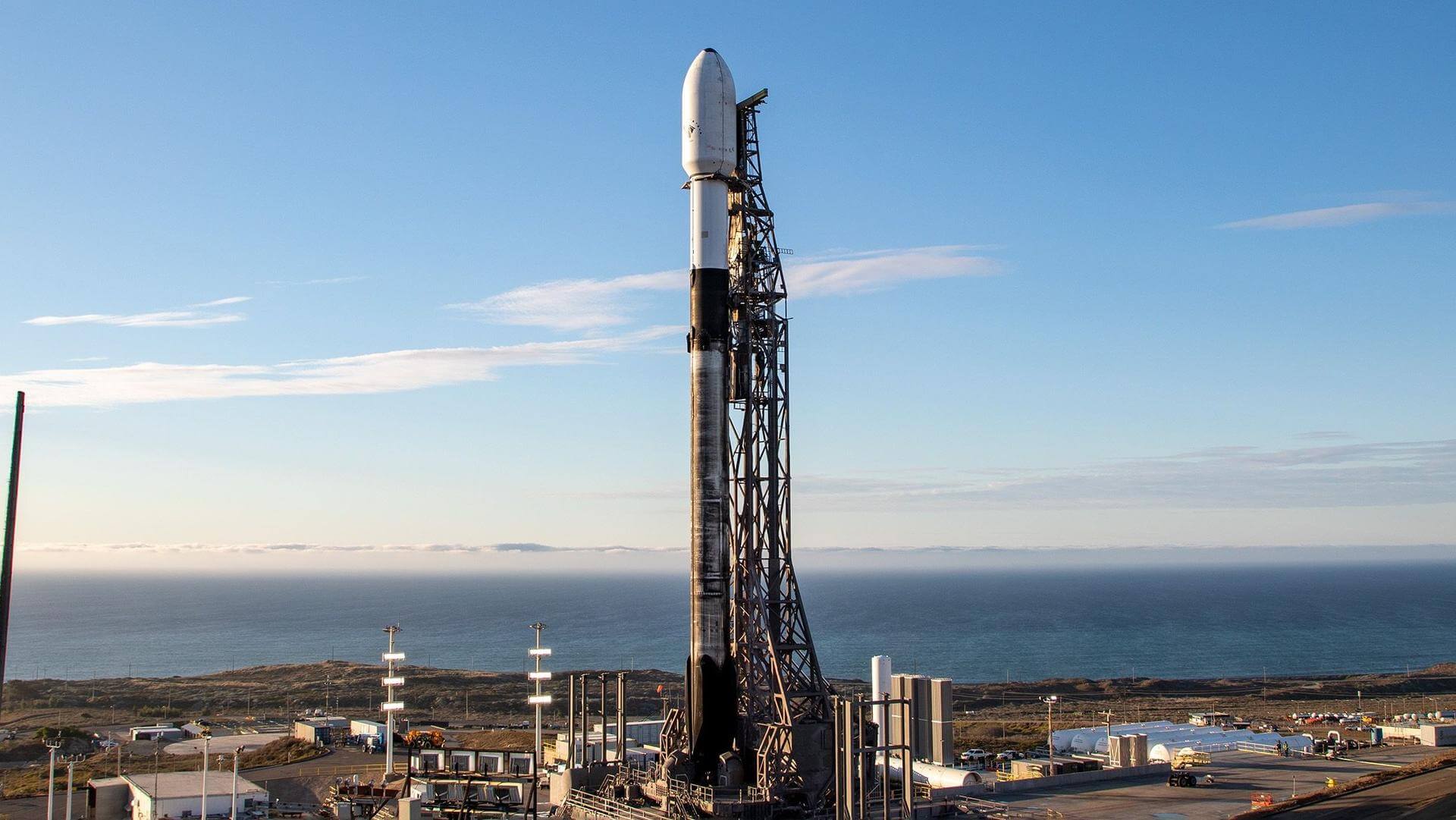
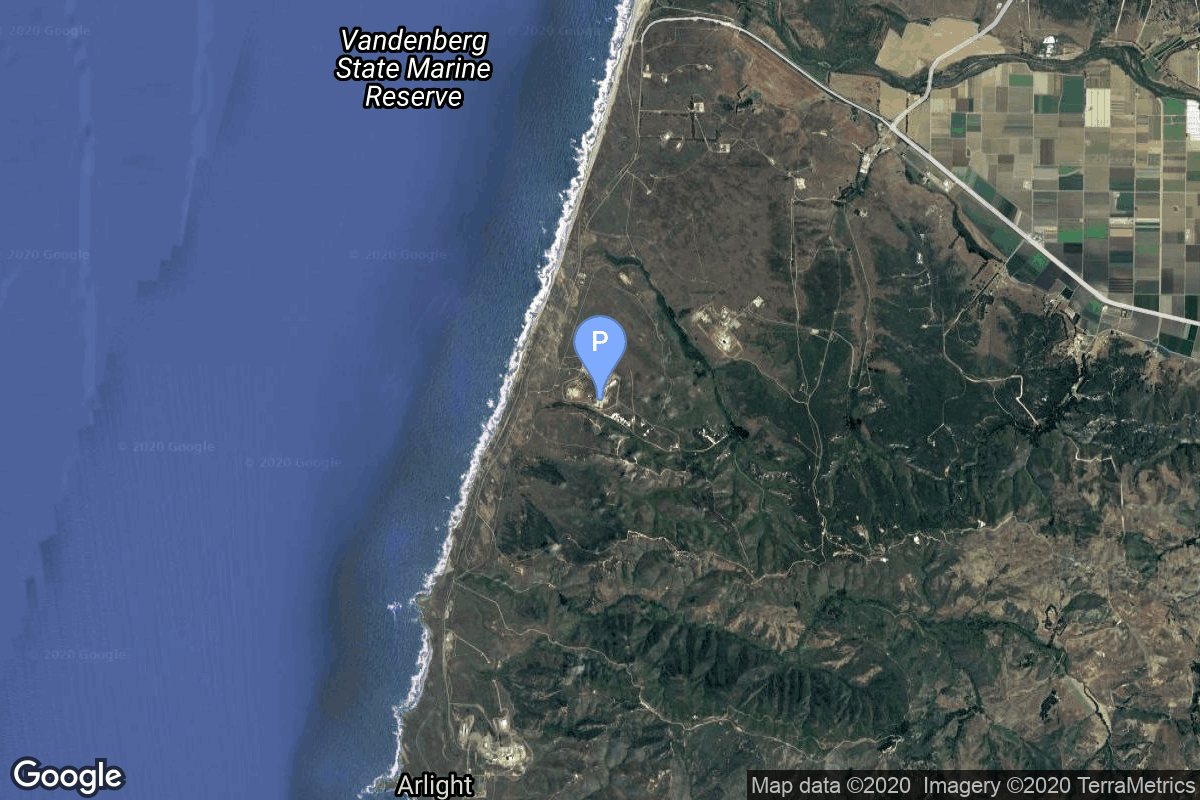
The appointment follows an eight-figure data subscription contract with a U.S. defence contractor signed in April and the company’s achievement of international CEOS-ARD compliance. Tomorrow will mark a significant milestone: on May 3, 2026, within a launch window of 2:59 a.m. to 3:36 a.m. ET, SpaceX is scheduled to launch a Falcon 9 rocket on the CAS500-2 mission from Vandenberg Space Force Base, carrying six EarthDaily satellites manifested by Loft Orbital. These spacecraft will join the first EarthDaily satellite, which launched on June 23, 2025. An additional three satellites are scheduled for launch later this year, completing the company’s 10-satellite constellation designed to deliver the continuous, globally consistent measurements its defence and commercial clients demand.
Ottawa’s CATALYST Launches UrbanSAR to Monitor City Movements from Space
As Canadian cities undergo rapid densification, an Ottawa-based tech company is taking infrastructure monitoring to new heights—literally. CATALYST (PCI Geomatics) has launched UrbanSAR, a satellite-based system that tracks millimetre-scale ground movement in cities, recently demonstrating its capability in Toronto’s bustling Yonge and Eglinton neighbourhood.
The zone is an ideal test bed: dozens of high-rises are under construction directly above a new subway extension and adjacent to older buildings. The result has been sinkholes, cracked pavement, and road closures—problems that traditional ground sensors struggle to catch in their entirety. UrbanSAR, which uses Interferometric Synthetic Aperture Radar (InSAR) data from orbiting satellites, scanned the entire neighbourhood and detected up to 30 millimetres of movement in the upper floors of newly built towers—areas that ground-based monitors typically miss.
Kevin Jones, Chief Product Officer at PCI Geomatics, explained the limitation of conventional approaches: “Ground sensors are precise, but they only tell you what is happening for one point on the ground. If a sensor is attached to one tower, it cannot monitor the subway tunnel underneath or the street next door.” Using satellite radar signals, UrbanSAR strips away visual clutter to isolate individual buildings and measure how they lean or sink, floor by floor, at a fraction of the cost of deploying thousands of physical sensors across an entire city.
The service is now available globally. CEO June McAlarey noted that this bird’s-eye view gives construction firms, city planners, and insurers the data they need to manage the risks of rapid urban growth. With countries like Australia and the United Kingdom beginning to mandate satellite monitoring for construction projects, space-based urban surveillance may soon become standard practice.
SpaceX Readies Starship Flight 12 for Mid-May Launch with Revised Caribbean Route
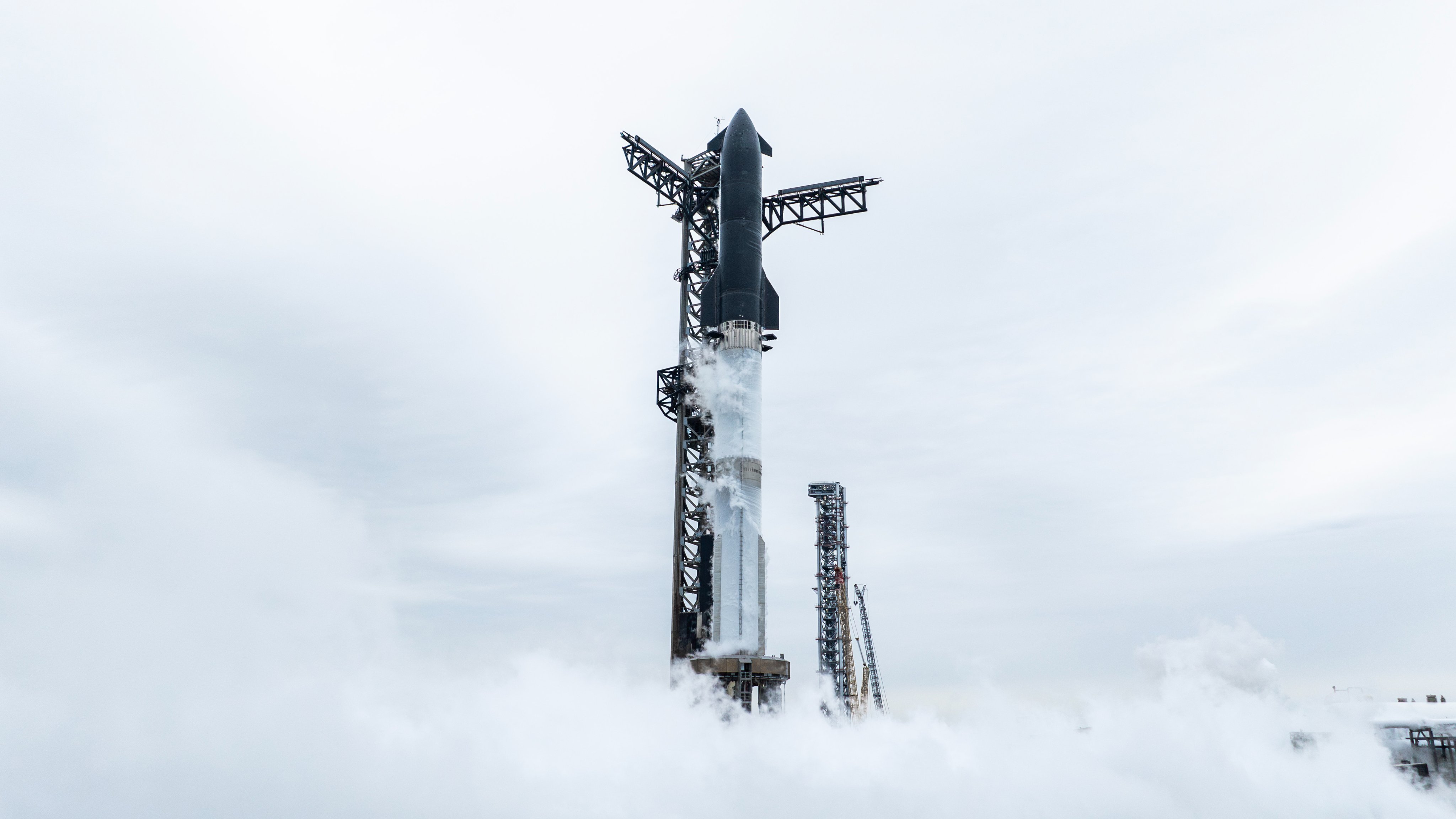
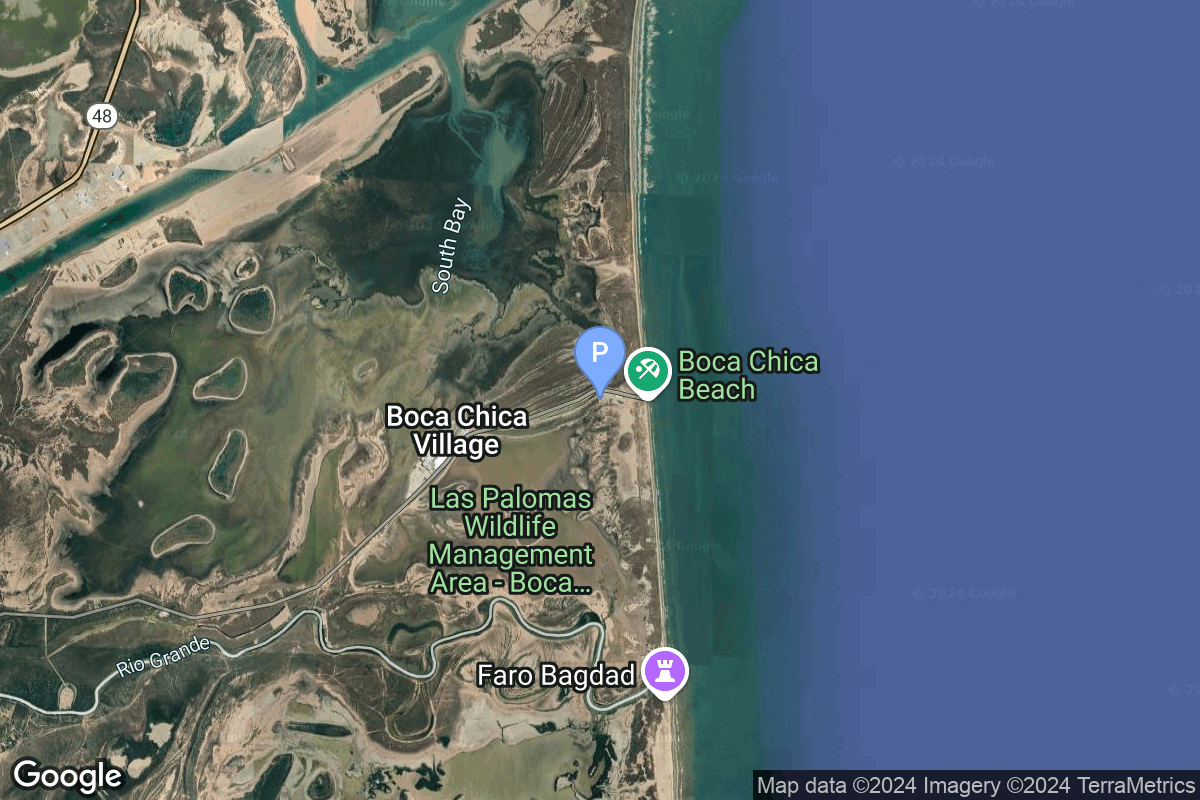
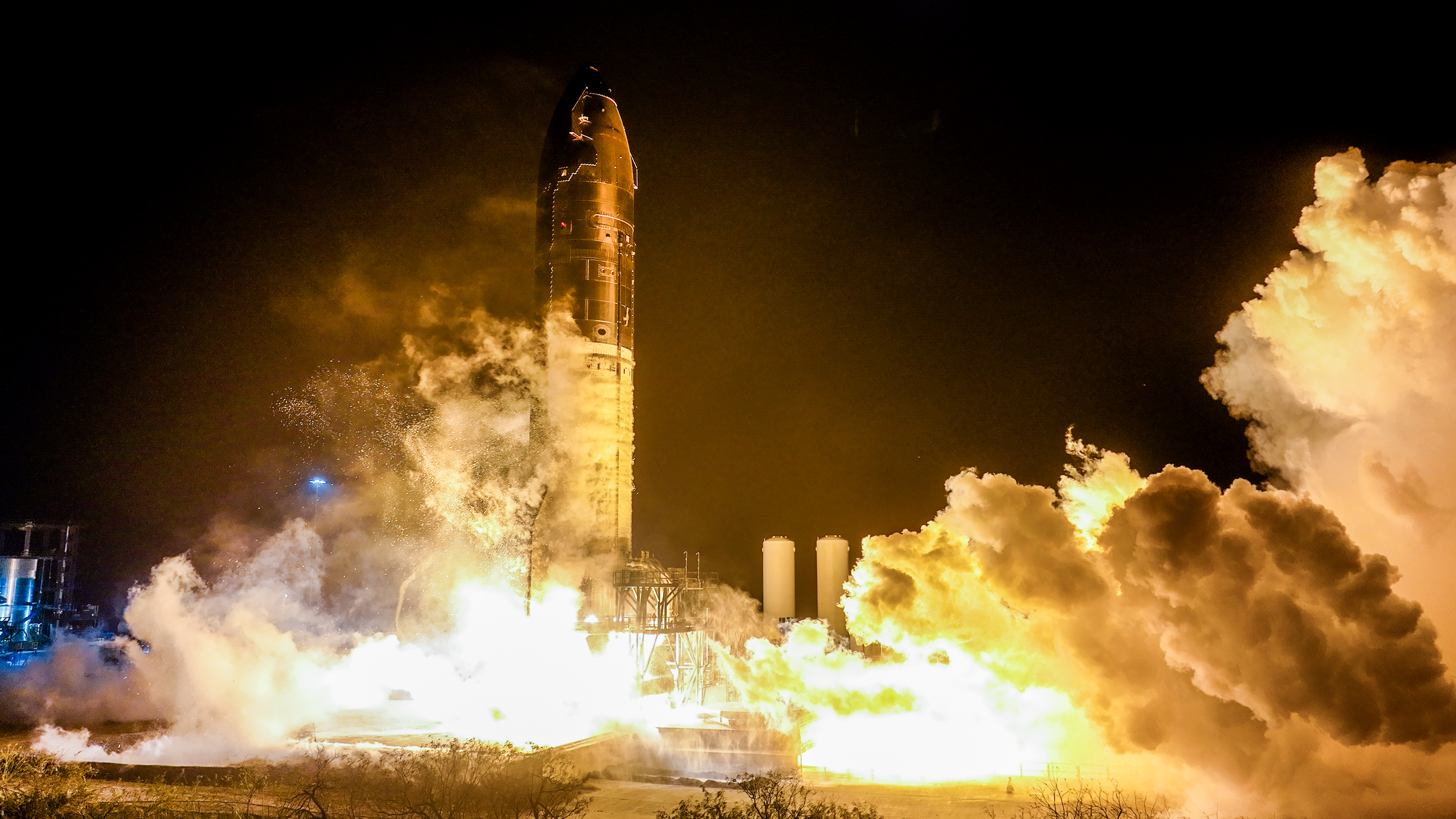
SpaceX is preparing the most ambitious test of the Starship programme yet. Flight 12 is scheduled for a launch window beginning May 12 through May 18, with daily opportunities in the afternoon. Each window opens at approximately 5:30 p.m. Central Time (22:30 UTC) and extends for about two hours, including margin. The target stack—Booster 19 and Ship 39—will lift off from Orbital Launch Pad 2 at Starbase in Boca Chica, Texas.
This represents the debut of the Block 3 configuration, featuring taller tanks, more powerful Raptor 3 engines, and design refinements for future orbital operations, including in-space refuelling demonstrations. The launch comes roughly 211 days after Flight 11, just one day short of the record 212-day gap between Flights 1 and 2. Engineers face aggressive timelines to complete remaining technical milestones, and slips are possible.
A notable change for Flight 12 is the revised flight path. Previous flights passed just north of Cuba, Hispaniola, Puerto Rico, and the Leeward Islands. The new trajectory threads a narrower corridor south of these landmasses—between Jamaica and Cuba, then between St. Vincent and Grenada. This southern route avoids major airline corridors and ensures that debris from any mishap would fall predominantly into open Caribbean waters rather than over populated or heavily trafficked areas. The Federal Aviation Administration has approved the adjusted path.
The mission profile remains a suborbital test, with splashdown targeted in the Indian Ocean. SpaceX has not yet confirmed a firm go/no-go for May 12, and delays are possible as the team works through final vehicle and pad preparations. However, recent progress on static fire testing, cryo proof validation, and pad rehearsals indicates the team is pushing hard toward an imminent return to flight. Success would pave the way for more frequent flights and accelerate progress toward NASA’s Artemis programme.
Provider: SpaceX Date: May 3, 2026 Time: 6:59 AM UTC Vehicle: Falcon 9
Ride-share of multiple satellites including:
* CAS500-2 (KASA, South Korea)
The South Korean CAS500-1 and -2 satellites will image the Earth in pan-chromatic and multi-spectral modes using the AEISS-C (Advanced Earth Imaging Sensor System) payload, with a ground resolution of 0.5 m in panchromatic mode and 2 m in color mode.
* Pelican-7, 8 & 9 (Planet Labs)
Pelican is a constellation of very high resolution imaging satellites, designed and manufactured by Planet Labs. The commercial constellation will consist of 32 SmallSats with potential for further expansion, and aims to provide improved spatial resolution and response times over Planet’s existing SkySat and Dove constellations.
Starlink Group 17-29
Provider: SpaceX Date: May 6, 2026 Time: 2:00 AM UTC Vehicle: Falcon 9
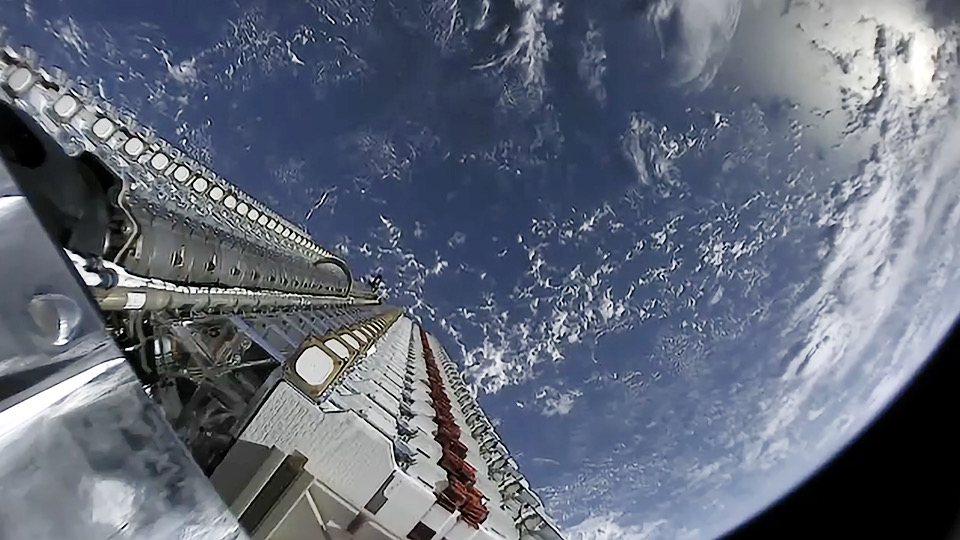
A batch of 24 satellites for the Starlink mega-constellation – SpaceX’s project for space-based Internet communication system.
Starlink Group 17-37
Provider: SpaceX Date: May 9, 2026 Time: 2:00 PM UTC Vehicle: Falcon 9
A batch of 24 satellites for the Starlink mega-constellation – SpaceX’s project for space-based Internet communication system.
NROL-172
Provider: SpaceX Date: May 12, 2026 Time: 10:15 PM UTC Vehicle: Falcon 9
Thirteenth batch of satellites for a reconnaissance satellite constellation built by SpaceX and Northrop Grumman for the National Reconnaissance Office to provide imaging and other reconnaissance capabilities.
Flight 12
Provider: SpaceX Date: May 12, 2026 Time: 10:30 PM UTC Vehicle: Starship
12th test flight of the two-stage Starship launch vehicle. Maiden Flight of Starship V3
CAS500-2 & Others ×
Mission Details
TypeEarth Science
OrbitSun-Synchronous Orbit
TargetEarth
Ride-share of multiple satellites including:
* CAS500-2 (KASA, South Korea)
The South Korean CAS500-1 and -2 satellites will image the Earth in pan-chromatic and multi-spectral modes using the AEISS-C (Advanced Earth Imaging Sensor System) payload, with a ground resolution of 0.5 m in panchromatic mode and 2 m in color mode.
* Pelican-7, 8 & 9 (Planet Labs)
Pelican is a constellation of very high resolution imaging satellites, designed and manufactured by Planet Labs. The commercial constellation will consist of 32 SmallSats with potential for further expansion, and aims to provide improved spatial resolution and response times over Planet’s existing SkySat and Dove constellations.
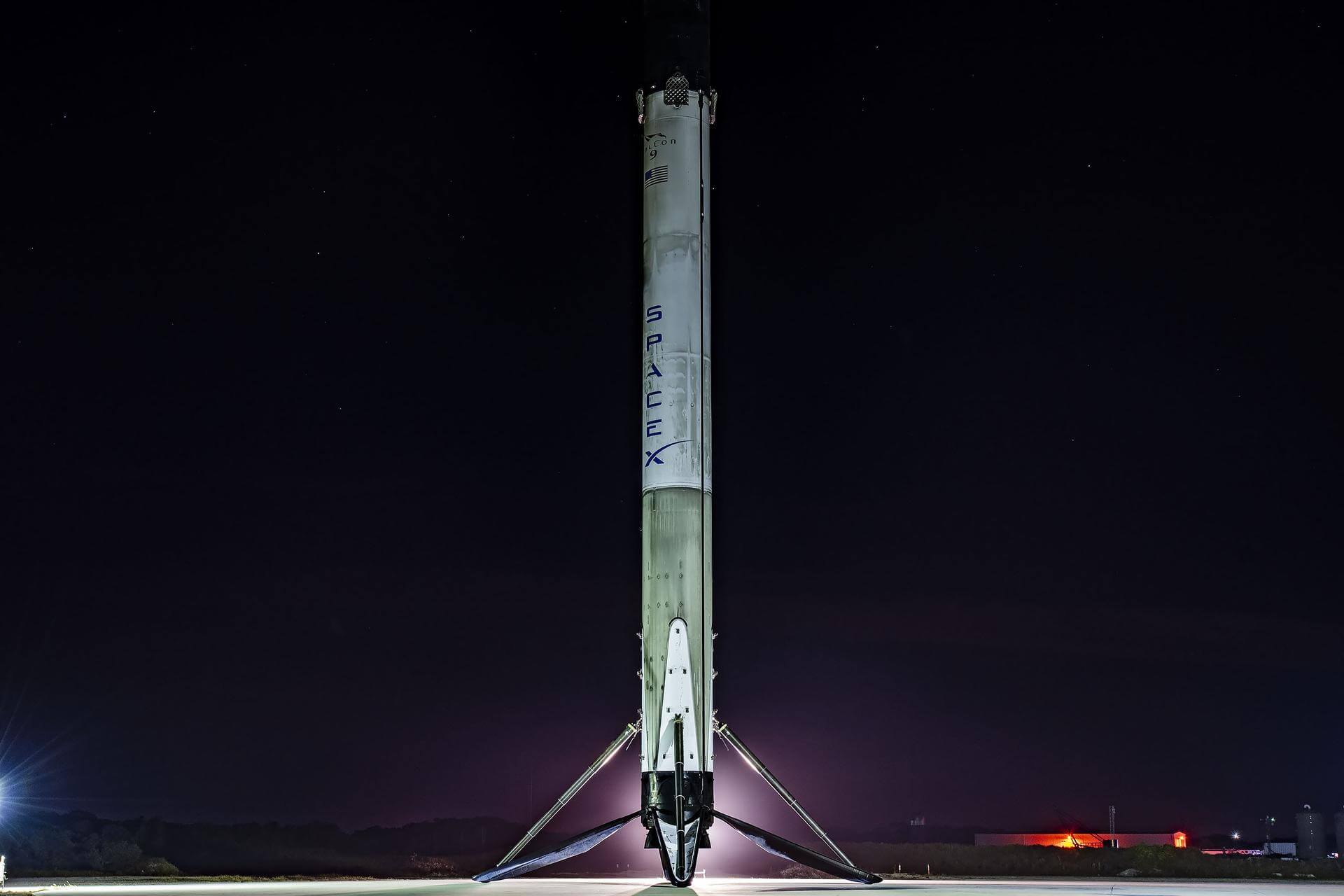
Falcon 9 is a two-stage rocket designed and manufactured by SpaceX for the reliable and safe transport of satellites and the Dragon spacecraft into orbit. The Block 5 variant is the fifth major interval aimed at improving upon the ability for rapid reusability.
Falcon 9 is a two-stage rocket designed and manufactured by SpaceX for the reliable and safe transport of satellites and the Dragon spacecraft into orbit. The Block 5 variant is the fifth major interval aimed at improving upon the ability for rapid reusability.
Falcon 9 is a two-stage rocket designed and manufactured by SpaceX for the reliable and safe transport of satellites and the Dragon spacecraft into orbit. The Block 5 variant is the fifth major interval aimed at improving upon the ability for rapid reusability.
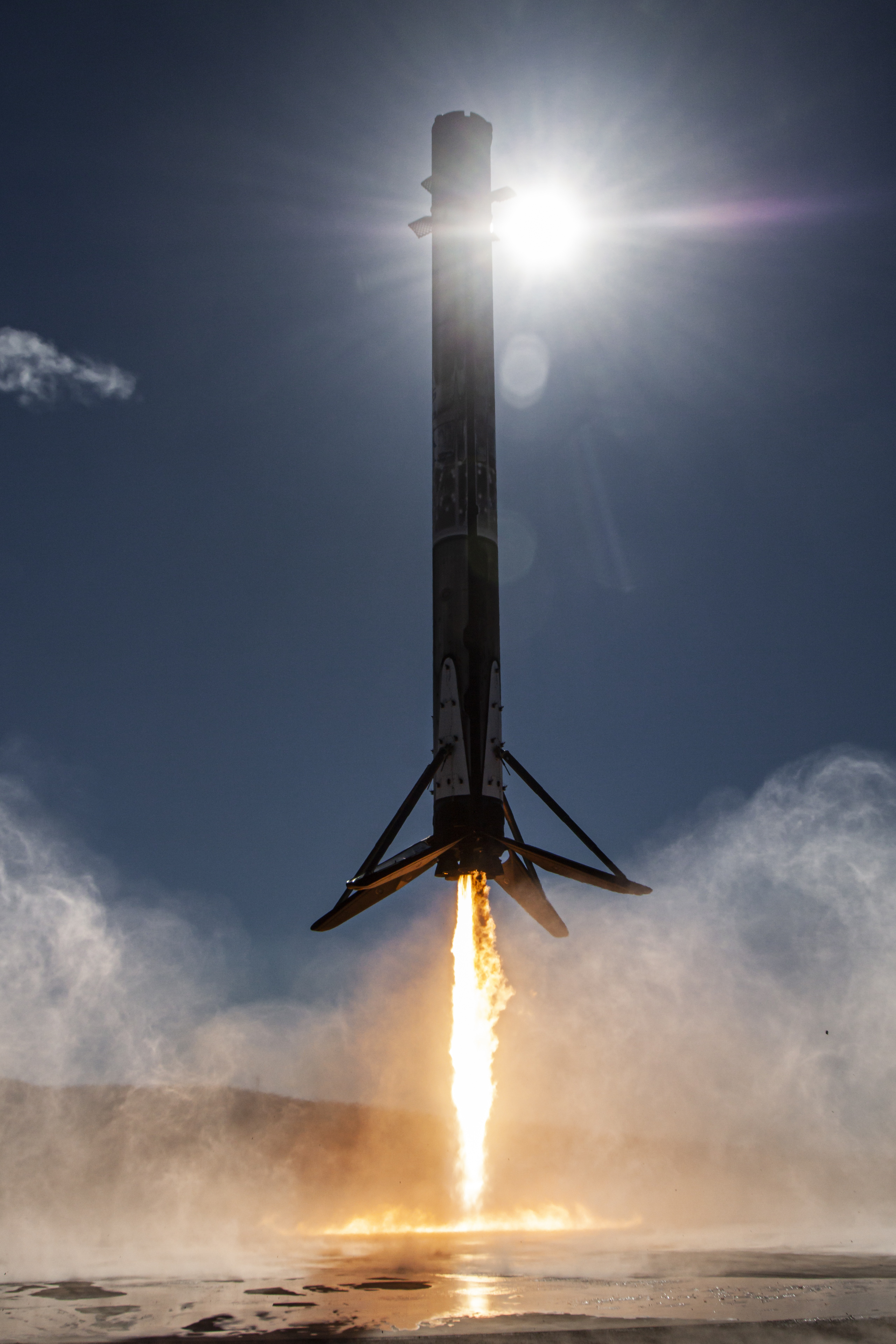
The Falcon 9 first stage B1103 will land on ASDS OCISLY after its 2nd flight.
NROL-172 ×
Mission Details
TypeGovernment/Top Secret
OrbitUnknown
TargetEarth
Thirteenth batch of satellites for a reconnaissance satellite constellation built by SpaceX and Northrop Grumman for the National Reconnaissance Office to provide imaging and other reconnaissance capabilities.
Agencies Involved
• National Reconnaissance Office (Government)
Launch Provider: SpaceX
Commercial • United States of America • Founded 2002
Falcon 9 is a two-stage rocket designed and manufactured by SpaceX for the reliable and safe transport of satellites and the Dragon spacecraft into orbit. The Block 5 variant is the fifth major interval aimed at improving upon the ability for rapid reusability.
The Falcon 9 first stage will land on ASDS OCISLY after its flight.
Flight 12 ×
Mission Details
TypeTest Flight
OrbitSuborbital
TargetEarth
12th test flight of the two-stage Starship launch vehicle. Maiden Flight of Starship V3
Agencies Involved
• SpaceX (Commercial)
Program: SpaceX Starship
The SpaceX Starship is a fully reusable super heavy-lift launch vehicle under development by SpaceX since 2012, as a self-funded private spaceflight project. The second stage of the Starship — is designed as a long-duration cargo and passenger-carrying spacecraft. It is expected to be initially used without any booster stage at all, as part of an extensive development program to prove out launch-and-landing and iterate on a variety of design details, particularly with respect to the vehicle’s atmospheric reentry.
The second launch and landing pad of the full version of the combined SpaceX Starship and Superheavy booster. To be first used for launch in 2025 with version 3 of Starship and the Superheavy…
Robo Chris is a collection of API calls, filters, and searches, bolted together with magic and love. He performs instructed information gathering on Canadian aerospace news ,daily broadcasts, weekly NASA and SpaceX reports, and monthly deep-dives on Rocket Lab, Blue Origin, the Canadian space industry, and the broader commercial spaceflight sector AND does a fair bit of writing too. Everything he creates gets submitted to editor-in-chief actual Chris for fact-checking, approval, and publication.