
The SpaceX Report: Reusability, Rivalry, and Rockets: SpaceX Nears 2026 with Starship Prep and Starlink Standoffs
Starship’s Quiet Build-Up Between Launches
While Starship hasn’t launched since Flight 9 in late November, SpaceX is clearly using the lull to refine its next-generation system. No new flight attempts occurred this week, but behind the scenes, design changes continue to shape both Super Heavy and the Starship upper stage. Recent work at Starbase hints at modifications to the booster’s quick disconnect interface—Pad 2 will now rely on just two dedicated lines for liquid methane and liquid oxygen, a simplification from earlier configurations. The Ship Quick Disconnect arm has also been fully integrated with fluid and power lines, though its end-effector is still being outfitted off-site.
Elon Musk noted on December 15 that “Starship probably grows by >20% long-term,” suggesting future vehicles may be larger than current iterations—a hint at the evolving roadmap toward Mars. Though no static fires or flight readiness reviews were publicly announced this week, the pace of infrastructure work (covered in detail below) strongly implies that Flight 10 is being prepped for early 2026. Musk also emphasized Starship’s operational maturity in a December 21 statement, defending the program’s safety protocols: “For every Starship flight test, public safety has always been SpaceX’s top priority.”
With Florida launch operations expected to begin in 2026, the Texas site remains the proving ground—but don’t expect long gaps between flights much longer.
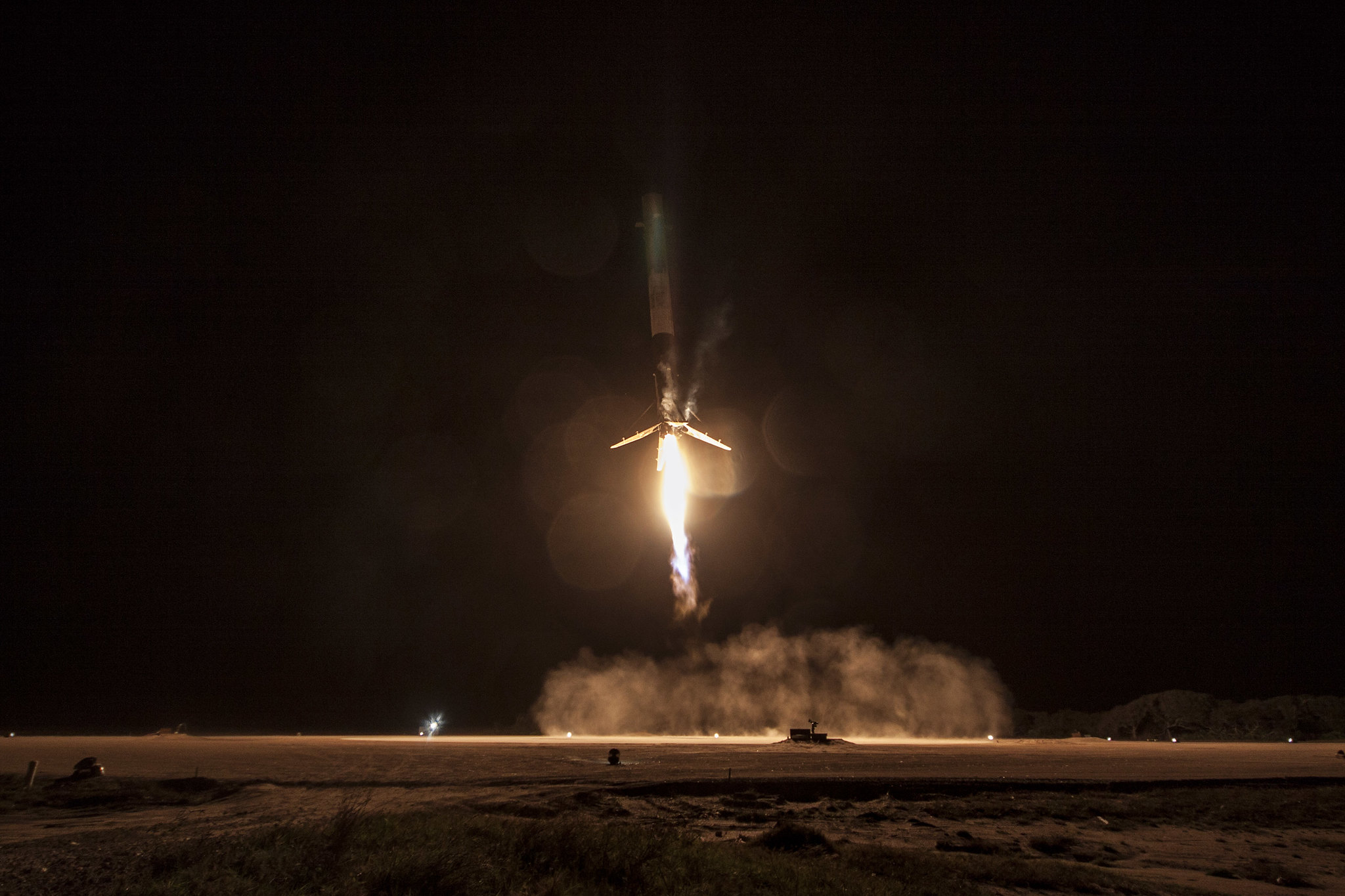
Starbase’s Silent Transformation
SpaceX is rebuilding Starbase from the ground up—not just upgrading, but re-engineering core systems to support higher flight rates. At Pad 1, demolition is well underway: the old water-cooled steel plate has been removed using jackhammers and torches, and legacy tank farm components are being trucked to the Port of Brownsville. This isn’t abandonment—it’s preparation for a new flame trench and launch mount tailored to future Starship versions.
Pad 2, meanwhile, is nearing operational readiness. Recent tests of its water deluge system have surpassed the scope of earlier Pad 1 trials, and protective doors for the hold-down clamps have been lowered in dry runs. The tower’s “chopsticks” catching mechanism—the third set SpaceX has built—has received additional hardware near the cable tray, possibly for enhanced control during Starship recovery.
Perhaps most significantly, SpaceX is constructing its own Air Separation Unit (ASU) across the highway from the pads. Once complete, this facility will produce liquid oxygen and nitrogen on-site, eliminating reliance on hundreds of tanker trucks per launch. Coupled with a $100 million Linde ASU under construction in nearby Brownsville, Starbase is positioning itself for self-sufficiency—a necessity if SpaceX hopes to achieve “dozens of flights per year,” as internal targets suggest.

Falcon 9’s Record-Breaking Routine
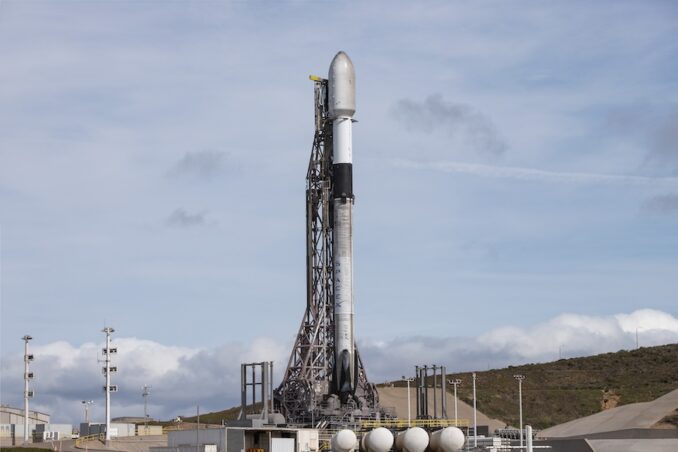
While Starship grabs headlines, Falcon 9 is quietly rewriting launch history. This week alone, SpaceX conducted three Starlink missions: Group 6-99 from Kennedy Space Center on December 17 (carrying 29 satellites), Group 15-13 from Vandenberg (27 satellites), and Group 6-88 on December 20 from Cape Canaveral (29 more). The Vandenberg flight marked a major milestone—booster B1063 completed its 30th launch, the first in SpaceX history to reach that number. All three boosters successfully landed on drone ships, continuing SpaceX’s remarkable 570+ recovery streak.
With the December 15 Florida launch, Falcon 9 hit its 100th liftoff of 2025 from the Cape—71 of which were Starlink missions. That consistency underscores why Falcon remains the backbone of SpaceX’s operations, even as Starship development accelerates. No Falcon Heavy activity was reported this week.
Starlink Tensions, Crew-12 Prep, and a Possible IPO
SpaceX’s Starlink service is increasingly caught in commercial crosshairs. After American Airlines signaled interest in Amazon’s competing “Leo” satellite internet, SpaceX and Elon Musk took to social media to shade the carrier—highlighting that rivals like WestJet, United, and Air France already use Starlink for in-flight Wi-Fi. The jab underscores how Starlink has evolved from a space experiment into a strategic telecom asset.
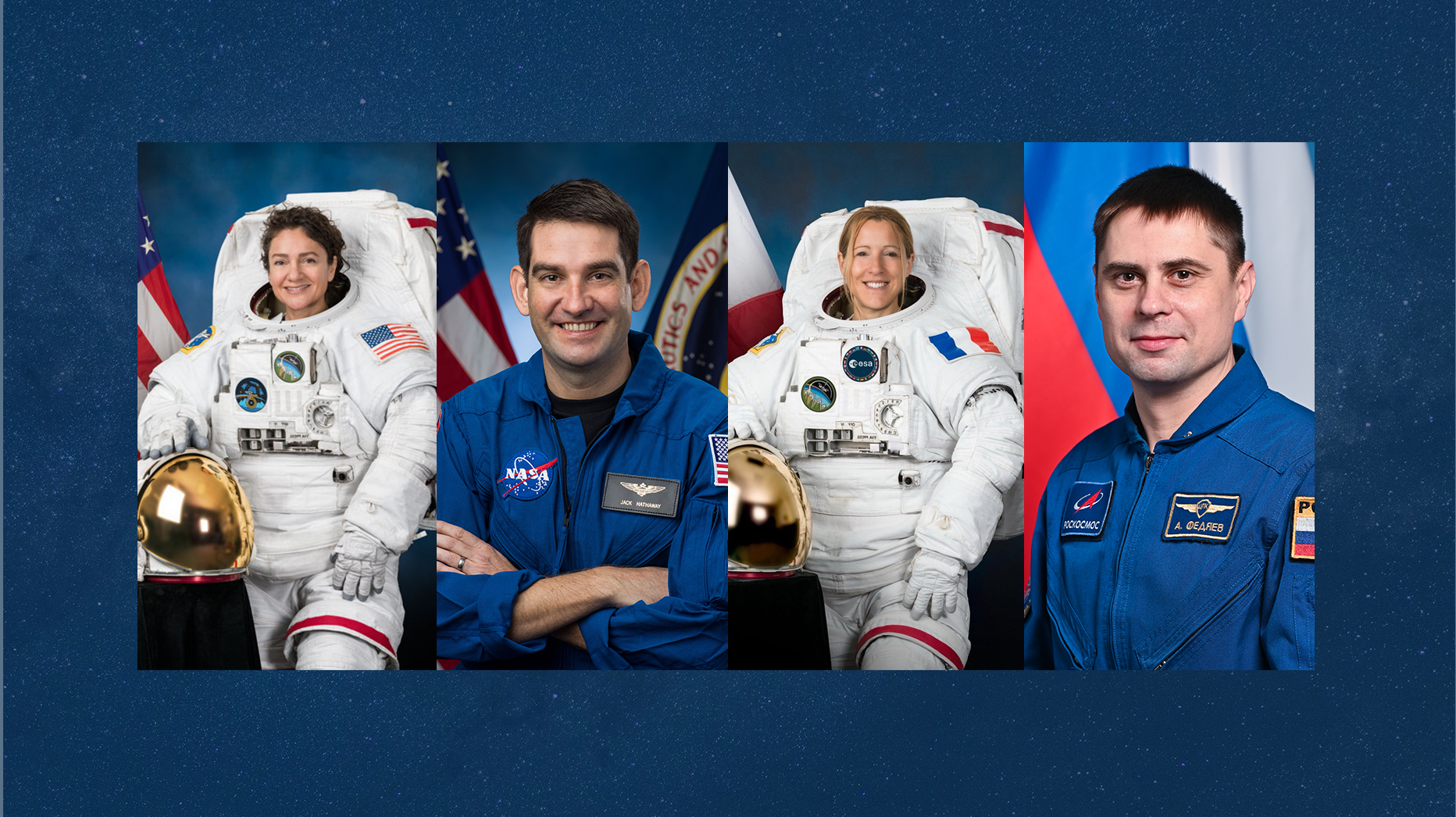
Meanwhile, NASA and SpaceX confirmed Crew-12 assignments for a February 15, 2026 launch: NASA astronauts Jessica Meir (commander) and Jack Hathaway (pilot) will fly alongside ESA and JAXA crewmates to the International Space Station. SpaceX tweeted on December 20 that it’s “excited to train NASA’s Crew-12,” marking the next step in the Commercial Crew Program.
On the corporate front, Musk confirmed reports that SpaceX plans to pursue an IPO—likely to fund Starship and Starshield expansion. And in a noteworthy development for deep space operations, NASA will test SpaceX’s Starshield network (a secure variant of Starlink) to support its Deep Space Network, potentially reshaping how ground stations communicate with distant missions.
Citations
- “NASA Shares SpaceX Crew-12 Assignments for Space Station Mission” – https://www.nasa.gov/news-release/nasa-shares-spacex-crew-12-assignments-for-space-station-mission/
- “Ten years ago, SpaceX turned tragedy into triumph with a historic rocket landing” – https://arstechnica.com/space/2025/12/ten-years-ago-spacex-turned-tragedy-into-triumph-with-a-historic-rocket-landing/
- “Live coverage: SpaceX to fly Starlink mission using Falcon 9 booster flying for a 30th time” – https://spaceflightnow.com/2025/12/17/live-coverage-spacex-to-fly-starlink-mission-using-falcon-9-booster-flying-for-a-30th-time/
- “Live coverage: SpaceX preps sunrise Starlink from Kennedy Space Center” – https://spaceflightnow.com/2025/12/16/live-coverage-spacex-preps-sunrise-starlink-from-kennedy-space-center/
- “Launch Roundup: Ariane 6, Falcon 9, Atlas V, and Electron launches highlight busy week” – https://www.nasaspaceflight.com/2025/12/launch-roundup-121625/
- “SpaceX claims close approach to Starlink satellite by payload from Chinese launch” – https://spacenews.com/spacex-claims-close-approach-to-starlink-satellite-by-payload-from-chinese-launch/
- “Musk signals plan to launch IPO for SpaceX” – https://www.spacedaily.com/reports/Musk_signals_plan_to_launch_IPO_for_SpaceX_999.html
- “SpaceX advances Starbase upgrades at the launch site” – https://www.nasaspaceflight.com/2025/12/spacex-starbase-upgrades-launch-site/
- “NASA to test SpaceX’s Starshield in pilot program” – https://spacenews.com/nasa-to-test-spacexs-starshield-in-pilot-program/
- “SpaceX shades airline for seeking contract with Amazon’s Starlink rival” – https://www.teslarati.com/spacex-shades-airline-seeking-contract-amazon-starlink-rival/
- SpaceX Twitter Statement on Starship Safety – https://x.com/SpaceX/status/2002579647066710164
- Elon Musk on Starship Growth – https://x.com/elonmusk/status/2000488247202591052
Upcoming Starship Launch
Flight 12
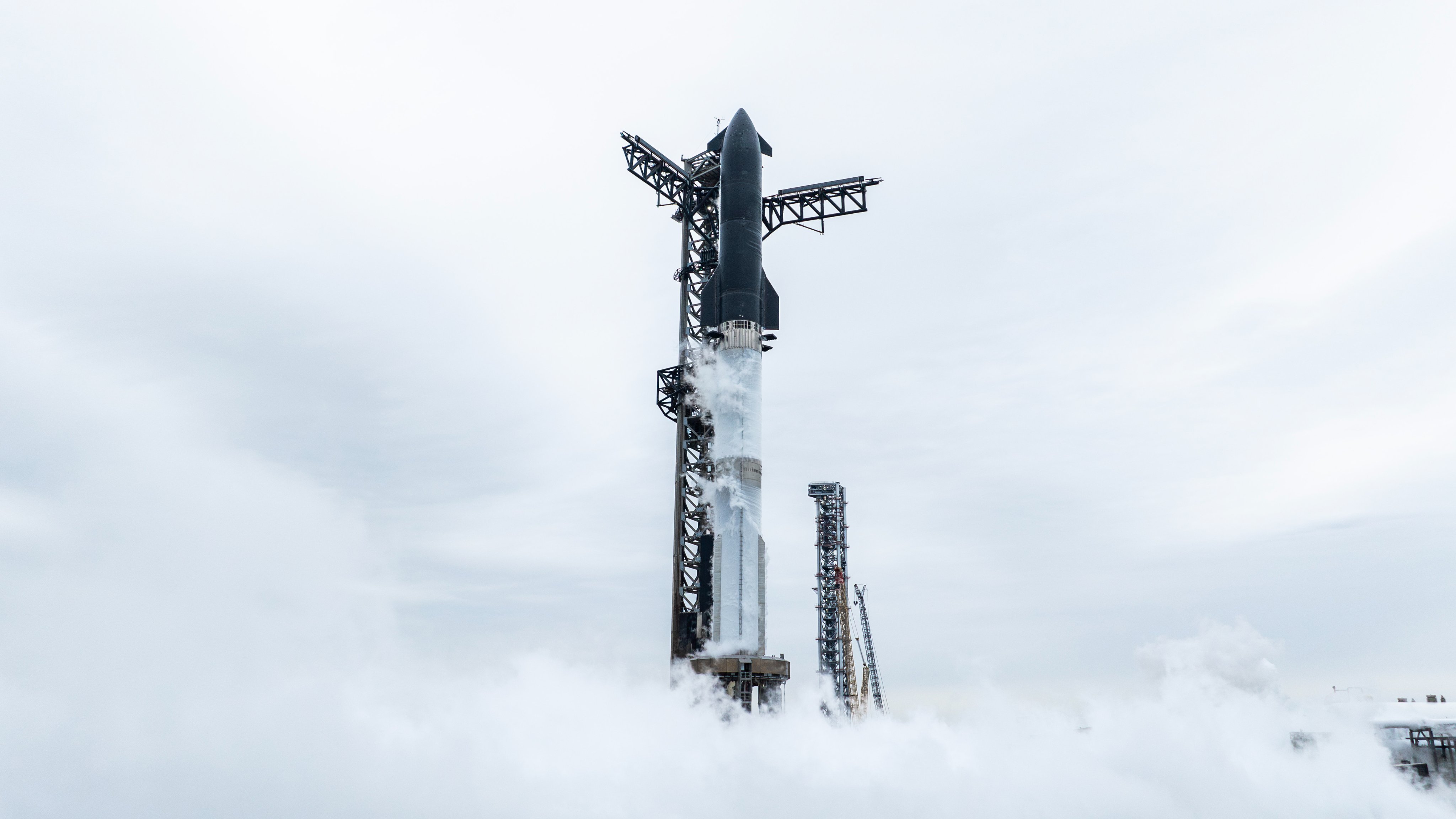
Launch Provider: SpaceX – Commercial
Launch Date: January 31, 2026
Launch Time: 1/31/2026, 12:00 AM UTC
Vehicle: Starship
Brief: 12th test flight of the two-stage Starship launch vehicle. Maiden Flight of Starship V3
