
The SpaceX Report: Sea Levels, Starlink, and Starship Overhauls: A Busy Week for SpaceX
Sea Levels, Starlink, and Starship Overhauls: A Busy Week for SpaceX
Starship Design and Launch Plans Eye 2026
While no Starship vehicle flew this week, development remains on a brisk trajectory toward next year’s anticipated flight cadence. SpaceX is preparing for what could be a pivotal 2026, targeting operational launches of its Block 3 Starship configuration from both Texas and Florida. Although no flight attempts occurred this week, progress is visible in infrastructure and planning—key precursors to flight readiness.
Current focus centers on refining launch systems rather than immediate orbital tests. Notably, there were no announced static fires, cryo proof tests, or flight readiness reviews for Starship vehicles this week. Instead, SpaceX appears to be in a methodical build-and-test phase, integrating lessons from earlier test campaigns into ground systems and upcoming vehicle iterations.
Elon Musk offered a rare glimpse into scale this week, tweeting, “So many spaceships will be born in the Starbase Gigabay,” underscoring the company’s shift toward high-volume production. That ambition aligns with the goal of dramatically increasing launch frequency once Block 3 Starships enter service.
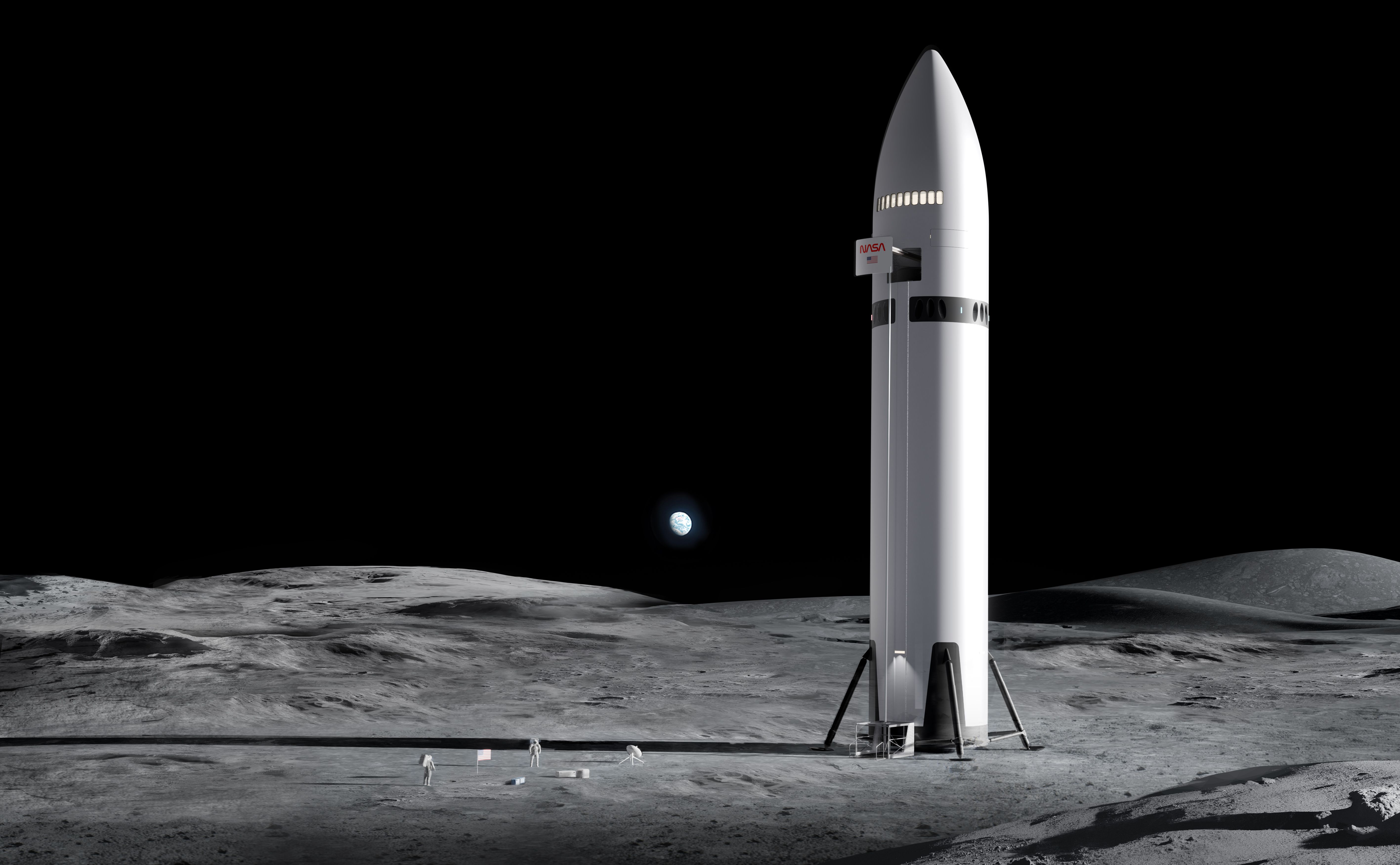
Though specific mission objectives for early 2026 remain unconfirmed, industry observers expect initial Florida launches from Kennedy Space Center’s LC-39A to focus on performance validation and potential NASA-related demonstrations, possibly supporting future Artemis architecture discussions. For now, the silence in the skies is countered by steady construction noise on the ground.
Starbase Pad Overhaul Accelerates
Starbase is undergoing its most significant transformation since the first orbital launch attempt. Pad 1—the original Starship launch site at Boca Chica, Texas—is being almost entirely dismantled to make way for upgraded infrastructure. Demolition has progressed rapidly, with crews removing the launch mount’s protective shielding, walkway enclosures, and large portions of the launch ring itself.
Interestingly, the only fire reported at Pad 1 this week happened not during a launch—but during demolition. SpaceX swiftly contained the blaze, a small irony given the pad’s history of supporting 11 Starship launches without combustion-related incidents.
The booster quick disconnect assembly has been cut into sections and removed, and most external piping on the Orbital Launch Mount (OLM) is now gone. Once the upper launch ring is fully cleared, SpaceX will begin stripping internal hardware, leaving only the OLM legs as the skeleton for reconstruction.
Meanwhile, the launch tower is also getting attention. The drawworks unit—responsible for moving the “chopsticks” catch arms—has been removed and shipped offsite for refurbishment. Tower columns are receiving new maintenance lines to support rail and steel upgrades, and the damping system on the chopsticks’ landing rails has been taken apart for enhancements.
At Pad 2, finishing touches continue: thick steel cladding now covers the service structure, and a vault-like blast door has been installed. A recent test using a stand-in mass simulator dubbed “I Be Proofin’” verified the hold-down arms’ strength for Pad 2’s new flame trench design. These incremental but critical steps suggest Pad 2 could host the next Starship flight from Texas—possibly as early as mid-2026.

Falcon 9 Hits Milestones with Ocean Watcher and Starlink Surge
SpaceX capped a record-setting week with the successful launch of the Sentinel-6B satellite on November 16 at 9:21 p.m. PST from Vandenberg Space Force Base. The mission marked Falcon 9’s 500th reflight of a flight-proven orbital-class booster—an industry milestone underscoring the rocket’s reusability dominance. Booster B1097.3, on its third flight, nailed a return-to-launch-site landing at Landing Zone 4 just over nine minutes after liftoff.
Sentinel-6B, about the size of a full-size pickup truck, will monitor global sea levels, wave heights, and ocean winds in a joint U.S.-European effort involving NASA, NOAA, ESA, and EUMETSAT. It joins its twin, Sentinel-6 Michael Freilich (launched in 2020), to ensure over 30 years of continuous sea-level data—a vital climate record.
Earlier in the week, SpaceX executed a rare Florida doubleheader on November 15, launching two Falcon 9 rockets within 3.5 hours. The first, Starlink 6-89, lifted off from Kennedy Space Center at 10:08 p.m. EST carrying 29 satellites; the second, Starlink 6-85, followed from Cape Canaveral at 1:44 a.m. EST with another 29. Boosters B1092.8 and B1078.24 landed on droneships, the latter marking its 24th flight—a testament to SpaceX’s high-tempo reusability.
With these launches, SpaceX has now flown 98 missions in 2025 from Florida alone, breaking its previous annual record of 94.

Starlink Expands as FAA Shutdown Resolved
Starlink continues its quiet global expansion, with Elon Musk tweeting on November 12 about a “super good Starlink internet deal” in parts of the U.S. not yet at full capacity. While no new service territories were announced this week, the rapid back-to-back launches confirm SpaceX’s intent to maintain constellation density and performance—especially as user demand grows in underserved regions, including rural Canada.
On the regulatory front, a potential disruption was averted. A U.S. government shutdown earlier in the month triggered an FAA emergency notice restricting launches during daytime hours due to staffing shortages. However, with a shutdown-ending deal signed on November 12, the FAA is expected to lift the restriction as personnel return, clearing the path for SpaceX’s aggressive November–December manifest.
No Crew Dragon or Cargo Dragon missions occurred this week, and there were no new NASA or military contracts disclosed. The focus remained squarely on satellite deployment and infrastructure—keeping the machinery of access-to-space well-oiled, even if astronauts weren’t in the headlines.

Citations
- “Falcon 9 launches Sentinel-6B satellite to monitor global sea level” – https://spacenews.com/falcon-9-launches-sentinel-6b-satellite-to-monitor-global-sea-level/
- “NASA, SpaceX Launch US-European Satellite to Monitor Earth’s Oceans” – https://www.nasa.gov/news-release/nasa-spacex-launch-us-european-satellite-to-monitor-earths-oceans/
- “Record doubleheader: SpaceX launches 2 Falcon 9 rockets from Florida” – https://www.spacedaily.com/reports/Record_doubleheader_SpaceX_launches_2_Falcon_9_rockets_from_Florida_999.html
- “What would a “simplified” Starship plan for the Moon actually look like?” – https://arstechnica.com/space/2025/11/what-would-a-simplified-starship-plan-for-the-moon-actually-look-like/
- “SpaceX progress on Starship Pad realignment for the future” – https://www.nasaspaceflight.com/2025/11/spacex-starship-pad-realignment-future/
- “Launch Roundup: New Glenn, Viasat, & Sentinel-6B highlight busy week of launches” – https://www.nasaspaceflight.com/2025/11/launch-roundup-111125/
- Elon Musk Tweet, November 12, 2025 – https://x.com/elonmusk/status/1988658092599390318
- Elon Musk Tweet, November 10, 2025 – https://x.com/elonmusk/status/1987755769899708433
- SpaceX Tweet, November 17, 2025 (Falcon 9 500th reflight) – https://x.com/SpaceX/status/1990341918447001611
Upcoming Starship Launch
Flight 12
Launch Provider: SpaceX – Commercial
Launch Date: January 31, 2026
Launch Time: 1/31/2026, 12:00 AM UTC
Vehicle: Starship
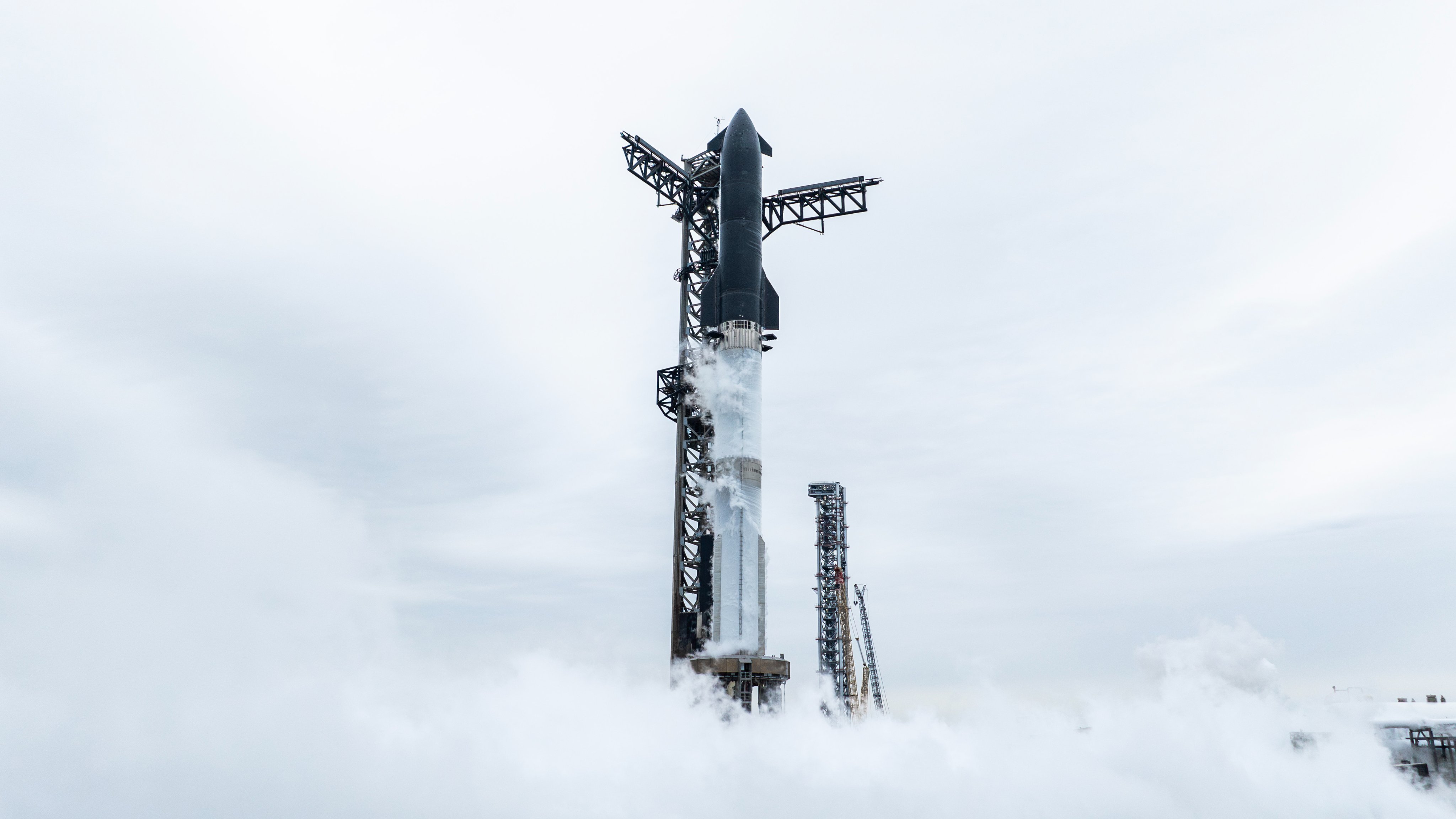
Brief: 12th test flight of the two-stage Starship launch vehicle. Maiden Flight of Starship V3
