
The SpaceX Report: From Moon Cities to Crew-12: SpaceX’s Strategic Pivot Takes Shape
Starship’s New Lunar Focus, But Flight 12 Still Grounded
Elon Musk announced a significant strategic shift this week, declaring that SpaceX is now prioritizing the establishment of a self-sustaining city on the Moon over its long-touted Mars colonization timeline. In a series of tweets on February 8, Musk explained that the Moon’s proximity—allowing launches every 10 days versus Mars’s 26-month planetary alignment window—makes it a more practical proving ground for off-world settlement. “We can potentially achieve that in less than 10 years, whereas Mars would take 20+ years,” he wrote, though he stressed that Mars remains a longer-term goal, with efforts expected to begin in 5 to 7 years.
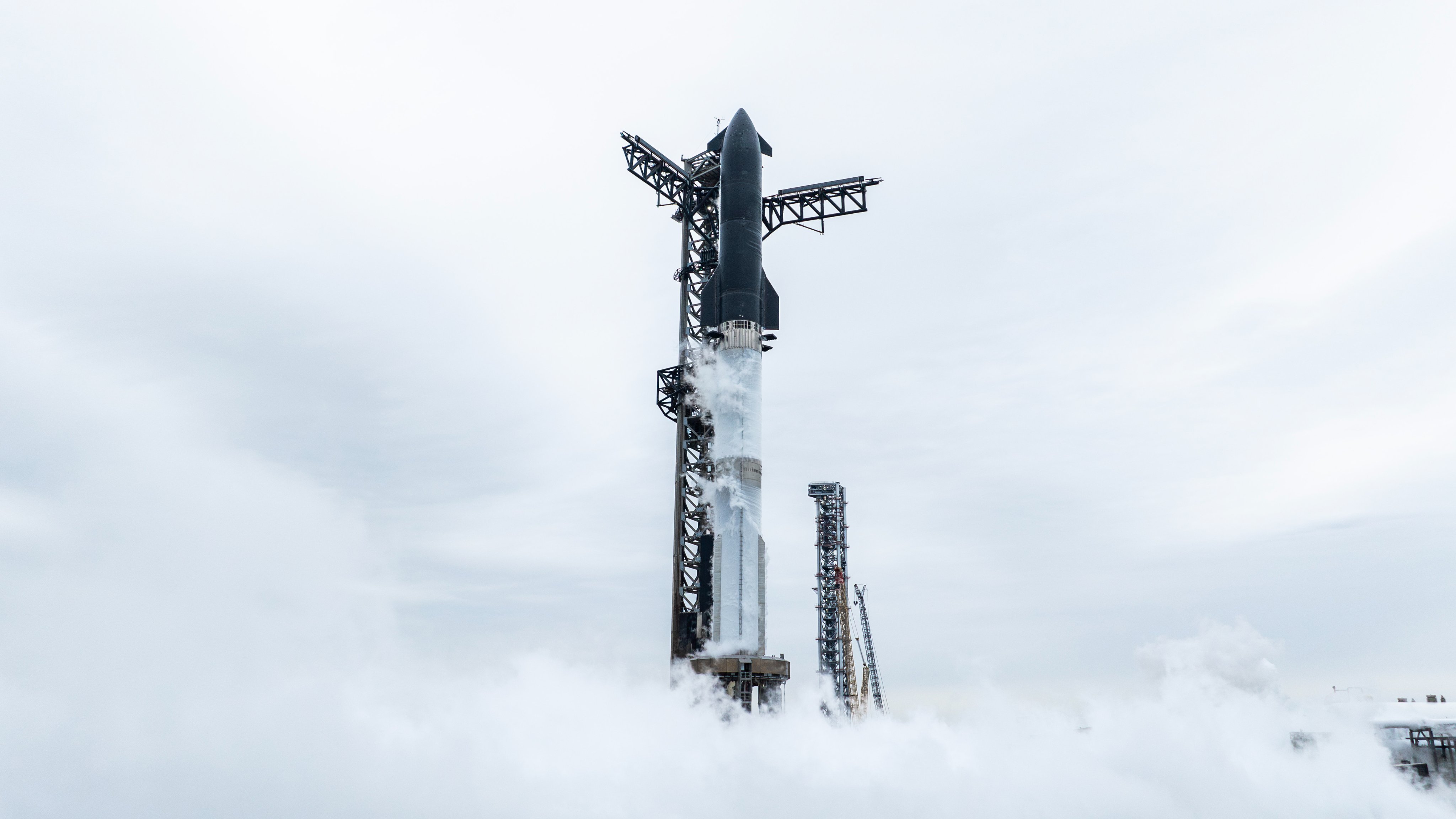
Despite the new lunar emphasis, Starship Flight 12 has yet to launch. Booster 19, the first to feature the new Raptor 3 engines, rolled out to Masseys test site on February 1 for cryogenic proof testing. Following the failure of Booster 18 during a pressure test, SpaceX appears to be proceeding with extra caution—conducting a small cryo test and inspecting the aft chine section before full-scale trials. Meanwhile, Ship 39, the first Block 3 Starship vehicle, remains in Mega Bay 2 awaiting cryogenic testing. Though Musk has suggested a six-week timeline for the next flight, the extensive testing still required for both vehicles and Pad 2 infrastructure suggests that timeline may stretch.

Starbase Expansion Clears Regulatory Hurdles
Starbase is set to nearly double in size after SpaceX received approval from the U.S. Army Corps of Engineers and other regulatory bodies. The expansion will enable the construction of a new flame trench for Pad 1, LNG liquefaction plants to produce liquid methane on-site, and a relocated methane tank farm to improve safety by separating fuel types. Groundwork has already begun, with crews clearing vegetation and preparing the salt flats for infrastructure development. The redesign includes plans for additional subcoolers, heat exchangers, and a water deluge system aligned with the upgrades seen at Pad 2 and LC-39A. This expansion is critical for supporting the higher launch cadence needed for lunar missions and eventual Starship commercialization.

Falcon 9 Returns to Flight After Brief Anomaly
SpaceX’s workhorse Falcon 9 rocket returned to service on February 7, successfully launching 25 Starlink satellites from California after a brief stand-down. The pause followed an upper-stage anomaly on February 2, during which the second stage failed to ignite its engine ahead of the deorbit burn. SpaceX confirmed that the Starlink satellites were safely deployed to their intended orbit and that the stage passivated as designed. The company submitted a report to the FAA, implemented corrective actions, and resumed flights within five days—a testament to Falcon 9’s operational resilience. The return-to-flight mission sets the stage for the high-profile Crew-12 launch scheduled for February 11.
Crew-12 Preparations and Starlink’s Canadian Reach
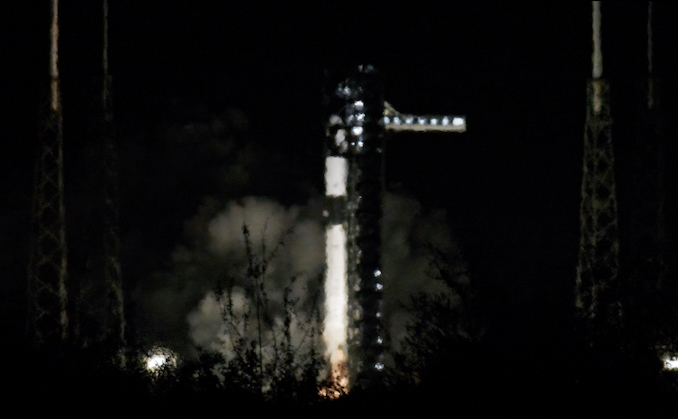
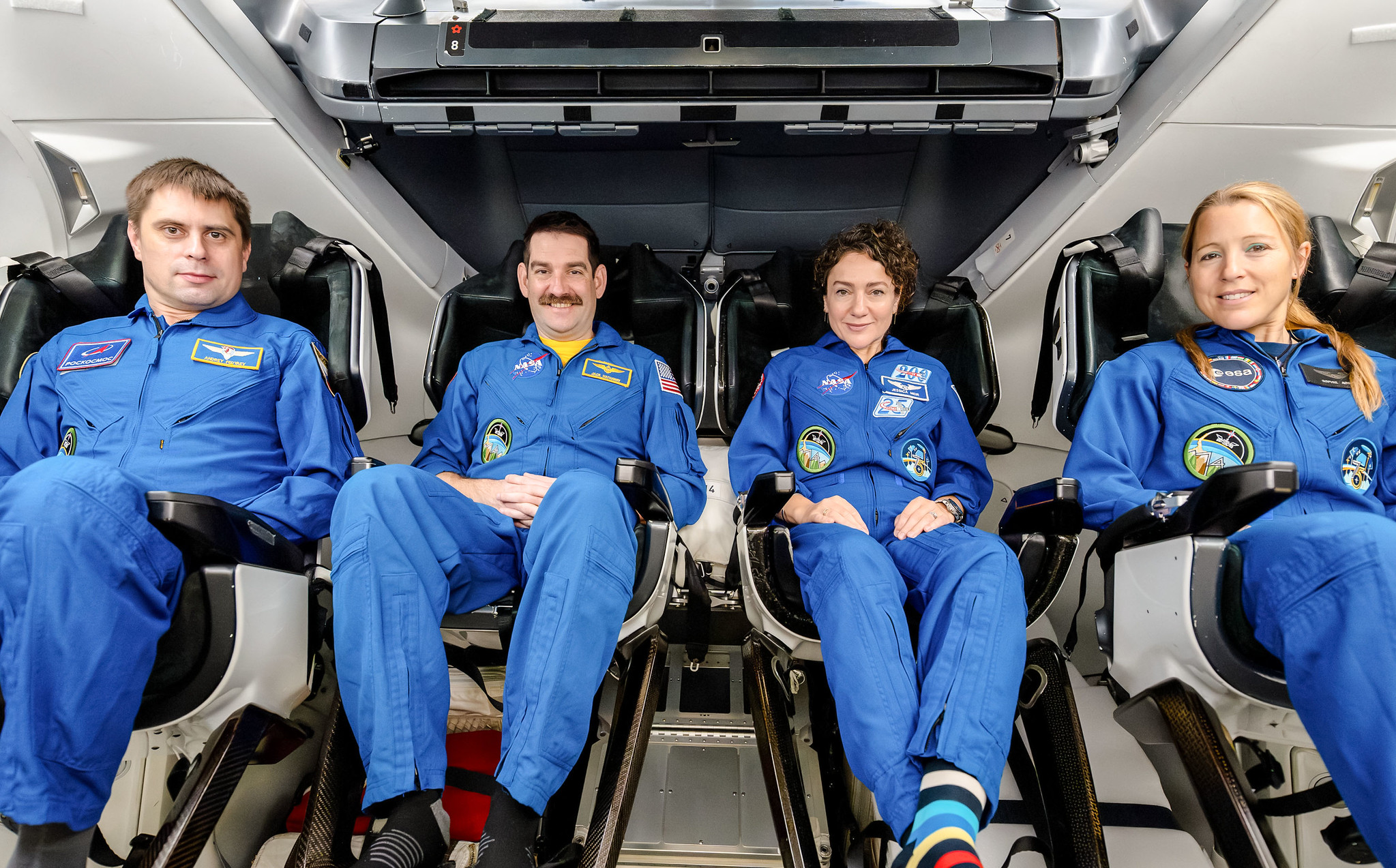
NASA’s SpaceX Crew-12 mission is on track for launch on February 11 at 6:01 a.m. EST from Space Launch Complex 40—a notable shift from the traditional LC-39A, which is being reconfigured for future Starship launches. The crew, comprising NASA astronauts Jessica Meir and Jack Hathaway, ESA’s Sophie Adenot, and Roscosmos cosmonaut Andrey Fedyaev, arrived in Florida on February 6 and completed their Flight Readiness Review. Aboard the International Space Station, Expedition 74 has been preparing for their arrival, focusing on human research into altered gravity adaptation, including novel studies on blood flow in microgravity.
Meanwhile, Starlink continues its global rollout. While Canadian users have had access to the service for several years, recent reliability improvements and increased satellite density are enhancing coverage in remote northern communities. Elon Musk highlighted Starlink’s expanding reach this week, noting new availability in Tajikistan and Senegal—but made no mention of service changes in Canada, where the system remains a critical connectivity tool for rural and Indigenous regions.
Citations
- “SpaceX shifts focus from Mars to Moon, Musk says” – https://www.spacedaily.com/reports/SpaceX_shifts_focus_from_Mars_to_Moon_Musk_says_999.html
- “SpaceX test fires its Falcon 9 rocket ahead of midweek launch of Crew-12 to the space station” – https://spaceflightnow.com/2026/02/08/spacex-test-fires-its-falcon-9-rocket-ahead-of-midweek-launch-of-crew-12-to-the-space-station/
- “Falcon 9 returns to flight after upper stage engine investigation” – https://spacenews.com/falcon-9-returns-to-flight-after-upper-stage-engine-investigation/
- “NASA Sets Coverage for Agency’s SpaceX Crew-12 Launch, Docking” – https://www.nasa.gov/news-release/nasa-sets-coverage-for-agencys-spacex-crew-12-launch-docking/
- “NASA’s SpaceX Crew-12 to Study Adaptation to Altered Gravity” – https://www.nasa.gov/humans-in-space/nasas-spacex-crew-12-to-study-adaptation-to-altered-gravity/
- “SpaceX shifts away from Dragon launches at pad 39A as Starship looms” – https://spaceflightnow.com/2026/02/06/spacex-shifts-away-from-dragon-launches-at-pad-39a-as-starship-looms/
- “FAA approves Starship launches from LC-39A” – https://spacenews.com/faa-approves-starship-launches-from-lc-39a/
- “Starbase’s launch site lays groundwork to double in size” – https://www.nasaspaceflight.com/2026/02/starbases-launch-site-double-size/
- Elon Musk Tweet, February 8, 2026 – https://x.com/elonmusk/status/2020640004628742577
- SpaceX Tweet, February 7, 2026 – https://x.com/SpaceX/status/2020256766857212409

Leave a Reply