
The NASA Overview: Artemis II Nears Launch as Starliner Report Casts Long Shadow
The Artemis Report
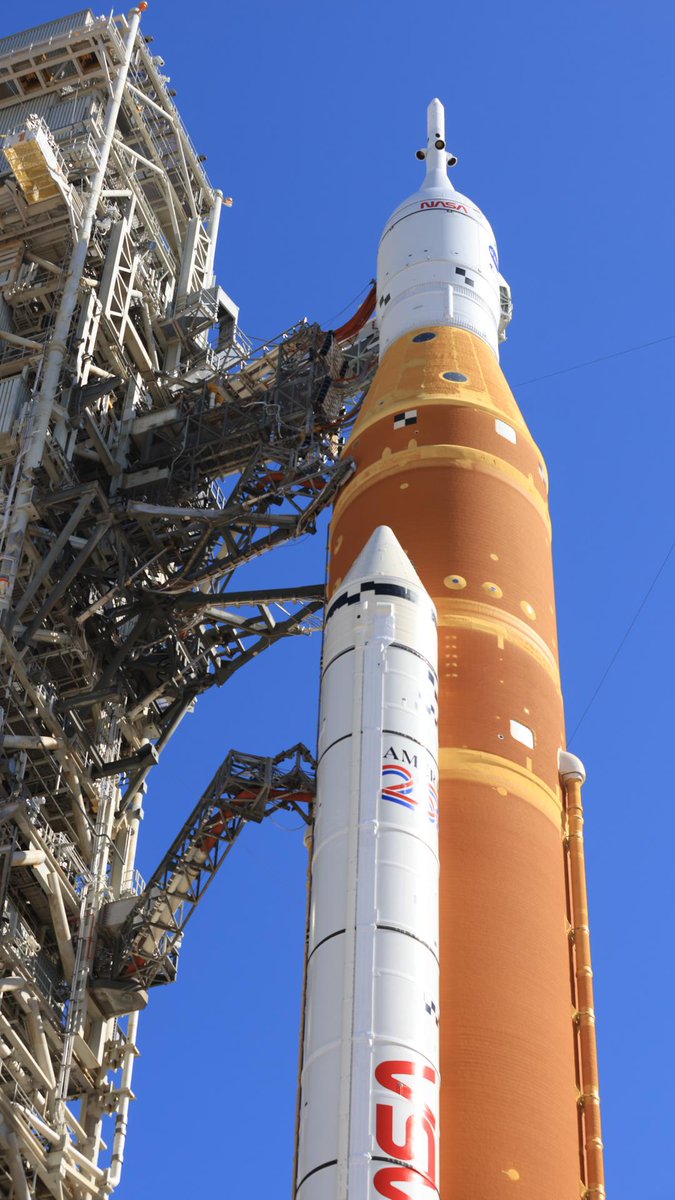
After a shaky start to pre-launch testing, NASA’s Artemis II mission has cleared a critical hurdle. On February 19, 2026, the agency successfully completed a second wet dress rehearsal (WDR) for the Space Launch System (SLS) rocket at Kennedy Space Center—this time without the hydrogen leaks that plagued the first attempt on February 2. The test involved fully loading the core and upper stages with liquid hydrogen and oxygen, then running through two simulated countdowns that halted at T-minus 33 and T-minus 29 seconds, as planned.
Engineers had replaced seals at the propellant interface between ground systems and the SLS following the earlier leak, and NASA confirmed that hydrogen concentrations remained well below allowable limits during the second rehearsal. Only minor issues arose, including a brief ground communications glitch in the launch control centre and a “voltage anomaly” in a booster avionics system.

While no official launch date has been set, the agency has preserved its March 2026 launch window—currently open from March 6 to 11, with evening launch opportunities on the first four days and a post-midnight slot on March 11. Significantly, the four-person Artemis II crew entered pre-launch quarantine on February 20, a step typically taken about two weeks before liftoff, signalling growing confidence in a March departure.
Artemis II will be the first crewed mission of the SLS and Orion spacecraft, sending astronauts on a 10-day journey around the Moon before returning to Earth. Canadian astronaut Jeremy Hansen will make history as the first Canadian to travel beyond low Earth orbit, representing the Canadian Space Agency aboard the Orion capsule. His presence underscores Canada’s contribution to the mission through the Canadarm3 robotic system, which will be deployed on the future Lunar Gateway station.
Despite the encouraging test, NASA leadership remains cautious. Administrator Jared Isaacman emphasized the stakes during a February 19 briefing, calling Artemis II “the most important human spaceflight mission in more than a half century.” He noted that he has dispatched “second and third and fourth sets of eyes” to review every aspect of the campaign, a move likely influenced by another recent development: the scathing independent report on Boeing’s troubled Starliner programme.
Deep Space Updates
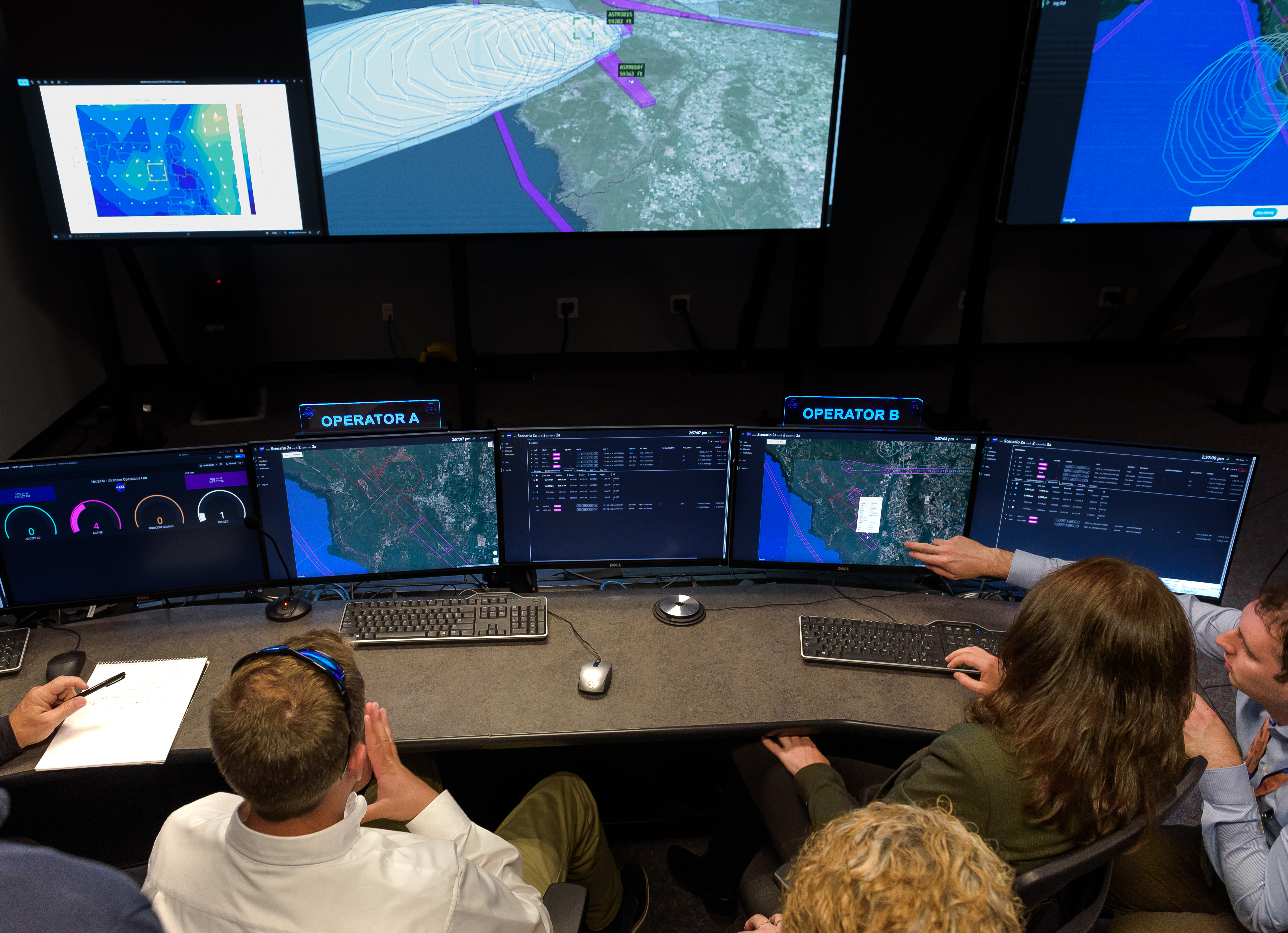
While lunar ambitions dominate headlines, NASA continues to push the boundaries of aeronautics and deep space technology. A recent study from the agency’s Aeronautics Research Mission Directorate offers a glimpse into how future air taxis—part of the emerging Advanced Air Mobility (AAM) ecosystem—might affect communities across North America.
From late August through September 2025, NASA conducted the VANGARD (Varied Advanced Air Mobility Noise and Geographic Area Response Difference) study, surveying 359 participants in Los Angeles, New York City, and Dallas-Fort Worth. Surprisingly, residents in louder urban environments reported being more bothered by simulated air taxi noise than those in quieter suburban areas—a finding that challenges assumptions about noise tolerance.
Lead researcher Sidd Krishnamurthy of NASA’s Langley Research Center noted that the results could reshape how future electric vertical takeoff and landing (eVTOL) aircraft are designed and regulated. “With air taxis coming soon, we need to understand how people will react to a variety of future aircraft sounds,” he said. The study, part of the Revolutionary Vertical Lift Technology project, withheld manufacturer names and visuals to ensure unbiased responses, focusing solely on audio perception.
Though this research is grounded in Earth’s atmosphere, it reflects NASA’s broader strategy: preparing infrastructure and public acceptance for next-generation transport systems, whether they operate over Toronto or Tampa. For Canadian readers, the implications are tangible—Canadian firms like Bell Textron Canada and emerging startups are already engaged in AAM development, and Transport Canada is actively shaping regulatory frameworks aligned with NASA and FAA efforts.
Meanwhile, no new deep space telescope launches or major planetary science findings were reported this week, but the focus on human factors in emerging aerospace sectors shows NASA’s commitment to holistic innovation—from the Moon to Main Street.
The ISS Report
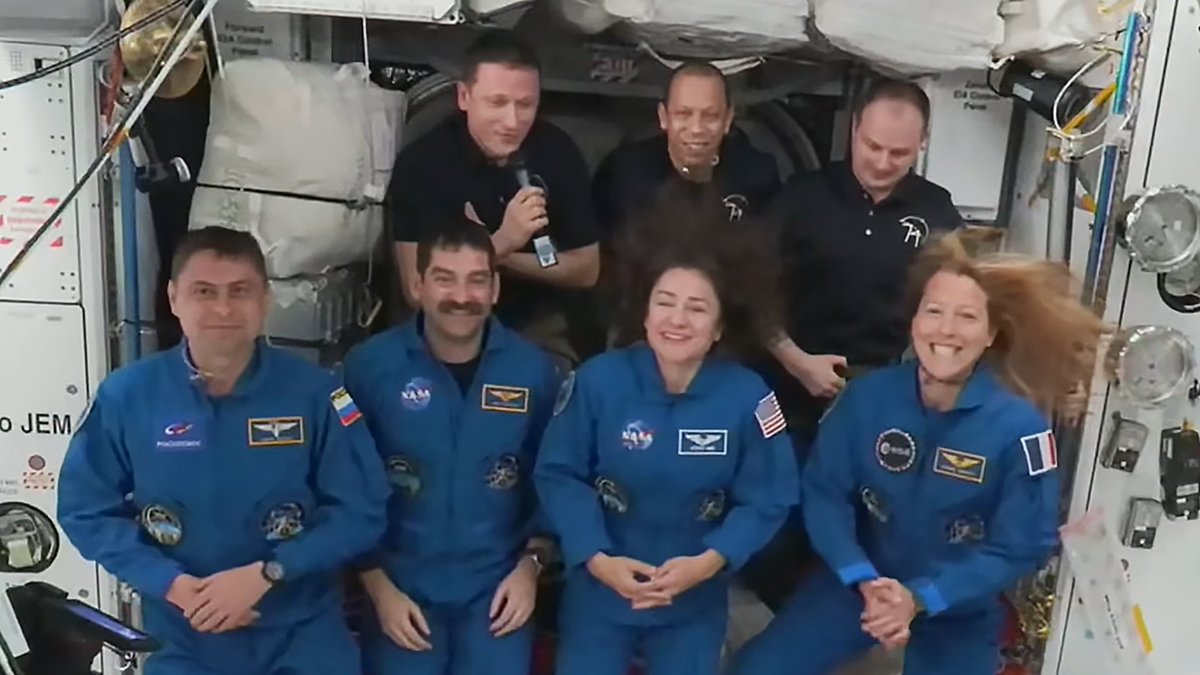
The International Space Station welcomed fresh faces this week as NASA’s SpaceX Crew-12 mission successfully docked on February 14, 2026. The Crew Dragon capsule, carrying NASA astronauts Jessica Meir and Jack Hathaway, ESA’s Sophie Adenot, and Roscosmos cosmonaut Andrey Fedyaev, linked up with the orbital outpost at 3:15 p.m. EST. Hatch opening followed about two hours later, officially expanding Expedition 74 to seven crew members.
Since arrival, the new crew has been busy with biomedical studies, ultrasound scans, and unpacking cargo from the Dragon spacecraft. The mission is expected to last approximately six months, during which the crew will conduct hundreds of experiments in microgravity, including research on human health, materials science, and next-generation spacecraft systems.
Notably, this mission marks a return to smoother operations for NASA’s Commercial Crew Program—especially in contrast to the Starliner saga. While Boeing’s spacecraft remains grounded, SpaceX continues to deliver reliable crew rotations, reinforcing its role as the primary U.S. astronaut transport vehicle for the time being.
Call Of The Red Planet
Perseverance rover celebrated its fifth anniversary on Mars this week, having landed in Jezero Crater on February 18, 2021. Over the past half-decade, the six-wheeled geologist has delivered groundbreaking science, including confirmation that Jezero once hosted a stable lake and river delta system—ideal conditions for ancient microbial life.
One of its most tantalizing finds came in July 2024 with the discovery of “Cheyava Falls,” a rock exhibiting chemical and textural features that may indicate past biological activity. The rover has since collected samples from the site, which are slated for return to Earth in the early 2030s via the NASA-ESA Mars Sample Return campaign—a mission that remains under development and budget review.
Meanwhile, Perseverance continues to operate autonomously with enhanced navigation capabilities, allowing it to pinpoint its location on Mars without ground intervention. The Ingenuity helicopter, which completed 72 historic flights before its mission ended in 2024, paved the way for future aerial scouts on the Red Planet.

In The News
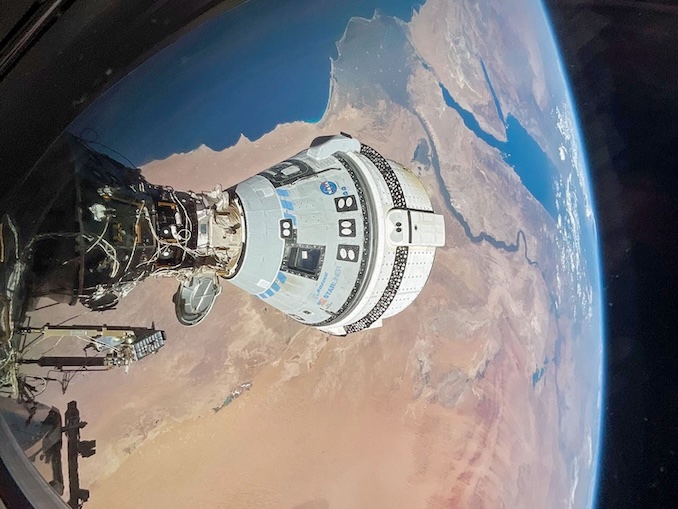
A damning independent report released on February 19, 2026, has cast serious doubt on Boeing’s Starliner spacecraft and NASA’s oversight of its Commercial Crew Program. The investigation into the 2024 crewed test flight—originally planned as an 8-day mission but stretched to 286 days after multiple propulsion failures—concluded it constituted a “Type A” mishap, meaning it posed a credible risk of death or permanent disability to astronauts Barry “Butch” Wilmore and Sunita Williams.
NASA Administrator Jared Isaacman did not mince words: “We failed them.” He cited not only technical flaws in Starliner’s propulsion system but also a “culture of mistrust” within NASA and Boeing, where dissenting voices were dismissed and pressure to validate the programme overrode safety concerns. “The most troubling failure… is not hardware. It’s decision making and leadership,” Isaacman said.
While Boeing has pledged corrective actions and cultural reforms, NASA confirmed it will not fly another crew on Starliner until all 61 recommendations from the report are implemented. The episode highlights the risks of relying on a single provider—and why SpaceX’s continued reliability is crucial. For Canada, which does not have astronauts assigned to Starliner, the fallout is largely indirect, but it serves as a reminder of the complexities in international space partnerships where safety, schedule, and commercial interests must be carefully balanced.
Citations
- “NASA completes second Artemis 2 fueling test” – https://spacenews.com/nasa-completes-second-artemis-2-fueling-test/
- “Independent report sharply criticizes NASA management, Boeing for troubled Starliner flight” – https://spaceflightnow.com/2026/02/19/independent-report-sharply-criticizes-nasa-management-boeing-for-troubled-starliner-flight/
- “NASA Investigates How People Respond to Air Taxi Noise” – https://www.nasa.gov/image-article/nasa-investigates-how-people-respond-to-air-taxi-noise/
Upcoming Launches
Artemis II
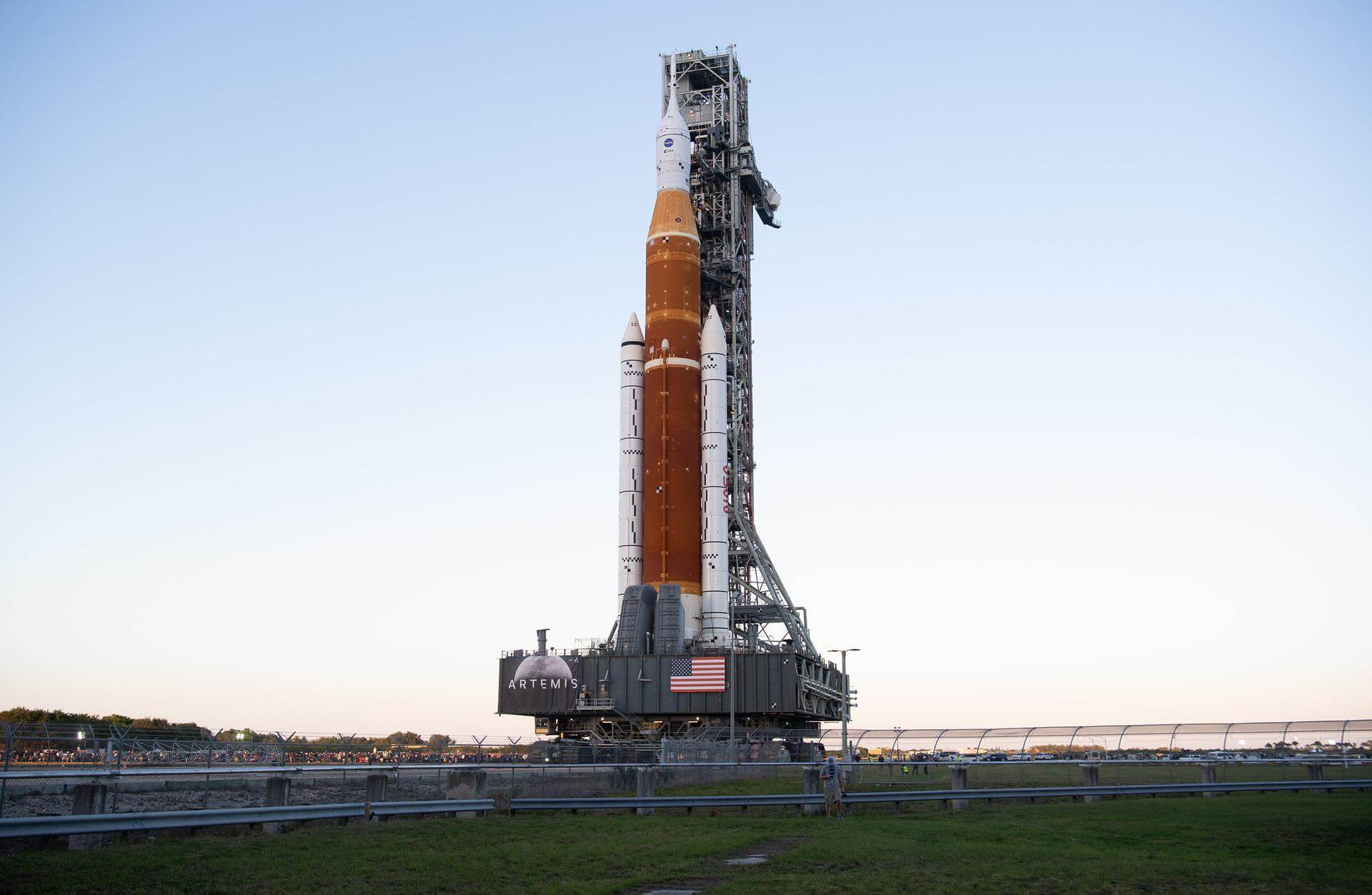
Launch Provider: National Aeronautics and Space Administration – Government
Launch Date: March 7, 2026
Launch Time: 1:29 AM UTC
Vehicle: Space Launch System (SLS)
Brief: Artemis II is the first crewed mission as part of the Artemis program. Artemis II will send a crew of 4 – 3 Americans and 1 Canadian around the moon and return them back to Earth.
The mission will test the core systems of NASA’s Orion spacecraft including the critical life support system, among other systems which could not be tested during Artemis I due to the lack of crew onboard.
📽️ No Livestream scheduled yet
SLS Block 1 | Artemis III
Launch Provider: National Aeronautics and Space Administration – Government
Launch Date: June 30, 2027
Launch Time: 12:00 AM UTC
Vehicle: Space Launch System (SLS)
Brief: No description available
📽️ No Livestream scheduled yet
SLS Block 1B | Artemis IV
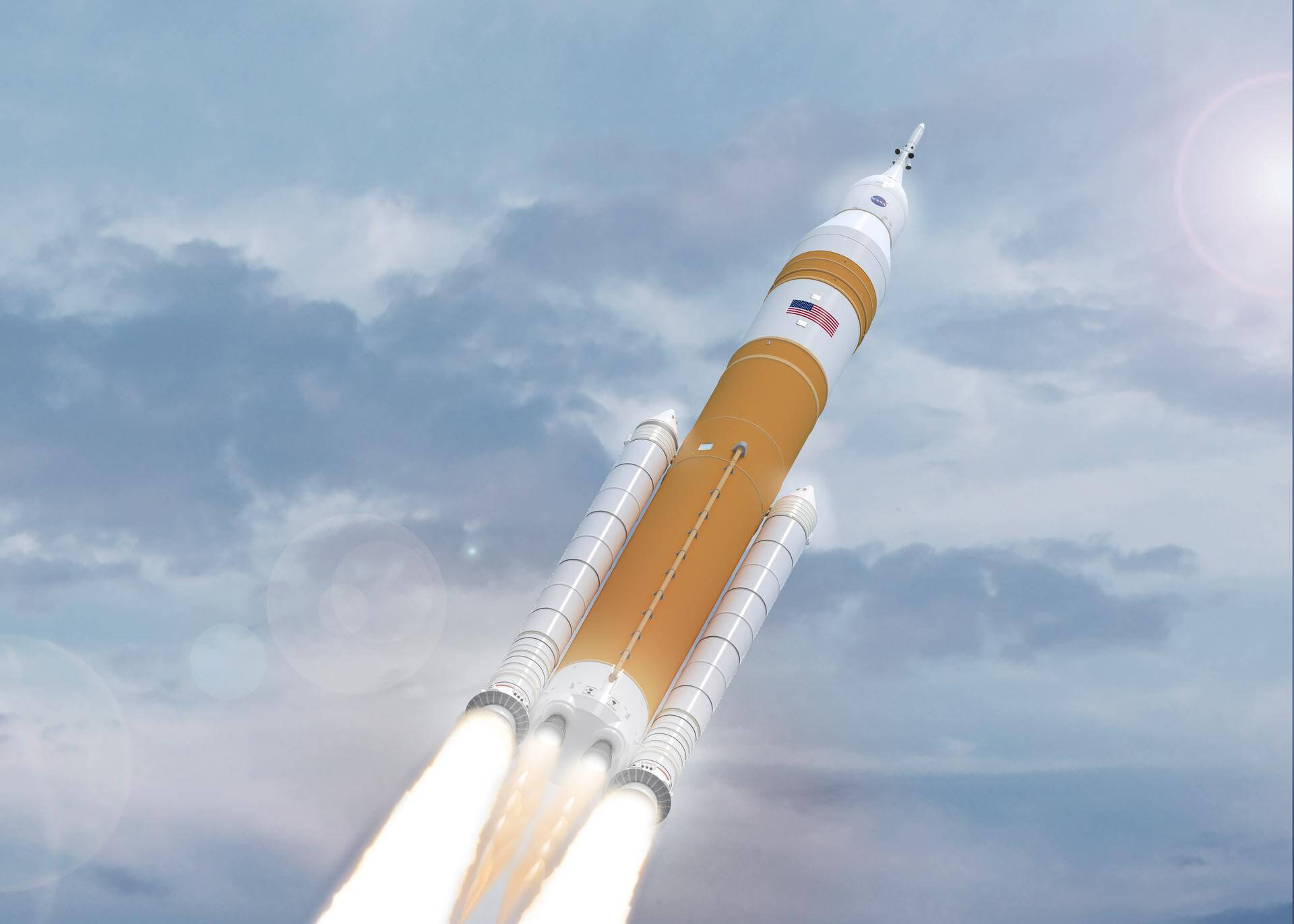
Launch Provider: National Aeronautics and Space Administration – Government
Launch Date: September 30, 2028
Launch Time: 12:00 AM UTC
Vehicle: Space Launch System (SLS)
Brief: No description available
📽️ No Livestream scheduled yet
SLS Block 1B | Artemis V
Launch Provider: National Aeronautics and Space Administration – Government
Launch Date: September 30, 2029
Launch Time: 12:00 AM UTC
Vehicle: Space Launch System (SLS)
Brief: No description available
📽️ No Livestream scheduled yet
SLS Block 1B | Artemis VI
Launch Provider: National Aeronautics and Space Administration – Government
Launch Date: September 30, 2030
Launch Time: 12:00 AM UTC
Vehicle: Space Launch System (SLS)
Brief: No description available
📽️ No Livestream scheduled yet

Leave a Reply