
The Daily Broadcast: Year-End Launches and Lunar Dreams: Canada’s Eye on the Sky
 Falcon 9 rocket on launchpad with COSMO-SkyMed Second Generation satellite” style=”display:block; margin:0 auto;”>
SpaceX Closes Out a Record-Breaking Year with Italian Earth Observation Mission
SpaceX is set to wrap up 2025 with its 166th Falcon 9 launch—a remarkable pace that underscores just how routine orbital access has become. The mission, scheduled for Saturday, December 28 at 6:09 p.m. PST (9:09 p.m. EST / 0209 UTC), will carry the third satellite in Italy’s COSMO-SkyMed Second Generation (CSG) constellation. These advanced radar-imaging satellites support both civilian and defense applications, including disaster monitoring and environmental surveillance. The Falcon 9 booster for this flight is making its 15th trip to space, further demonstrating SpaceX’s reusability achievements. If all goes as planned, this launch won’t just close the books on another busy year—it’ll also mark the last Falcon 9 flight before 2026 dawns. For space watchers in Canada’s western time zones, that’s a late-night show; for those in the Maritimes, it’ll be well past bedtime. Maybe set an alarm—or just catch the replay over your morning Tim Hortons coffee.
Jeremy Hansen Details His Artemis II Responsibilities Ahead of Historic Lunar Flyby

In a recent update, Canadian Space Agency astronaut Jeremy Hansen has shared new details about his role aboard NASA’s Artemis II mission—the first crewed lunar flyby since Apollo 17 in 1972. As Mission Specialist, Hansen will be responsible for monitoring spacecraft systems, supporting navigation, and managing communications during the roughly 10-day journey around the Moon. Notably, this mission will test the Orion spacecraft’s life support and crew performance in deep space, paving the way for future lunar landings. Hansen, a Royal Canadian Air Force fighter pilot by training, emphasized collaboration and real-time decision-making as critical elements of the flight. Canadians will be watching closely: Hansen’s participation fulfills Canada’s contribution to the Artemis program through the Canadarm3 robotic system, securing Canadian astronaut flights to the Moon. While an exact launch date remains fluid—NASA currently targets late 2025—the mission stands as a defining moment for Canada’s space legacy. It’s not every day a Canadian gets to loop behind the Moon; for Hansen, the view promises to be worth the wait.
Global Launch Cadence Highlights Growing Demand for Earth Observation
As SpaceX prepares its final launch of 2025, the mission underscores a broader trend: the accelerating demand for Earth observation data. Satellites like COSMO-SkyMed’s CSG-3 provide high-resolution synthetic aperture radar (SAR) imagery that works day and night, through clouds and smoke—capabilities increasingly vital for climate monitoring, agriculture, and emergency response. Governments and private companies alike are investing heavily in these systems, and launch providers are adapting to meet the pace. SpaceX’s 166 orbital missions this year alone dwarf previous global annual records, and competitors like Rocket Lab and Relativity Space are scaling up as well. This surge reflects not just technological advances but also policy shifts: more nations now treat space-based Earth data as critical infrastructure. For Canada, which operates its own RADARSAT constellation, the trend validates long-standing investments in space-based monitoring. While we may not be launching our own rockets weekly (yet!), our scientists and policymakers are active users of the very data missions like CSG-3 deliver. In other words, even if we’re not always the ones lighting the fuse, we’re certainly watching what’s going on down below—from very far above.
Citations
- “Live coverage: SpaceX to launch Italian Earth observation satellite on final Falcon 9 flight of 2025” – https://spaceflightnow.com/2025/12/27/live-coverage-spacex-to-launch-italian-earth-observation-satellite-on-final-falcon-9-flight-of-2025/
- “Jeremy Hansen discusses his role on the Artemis 2 mission to the moon” – https://spaceq.ca/jeremy-hansen-discusses-his-role-on-the-artemis-2-mission-to-the-moon/
Upcoming Launches
AIST-2T 01 & 02
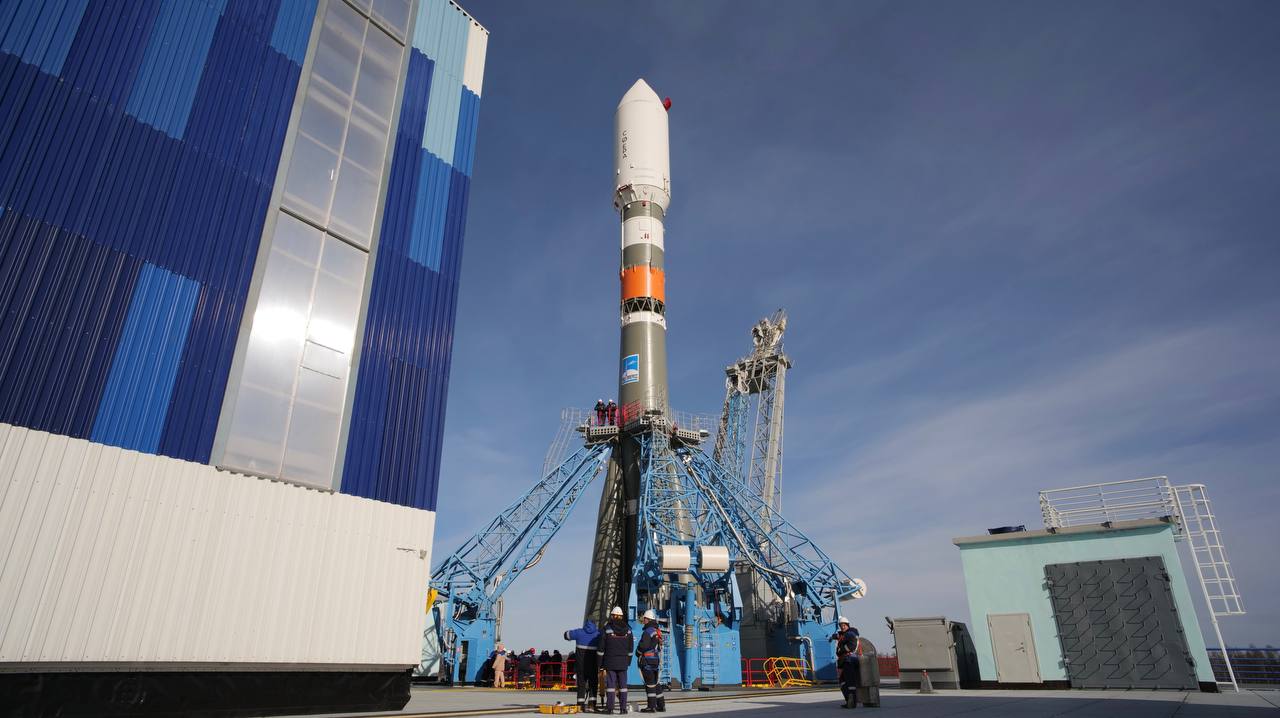
Launch Provider: Russian Federal Space Agency (ROSCOSMOS) – Government
Launch Date: December 28, 2025
Launch Time: 1:18 PM UTC
Vehicle: Soyuz 2.1b/Fregat-M
Brief: A pair of Russian optical Earth observation satellites built by the Progress Rocket Space Centre for obtaining stereo images of the Earth’s surface, with maximum resolution of 1.2 m in panchromatic mode and a swath width of 32 km.
50 small satellites will also be launched as ride-share payloads, including 3 from Iran.
CSG-3
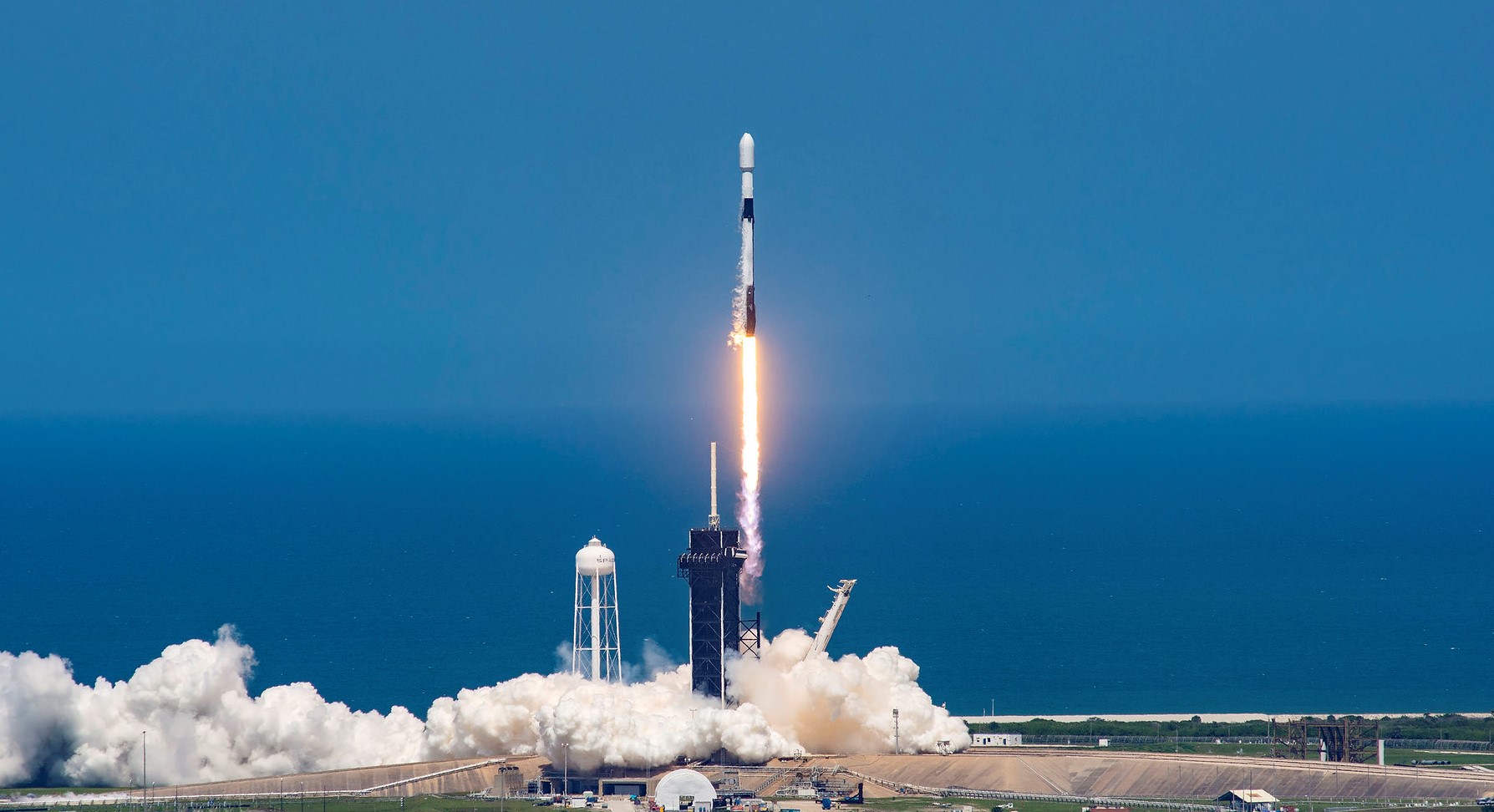
Launch Provider: SpaceX – Commercial
Launch Date: December 29, 2025
Launch Time: 2:09 AM UTC
Vehicle: Falcon 9
Brief: CSG-3 is an Earth observation satellite for the Italian Space Agency, part of a reconnaissance constellation using synthetic aperture radars operating in the X-band.
Unknown Payload
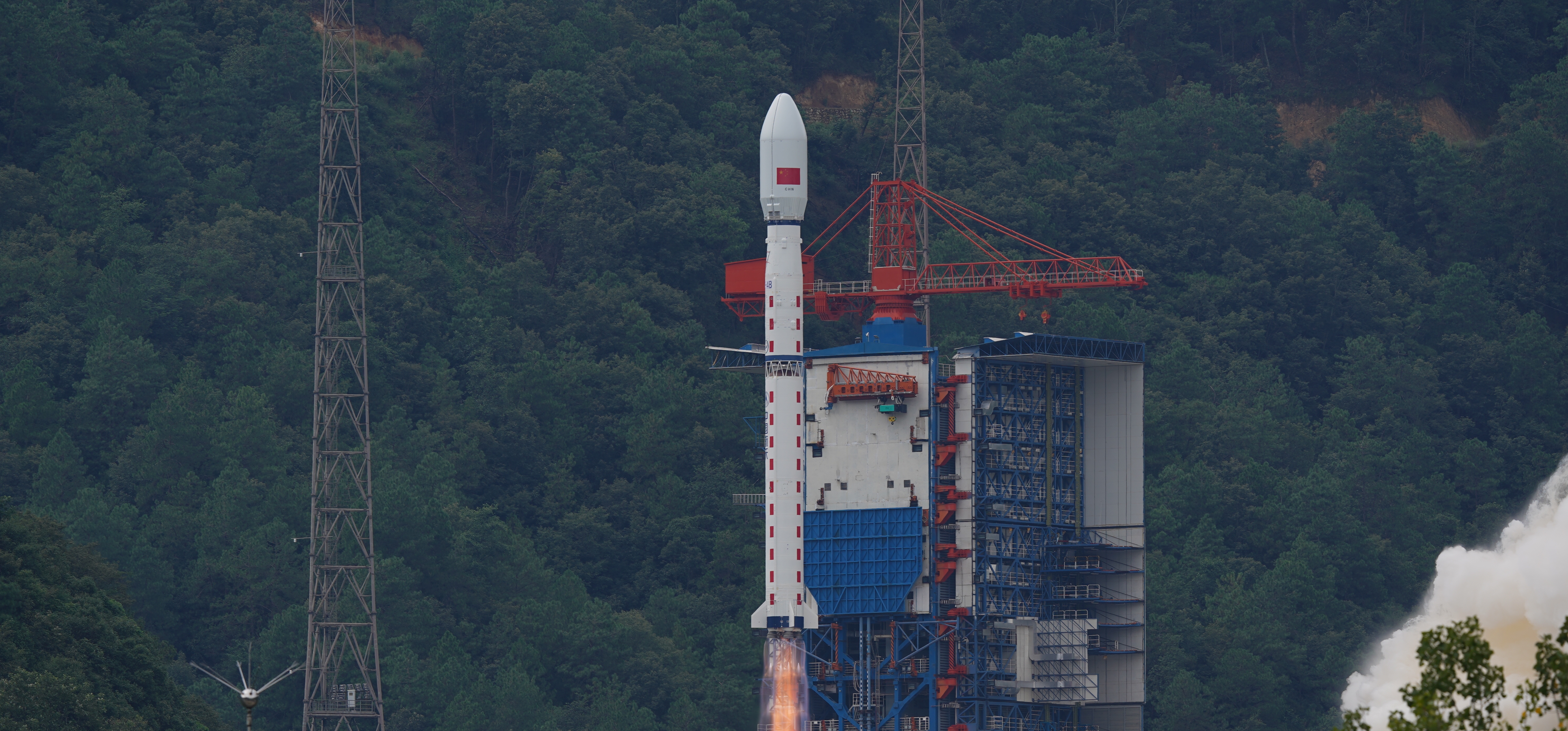
Launch Provider: China Aerospace Science and Technology Corporation – Government
Launch Date: December 30, 2025
Launch Time: 4:10 AM UTC
Vehicle: Long March 4B
Brief: Details TBD.
Unknown Payload
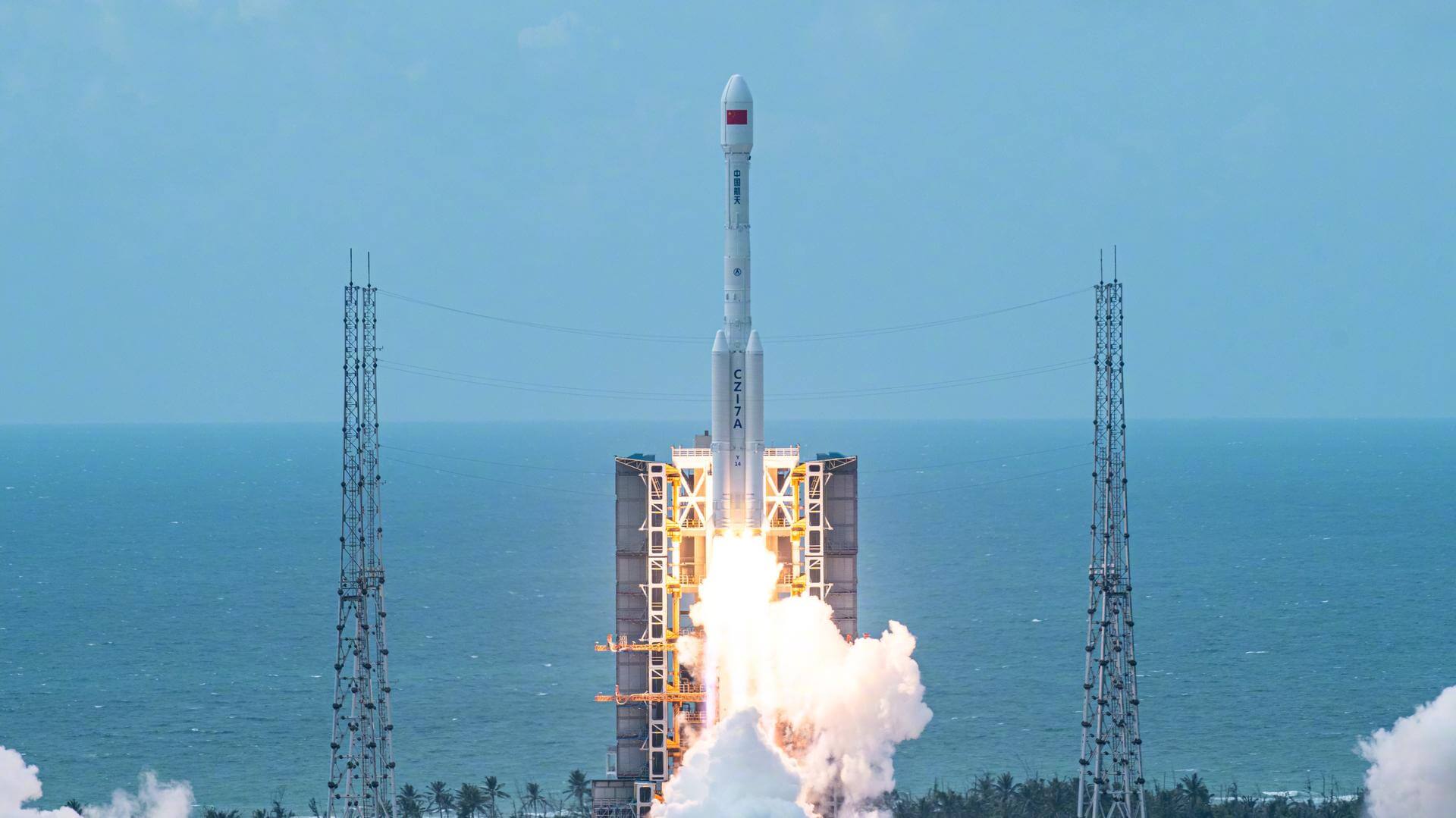
Launch Provider: China Aerospace Science and Technology Corporation – Government
Launch Date: December 30, 2025
Launch Time: 10:40 PM UTC
Vehicle: Long March 7A
Brief: Details TBD.
Demo Flight
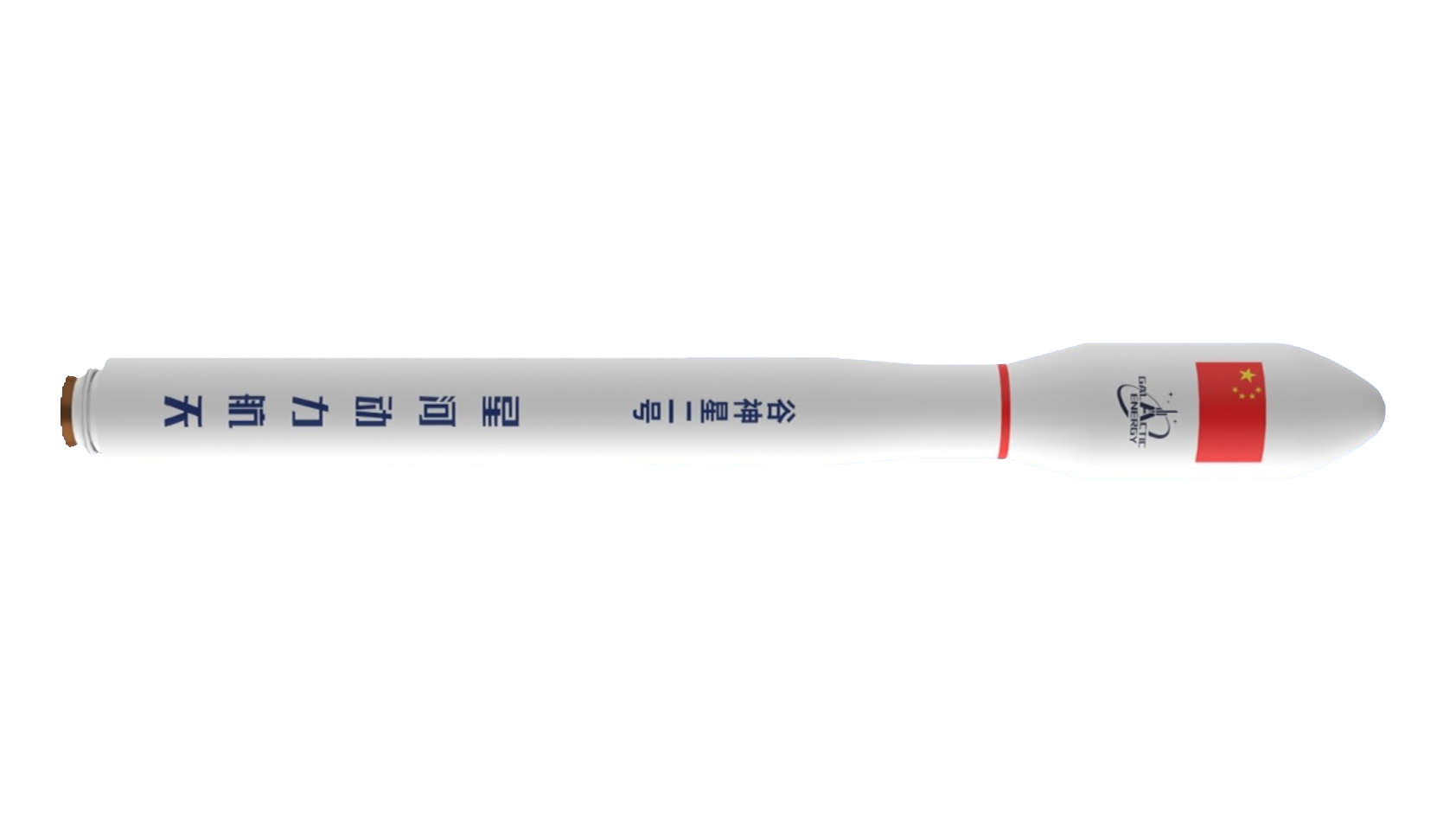
Launch Provider: Galactic Energy – Commercial
Launch Date: December 31, 2025
Launch Time: 12:00 AM UTC
Vehicle: Ceres-2
Brief: First test launch of Galactic Energy’s Ceres-2 rocket.
