
The Daily Broadcast: Wheels, Wings, and a Return to Flight: Aerospace Progress Marches On
Firefly Alpha Soars Again After Year-Long Hiatus
Firefly Aerospace successfully returned its Alpha rocket to flight on March 11, 2026, marking a critical milestone after more than 10 months grounded by setbacks. Launching at 8:50 p.m. EST from Space Launch Complex 2 at Vandenberg Space Force Base in California, the “Stairway to Seven” mission carried a classified technology demonstrator payload for Lockheed Martin. This was Firefly’s seventh Alpha flight—and the first since an April 2025 failure caused by structural damage during stage separation.
The company described the mission as a “complete success,” with both stages performing as planned, including a successful relight of the second-stage engine. Though orbital details weren’t disclosed, the webcast confirmed the vehicle reached an altitude of approximately 245 kilometres eight minutes after liftoff. Firefly CEO Jason Kim praised the team’s resilience, noting that lessons from past failures led to significant improvements in engineering, production, and testing protocols.
Flight 7 also served as a testbed for upcoming upgrades. Firefly plans to roll out its Alpha Block 2 configuration later this year, featuring stretched stages, new avionics, enhanced batteries, and improved thermal protection—all of which underwent partial validation during this mission. With Alpha now back on track, Firefly aims to support a growing manifest of commercial, civil, and defence payloads.

Lunar Habitat Gets Rolling—Thanks to Astrobotic’s Wheels
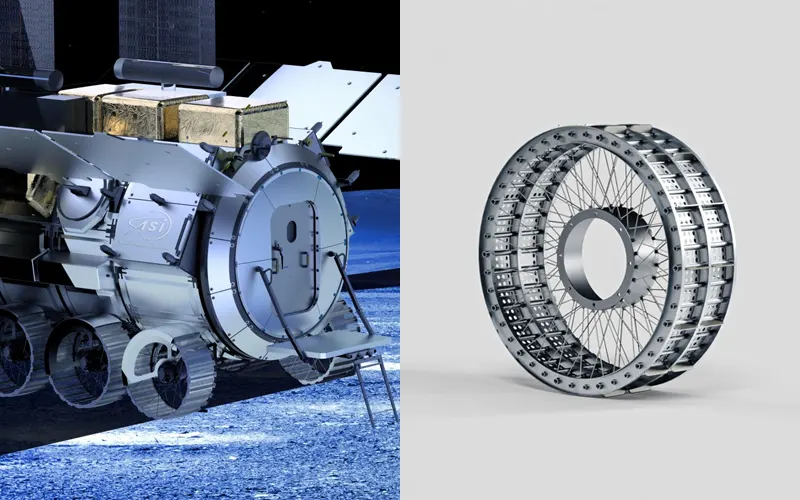
The Moon may soon see its first mobile habitat, and it’s getting its wheels from a familiar name in lunar logistics. On March 3, 2026, Thales Alenia Space awarded U.S.-based Astrobotic a contract to develop specialized wheels for the Multi-Purpose Habitation (MPH) module—a pressurized, crew-capable habitat being developed for the Italian Space Agency (ASI) under the Artemis programme.
Originally conceived as a static structure, the MPH module’s design evolved in mid-2024 to include mobility, enabling it to reposition during the frigid lunar night or relocate to scientifically compelling sites. Astrobotic’s solution draws from its existing Astrobotic Mobility Platform rover but is scaled up to support the habitat’s six-metre length and three-metre width. The wheels use lightweight tensioned cables between hub and rim, reducing mass while maintaining strength, and feature flexible treads that conform to the lunar regolith for better traction and durability.
If the project proceeds beyond its current two-year preliminary design phase, the MPH module could support two astronauts for missions of 7 to 30 days annually over a projected 10-year lifespan. While Canada isn’t directly involved in this ASI-led effort, it’s worth noting that Canadian contributions to Artemis—including Canadarm3 on the Gateway—underscore our nation’s integral role in enabling sustainable lunar exploration.
Artemis Landers Face Delays, But NASA Adapts Architecture
A new report from NASA’s Office of Inspector General (OIG), released March 10, 2026, highlights persistent schedule delays in the development of crewed lunar landers by SpaceX and Blue Origin—though costs remain under control. The audit found SpaceX’s Starship HLS (Human Landing System) is at least two years behind its original Artemis III timeline, with critical milestones like in-space cryogenic propellant transfer pushed from March 2025 to March 2026, and now likely slipping further into April 2026 or beyond.
Blue Origin’s Blue Moon Mark 2 lander, slated for Artemis V, is reportedly eight months behind schedule, with nearly half of the required design fixes from its 2024 Preliminary Design Review still unresolved as of August 2025. Both companies face technical hurdles in cryogenic fluid management—a crucial capability for transferring liquid oxygen and methane or hydrogen between vehicles in orbit.
In response, NASA announced on February 27, 2026, a revised Artemis architecture: Artemis III will now be a low Earth orbit (LEO) demonstration in mid-2027, where Orion will dock with one or both landers. Actual lunar landings are now expected with Artemis IV (early 2028) and Artemis V (late 2028). The OIG cautioned that NASA must adhere to “Test Like You Fly” principles, noting current uncrewed lander tests may not fully replicate operational conditions. While these adjustments buy time, they also underscore the immense complexity of returning humans to the Moon—a challenge Canada continues to support through advanced robotics and international collaboration.
Citations
- “Firefly Alpha returns to flight” – https://spacenews.com/firefly-alpha-returns-to-flight/
- “Thales Alenia Space Selects US Provider to Develop Lunar Habitat Wheels” – https://europeanspaceflight.com/thales-alenia-space-selects-us-provider-to-develop-lunar-habitat-wheels/
- “Report criticizes delays in Artemis lunar lander development” – https://spacenews.com/report-criticizes-delays-in-artemis-lunar-lander-development/
Upcoming Launches
Stairway to Seven
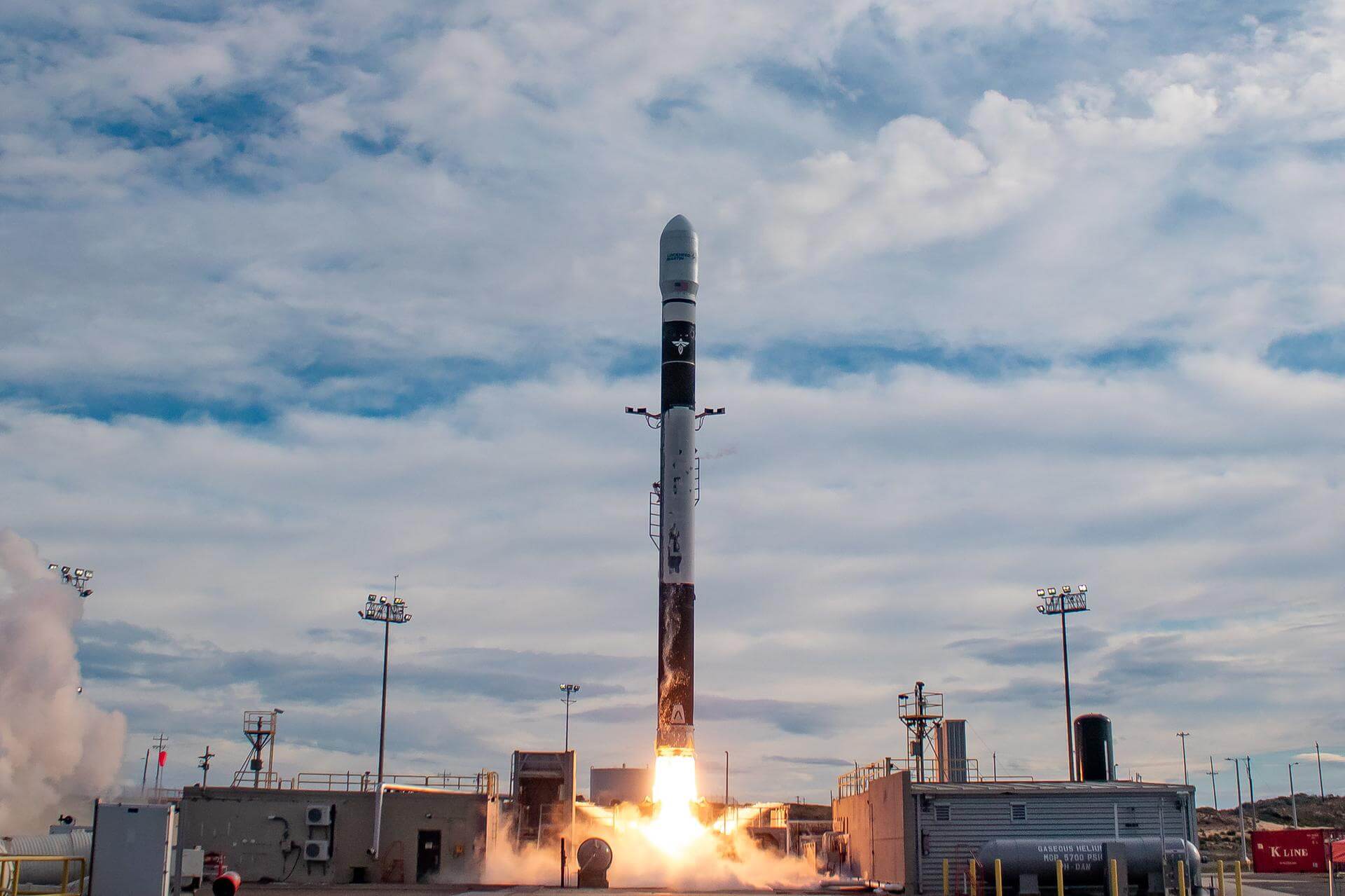
Launch Provider: Firefly Aerospace – Commercial
Launch Date: March 12, 2026
Launch Time: 12:50 AM UTC
Vehicle: Firefly Alpha
Brief: Firefly Alpha’s Flight 7 is a test flight and return-To-Flight for the launch vehicle after its April 2025 launch failure. It will test and validate key systems ahead of Firefly’s Block II configuration upgrade on Flight 8 that’s designed to enhance reliability and manufacturability across the vehicle.
Flight 7 is the last flown in Alpha’s current configuration and will test multiple Block II subsystems, including the in-house avionics and thermal improvements, to gain flight heritage and validate lessons learned ahead of the full configuration upgrade on Flight 8.
This launch also delivered a demonstrator payload for Lockheed Martin.
Unknown Payload
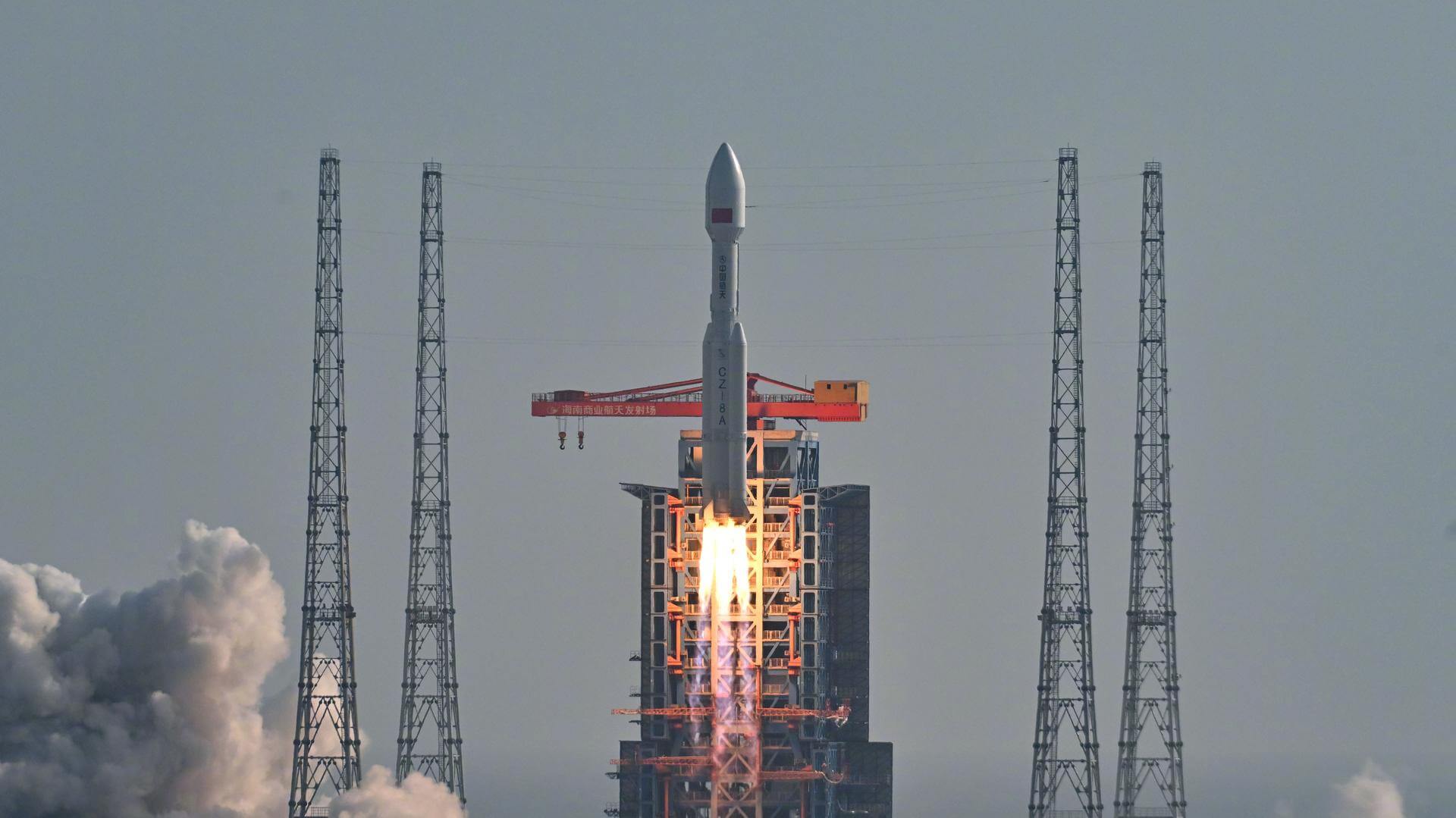
Launch Provider: China Aerospace Science and Technology Corporation – Government
Launch Date: March 12, 2026
Launch Time: 7:45 PM UTC
Vehicle: Long March 8A
Brief: Details TBD.
📽️ No Livestream scheduled yet
Unknown Payload
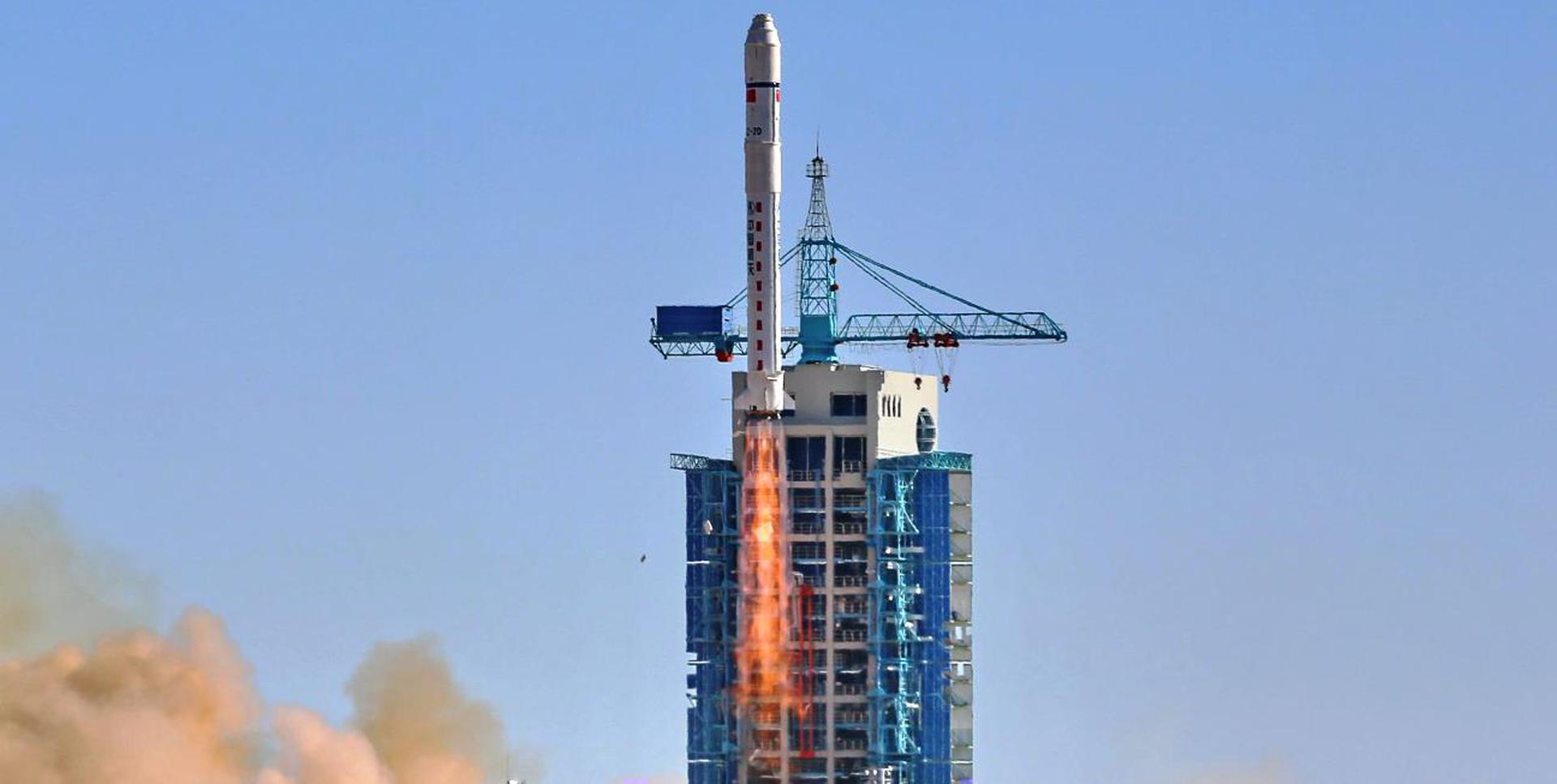
Launch Provider: China Aerospace Science and Technology Corporation – Government
Launch Date: March 12, 2026
Launch Time: 10:30 PM UTC
Vehicle: Long March 2D
Brief: Details TBD.
📽️ No Livestream scheduled yet
Starlink Group 10-48
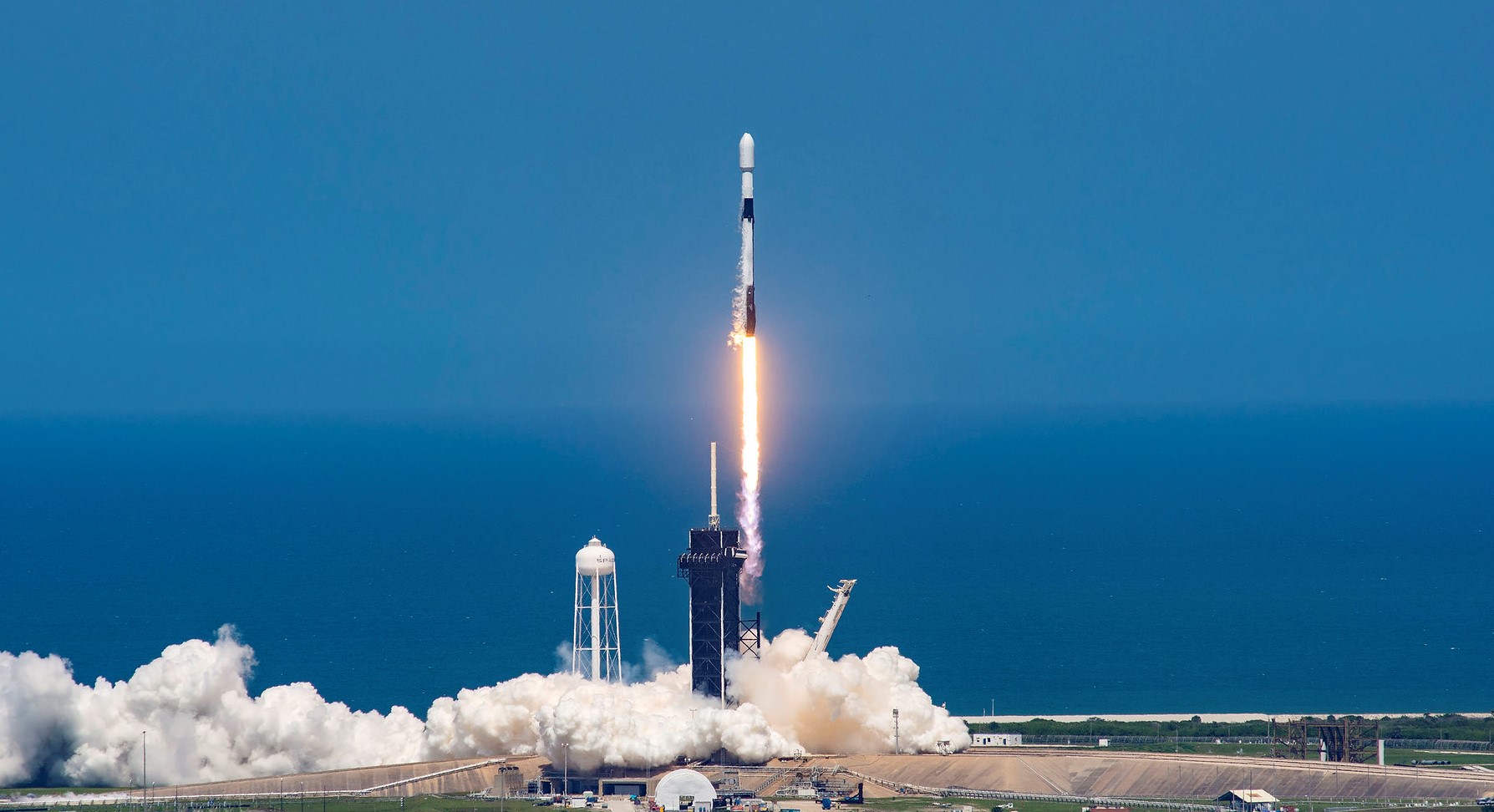
Launch Provider: SpaceX – Commercial
Launch Date: March 13, 2026
Launch Time: 10:00 AM UTC
Vehicle: Falcon 9
Brief: A batch of 29 satellites for the Starlink mega-constellation – SpaceX’s project for space-based Internet communication system.
Starlink Group 17-31
Launch Provider: SpaceX – Commercial
Launch Date: March 13, 2026
Launch Time: 10:58 AM UTC
Vehicle: Falcon 9
Brief: A batch of 25 satellites for the Starlink mega-constellation – SpaceX’s project for space-based Internet communication system.

Leave a Reply