
The Daily Broadcast: Weekend in Orbit: Dream Chaser Nears Flight, SpaceX Sets Pace, and Sentinel-6B Prepares to Watch Our Oceans

Weekend in Orbit: Dream Chaser Nears Flight, SpaceX Sets Pace, and Sentinel-6B Prepares to Watch Our Oceans
Dream Chaser Clears Critical Milestones Ahead of Maiden Mission
Sierra Space’s Dream Chaser, the winged spaceplane often affectionately dubbed the “space minivan,” has passed a series of key ground tests as it edges closer to its inaugural flight. The vehicle recently completed tow tests, propulsion system validations, and thermal vacuum chamber trials—all essential steps before its planned launch to the International Space Station under NASA’s Commercial Resupply Services 2 contract. While the first mission will be uncrewed and focused on cargo delivery, Sierra Space continues to evaluate potential civil and national security applications for future variants.
What makes Dream Chaser stand out in today’s launch landscape is its runway landing capability—unlike capsule-based systems that splash down in the ocean, Dream Chaser glides back to Earth and touches down on a conventional runway, enabling gentler recovery of sensitive experiments and hardware. Though not Canadian-built, the spaceplane’s versatility and reusability resonate with Canada’s long-standing interest in sustainable access to space. No official date has been announced for the first launch, but with major testing now complete, it appears the countdown is well underway. And if the spaceplane ever needs a snowy landing strip, it might just find a few suitable runways up here in the Great White North.
SpaceX Pulls Off Record-Breaking Double Launch from Florida
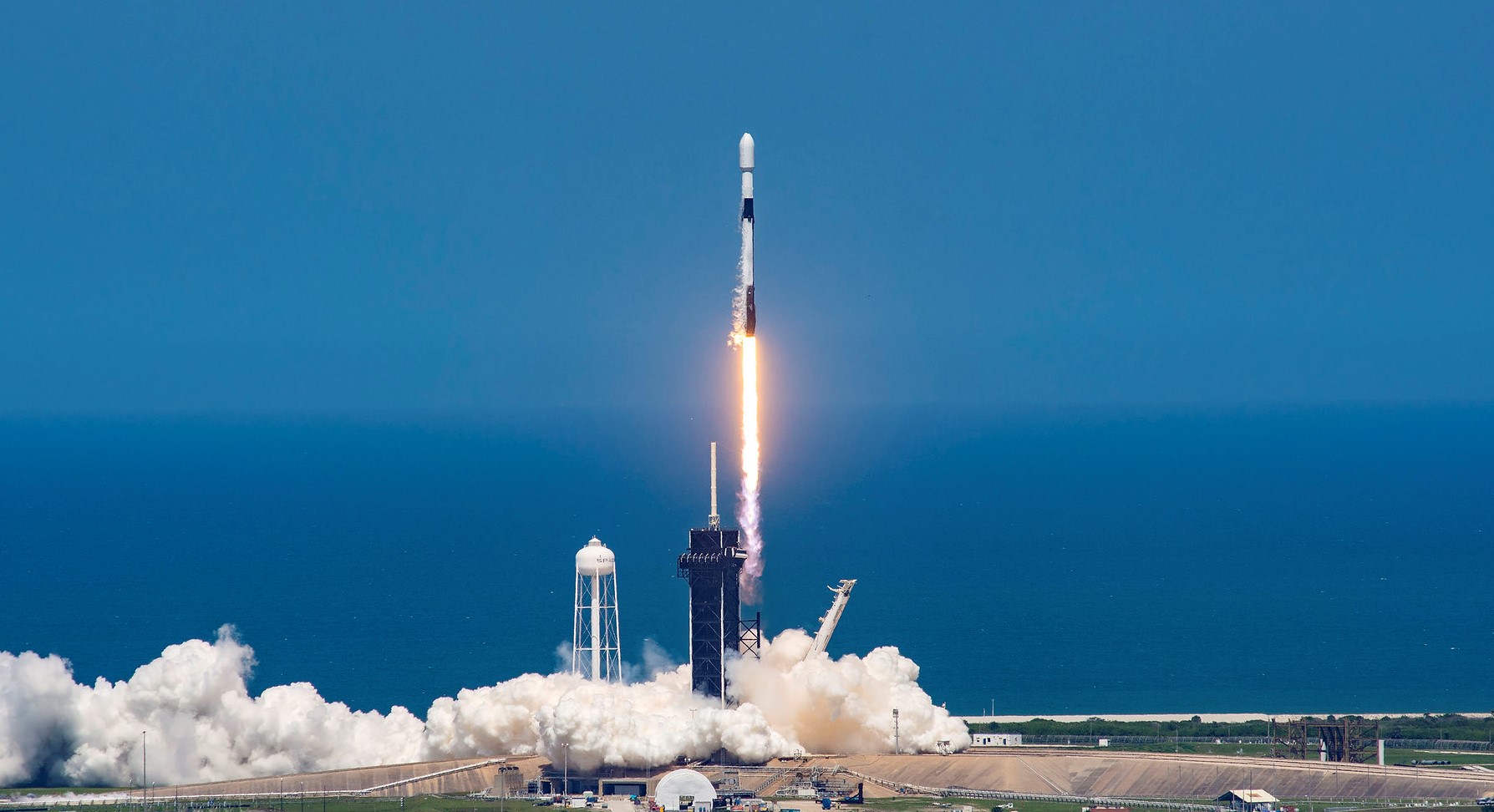
In a display of operational tempo that would make even the most caffeinated launch director blink twice, SpaceX successfully launched two Falcon 9 rockets from Florida’s Space Coast in just 3.5 hours early Saturday morning. The back-to-back missions—carrying a total of 58 Starlink satellites—mark the quickest turnaround between launches from a single spaceport in the company’s history and contribute to a record-breaking year. With these flights, SpaceX has now conducted 98 missions in 2025, surpassing last year’s high of 94.
The launches originated from adjacent pads at Kennedy Space Center and Cape Canaveral Space Force Station, underscoring the maturity of SpaceX’s infrastructure and rapid refurbishment capabilities. Both boosters executed textbook landings—one on a droneship in the Atlantic and the other back at Landing Zone 1—adding to the company’s growing fleet of flight-proven hardware. For observers in southern Ontario or eastern Quebec, these launches occasionally produce stunning upper-atmosphere light shows if timed just right with twilight. While no such sightings were reported this weekend, the sheer frequency of Falcon 9 flights means northern skywatchers may not have to wait long for their next celestial fireworks display.

Sentinel-6B Set to Monitor Rising Seas from Vandenberg
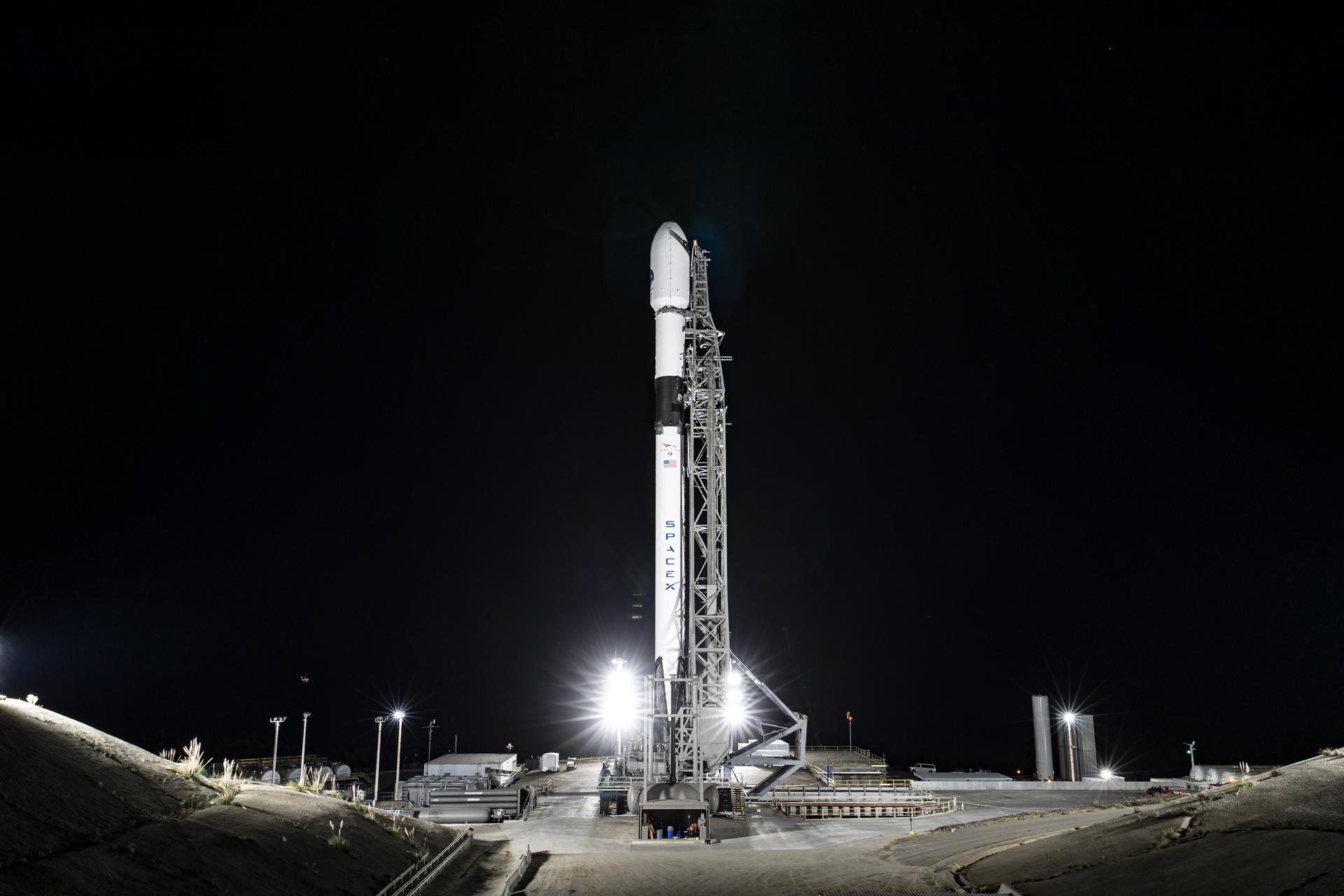
As coastal communities from Halifax to Vancouver grapple with the real-world impacts of climate change, a new sentinel is preparing to take its post in orbit. Sentinel-6B, the second satellite in the joint NASA–European Space Agency Copernicus Sentinel-6/Jason-CS mission, is scheduled to launch aboard a SpaceX Falcon 9 from Vandenberg Space Force Base in California at 12:21 a.m. EST on Monday, November 17. The spacecraft will continue a decades-long legacy of precise sea-level measurements, tracking changes across more than 90% of Earth’s oceans.
Equipped with a radar altimeter, Sentinel-6B will monitor ocean surface topography with millimeter-level accuracy—data critical for forecasting storm surges, planning coastal infrastructure, and understanding long-term climate trends. Its predecessor, Sentinel-6 Michael Freilich, launched in 2020 and remains operational, allowing for overlapping observations that enhance data continuity and reliability. Though Canada isn’t a formal partner in the mission, Canadian researchers at institutions like the Bedford Institute of Oceanography and universities coast to coast actively use Sentinel-6 data for marine forecasting and climate modeling. In an era where rising tides affect global trade, fisheries, and shoreline communities, this unassuming satellite may prove to be one of the most vital observers in low Earth orbit.
Citations
- “Dream Chaser completes key tests ahead of first flight” – https://spacenews.com/dream-chaser-completes-key-tests-ahead-of-first-flight/
- “Record doubleheader: SpaceX launches 2 Falcon 9 rockets from Florida” – https://www.spacedaily.com/reports/Record_doubleheader_SpaceX_launches_2_Falcon_9_rockets_from_Florida_999.html
- “NASA, European Partners Set to Launch Sentinel-6B Earth Satellite” – https://www.nasa.gov/missions/jason-cs-sentinel-6/sentinel-6b/nasa-european-partners-set-to-launch-sentinel-6b-earth-satellite/
Upcoming Launches
Sentinel-6B
Launch Provider: SpaceX – Commercial
Launch Date: November 17, 2025
Launch Time: 5:21 AM UTC
Vehicle: Falcon 9
Brief: The Sentinel-6 Michael Freilich (launched November 2020) and Sentinel-6B make up the Sentinel-6 mission, also known as Jason Continuity of Service (Jason-CS), which is a partnership between NASA, NOAA, ESA, and EUMETSAT. This mission continues the long-term global sea surface height data record begun by first Jason satellites in 1992.
VAN
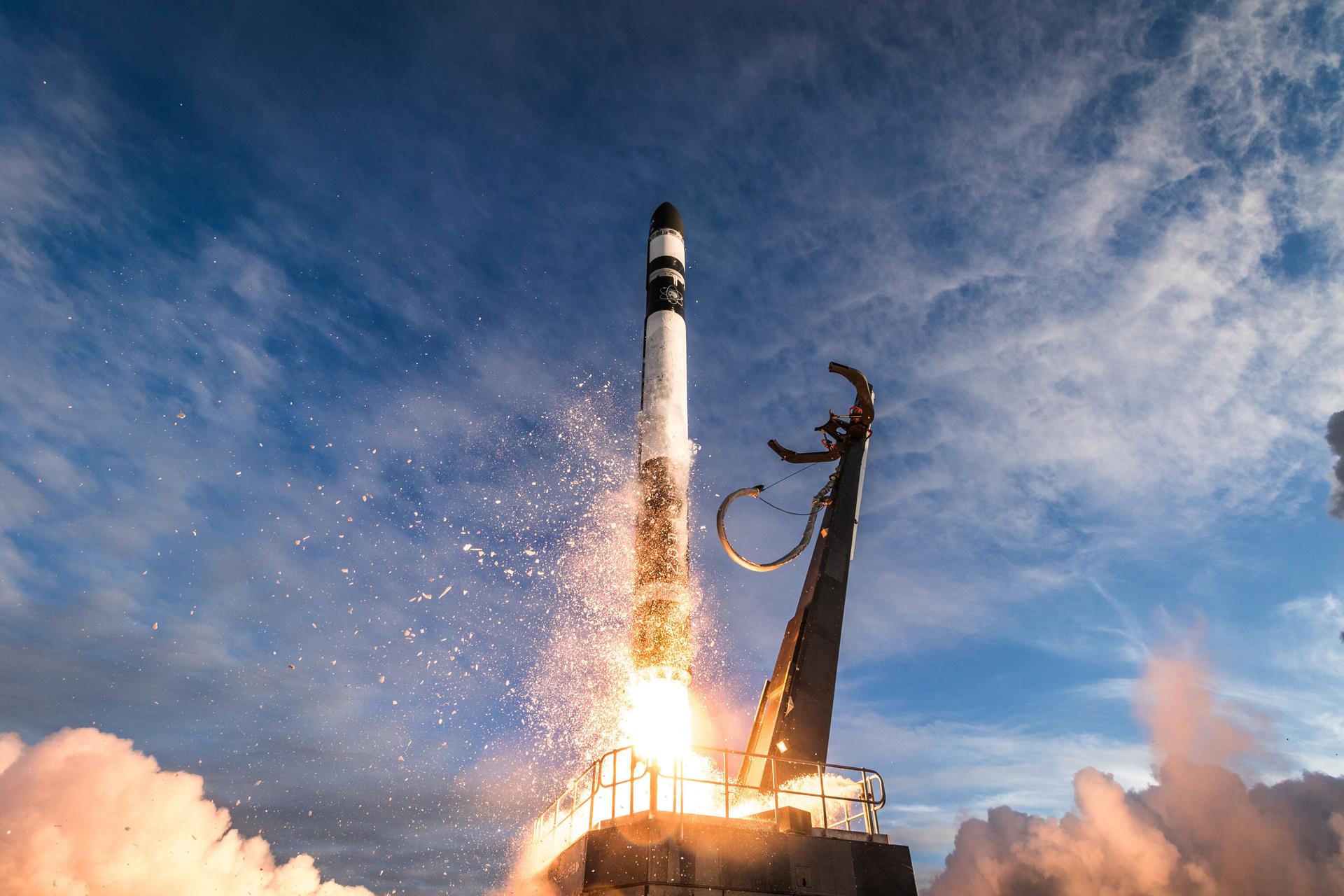
Launch Provider: Rocket Lab – Commercial
Launch Date: November 17, 2025
Launch Time: 12:45 PM UTC
Vehicle: Electron
Brief: Sub-orbital launch under Rocket Lab’s Hypersonic Accelerator Suborbital Test Electron (HASTE) program, details TBD.
Starlink Group 6-94
Launch Provider: SpaceX – Commercial
Launch Date: November 18, 2025
Launch Time: 11:29 PM UTC
Vehicle: Falcon 9
Brief: A batch of 29 satellites for the Starlink mega-constellation – SpaceX’s project for space-based Internet communication system.
Unknown Payload
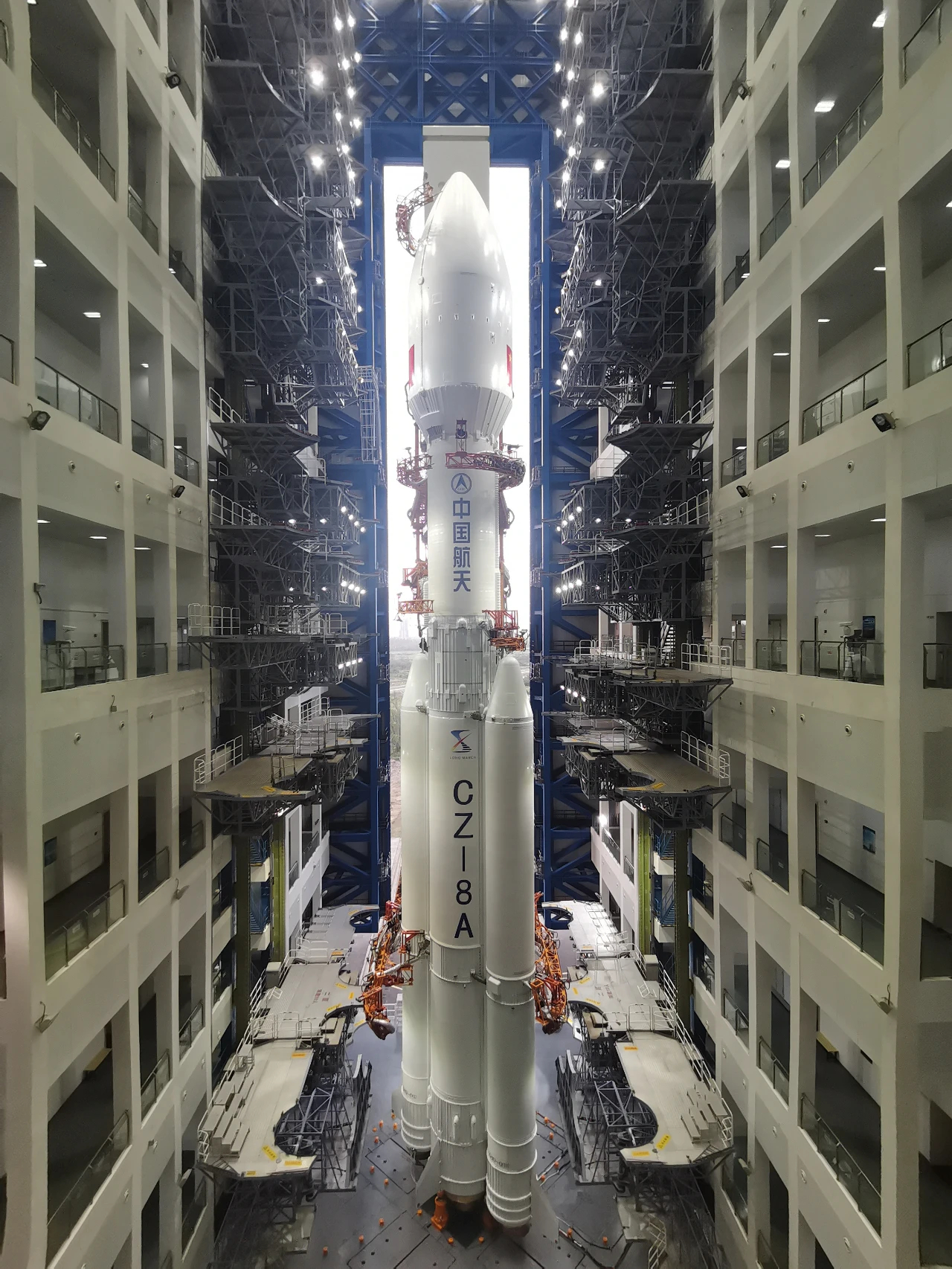
Launch Provider: China Aerospace Science and Technology Corporation – Government
Launch Date: November 19, 2025
Launch Time: 1:00 PM UTC
Vehicle: Long March 8A
Brief: Details TBD.
Transporter 15 (Dedicated SSO Rideshare)
Launch Provider: SpaceX – Commercial
Launch Date: November 19, 2025
Launch Time: 6:18 PM UTC
Vehicle: Falcon 9
Brief: Dedicated rideshare flight to a sun-synchronous orbit with dozens of small microsatellites and nanosatellites for commercial and government customers.
