
The Daily Broadcast: Tue Nov 11 2025
Delays, Determination, and Diplomacy in Space

Meanwhile, the **Shenzhou-20 mission** remains in a holding pattern. Chinese officials are still assessing damage from a suspected piece of orbital debris that may have struck the spacecraft. While crews aboard China’s space station appear safe, the return timeline is now uncertain. Space debris continues to be a silent, high-velocity threat—reminding us that even the most advanced missions remain vulnerable to the clutter we’ve left in low Earth orbit.
On a brighter note, **John McFall**, a Paralympic sprinter, orthopedic surgeon, and ESA Astronaut Reserve member, is proving that space is becoming more inclusive. His recent work with ESA’s **FLY initiative** confirms there are “no technical showstoppers” preventing astronauts with prosthetics from flying to the ISS. From parabolic flights to hardware certifications, McFall’s involvement isn’t just symbolic—it’s paving the way for a broader definition of who gets to explore space. As he puts it: if you can run on Earth with a prosthesis, why not in microgravity?
Citations
- Rocket Lab delays first Neutron launch to 2026 – https://spacenews.com/rocket-lab-delays-first-neutron-launch-to-2026/
- China continues assessment of Shenzhou-20 crew return after suspected debris strike – https://spacenews.com/china-continues-assessment-of-shenzhou-20-crew-return-after-suspected-debris-strike/
- John McFall | Prosthetics, Possibility & Parabolic Flights | ESA Explores #16 – https://www.esa.int/ESA_Multimedia/Videos/2025/10/John_McFall_Prosthetics_Possibility_Parabolic_Flights_ESA_Explores_16
Upcoming Launches
EscaPADE
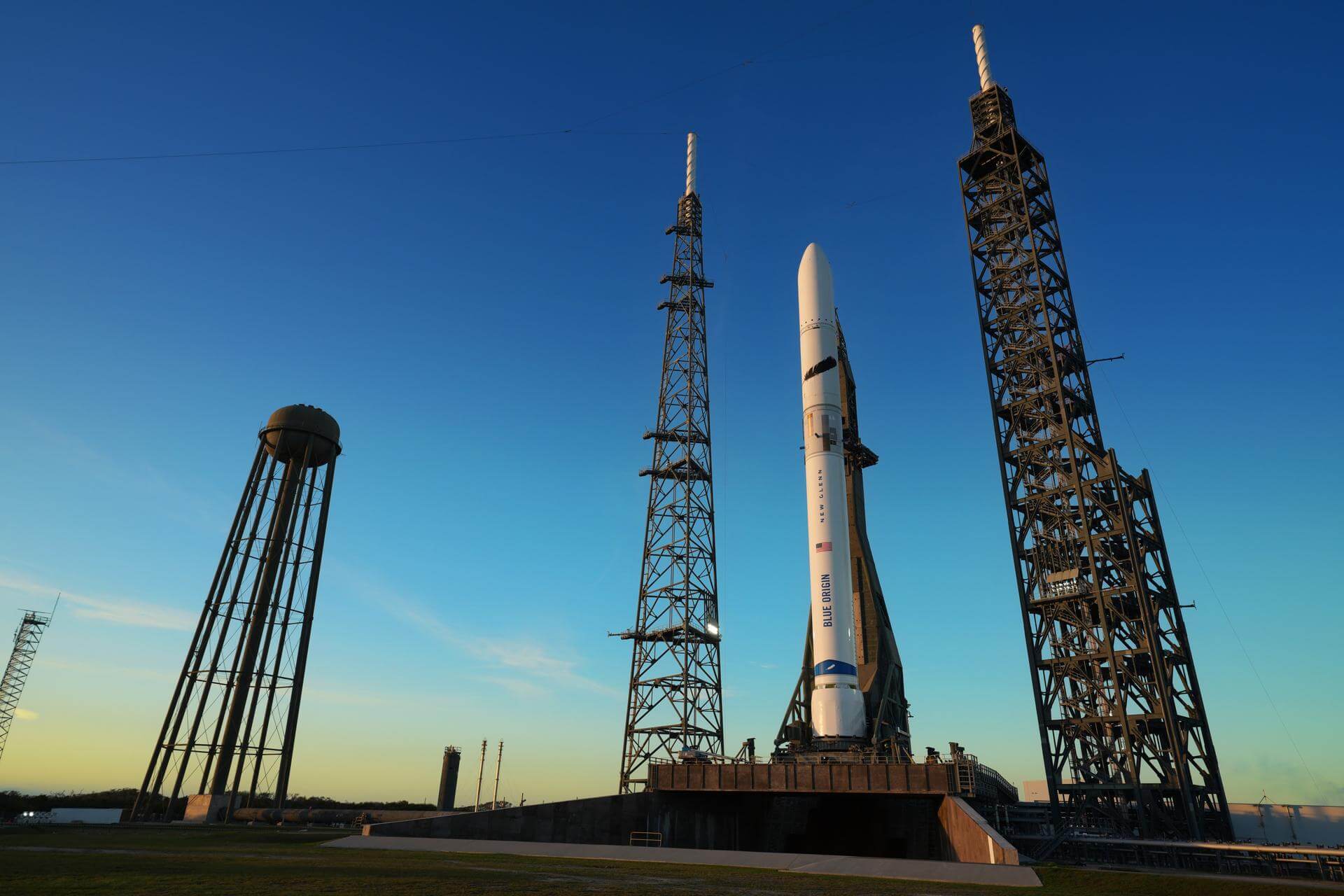
Launch Provider: Blue Origin – undefined
Launch Date: November 10, 2025
Launch Time: 7:40 PM UTC
Vehicle: New Glenn
Brief: Second flight of Blue Origin’s New Glenn launch vehicle carrying the Escape and Plasma Acceleration and Dynamics Explorers (EscaPADE), a dual-spacecraft mission from University of California, Berkeley to study ion and sputtered escape from Mars. The spacecrafts’ scientific goals are to understand the processes controlling the structure of Mars’ hybrid magnetosphere and how it guides ion flows; understand how energy and momentum are transported from the solar wind through Mars’ magnetosphere; and understand the processes controlling the flow of energy and matter into and out of the collisional atmosphere.
Starlink Group 6-87
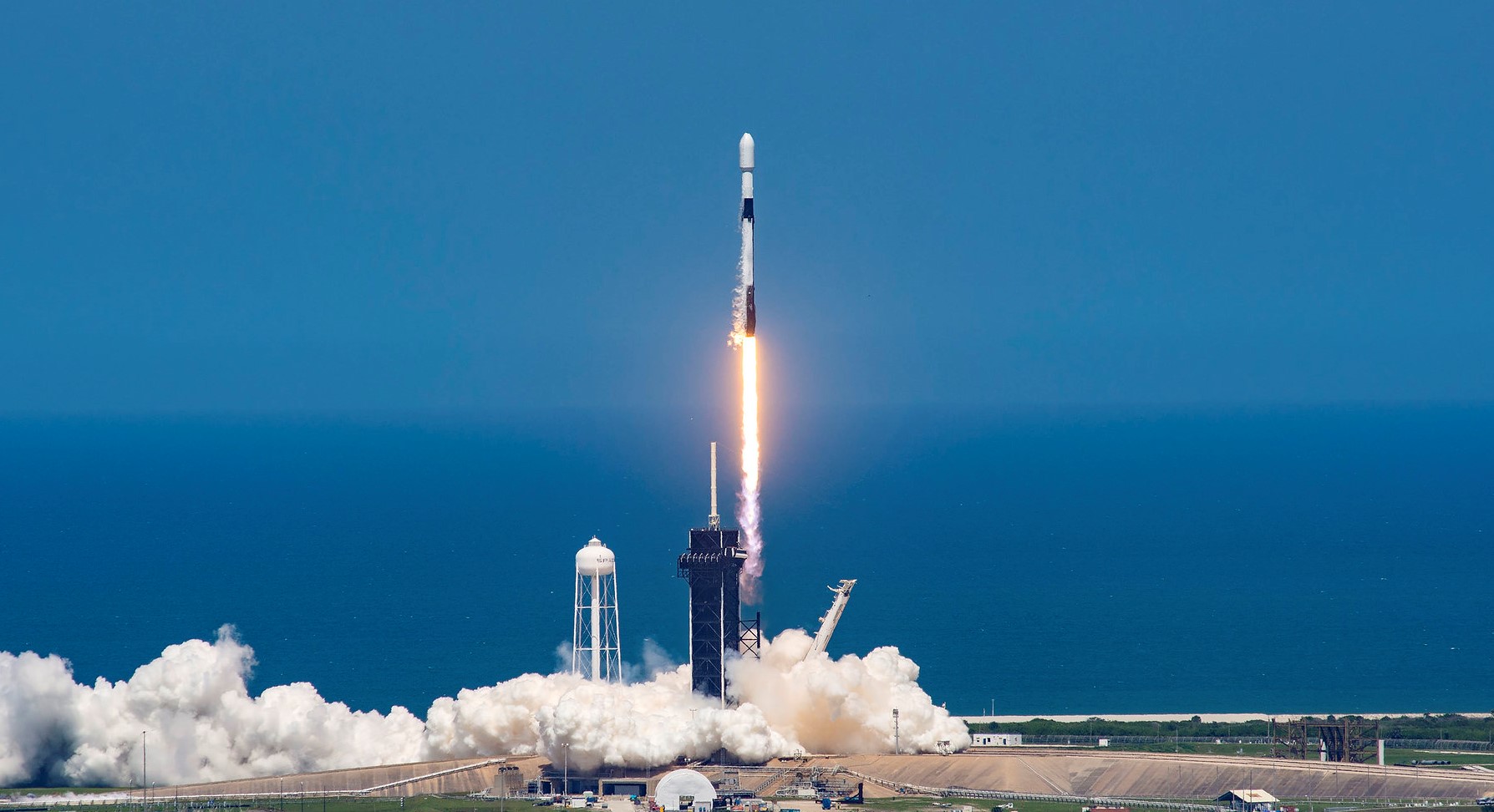
Launch Provider: SpaceX – undefined
Launch Date: November 11, 2025
Launch Time: 3:01 AM UTC
Vehicle: Falcon 9
Brief: A batch of 29 satellites for the Starlink mega-constellation – SpaceX’s project for space-based Internet communication system.
ViaSat-3 F2 (ViaSat-3 EMEA)
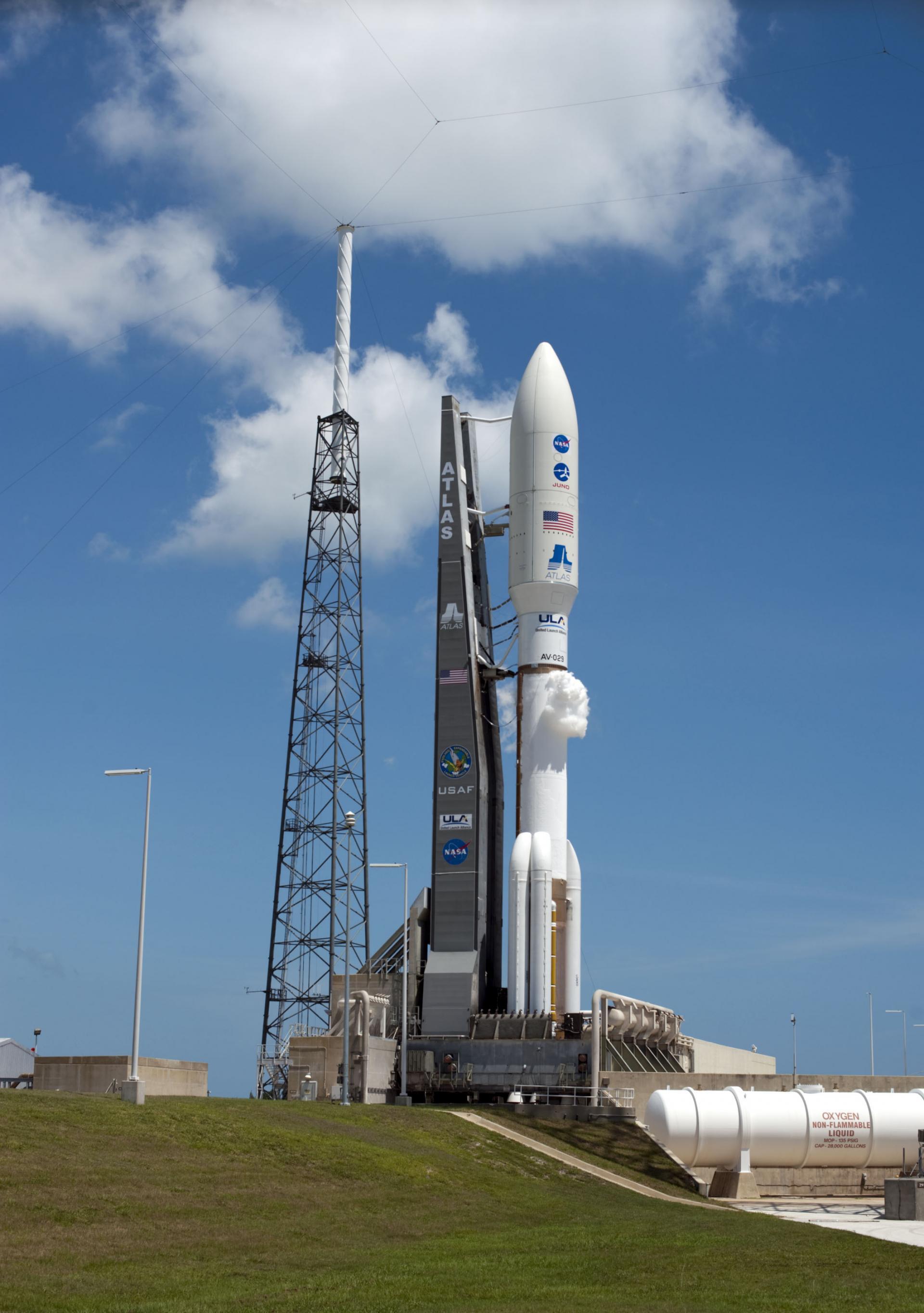
Launch Provider: United Launch Alliance – undefined
Launch Date: November 14, 2025
Launch Time: 3:00 AM UTC
Vehicle: Atlas V 551
Brief: The ViaSat-3 is a series of three Ka-band satellites is expected to provide vastly superior capabilities in terms of service speed and flexibility for a satellite platform. Each ViaSat-3 class satellite is expected to deliver more than 1-Terabit per second of network capacity, and to leverage high levels of flexibility to dynamically direct capacity to where customers are located.
Starlink Group 6-85
Launch Provider: SpaceX – undefined
Launch Date: November 15, 2025
Launch Time: 3:01 AM UTC
Vehicle: Falcon 9
Brief: A batch of 28 satellites for the Starlink mega-constellation – SpaceX’s project for space-based Internet communication system.
Starlink Group 6-89
Launch Provider: SpaceX – undefined
Launch Date: November 15, 2025
Launch Time: 3:01 AM UTC
Vehicle: Falcon 9
Brief: A batch of 29 satellites for the Starlink mega-constellation – SpaceX’s project for space-based Internet communication system.
