
The Daily Broadcast: The Moon Gambit: Rivalries, Realignment, and Rendezvous in Lunar Orbit
Artemis Ignites a New Lunar Race
As NASA’s Artemis II mission edges closer to launch, it’s becoming clear that the Moon isn’t just a destination—it’s the next strategic high ground. Slated to carry four astronauts on a ten-day circumlunar flight, Artemis II will not only mark the first crewed mission beyond low Earth orbit since Apollo but also signal the formal kickoff of a new space race. Though neither Washington nor Beijing openly acknowledges a competition, the geopolitical undertones are unmistakable. China is advancing its own crewed lunar ambitions in parallel, while the U.S.-led Artemis Accords continue to attract international signatories—now numbering over 40 countries. Canada, an early signatory, has committed its robotics expertise through the development of Canadarm3 for the Lunar Gateway, ensuring Canadian technology remains part of this new lunar architecture. The stakes go beyond flags and footprints; they involve long-term presence, resource access, and the shaping of norms for behaviour in cislunar space.

SpaceX Pivots From Mars to the Moon
In a notable strategic shift, Elon Musk announced on February 9, 2026, that SpaceX is temporarily deprioritizing its long-touted Mars colonization goals to focus on establishing a sustainable presence on the Moon. While Mars remains the company’s ultimate horizon, Musk acknowledged the near-term opportunities—and funding—in supporting NASA’s Artemis programme. SpaceX’s Starship has already been selected as the Human Landing System for Artemis III and beyond, and this pivot aligns the company’s immediate engineering priorities with lunar logistics, habitat deployment, and orbital refuelling demonstrations. Critics have long questioned the feasibility of Musk’s Mars timelines, so this recalibration may reflect both pragmatism and the reality of current contracts. It’s worth noting that lunar operations also serve as a crucial proving ground for deep-space technologies, including life support and in-situ resource utilization—skills that will eventually be needed for Mars. In other words, the Moon isn’t a detour; it’s a necessary pit stop.

Crew-12 Preps for Space Station Duty
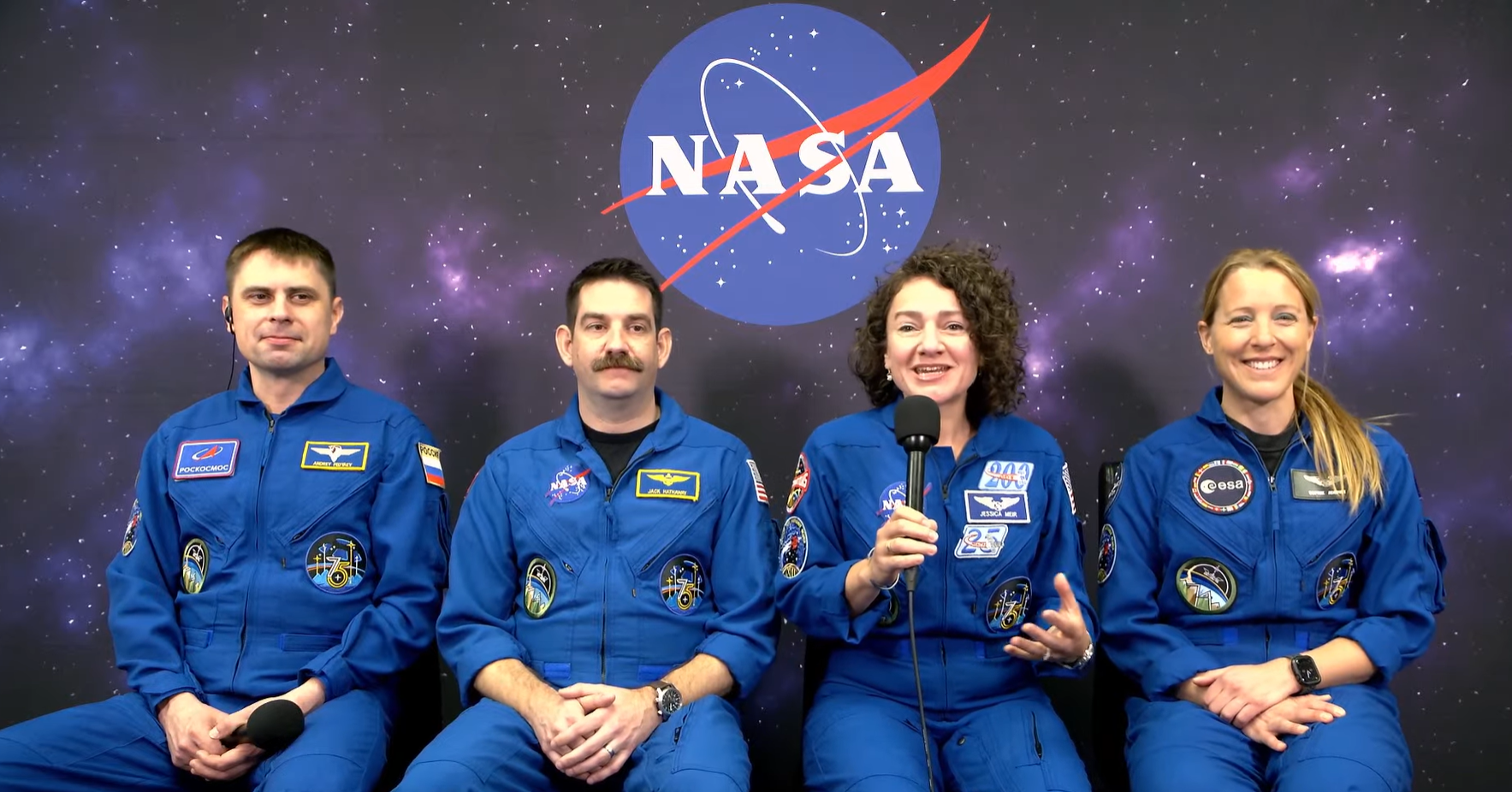
While lunar ambitions capture headlines, operations aboard the International Space Station continue uninterrupted. On February 8, 2026, the four members of NASA’s SpaceX Crew-12—Jessica Meir, Jack Hathaway, ESA astronaut Sophie Adenot, and Roscosmos cosmonaut Andrey Fedyaev—answered media questions from quarantine at Kennedy Space Center. The briefing offered a glimpse into their planned science objectives, which include biomedical experiments, Earth observation, and technology demonstrations. Though no Canadian astronaut is assigned to this rotation, Canadian-built systems like Canadarm2 and Dextre remain vital to station maintenance and external operations. Crew-12’s mission also underscores the enduring importance of international cooperation in low Earth orbit, even as geopolitical tensions rise elsewhere. For Canadian readers, the ISS remains a quiet but constant showcase of homegrown engineering—proving that while eyes turn to the Moon, our contributions to space continue daily, 400 kilometres overhead.
Citations
- “The Race Is On: Artemis, China and Musk Turn the Moon Into the Next Strategic High Ground” – https://www.spacedaily.com/reports/The_Race_Is_On_Artemis_China_and_Musk_Turn_the_Moon_Into_the_Next_Strategic_High_Ground_999.html
- “SpaceX shifts focus from Mars to Moon, Musk says” – https://www.spacedaily.com/reports/SpaceX_shifts_focus_from_Mars_to_Moon_Musk_says_999.html
- “NASA’s SpaceX Crew-12 Answer Questions from Quarantine” – https://www.nasa.gov/blogs/spacestation/2026/02/08/nasas-spacex-crew-12-answer-questions-from-quarantine/
Upcoming Launches
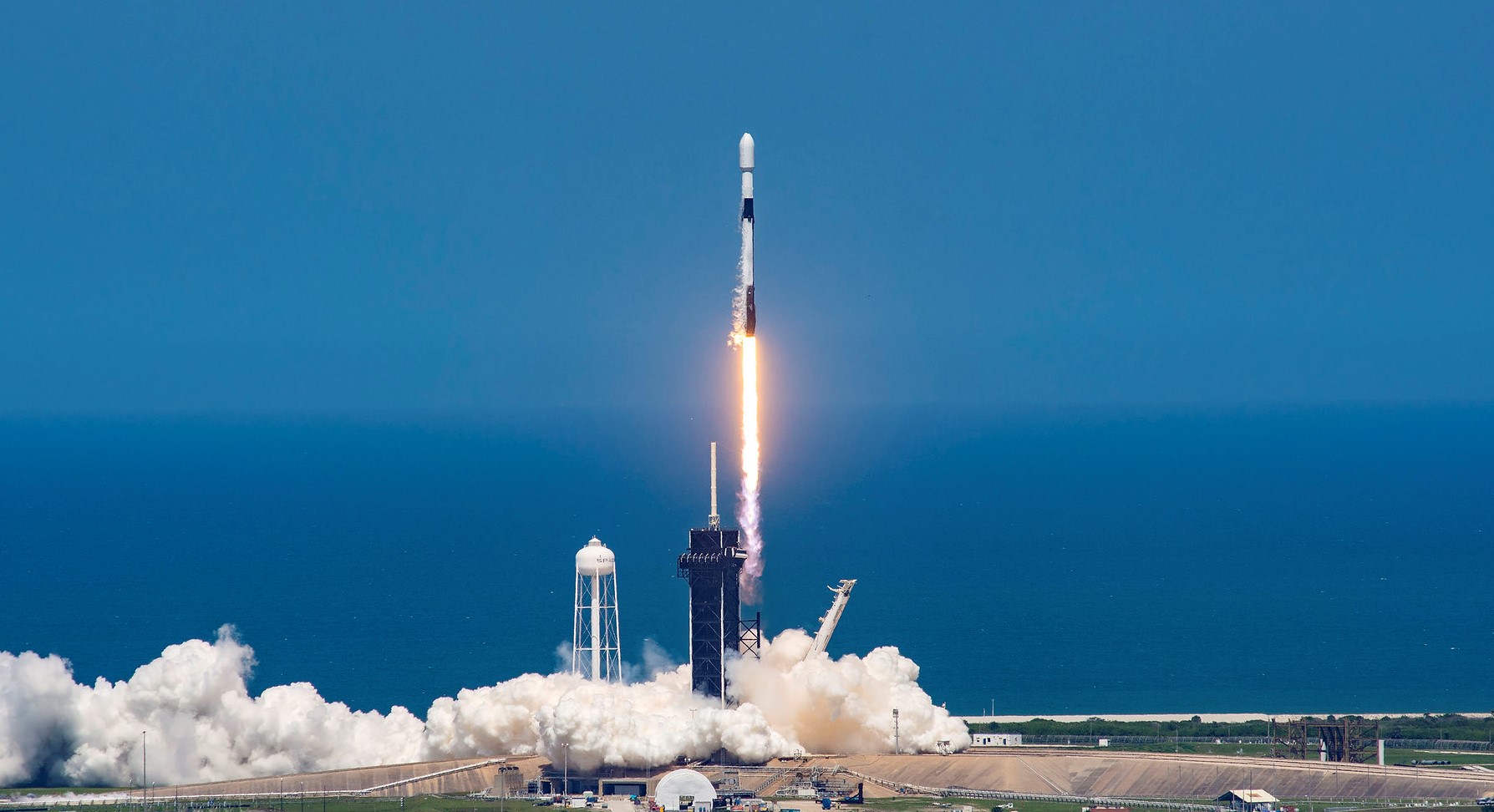
Crew-12
Launch Provider: SpaceX – Commercial
Launch Date: February 11, 2026
Launch Time: 11:01 AM UTC
Vehicle: Falcon 9
Brief: SpaceX Crew-12 is the twelfth crewed operational flight of a Crew Dragon spacecraft to the International Space Station as part of NASA’s Commercial Crew Program.
Starlink Group 17-34
Launch Provider: SpaceX – Commercial
Launch Date: February 11, 2026
Launch Time: 2:07 PM UTC
Vehicle: Falcon 9
Brief: A batch of 24 satellites for the Starlink mega-constellation – SpaceX’s project for space-based Internet communication system.
Unknown Payload
Launch Provider: China Rocket Co. Ltd. – Commercial
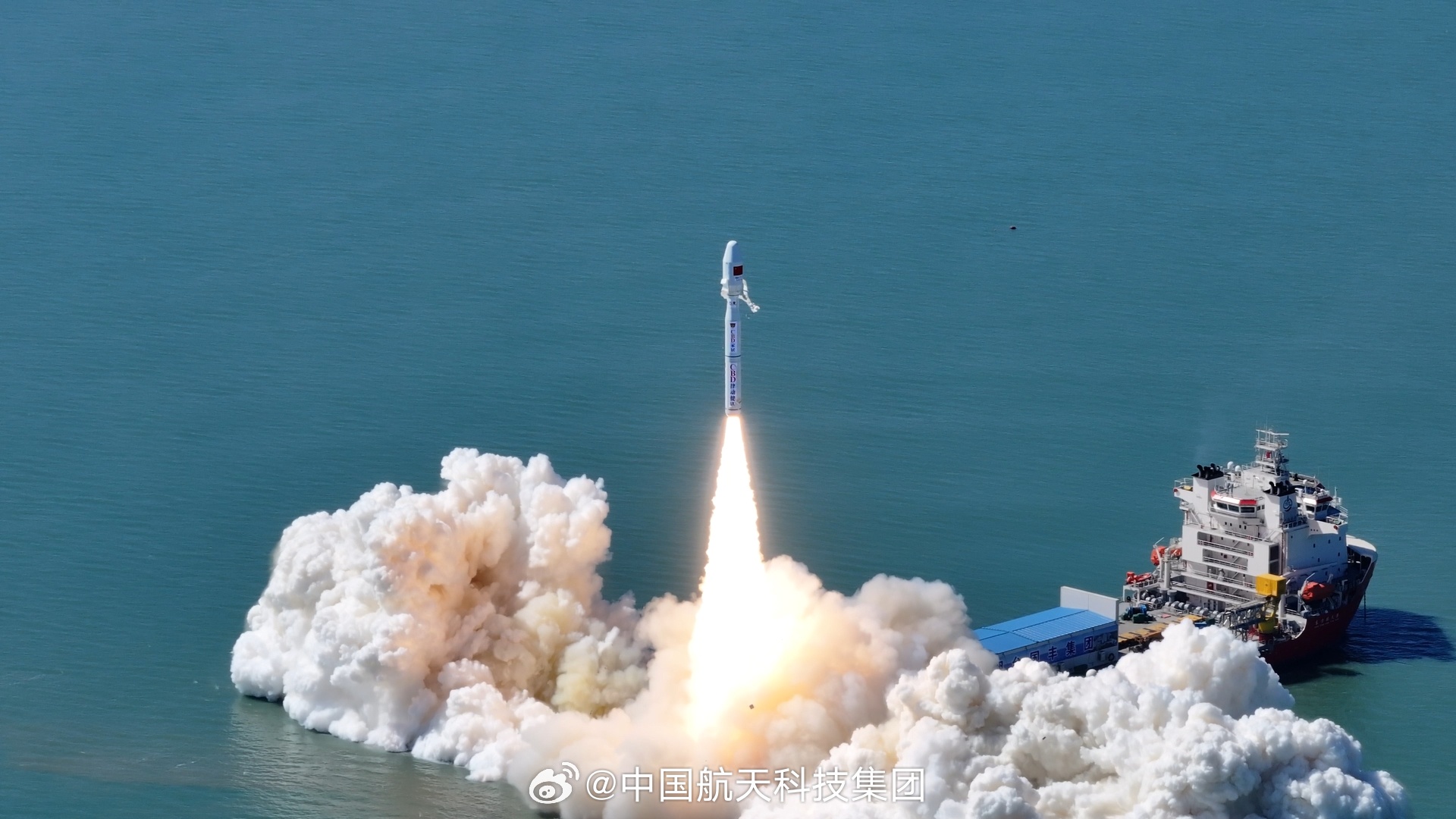
Launch Date: February 12, 2026
Launch Time: 6:30 AM UTC
Vehicle: Smart Dragon 3
Brief: Possibly an Earth observation satellite for the Pakistan government’s SUPARCO, details TBD.
USSF-87
Launch Provider: United Launch Alliance – Commercial
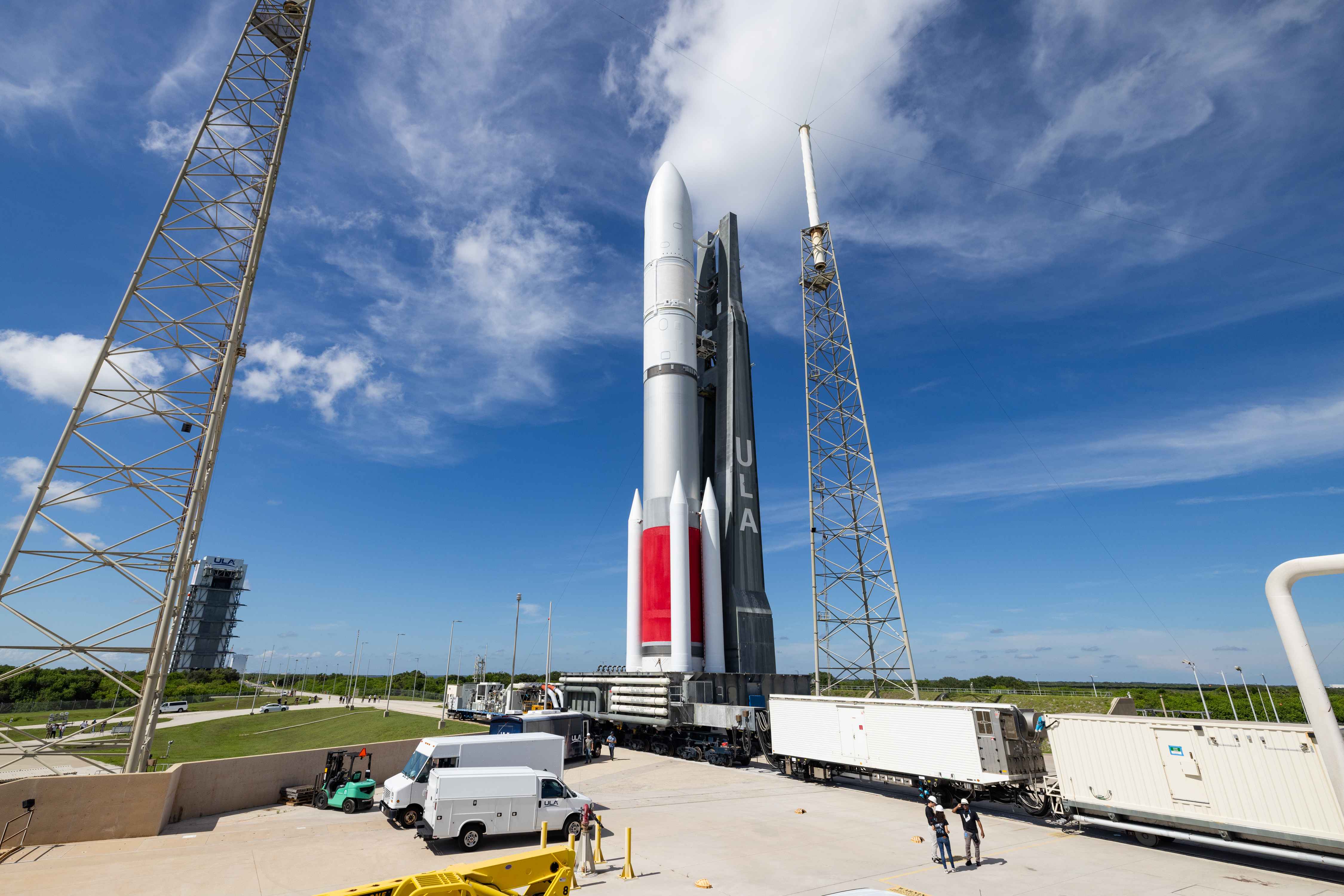
Launch Date: February 12, 2026
Launch Time: 8:00 AM UTC
Vehicle: Vulcan VC4S
Brief: USSF-87 will launch two identical Geosynchronous Space Situational Awareness Program (GSSAP) satellites GSSAP-7 and GSSAP-8 directly to a near-geosynchronous orbit approximately 36,000 km above the equator.
Data from the GSSAP will uniquely contribute to timely and accurate orbital predictions, further enabling space flight safety including satellite collision avoidance.
Elektro-L No.5
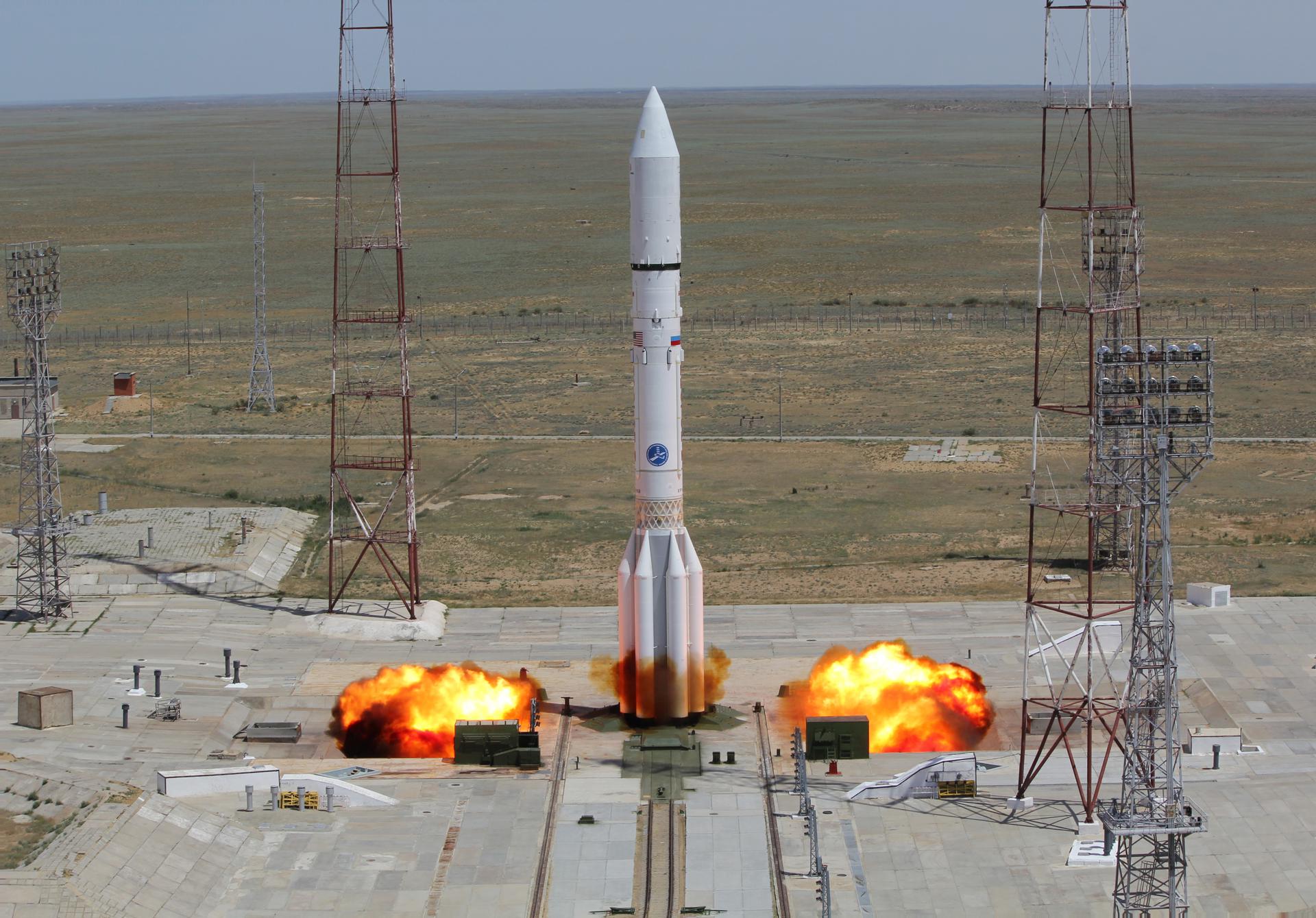
Launch Provider: Khrunichev State Research and Production Space Center – Government
Launch Date: February 12, 2026
Launch Time: 8:52 AM UTC
Vehicle: Proton-M
Brief: Elektro-L is a series of meteorological satellites developed for the Russian Federal Space Agency by NPO Lavochkin. They are designed to capture real-time images of clouds and the Earth’s underlying surface, heliogeophysical measurements, collection and translating hydrometeorological and service data.

Leave a Reply