
The Daily Broadcast: Shifting Gears: From Space Tourism to Lunar Ambitions and Arctic Delays
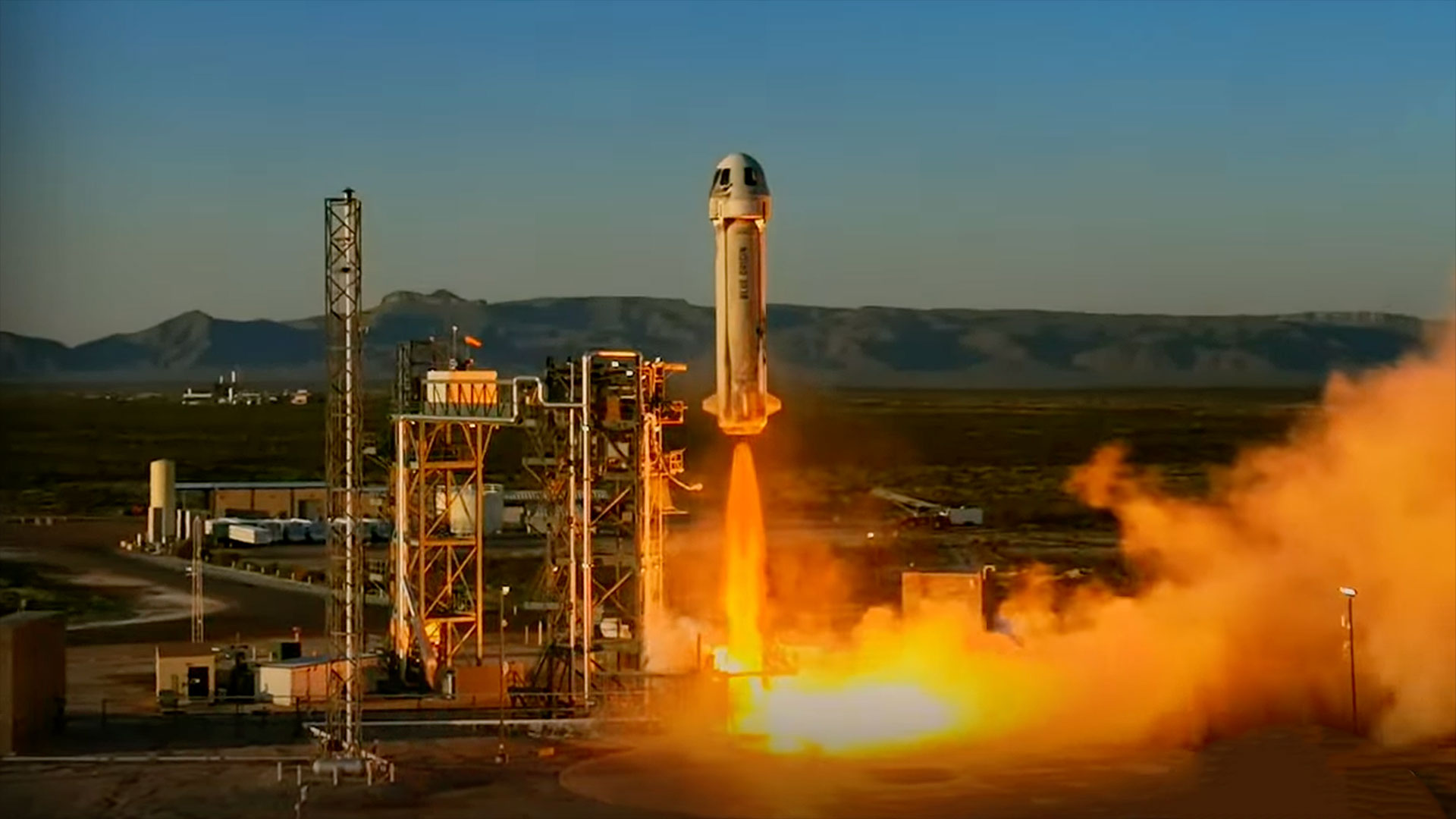
Blue Origin Pauses Space Tourism to Focus on the Moon
Jeff Bezos’s Blue Origin announced Friday it will pause its New Shepard space tourism flights for at least two years to redirect resources toward its lunar ambitions. The decision, as stated in a company release, is intended to “further accelerate development of the company’s human lunar capabilities.” New Shepard, which has flown 26 missions—six of them crewed—since 2015, has become a symbol of the burgeoning space tourism sector. However, with NASA’s Artemis programme gaining momentum and international competition heating up, Blue Origin appears to be betting big on the Moon rather than joyrides to the edge of space.
For frequent flyers who’ve booked (or dreamt of booking) a suborbital seat, the pause may be disappointing—but it underscores a broader shift in the industry. As lunar infrastructure becomes a strategic priority, companies are reallocating capital and talent accordingly. Blue Origin’s lunar lander, Blue Moon, is a contender in NASA’s Artemis supply chain, and this strategic pivot could position the company as a key player in sustained lunar presence. Whether space tourists will eventually return to New Shepard flights remains to be seen, but for now, the Moon is calling—and Blue Origin is answering.
NASA Delays Artemis II Wet Dress Rehearsal Due to Unusual Cold Snap
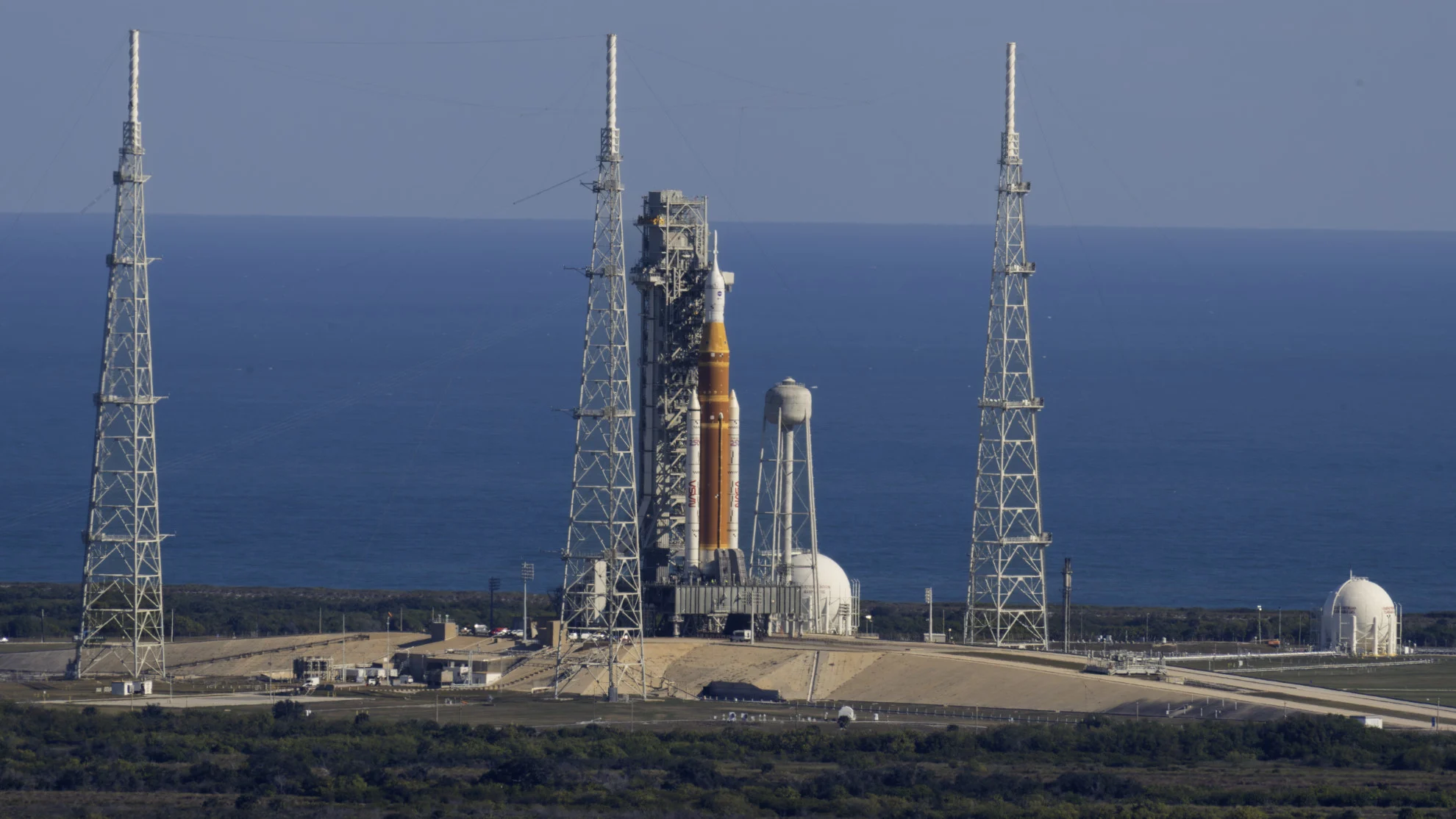
In a reminder that spaceflight is still beholden to Earth’s weather, NASA has pushed back the Artemis II mission’s wet dress rehearsal to February 2, with the launch now targeted for no earlier than February 8. The delay stems from an “unusual arctic outbreak” affecting Florida—yes, Florida—where freezing temperatures and high winds violate the strict environmental conditions required for handling the Space Launch System (SLS) rocket and Orion spacecraft.
Despite the chill, NASA engineers have kept Orion powered and configured its heaters to cope with the cold. Purge systems, which maintain proper environmental conditions for sensitive hardware like the booster aft skirts, have also been adjusted. The wet dress rehearsal—essentially a full launch simulation involving fueling and countdown procedures—will now begin at 9 p.m. EST on February 2. If all goes well, the actual launch window opens at 11:20 p.m. EST on February 8 and lasts for 120 minutes.
For Canadian space enthusiasts, this mission carries added significance: Canadian astronaut Jeremy Hansen will be aboard as part of the four-person crew, making him the first Canadian to orbit the Moon. While the delay is minor in the grand scheme of a multi-year programme, it’s a testament to the precision required in human spaceflight—even Mother Nature gets a vote.
Ground Infrastructure Emerges as Critical Bottleneck in Space Economy
While rockets and satellites often steal the spotlight, a quieter but equally vital challenge is gaining attention: ground infrastructure. Balerion Space Ventures has just invested in Northwood Space’s $100 million Series B funding round, targeting what it calls a “critical bottleneck” in the expanding space economy—terrestrial systems that support satellite operations.
As constellations grow—from Starlink’s thousands of satellites to national defence and Earth observation networks—the demand for reliable, scalable ground stations, data processing, and network management has surged. Northwood Space, a U.S.-based company, is developing software-defined ground infrastructure that can dynamically allocate bandwidth and support multiple missions simultaneously. This kind of flexibility is increasingly essential as launch frequency rises and operators seek to reduce latency and increase data throughput.
Though not a Canadian company, Northwood’s work has implications for Canada’s own space sector, where firms like Kepler Communications and Wyvern are building data-heavy satellite services. Efficient ground networks are the unsung backbone of space operations, and investments like Balerion’s signal a maturing industry that’s thinking beyond launch and into the full lifecycle of space systems. After all, even the most advanced satellite is only as useful as its ability to talk to Earth.

Citations
- “Bezos’s Blue Origin to ‘pause’ space tourism to focus on Moon efforts” – https://www.spacedaily.com/reports/Bezoss_Blue_Origin_to_pause_space_tourism_to_focus_on_Moon_efforts_999.html
- “NASA pushes Artemis 2 launch date to NET February 8” – https://spaceq.ca/nasa-pushes-artemis-2-launch-date-to-net-february-8/
- “Balerion backs Northwood to tackle ground bottlenecks in expanding space economy” – https://www.spacewar.com/reports/Balerion_backs_Northwood_to_tackle_ground_bottlenecks_in_expanding_space_economy_999.html
Upcoming Launches
Kosmos (Unknown Payload)
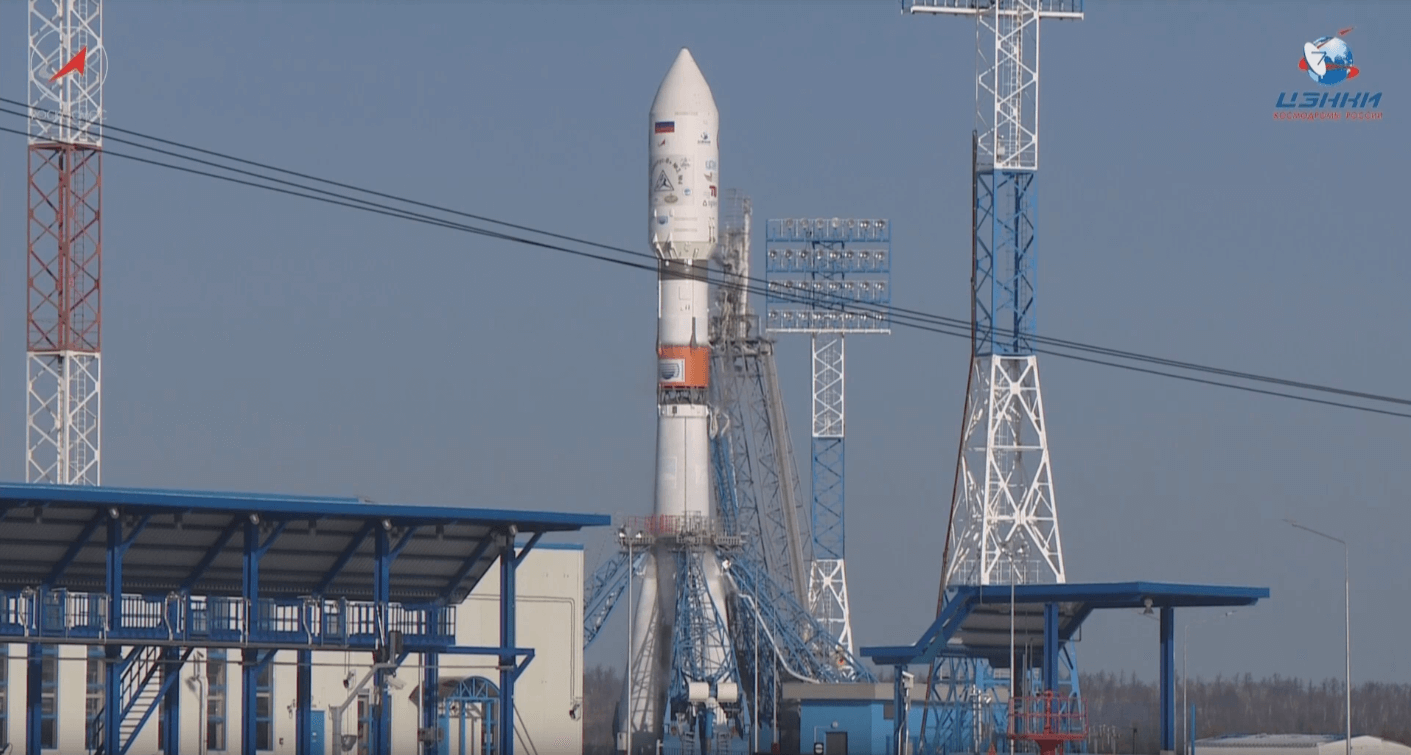
Launch Provider: Russian Space Forces – Government
Launch Date: February 2, 2026
Launch Time: 3:00 PM UTC
Vehicle: Soyuz 2.1a/Fregat-M
Brief: Unknown classified payload(s) for the Russian military.
Starlink Group 17-32

Launch Provider: SpaceX – Commercial
Launch Date: February 2, 2026
Launch Time: 3:17 PM UTC
Vehicle: Falcon 9
Brief: A batch of 25 satellites for the Starlink mega-constellation – SpaceX’s project for space-based Internet communication system.
Starlink Group 6-103
Launch Provider: SpaceX – Commercial
Launch Date: February 3, 2026
Launch Time: 10:12 PM UTC
Vehicle: Falcon 9
Brief: A batch of 29 satellites for the Starlink mega-constellation – SpaceX’s project for space-based Internet communication system.
Starlink Group 17-33
Launch Provider: SpaceX – Commercial
Launch Date: February 6, 2026
Launch Time: 5:05 PM UTC
Vehicle: Falcon 9
Brief: A batch of 25 satellites for the Starlink mega-constellation – SpaceX’s project for space-based Internet communication system.
Starlink Group 6-104
Launch Provider: SpaceX – Commercial
Launch Date: February 7, 2026
Launch Time: 9:41 AM UTC
Vehicle: Falcon 9
Brief: A batch of 29 satellites for the Starlink mega-constellation – SpaceX’s project for space-based Internet communication system.
