
The Daily Broadcast: Setbacks, Signals, and Satellites: A Busy Day in Orbit

Rocket Lab’s Neutron Faces Testing Delay
Rocket Lab has hit a snag in the development of its next-generation Neutron rocket. During qualification testing, a tank built for the vehicle was damaged, potentially pushing back the inaugural launch further. The company confirmed the incident in a statement, noting that while the issue is serious, it’s part of the rigorous validation process necessary for such a complex launch system. Neutron, designed to be a reusable medium-lift rocket, is central to Rocket Lab’s ambitions to compete in the market for larger payloads and human spaceflight missions. The company has not yet provided a revised timeline for the first flight but emphasized that engineering teams are already assessing the damage and implementing corrective actions.
For Canadian space watchers, this is a reminder of how demanding rocket development remains—even for experienced players. While Rocket Lab doesn’t have major Canadian operations, its frequent launches from the mid-Atlantic and eventual plans for Florida-based operations are closely followed by Canadian engineers and space enthusiasts alike, especially as the global launch market becomes more competitive.
Blue Origin’s TeraWave Constellation Targets Enterprise Data
Blue Origin has unveiled its ambitious TeraWave satellite constellation, a new player in the high-throughput communications market. The plan calls for 5,408 satellites in low and medium Earth orbit, with deployment set to begin in Q4 2027. Unlike consumer-focused broadband networks, TeraWave is tailored for enterprise clients needing “symmetrical data speeds of up to 6 Tbps” and ultra-high-throughput links, particularly in remote or infrastructure-limited regions. Blue Origin highlights its use of optical inter-satellite links and RF capabilities delivering up to 144 Gbps per user terminal.
For Canadians, this development raises interesting questions about competition in the satellite communications sector. Telesat, a Canadian company with its own Lightspeed constellation, is also targeting enterprise and government markets—but with a broader ISP-style backbone approach. Kepler Communications, another Canadian firm, focuses on space-to-space data relay and onboard processing, serving a different niche altogether. While TeraWave may not directly compete with Kepler, it could present a formidable alternative to Telesat’s offerings, especially given Blue Origin’s in-house launch capability via the New Glenn rocket.

ESA’s Arctic Weather Satellite Clears the Way for Full Constellation
The European Space Agency’s Arctic Weather Satellite (AWS) has successfully completed its mission as a technology demonstrator, paving the way for a full operational constellation called EPS-Sterna. The small satellite, already used in real-world weather forecasting, has proven the viability of its instruments and data collection methods for monitoring the Arctic—a region of growing importance for both climate science and maritime navigation. The EPS-Sterna constellation will significantly improve weather prediction accuracy in high latitudes, where traditional geostationary satellites have limited coverage.
While this is a European initiative, its impact is global—and particularly relevant to Canada. The Arctic is a region of strategic and environmental interest to this country, and improved weather data directly benefits northern communities, shipping routes through the Northwest Passage, and climate monitoring efforts. Canadian meteorologists and researchers will likely collaborate with or leverage data from the EPS-Sterna system, continuing a long tradition of international cooperation in polar observation. The success of this prototype underscores how small satellites can address very specific, high-value challenges in Earth observation.

Citations
- “Rocket Lab suffers Neutron testing setback” – https://spacenews.com/rocket-lab-suffers-neutron-testing-setback/
- “Blue Origin unveils TeraWave communication constellation for the enterprise” – https://spaceq.ca/blue-origin-unveils-terawave-communication-constellation-for-the-enterprise/
- “Arctic Weather Satellite paves way for constellation” – https://www.esa.int/Applications/Observing_the_Earth/Meteorological_missions/Arctic_Weather_Satellite/Arctic_Weather_Satellite_paves_way_for_constellation
Upcoming Launches
NS-38
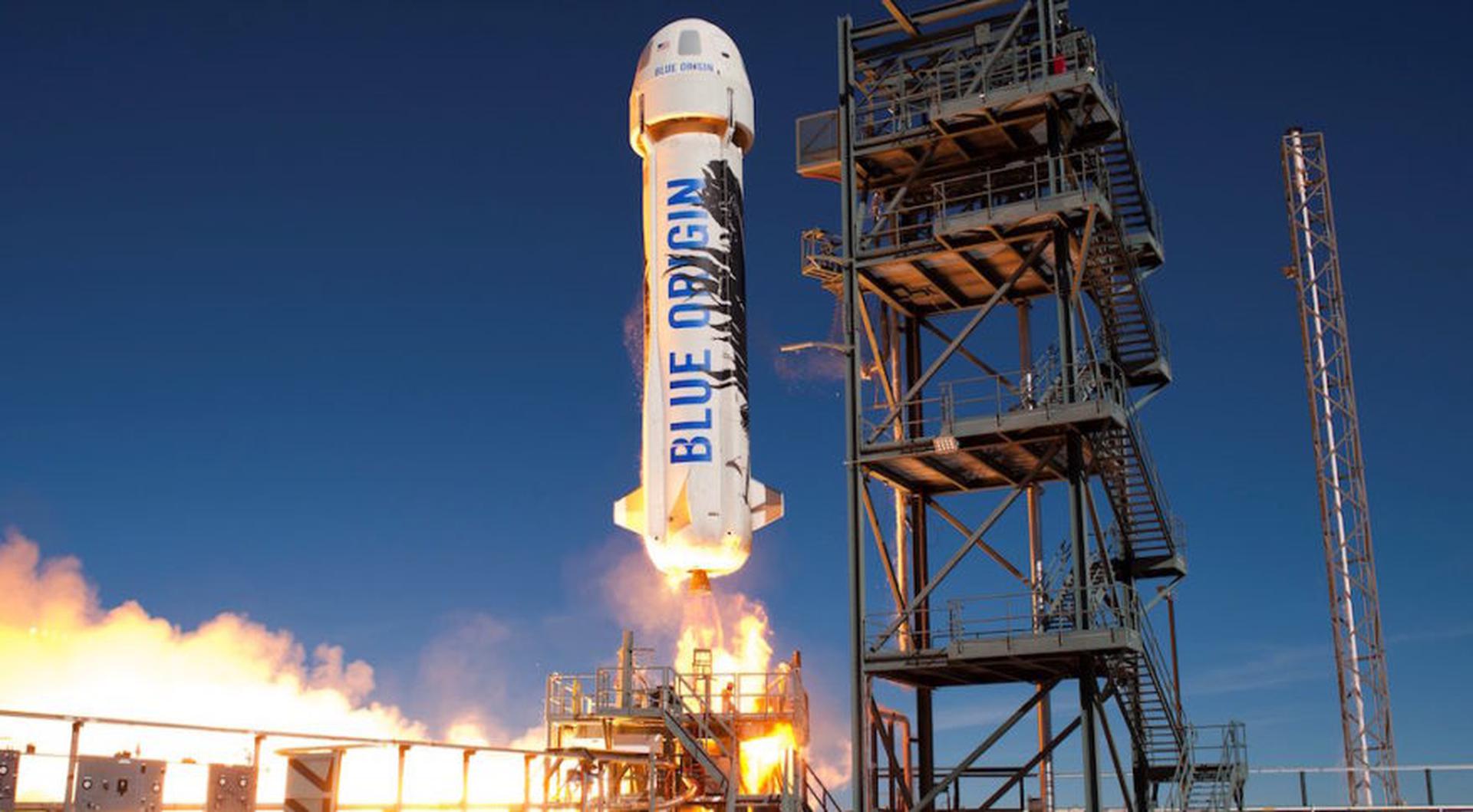
Launch Provider: Blue Origin – Commercial
Launch Date: January 22, 2026
Launch Time: 4:00 PM UTC
Vehicle: New Shepard
Brief: NS-38 is the 17th crewed flight for the New Shepard program and the 38th in the New Shepard program’s history.
Starlink Group 17-20
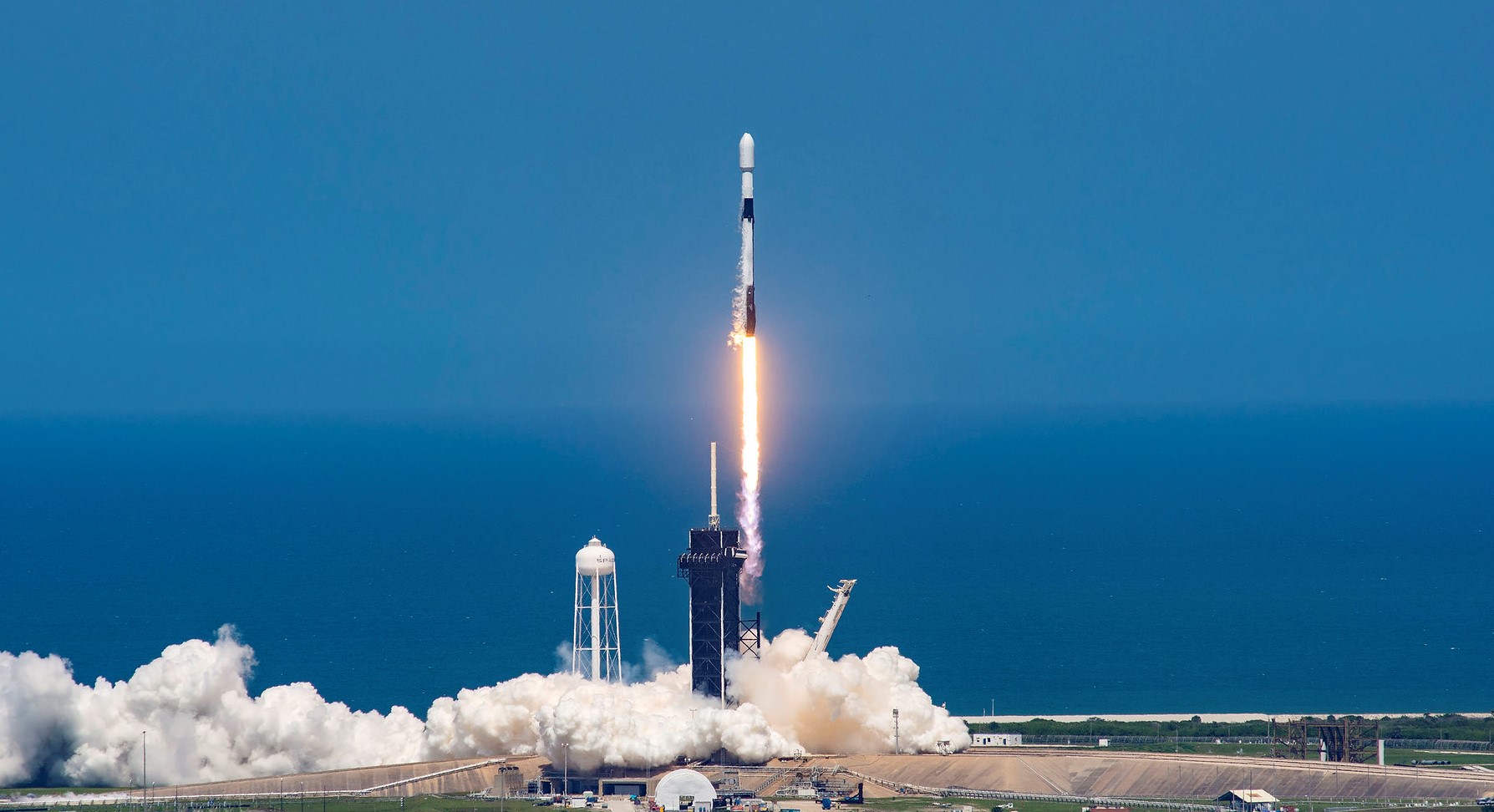
Launch Provider: SpaceX – Commercial
Launch Date: January 25, 2026
Launch Time: 3:17 PM UTC
Vehicle: Falcon 9
Brief: A batch of 25 satellites for the Starlink mega-constellation – SpaceX’s project for space-based Internet communication system.
GPS III SV09
Launch Provider: SpaceX – Commercial
Launch Date: January 26, 2026
Launch Time: 4:38 AM UTC
Vehicle: Falcon 9
Brief: Ninth of ten GPS III missions.
Unknown Payload
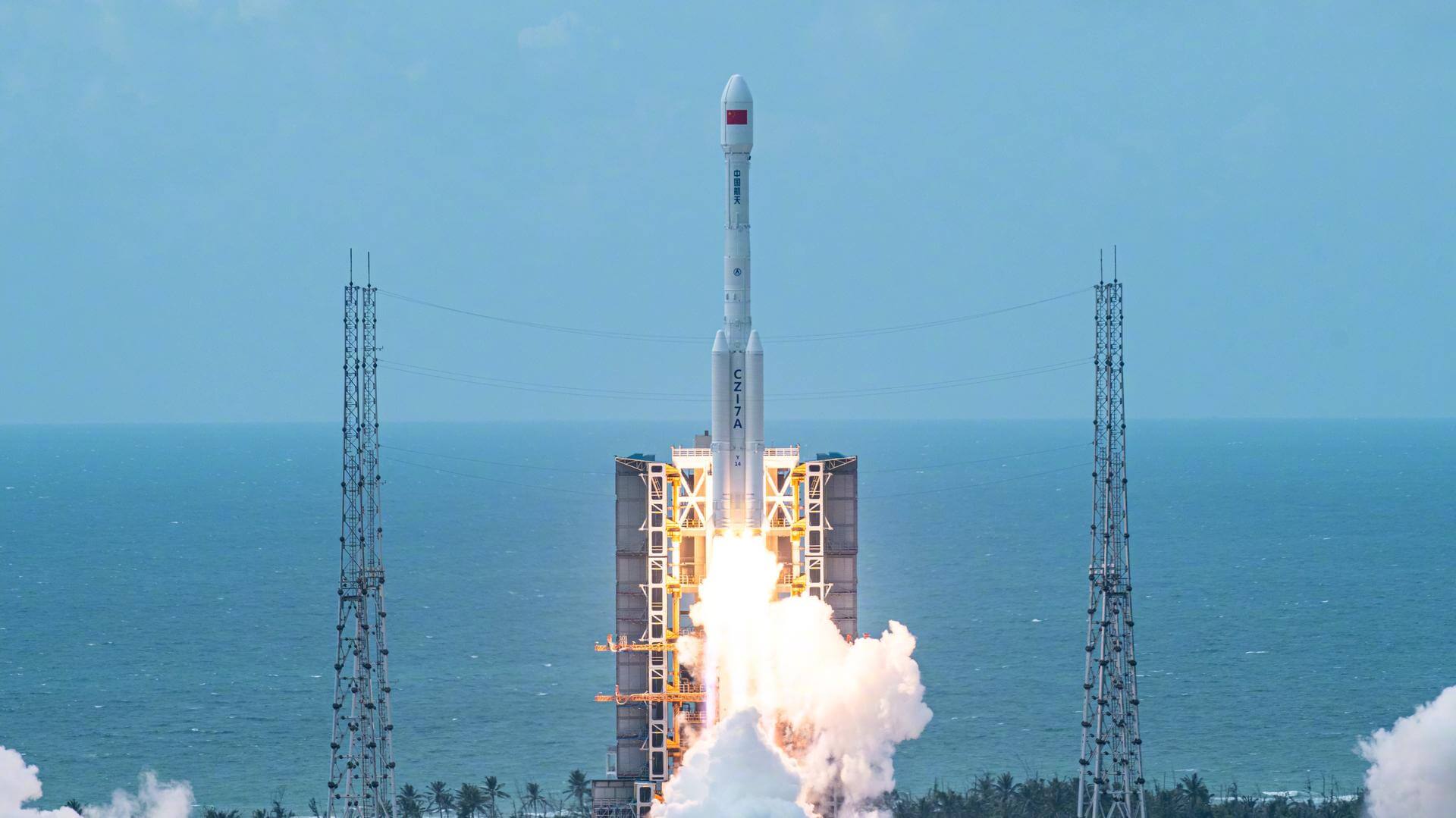
Launch Provider: China Aerospace Science and Technology Corporation – Government
Launch Date: January 26, 2026
Launch Time: 9:00 PM UTC
Vehicle: Long March 7A
Brief: Details TBD.
Bridging The Swarm (NeonSat-1A)
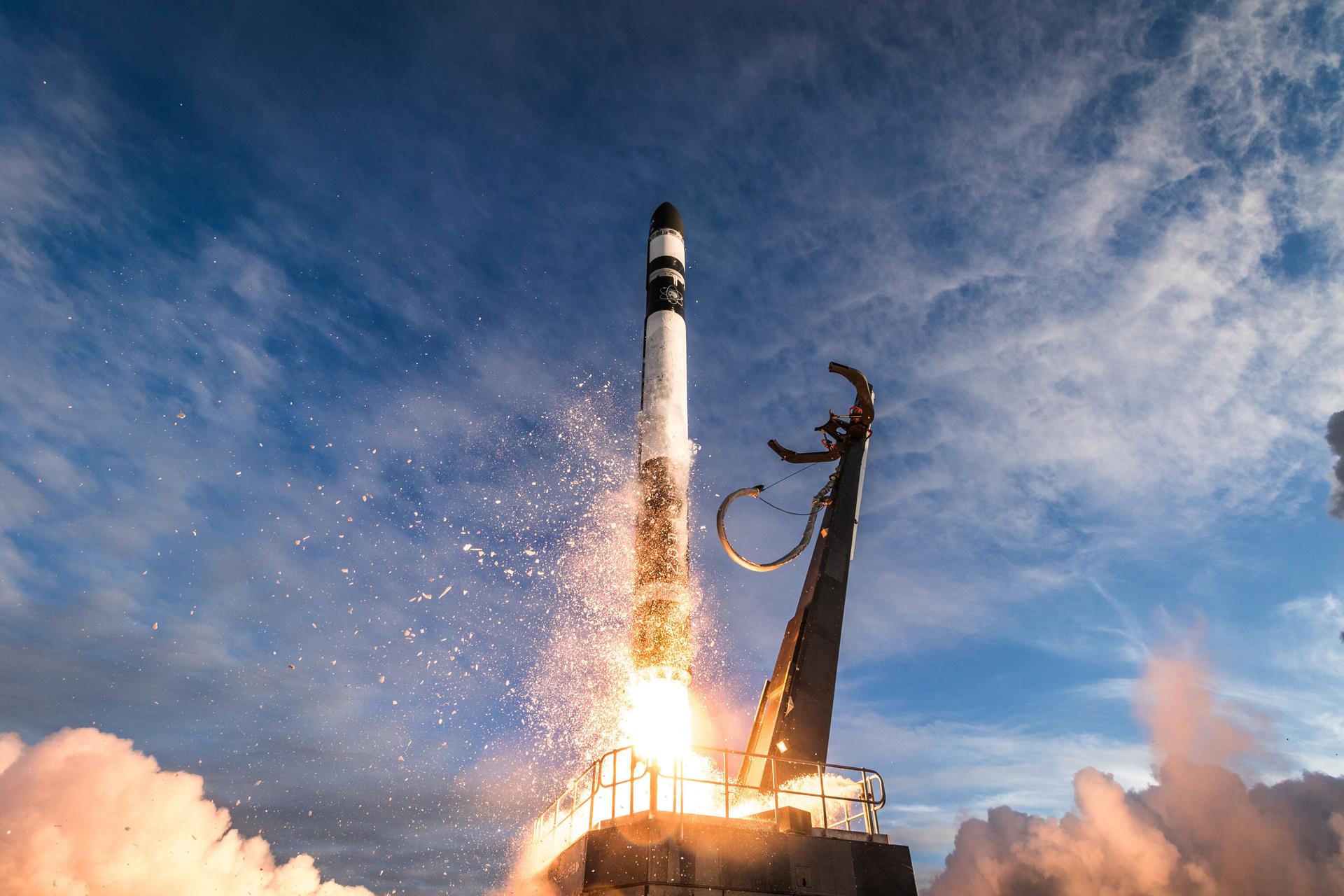
Launch Provider: Rocket Lab – Commercial
Launch Date: January 26, 2026
Launch Time: 10:45 PM UTC
Vehicle: Electron
Brief: The NeonSat-1A, carrying a high-resolution optical camera, is designed to test the constellation capabilities of the South Korean government’s Earth observation micro-satellite constellation NeonSat (New-space Earth Observation Satellite), in particular technology improvements identified from operations of NeonSat-1 after its launch in April 2024. These technologies will in turn be incorporated into the next 10 NeonSat under construction, as well as providing more site re-visiting capabilities along with NeonSat-1.
The NeonSat constellation is the first satellite system developed by the government using a mass-production approach for precise monitoring of the Korean Peninsula, lead by the Satellite Technology Research Center (SaTReC) at the Korea Advanced Institute of Science and Technology (KAIST), Korea’s leading university dedicated to science and technology. Designed to capture near-real time natural disaster monitoring for the Korean peninsula, KAIST’s NEONSAT constellation is a collaboration across multiple Korean academic, industry, and research institutions, including SaTReC, which is leading the program’s system design and engineering.
The NEONSAT program is funded by the Korean government’s Ministry of Science and ICT (MSIT).
