
The Daily Broadcast: Rollouts, Rebounds, and Rocket Reliability

Artemis II Rolls Toward the Pad—With a Canadian on Board
Early Friday morning, NASA rolled out the fully stacked Space Launch System (SLS) rocket and Orion spacecraft for the Artemis II mission from the Vehicle Assembly Building to Launch Complex 39B at Kennedy Space Center—a 6.5-kilometre crawl expected to take up to 12 hours. This marks a pivotal step toward humanity’s first crewed lunar flyby since Apollo 17 in 1972. Among the four astronauts aboard will be Canadian Space Agency (CSA) astronaut Jeremy Hansen, who will become the first Canadian to travel beyond low Earth orbit.
The mission, currently targeting a launch as early as February 6, 2026, will test Orion’s life support systems, crew operations, and re-entry capabilities during a 10-day journey around the Moon. Officials emphasized that while schedules are ambitious, safety remains paramount. “We will fly when we’re ready,” said John Honeycutt, Artemis II mission management team chair. Modifications from lessons learned during Artemis I—including updates to hydrogen loading procedures and heat shield re-entry profiles—have been implemented to improve reliability. Canadian media outlet SpaceQ was on site for the rollout, highlighting national interest in this historic moment for Canada’s human spaceflight programme.

China Grapples With Dual Launch Failures
In a rare setback, China experienced two launch failures within hours on Friday—the Long March 3B carrying a classified Shijian satellite and the inaugural flight of Galactic Energy’s new Ceres-2 rocket both ended in loss. The Long March 3B, a workhorse of China’s launch fleet, lifted off from Xichang Satellite Launch Centre but failed to reach orbit. Later the same day, the Ceres-2—a small-lift vehicle developed by the private firm Galactic Energy—also malfunctioned during its maiden flight.
Details remain limited, as Chinese authorities have not released official failure analyses, but such back-to-back anomalies are unusual for China’s typically methodical space programme. The Shijian series usually supports scientific or technological experiments, though some variants are believed to serve military reconnaissance roles. Meanwhile, the Ceres-2 was intended to bolster China’s commercial launch ambitions, competing in the growing small-satellite market. The failures underscore the inherent risks of spaceflight—even for seasoned programmes—and serve as a sobering reminder that launch reliability is never guaranteed, regardless of national capability.

Half a Century of Innovation: Remembering Hermes
January 17, 2026, marks the 50th anniversary of the launch of Hermes—the Communications Technology Satellite (CTS)—a Canadian-designed pioneer that reshaped global satellite communications. Built by Canada’s Communications Research Centre and launched by NASA in 1976, Hermes was the most powerful communications satellite of its era, featuring a 200-watt transmitter (ten times the norm) and the world’s first three-axis stabilized platform in geostationary orbit.
Hermes enabled groundbreaking experiments, including direct-to-home television broadcasts using small “pizza-sized” dishes and emergency medical consultations via satellite—a novelty at the time. Its use of the 12/14 GHz Ku-band helped alleviate congestion in lower-frequency bands and laid the groundwork for modern satellite TV. The mission also catalysed Canada’s domestic space industry: technologies and expertise from Hermes flowed into companies like MDA and supported the development of the Canadarm. In 1987, the programme even earned an Emmy Award for its contributions to broadcasting. Though retired in 1979 after exceeding its two-year design life, Hermes’ legacy endures in every Canadian satellite that followed—and in the nation’s continued commitment to space innovation.

Citations
- “One step closer to the Moon: Artemis 2 rocket ready for the pad” – https://spaceq.ca/one-step-closer-to-the-moon-artemis-2-rocket-ready-for-the-pad/
- “China hit by dual launch failures as Long March 3B and Ceres-2 debut mission fail” – https://spacenews.com/china-hit-by-dual-launch-failures-as-long-march-3b-and-ceres-2-debut-mission-fail/
- “Before the Canadarm, there was Hermes: Canada’s 50-year space legacy” – https://spaceq.ca/before-the-canadarm-there-was-hermes-canadas-50-year-space-legacy/
Upcoming Launches
Starlink Group 6-100
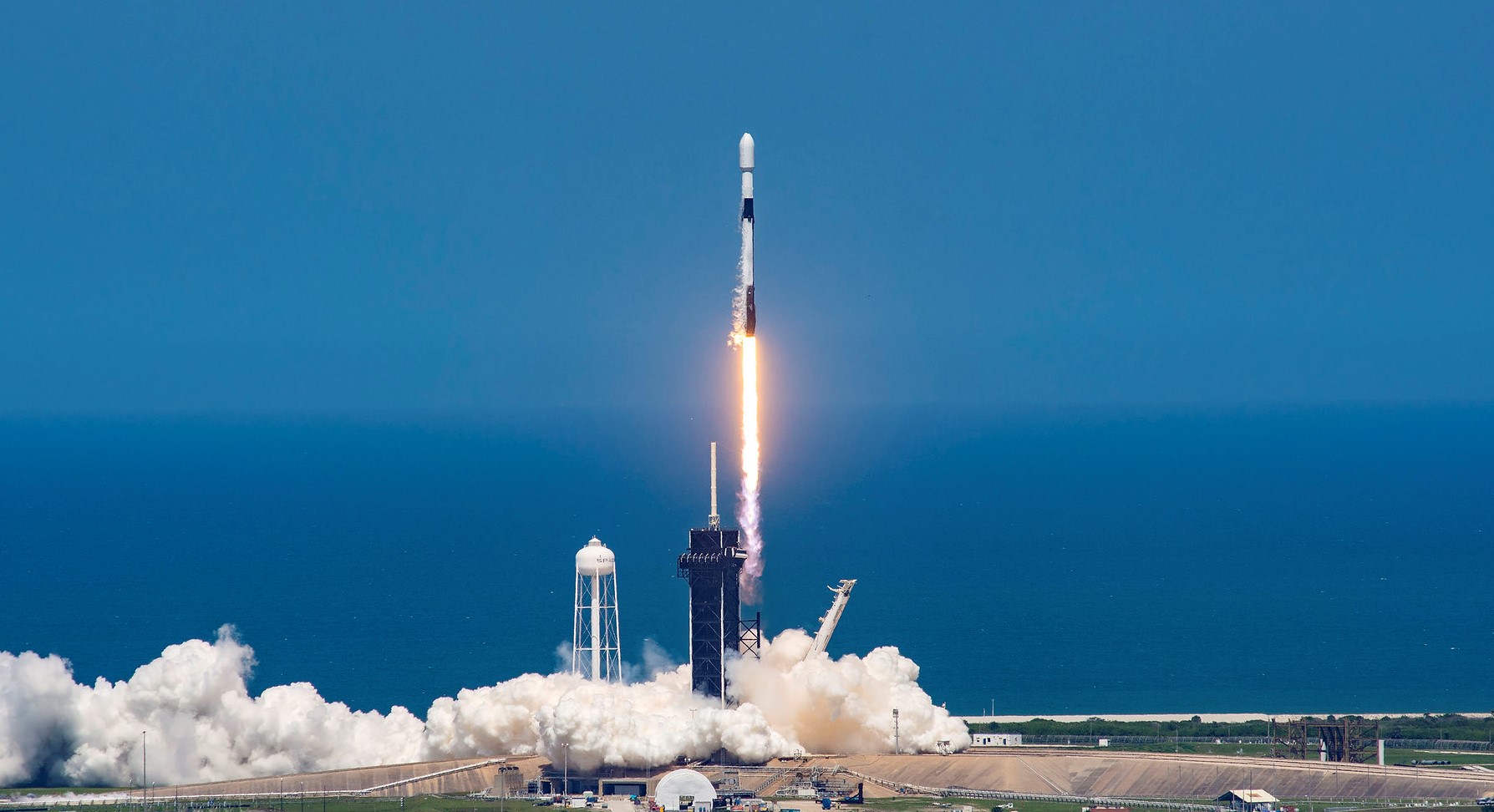
Launch Provider: SpaceX – Commercial
Launch Date: January 18, 2026
Launch Time: 10:04 PM UTC
Vehicle: Falcon 9
Brief: A batch of 29 satellites for the Starlink mega-constellation – SpaceX’s project for space-based Internet communication system.
Unknown Payload
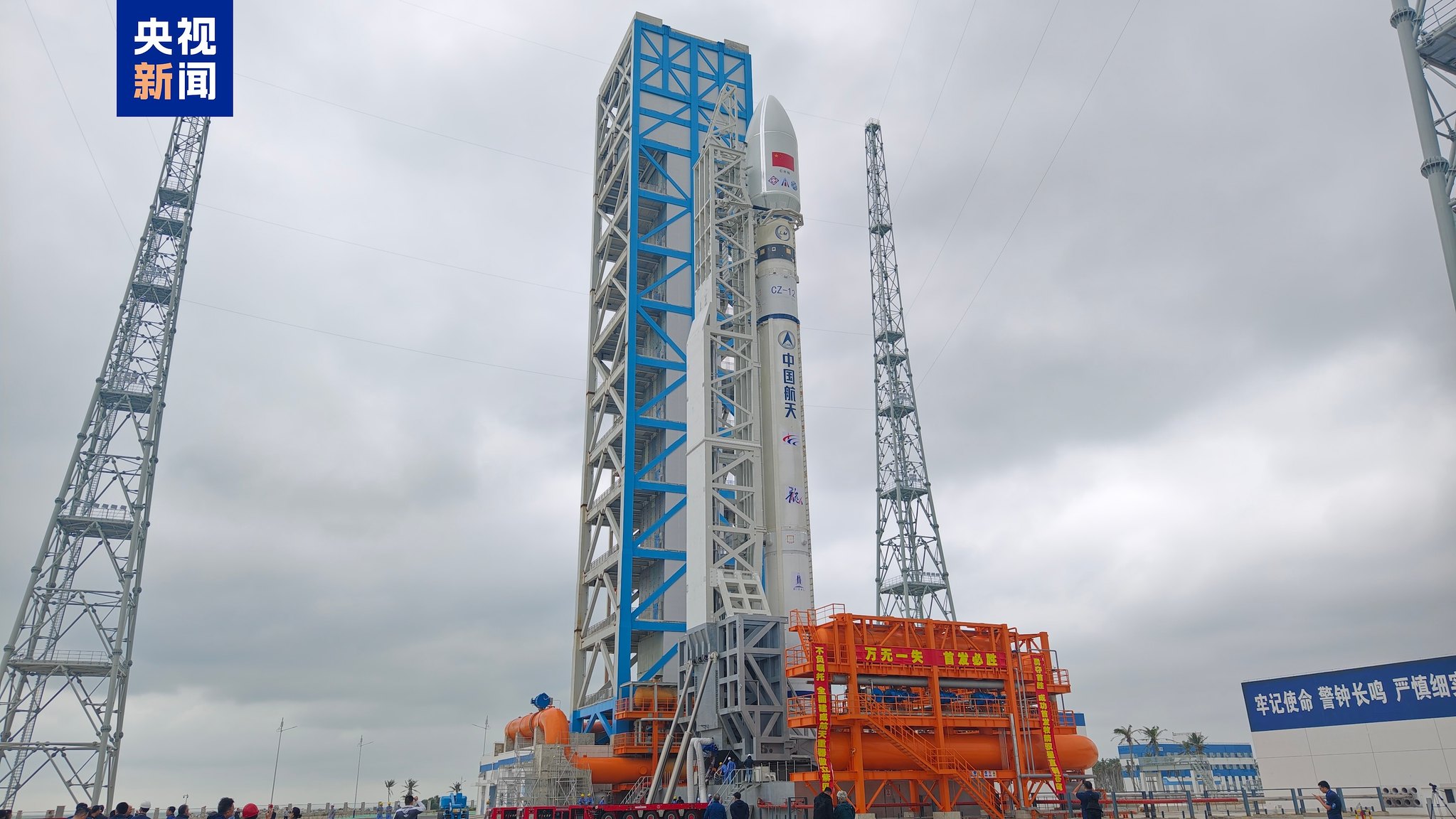
Launch Provider: China Aerospace Science and Technology Corporation – Government
Launch Date: January 19, 2026
Launch Time: 7:48 AM UTC
Vehicle: Long March 12
Brief: Details TBD.
The Cosmos Will See You Now (Open Cosmos Constellation Launch 1)
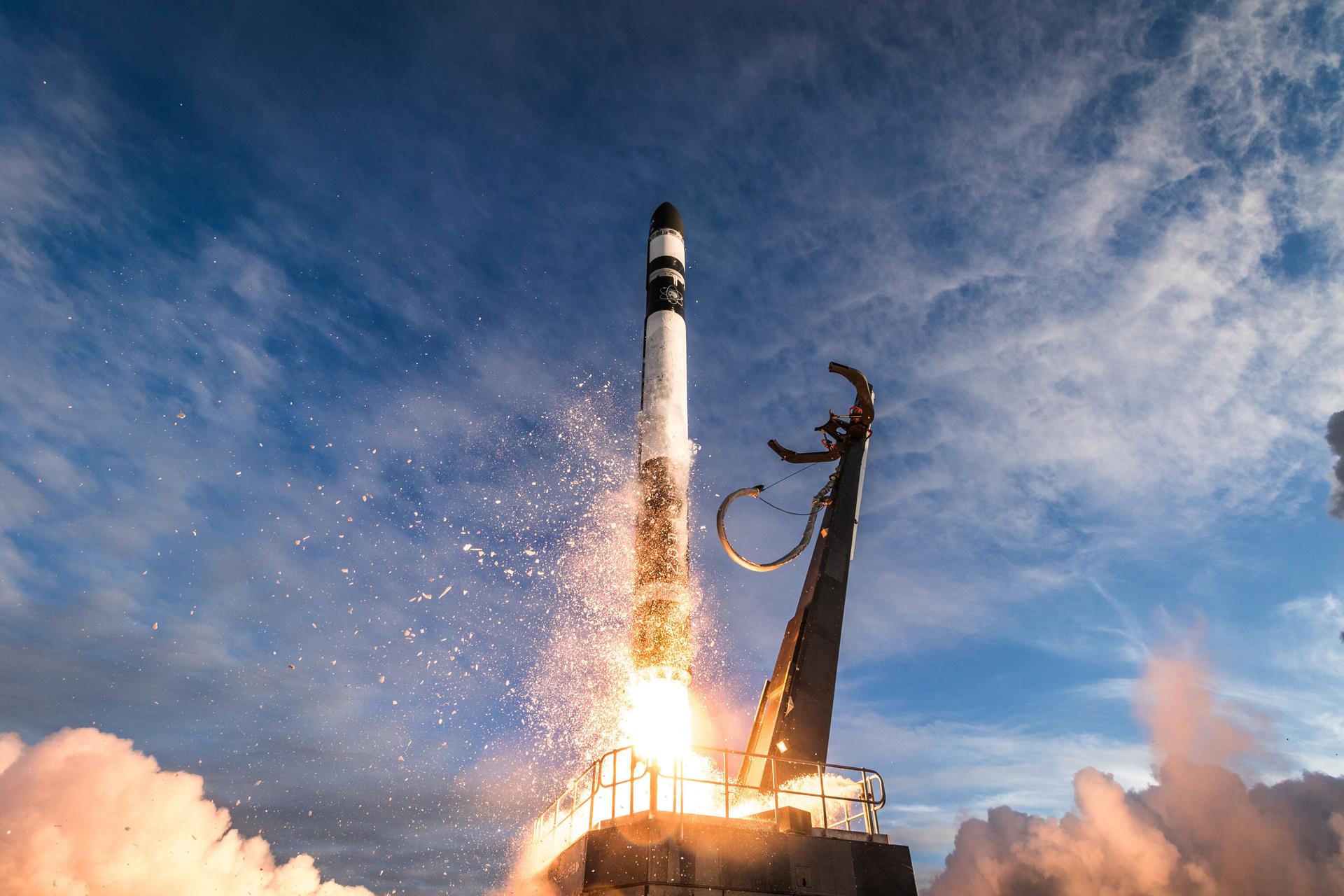
Launch Provider: Rocket Lab – Commercial
Launch Date: January 20, 2026
Launch Time: 11:09 AM UTC
Vehicle: Electron
Brief: First 2 satellites of UK-based Open Cosmos’ secure LEO broadband constellation designed to provide independent and resilient connectivity infrastructure for Europe and the world, using high-priority Ka-band spectrum filings by the Principality of Liechtenstein.
Onward and Upward
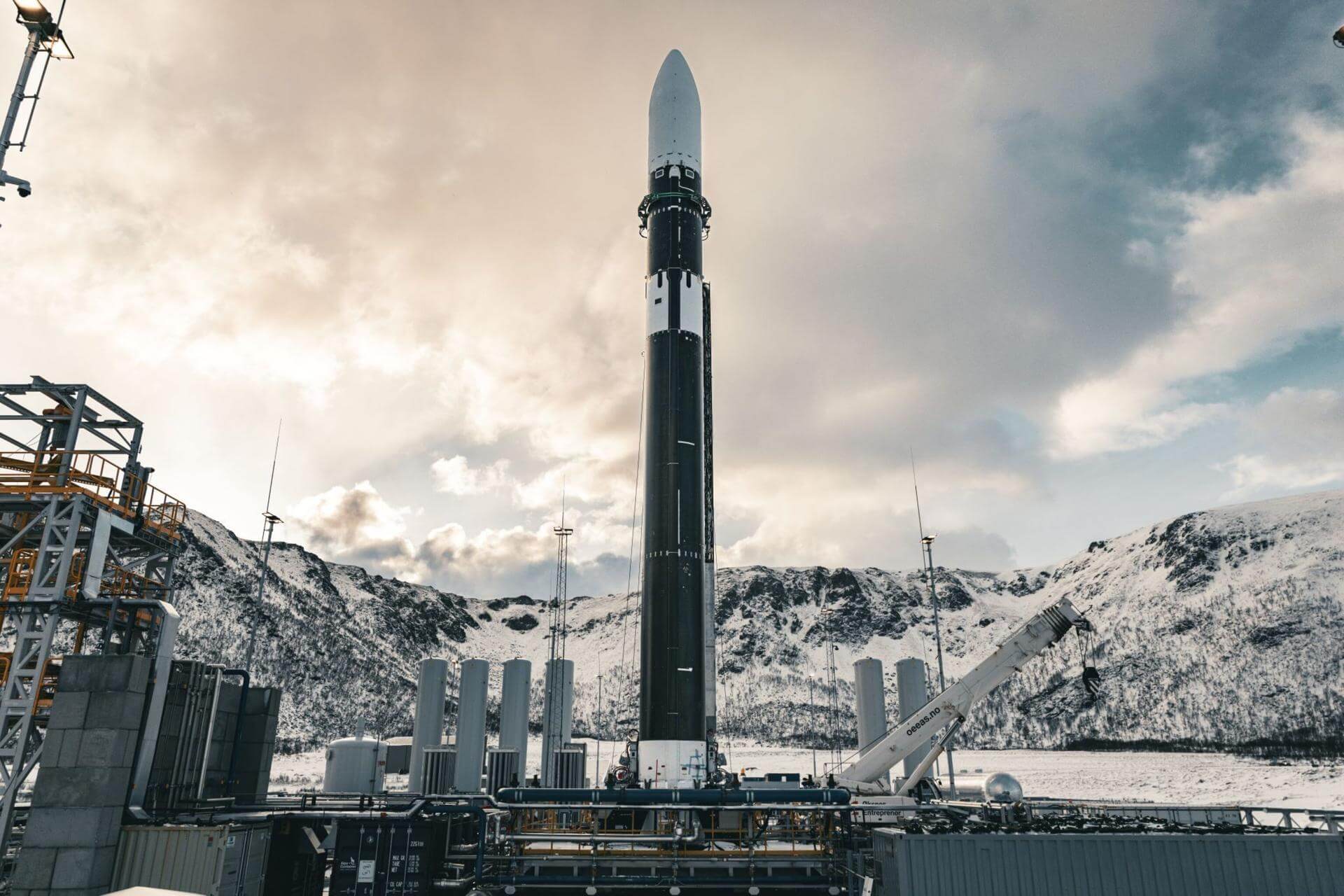
Launch Provider: Isar Aerospace – Private
Launch Date: January 21, 2026
Launch Time: 8:00 PM UTC
Vehicle: Spectrum
Brief: Second test flight of the Isar Spectrum launch vehicle. This launch will carry 5 cubesats and 1 non-separable experiment as part of European Space Agency (ESA)’s “Boost!” program:
* CyBEEsat (TU Berlin)
* TriSat-S (University of Maribor)
* Platform 6 (EnduroSat)
* FramSat-1 (NTNU)
* SpaceTeamSat1 (TU Wien Space Team)
* Let It Go (Dcubed, non-separable experiment)
Starlink Group 17-30
Launch Provider: SpaceX – Commercial
Launch Date: January 22, 2026
Launch Time: 2:43 AM UTC
Vehicle: Falcon 9
Brief: A batch of 25 satellites for the Starlink mega-constellation – SpaceX’s project for space-based Internet communication system.
