
The Daily Broadcast: Rollbacks, Retinas, and Rovers: Navigating the Next Frontiers

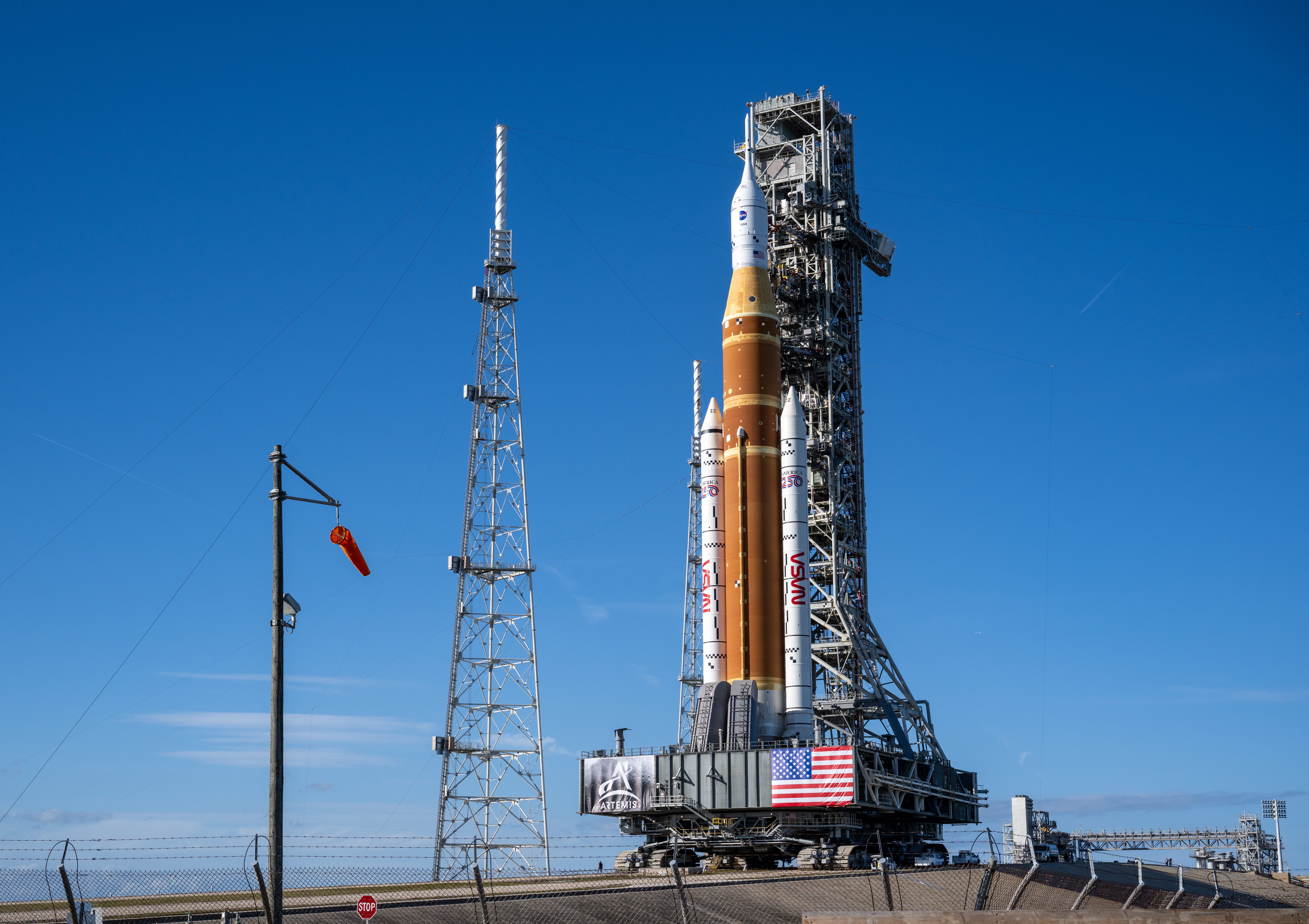
Artemis II SLS Rolls Back as March Launch Window Closes
On February 24, 2026, NASA confirmed the rollback of the Artemis II Space Launch System (SLS) rocket from Launch Complex 39B at Kennedy Space Center to the Vehicle Assembly Building (VAB), effectively ruling out a March launch. The decision follows an anomaly detected on February 21 during a routine operation to repressurize the Interim Cryogenic Propulsion Stage (ICPS), where helium flow through the vehicle was interrupted. The issue echoes a similar problem observed during Artemis I, though corrective actions had been implemented for this mission. NASA Administrator Jared Isaacman noted that repairs require access only possible inside the VAB, and while the rocket remains in a safe configuration using ground-based environmental control systems, the timeline shift is unavoidable. The rollback operation is scheduled to begin on February 25 at 12:00 UTC. While disappointing, the agency emphasized that safety takes precedence over schedule—a reminder that deep space exploration remains a complex, high-stakes endeavour. This delay also impacts planning for subsequent Artemis missions, as NASA aims to establish a sustainable lunar presence rather than a one-off return.
Canadian-Led Food Security Initiative Links Arctic and Deep Space
In a move that bridges terrestrial needs with extraterrestrial ambitions, the Canadian Space Agency (CSA) has issued a new opportunity to co-develop a deployable Controlled Environment Agriculture (CEA) unit—designed for both Arctic communities and future deep space missions. The initiative, announced on February 23, requires a multidisciplinary team that includes an Inuit firm based in Nunavut, reflecting a commitment to Indigenous partnership and cultural relevance. The goal is to produce a conceptual design that integrates mature and near-ready technologies into a novel, transportable food production system capable of withstanding extreme northern conditions while also informing life-support systems for long-duration spaceflight. This effort builds on the CSA’s participation in the Deep Space Food Challenge with NASA and Impact Canada, which previously funded Canadian innovators like Vancouver’s Ecoation Innovative Solutions. With a contract value of up to $745,000 and a 23-month timeline starting in May 2026, the project underscores Canada’s dual focus on improving food security at home and contributing to international space exploration. Bids are due by April 17, 2026.

Perseverance Rover Gains “GPS” on Mars
NASA’s Perseverance rover has achieved a significant autonomy milestone: it can now pinpoint its exact location on Mars without waiting for ground-based updates. Dubbed Mars Global Localization, the new system—first used in routine operations on February 2 and 16, 2026—compares 360-degree surface panoramas with high-resolution orbital maps from the Mars Reconnaissance Orbiter. Within about two minutes, the rover can determine its position to within 25 centimetres, a dramatic improvement over previous methods that could accumulate errors of more than 35 metres over long drives. The system runs on the commercial-grade processor originally installed for the Ingenuity Mars Helicopter, repurposed after the helicopter’s successful 72-flight campaign. Engineers even isolated a faulty 25-bit memory segment causing a 1-millimetre positional error to ensure reliability. This upgrade, combined with existing AutoNav and AI-driven route planning, allows Perseverance to drive farther and faster across Jezero Crater, accelerating sample collection for potential return to Earth. The technology may also inform future lunar and planetary navigation systems, where dependable, real-time positioning will be critical for both robots and humans.

Citations
- “NASA rules out Artemis 2 March launch window” – https://spaceq.ca/nasa-rules-out-artemis-2-march-launch-window/
- “Food security for the Arctic and deep space takes next step in new CSA opportunity” – https://spaceq.ca/food-security-for-the-arctic-and-deep-space-takes-next-step-in-new-csa-opportunity/
- “Perseverance rover now self-locates precisely on Mars” – https://www.spacedaily.com/reports/Perseverance_rover_now_self_locates_precisely_on_Mars_999.html
Upcoming Launches
Starlink Group 6-110
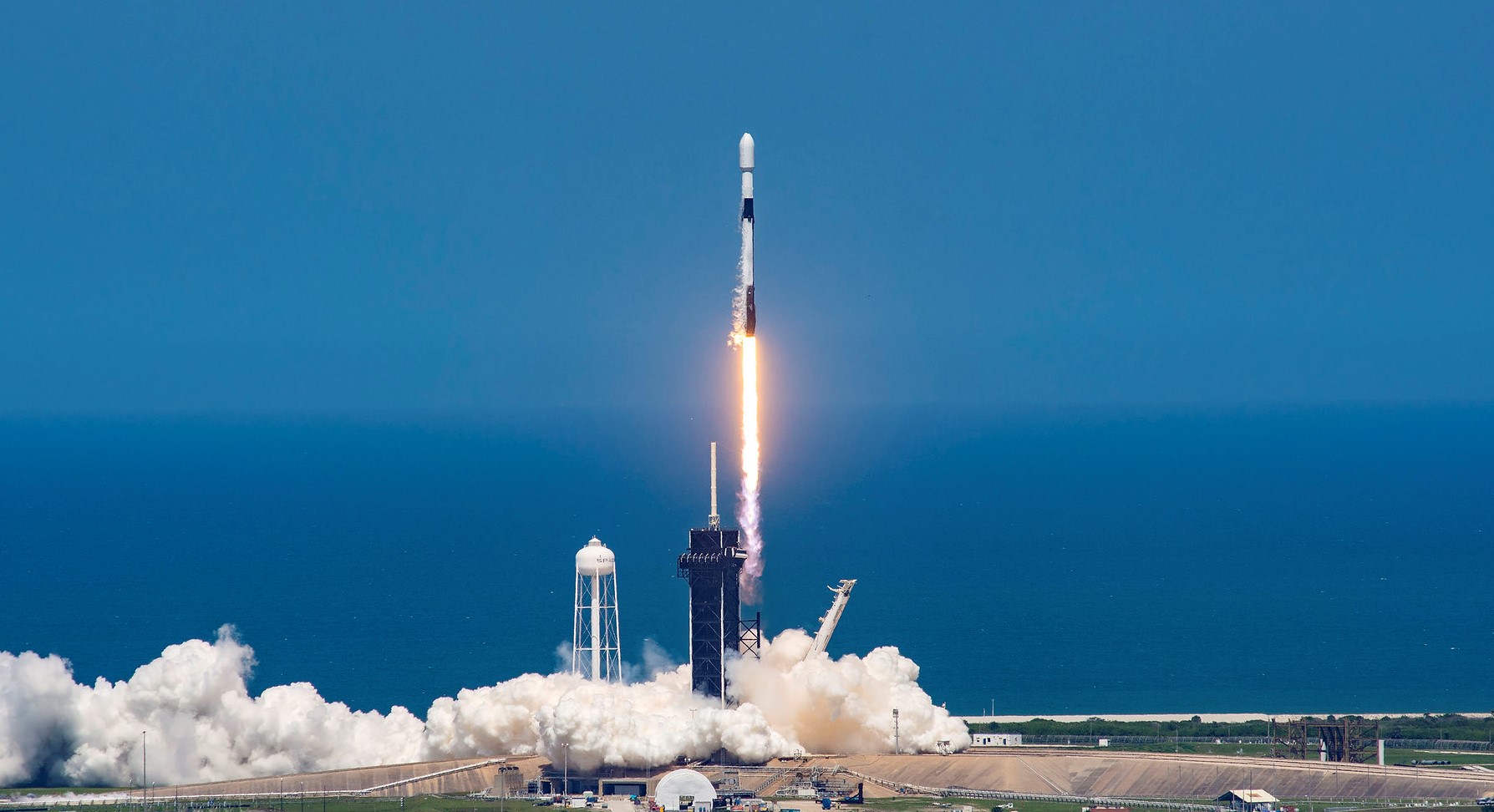
Launch Provider: SpaceX – Commercial
Launch Date: February 24, 2026
Launch Time: 9:04 PM UTC
Vehicle: Falcon 9
Brief: A batch of 29 satellites for the Starlink mega-constellation – SpaceX’s project for space-based Internet communication system.
Starlink Group 17-26
Launch Provider: SpaceX – Commercial
Launch Date: February 25, 2026
Launch Time: 2:00 PM UTC
Vehicle: Falcon 9
Brief: A batch of 25 satellites for the Starlink mega-constellation – SpaceX’s project for space-based Internet communication system.
That’s Not A Knife (DART AE)
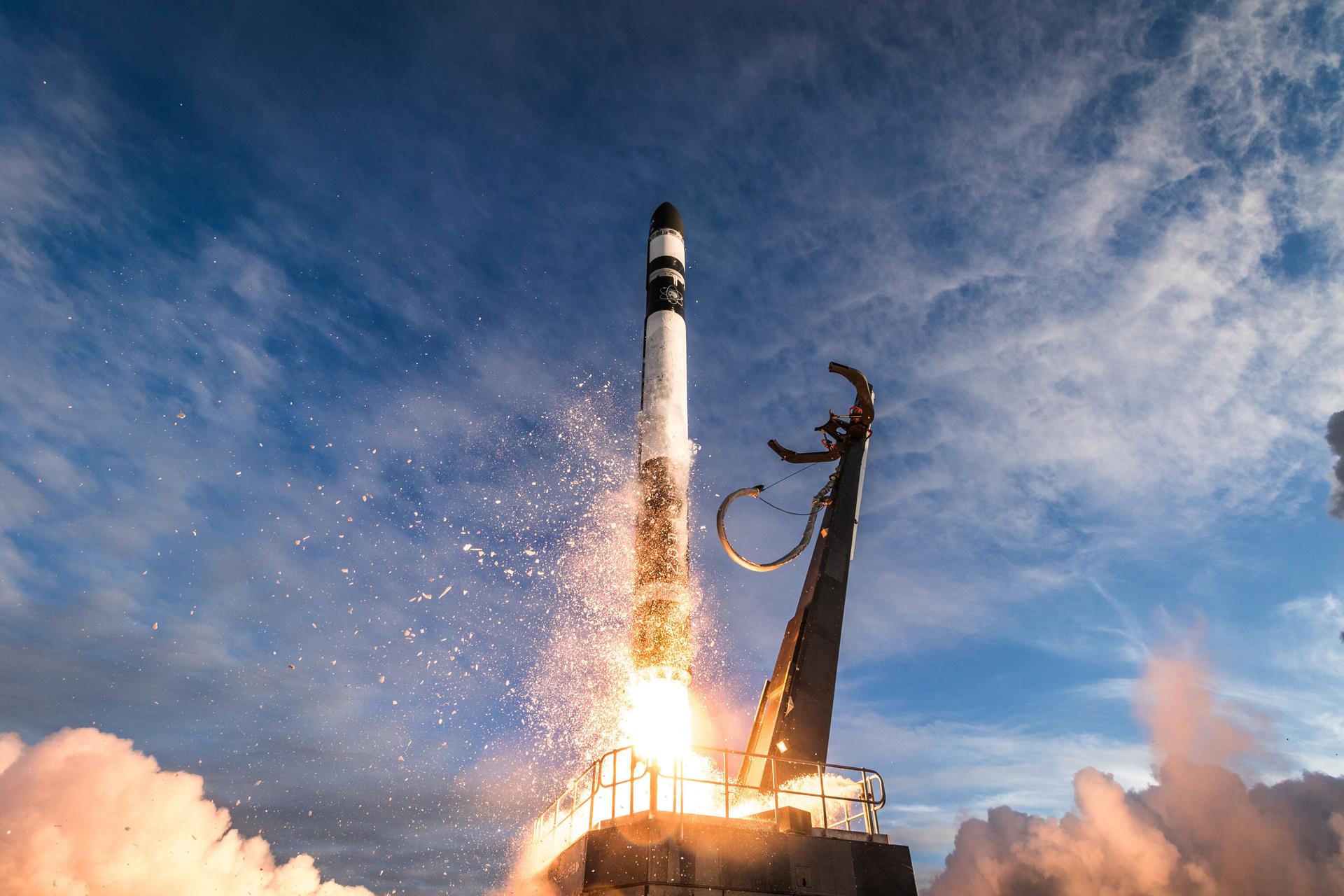
Launch Provider: Rocket Lab – Commercial
Launch Date: February 25, 2026
Launch Time: 8:00 PM UTC
Vehicle: Electron
Brief: Payload is a scramjet-powered hypersonic vehicle developed by by Australian company Hypersonix.
📽️ No Livestream scheduled yet
Starlink Group 6-108
Launch Provider: SpaceX – Commercial
Launch Date: February 27, 2026
Launch Time: 9:52 AM UTC
Vehicle: Falcon 9
Brief: A batch of 29 satellites for the Starlink mega-constellation – SpaceX’s project for space-based Internet communication system.
Unknown Payload
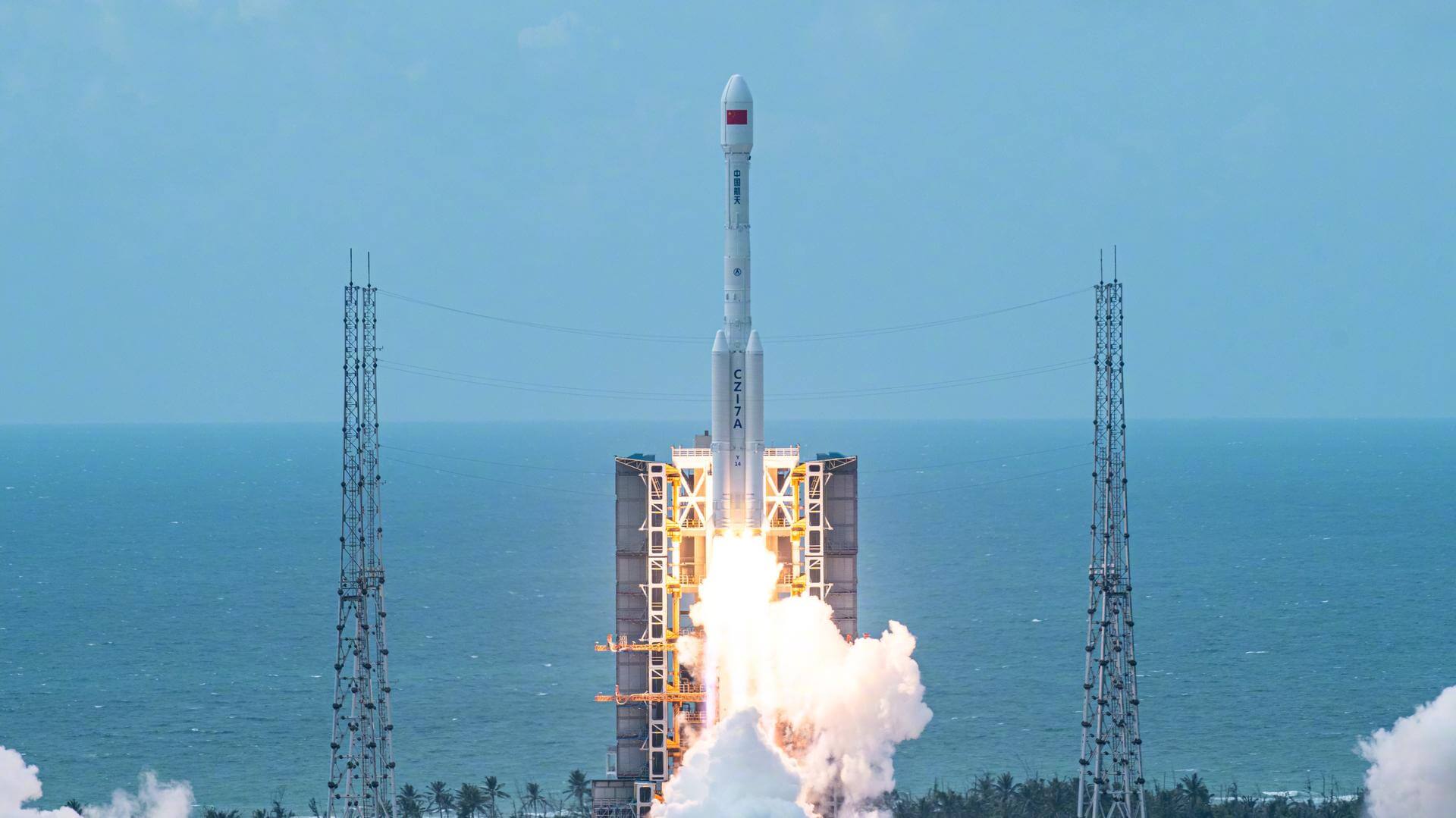
Launch Provider: China Aerospace Science and Technology Corporation – Government
Launch Date: February 28, 2026
Launch Time: 12:00 AM UTC
Vehicle: Long March 7A
Brief: Details TBD.
📽️ No Livestream scheduled yet

Leave a Reply