
The Daily Broadcast: Rollbacks, Reassessments, and Roadmaps: A Week of Course Corrections in Space
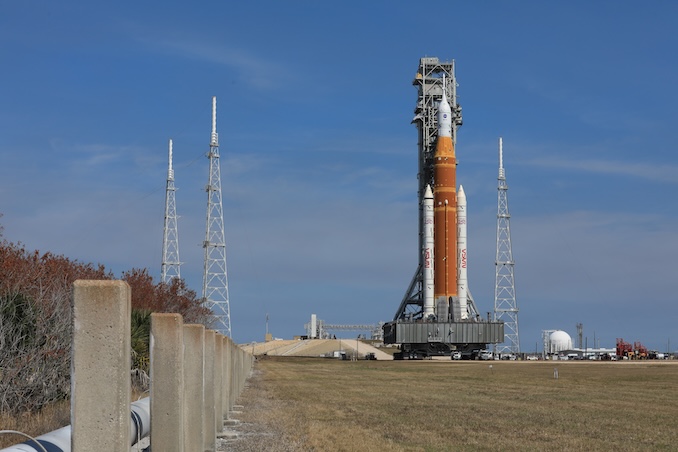
Artemis II SLS Rolls Back for Repairs, Launch Now No Earlier Than April 1
On February 25, 2026, NASA began the slow, 10- to 12-hour journey of rolling the Artemis II Space Launch System (SLS) rocket back from Launch Complex 39B to the Vehicle Assembly Building (VAB) at Kennedy Space Center. The decision follows the discovery of a helium pressurization issue in the rocket’s upper stage—the Interim Cryogenic Propulsion Stage (ICPS)—after a successful second wet dress rehearsal. Pressurized helium is critical for pushing propellants to the engine, purging lines, and ensuring safe operations, but engineers were unable to repressurize the system post-test. This is reminiscent of a similar helium valve issue during Artemis I in 2022, though NASA says corrective actions were implemented for Artemis II. Officials haven’t confirmed the exact cause yet, but suspect components include a faulty valve, filter, or quick-disconnect fitting. The rollback allows technicians full access via VAB platforms to diagnose and repair the anomaly. Alongside the fix, teams will replace limited-life batteries in both the ICPS and the rocket’s flight termination system. Originally targeting a February 6 launch, then pushed to March 6 due to earlier hydrogen leaks, the mission is now officially delayed to no earlier than April 1, 2026. The flight will carry four astronauts—Reid Wiseman, Victor Glover, Christina Koch, and Canadian Jeremy Hansen—on a lunar flyby, marking humanity’s first crewed trip beyond low Earth orbit since Apollo.

Canadian Space Agency Funds Lunar Mining and Power Studies for Artemis Era
In a strategic move to shape Canada’s role in sustained lunar exploration, the Canadian Space Agency (CSA) has extended the deadline for its Lunar Surface Exploration Initiative (LSEI) Architecture Studies to April 7, 2026. Originally set to close on March 3, the deadline shift responds to industry feedback, giving Canadian firms and research teams more time to form multi-organization consortia required for proposal submission. The LSEI focuses on two high-priority technology areas: Mining & In-Situ Resource Utilization (ISRU), which aims to extract water ice or oxygen from lunar regolith, and Power Generation & Distribution, essential for surviving the Moon’s 14-day night. The CSA plans to award up to two contracts per area, each valued at up to $500,000, with a possible $300,000 extension for refined analysis. This builds on a December 2025 announcement that granted $2.9 million to four Canadian companies for prototyping in fields including ISRU and power systems. With Canadian astronaut Jeremy Hansen slated to fly on Artemis II, these studies position Canada to contribute “signature technologies” akin to the Canadarm3 already destined for the Lunar Gateway. The initiative aligns with broader international efforts to establish a permanent human presence on the Moon, ensuring Canadian expertise remains integral to the next chapter of deep space exploration.

U.S. Space Force Grounds Vulcan for National Security Missions After Booster Anomaly
The U.S. Space Force has suspended all national security launches on United Launch Alliance’s (ULA) Vulcan rocket pending an investigation into a solid rocket booster anomaly during the February 12, 2026, USSF-87 mission. Observers noted an irregular plume or burn pattern from one of the Northrop Grumman-built GEM 63XL solid rocket boosters shortly after liftoff—a concern echoing a similar nozzle separation incident on Vulcan’s second flight in October 2024. Despite the anomaly, the February 12 launch successfully delivered its payload directly to geosynchronous orbit, thanks to the rocket’s robust design. However, Col. Eric Zarybnisky of Space Systems Command announced on February 25 that no further Vulcan national security missions will fly until the root cause is identified and resolved. The investigation could take several months, based on the 2024 precedent. This pause leaves SpaceX as the sole provider for U.S. national security launches during the interim, a significant setback for ULA as it aims to ramp up Vulcan’s flight rate to 18–22 missions in 2026. The Vulcan is central to ULA’s strategy to retire the Atlas V and secure long-term competitiveness in the military launch market, making this anomaly a critical hurdle in its operational certification path.

Citations
- “SLS rocket hauled back to VAB for repairs” – https://spaceflightnow.com/2026/02/25/sls-rocket-hauled-back-to-vab-for-repairs/
- “Artemis 2 rollback begins (watch it live)” – https://spaceq.ca/artemis-2-rollback-begins-watch-it-live/
- “CSA to invest in future lunar mining and power infrastructure” – https://spaceq.ca/csa-to-invest-in-future-lunar-mining-and-power-infrastructure/
- “Space Force halts Vulcan missions pending investigation into solid rocket Issue” – https://spacenews.com/space-force-halts-vulcan-missions-pending-investigation-into-solid-rocket-issue/
Upcoming Launches
Starlink Group 17-26

Launch Provider: SpaceX – Commercial
Launch Date: February 25, 2026
Launch Time: 2:17 PM UTC
Vehicle: Falcon 9
Brief: A batch of 25 satellites for the Starlink mega-constellation – SpaceX’s project for space-based Internet communication system.
That’s Not A Knife (DART AE)
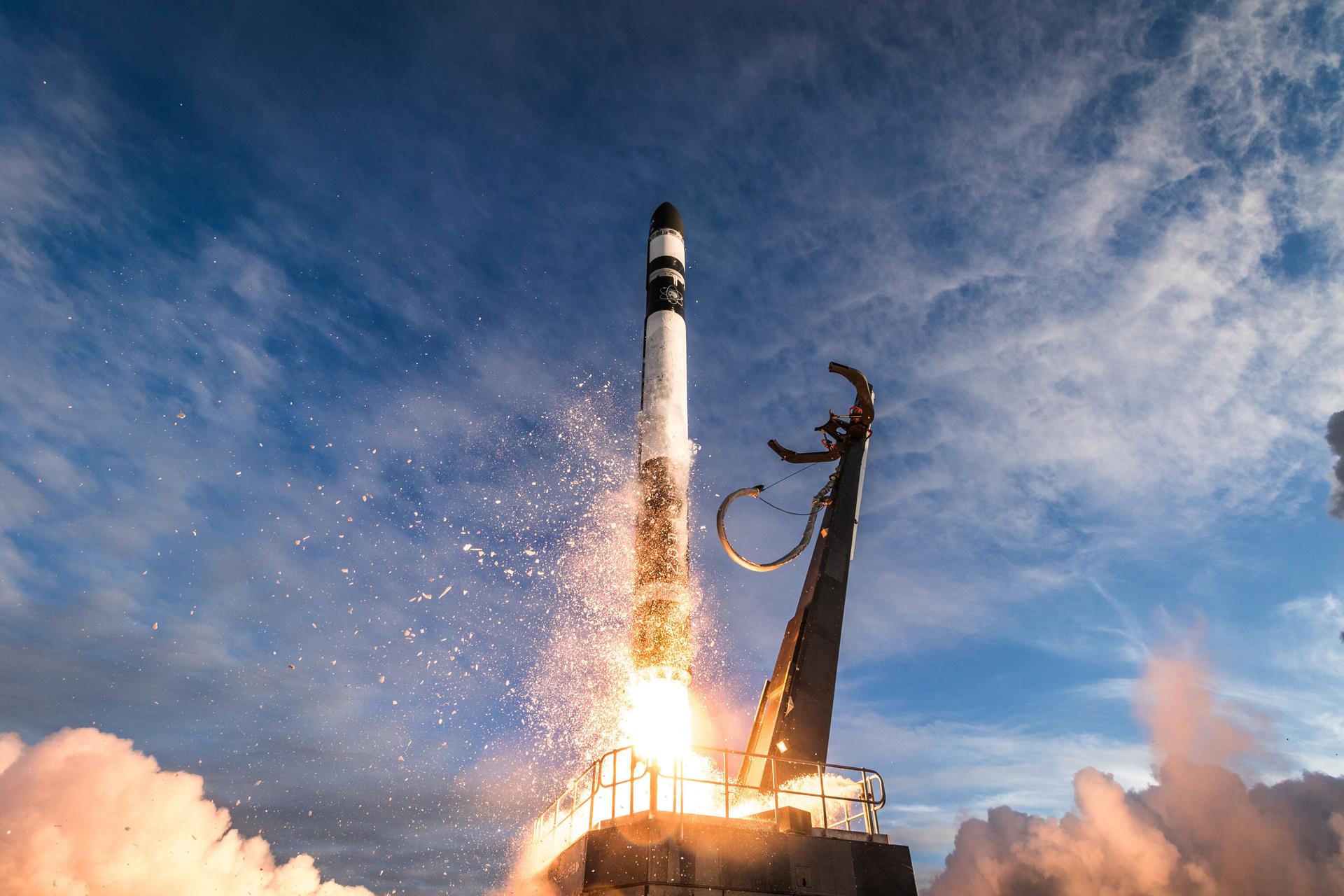
Launch Provider: Rocket Lab – Commercial
Launch Date: February 26, 2026
Launch Time: 9:00 PM UTC
Vehicle: Electron
Brief: Payload is a scramjet-powered hypersonic vehicle developed by by Australian company Hypersonix.
Starlink Group 6-108
Launch Provider: SpaceX – Commercial
Launch Date: February 27, 2026
Launch Time: 10:20 AM UTC
Vehicle: Falcon 9
Brief: A batch of 29 satellites for the Starlink mega-constellation – SpaceX’s project for space-based Internet communication system.
Stairway to Seven
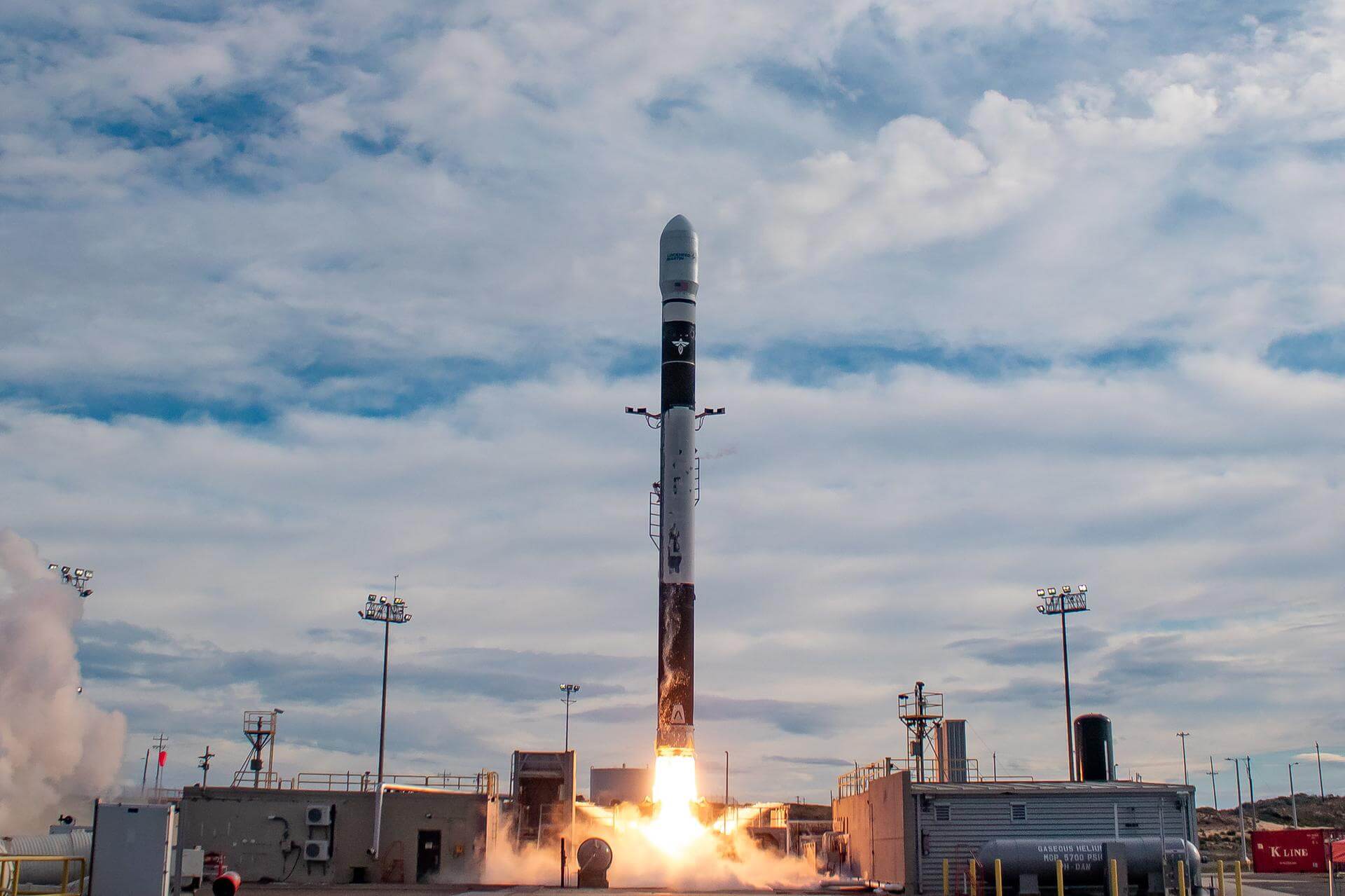
Launch Provider: Firefly Aerospace – Commercial
Launch Date: February 28, 2026
Launch Time: 12:50 AM UTC
Vehicle: Firefly Alpha
Brief: Firefly Alpha’s Flight 7 will be a test flight and return-To-Flight for the launch vehicle after its April 2025 launch failure. It will test and validate key systems ahead of Firefly’s Block II configuration upgrade on Flight 8 that’s designed to enhance reliability and manufacturability across the vehicle.
Flight 7 will be the last flown in Alpha’s current configuration and will test multiple Block II subsystems, including the in-house avionics and thermal improvements, to gain flight heritage and validate lessons learned ahead of the full configuration upgrade on Flight 8.
📽️ No Livestream scheduled yet
Starlink Group 17-23
Launch Provider: SpaceX – Commercial
Launch Date: March 1, 2026
Launch Time: 8:00 AM UTC
Vehicle: Falcon 9
Brief: A batch of 25 satellites for the Starlink mega-constellation – SpaceX’s project for space-based Internet communication system.

Leave a Reply