
The Daily Broadcast: Rockets Roll, Partnerships Shine, and Stars Reveal Secrets

Artemis II Moves to the Pad with Canadian Presence
Early Saturday morning, January 18, 2026, NASA’s Space Launch System (SLS) rocket and Orion spacecraft began their slow, 12-hour journey from the Vehicle Assembly Building to Launch Pad 39B at Kennedy Space Center. This rollout marks a major milestone for Artemis II—the first crewed mission to loop around the Moon since Apollo 17 in 1972. Onboard will be NASA astronauts Reid Wiseman, Victor Glover, and Christina Koch, along with Canadian Space Agency (CSA) astronaut Jeremy Hansen.

Hansen, who will become the first Canadian to travel to lunar distance, joined his crewmates for a media briefing just hours after rollout began. Speaking to SpaceQ, he highlighted the “seamless” integration of Canada into the Artemis programme, crediting decades of U.S.-Canadian collaboration in space robotics and operations. “NASA has carved out space for Canada to hone some of our skills,” he said. With Canadarm3 slated for the Gateway space station, Canada’s role in deep space exploration continues to grow—backed by industry partners like MDA Space and government support through initiatives like the Lunar Exploration Accelerator Programme (LEAP).
Spanish Military Satellite Declared a Loss After Space Impact
In less uplifting news, Hisdesat has confirmed that SpainSat NG II, a Spanish military communications satellite launched aboard a Falcon 9, has suffered “non-recoverable damage” following a collision with a “space particle.” While the exact nature of the object remains undisclosed, the incident underscores the growing risks of orbital debris and micrometeoroid strikes in increasingly congested space lanes.

The loss of SpainSat NG II—a relatively new asset in Spain’s secure communications infrastructure—has prompted Hisdesat to issue a request for quotation (RFQ) for a replacement, tentatively named SpainSat NG III. Though military satellite operations are often shrouded in secrecy, this public acknowledgment of irreparable damage is a rare admission of vulnerability in space-based defence systems. As nations rely more heavily on orbital assets for security and communication, events like this serve as a sobering reminder of the unforgiving space environment—even for hardened, state-of-the-art platforms.
Hubble Captures “Baby Pictures” of Massive Newborn Stars
While engineers ready rockets for human spaceflight, astronomers are turning their eyes to the earliest chapters of stellar life. NASA’s Hubble Space Telescope has released striking new images of infant stars in the Cepheus A region, offering rare glimpses into how massive stars form. These protostars are typically hidden behind thick veils of cosmic dust, but Hubble’s near-infrared capabilities can penetrate these shrouds through natural “holes” in the material.
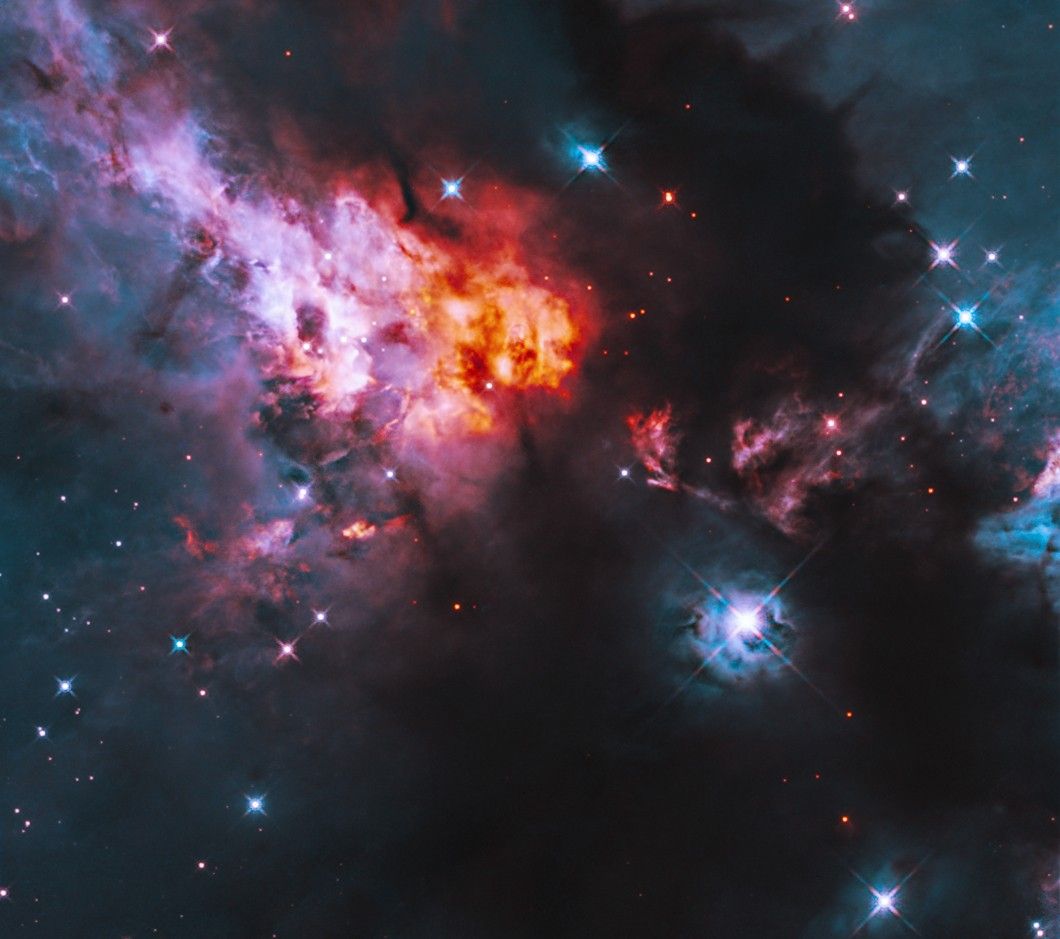
The images reveal energetic outflows and complex structures around the forming stars—phenomena that help scientists understand how massive stars gather material and evolve. Unlike smaller stars like our Sun, massive stars burn hotter, live shorter lives, and end in spectacular supernovae that seed the universe with heavy elements. By studying these cosmic nurseries, researchers hope to piece together the physics governing star birth across the galaxy. It’s a quiet but profound counterpoint to the mechanical might of SLS: while we prepare to send humans beyond low Earth orbit, Hubble continues its decades-long mission of revealing the universe’s deepest secrets—one stellar baby picture at a time.
Citations
- “Seamless collaboration: NASA and Hansen laud joint efforts as Artemis 2 Moon rocket rolls out” – https://spaceq.ca/seamless-collaboration-nasa-and-hansen-laud-joint-efforts-as-artemis-2-moon-rocket-rolls-out/
- “Hisdesat Confirms Spanish Military Satellite Sustained “Non-Recoverable Damage”” – https://europeanspaceflight.com/hisdesat-confirms-spanish-military-satellite-sustained-non-recoverable-damage/
- “Hubble Snaps Stellar Baby Pictures” – https://science.nasa.gov/missions/hubble/hubble-snaps-stellar-baby-pictures/
Upcoming Launches
Starlink Group 6-100

Launch Provider: SpaceX – Commercial
Launch Date: January 18, 2026
Launch Time: 10:06 PM UTC
Vehicle: Falcon 9
Brief: A batch of 29 satellites for the Starlink mega-constellation – SpaceX’s project for space-based Internet communication system.
Unknown Payload
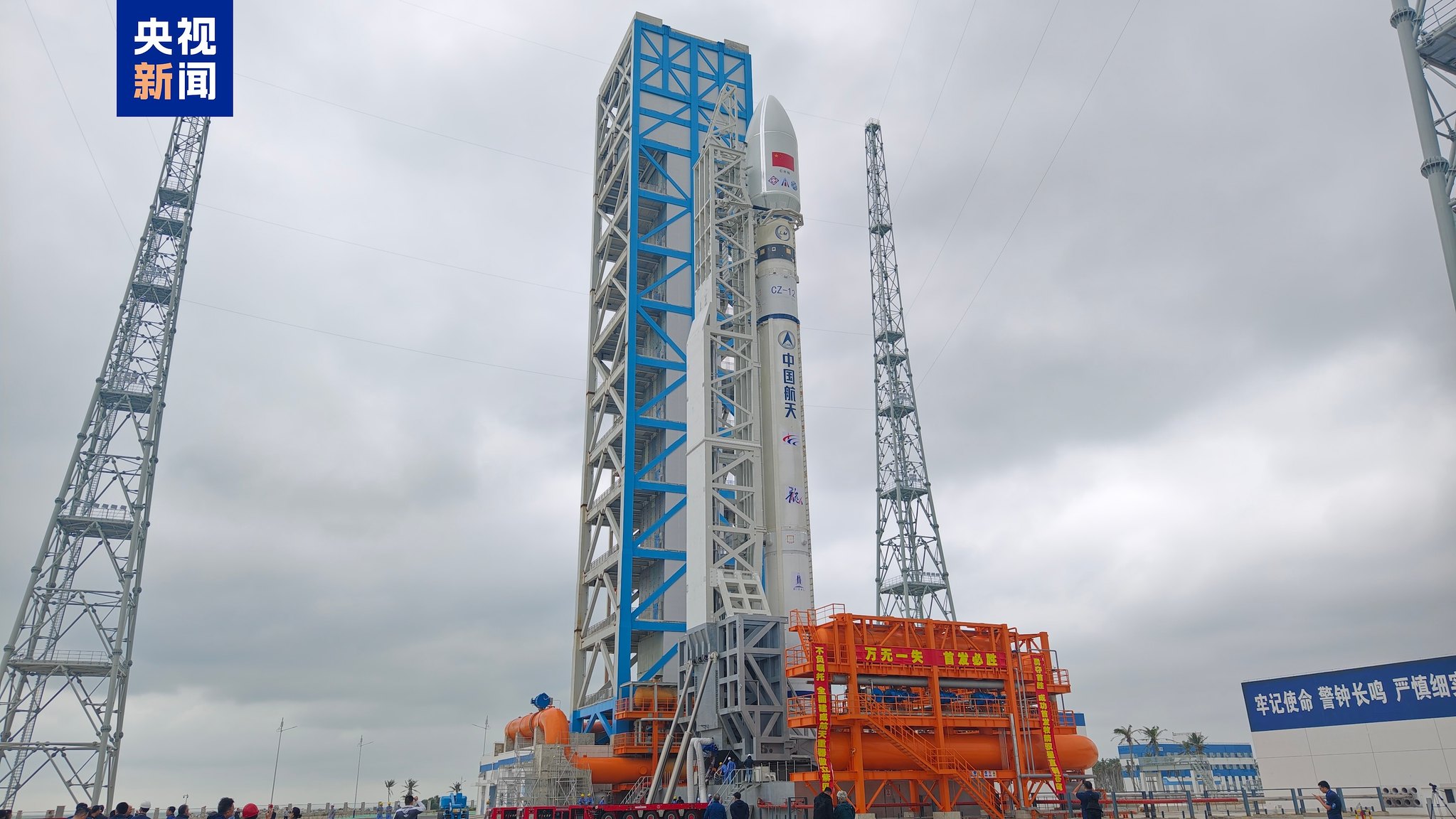
Launch Provider: China Aerospace Science and Technology Corporation – Government
Launch Date: January 19, 2026
Launch Time: 7:48 AM UTC
Vehicle: Long March 12
Brief: Details TBD.
The Cosmos Will See You Now (Open Cosmos Constellation Launch 1)
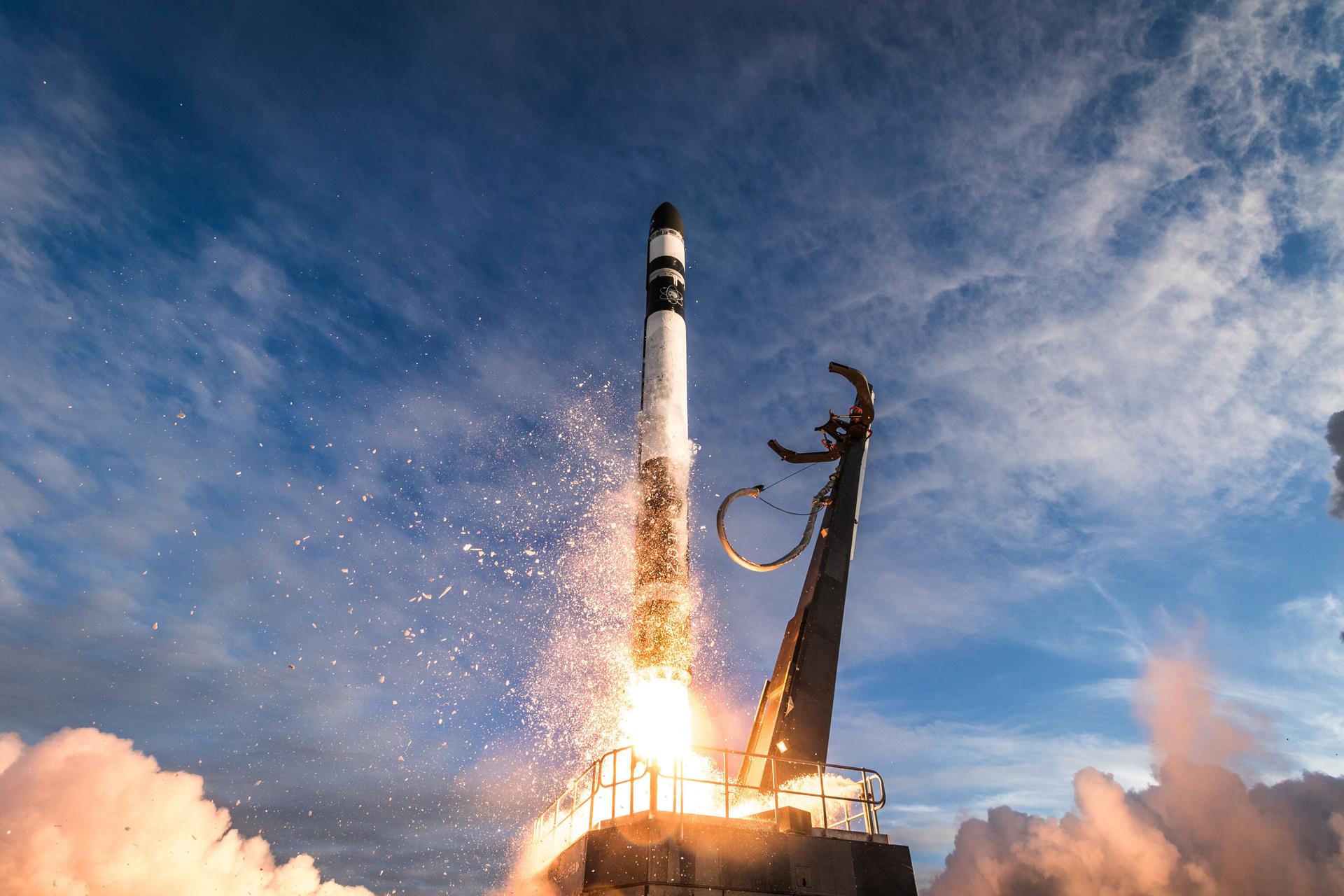
Launch Provider: Rocket Lab – Commercial
Launch Date: January 20, 2026
Launch Time: 11:09 AM UTC
Vehicle: Electron
Brief: First 2 satellites of UK-based Open Cosmos’ secure LEO broadband constellation designed to provide independent and resilient connectivity infrastructure for Europe and the world, using high-priority Ka-band spectrum filings by the Principality of Liechtenstein.
Onward and Upward
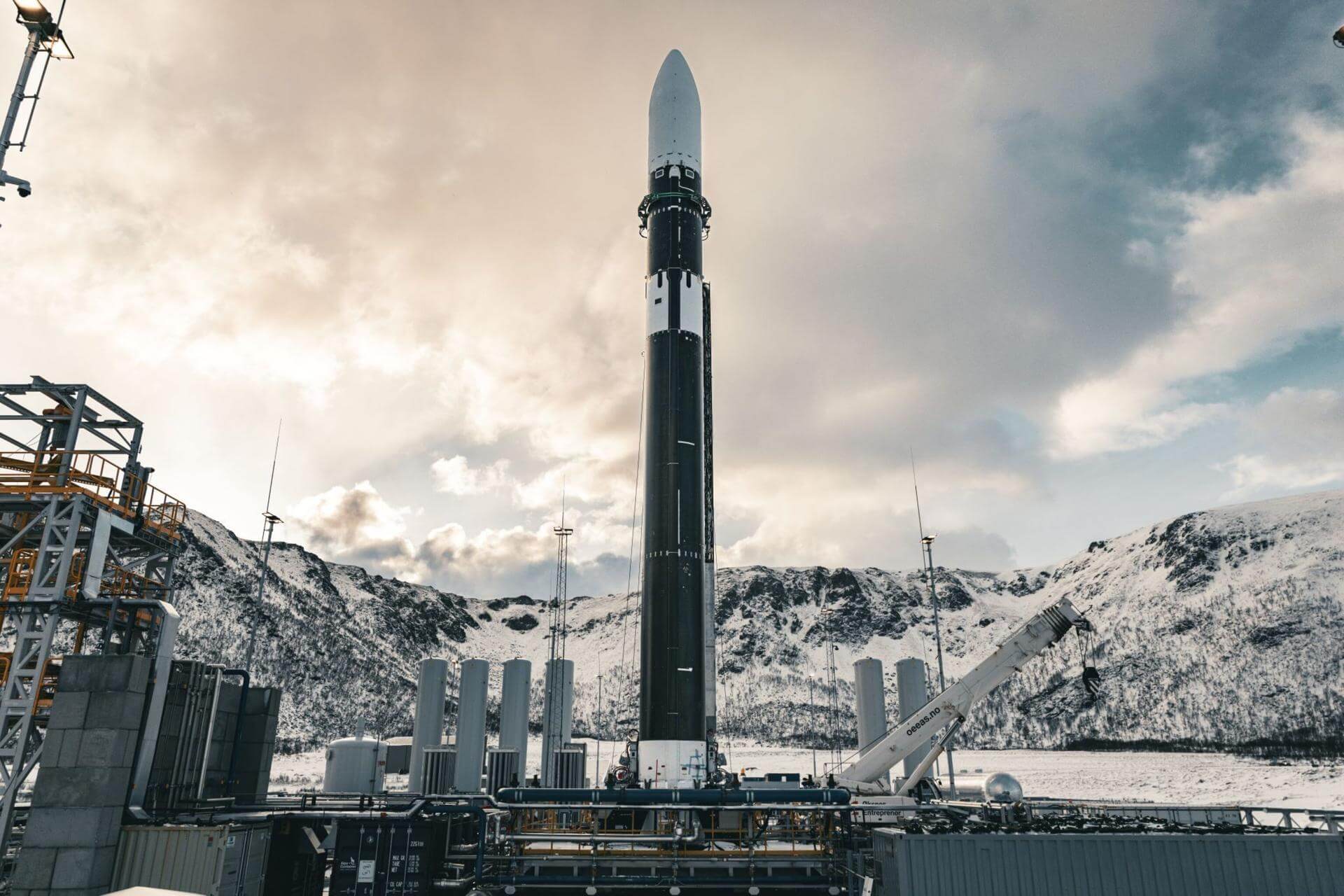
Launch Provider: Isar Aerospace – Private
Launch Date: January 21, 2026
Launch Time: 8:00 PM UTC
Vehicle: Spectrum
Brief: Second test flight of the Isar Spectrum launch vehicle. This launch will carry 5 cubesats and 1 non-separable experiment as part of European Space Agency (ESA)’s “Boost!” program:
* CyBEEsat (TU Berlin)
* TriSat-S (University of Maribor)
* Platform 6 (EnduroSat)
* FramSat-1 (NTNU)
* SpaceTeamSat1 (TU Wien Space Team)
* Let It Go (Dcubed, non-separable experiment)
Starlink Group 17-30
Launch Provider: SpaceX – Commercial
Launch Date: January 22, 2026
Launch Time: 2:43 AM UTC
Vehicle: Falcon 9
Brief: A batch of 25 satellites for the Starlink mega-constellation – SpaceX’s project for space-based Internet communication system.
