
The Daily Broadcast: Reusability, Responsibility, and the Ground Beneath Our Rockets
Reusability, Responsibility, and the Ground Beneath Our Rockets

Heat Shields Get a Second Life
Reusability is no longer just about rockets—satellites are getting in on the act, too. U.S. startup Lux Aeterna has emerged from stealth mode with a bang (or rather, a controlled reentry) by securing two new partnerships with U.S. government agencies. The company’s innovation? A heat shield technology designed to allow satellites to survive atmospheric reentry and be refurbished for future missions. If successful, this could dramatically cut costs and reduce space debris—two persistent headaches in the satellite industry.
Most small satellites today are treated as disposable. Once their mission ends, they either linger uselessly in orbit or burn up on reentry. Lux Aeterna’s approach flips that script by enabling full satellite recovery. While details remain limited—understandable for a company just out of stealth—the implications are significant. Reusable satellites could make Earth observation, communications, and scientific missions more sustainable and affordable over time. For Canadian satellite operators like Telesat or smaller startups eyeing the growing smallsat market, such developments could reshape procurement strategies in the coming decade.
Of course, turning the concept into routine practice is easier said than done. Surviving the extreme temperatures and forces of reentry requires materials and engineering solutions that are both lightweight and incredibly robust. But with U.S. government backing already in place, Lux Aeterna might just be the tip of a new wave in orbital asset management—one where “disposable” is no longer the default.
Space Junk’s Atmospheric Aftermath
While reusable satellites sound promising, another study released this week serves as a sobering reminder: every object we send to space eventually comes back—sometimes in ways we didn’t anticipate. New research, posted to the ArXiv preprint server, links the increasing number of reentering spacecraft and rocket stages to elevated levels of harmful metals in Earth’s upper atmosphere. With mega-constellations like Starlink and OneWeb growing by the hundreds (and soon thousands) of satellites, this “uncontrolled experiment” could have long-term environmental consequences.
The study found that materials like aluminum—common in satellite construction—vaporize during reentry and deposit metallic particles in the mesosphere and stratosphere. These particles may interfere with atmospheric chemistry, including ozone layer dynamics and cloud formation. Scientists caution that while the immediate risk is unclear, the scale of future reentries is unprecedented. By some estimates, the total mass of spacecraft reentering annually could increase tenfold by 2030.
This isn’t just an American or European issue—it’s a global one. Canadian researchers at institutions like the University of Saskatchewan and the Canadian Space Agency have long contributed to atmospheric monitoring, and this research underscores the need for international standards on spacecraft design and disposal. After all, what goes up must come down… preferably not as toxic dust.

The Invisible Backbone of Lunar Missions
As the world races back to the Moon—with NASA’s Artemis program, China’s lunar ambitions, and commercial landers like those from Intuitive Machines—much of the spotlight falls on gleaming rockets and high-tech landers. But a quieter, equally critical component is Earth itself: the global network of ground stations that provide communications, tracking, and data relay for every deep space mission.
This terrestrial infrastructure, often referred to as the Deep Space Network (DSN) or its international equivalents, is the unsung hero of space exploration. Without it, lunar missions would be deaf, blind, and lost. A recent SpaceNews piece highlights how this network is being expanded and modernized to meet the demands of a multi-mission lunar era. Canada, while not operating its own deep space antennas, contributes significantly through the Canadian Space Agency’s partnerships and its involvement in tracking and data systems via agreements with NASA and ESA.
For instance, the CSA’s support for the Artemis program includes data relay coordination and potential use of Canadian-built instruments that rely on this Earth-based network. Moreover, Canadian universities and research centers often participate in signal processing and telemetry analysis. As more nations and companies target the Moon, the need for robust, globally distributed ground infrastructure grows. It’s a reminder that even as we reach for the stars, we remain tethered—by necessity and by design—to the planet we call home.
Citations
- “Lux Aeterna nets US government partnerships for reusable satellite technology” – https://spacenews.com/lux-aeterna-nets-us-government-partnerships-for-reusable-satellite-technology/
- “‘Uncontrolled experiment:’ Study links harmful atmospheric metals to spacecraft reentry” – https://spacenews.com/uncontrolled-experiment-study-links-harmful-atmospheric-metals-to-spacecraft-reentry/
- “Ground truth: Why the lunar program needs its Earthbound network” – https://spacenews.com/ground-truth-why-the-lunar-program-needs-its-earthbound-network/
Upcoming Launches
EscaPADE
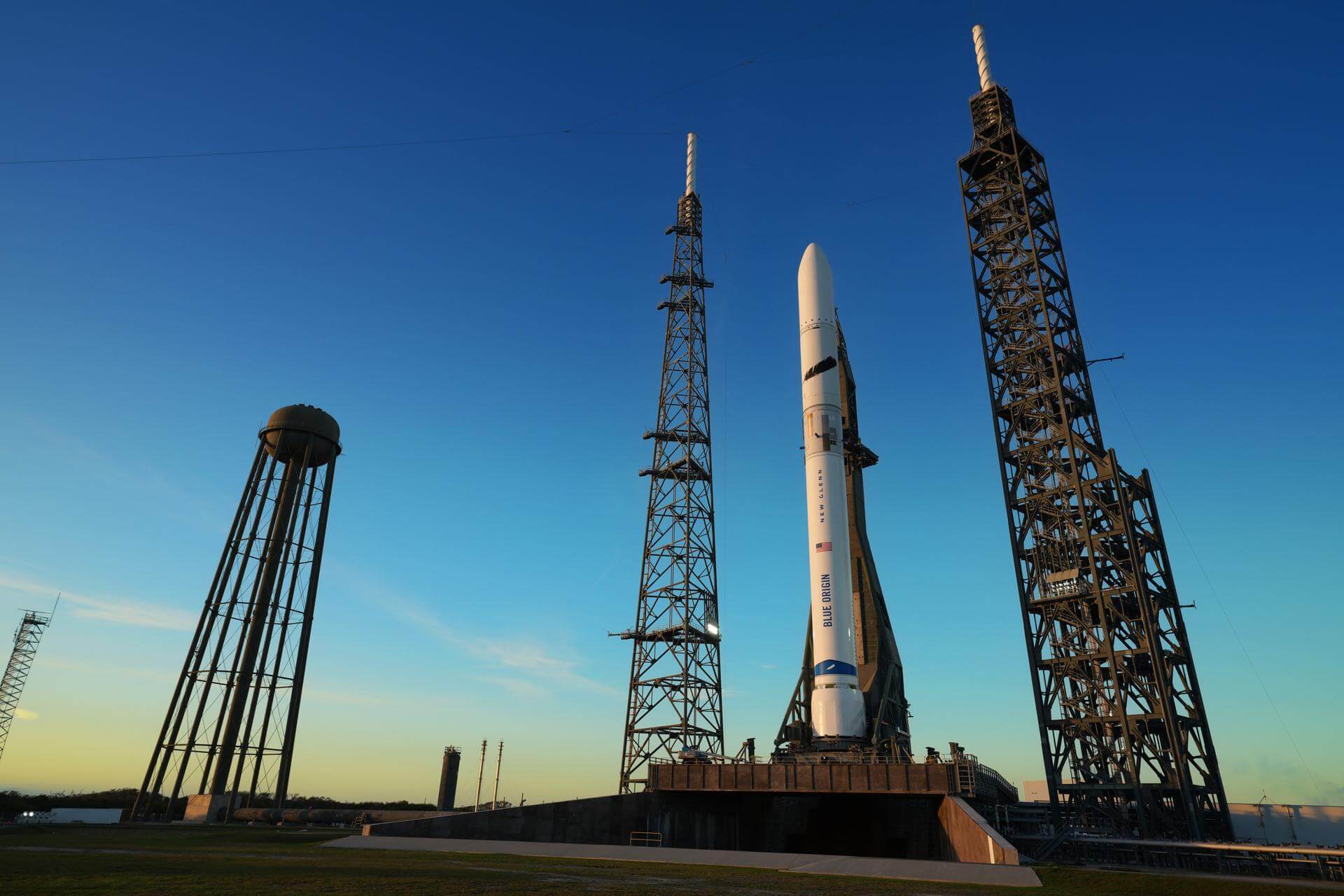
Launch Provider: Blue Origin – Commercial
Launch Date: November 13, 2025
Launch Time: 7:57 PM UTC
Vehicle: New Glenn
Brief: Second flight of Blue Origin’s New Glenn launch vehicle carrying the Escape and Plasma Acceleration and Dynamics Explorers (EscaPADE), a dual-spacecraft mission from University of California, Berkeley to study ion and sputtered escape from Mars. The spacecrafts’ scientific goals are to understand the processes controlling the structure of Mars’ hybrid magnetosphere and how it guides ion flows; understand how energy and momentum are transported from the solar wind through Mars’ magnetosphere; and understand the processes controlling the flow of energy and matter into and out of the collisional atmosphere.
ViaSat-3 F2 (ViaSat-3 EMEA)
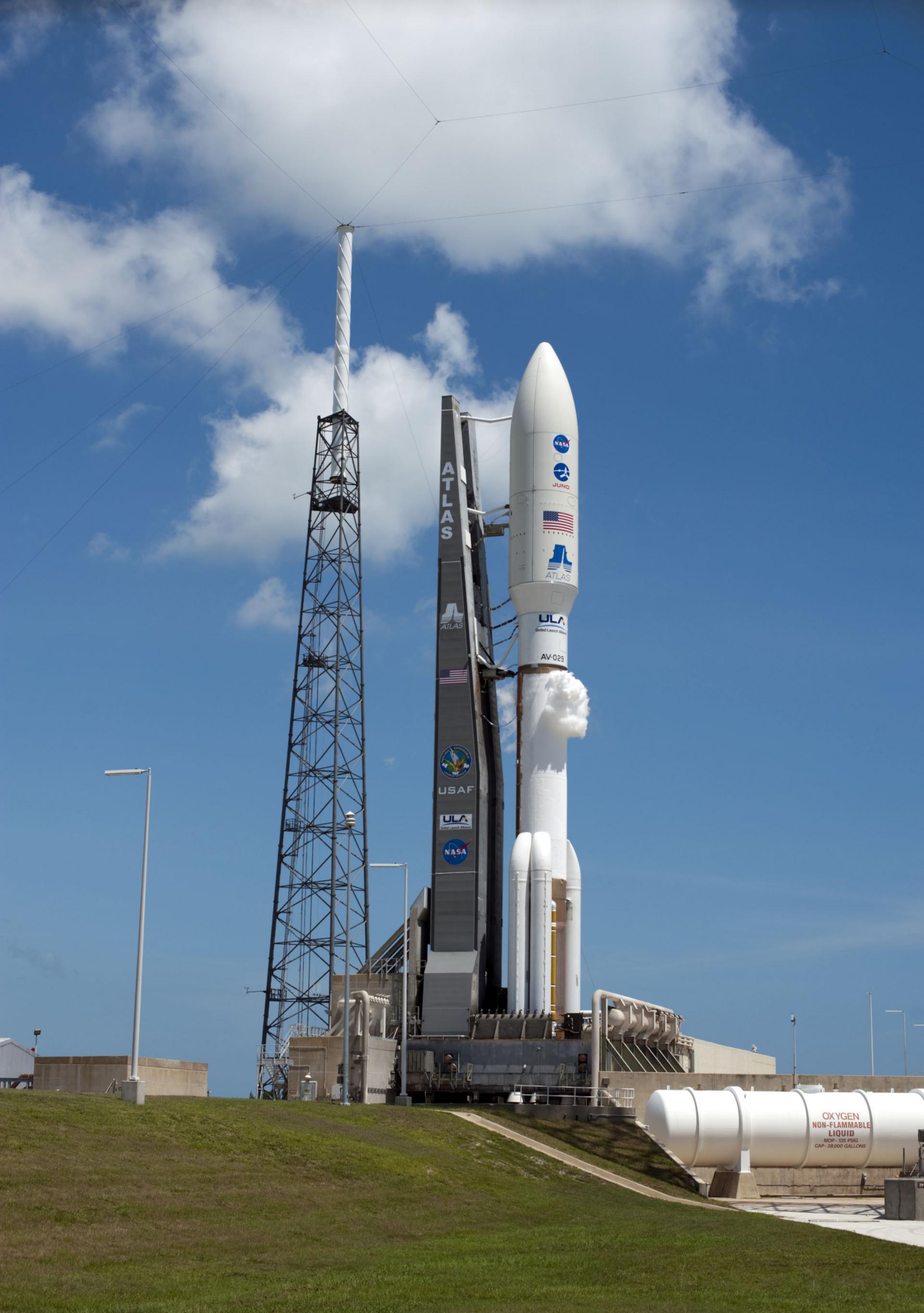
Launch Provider: United Launch Alliance – Commercial
Launch Date: November 14, 2025
Launch Time: 3:04 AM UTC
Vehicle: Atlas V 551
Brief: The ViaSat-3 is a series of three Ka-band satellites is expected to provide vastly superior capabilities in terms of service speed and flexibility for a satellite platform. Each ViaSat-3 class satellite is expected to deliver more than 1-Terabit per second of network capacity, and to leverage high levels of flexibility to dynamically direct capacity to where customers are located.
Starlink Group 6-85
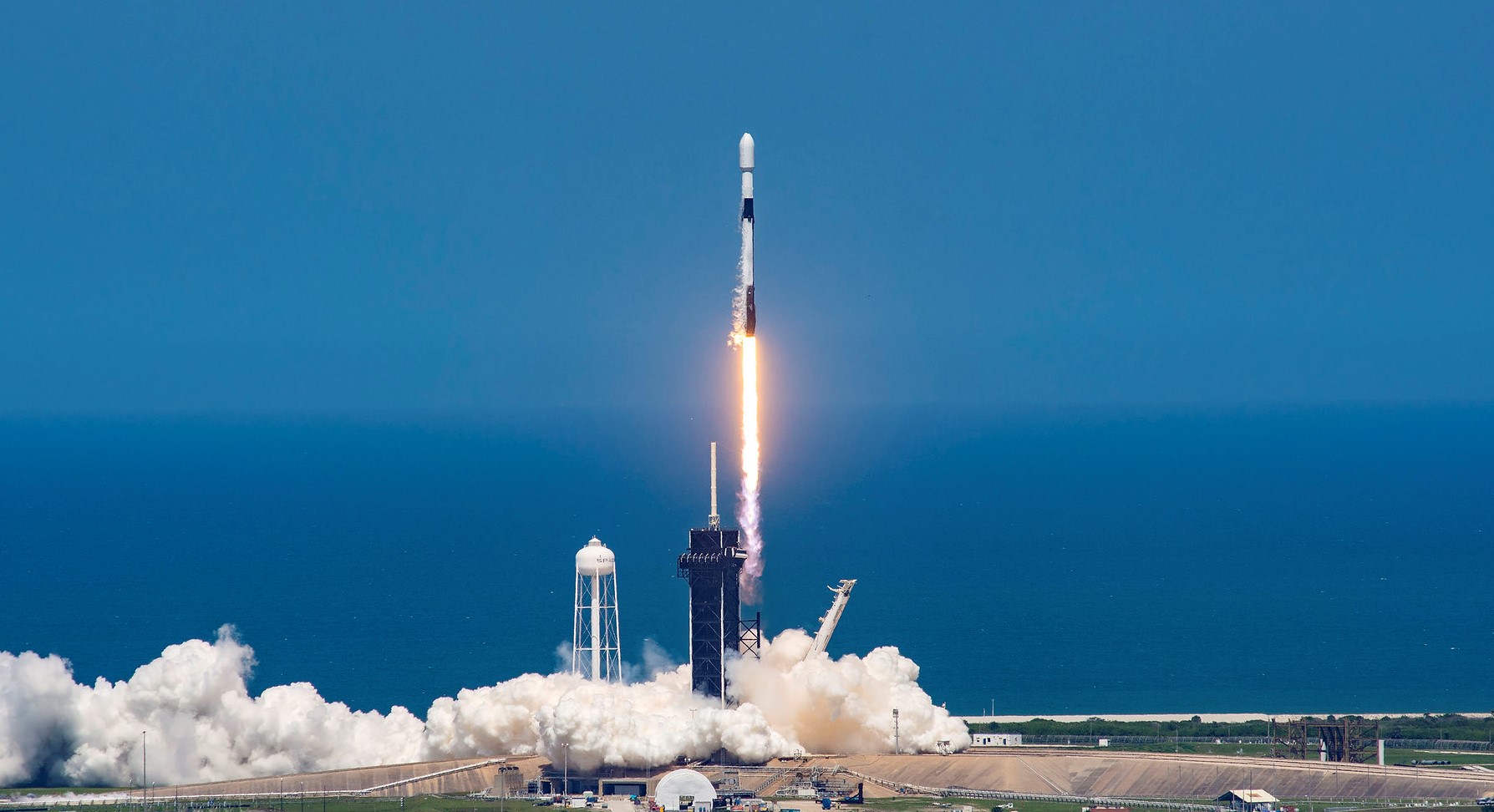
Launch Provider: SpaceX – Commercial
Launch Date: November 15, 2025
Launch Time: 3:01 AM UTC
Vehicle: Falcon 9
Brief: A batch of 29 satellites for the Starlink mega-constellation – SpaceX’s project for space-based Internet communication system.
Starlink Group 6-89
Launch Provider: SpaceX – Commercial
Launch Date: November 15, 2025
Launch Time: 3:01 AM UTC
Vehicle: Falcon 9
Brief: A batch of 29 satellites for the Starlink mega-constellation – SpaceX’s project for space-based Internet communication system.
VAN
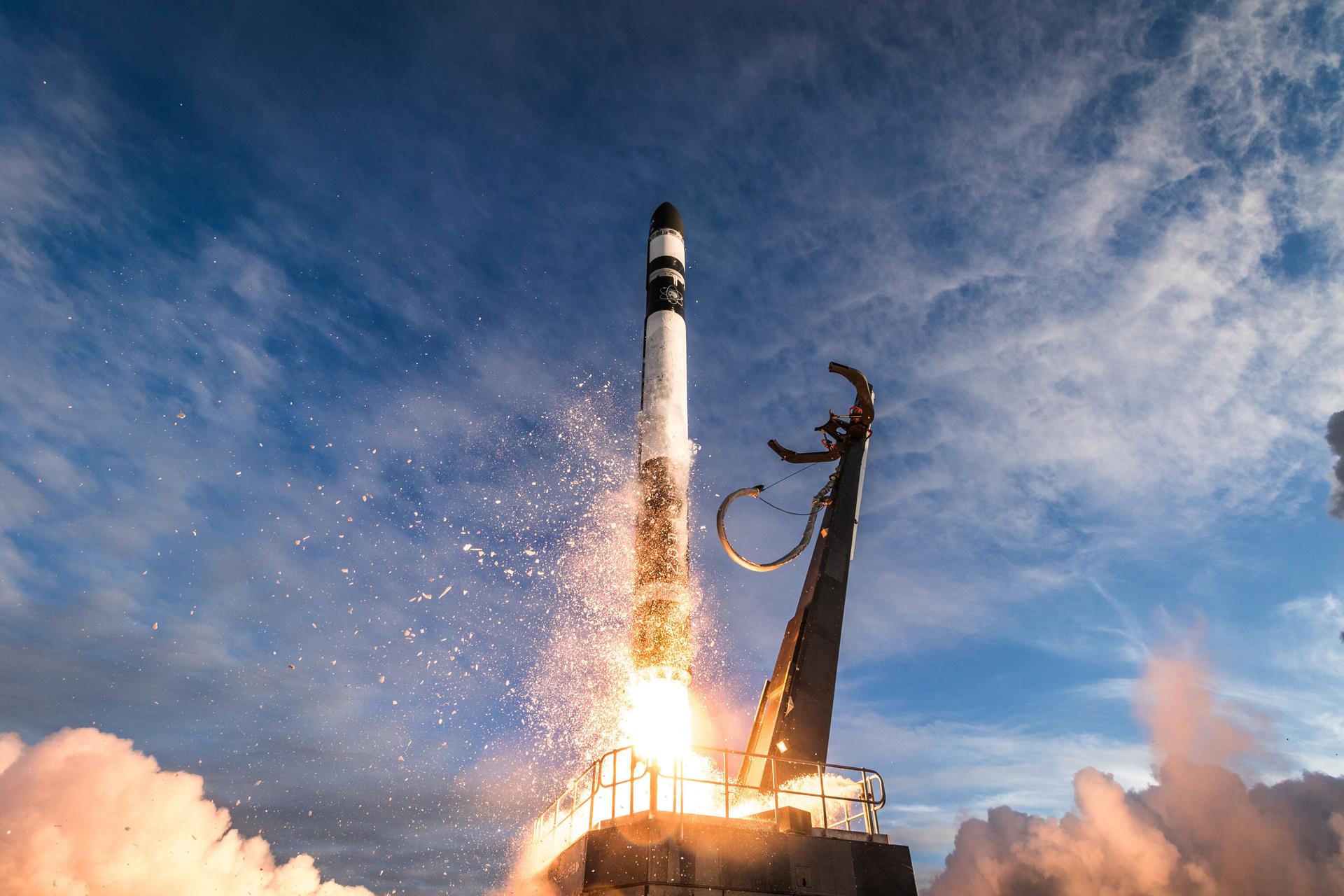
Launch Provider: Rocket Lab – Commercial
Launch Date: November 16, 2025
Launch Time: 12:45 PM UTC
Vehicle: Electron
Brief: Sub-orbital launch under Rocket Lab’s Hypersonic Accelerator Suborbital Test Electron (HASTE) program, details TBD.
