
The Daily Broadcast: Reusability, Resilience, and Ripples in the Atmosphere
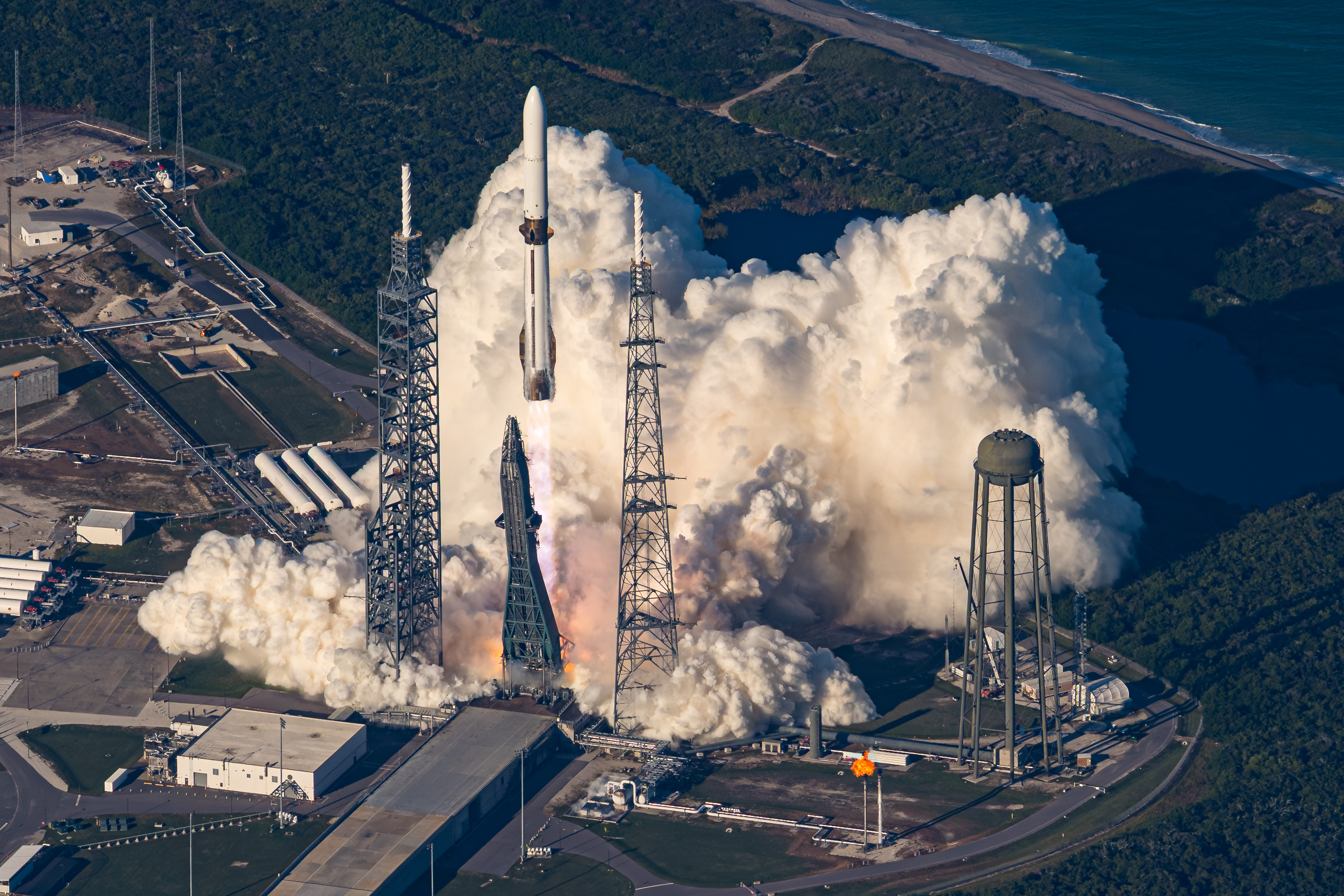
U.S. Launch Rankings Shake Up as Newcomers Rise
The annual U.S. launch company rankings have seen a notable reshuffling, with fresh entrants challenging long-standing players. While exact positions aren’t disclosed in the preview, the shift signals a maturing—and increasingly competitive—commercial launch sector. Newer companies, likely bolstered by recent successful missions or expanded contracts, are gaining ground against more established providers. This evolution reflects broader trends in aerospace: rapid iteration, cost-driven innovation, and the growing importance of responsive launch capabilities for both civil and defense needs. For observers north of the border, this shake-up is a reminder of how dynamic the market has become—even if Canada’s own launch ambitions remain in earlier stages. The rankings, compiled by Ars Technica using metrics like launch cadence, payload mass, reliability, and mission diversity, offer a useful benchmark for tracking industry momentum. While no Canadian launch provider appears in these U.S.-focused rankings (yet), developments south of the 49th parallel inevitably influence investment, partnerships, and policy discussions at home. After all, when your neighbour starts launching half a dozen rockets a month, it’s hard not to pay attention—especially if you’re trying to build your own space corridor in Nova Scotia or Saskatchewan.
ESA’s Space Rider: Orbital Lab with Extra Steps
The European Space Agency’s upcoming Space Rider isn’t just a reusable spaceplane—it’s a versatile orbital workhorse designed for more than just dropping off experiments. Two new animations released by ESA illustrate its potential for on-orbit servicing: one shows Space Rider deploying and later retrieving payloads in a choreographed “orbital ballet,” while the other depicts it launching a small inspection drone to survey nearby assets. These capabilities position Space Rider as more than a science platform; it could support future in-space logistics, satellite maintenance, or even debris monitoring. Scheduled for its maiden flight in 2028 atop a Vega-C rocket from French Guiana, Space Rider will return to Earth via parachute and landing skids—landing not on a runway but in the sea, where it will be recovered by ship. Though Canada isn’t a direct partner in Space Rider, Canadian researchers and companies with ESA ties could potentially fly payloads on future missions. In an era where reusability and in-orbit flexibility are increasingly valued, Space Rider offers Europe an autonomous capability that complements, rather than competes with, U.S. systems—a quiet but strategic move in the global space race.

Hunga Eruption’s Atmospheric Aftermath, Seen from Space
The January 2022 eruption of the Hunga Tonga-Hunga Haapai volcano was one of the most powerful in modern history—and its atmospheric effects are still being unpacked. A new international scientific assessment confirms that the blast injected an unprecedented amount of water vapor into the stratosphere, temporarily altering ozone chemistry and radiation balance. Surprisingly, despite the scale of the event, its impact on global surface temperatures was minimal, with only slight and short-lived cooling observed. The eruption also had limited influence on the Antarctic ozone hole, contrary to early speculation. These insights were made possible in part by satellite observations that tracked water vapor plumes and chemical changes across the globe. For Canada, which operates a network of atmospheric monitoring stations and contributes to international climate science efforts, such events underscore the value of sustained Earth observation. Volcanic injections like Hunga’s serve as natural experiments, helping refine climate models and improve our understanding of stratospheric dynamics. While the eruption was a Pacific event, its ripples were global—and space-based sensors were key to measuring them without getting our boots wet.
Citations
- “There’s a big shake-up near the top of our annual US launch company rankings” – https://arstechnica.com/space/2026/01/theres-a-big-shake-up-near-the-top-of-our-annual-us-launch-company-rankings/
- “Space Rider orbital ballet” – https://www.esa.int/ESA_Multimedia/Videos/2024/11/Space_Rider_orbital_ballet
- “Hunga eruption reshaped stratospheric water and ozone with limited climate cooling” – https://www.terradaily.com/reports/Hunga_eruption_reshaped_stratospheric_water_and_ozone_with_limited_climate_cooling_999.html
Upcoming Launches
Starlink Group 6-96
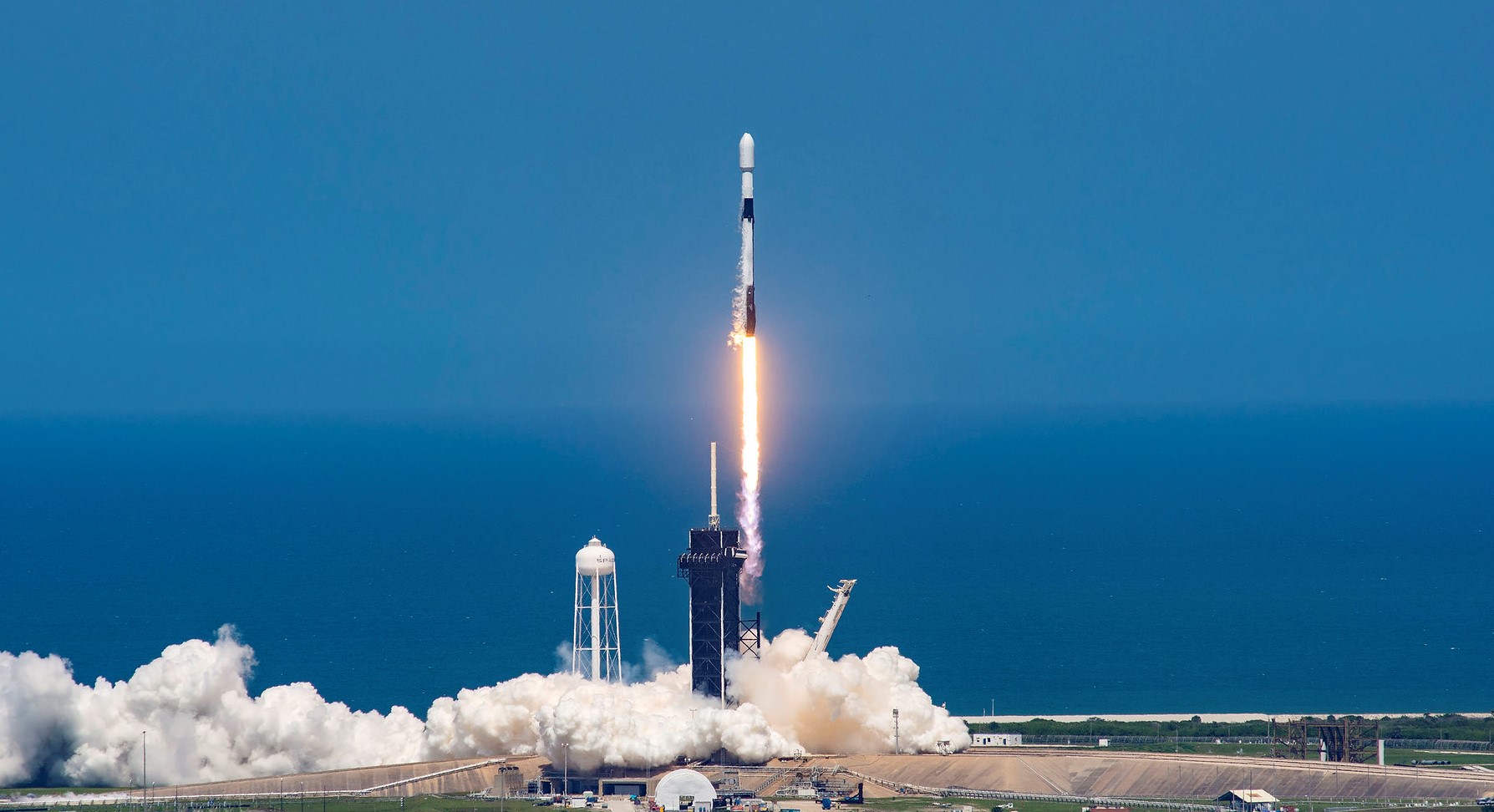
Launch Provider: SpaceX – Commercial
Launch Date: January 8, 2026
Launch Time: 6:29 PM UTC
Vehicle: Falcon 9
Brief: A batch of 29 satellites for the Starlink mega-constellation – SpaceX’s project for space-based Internet communication system.
Starlink Group 6-97
Launch Provider: SpaceX – Commercial
Launch Date: January 10, 2026
Launch Time: 6:34 PM UTC
Vehicle: Falcon 9
Brief: A batch of 29 satellites for the Starlink mega-constellation – SpaceX’s project for space-based Internet communication system.
Pandora / Twilight rideshare mission
Launch Provider: SpaceX – Commercial
Launch Date: January 11, 2026
Launch Time: 1:09 PM UTC
Vehicle: Falcon 9
Brief: The Pandora small satellite was selected in 2021 as an inaugural mission in NASA’s Astrophysics Pioneers Program. It includes a 0.45-meter telescope that will improve our understanding of exoplanet atmospheres by disentangling exoplanet signals from their host stars, as well as studying host star variability with long-duration observations of 20 unique planets through visible-light photometry and near-infrared spectroscopy.
Also launching on this launch are ride-share payloads under the “Falcon 9 Twilight mission” manifested by Exolaunch, including satellites from Spire Global and Kepler Communications.
EOS-N1 and others
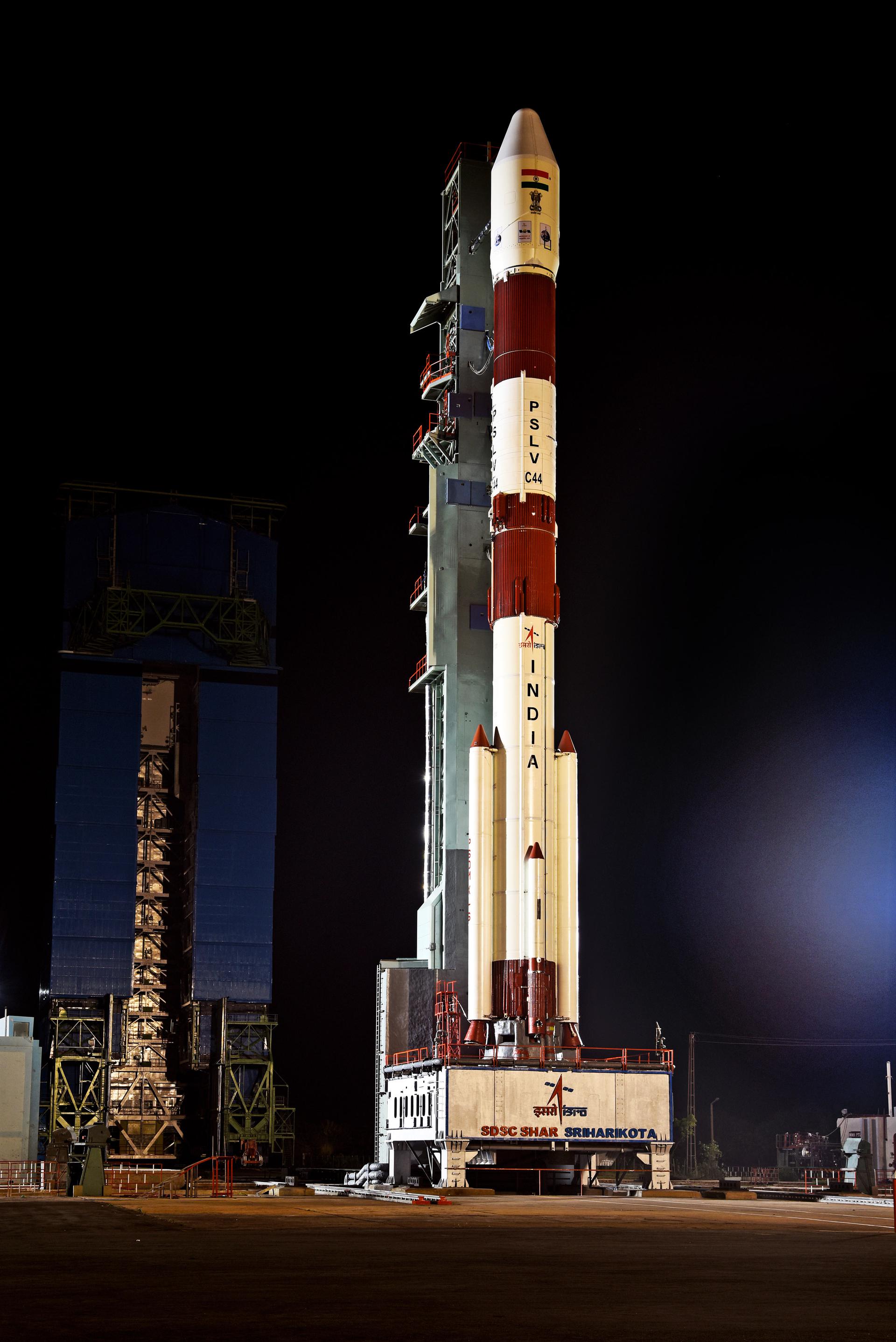
Launch Provider: Indian Space Research Organization – Government
Launch Date: January 12, 2026
Launch Time: 4:47 AM UTC
Vehicle: PSLV-DL
Brief: Small Earth observation satellite from NewSpace India Limited (NSIL) for an “Indian strategic user”, details TBD.
This launch will also carry 18 other ride-share payloads.
Starlink Group 6-98
Launch Provider: SpaceX – Commercial
Launch Date: January 14, 2026
Launch Time: 6:01 PM UTC
Vehicle: Falcon 9
Brief: A batch of 29 satellites for the Starlink mega-constellation – SpaceX’s project for space-based Internet communication system.
