
The Daily Broadcast: Resilience, Rerouting, and Reconnecting: Today’s Aerospace Threads

Defence SatCom Embraces Layered Resilience—With Canadian Input
In an era where satellite communications can mean the difference between mission success and strategic vulnerability, a recent Global Satellite Operators Association (GSOA) webinar underscored a fundamental shift in military thinking: operational resilience, not just encryption, is now the benchmark for secure space-based communications. The discussion, featuring experts from SES, ST Engineering iDirect, and notably MDA Space—Canada’s premier space technology firm—highlighted that modern defence SatCom must assume the network is already under attack.
The panel emphasized a move away from single-orbit, static architectures toward dynamic, multi-layered systems combining low, medium, and geostationary Earth orbits. This “moving target” approach ensures that if one link is jammed or compromised, traffic automatically reroutes through another. Artificial intelligence plays a growing role in managing this complexity, optimizing spectrum use and detecting interference faster than human operators can respond. Of particular interest to Canadian readers is MDA Space’s involvement, reflecting Canada’s continued contribution to secure, interoperable space infrastructure used by allied forces. As the battlefield increasingly extends into orbit, this shift toward resilient, software-defined networks—where updates can be pushed remotely instead of shipping new hardware—represents not just a technical evolution, but a strategic necessity.
NASA and Curiosity Reconnect After Solar Conjunction—with Canadian Science Onboard
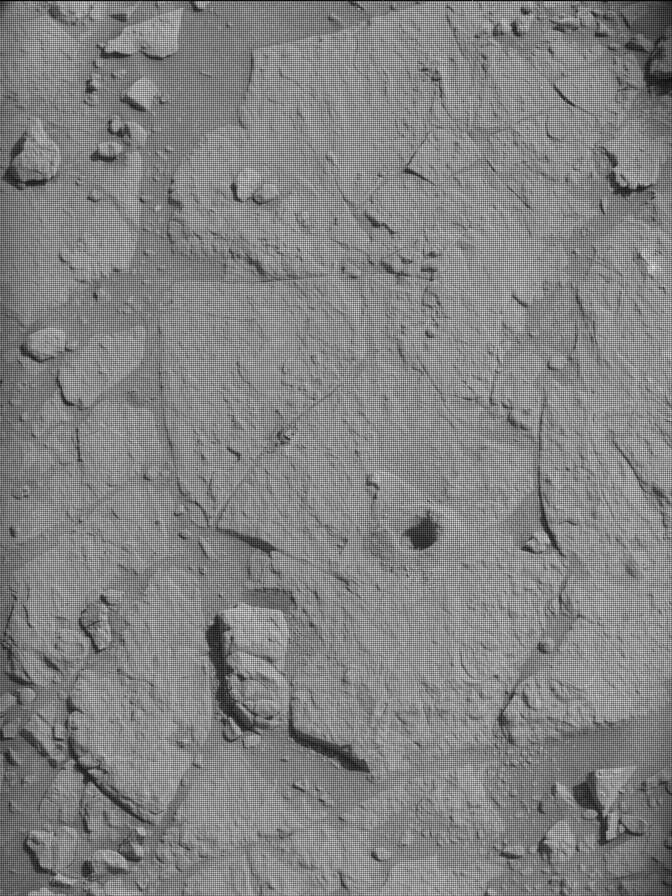
After a brief celestial timeout, NASA’s Curiosity rover has resumed operations on Mars, and Canadian science is part of the action. Mars recently passed behind the Sun from Earth’s perspective—a period known as solar conjunction—temporarily halting communications to avoid signal corruption. As of late January 2026, the team has re-established contact and resumed planning, with Alex Innanen, an atmospheric scientist at York University in Toronto, contributing to the mission’s latest updates.
Innanen’s work focuses on Martian atmospheric conditions, helping interpret how dust, temperature, and pressure affect both rover operations and long-term climate models. The return from conjunction allowed Curiosity to continue its ascent of Mount Sharp, where layered rock formations offer clues to Mars’ wetter past. While the rover paused for about two weeks, the scientific momentum didn’t stop—teams on Earth refined plans and calibrated instruments. For Canadian space enthusiasts, this is a quiet but significant reminder that our researchers remain embedded in flagship planetary missions, even when headlines focus elsewhere. No flashy launches here—just meticulous science, patiently carried out millions of kilometres away.
U.S. Space Force and Congress Clash Over GPS Backup Plans
A bureaucratic tug-of-war is underway in Washington over how best to protect one of the world’s most critical pieces of infrastructure: the Global Positioning System. While the U.S. Space Force appears ready to move on from the Resilient GPS (R-GPS) programme—a backup system designed to counter jamming and spoofing—Congress isn’t letting go so easily. Lawmakers remain concerned that overreliance on GPS leaves both military operations and the global economy vulnerable to disruption.
GPS signals are notoriously weak by the time they reach Earth, making them easy to block or mimic with relatively inexpensive equipment. Recent conflicts have demonstrated how adversaries can exploit this weakness, prompting calls for more robust alternatives. Although the Space Force argues that newer architectures like proliferated low-Earth-orbit constellations may offer better resilience, Congress insists on keeping R-GPS as a hedge. Meanwhile, Europe continues advancing its Galileo Second Generation system, which incorporates next-generation atomic clocks and improved anti-jamming features—showing that the race for resilient positioning, navigation, and timing (PNT) is truly global. For Canadians, who rely heavily on GPS for everything from Arctic navigation to precision agriculture, the outcome of this debate could have downstream implications for future interoperability and security.

Citations
- “Operational resilience is the new gold standard in defence SatCom” – https://spaceq.ca/operational-resilience-is-the-new-gold-standard-in-defence-satcom/
- “Curiosity Blog, Sols 4788-4797: Welcome Back from Conjunction” – https://science.nasa.gov/blog/curiosity-blog-sols-4788-4797-welcome-back-from-conjunction/
- “Space Force may be done with R-GPS, but Congress isn’t” – https://spacenews.com/space-force-may-be-done-with-r-gps-but-congress-isnt/
Upcoming Launches
Chinese Reusable Space Vehicle (???)
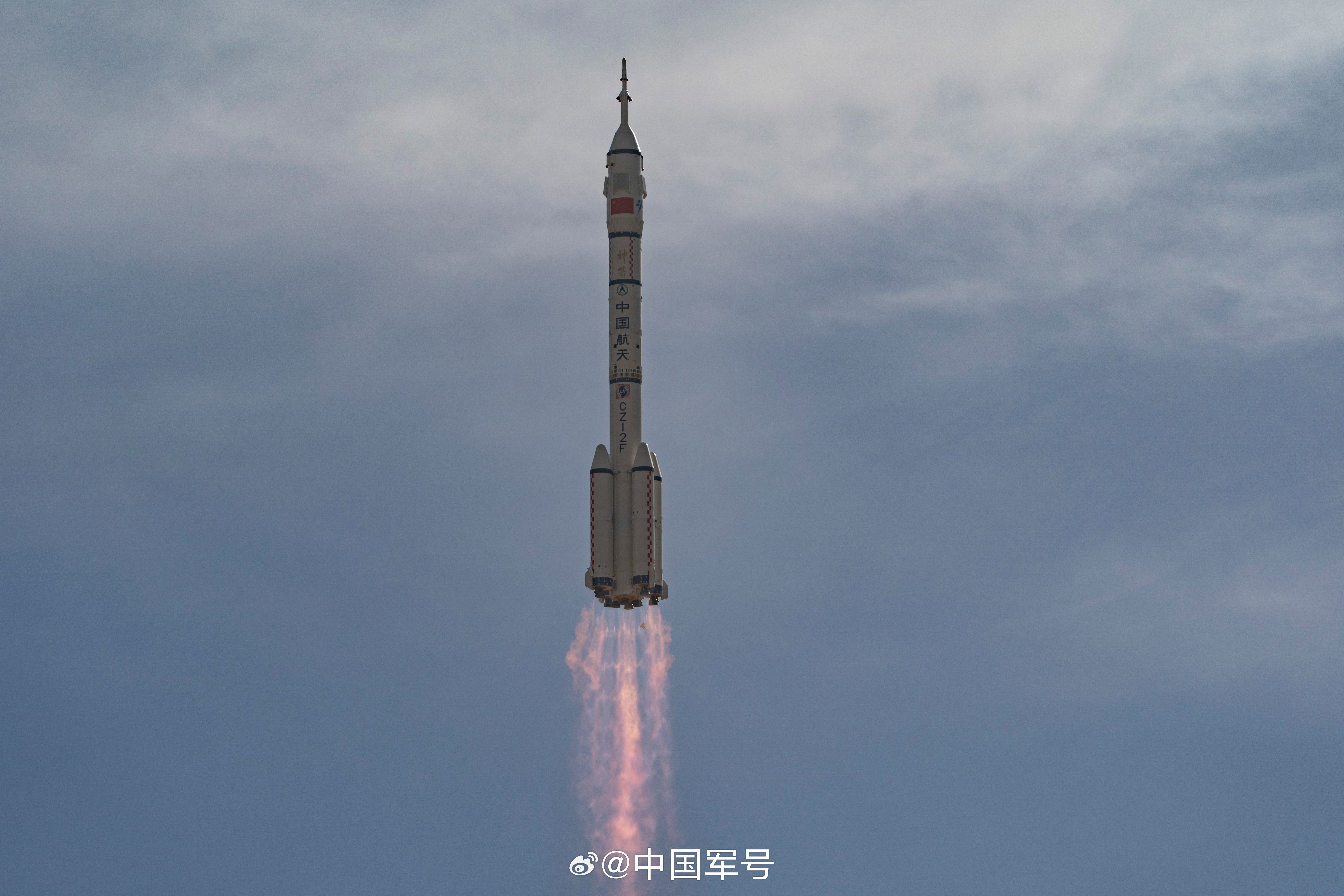
Launch Provider: China Aerospace Science and Technology Corporation – Government
Launch Date: February 7, 2026
Launch Time: 3:55 AM UTC
Vehicle: Long March 2F/G
Brief: Probable 4th flight of the Chinese spaceplane capable of returning to Earth.
Starlink Group 17-33
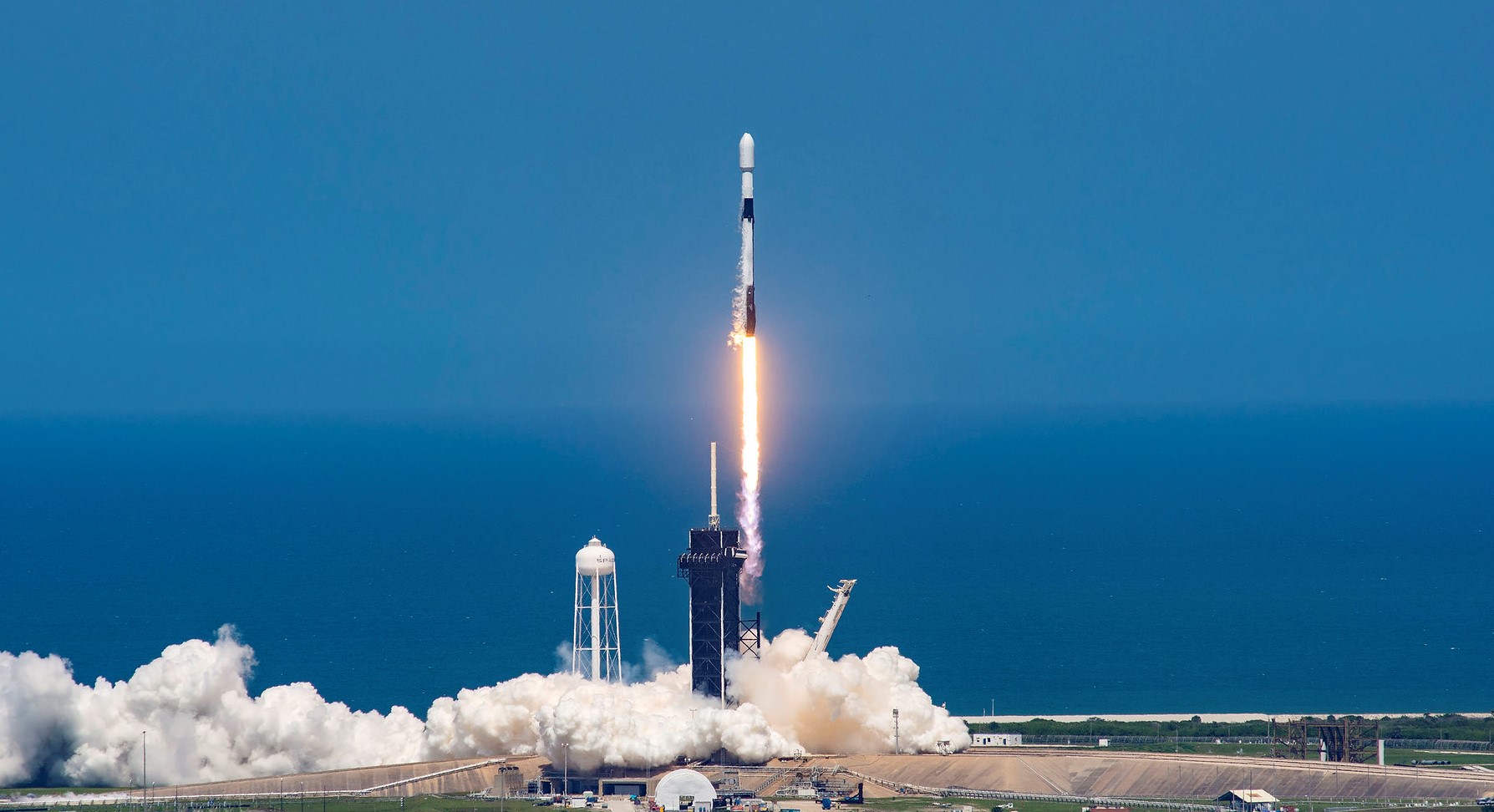
Launch Provider: SpaceX – Commercial
Launch Date: February 7, 2026
Launch Time: 5:05 PM UTC
Vehicle: Falcon 9
Brief: A batch of 25 satellites for the Starlink mega-constellation – SpaceX’s project for space-based Internet communication system.
Crew-12
Launch Provider: SpaceX – Commercial
Launch Date: February 11, 2026
Launch Time: 11:01 AM UTC
Vehicle: Falcon 9
Brief: SpaceX Crew-12 is the twelfth crewed operational flight of a Crew Dragon spacecraft to the International Space Station as part of NASA’s Commercial Crew Program.
Starlink Group 17-34
Launch Provider: SpaceX – Commercial
Launch Date: February 11, 2026
Launch Time: 2:07 PM UTC
Vehicle: Falcon 9
Brief: A batch of 25 satellites for the Starlink mega-constellation – SpaceX’s project for space-based Internet communication system.
USSF-87
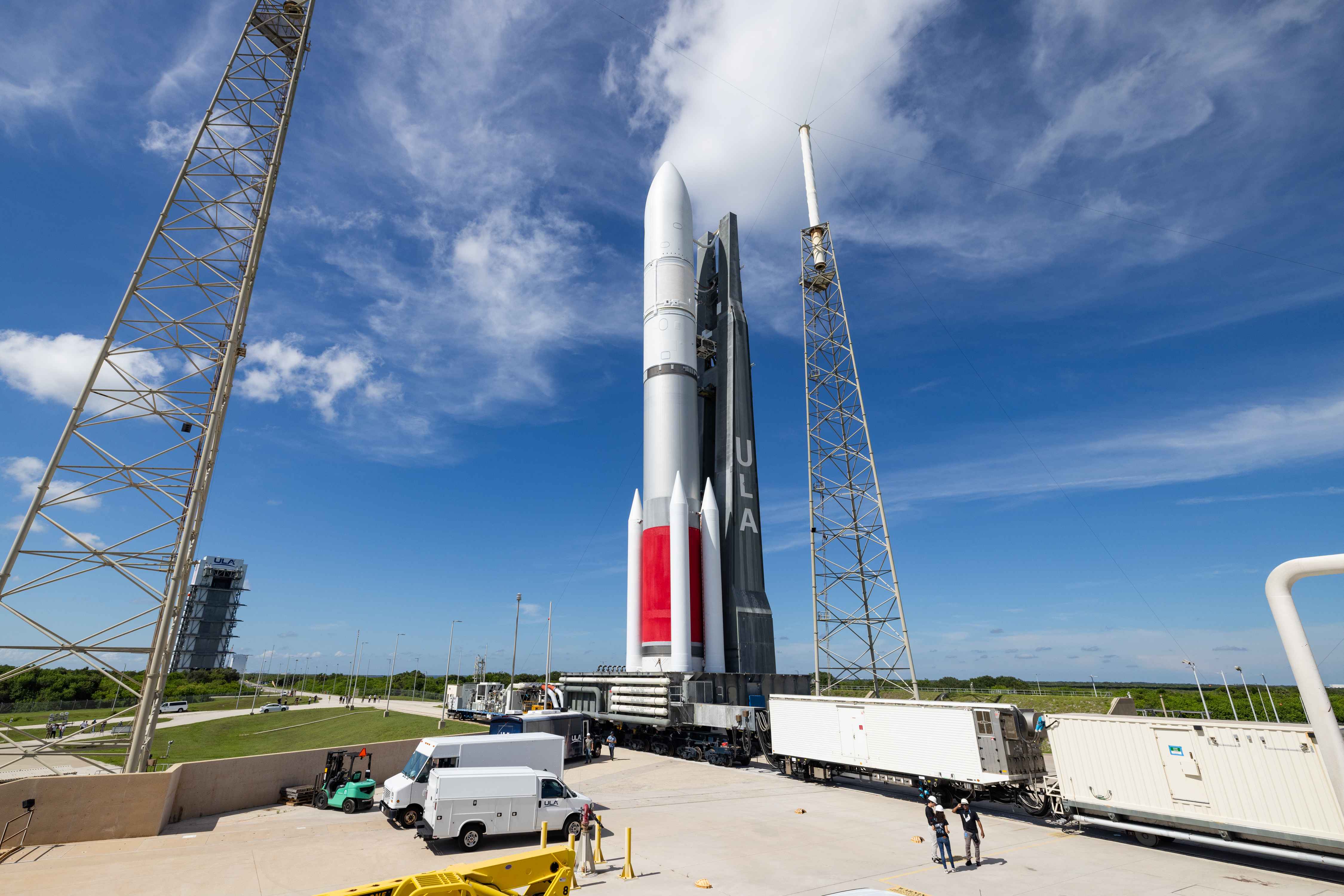
Launch Provider: United Launch Alliance – Commercial
Launch Date: February 12, 2026
Launch Time: 8:00 AM UTC
Vehicle: Vulcan VC4S
Brief: USSF-87 will launch two identical Geosynchronous Space Situational Awareness Program (GSSAP) satellites GSSAP-7 and GSSAP-8 directly to a near-geosynchronous orbit approximately 36,000 km above the equator.
Data from the GSSAP will uniquely contribute to timely and accurate orbital predictions, further enabling space flight safety including satellite collision avoidance.
