
The Daily Broadcast: Rehearsals, Reckonings, and the Search Beyond
Artemis II Wet Dress Rehearsal Underway Today
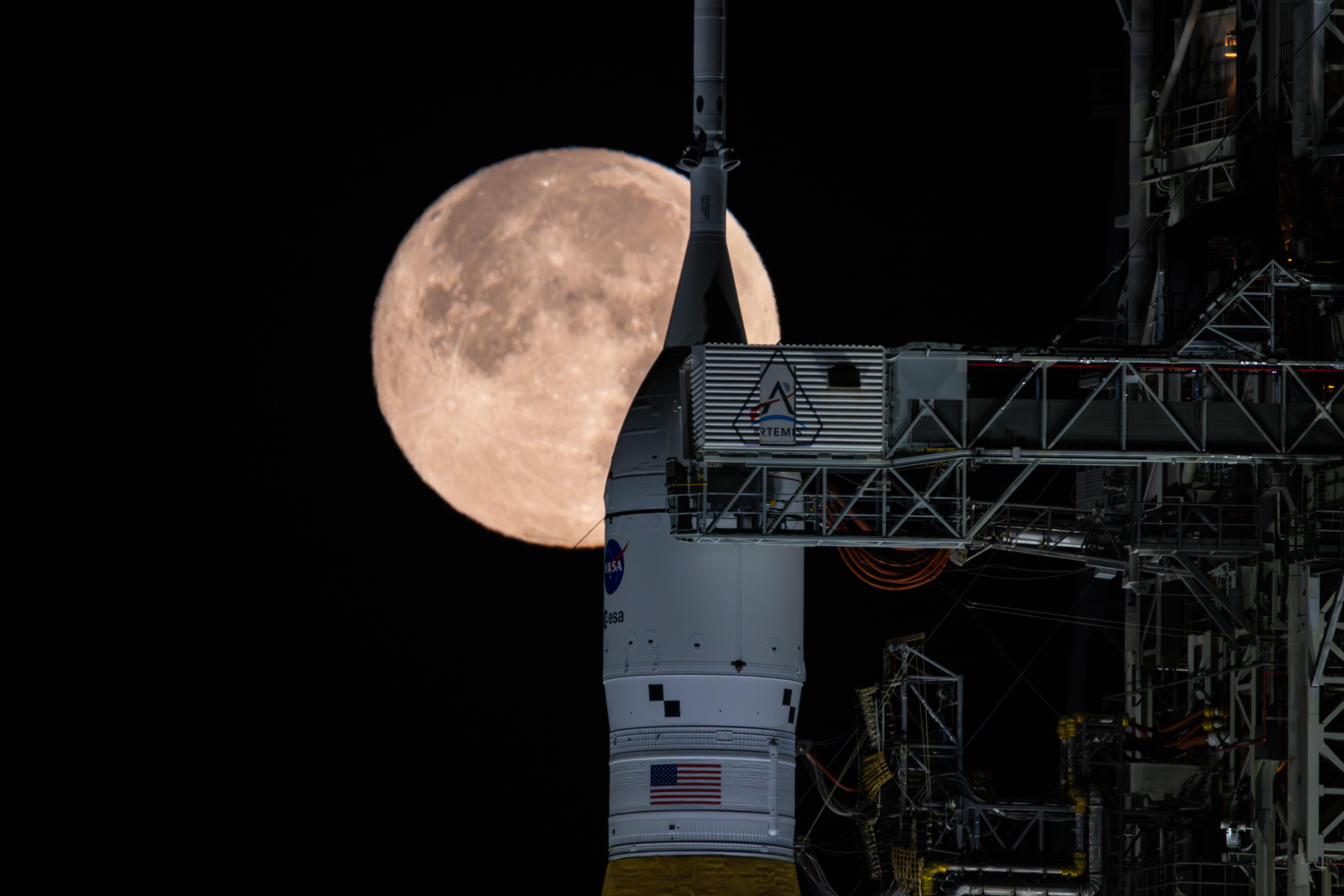
Right now, as this blog post goes live on February 19, 2026, NASA teams at Kennedy Space Center in Florida are deep into the second wet dress rehearsal for the Artemis II mission—the first crewed flight of the Space Launch System (SLS) and Orion spacecraft. The full propellant loading sequence began after a nearly 50-hour countdown that started on the evening of February 17, and will culminate in a simulated launch at 8:30 p.m. EST tonight. This rehearsal is critical: it tests not just the hardware, but the entire launch team’s ability to manage cryogenic fueling, countdown procedures, and even simulated scrubs by recycling the countdown clock.
Unlike the first attempt on February 12, which was cut short due to a suspected filter issue in the liquid hydrogen line, today’s test incorporates hardware fixes and refined procedures. Though no astronauts are aboard, a dedicated team is practising Orion closeout operations—hatch sealing and final checks—exactly as they would on launch day. NASA has not yet set a firm Artemis II launch date, but program managers have identified March 6 as the earliest feasible opportunity, pending successful completion of this rehearsal and subsequent data review. A live stream of the SLS on the pad remains available for the public, and a press conference is scheduled for February 20 to discuss outcomes.
European Hypersonics Take Flight in Norway
While Artemis II rehearses in Florida, a different kind of aerospace milestone unfolded just days ago in northern Norway. Hypersonica, an Anglo-German startup, successfully completed its first hypersonic flight test at Andøya Space, accelerating a prototype missile beyond Mach 6 and covering over 300 kilometres. The test, conducted within nine months of initial design, marks a significant step toward Europe’s goal of fielding a sovereign hypersonic strike capability by 2029. All systems performed as expected during ascent and high-speed descent, delivering crucial data on vehicle behaviour at extreme velocities.
What’s notable is the speed and cost-efficiency of the effort. Hypersonica claims its modular architecture could reduce development costs by more than 80% compared to traditional programmes, a claim that—if validated—could reshape defence aerospace timelines across the continent. The company frames its work as both a technological and ethical endeavour, emphasizing “safe and principled deployment” of such powerful systems. For Canadian readers, this development underscores a growing trend: smaller, agile firms are challenging legacy aerospace models, not just in space launch but in high-speed atmospheric flight. Andøya Space, long a hub for scientific sounding rockets, is proving its value as a testbed for next-generation military and civilian hypersonic systems alike.

Are We Missing Alien Signals—or Are They Just Rare?
As humanity prepares to send astronauts back to the Moon and tests missiles at Mach 6, a quieter but equally profound question lingers: are we alone? A new study by physicist Claudio Grimaldi of EPFL, published in The Astronomical Journal, revisits the long-standing puzzle of why we haven’t detected any technosignatures—evidence of advanced extraterrestrial technology—despite over 60 years of searching.
Grimaldi’s model explores a common hope: that alien signals may have already passed Earth undetected, and better instruments will soon catch the next one. But his Bayesian analysis suggests that if such signals were frequent within a few hundred light-years, we’d likely have seen them by now. To explain non-detection while assuming many missed signals, the number of emitting civilizations would need to exceed the estimated number of habitable planets—a statistical improbability. The more plausible scenario? Technosignatures are either extremely rare, very distant (thousands of light-years away), or both. The study doesn’t rule out future detection but argues that patience and wide-field galactic surveys—not just targeted star searches—are essential. In an era of rapid technological advancement, this work is a sobering reminder: the universe may be vast, but company could be sparse. And that makes our own efforts—whether lunar missions or hypersonic tests—all the more precious.

Citations
- “NASA teams set for second Artemis II wet dress rehearsal” – https://www.spacedaily.com/reports/NASA_teams_set_for_second_Artemis_II_wet_dress_rehearsal_999.html
- “Hypersonica completes milestone hypersonic missile flight test in Norway” – https://www.spacedaily.com/reports/Hypersonica_completes_milestone_hypersonic_missile_flight_test_in_Norway_999.html
- “Study revisits chances of detecting alien technosignatures” – https://www.spacedaily.com/reports/Study_revisits_chances_of_detecting_alien_technosignatures_999.html
Upcoming Launches
Starlink Group 10-36
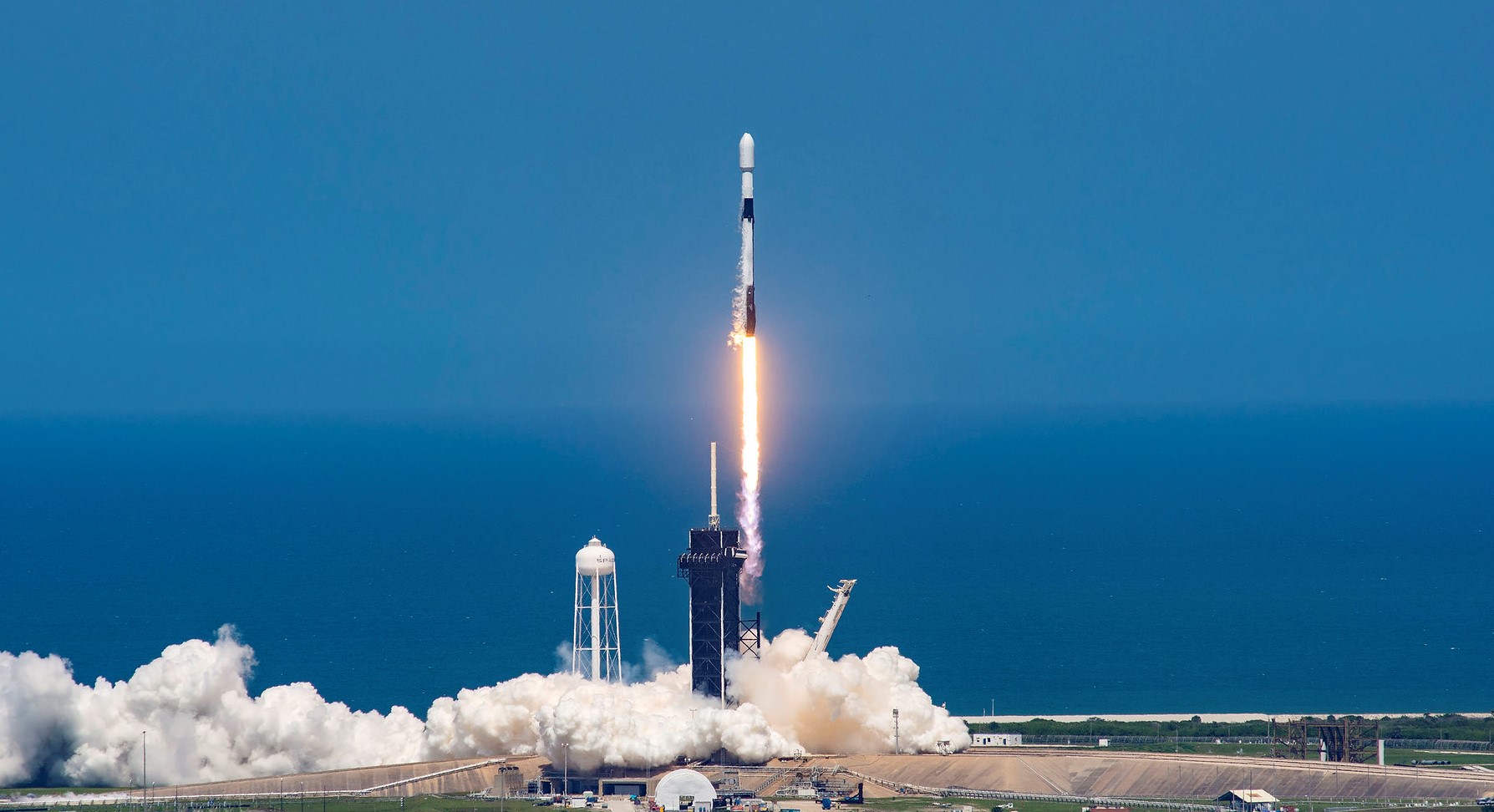
Launch Provider: SpaceX – Commercial
Launch Date: February 20, 2026
Launch Time: 1:41 AM UTC
Vehicle: Falcon 9
Brief: A batch of 29 satellites for the Starlink mega-constellation – SpaceX’s project for space-based Internet communication system.
First Starlink launch to feature a Falcon 9 booster landing within The Bahamas waters operationally, after the trajectory was tested during launch of Starlink Group 10-12 in February 2025.
Starlink Group 17-25
Launch Provider: SpaceX – Commercial
Launch Date: February 21, 2026
Launch Time: 8:00 AM UTC
Vehicle: Falcon 9
Brief: A batch of 25 satellites for the Starlink mega-constellation – SpaceX’s project for space-based Internet communication system.
Starlink Group 6-104
Launch Provider: SpaceX – Commercial
Launch Date: February 22, 2026
Launch Time: 2:04 AM UTC
Vehicle: Falcon 9
Brief: A batch of 28 satellites for the Starlink mega-constellation – SpaceX’s project for space-based Internet communication system.
That’s Not A Knife (DART AE)
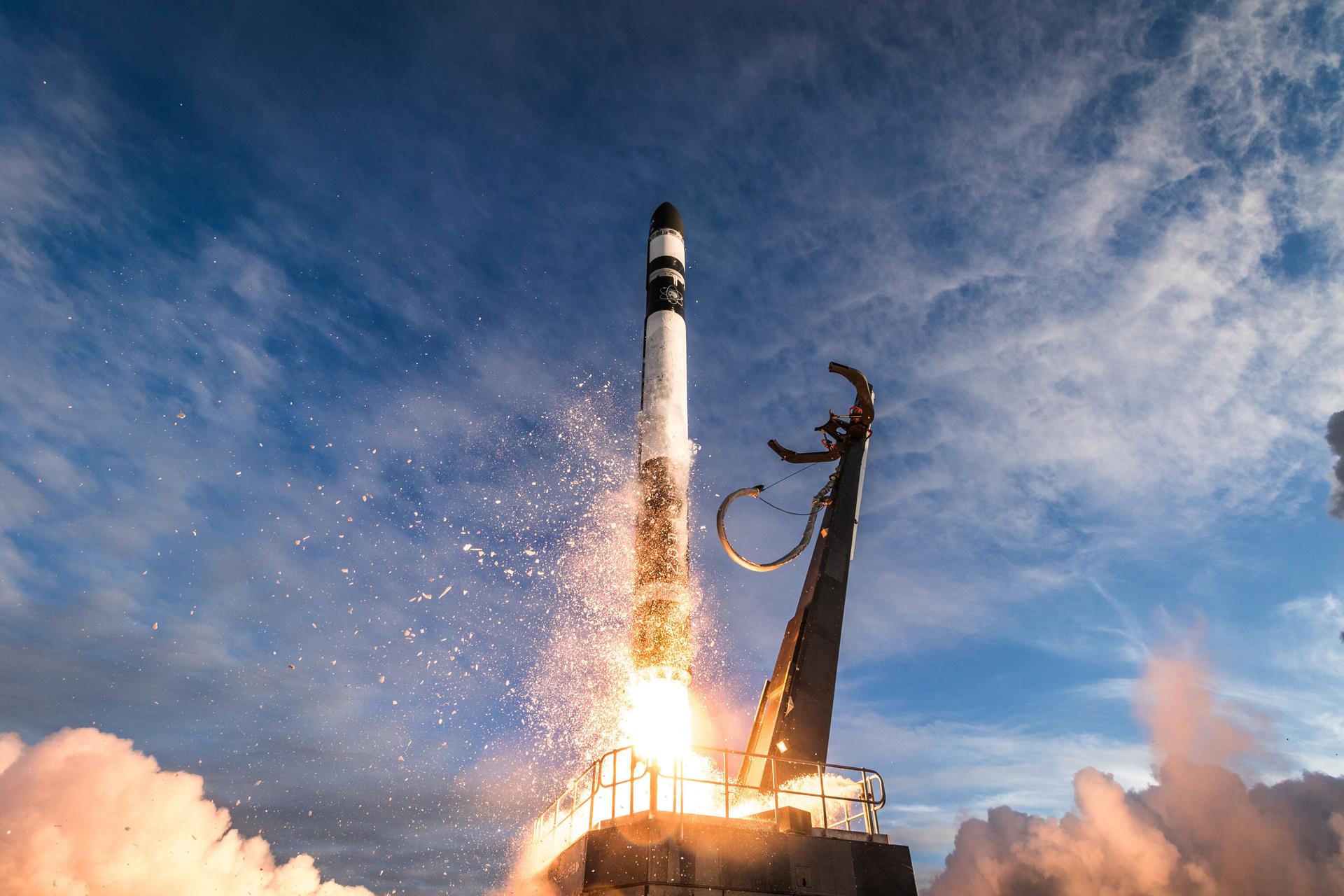
Launch Provider: Rocket Lab – Commercial
Launch Date: February 23, 2026
Launch Time: 8:00 PM UTC
Vehicle: Electron
Brief: Payload is a scramjet-powered hypersonic vehicle developed by by Australian company Hypersonix.
📽️ No Livestream scheduled yet
Starlink Group 17-26
Launch Provider: SpaceX – Commercial
Launch Date: February 24, 2026
Launch Time: 2:00 PM UTC
Vehicle: Falcon 9
Brief: A batch of 25 satellites for the Starlink mega-constellation – SpaceX’s project for space-based Internet communication system.

Leave a Reply