
The Daily Broadcast: Quantum Leaps, Galileo’s New Orbit, and Smarter Satellites

Canada Bets Big on Quantum Computing
Canada is doubling down on its quantum advantage. On December 17, 2025, Minister of Artificial Intelligence and Digital Innovation Evan Solomon announced a $92 million investment in Phase 1 of the Canadian Quantum Champions Program (CQCP). This initiative is part of a broader $334.4 million, five-year federal commitment to quantum technologies, aimed at positioning Canada as a global leader in fault-tolerant, industrial-scale quantum computing. Four Canadian firms—Anyon Systems (Montreal/Waterloo), Nord Quantique (Sherbrooke), Photonic (Vancouver), and Xanadu Quantum Technologies (Toronto)—will each receive up to $23 million to advance their respective platforms.
The National Research Council of Canada will also launch a Benchmarking Quantum Platform to independently assess these technologies. National Defence Minister David J. McGuinty emphasized that this isn’t just about computing—it’s about national security, industrial competitiveness, and long-term strategic autonomy. With quantum systems promising breakthroughs in encryption, materials science, and yes, space-based communications (remember QEYnet’s quantum key demonstration?), this investment could ripple across multiple sectors. For a country that helped pioneer quantum theory and AI, it’s a timely reminder that the future is built on more than just ambition—it needs sustained, smart funding.
Galileo Constellation Grows with First Ariane 6 Ride
Europe’s satellite navigation ambitions got a boost on December 17, 2025, with the successful launch of two new Galileo satellites aboard an Ariane 6 rocket from Europe’s Spaceport in French Guiana. This marked the 14th launch for the Galileo program and, notably, the first time the Ariane 6 has carried Galileo payloads into orbit. The mission reinforces Europe’s push for strategic autonomy in satellite navigation—a crucial capability for everything from civil aviation to emergency response.

The European Space Agency (ESA) highlighted that this launch strengthens both the resilience and precision of the Galileo constellation, which now includes over two dozen operational satellites. Unlike relying on foreign systems like GPS, Galileo offers Europe independent, high-accuracy positioning—a growing priority in an era of geopolitical uncertainty. Also noteworthy: ESA member states recently committed €100 million to evolve the Ariane 6’s ASTRIS kick stage into a more capable orbital transfer vehicle, suggesting this launcher may play a bigger role in future European missions. While Ariane 6’s debut was long awaited, this mission signals it’s finally settling into its role as Europe’s workhorse for sovereign access to space.
IoT Meets Orbit: OQ Technology Achieves Direct LEO Connection
In a step toward truly seamless global connectivity, Luxembourg-based OQ Technology announced on December 17 that it has successfully linked a commercial IoT chipset directly to one of its low Earth orbit (LEO) satellites—no ground-based gateway required. The connection used software based on 3GPP mobile standards, the same protocols that underpin 4G and 5G networks, suggesting a future where IoT devices could roam seamlessly between terrestrial and satellite networks.

While many satellite IoT services still require specialized hardware or intermediary relays, OQ’s approach could dramatically lower barriers for industries like agriculture, logistics, and asset tracking—especially in remote regions where cellular coverage is nonexistent. The test paves the way for integrating satellite connectivity directly into standard IoT modules, potentially enabling a single device to switch between ground and space networks automatically. It’s a subtle but significant shift: instead of building parallel systems, the industry may be moving toward a unified, global IoT layer. And if the promise holds, your next farm sensor or shipping container tracker might just “call” a satellite the same way your phone calls a cell tower—no extra steps, no extra gear. That’s the kind of elegance engineers appreciate, even if it means more work for the rest of us explaining how it all works at holiday dinners.
Citations
- “Canadian government makes $92 million investment in quantum tech” – https://spaceq.ca/canadian-government-makes-92-million-investment-in-quantum-tech/
- “Galileo’s first Ariane 6 launch strengthens European resilience” – https://www.esa.int/Applications/Satellite_navigation/Galileo_s_first_Ariane_6_launch_strengthens_European_resilience
- “OQ Technology links commercial IoT chipset to LEO satellite” – https://spacenews.com/oq-technology-links-commercial-iot-chipset-to-leo-satellite/
Upcoming Launches
Starlink Group 6-99
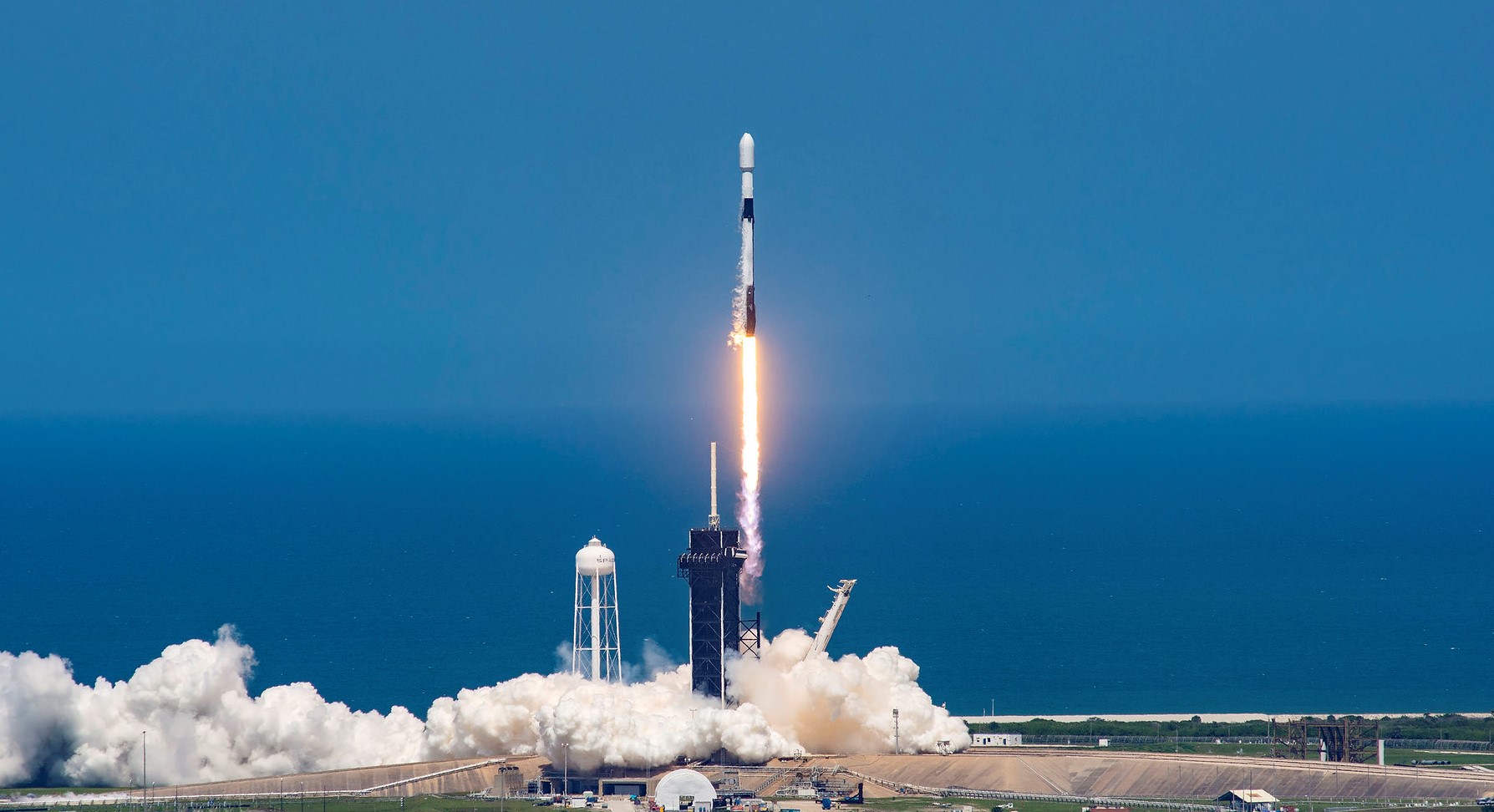
Launch Provider: SpaceX – Commercial
Launch Date: December 17, 2025
Launch Time: 1:42 PM UTC
Vehicle: Falcon 9
Brief: A batch of 29 satellites for the Starlink mega-constellation – SpaceX’s project for space-based Internet communication system.
Starlink Group 15-13
Launch Provider: SpaceX – Commercial
Launch Date: December 17, 2025
Launch Time: 3:22 PM UTC
Vehicle: Falcon 9
Brief: A batch of 27 satellites for the Starlink mega-constellation – SpaceX’s project for space-based Internet communication system.
Don’t Be Such A Square (STP-S30)
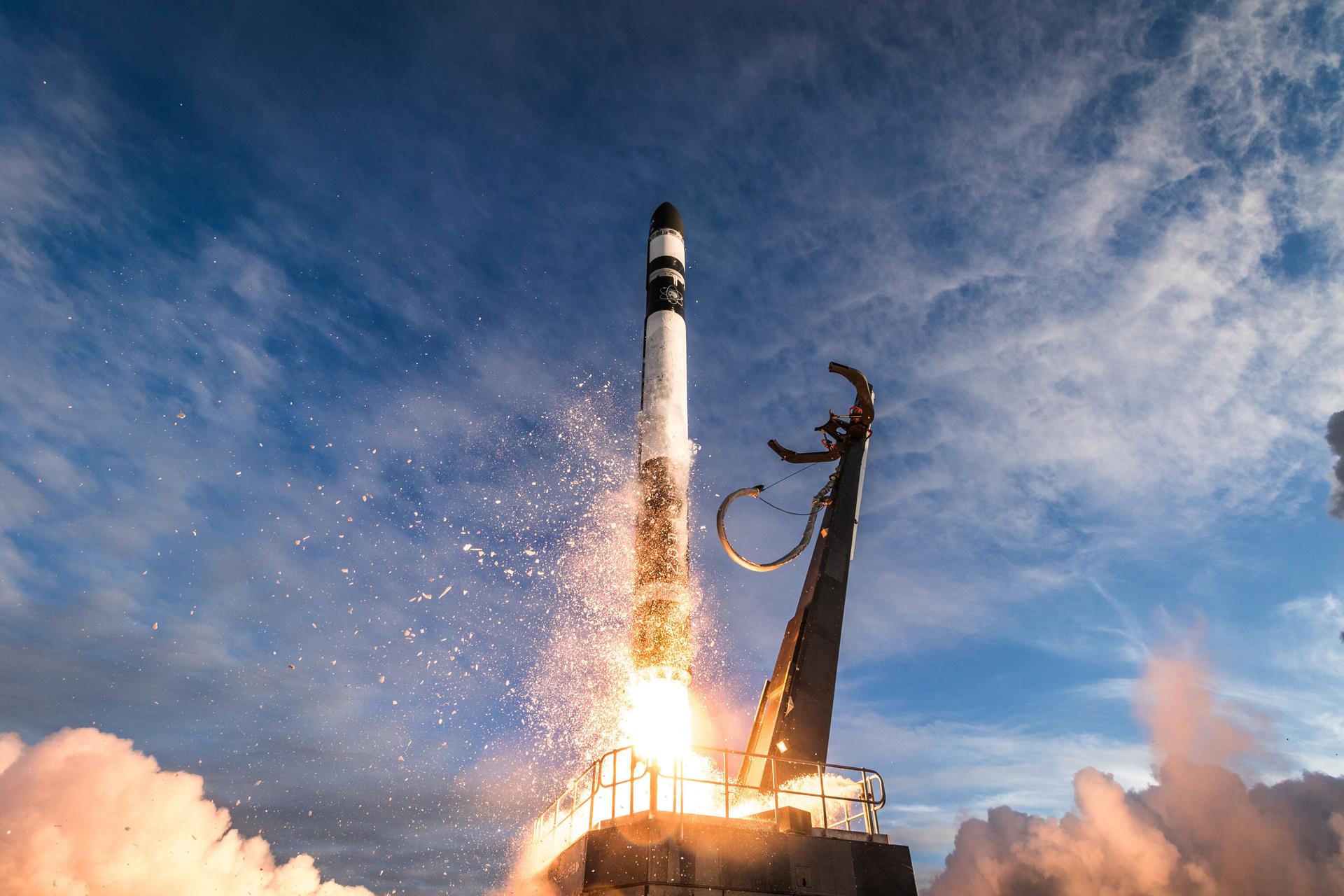
Launch Provider: Rocket Lab – Commercial
Launch Date: December 18, 2025
Launch Time: 5:00 AM UTC
Vehicle: Electron
Brief: STP-S30 is a complex mission that will deliver research experiments and technology demonstrations to orbit for the DoD and contribute to future space systems development. The projected primary payload, DISKSat, will demonstrate sustained very low earth orbit (VLEO) flight and test a unique, 1-meter diameter, disk-shaped satellite bus that is designed to increase on-orbit persistence.
NS-37
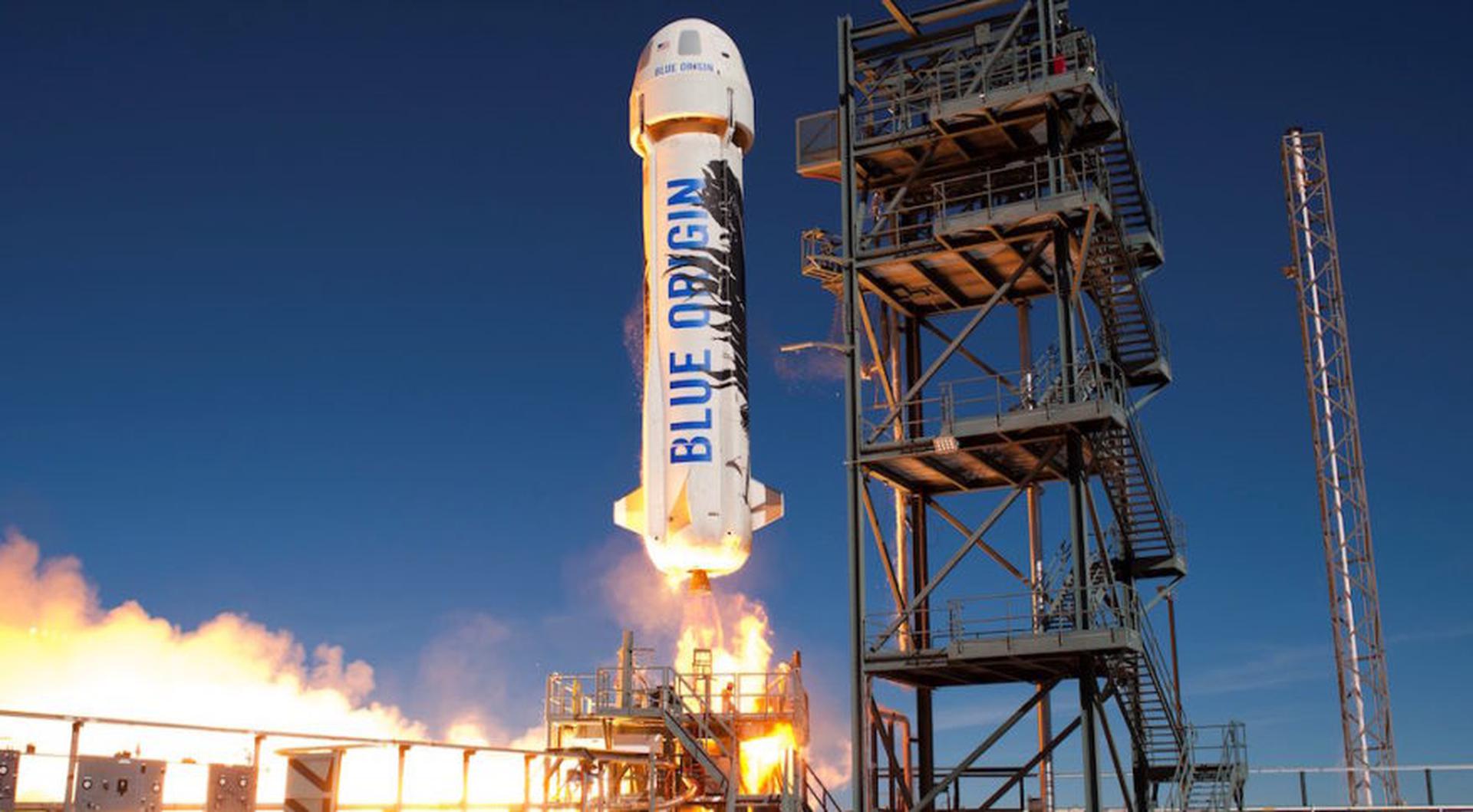
Launch Provider: Blue Origin – Commercial
Launch Date: December 18, 2025
Launch Time: 2:30 PM UTC
Vehicle: New Shepard
Brief: NS-37 is the 16th crewed flight for the New Shepard program and the 37th in the New Shepard program’s history.
Spaceward
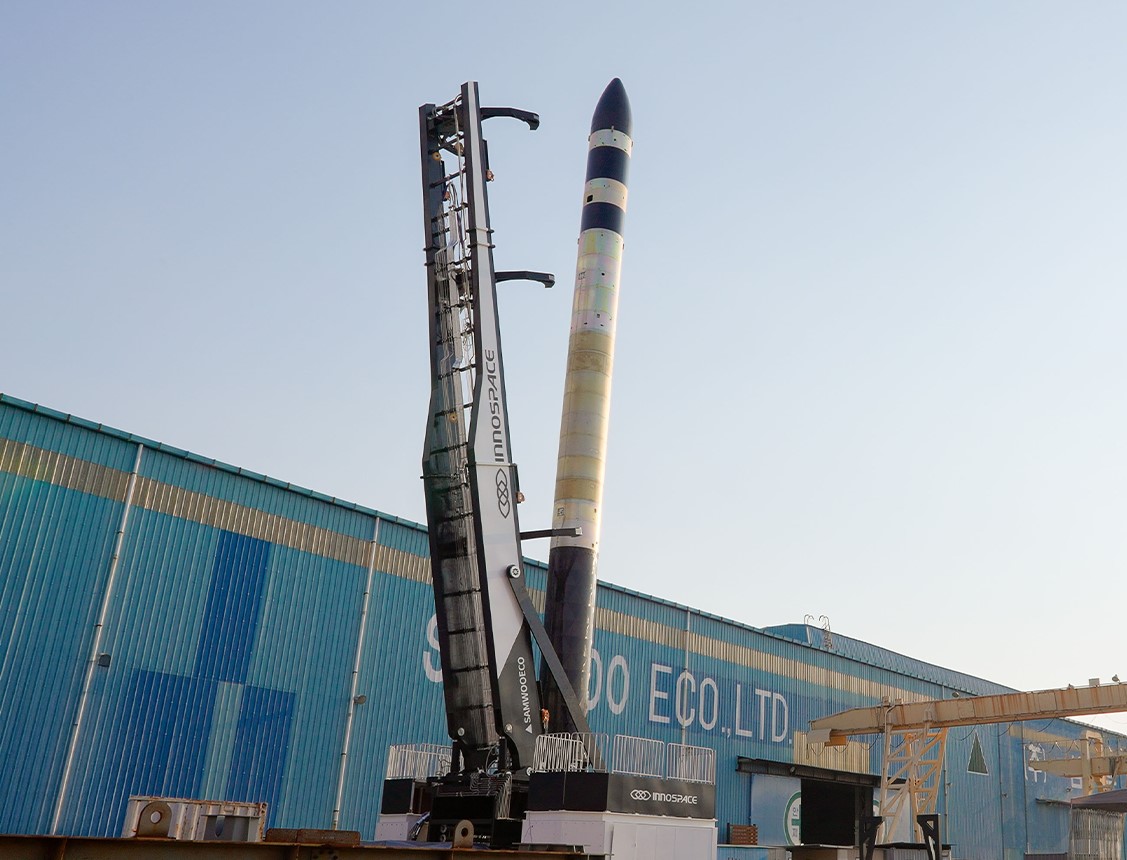
Launch Provider: Innospace – Private
Launch Date: December 19, 2025
Launch Time: 6:45 PM UTC
Vehicle: HANBIT-Nano
Brief: Maiden orbital launch attempt for the South Korean stratup Innospace and its HANBIT-Nano small launch vehicle. Onboard this flight are five small satellites from the Brazilian space agency AEB, Brazilian university Universidade Federal do Maranhão and Indian startup Grahaa Space, as well as three payloads from AEB and Brazilian company Castro Leite Consultoria that will remain attached to the rocket, and an empty aluminium can from the South Korean beverage company Brewguru.
