
The Daily Broadcast: Orbiting Intelligence, Lunar Ambitions, and Galactic Escapes

Canadian AI Takes the Wheel in Orbit
In a significant step toward smarter space operations, Ottawa-based Mission Control Space Services is teaming up with NASA’s Jet Propulsion Laboratory (JPL) to test autonomous artificial intelligence aboard satellites. The collaboration leverages Mission Control’s Persistence payload on the LEMUR-2-KRISH satellite, launched in June 2025, as part of NASA’s New Observation System (NOS) program. At the heart of the effort is JPL’s Federated Autonomous MEasurement (FAME) concept, which aims to coordinate diverse instruments—from orbiting satellites to ground sensors—into a responsive, intelligent network.
What makes this noteworthy is the shift from ground-dependent commands to on-orbit decision-making. “Onboard AI analysis and orchestrated cross-tasking can enhance the agility, autonomy, and scientific value of future space systems,” said Dr. Andrew Macdonald, Mission Control’s Director of AI and Autonomy. JPL plans to scale the FAME demonstration to seven spacecraft by spring 2026 and eventually 60 by mid-2028. For a country with a long history of space robotics—from the Canadarm to modern AI—this marks a natural evolution into the era of thinking satellites.
Moon Over Mars: U.S. Policy Shifts Lunar Focus
President Donald Trump has reaffirmed a lunar-first strategy for U.S. human spaceflight, signing an executive order that prioritizes returning astronauts to the Moon by 2028—effectively sidelining near-term Mars ambitions. The move doubles down on NASA’s Artemis program, which was initiated during his first term and aims to establish sustainable lunar presence as a proving ground for deeper space exploration.
While Mars remains a long-term goal, the new directive emphasizes the Moon as a strategic asset for scientific discovery, resource utilization, and demonstrating American leadership in space. The policy shift comes amid growing international competition, with China and others advancing their own lunar ambitions. It also aligns with ongoing development of key Artemis infrastructure, including the Space Launch System, Orion spacecraft, and the planned Lunar Gateway station.
Though Canada isn’t directly named in the executive order, its contributions through the Canadarm3 robotic system for the Gateway ensure continued involvement. For Canadian space watchers, this lunar recommitment means more opportunities for collaboration—and perhaps a few more cold nights testing rover wheels in northern Ontario simulant fields.
Hubble Spots a Galaxy Losing Its Atmosphere
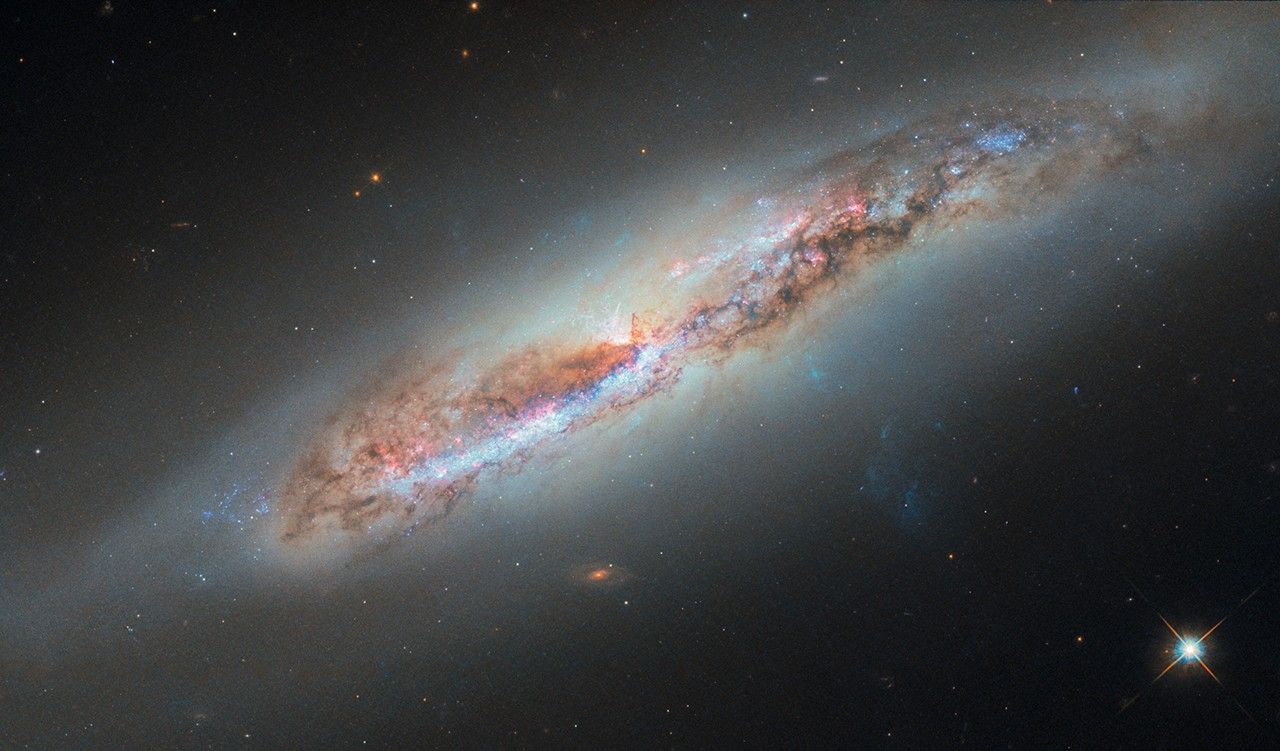
The Hubble Space Telescope has captured a dramatic scene: NGC 4388, a spiral galaxy 60 million light-years away in the Virgo Cluster, appears to be shedding its gas into intergalactic space. The striking image shows the galaxy edge-on, with tendrils of hot gas streaming away—a process astronomers call “ram pressure stripping.”
As NGC 4388 plows through the dense intergalactic medium of the Virgo Cluster—home to over 1,000 galaxies—it experiences a kind of cosmic wind that strips away its cooler, star-forming gas. What remains is a galaxy increasingly unable to form new stars, slowly fading into stellar senescence. Hubble’s sharp vision reveals not only the structure of the escaping gas but also pockets of active star formation near the galactic core, suggesting the galaxy isn’t quite done yet.
While this may seem like a faraway drama with little Earthly relevance, studying such processes helps astronomers understand how galaxies evolve—and why some, like our own Milky Way, retain their gas and stay vibrant. Plus, it’s a reminder that even in the apparent stillness of space, galaxies are often in motion, racing through clusters at millions of kilometers per hour. Space: it’s not just big, it’s also surprisingly breezy.
Citations
- “Mission Control collaborates with NASA JPL to demonstrate autonomous on-orbit AI” – https://spaceq.ca/mission-control-collaborates-with-nasa-jpl-to-demonstrate-autonomous-on-orbit-ai/
- “Trump shifts priority to Moon mission, not Mars” – https://www.moondaily.com/reports/Trump_shifts_priority_to_Moon_mission_not_Mars_999.html
- “Hubble Glimpses Galactic Gas Making a Getaway” – https://science.nasa.gov/missions/hubble/hubble-glimpses-galactic-gas-making-a-getaway/
Upcoming Launches
Spaceward
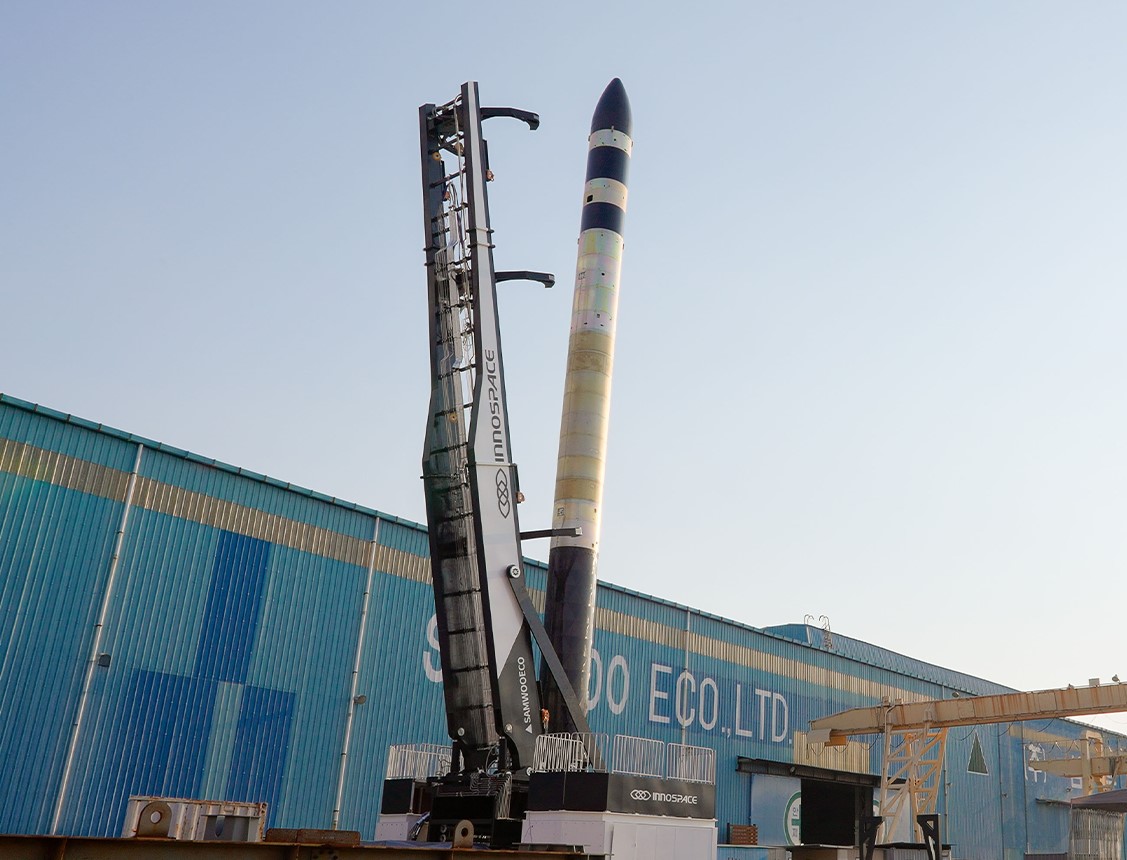
Launch Provider: Innospace – Private
Launch Date: December 19, 2025
Launch Time: 6:45 PM UTC
Vehicle: HANBIT-Nano
Brief: Maiden orbital launch attempt for the South Korean stratup Innospace and its HANBIT-Nano small launch vehicle. Onboard this flight are five small satellites from the Brazilian space agency AEB, Brazilian university Universidade Federal do Maranhão and Indian startup Grahaa Space, as well as three payloads from AEB and Brazilian company Castro Leite Consultoria that will remain attached to the rocket, and an empty aluminium can from the South Korean beverage company Brewguru.
Unknown Payload
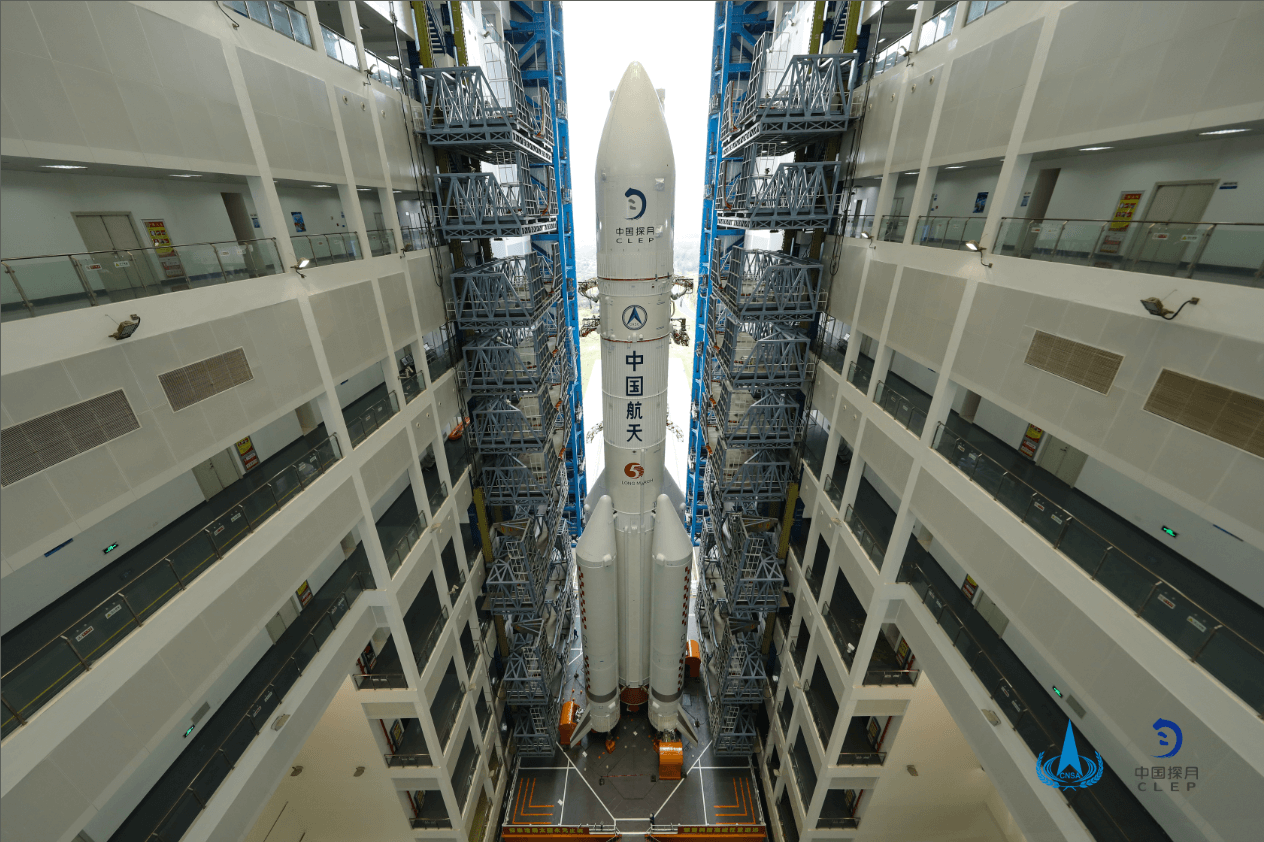
Launch Provider: China Aerospace Science and Technology Corporation – Government
Launch Date: December 20, 2025
Launch Time: 12:30 PM UTC
Vehicle: Long March 5
Brief: Details TBD.
NS-37
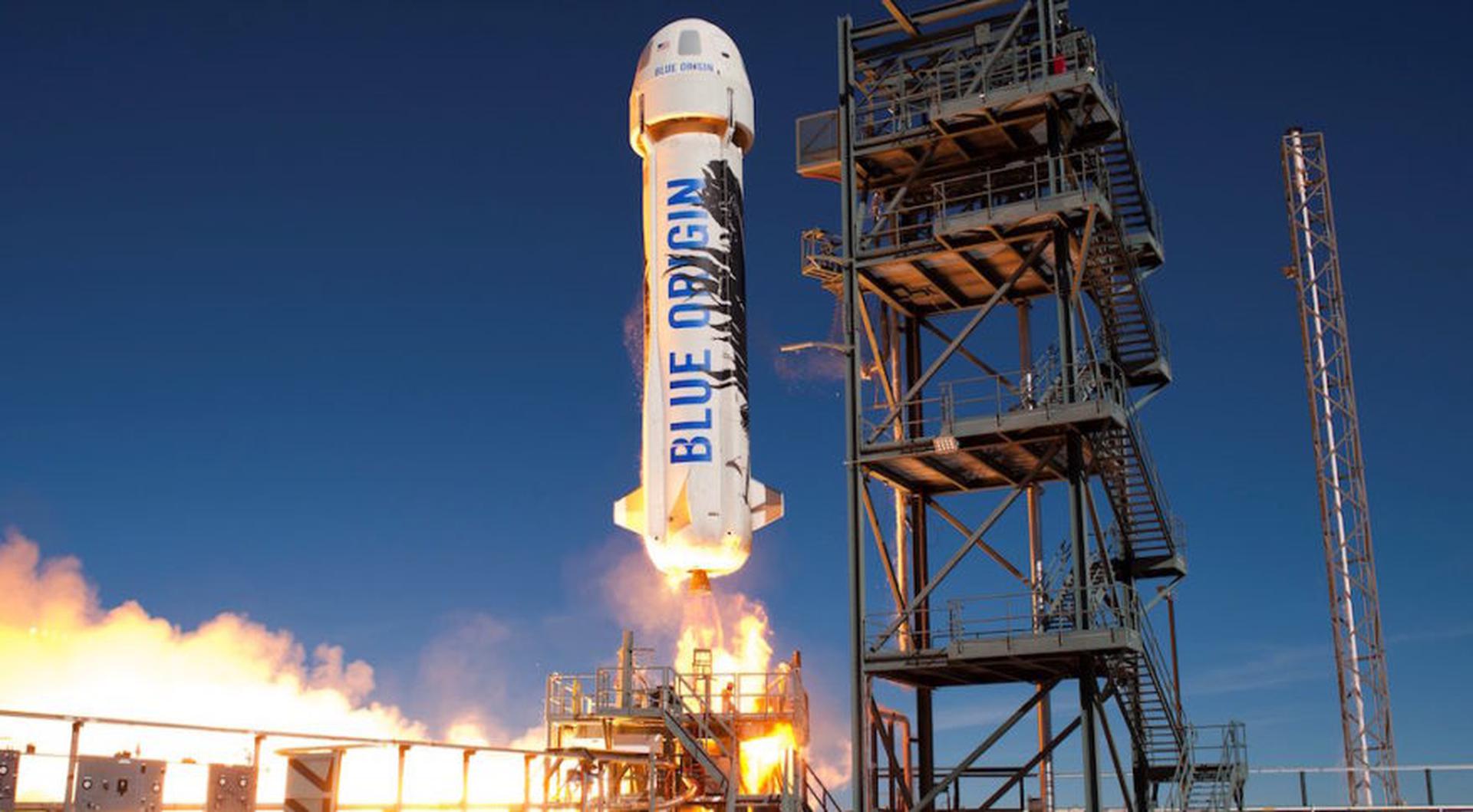
Launch Provider: Blue Origin – Commercial
Launch Date: December 20, 2025
Launch Time: 2:00 PM UTC
Vehicle: New Shepard
Brief: NS-37 is the 16th crewed flight for the New Shepard program and the 37th in the New Shepard program’s history.
The Wisdom God Guides (iQPS Launch 6)
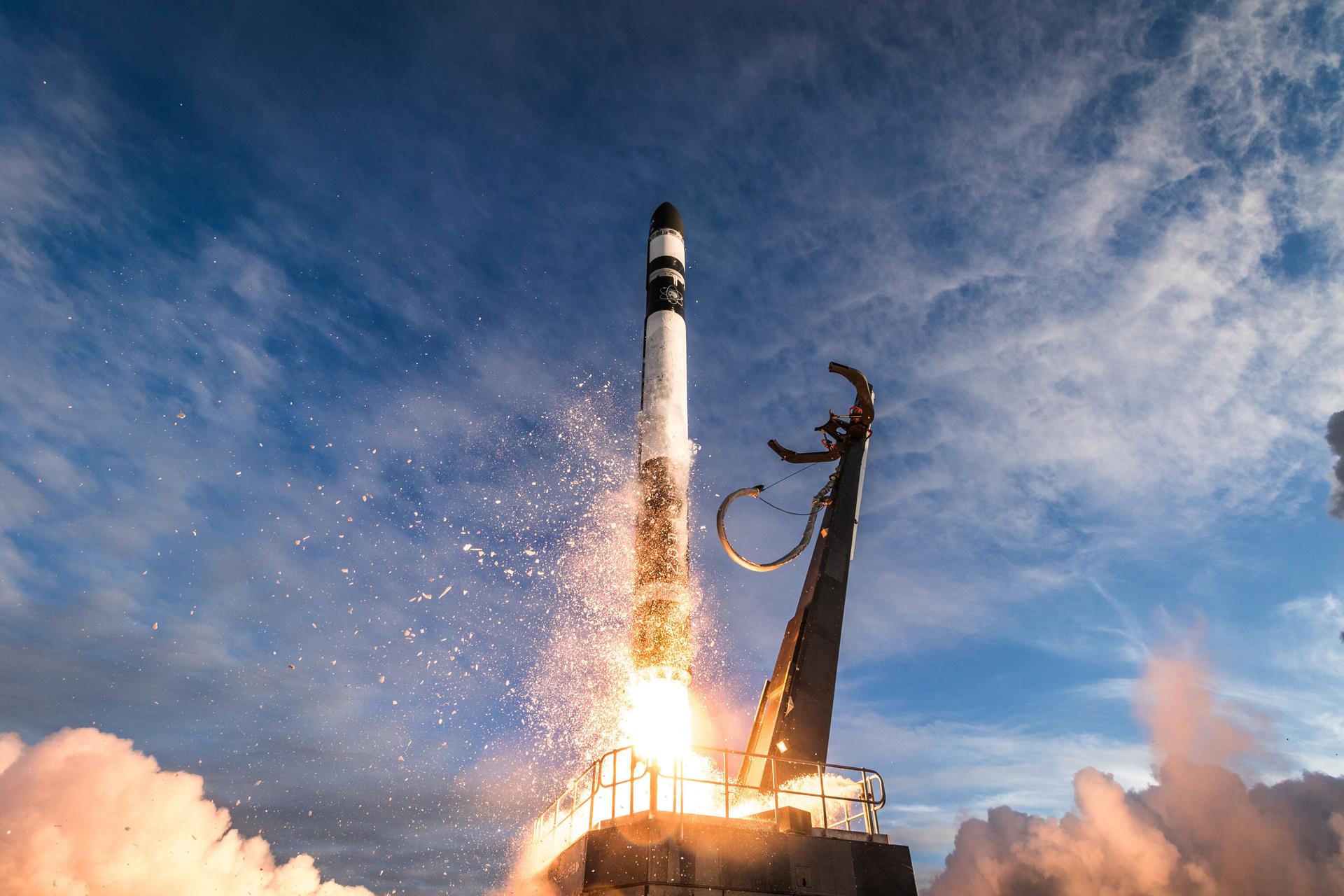
Launch Provider: Rocket Lab – Commercial
Launch Date: December 21, 2025
Launch Time: 6:12 AM UTC
Vehicle: Electron
Brief: Synthetic aperture radar Earth observation satellite for Japanese Earth imaging company iQPS.
Obzor-R No.1
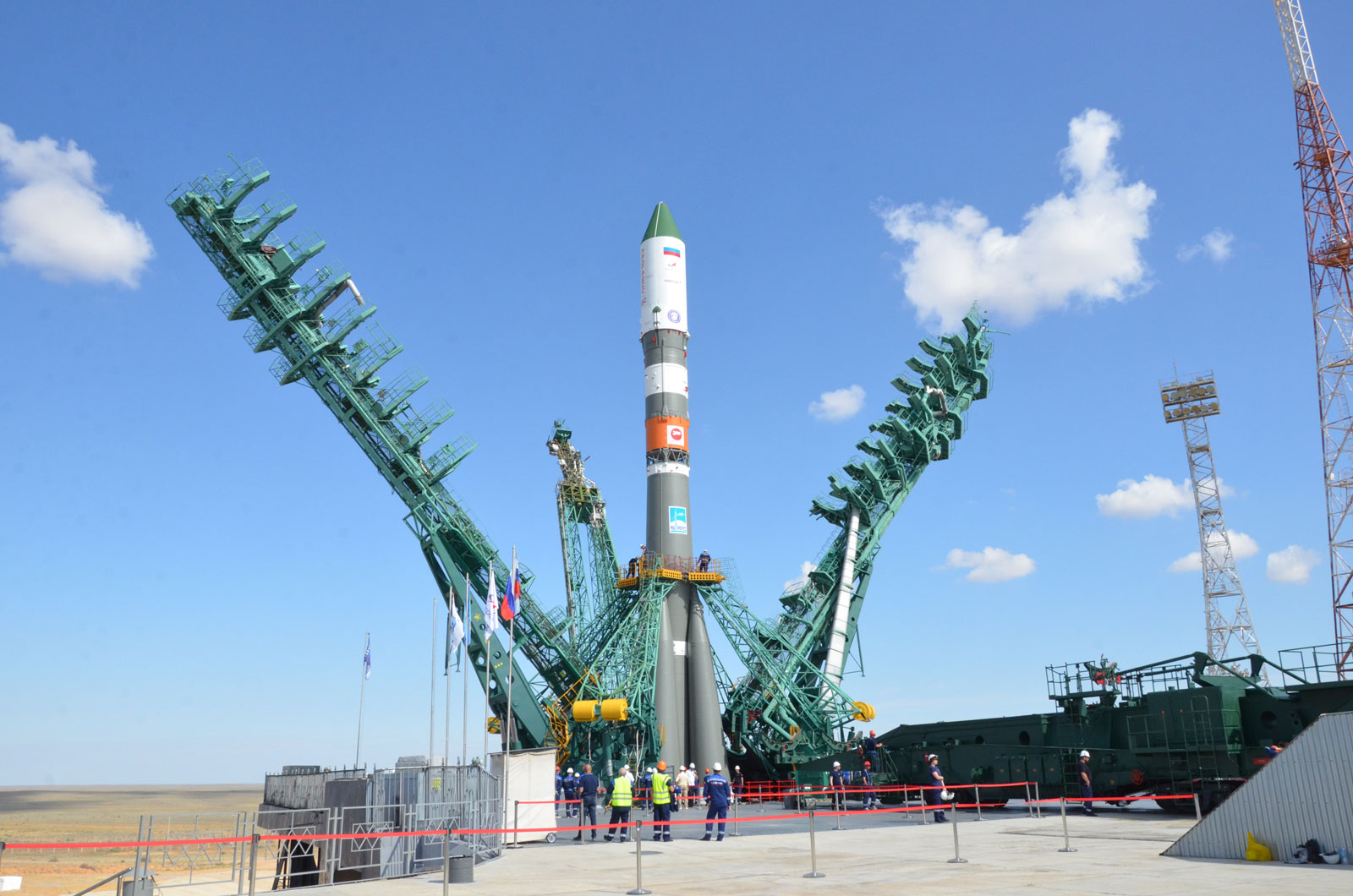
Launch Provider: Russian Federal Space Agency (ROSCOSMOS) – Government
Launch Date: December 23, 2025
Launch Time: 2:00 PM UTC
Vehicle: Soyuz 2.1a
Brief: The Russian Obzor-R satellite is a planned X-band radar earth observation satellite designed by TsSKB-Progress.
In 2012, the development of the Arkon-2M radar satellite was stopped and instead the development of the Obzor-R was initiated.
The satellite features the BRLK X-band Synthetic Aperture Radar as the imaging instrument with a ground resolution of 500 m.
