
The Daily Broadcast: Orbiting Frontiers: From Lunar Milestones to Orbital Defenders
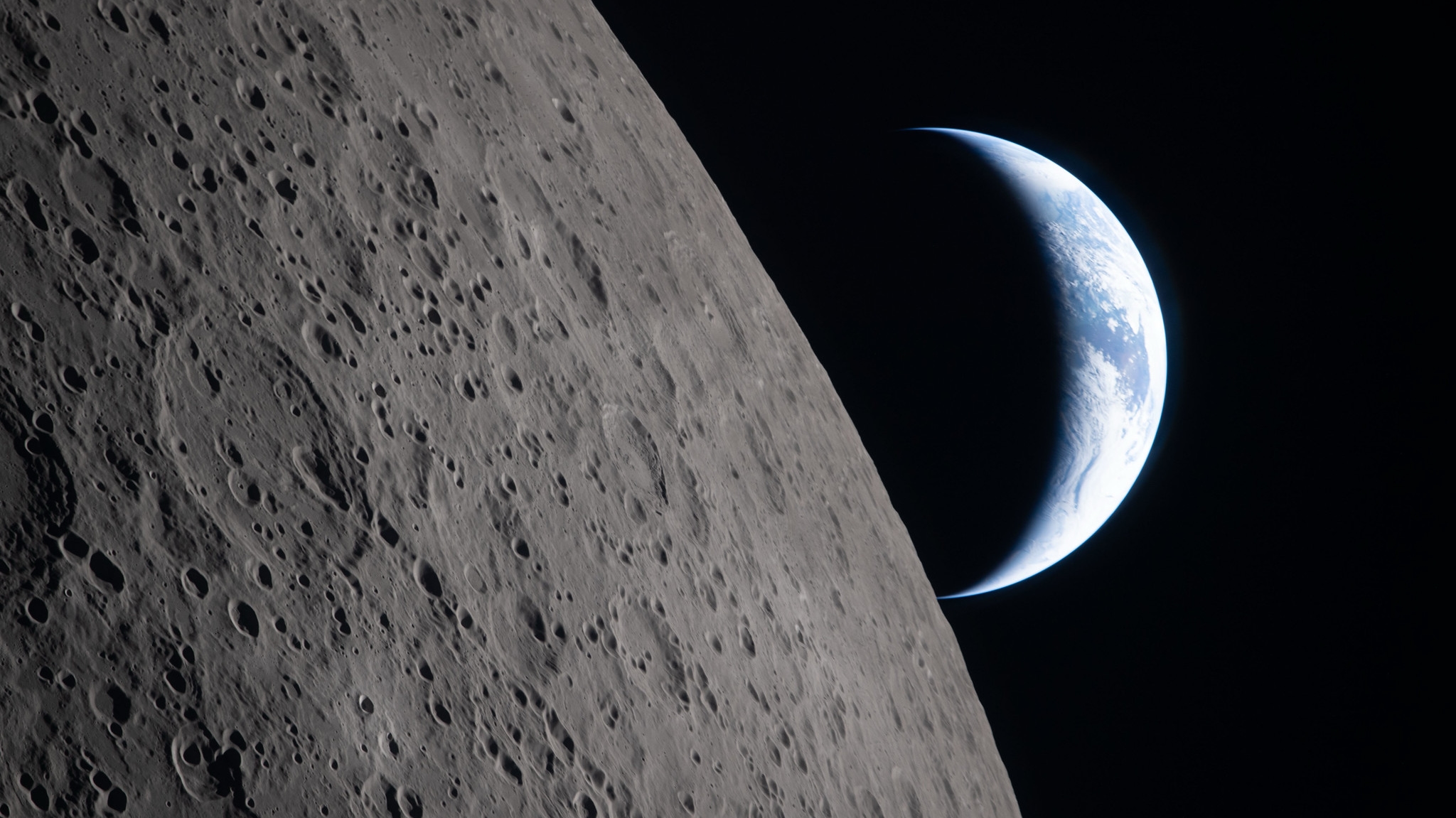
Artemis II Crew Makes History with Farthest Human Spaceflight
On April 7, 2026, the Artemis II mission reached a pivotal milestone as the four-person crew—including Canadian Space Agency astronaut Jeremy Hansen—completed humanity’s first crewed lunar flyby in over half a century. Early in the day, NASA’s Orion spacecraft entered the Moon’s gravitational sphere of influence, shifting from Earth’s pull to lunar dominance. During a dramatic 40-minute communications blackout behind the Moon, the crew gathered rare scientific data, capturing high-resolution imagery of meteoroid impact flashes and observing a solar eclipse from the lunar perspective.
Before losing signal, the crew surpassed the Apollo 13 record for the greatest distance humans have ever travelled from Earth—400,171 kilometres (248,655 miles). Upon re-emerging, they transmitted stunning “Earthrise” photos, highlighting the stark contrast between our vibrant planet and the desolate lunar backdrop. The historic achievement was celebrated with a congratulatory call from U.S. President Donald Trump and NASA Administrator Jared Isaacman. With the lunar flyby now complete, Orion is on its return trajectory to Earth. Canadians have much to celebrate: Hansen is the first Canadian to journey beyond low Earth orbit, marking a major moment for the nation’s human spaceflight legacy.

Capella Space Lands $49M U.S. Military Satellite Demo Contract
Capella Space, a California-based synthetic aperture radar (SAR) satellite operator and subsidiary of quantum computing firm IonQ, has been awarded a $49 million firm-fixed-price contract by the U.S. Space Development Agency (SDA). Announced on April 8, 2026, the agreement will fund the design and development of two specialized satellites for a military communications demonstration under SDA’s Hybrid Acquisition for Proliferated Low Earth Orbit (HALO) programme.
The satellites will test “advanced tactical waveform performance, adaptive beamforming, and secure tactical communications in low Earth orbit,” with on-orbit tests slated for completion by November 2027. This effort is part of the Tranche 2 Demonstration and Experimentation System’s Europa Track 1, which focuses on building new spacecraft rather than leveraging existing commercial platforms. The goal is to prove that LEO satellites can maintain reliable, jam-resistant communications—a critical need as modern warfare increasingly depends on resilient space-based links. Capella’s win follows a $30 million Europa Track 2 award to AST SpaceMobile in February, highlighting SDA’s push to rapidly prototype capabilities for its Proliferated Warfighter Space Architecture.

Autonomous “Bodyguard” Cubesats to Debut in 2027 Orbital Demo
A novel partnership between Bulgaria’s EnduroSat and the U.K.’s Shield Space will soon test autonomous satellite inspection capabilities in orbit—a potential precursor to orbital “defence motherships.” On April 8, 2026, the companies announced plans for the Broadsword mission, an 8U cubesat demonstration scheduled for the second quarter of 2027. Broadsword will autonomously approach, track, and manoeuvre near a co-launched 3U target satellite using rendezvous and proximity operations (RPO) software originally developed for battlefield drones in Ukraine.
The mission aims to prove that small satellites can operate without real-time human control—a key step toward responsive space operations. Initially focused on “attribution and deterrence,” the technology could help identify and monitor suspicious activity in orbit, enhancing space domain awareness. But the partnership has bigger ambitions: by 2028, they plan to launch Project Nexus, a mothership capable of deploying a dozen 8U–16U cubesats on demand. The smaller Frame-15 platform (200 kg) will debut first, followed by the larger Frame-24 (500 kg) in 2029. This architecture offers a European alternative to rapid-launch capabilities, pre-positioning assets in orbit for immediate response—a concept gaining traction as space becomes increasingly contested.

Citations
- “Video: Artemis 2 flight day 6 highlights – Crew captures rare science and breaks Apollo 13 distance record during historic lunar flyby” – https://spaceq.ca/video-artemis-2-flight-day-6-highlights-crew-captures-rare-science-and-breaks-apollo-13-distance-record-during-historic-lunar-flyby/
- “Capella Space wins $49 million contract for military communications satellite demo” – https://spacenews.com/capella-space-wins-49-million-contract-for-military-communications-satellite-demo/
- “Inspection cubesat demo planned as first step toward orbital defense mothership” – https://spacenews.com/inspection-cubesat-demo-planned-as-first-step-toward-orbital-defense-mothership/
Upcoming Launches
SpaceSail Polar Group 07
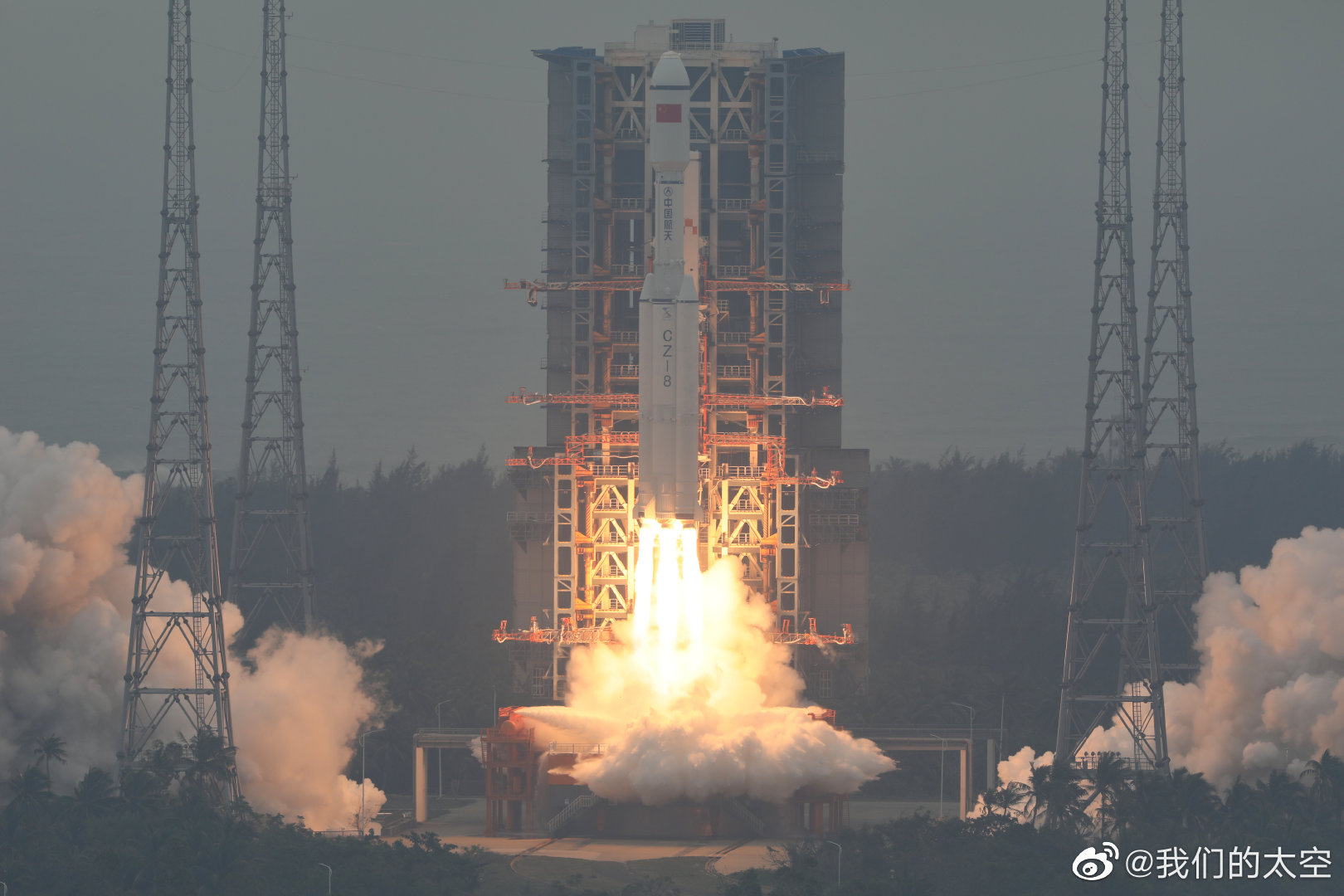
Launch Provider: China Aerospace Science and Technology Corporation – Government
Launch Date: April 7, 2026
Launch Time: 1:32 PM UTC
Vehicle: Long March 8
Brief: 18 Low Earth Orbit communication satellites with Ku, Q and V band payloads for the G60 constellation operated by Shanghai Spacesail Technologies with funding backed by the Shanghai local government.
Initial constellation will consist of 1296 satellites by 2027 with long term plans to expand it to 12000 satellites.
📽️ No Livestream scheduled yet
Unknown Payload
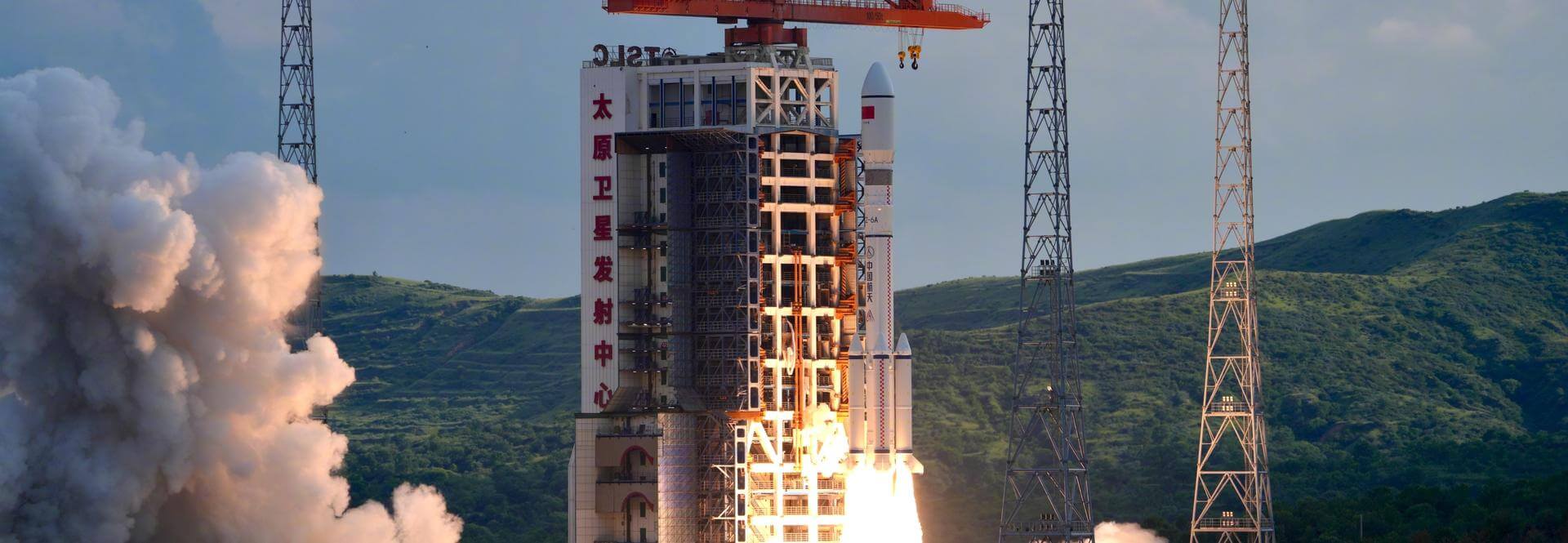
Launch Provider: China Aerospace Science and Technology Corporation – Government
Launch Date: April 8, 2026
Launch Time: 7:35 PM UTC
Vehicle: Long March 6A
Brief: Details TBD.
📽️ No Livestream scheduled yet
Onward and Upward
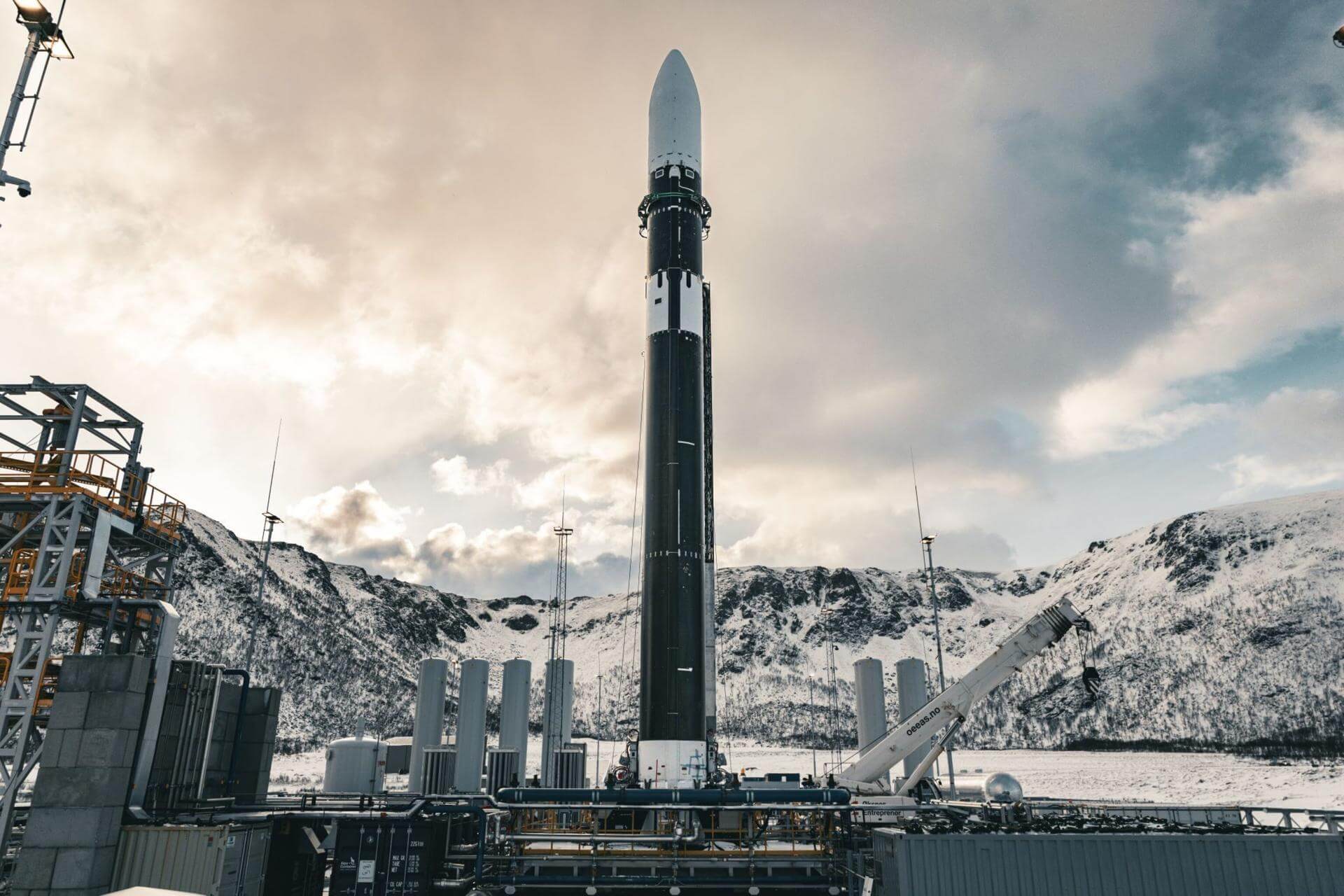
Launch Provider: Isar Aerospace – Private
Launch Date: April 9, 2026
Launch Time: 8:00 PM UTC
Vehicle: Spectrum
Brief: Second test flight of the Isar Spectrum launch vehicle. This launch will carry 5 cubesats and 1 non-separable experiment as part of European Space Agency (ESA)’s “Boost!” program:
* CyBEEsat (TU Berlin)
* TriSat-S (University of Maribor)
* Platform 6 (EnduroSat)
* FramSat-1 (NTNU)
* SpaceTeamSat1 (TU Wien Space Team)
* Let It Go (Dcubed, non-separable experiment)
Unknown Payload
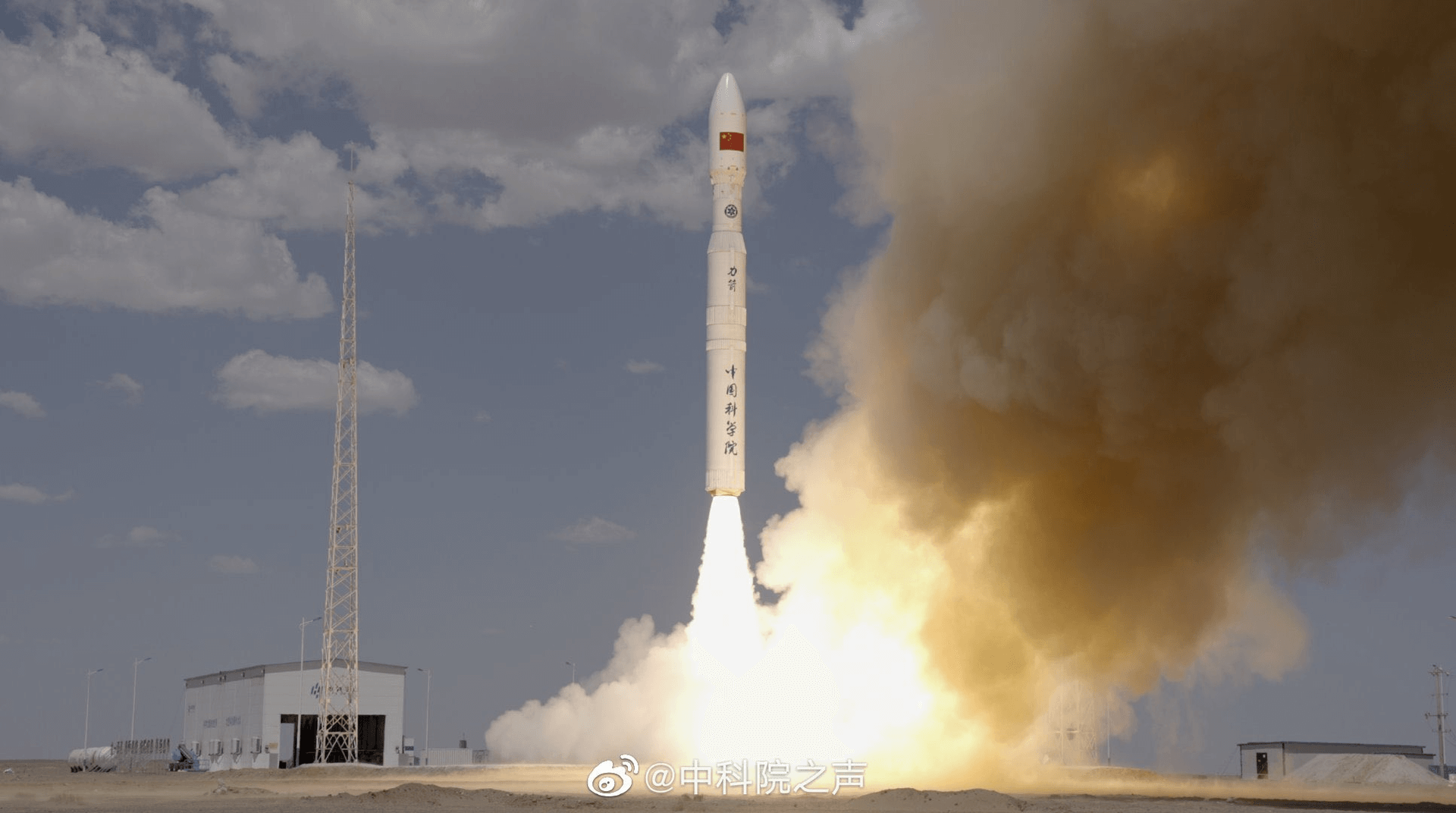
Launch Provider: CAS Space – Commercial
Launch Date: April 10, 2026
Launch Time: 4:00 AM UTC
Vehicle: Kinetica 1
Brief: Details TBD.
📽️ No Livestream scheduled yet
Cygnus CRS-2 NG-24 (S.S. Steven R. Nagel)
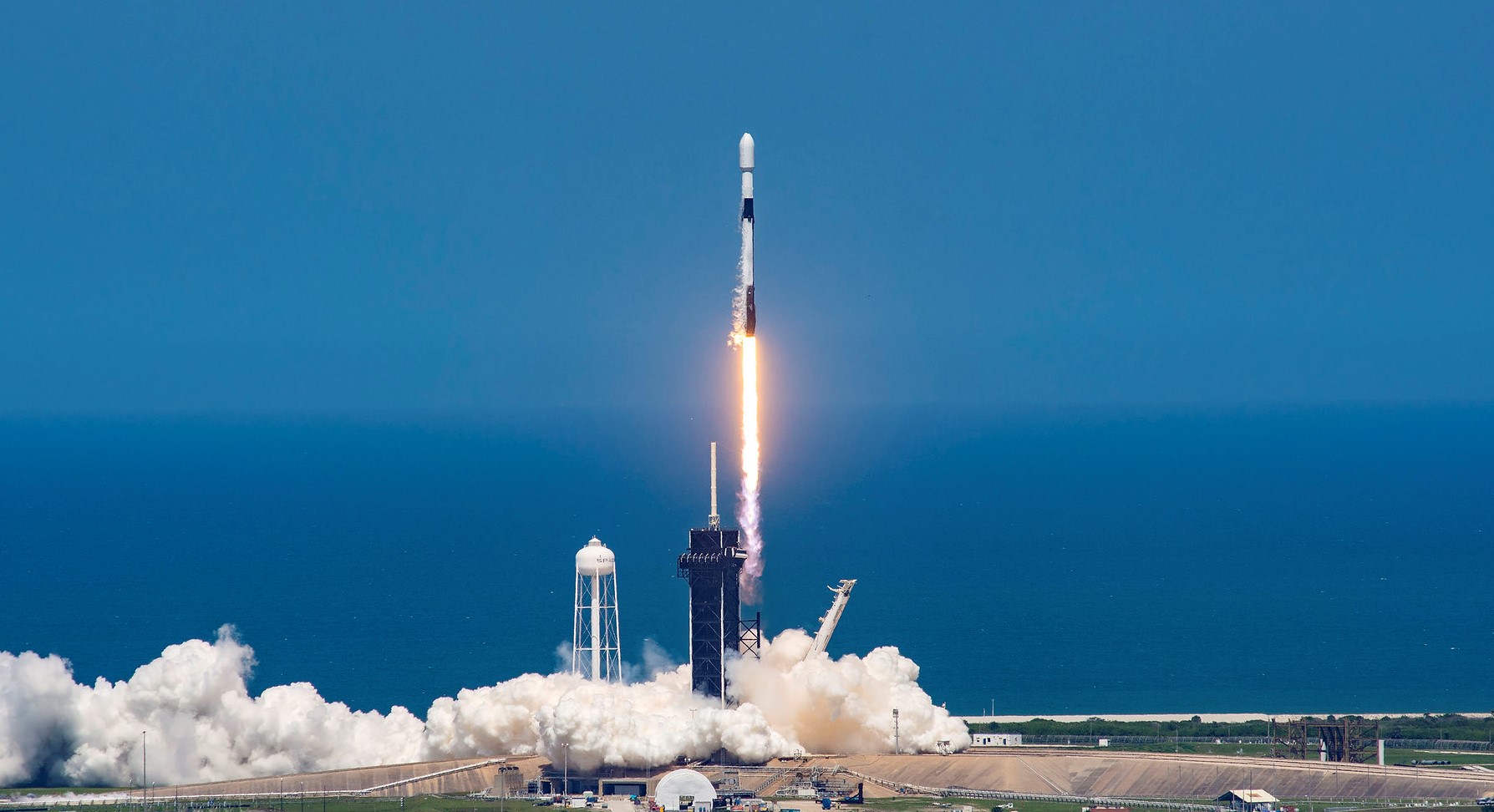
Launch Provider: SpaceX – Commercial
Launch Date: April 10, 2026
Launch Time: 12:03 PM UTC
Vehicle: Falcon 9
Brief: This is the 24th flight of the Orbital ATK’s uncrewed resupply spacecraft Cygnus and its 23rd flight to the International Space Station under the Commercial Resupply Services contract with NASA.

Leave a Reply