
The Daily Broadcast: Orbit Shifts: From Medical Evacuations to Lunar Ambitions and Canadian Contracts

ISS Crew to Return Early Amid Medical Concern
NASA has announced that the SpaceX Crew-11 astronauts aboard the International Space Station (ISS) will return to Earth earlier than planned due to a medical issue involving one crew member. Though officials have not disclosed the nature of the condition, they confirmed the astronaut is stable and emphasized that no injury occurred onboard. This marks the first time in the station’s 25-year history that a crew is being brought home early for medical reasons—a reminder that even in the highly controlled environment of low Earth orbit, human health remains unpredictable.
The decision follows the cancellation of a scheduled spacewalk on January 8 and comes as NASA holds daily evaluations with its international partners to ensure crew safety. A formal undocking and splashdown in the Pacific Ocean is now expected within days. While such contingencies are rare, they’re part of standard emergency protocols that all astronauts train for extensively. As NASA Administrator Jared Isaacman noted during a January 8 press briefing, “Safely conducting our missions is our highest priority.” The agency expects to share further updates as the return timeline solidifies.
China Sets New Launch Record While Expanding Space Science
China wrapped up 2025 with a record-breaking 93 orbital launches—the highest annual total in its history—according to China Aerospace Science and Technology Corp (CASC). The milestone caps a year of accelerated activity, including the deployment of technology demonstration satellites via a Long March 7A rocket from Wenchang Space Launch Center on December 31. The nation is now looking ahead to ambitious lunar and asteroid missions, signaling its intent to solidify its role as a major spacefaring power.
Beyond launch cadence, China’s Tiangong space station has become a hub of scientific output. In 2025 alone, astronauts and ground teams completed 86 new experiments, transporting nearly 1,180 kilograms of research hardware to orbit. Recent studies include a microgravity investigation into lithium-ion battery performance—critical for long-duration missions—and advancements in fusion technology, such as the production of 30 tons of CHSN01 steel for cryogenic magnet jackets. While these developments are largely independent of Western programs, they underscore a broader global trend: space is no longer just about reaching orbit, but sustaining complex, science-driven operations there.
MDA Space Joins U.S. “Golden Dome” Missile Defense Initiative
In a significant development for Canada’s space and defense sector, MDA Space has been selected as a contractor for the U.S. Missile Defense Agency’s SHIELD program—part of the broader “Golden Dome” national missile defense strategy. The company will now be eligible to compete for task orders under a 10-year, USD $151 billion ceiling contract designed to integrate land, sea, air, space, and cyber capabilities into a unified defensive architecture.
MDA’s inclusion highlights Canada’s growing role in integrated North American security and advanced space systems. As CEO Mike Greenley stated, the award recognizes MDA’s “technology, talent and expertise” in delivering mission-critical solutions. The SHIELD program emphasizes digital engineering, AI-driven threat simulation, and open-system architectures to accelerate development and reduce costs. With over 2,100 companies already selected, MDA joins a competitive field tasked with building next-generation defenses that operate across multiple domains. For a Canadian firm historically known for robotic arms and satellite systems, this expansion into layered missile defense represents both a strategic pivot and a vote of confidence from a key ally.
Citations
- “International Space Station crew to return early after astronaut medical issue” – https://www.spacedaily.com/reports/International_Space_Station_crew_to_return_early_after_astronaut_medical_issue_999.html
- “China tallies record launch year as lunar and asteroid plans advance” – https://www.spacedaily.com/reports/China_tallies_record_launch_year_as_lunar_and_asteroid_plans_advance_999.html
- “MDA Space added as a ‘Golden Dome’ contractor by the Missile Defense Agency” – https://spaceq.ca/mda-space-added-as-a-golden-dome-contractor-by-the-missile-defense-agency/
Upcoming Launches
Starlink Group 6-96
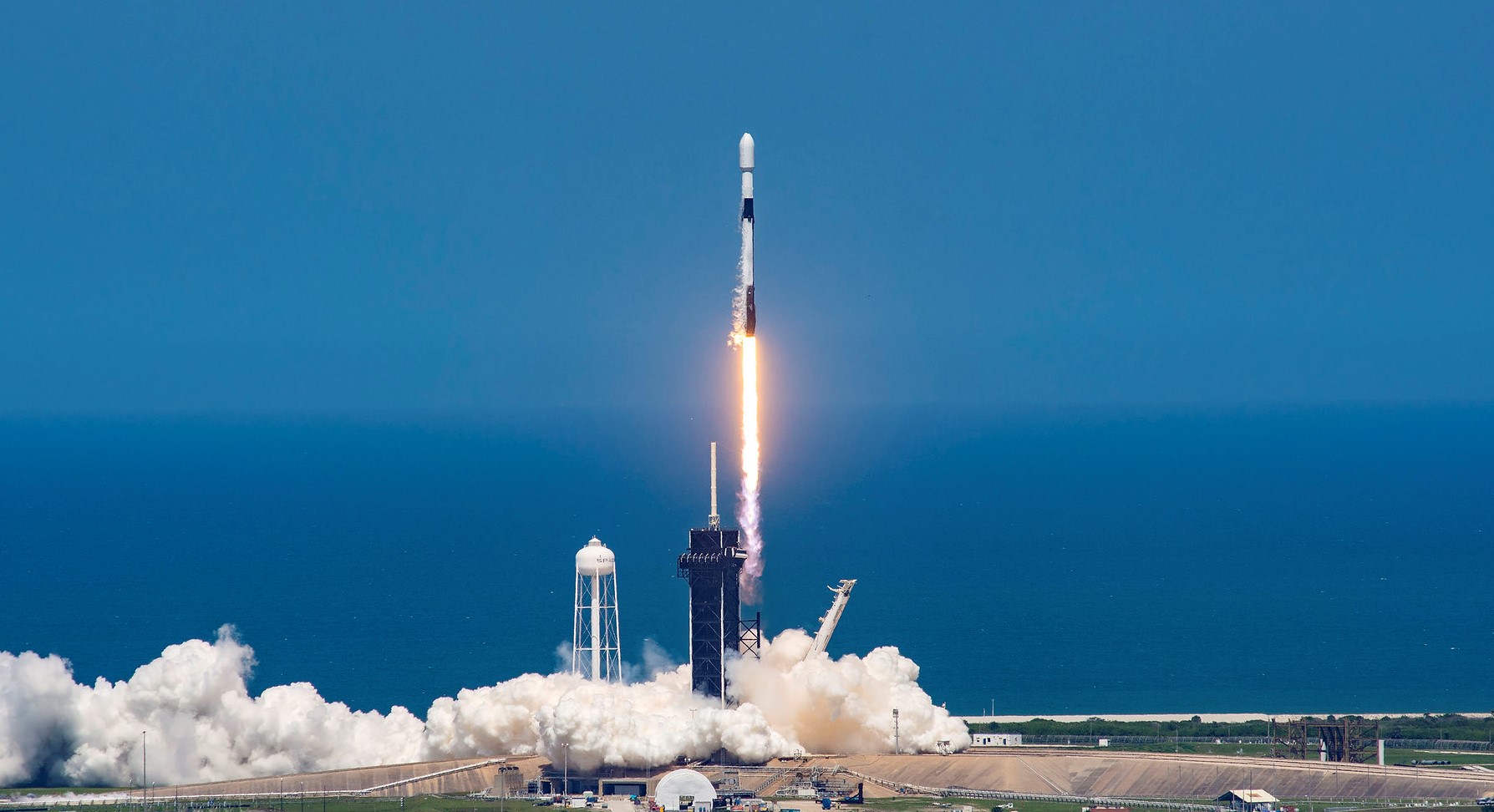
Launch Provider: SpaceX – Commercial
Launch Date: January 9, 2026
Launch Time: 6:05 PM UTC
Vehicle: Falcon 9
Brief: A batch of 29 satellites for the Starlink mega-constellation – SpaceX’s project for space-based Internet communication system.
Pandora / Twilight rideshare mission
Launch Provider: SpaceX – Commercial
Launch Date: January 11, 2026
Launch Time: 1:19 PM UTC
Vehicle: Falcon 9
Brief: The Pandora small satellite was selected in 2021 as an inaugural mission in NASA’s Astrophysics Pioneers Program. It includes a 0.45-meter telescope that will improve our understanding of exoplanet atmospheres by disentangling exoplanet signals from their host stars, as well as studying host star variability with long-duration observations of 20 unique planets through visible-light photometry and near-infrared spectroscopy.
Also launching on this launch are 39 other ride-share payloads under the “Falcon 9 Twilight mission” manifested by Exolaunch, including satellites from Spire Global and Kepler Communications.
Starlink Group 6-97
Launch Provider: SpaceX – Commercial
Launch Date: January 11, 2026
Launch Time: 6:08 PM UTC
Vehicle: Falcon 9
Brief: A batch of 29 satellites for the Starlink mega-constellation – SpaceX’s project for space-based Internet communication system.
EOS-N1 and others
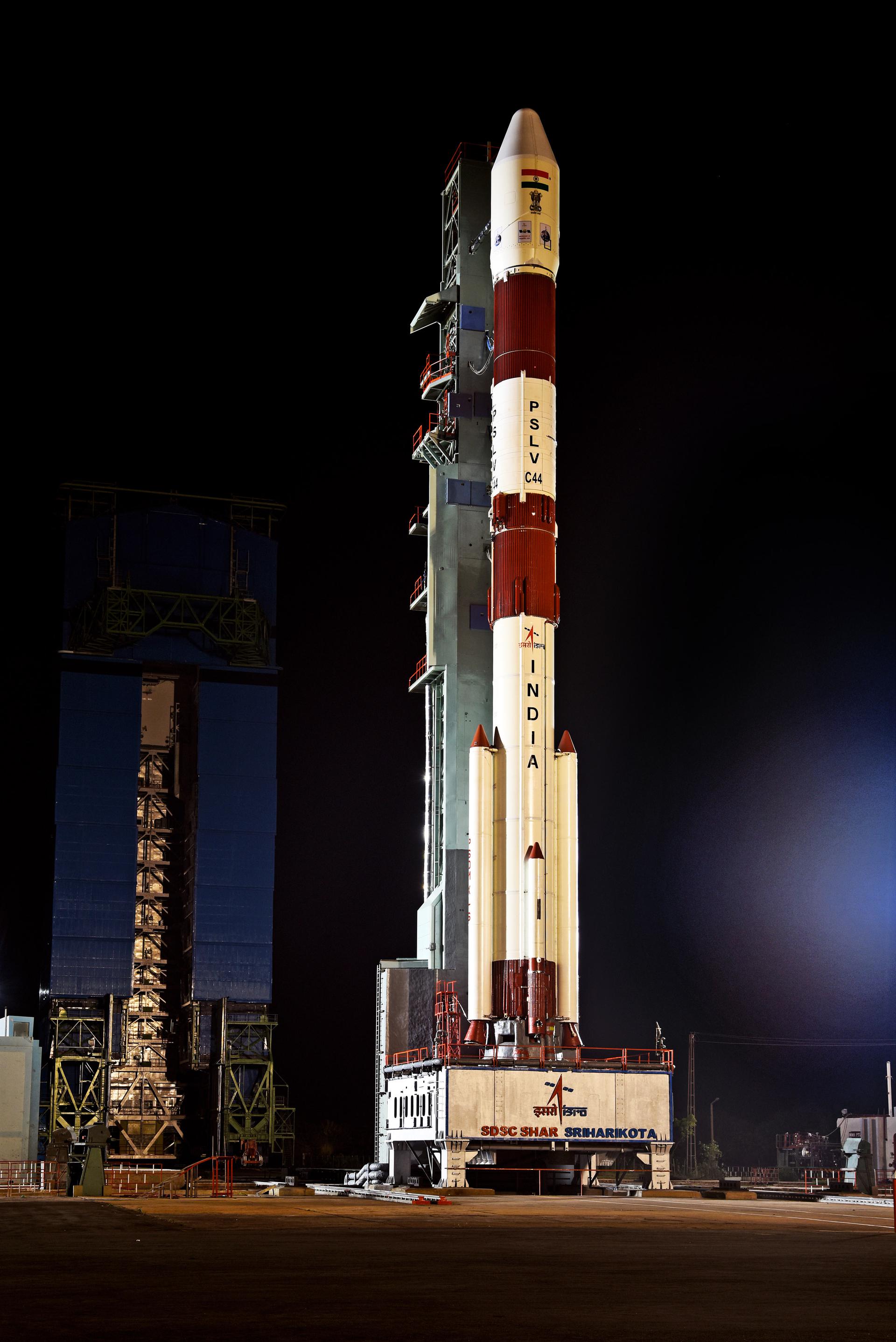
Launch Provider: Indian Space Research Organization – Government
Launch Date: January 12, 2026
Launch Time: 4:47 AM UTC
Vehicle: PSLV-DL
Brief: Small Earth observation satellite from NewSpace India Limited (NSIL) for an “Indian strategic user”, details TBD.
This launch will also carry 18 other ride-share payloads.
Unknown Payload
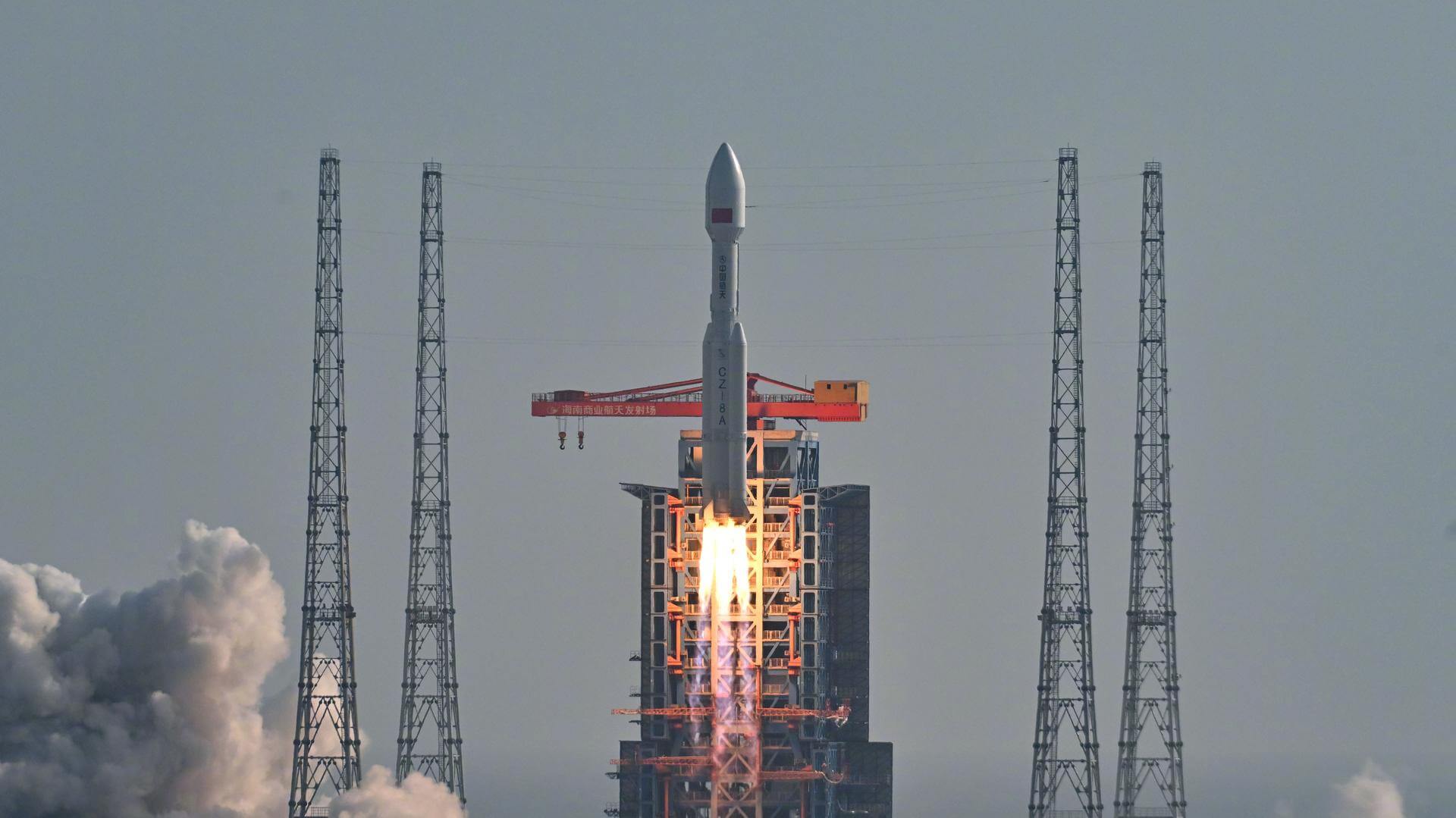
Launch Provider: China Aerospace Science and Technology Corporation – Government
Launch Date: January 13, 2026
Launch Time: 3:45 PM UTC
Vehicle: Long March 8A
Brief: Details TBD.
