
The Daily Broadcast: Orbit, Oversight, and Opportunity: A Day in Space Affairs

Medical Concern Aboard ISS Prompts Spacewalk Delay and Possible Early Return
A medical issue involving an astronaut on the International Space Station has led NASA to postpone a planned spacewalk scheduled for January 8, 2026. While details remain confidential due to medical privacy protocols, the agency confirmed the situation is stable. The affected crewmember is part of the Crew-11 mission, and sources indicate the concern could potentially trigger an unprecedented early return for part of the crew—an unusual step that underscores the seriousness with which space agencies treat in-flight health matters. The postponed spacewalk was intended to support power system upgrades, including preparations for new roll-out solar arrays critical to the station’s eventual deorbit. This development comes as Expedition 74 continues scientific operations in microgravity, ranging from microbiology to artificial intelligence experiments. NASA has not yet announced a new date for the extravehicular activity but emphasized ongoing coordination with international partners to assess next steps. Given the ISS’s aging infrastructure and the planned transition to commercial stations later this decade, any disruption to crew schedules adds complexity to an already tight operational timeline. For now, the focus remains on crew health—a reminder that even in the high-tech realm of orbital science, human well-being remains the top priority.
Canada’s Space Sector Urges Defence Procurement Overhaul
A new position paper from Space Canada warns that without significant reforms to defence procurement, the country risks falling behind in an increasingly competitive and contested space domain. Titled Meeting the Moment: Connecting Canada’s Space Sector to National Defence, the report argues that Canada’s heavy reliance on foreign—primarily American—suppliers leaves its Arctic sovereignty and national security exposed. Currently, 75% of the Canadian military’s capital budget for space-related systems flows to U.S. vendors, limiting domestic industry growth and strategic autonomy. The paper recommends allocating 5% of Canada’s NATO spending commitment specifically to space capabilities and adopting “Commercially-Owned, Commercially-Operated” (COCO) models to access cutting-edge dual-use technologies faster. It also calls for reforming security clearance protocols, which currently prevent Canadian firms from bidding on sensitive contracts without pre-existing facility clearances—a classic catch-22. With the global commercial space market now driving 70–80% of innovation, the report stresses that Canada’s $2.8 billion space sector could expand to $40 billion by 2040 if supported by agile, forward-looking policies. The stakes aren’t just strategic; they’re economic. As geopolitical tensions rise, the window to build a resilient domestic defence space industrial base may be closing faster than Ottawa’s procurement timelines can keep up.
ESA Charts Ambitious 2026 with Missions from Sun to Mercury
The European Space Agency (ESA) has laid out an ambitious slate of missions for 2026, kicking off a year of “firsts” that span from Earth’s magnetosphere to the innermost planet. At a recent press briefing, ESA Director General Josef Aschbacher highlighted the upcoming launch of the SMILE (Solar Wind Magnetosphere Ionosphere Link Explorer) mission—a joint effort with China that will provide humanity’s first comprehensive view of how solar wind interacts with Earth’s magnetic field. Later this year, the BepiColombo spacecraft is expected to enter orbit around Mercury after an eight-year journey, poised to unravel mysteries about the planet’s composition, magnetic field, and extreme thermal environment. In low Earth orbit, French astronaut Sophie Adenot is scheduled to launch to the International Space Station, continuing Europe’s human spaceflight contributions. These milestones arrive amid shifting international dynamics, including ESA’s new barter agreement with NASA to fulfill its Common System Operations Costs (CSOC) obligations for the ISS after scrapping a commercial cargo mission call last December. The 2026 roadmap reflects ESA’s dual focus: maintaining its role in collaborative orbital infrastructure while pushing the frontiers of interplanetary science. For space enthusiasts, it’s a reminder that while headlines often fixate on launch vehicles and lunar landings, the quiet, steady work of scientific exploration—measuring solar particles or probing Mercury’s craters—remains at the heart of spacefaring ambition.
Citations
- “Medical issue could force early end of Crew-11 ISS mission” – https://spacenews.com/medical-issue-could-force-early-end-of-crew-11-iss-mission/
- “Industry report: Canada risks falling behind without major overhaul of space procurement” – https://spaceq.ca/industry-report-canada-risks-falling-behind-without-major-overhaul-of-space-procurement/
- “ESA Director General’s 2026 annual press briefing” – https://www.esa.int/ESA_Multimedia/Videos/2026/01/ESA_Director_General_s_2026_annual_press_briefing
Upcoming Launches
Starlink Group 6-96
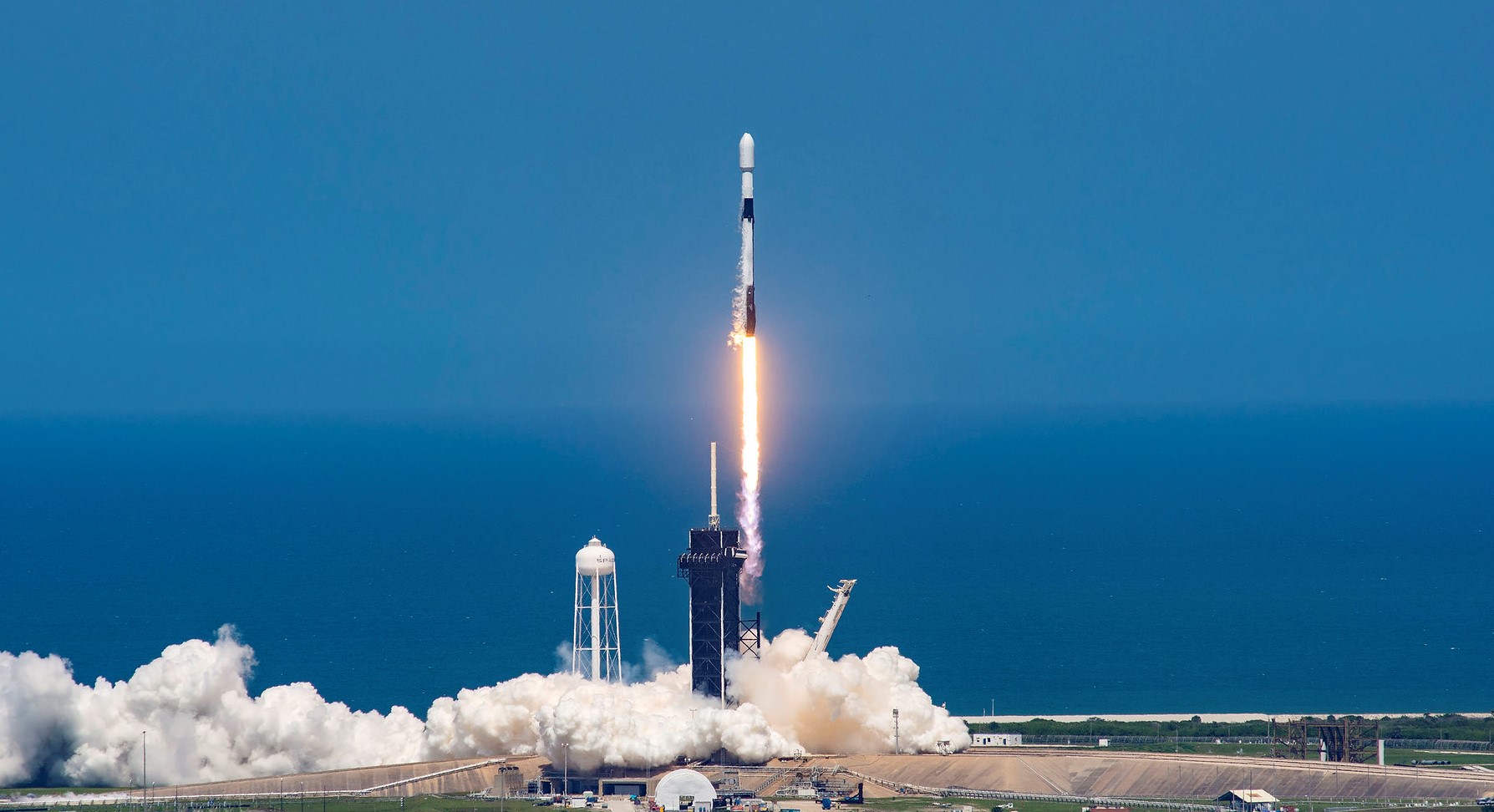
Launch Provider: SpaceX – Commercial
Launch Date: January 8, 2026
Launch Time: 6:29 PM UTC
Vehicle: Falcon 9
Brief: A batch of 29 satellites for the Starlink mega-constellation – SpaceX’s project for space-based Internet communication system.
Starlink Group 6-97
Launch Provider: SpaceX – Commercial
Launch Date: January 10, 2026
Launch Time: 6:34 PM UTC
Vehicle: Falcon 9
Brief: A batch of 29 satellites for the Starlink mega-constellation – SpaceX’s project for space-based Internet communication system.
Pandora / Twilight rideshare mission
Launch Provider: SpaceX – Commercial
Launch Date: January 11, 2026
Launch Time: 1:19 PM UTC
Vehicle: Falcon 9
Brief: The Pandora small satellite was selected in 2021 as an inaugural mission in NASA’s Astrophysics Pioneers Program. It includes a 0.45-meter telescope that will improve our understanding of exoplanet atmospheres by disentangling exoplanet signals from their host stars, as well as studying host star variability with long-duration observations of 20 unique planets through visible-light photometry and near-infrared spectroscopy.
Also launching on this launch are 39 other ride-share payloads under the “Falcon 9 Twilight mission” manifested by Exolaunch, including satellites from Spire Global and Kepler Communications.
EOS-N1 and others
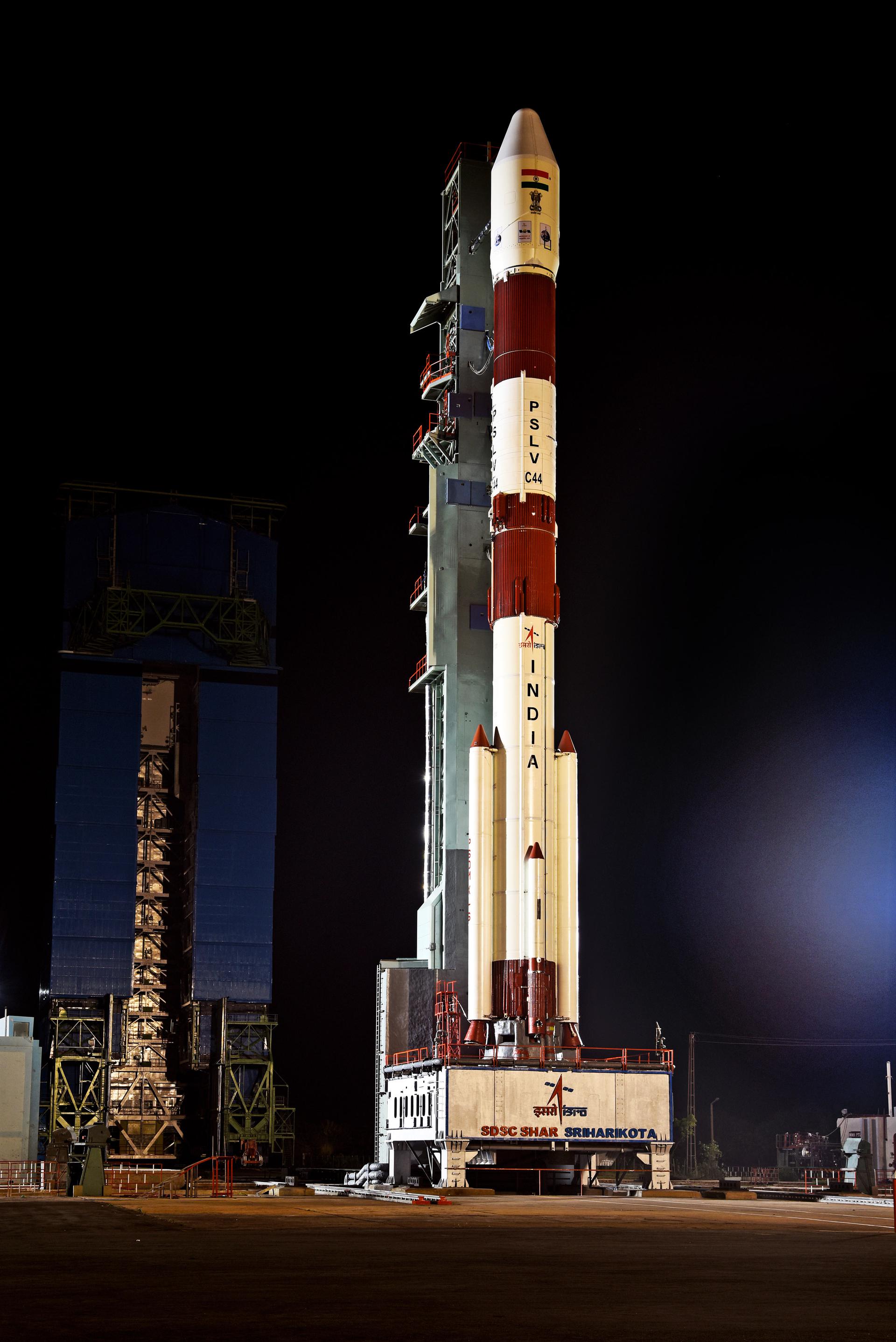
Launch Provider: Indian Space Research Organization – Government
Launch Date: January 12, 2026
Launch Time: 4:47 AM UTC
Vehicle: PSLV-DL
Brief: Small Earth observation satellite from NewSpace India Limited (NSIL) for an “Indian strategic user”, details TBD.
This launch will also carry 18 other ride-share payloads.
Unknown Payload
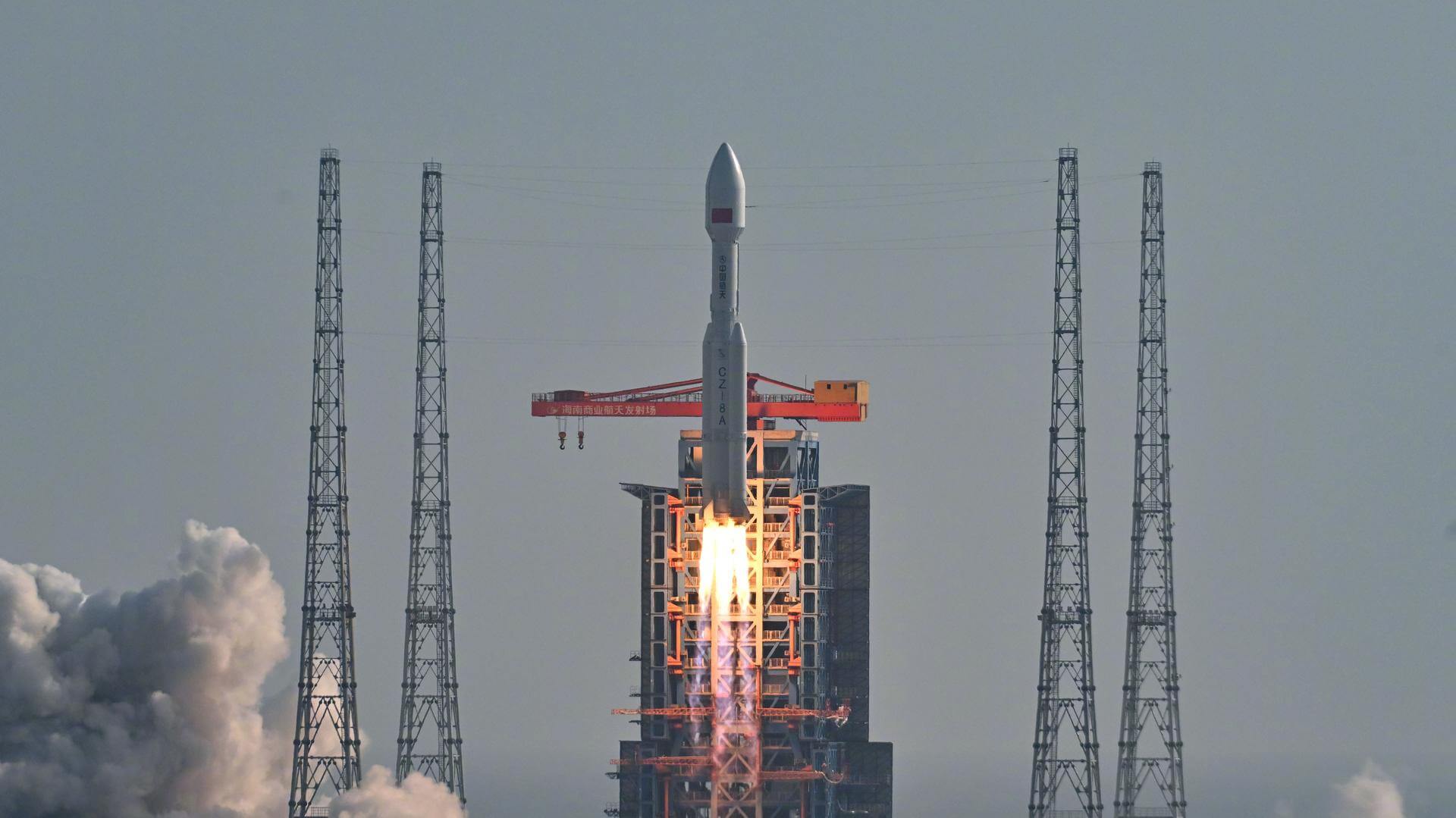
Launch Provider: China Aerospace Science and Technology Corporation – Government
Launch Date: January 13, 2026
Launch Time: 3:45 PM UTC
Vehicle: Long March 8A
Brief: Details TBD.
