
The Daily Broadcast: Orbit Overhaul: Cybersecurity, Starlinks, and the Hazards of Space Debris

Space Force Begins Network Modernization Amid Rising Cyber Threats
The U.S. Space Force is embarking on a significant infrastructure upgrade across 14 of its bases under the newly awarded “Base Infrastructure Modernization” IDIQ contract. Spearheaded by the Department of the Air Force, the initiative aims to overhaul aging communication and data networks to meet escalating cybersecurity demands. As space systems become increasingly integrated with terrestrial operations—and as adversaries grow more sophisticated—the need for resilient, secure networks has never been clearer. The contract paves the way for rapid modernization of critical nodes that support satellite command, telemetry, and mission control functions. While details of the exact scope and budget remain classified, officials emphasize that the upgrades are part of a broader strategy to harden infrastructure against both digital and physical threats. Given that many of these bases interface with allied systems—including those used by Canada under NORAD and other partnerships—the ripple effects of these improvements could enhance North American space domain awareness as a whole. It’s not exactly glamorous work—no rockets lifting off or satellites deploying—but as anyone in aerospace knows, even the flashiest missions rely on the quiet, steady hum of a secure network.
SpaceX Resumes Starlink Deployments After Satellite Anomaly
SpaceX successfully launched its first Starlink mission of 2026 early on January 4, deploying 29 second-generation broadband satellites from Cape Canaveral Space Force Station at 12 a.m. EST (0500 UTC). This mission, designated Starlink 6-88, marks the company’s return to regular constellation replenishment after a recent satellite experienced an unexplained issue in orbit. The Falcon 9 lifted off from pad 40 and delivered its payload into low Earth orbit, joining more than 9,300 operational Starlink satellites already providing global internet coverage. SpaceX has not disclosed the precise nature of the prior satellite problem but has confirmed all systems performed nominally during this launch. Notably, the booster used—making its 15th flight—landed safely on the droneship Just Read the Instructions in the Atlantic. With Starlink now serving over 4 million users worldwide, including rural and remote communities in northern Canada, reliable deployment cadence remains critical. For many Canadians relying on the service where terrestrial broadband is limited or nonexistent, this launch represents more than just another batch of satellites—it’s a lifeline to digital connectivity in places where snowmobiles outnumber streetlights.

Spanish Military Satellite Hit by Mysterious “Space Particle”
In a sobering reminder of the hazards lurking in Earth orbit, Spain’s newest military communications satellite, SpainSat NG II, was struck by what operator Indra Group described as a “space particle” while en route to its operational orbit. Launched in October 2025, the spacecraft—part of a next-generation secure communications system for Spanish and allied forces—was built by a consortium led by Airbus and Thales Alenia Space. The impact occurred during the critical post-launch phase, and engineers are now assessing whether the satellite can still fulfill its intended 15-year mission. While the term “space particle” is vague, it likely refers to either a micrometeoroid or a piece of orbital debris too small to track but large enough to cause damage at hypervelocity speeds. With over 500,000 trackable debris objects already cataloged—and millions more untrackable fragments—the incident underscores the growing risk to all space assets, regardless of nationality. Though SpainSat NG II isn’t Canadian, its fate matters to all spacefaring nations: as we become more reliant on orbital infrastructure for everything from GPS to weather forecasting, even a tiny speck of junk can have outsized consequences. Let’s just hope it wasn’t one of our old defunct satellites playing cosmic billiards.
Citations
- “Space Force begins base network overhaul as cybersecurity demands grow” – https://spacenews.com/space-force-begins-base-network-overhaul-as-cybersecurity-demands-grow/
- “Live coverage: SpaceX to launch first Starlink deployment mission since problem strikes satellite” – https://spaceflightnow.com/2026/01/04/live-coverage-spacex-to-launch-first-starlink-deployment-mission-since-problem-strikes-satellite/
- “New Spanish communications satellite suffers ‘space particle’ impact” – https://spacenews.com/new-spanish-communications-satellite-suffers-space-particle-impact/
Upcoming Launches
Starlink Group 6-96
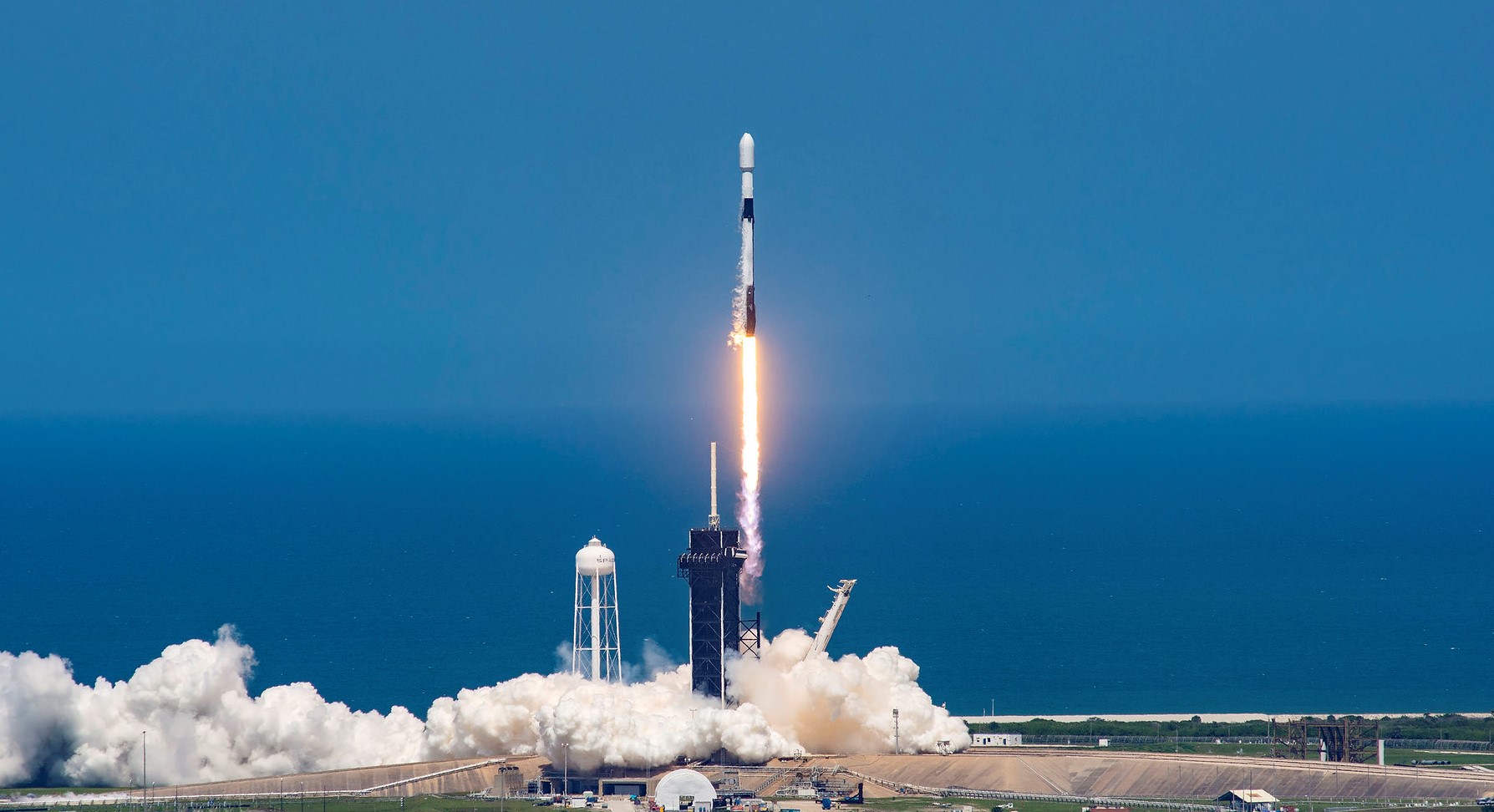
Launch Provider: SpaceX – Commercial
Launch Date: January 8, 2026
Launch Time: 6:29 PM UTC
Vehicle: Falcon 9
Brief: A batch of 29 satellites for the Starlink mega-constellation – SpaceX’s project for space-based Internet communication system.
Starlink Group 6-97
Launch Provider: SpaceX – Commercial
Launch Date: January 10, 2026
Launch Time: 6:34 PM UTC
Vehicle: Falcon 9
Brief: A batch of 29 satellites for the Starlink mega-constellation – SpaceX’s project for space-based Internet communication system.
Pandora / Twilight rideshare mission
Launch Provider: SpaceX – Commercial
Launch Date: January 11, 2026
Launch Time: 1:09 PM UTC
Vehicle: Falcon 9
Brief: The Pandora small satellite was selected in 2021 as an inaugural mission in NASA’s Astrophysics Pioneers Program. It includes a 0.45-meter telescope that will improve our understanding of exoplanet atmospheres by disentangling exoplanet signals from their host stars, as well as studying host star variability with long-duration observations of 20 unique planets through visible-light photometry and near-infrared spectroscopy.
Also launching on this launch are ride-share payloads under the “Falcon 9 Twilight mission” manifested by Exolaunch, including satellites from Spire Global and Kepler Communications.
EOS-N1 and others
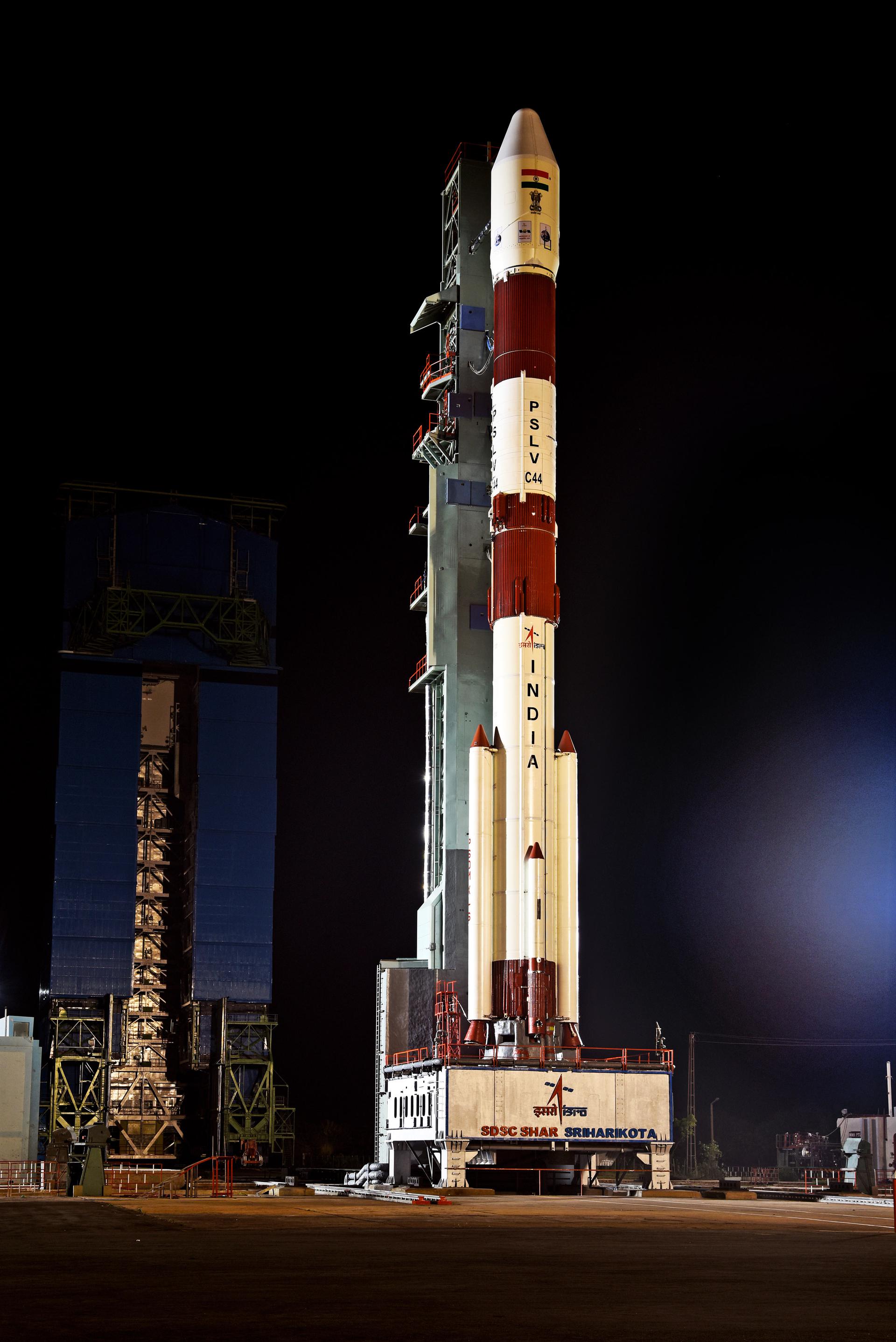
Launch Provider: Indian Space Research Organization – Government
Launch Date: January 12, 2026
Launch Time: 4:47 AM UTC
Vehicle: PSLV-DL
Brief: Small Earth observation satellite from NewSpace India Limited (NSIL) for an “Indian strategic user”, details TBD.
This launch will also carry 18 other ride-share payloads.
Starlink Group 6-98
Launch Provider: SpaceX – Commercial
Launch Date: January 14, 2026
Launch Time: 6:01 PM UTC
Vehicle: Falcon 9
Brief: A batch of 29 satellites for the Starlink mega-constellation – SpaceX’s project for space-based Internet communication system.
