
The Daily Broadcast: Orbit Interruptions, Lunar Milestones, and Intercontinental Tensions

China’s Tianlong-3 Suffers Maiden Flight Failure
April 3, 2026 brought a setback for China’s commercial space ambitions when the debut launch of the Tianlong-3 rocket ended in failure. The vehicle lifted off at 12:17 a.m. Eastern Time (0417 UTC) from the Dongfeng Commercial Aerospace Innovation Test Zone at Jiuquan Satellite Launch Center. Amateur footage circulating on Chinese social media captured an anomaly during the ascent phase, with one clip showing a small explosion in the engine bay around 33 seconds into flight. State media outlet Xinhua later confirmed the failure, noting that the cause is under investigation.
Developed by Beijing-based Space Pioneer, the 72-metre-tall Tianlong-3 was designed as a partially reusable kerosene–liquid oxygen launcher, intended to rival SpaceX’s Falcon 9. Its first stage uses nine Tianhuo-12 variable-thrust engines and is rated to carry up to 22,000 kilograms to low Earth orbit. This launch followed a troubled development history, including a dramatic 2024 static fire test that unintentionally lifted the first stage off its clamps, causing it to crash nearby. Despite a successful static fire in July 2025 and $350 million in funding raised last October, the maiden flight did not reach orbit.
This marks China’s third orbital launch failure of 2026, out of 19 attempts so far this year. With the nation targeting around 140 launches in 2026—including missions supporting its Tiangong space station, lunar exploration, and satellite constellations—the stakes for recovery are high.

Artemis II Crew Nears Lunar Flyby in Historic Mission
As of this morning, the Artemis II crew—including Canadian Space Agency (CSA) astronaut Jeremy Hansen—is en route to a lunar flyby scheduled for April 6 at 4:45 p.m. EDT. Launched successfully on April 1 from Kennedy Space Center, the Orion spacecraft is now in cislunar space, conducting a series of system checkouts and live downlink events with mission control. Yesterday, April 2, featured both a standard mission status briefing and a crew downlink from deep space—marking humanity’s first crewed journey beyond low Earth orbit since Apollo 17 in 1972.
Hansen, representing Canada on this historic flight, is the first Canadian to travel to lunar distance. His participation underscores Canada’s longstanding collaboration with NASA through the Artemis Accords and the provision of Canadarm3 for the upcoming Gateway space station. During pre-launch quarantine, Hansen gave a thumbs-up to Canadian fans waving red-and-white flags—a small but symbolic moment for a nation watching from coast to coast.
CSA officials have indicated that outreach activities tied to the mission will ramp up in the coming days, once NASA finalizes mission timing. Nutrition experts at the agency have also highlighted the Canadian touches aboard Orion, including maple cream cookies, wild keta salmon bites, and strawberry lavender superseed cereal. While the lunar flyby itself will occur on April 6, communications may be briefly lost as Orion passes behind the Moon’s far side—a reminder of just how far from home this crew truly is.

SpaceX and Amazon Clash Over Satellite Deployment Altitudes
Tensions are escalating between two of the biggest players in the satellite internet race, as SpaceX and Amazon trade accusations over orbital safety practices. In an April 1 filing with the U.S. Federal Communications Commission (FCC), SpaceX alleged that Amazon has been deploying its Project Kuiper (branded as “Amazon Leo”) satellites at altitudes significantly higher than those authorized—specifically between 480 and 490 km instead of the licensed 400 km insertion altitude. SpaceX claims this has forced dozens of its Starlink satellites to perform collision-avoidance maneuvers, including 30 in the hours following a February 12 Ariane 6 launch carrying 32 Amazon satellites.
Amazon responded on April 2, arguing that its FCC license allows flexibility in insertion altitude and that SpaceX had not raised concerns during earlier Falcon 9 launches in 2025, when satellites were inserted at 460 km. Amazon also noted that SpaceX only began objecting after it lowered its own Starlink constellation from ~550 km to 480 km earlier this year—a move billed as a space safety improvement. “The issues raised by SpaceX do not involve violation of Commission rules or industry standards,” Amazon wrote, adding that it has proposed solutions to mitigate risks but that SpaceX declined them.
Looking ahead, Amazon says it’s working with Arianespace to lower insertion altitudes on future Ariane 6 missions, including one scheduled for April 28. Another Amazon Leo launch is set for April 4 aboard a United Launch Alliance Atlas V. The company also confirmed it has purchased 10 additional Falcon 9 launches, suggesting that despite the public spat, operational cooperation may continue—a pragmatic nod to the crowded skies both companies now navigate.
Citations
- “China’s commercial Tianlong-3 rocket fails on debut launch” – https://spacenews.com/chinas-commercial-tianlong-3-rocket-fails-on-debut-launch/
- “A reporter’s raw reaction to the historic Artemis 2 launch” – https://spaceq.ca/a-reporters-raw-reaction-to-the-historic-artemis-2-launch/
- “SpaceX and Amazon spar over satellite deployments” – https://spacenews.com/spacex-and-amazon-spar-over-satellite-deployments/
Upcoming Launches
Demo Flight
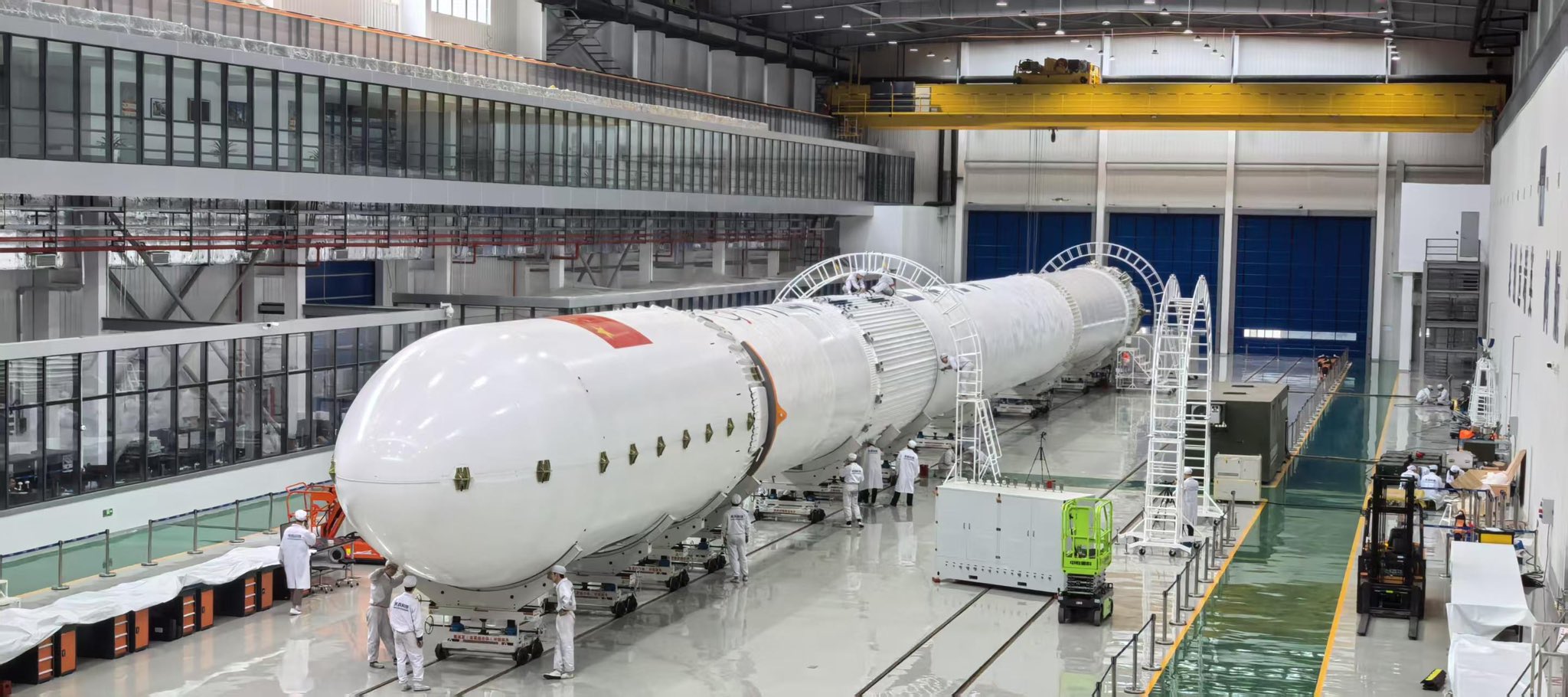
Launch Provider: Space Pioneer – Commercial
Launch Date: April 3, 2026
Launch Time: 4:17 AM UTC
Vehicle: Tianlong-3
Brief: First test launch of Space Pioneer’s Tianlong-3 rocket.
📽️ No Livestream scheduled yet
Meridian-M No.21L
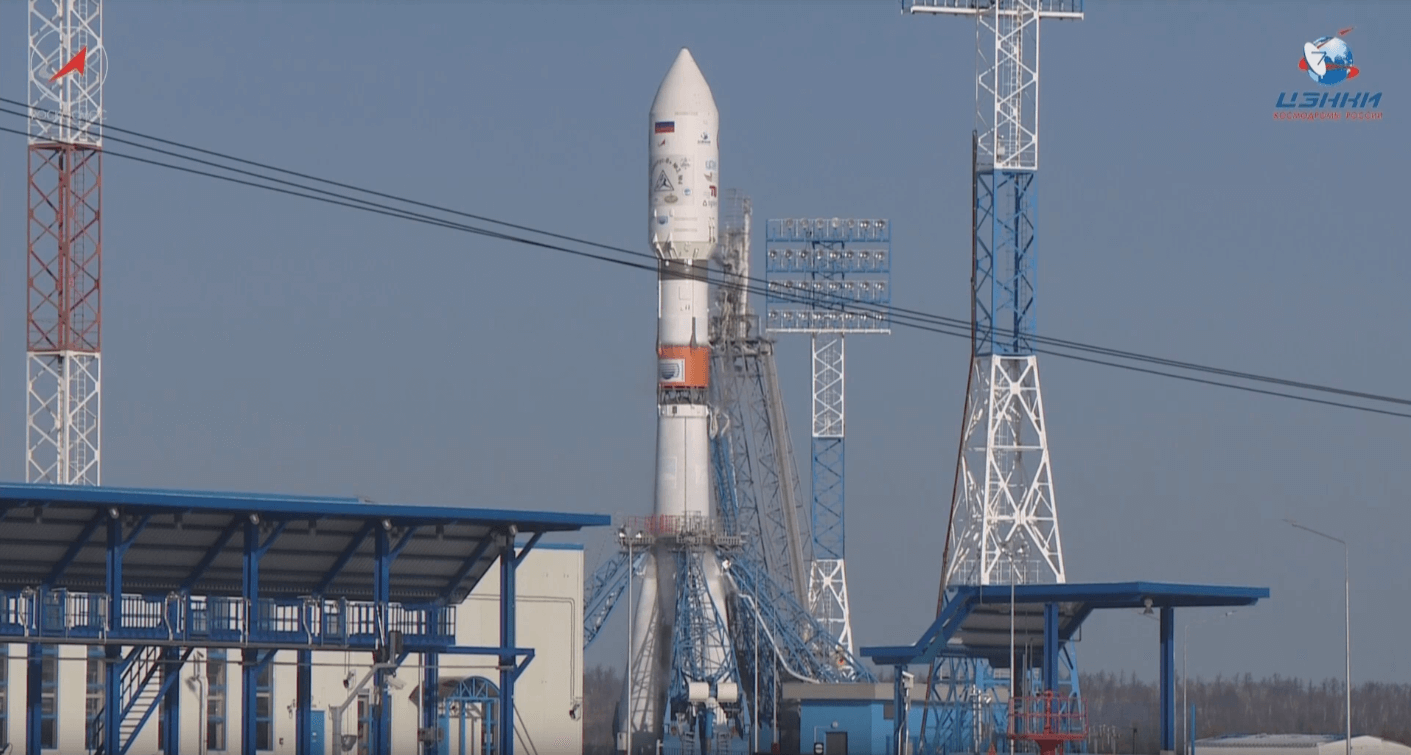
Launch Provider: Russian Space Forces – Government
Launch Date: April 3, 2026
Launch Time: 6:28 AM UTC
Vehicle: Soyuz 2.1a/Fregat-M
Brief: Note: Payload identity uncertain.
Meridian is a series of communications satellite for military and civilian use.
Amazon Leo (LA-05)
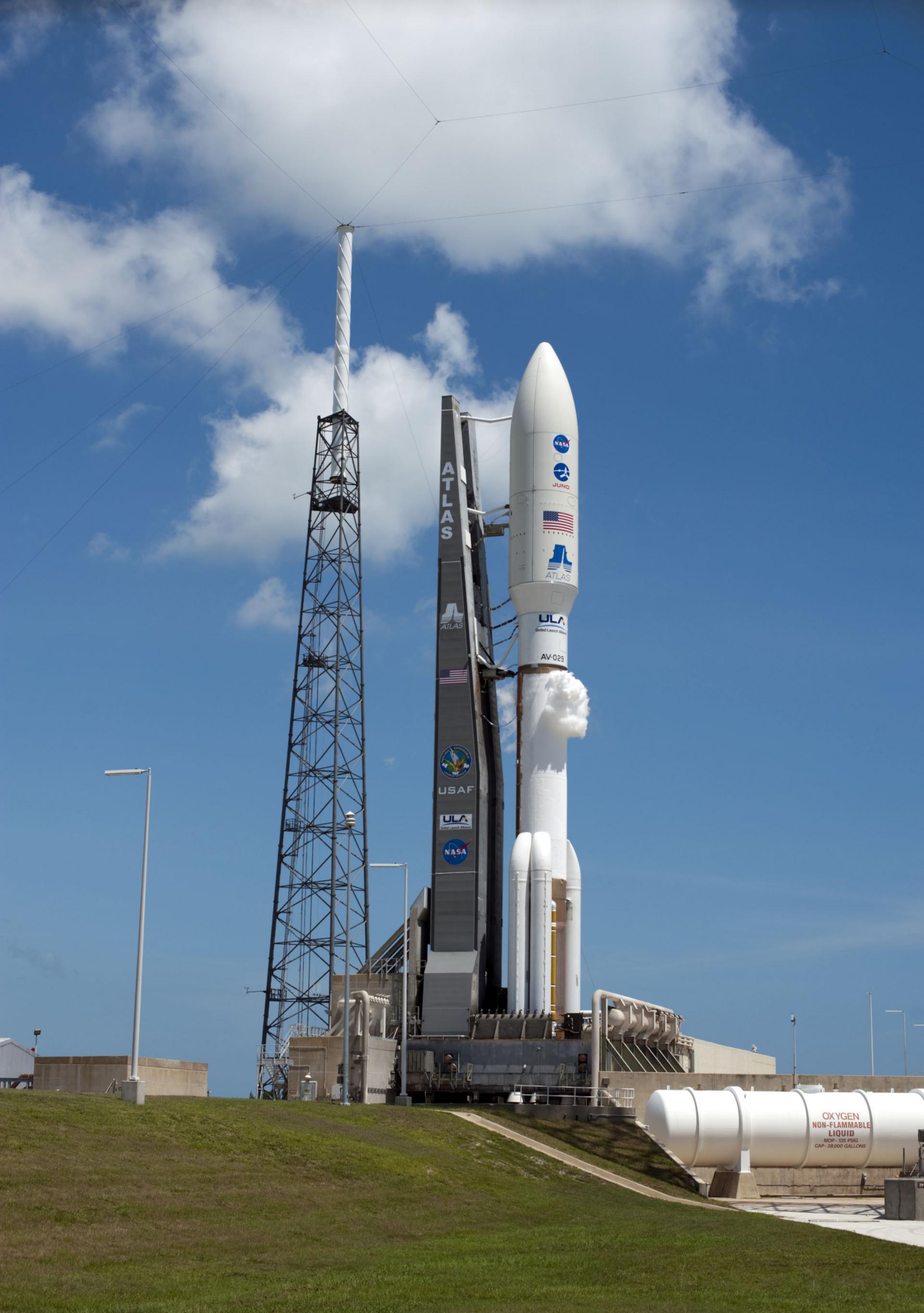
Launch Provider: United Launch Alliance – Commercial
Launch Date: April 4, 2026
Launch Time: 5:45 AM UTC
Vehicle: Atlas V 551
Brief: Amazon Leo, formerly known as Project Kuiper, is a mega constellation of satellites in Low Earth Orbit that will offer broadband internet access, this constellation will be managed by Kuiper Systems LLC, a subsidiary of Amazon. This constellation is planned to be composed of 3,276 satellites. The satellites are projected to be placed in 98 orbital planes in three orbital layers, one at 590 km, 610 km and 630 km altitude.
29 satellites are carried on this launch.
Demo Flight
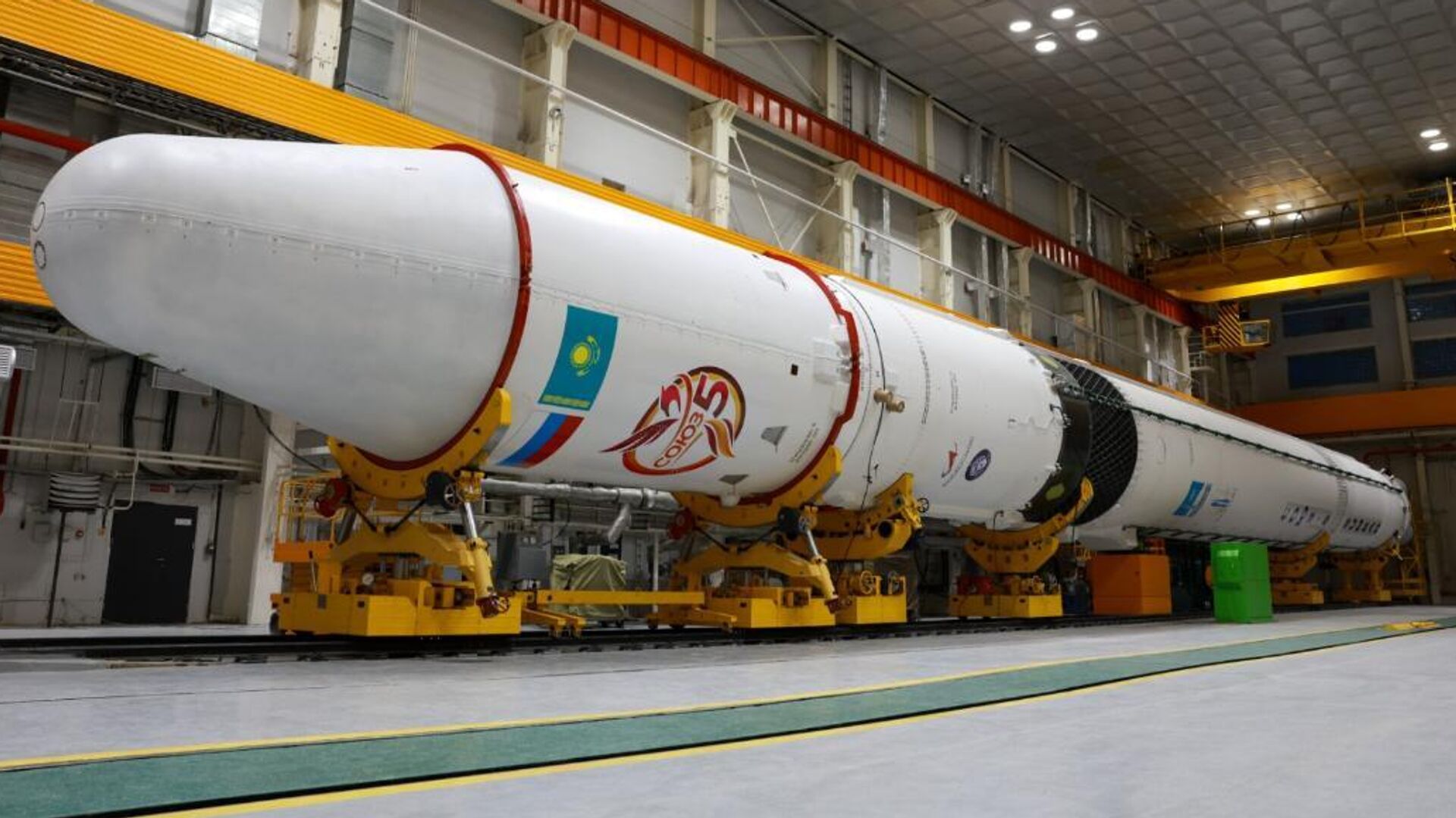
Launch Provider: RKK Energiya – Commercial
Launch Date: April 4, 2026
Launch Time: 11:00 AM UTC
Vehicle: Soyuz-5
Brief: Demonstration Flight for Russia’s new Soyuz-5 launch vehicle, with a mass simulator on board. Details TBD.
📽️ No Livestream scheduled yet
Starlink Group 17-35
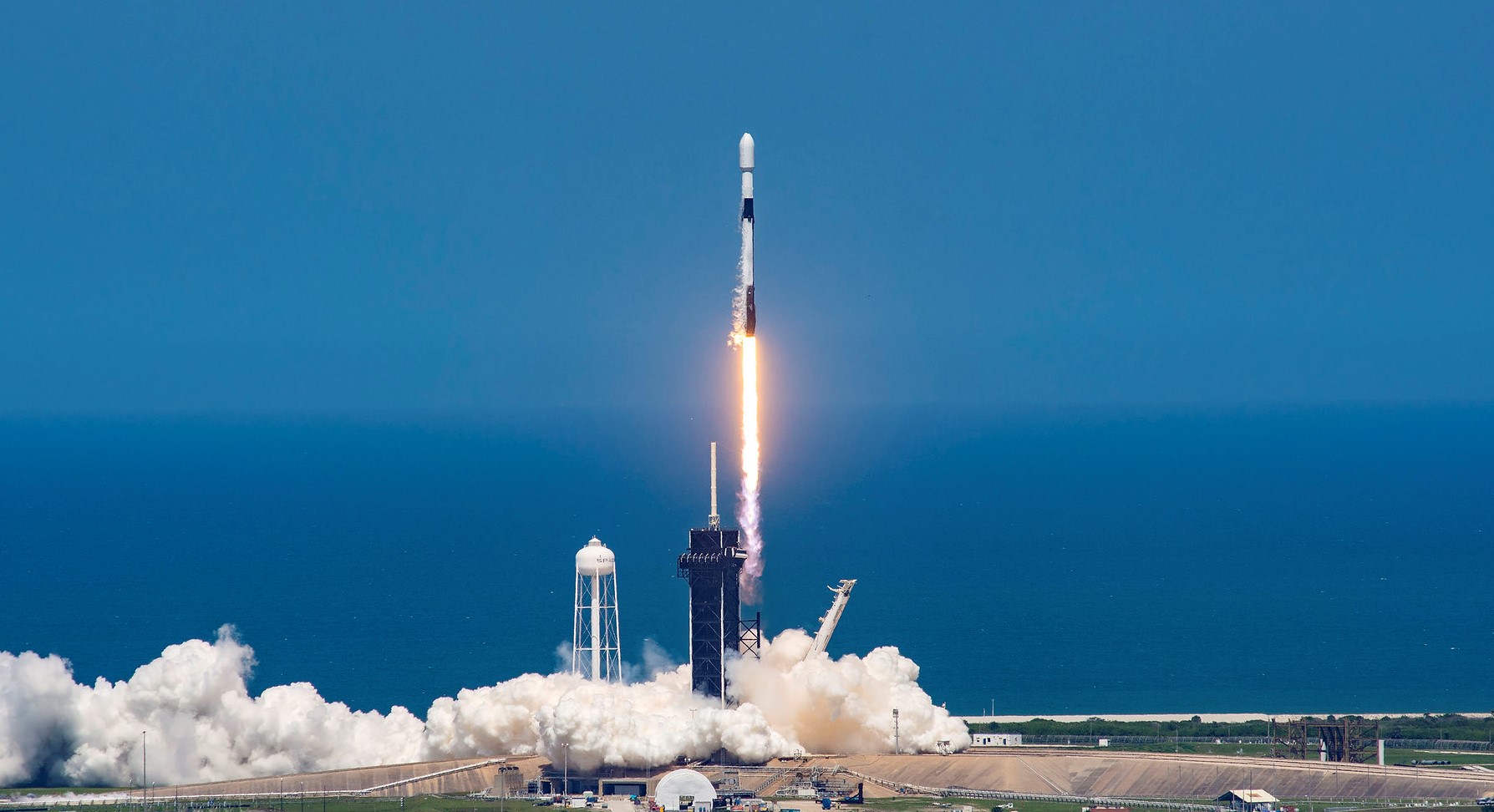
Launch Provider: SpaceX – Commercial
Launch Date: April 5, 2026
Launch Time: 11:03 PM UTC
Vehicle: Falcon 9
Brief: A batch of 25 satellites for the Starlink mega-constellation – SpaceX’s project for space-based Internet communication system.

Leave a Reply