
The Daily Broadcast: Orbit, Groundwater, and Radar: Quiet Advances in a Noisy Sky

Orbex Trails in European Launcher Race Amid UK Funding Delays
The UK’s Orbex is falling behind its European counterparts in the race to develop next-generation small launch vehicles. According to a recent SpaceNews report, the company received significantly less funding than the other four participants in the European Space Agency’s European Launcher Challenge—largely because the UK government deferred its final funding decision. While competitors in Germany, France, Sweden, and Portugal have moved ahead with development milestones, Orbex’s Prime rocket program now faces delays that could impact its planned debut from the Sutherland spaceport in Scotland.
This setback matters beyond national pride. Europe is striving to build independent, responsive launch capabilities to reduce reliance on non-European providers. Orbex had been positioned as a key part of that strategy, offering a low-emission, reusable smallsat launcher. But without timely government backing, its timeline—and market relevance—could slip. In an industry where first-mover advantage often dictates survival, Orbex’s hold pattern may prove costly. Still, the company has built strong partnerships and technical credibility; with a clear funding path, recovery remains possible. For now, though, it’s playing catch-up while others accelerate.
Canadian Firm Wins Luxembourg Contract for Quantum Subsurface Mapper
In a win for Canadian quantum innovation, the Canadian Space Mining Corporation (CSMC) has secured a contract from the Luxembourg Space Agency to advance its Quantum Atomic Subsurface Mapper (QASM). This sensor, which combines cold-atom interferometry with artificial intelligence, aims to detect subsurface water and critical minerals—not just on Earth, but potentially on the Moon and other planetary bodies. Originally developed with support from the Ontario Water Consortium, QASM has evolved into a dual-use platform with applications in both terrestrial resource management and space exploration.
CSMC plans to complete lab validation in 2026, followed by field tests and—eventually—an orbital demonstration “in the next few years.” CEO Daniel Sax called the project a testament to Canada’s growing “quantum advantage,” while Luxembourg’s Bob Lamboray highlighted the transatlantic collaboration as a model for sustainable space resource development. Notably, CSMC is also advancing a Canadian Space Agency–funded Low Enriched Uranium Nuclear Reactor (LEUNR) for lunar and terrestrial use and is a finalist in the CSA/UK Space Agency Aqualunar Challenge. Though the contract value remains undisclosed, the partnership reinforces Canada’s niche in high-precision quantum sensing—a field where theoretical physics meets practical planetary stewardship.
Canada Invests $47 Million to Keep RADARSAT Eyes in the Sky
The Canadian Space Agency has awarded $47 million in contracts to ensure continuity of Canada’s flagship Earth observation capability. Of that, $44.7 million goes to MDA Space to procure long-lead, specialized components for a replenishment satellite in the RADARSAT Constellation Mission (RCM). An additional $747,000 is split among MDA Space, Kepler Communications, and C-CORE for early concept studies on a fourth-generation RADARSAT system—the next evolution beyond RCM.
This move is part of Canada’s broader $1.012 billion, 15-year RADARSAT+ initiative announced in 2023. The goal? To maintain uninterrupted access to Synthetic Aperture Radar (SAR) data, which supports everything from maritime surveillance and disaster response to agricultural monitoring and national security. “We are strengthening Canada’s sovereign satellite capabilities,” said Industry Minister Mélanie Joly. MDA CEO Mike Greenley noted the company will leverage its CHORUS™ satellite design to deliver a cost-effective, timely solution. Given that RADARSAT-1 launched in 1995, this latest investment underscores Canada’s three-decade leadership in radar-based Earth observation—a quiet but vital contribution to global environmental and security efforts.
Citations
- “Orbex trails other European Launcher Challenge companies as U.K. delays funding decision” – https://spacenews.com/orbex-trails-other-european-launcher-challenge-companies-as-u-k-delays-funding-decision/
- “CSMC gets Quantum Atomic Subsurface Mapper contract from Luxembourg Space Agency” – https://spaceq.ca/csmc-gets-quantum-atomic-subsurface-mapper-contract-from-luxembourg-space-agency/
- “$47 million in contracts awarded for RADARSAT+ initiative” – https://spaceq.ca/47-million-in-contracts-awarded-for-radarsat-initiative/
Upcoming Launches
Unknown Payload
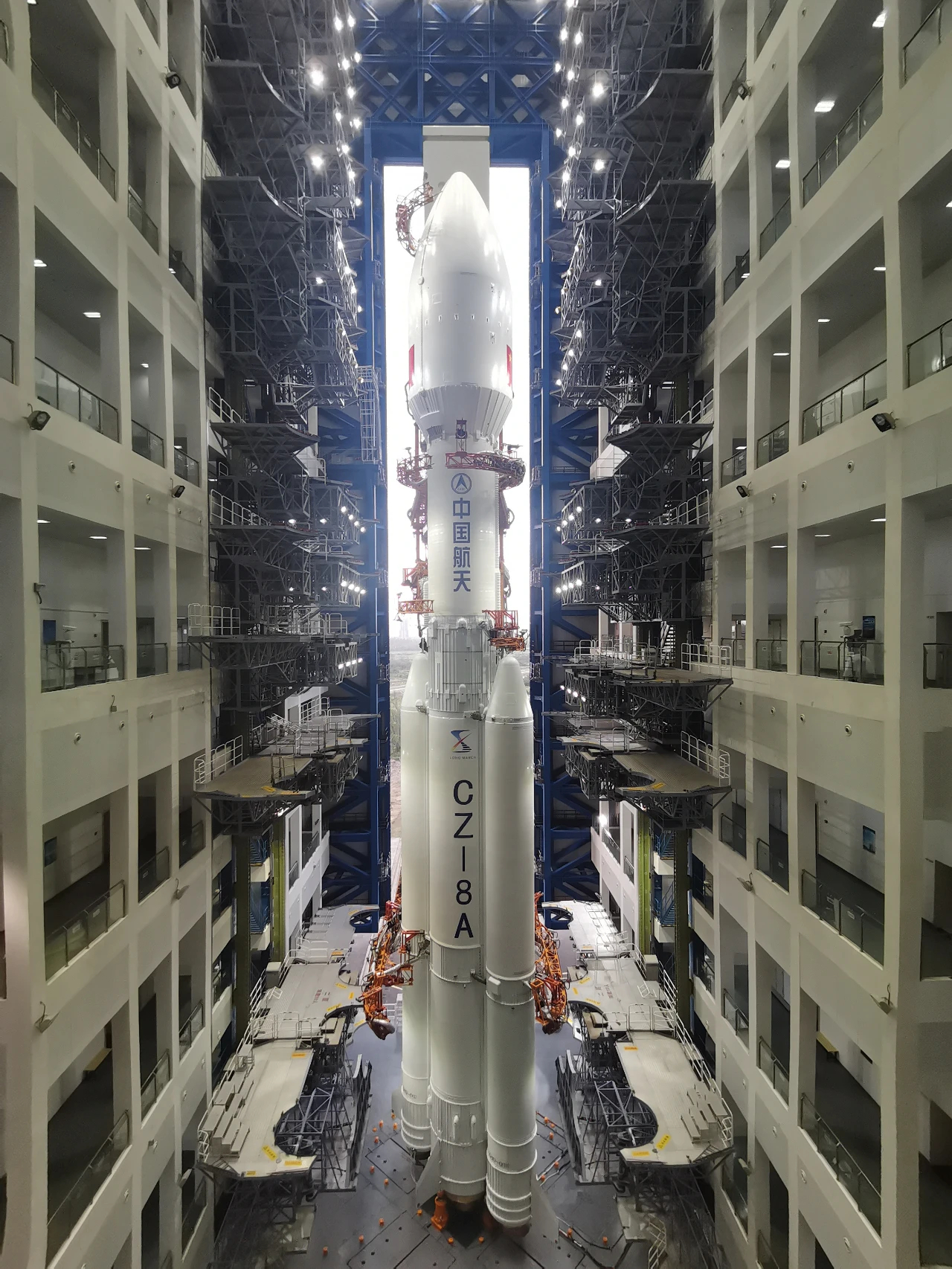
Launch Provider: China Aerospace Science and Technology Corporation – Government
Launch Date: December 6, 2025
Launch Time: 7:50 AM UTC
Vehicle: Long March 8A
Brief: Details TBD.
Raise and Shine (RAISE-4)
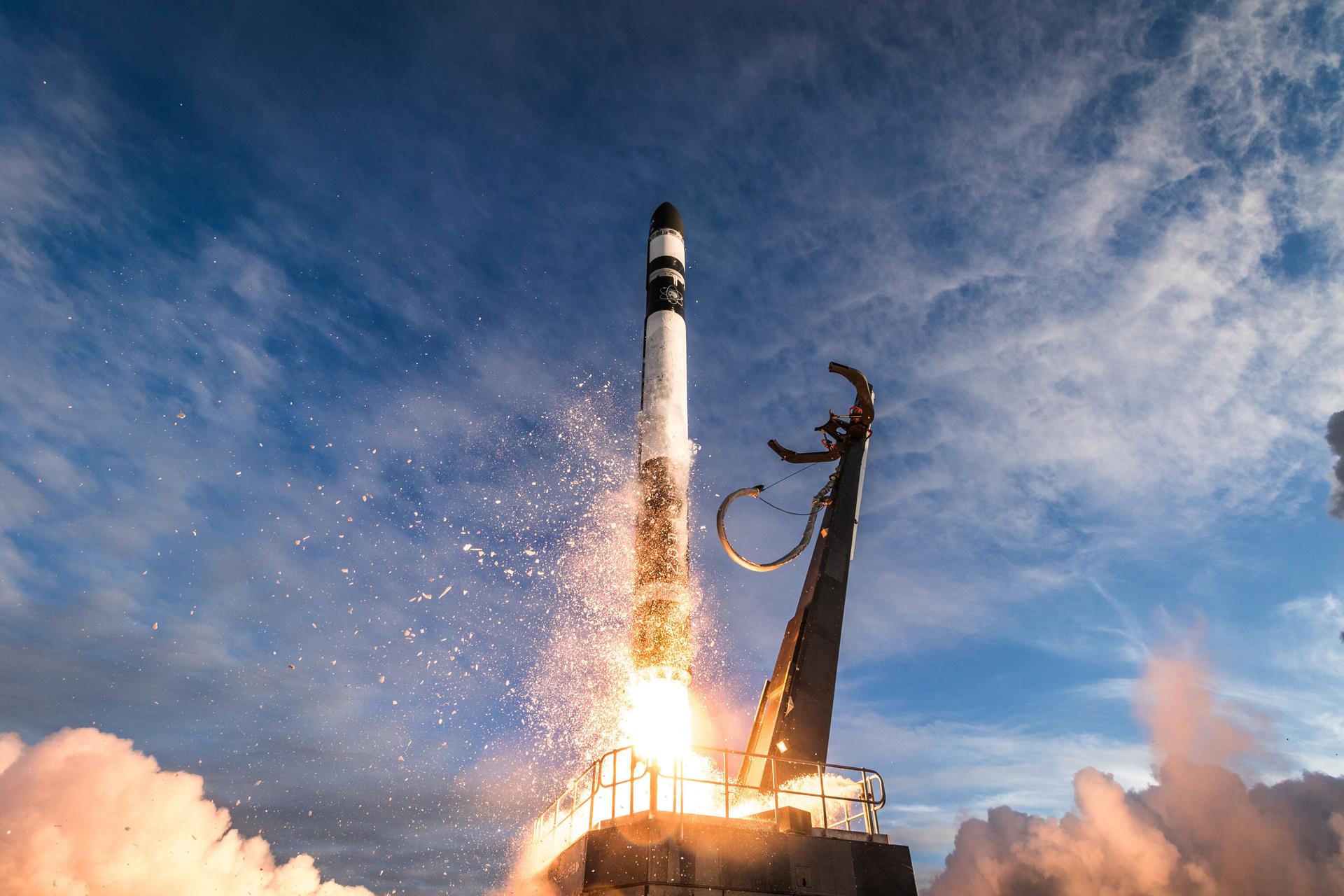
Launch Provider: Rocket Lab – Commercial
Launch Date: December 7, 2025
Launch Time: 3:00 AM UTC
Vehicle: Electron
Brief: RAISE-4 (RApid Innovative payload demonstration Satellite-4) is a Japan Aerospace Exploration Agency (JAXA) satellite for on-orbit demonstrations of 15 demonstration components and equipment selected by public solicitation. The satellite will be operated in response to requests from the demonstration theme proposers, and will provide experimental data of the demonstration devices and environmental data during the experiments.
6 of the demonstration payload, as well as as well as 4 cubesats originally planned to ride on the same launch vehicle, are re-flight of those planned for RAISE-3, which failed to reach orbit in October 2022.
The launch vehicle was switched from Epsilon-S to Rocket Lab’s Electron due to continuous testing problems with the Epsilon-S’ 2nd stage motor. The original 8 hitch-hiking cubesats will be launched on another Electron rocket later.
Starlink Group 11-15
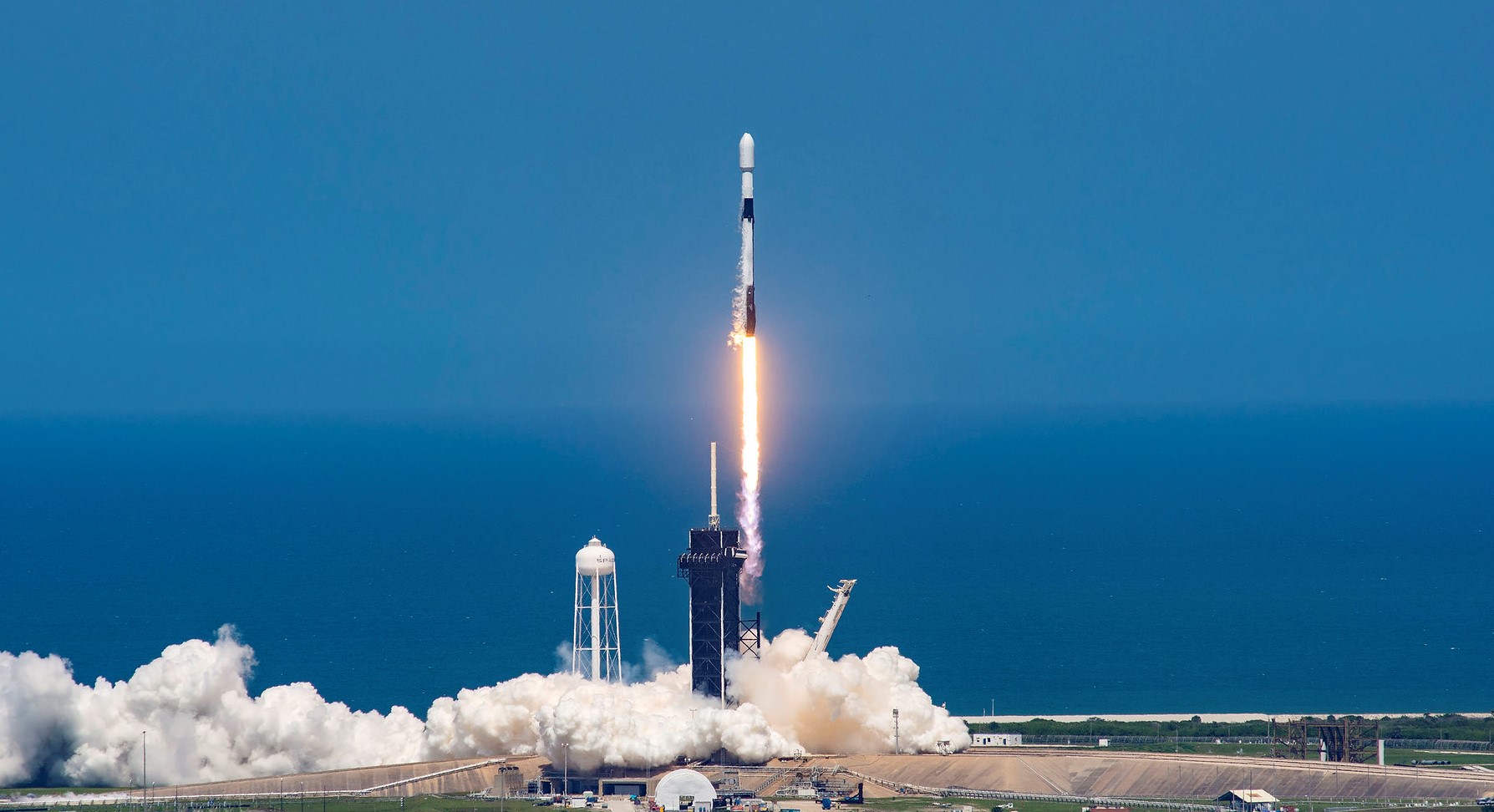
Launch Provider: SpaceX – Commercial
Launch Date: December 7, 2025
Launch Time: 4:13 PM UTC
Vehicle: Falcon 9
Brief: A batch of 28 satellites for the Starlink mega-constellation – SpaceX’s project for space-based Internet communication system.
Starlink Group 6-92
Launch Provider: SpaceX – Commercial
Launch Date: December 7, 2025
Launch Time: 9:40 PM UTC
Vehicle: Falcon 9
Brief: A batch of 29 satellites for the Starlink mega-constellation – SpaceX’s project for space-based Internet communication system.
Unknown Payload
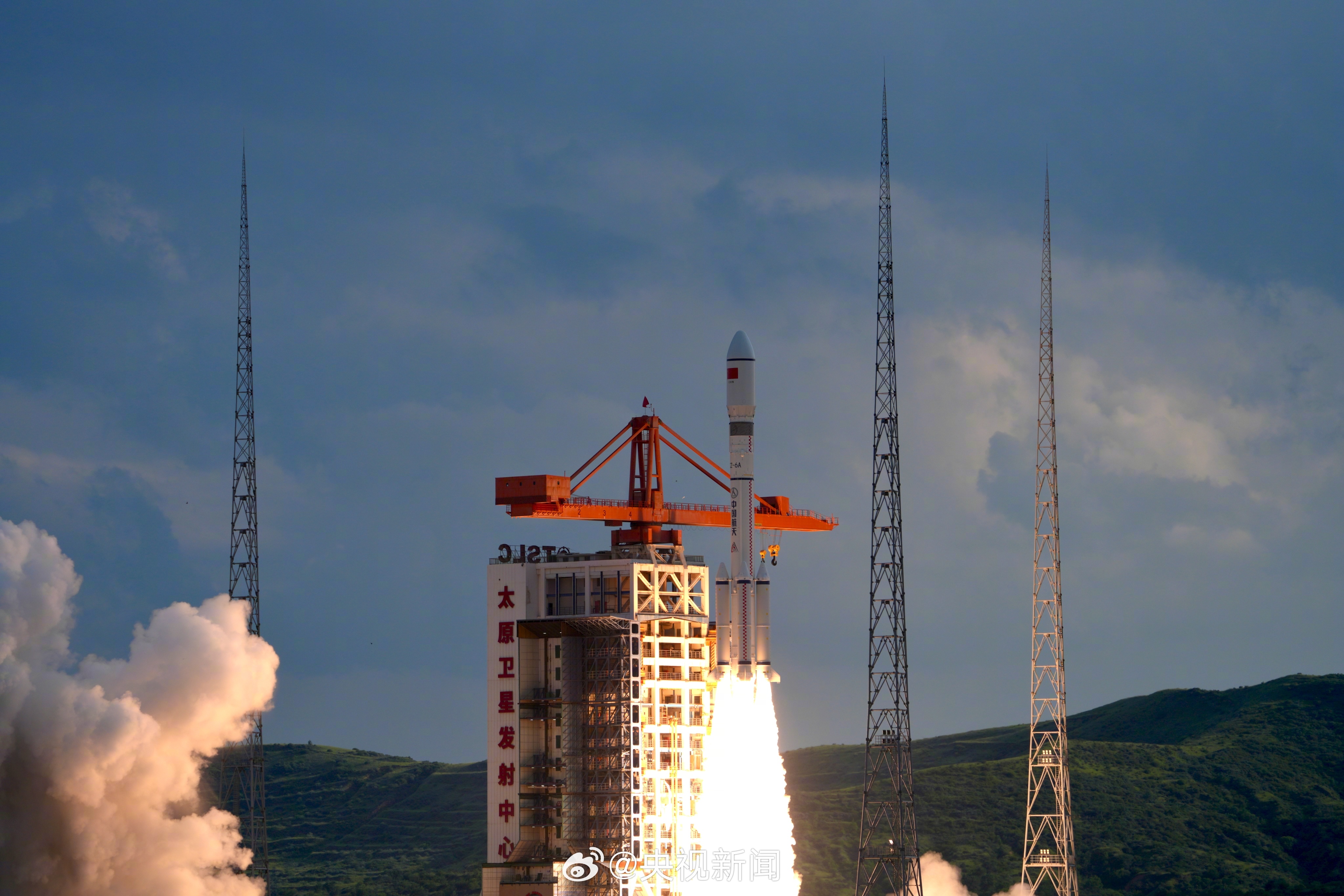
Launch Provider: China Aerospace Science and Technology Corporation – Government
Launch Date: December 8, 2025
Launch Time: 10:10 PM UTC
Vehicle: Long March 6A
Brief: Details TBD.
