
The Daily Broadcast: Moonward Bound, Robotic Arms Reach, and Eyes on Orbit
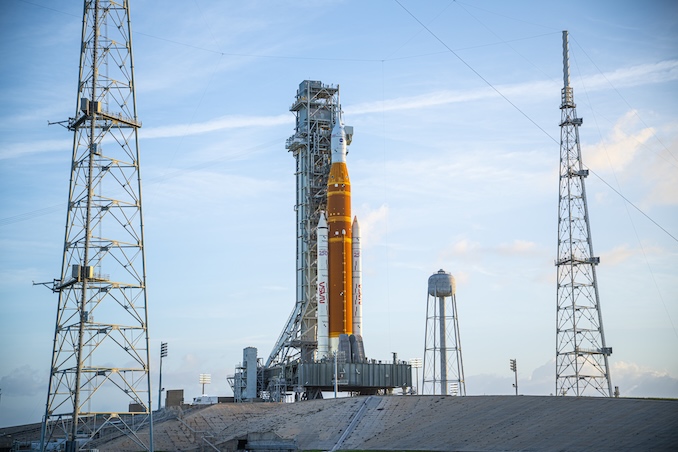
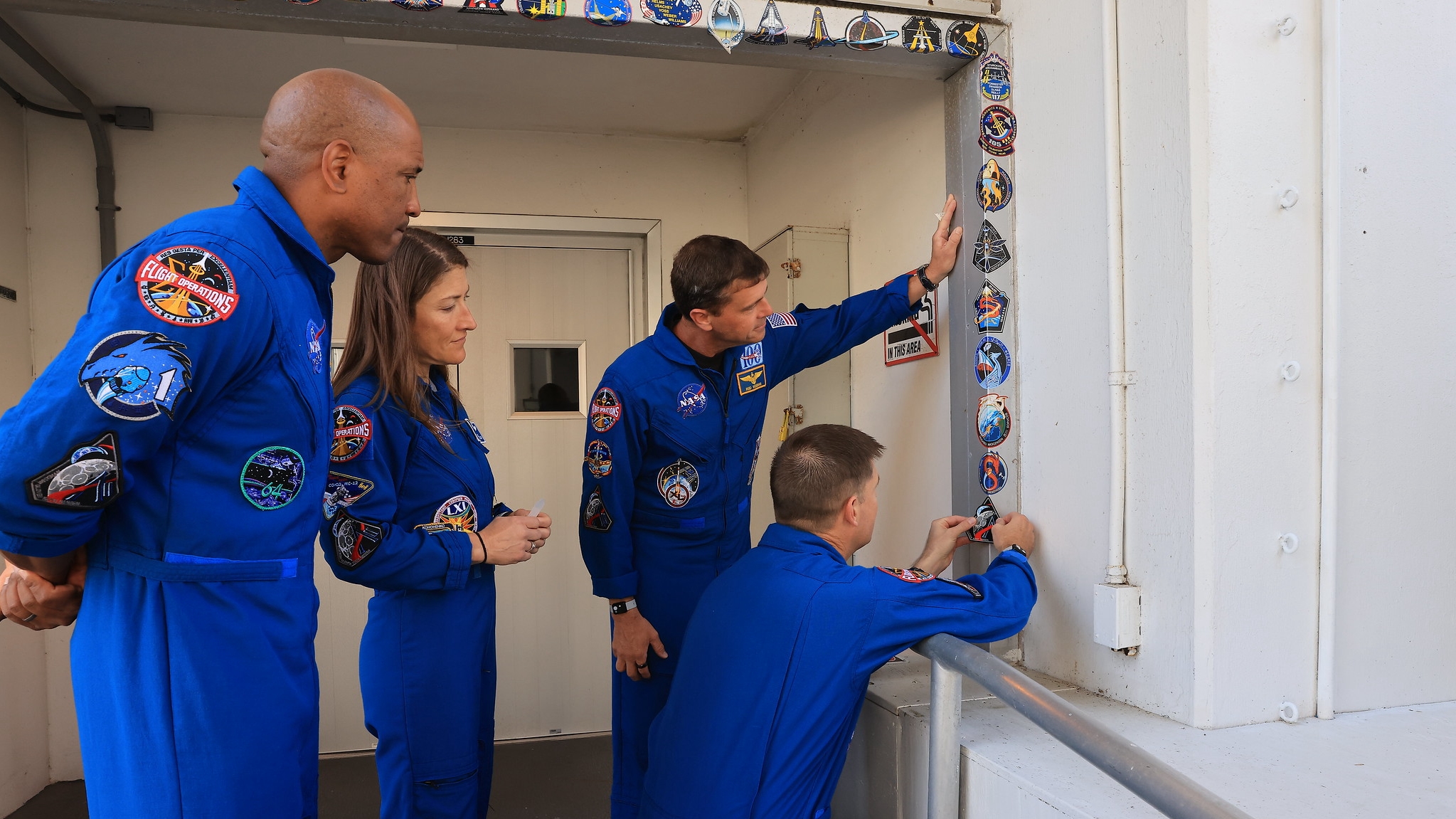
Artemis 2 Poised for Historic Lunar Flyby with Canadian Astronaut Aboard
As of April 1, 2026, at 8:00 a.m. EST, NASA’s Artemis 2 mission is on track for liftoff this evening at 6:24 p.m. EDT from Kennedy Space Center in Florida. If all proceeds as planned, four astronauts—including Canadian Space Agency (CSA) astronaut Jeremy Hansen—will embark on a 10-day journey around the Moon, marking the first crewed mission beyond low Earth orbit since Apollo 17 in 1972.
Hansen, selected for this mission nearly three years ago, will become the first Canadian—and first non-American—to travel into deep space. The crew, which also includes NASA astronauts Reid Wiseman, Victor Glover, and Christina Koch, completed final health checks and are now in quarantine at Kennedy’s Neil A. Armstrong Operations and Checkout Building. Propellant loading for the massive Space Launch System (SLS) rocket is scheduled to begin at 7:34 a.m. EDT.
Weather forecasts currently indicate an 80% chance of favourable conditions during the two-hour launch window. Assuming a successful launch, the Orion spacecraft—named “Integrity” by the crew—will perform two Earth orbits before firing its engine for trans-lunar injection on Flight Day 2. The mission will not land on the Moon but will travel around its far side, enabling unique observations and testing critical systems for future Artemis lunar landings.
As Hansen noted in a video released March 31, “Thousands of Canadians have made this mission possible. Their work and can-do attitude has made Canada a trusted and reliable partner in space.” Canada’s contributions, particularly through the Canadarm3 robotics programme, secured its seat on this historic flight.
Chinese Startup Demonstrates Flexible Robotic Arm in Orbit
In a significant step toward on-orbit satellite servicing, Chinese commercial company Sustain Space has successfully completed an in-space demonstration of a flexible robotic arm aboard its Xiyuan-0 satellite. The satellite, launched on March 16, 2026, aboard a Kuaizhou-11 rocket, has now verified four operational modes: autonomous refuelling simulation, human teleoperation, vision-based servo control, and force-controlled manipulation.
Although the refuelling tests were simulations—no actual propellant was transferred—the successful demonstration marks progress in China’s growing commercial space capabilities. The robotic arm was co-developed by Tsinghua University Shenzhen International Graduate School, with support from Shenzhen Mofang Satellite Technology and Hunan University of Science and Technology for platform and optical systems, respectively.
Sustain Space, a subsidiary of ground station operator Emposat, also plans to test a deployable drag-augmentation sphere on Xiyuan-0 to accelerate deorbiting—a potential solution to mitigate space debris. While the company has not announced timelines for follow-on missions, this test aligns with China’s broader interest in on-orbit servicing, following earlier missions like Shijian-21 and Shijian-25 that reportedly conducted refuelling tests in geostationary orbit in 2025.
The demonstration comes after NASA cancelled its OSAM-1 project in 2024, shifting focus to partnerships with commercial firms. Meanwhile, companies like Northrop Grumman and Astroscale continue to develop similar servicing technologies in the U.S., Europe, and Japan.

Vantor Wins U.S. Intelligence Contract to Monitor Objects in Low Earth Orbit
Vantor, the rebranded commercial intelligence unit formerly known as Maxar Intelligence, has secured a $2.3 million contract from the U.S. National Geospatial-Intelligence Agency (NGA) to monitor and analyze objects in low Earth orbit. This award, issued under NGA’s Luno B programme, represents the company’s first task order focused on “non-Earth imaging” (NEI)—a shift from terrestrial observation to space domain awareness.
Under the contract, Vantor will use its high-resolution imaging satellites to detect, classify, and alert U.S. analysts to anomalies such as unexpected maneuvers or changes in satellite health. The company claims its sensors can capture imagery of spacecraft at resolutions under 10 centimeters from hundreds of kilometers away. Automated software will handle much of the initial analysis, with alerts triggered when a monitored object behaves unexpectedly.
This move underscores a broader U.S. government strategy to integrate commercial capabilities into space surveillance, traditionally managed by classified military systems. With over 10,000 active satellites and growing debris concerns, agencies like the Space Force and NGA are increasingly turning to private firms for additional data streams. As Vantor executive Susanne Hake noted, “exquisite visual intelligence is extremely hard to come by” in orbit, creating “literal and figurative blind spots” that commercial assets may help fill.
The contract is part of a nearly $500 million, five-year framework designed to rapidly task pre-vetted vendors for geospatial intelligence—now extended beyond Earth to the space environment itself.
Citations
- “Live coverage: NASA to launch Artemis 2, its first Moon-bound mission with astronauts since 1972” – https://spaceflightnow.com/2026/04/01/live-coverage-nasa-to-launch-artemis-2-its-first-moon-bound-mission-with-astronauts-since-1972/
- “Canadian astronaut Jeremy Hansen’s Moon mission in final hours before launch attempt” – https://spaceq.ca/canadian-astronaut-jeremy-hansens-moon-mission-in-final-hours-before-launch-attempt/
- “Chinese startup tests flexible robotic arm in space for on-orbit servicing” – https://spacenews.com/chinese-startup-tests-flexible-robotic-arm-in-space-for-on-orbit-servicing/
- “Vantor wins intelligence agency contract to monitor space objects” – https://spacenews.com/vantor-wins-intelligence-agency-contract-to-monitor-space-objects/
Upcoming Launches
Meridian-M No.21L
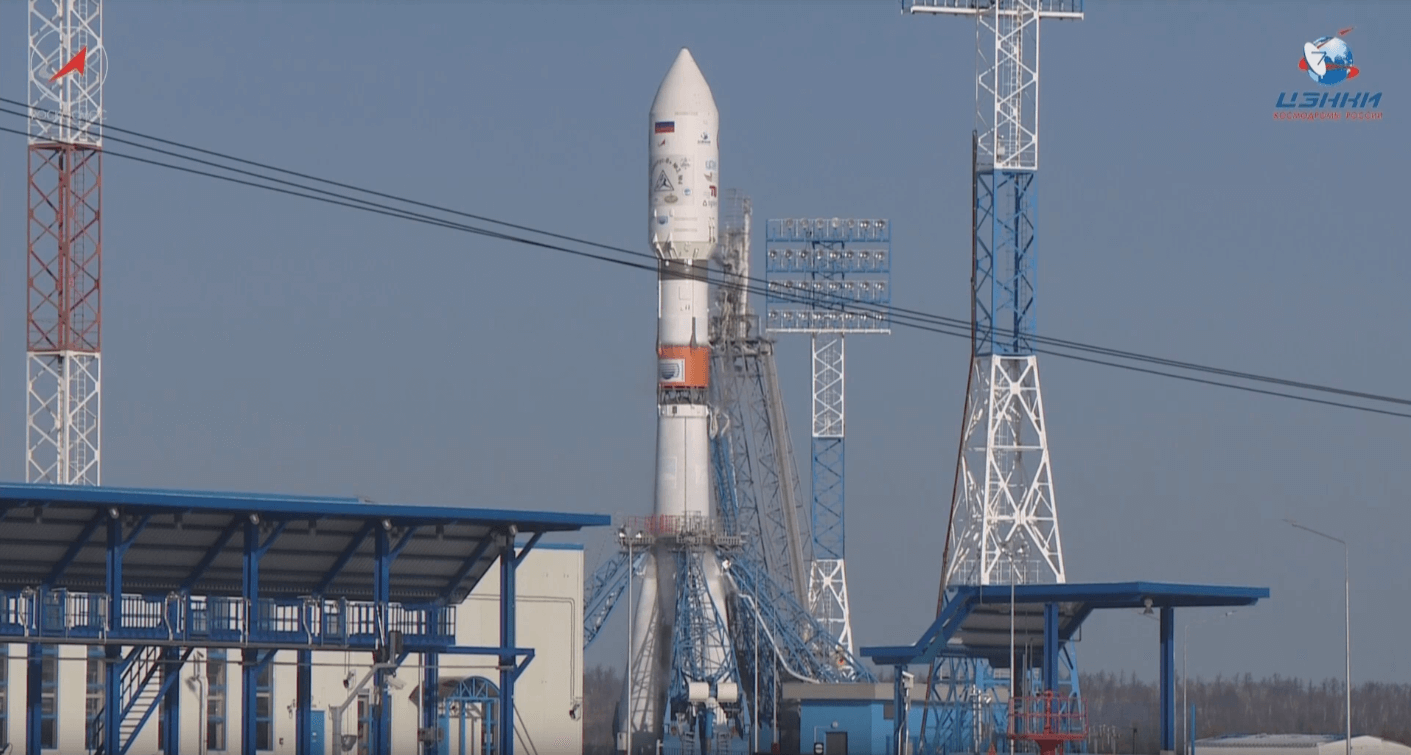
Launch Provider: Russian Space Forces – Government
Launch Date: April 1, 2026
Launch Time: 2:00 AM UTC
Vehicle: Soyuz 2.1a/Fregat-M
Brief: Note: Payload identity uncertain.
Meridian is a series of communications satellite for military and civilian use.
📽️ No Livestream scheduled yet
Artemis II
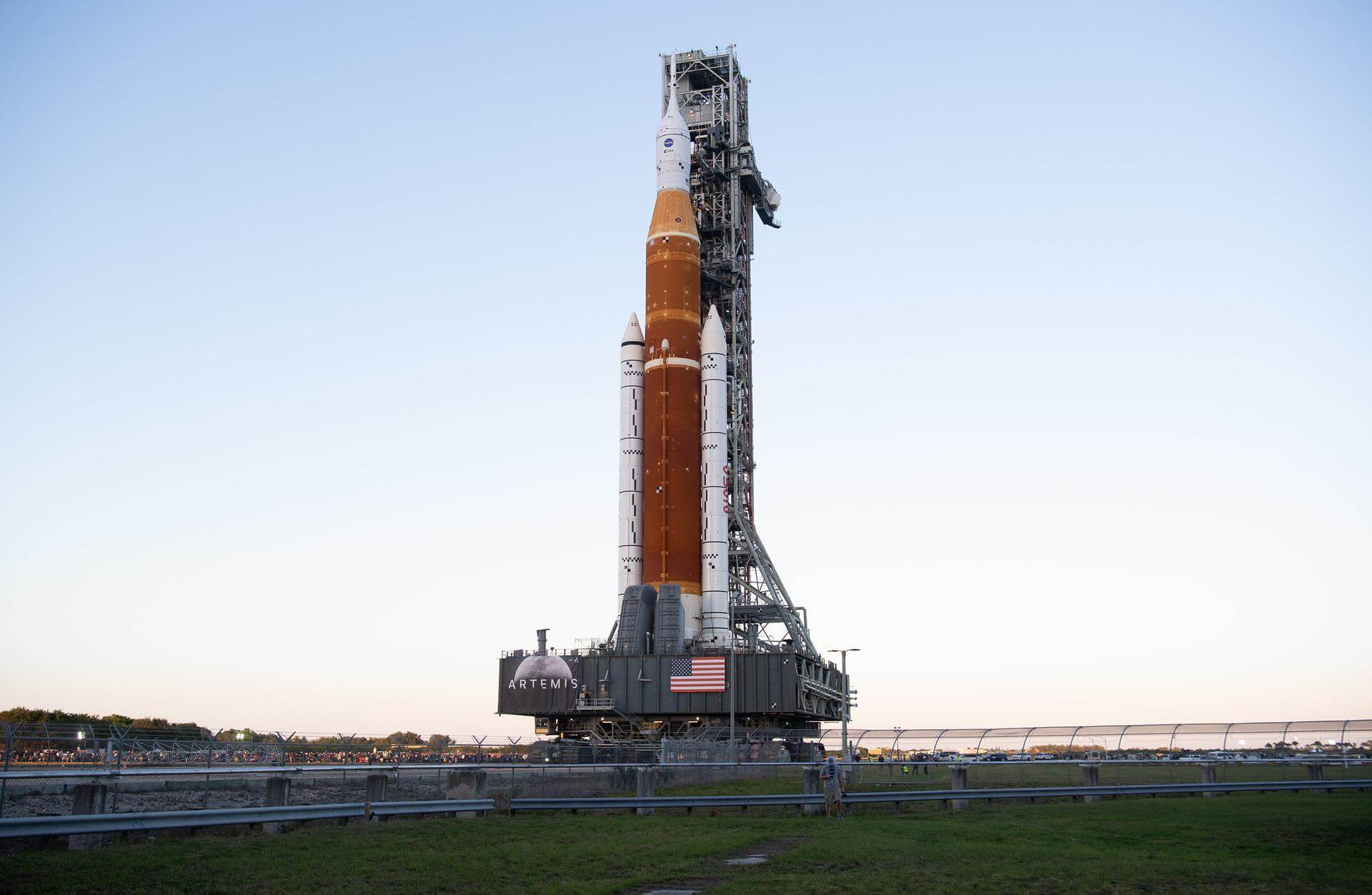
Launch Provider: National Aeronautics and Space Administration – Government
Launch Date: April 1, 2026
Launch Time: 10:24 PM UTC
Vehicle: Space Launch System (SLS)
Brief: Artemis II is the first crewed mission as part of the Artemis program. Artemis II will send a crew of 4 – 3 Americans and 1 Canadian around the moon and return them back to Earth.
The mission will test the core systems of NASA’s Orion spacecraft including the critical life support system, among other systems which could not be tested during Artemis I due to the lack of crew onboard.
Starlink Group 10-58
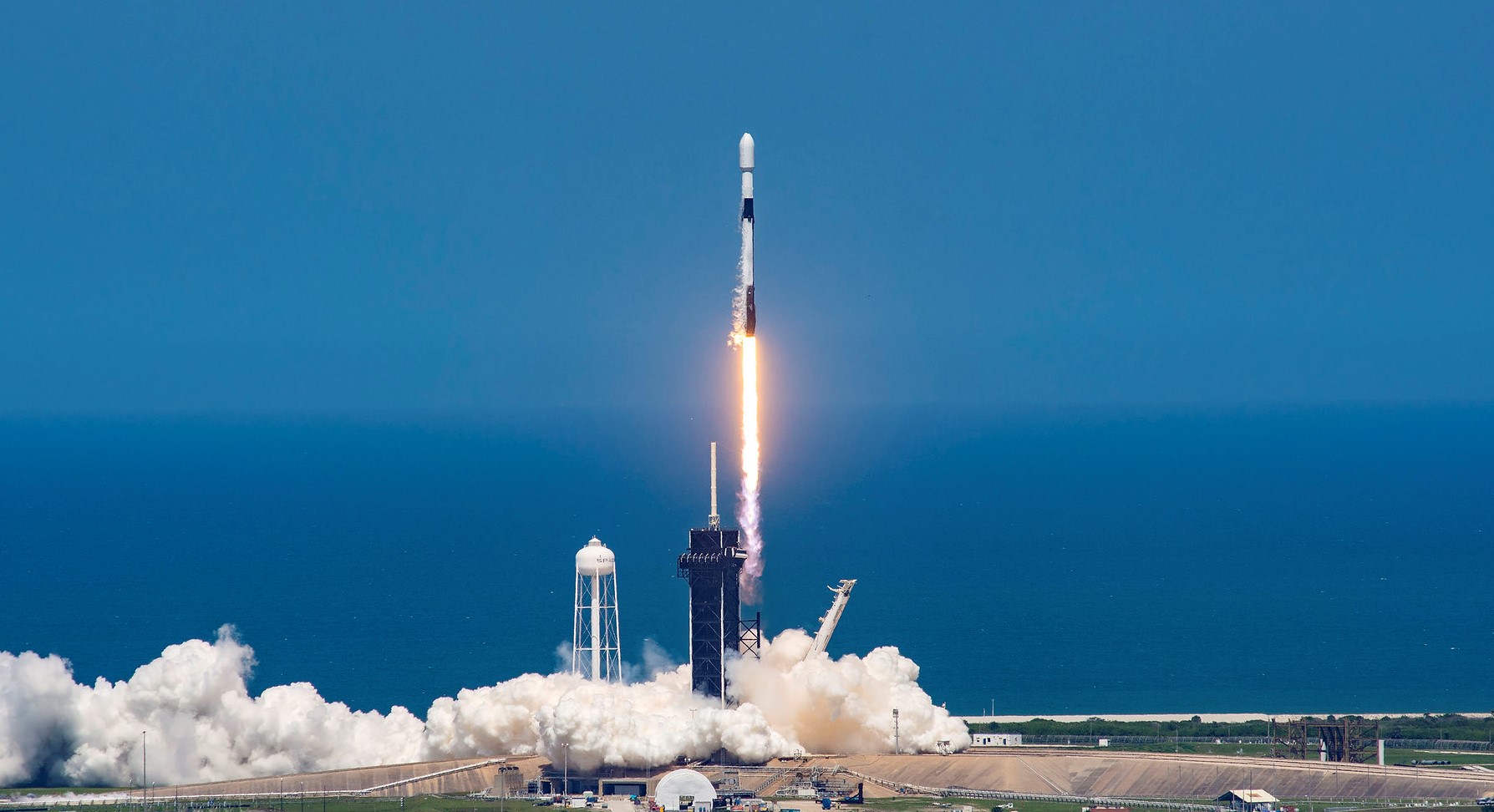
Launch Provider: SpaceX – Commercial
Launch Date: April 2, 2026
Launch Time: 11:52 AM UTC
Vehicle: Falcon 9
Brief: A batch of 29 satellites for the Starlink mega-constellation – SpaceX’s project for space-based Internet communication system.
Starlink Group 17-35
Launch Provider: SpaceX – Commercial
Launch Date: April 2, 2026
Launch Time: 11:03 PM UTC
Vehicle: Falcon 9
Brief: A batch of 25 satellites for the Starlink mega-constellation – SpaceX’s project for space-based Internet communication system.
Demo Flight
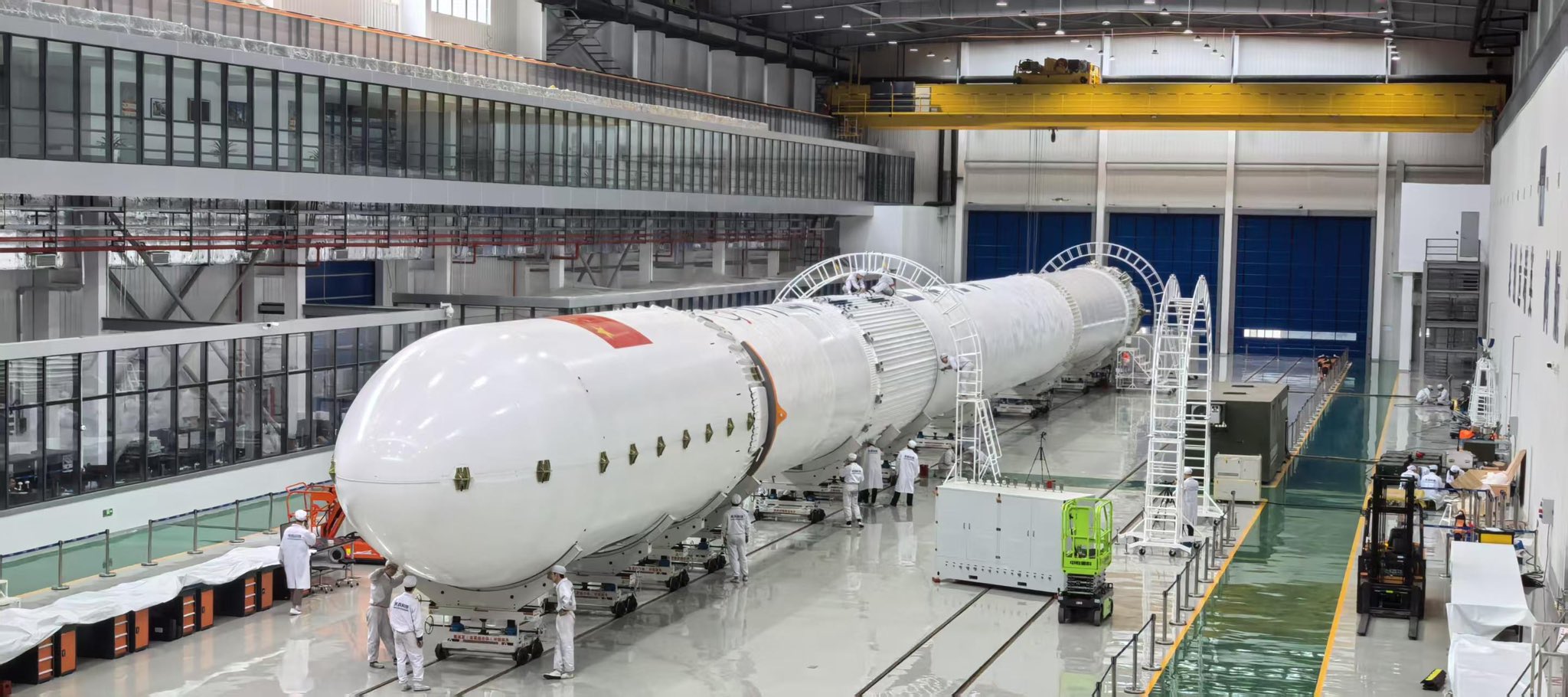
Launch Provider: Space Pioneer – Commercial
Launch Date: April 3, 2026
Launch Time: 4:00 AM UTC
Vehicle: Tianlong-3
Brief: First test launch of Space Pioneer’s Tianlong-3 rocket. Reports indicate this launch may carry a batch of satellites for the SpaceSail/G60/Qianfan LEO communication satellites constellation.
📽️ No Livestream scheduled yet

Leave a Reply