
The Daily Broadcast: Moonbound Teams, Orbital Housekeeping, and a Starlink Boost from the West Coast
Moonbound Teams, Orbital Housekeeping, and a Starlink Boost from the West Coast

Earlier today, Japan’s HTV-X1 cargo spacecraft undocked from the International Space Station and began its final descent through Earth’s atmosphere. Carrying several tons of waste and obsolete hardware from the orbital laboratory, the uncrewed vehicle executed a controlled, destructive reentry—ensuring that nothing hazardous reached the ground. Developed by JAXA as the successor to the venerable Kounotori (HTV) series, HTV-X1 introduced significant upgrades, including enhanced autonomous rendezvous capabilities and a more efficient propulsion system. Its successful mission marks a quiet but critical milestone in space logistics: keeping the ISS clean, safe, and functional. While much of the aerospace spotlight focuses on new rockets and flashy landers, these “orbital garbage trucks” are indispensable. Canada, with its long history of supporting ISS operations through Canadarm2 and Dextre, shares an interest in reliable resupply and waste disposal systems—especially as plans for future commercial space stations take shape. The HTV-X program is expected to support both the ISS and, eventually, Japan’s contributions to the Lunar Gateway.
SpaceX Launches Fresh Starlink Batch from Vandenberg
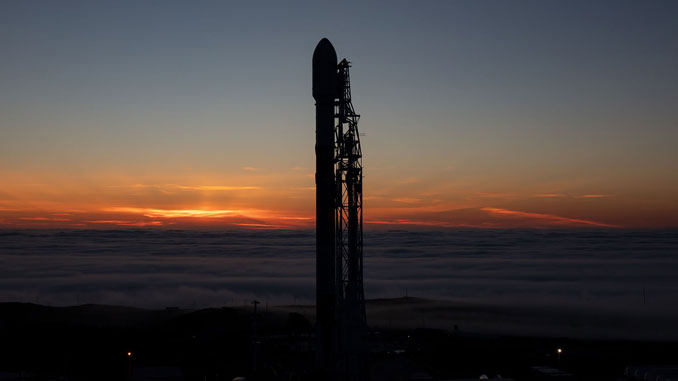 Falcon 9 rocket launching from Vandenberg Space Force Base” style=”display:block; margin:0 auto;”>
At 12:34 a.m. PST (0834 UTC), SpaceX successfully launched 28 Starlink satellites aboard a brand-new Falcon 9 rocket from Space Launch Complex 4E at Vandenberg Space Force Base in California. This mission—part of the ongoing effort to expand and refresh the Starlink megaconstellation—delivered its payload to low Earth orbit before the first stage returned for a pinpoint landing on the drone ship Just Read the Instructions stationed in the Pacific. Notably, this was the maiden flight for this particular booster, adding to SpaceX’s growing fleet of flight-proven rockets. From a Canadian perspective, these launches matter: Starlink already provides internet access to remote and rural communities across Canada, including Indigenous and northern regions where traditional infrastructure is impractical. With the Canadian Radio-television and Telecommunications Commission recently streamlining approvals for satellite-based broadband, more Canadians may soon benefit from this expanding orbital network. And while we may not get many clear views of Falcon 9 launches from the West Coast, our nighttime skies are increasingly dotted with the silent, steady march of these reflective satellites—both a marvel and a reminder of how crowded low Earth orbit is becoming.
Citations
- “Thales Alenia Space Finalises Industrial Team for ESA’s Argonaut Lunar Lander” – https://europeanspaceflight.com/thales-alenia-space-finalises-industrial-team-for-esas-argonaut-lunar-lander/
- “HTV-X1 Release & Reentry” – https://ll.thespacedevs.com/2.2.0/event/352/
- “Live coverage: SpaceX to launch 28 Starlink satellites from Vandenberg on brand new Falcon 9 rocket” – https://spaceflightnow.com/2025/11/23/live-coverage-spacex-to-launch-28-starlink-satellites-from-vandenberg-on-brand-new-falcon-9-rocket/
Upcoming Launches
Shenzhou 22
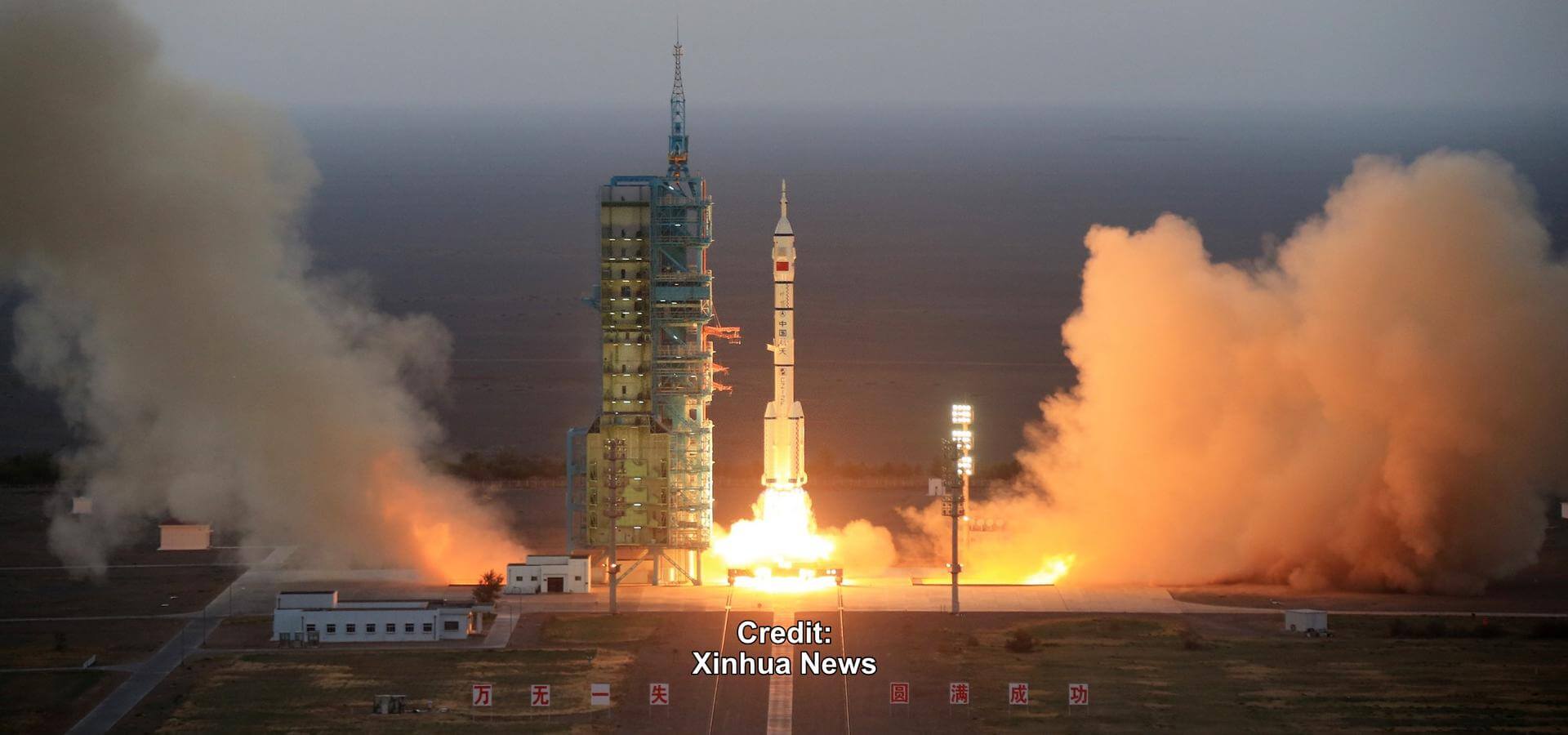
Launch Provider: China Aerospace Science and Technology Corporation – Government
Launch Date: November 25, 2025
Launch Time: 4:11 AM UTC
Vehicle: Long March 2
Brief: Shenzhou 22 (Chinese: 神舟二十二号) will be the 22nd flight of the Shenzhou program. The spacecraft will be launched without crew to replace Shenzhou 20 that was damaged by orbital debris on the descent module porthole window, and thus deemed unsuitable for crew re-entry. The spacecraft will later return three Chinese astronauts on the 10th flight to the Chinese Space Station back to Earth, after launching on Shenzhou 21.
Kosmos (Unknown Payload)
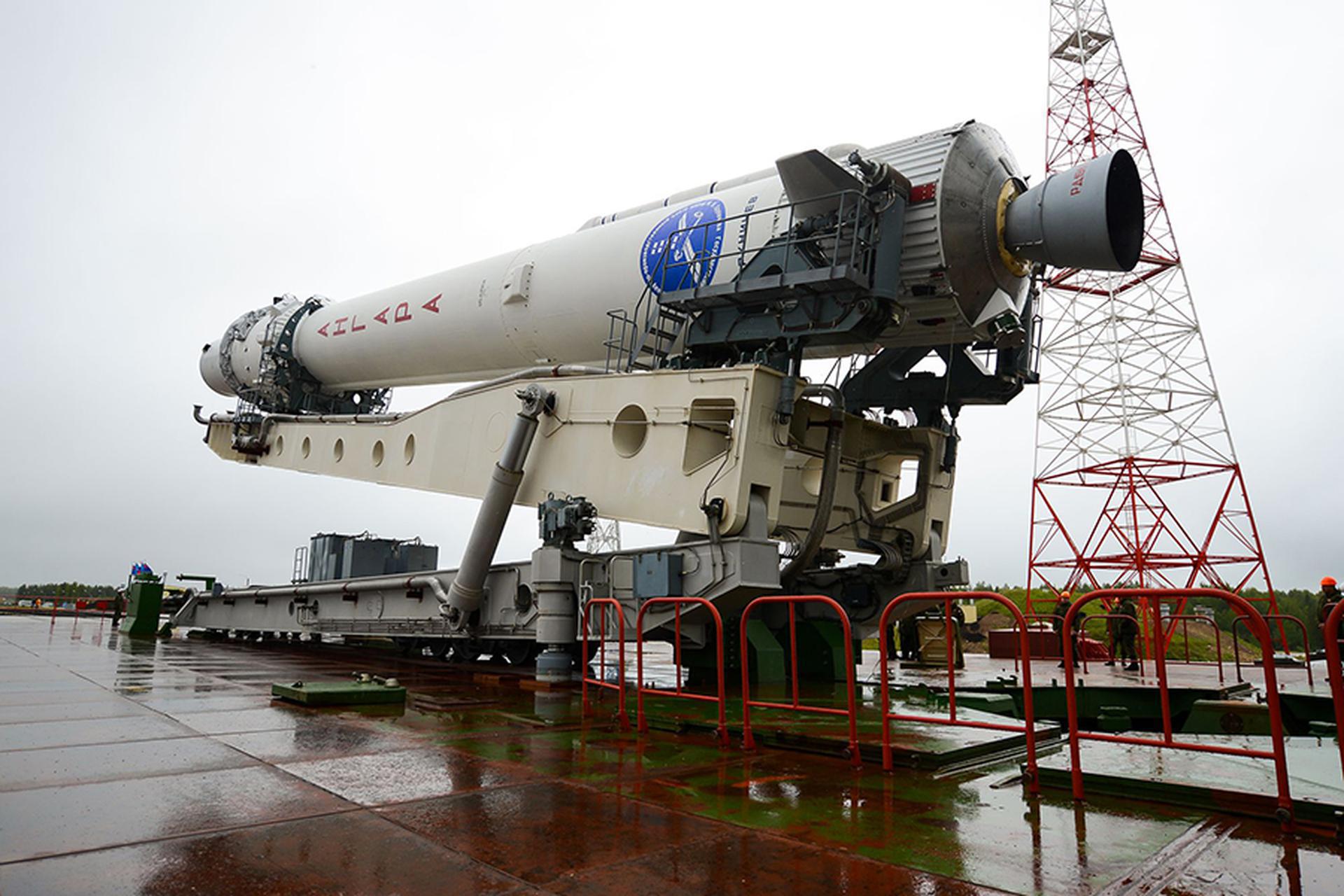
Launch Provider: Khrunichev State Research and Production Space Center – Government
Launch Date: November 25, 2025
Launch Time: 1:00 PM UTC
Vehicle: Angara 1.2
Brief: Note: Payload identity and Cosmos series numbering not confirmed.
Unknown Payload(s) for the Russian military.
CAS500-3
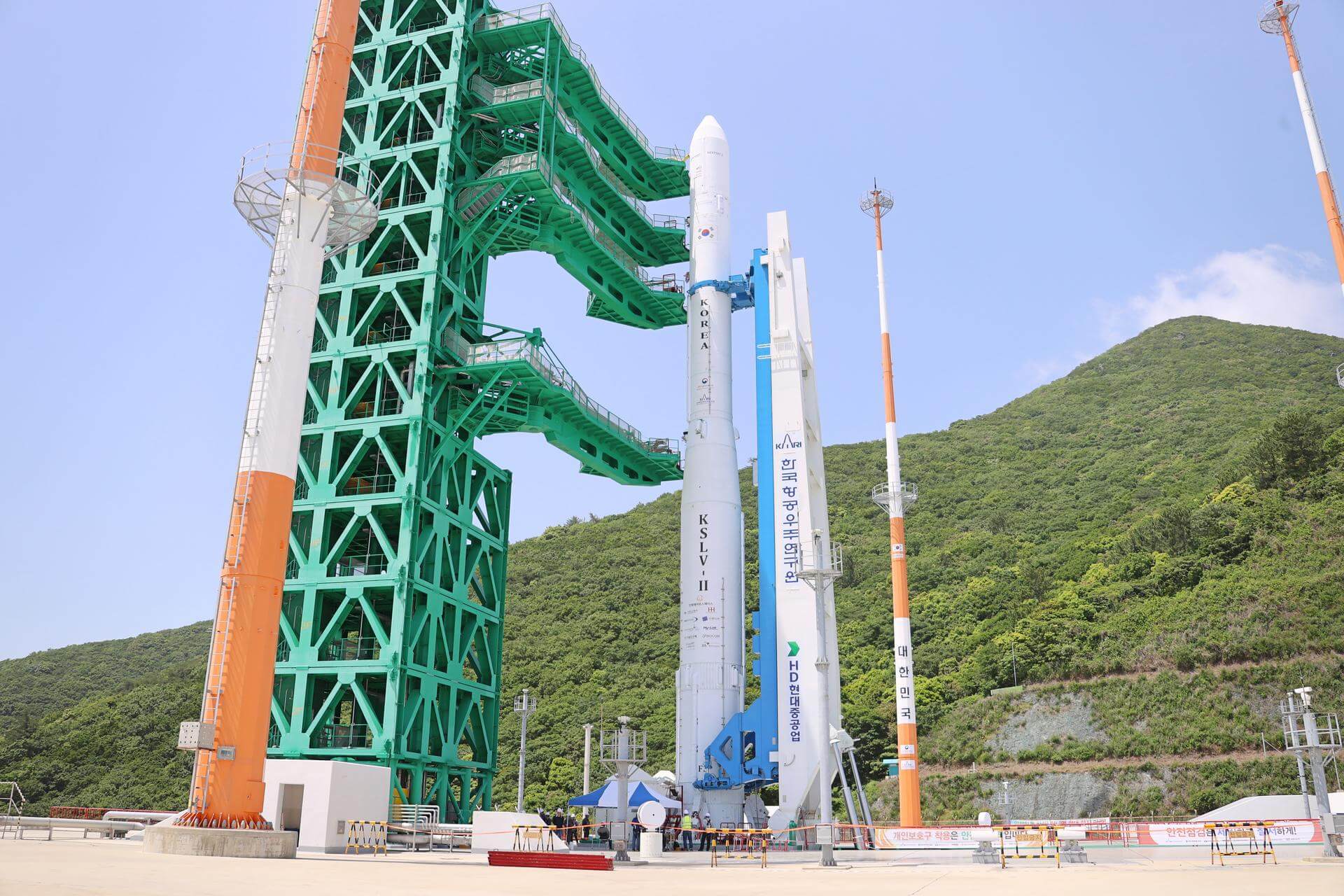
Launch Provider: Korea Aerospace Research Institute – Government
Launch Date: November 26, 2025
Launch Time: 3:54 PM UTC
Vehicle: Nuri
Brief: CAS500-3 is a South Korean Earth observation satellites to be used by the Ministry of Science and ICT for space technology verification and space science research.
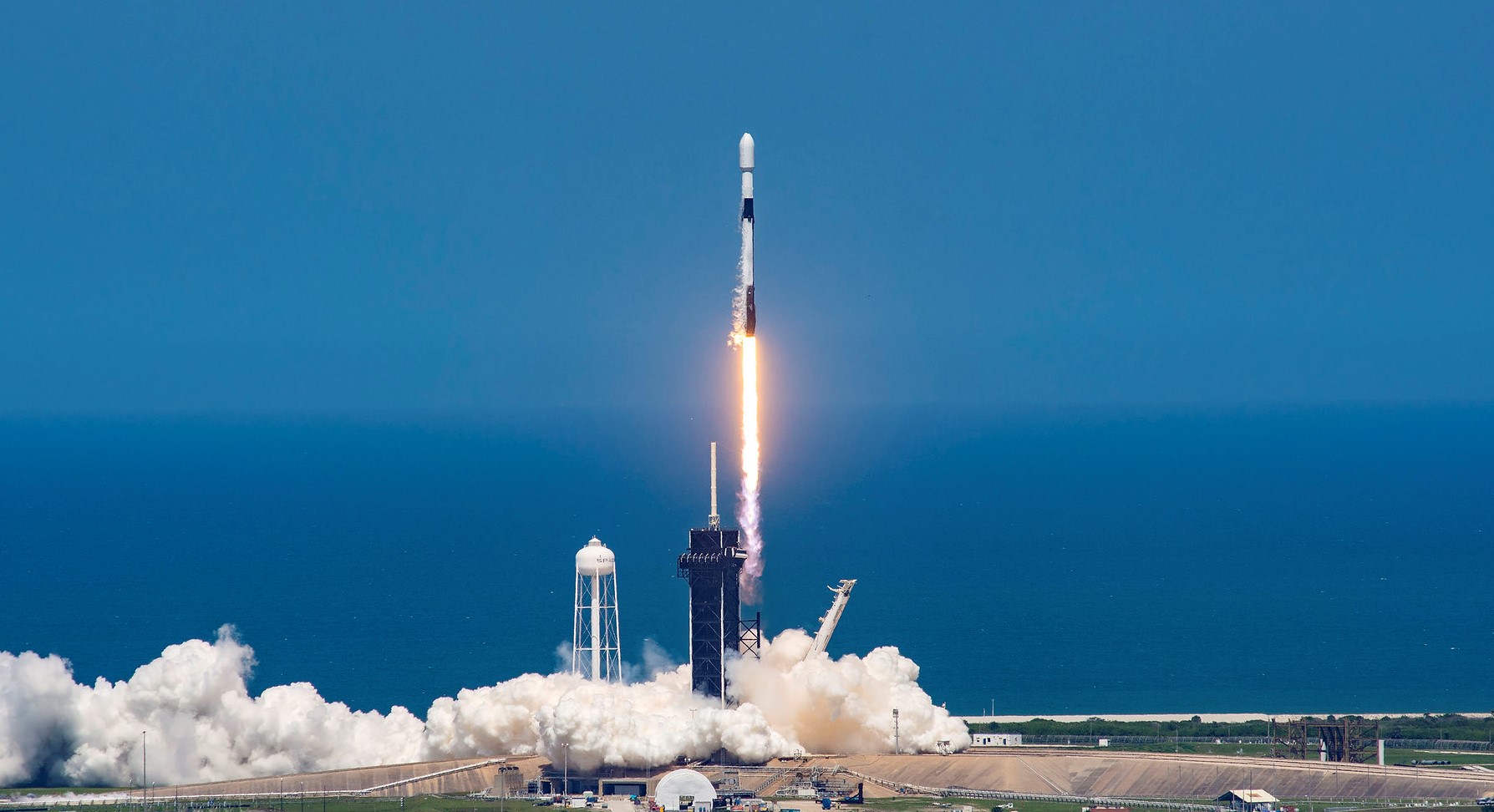
Transporter 15 (Dedicated SSO Rideshare)
Launch Provider: SpaceX – Commercial
Launch Date: November 26, 2025
Launch Time: 6:18 PM UTC
Vehicle: Falcon 9
Brief: Dedicated rideshare flight to a sun-synchronous orbit with dozens of small microsatellites and nanosatellites for commercial and government customers.
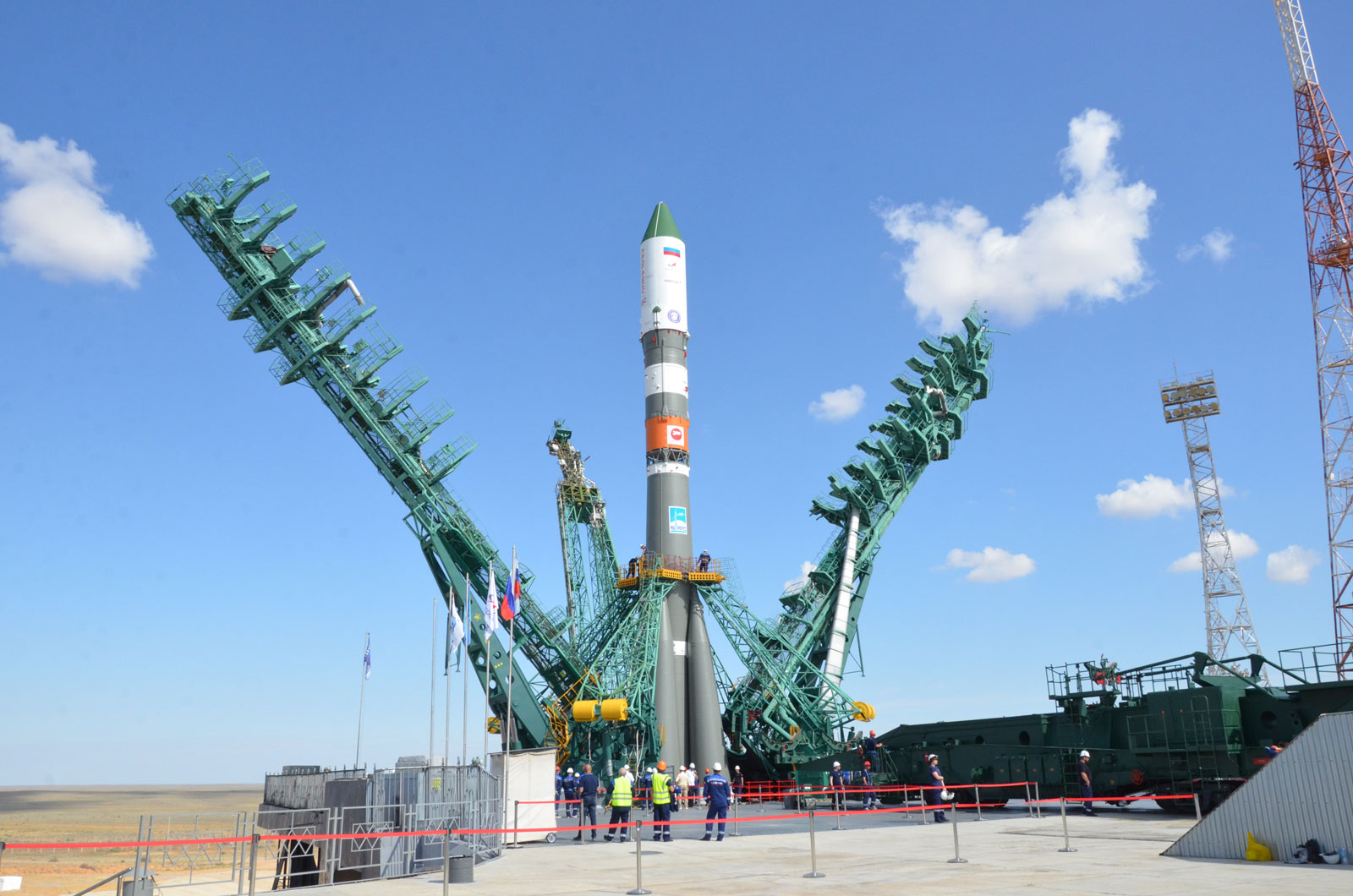
Soyuz MS-28
Launch Provider: Russian Federal Space Agency (ROSCOSMOS) – Government
Launch Date: November 27, 2025
Launch Time: 9:27 AM UTC
Vehicle: Soyuz 2.1a
Brief: Soyuz MS-28 will carry three cosmonauts and one astronaut to the International Space Station aboard the Soyuz spacecraft from the Baikonur Cosmodrome in Kazakhstan. The crew consists of Roscosmos cosmonauts Sergei Kud-Sverchkov, Sergei Mikayev and Oleg Platonov.
